Certain vehicles become much more than transportation. Years of road trips, family memories, daily commutes, hard work, or simply countless enjoyable drives can make a familiar vehicle feel impossible to give up. The following cars and trucks have the kind of character that can create that attachment, whether they are simple classics, practical workhorses, or performance cars that still feel special every time they hit the road.
Volkswagen Beetle
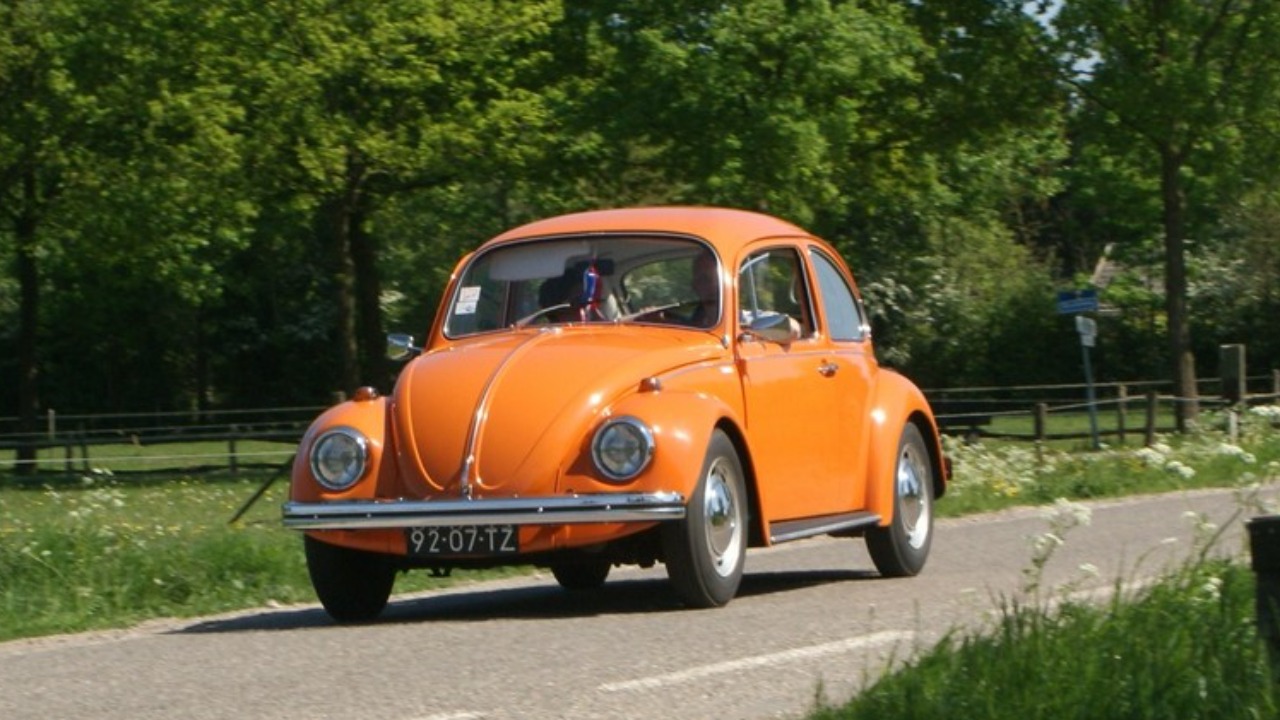
The Volkswagen Beetle has a way of becoming part of the family rather than simply remaining an old car. Its simple shape, compact dimensions, and unmistakable character helped make it one of the world’s most recognizable vehicles. Owners often appreciate how approachable the mechanical design can be and how much personality the little car delivers without needing impressive specifications. A newer car may offer more comfort and technology, but replacing a Beetle often means giving up an experience that is difficult to duplicate.
Jeep Wrangler
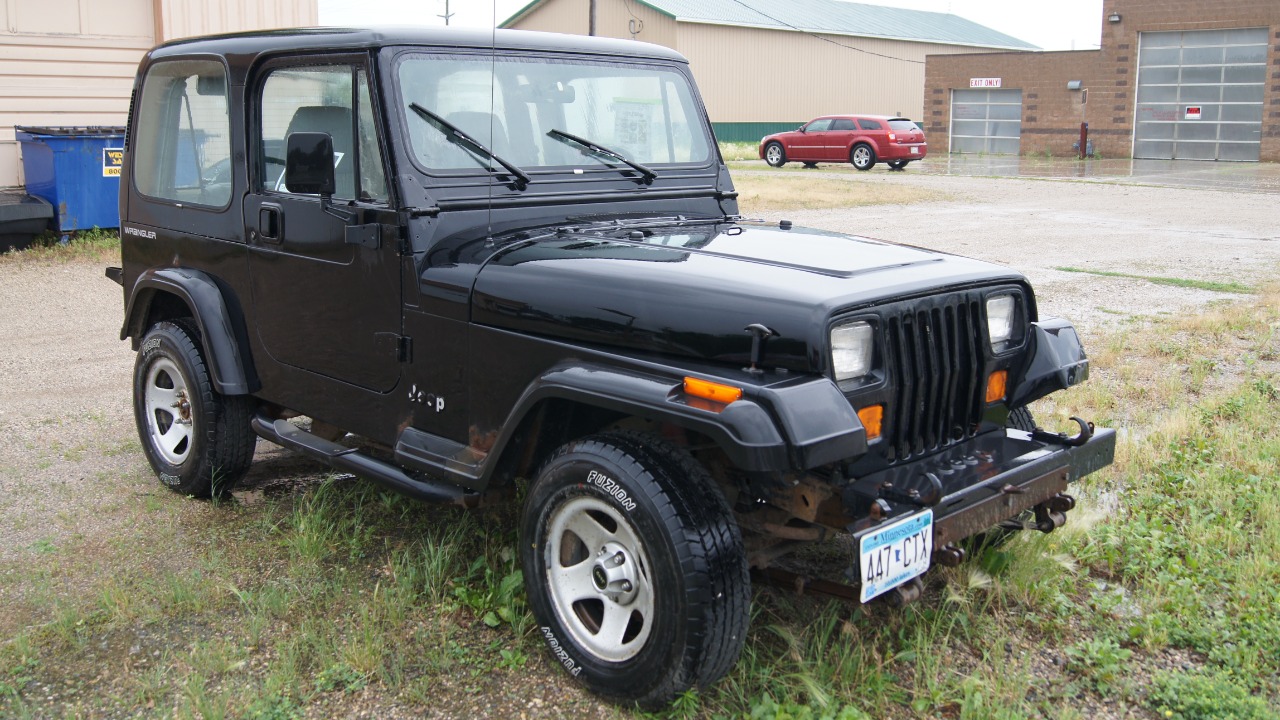
The Jeep Wrangler appeals to owners who want a vehicle that feels useful even when they are not commuting. Its removable doors, open-air capability, rugged appearance, and off-road hardware give it a personality that ordinary SUVs cannot easily reproduce. The Wrangler also has an enormous aftermarket, allowing owners to personalize their vehicles over many years. For someone who has built memories around camping, trails, or weekend adventures, replacing it with a conventional crossover can feel like losing part of the experience.
Porsche 911
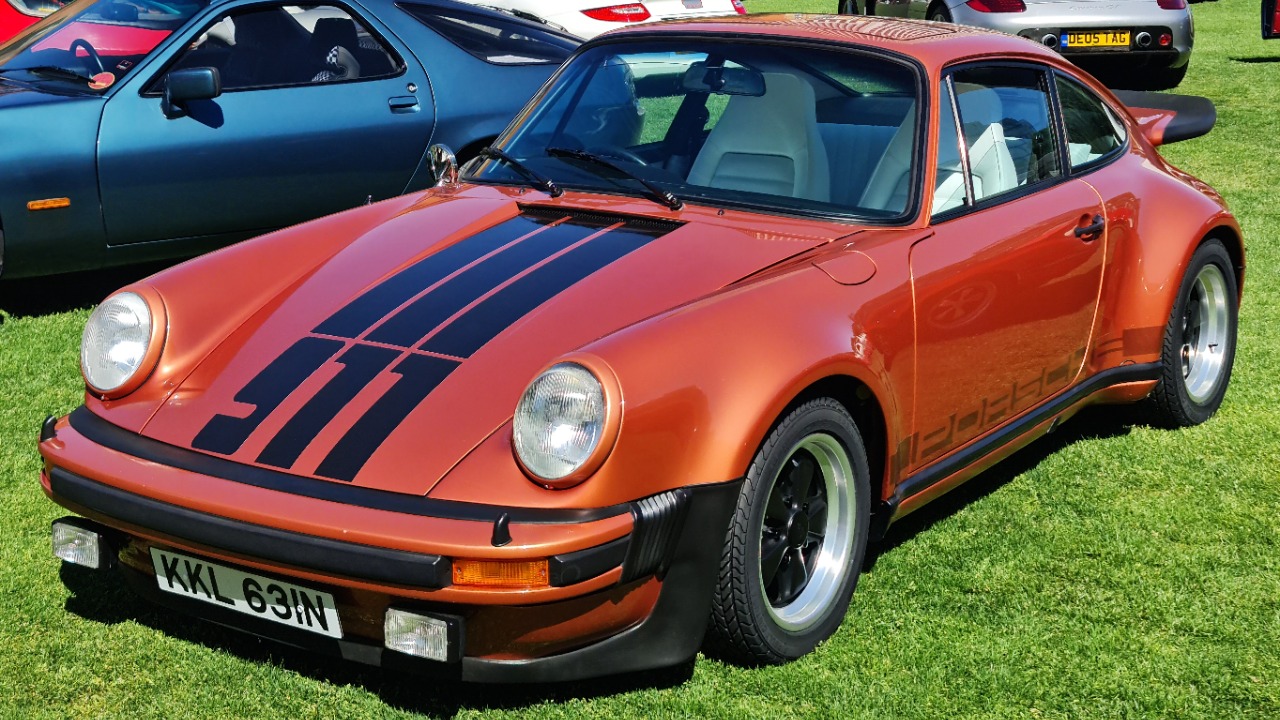
The Porsche 911 has remained remarkably consistent in its basic philosophy while evolving dramatically underneath. Its rear-engine layout, distinctive shape, and focused driving experience give owners something that is difficult to replace with another sports car. Different generations offer very different personalities, but the basic connection between driver and machine remains recognizable. Many owners also become attached to the particular character of their generation, making the idea of trading it for an entirely different car less appealing.
Toyota Land Cruiser
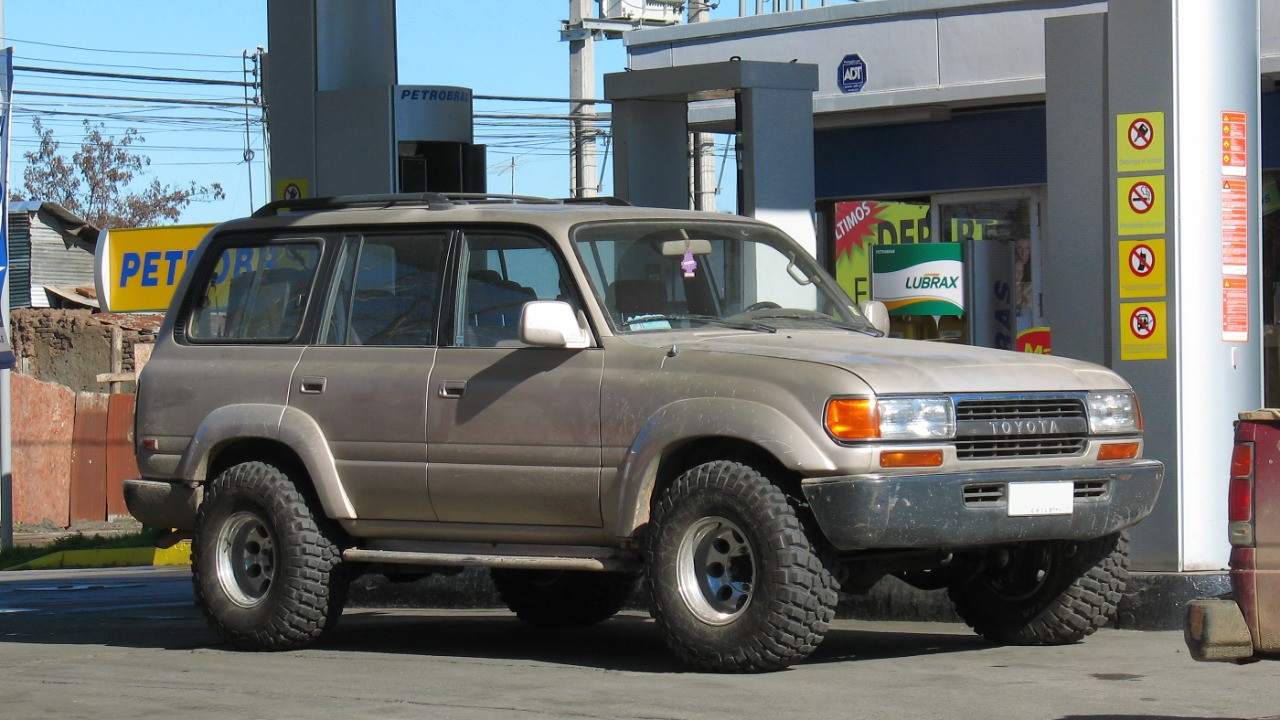
The Toyota Land Cruiser has developed a reputation for combining rugged capability with long-term usability. Owners can use one as a family vehicle, expedition machine, work vehicle, or daily driver without dramatically changing its basic character. Its durability is only part of the appeal. The Land Cruiser’s reputation and history give each generation a sense of purpose that is increasingly difficult to find in modern SUVs. Once owners become accustomed to that combination, replacing one can be surprisingly difficult.
Mazda MX-5 Miata
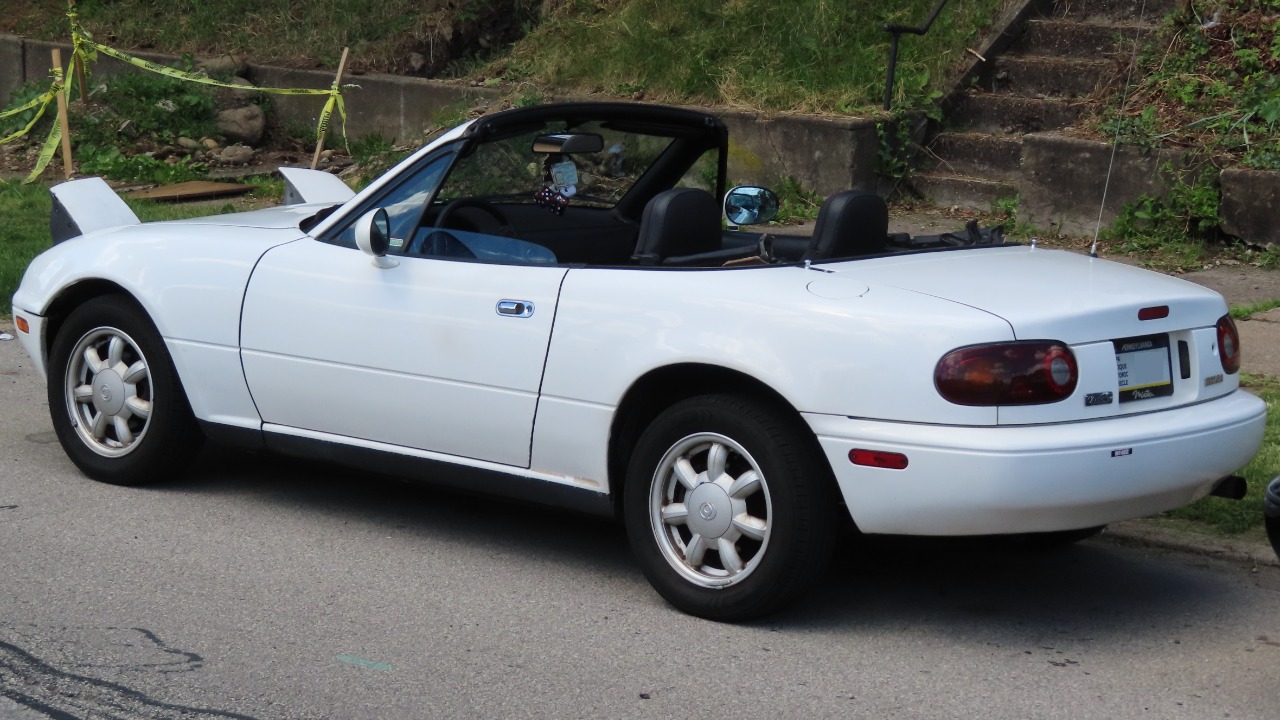
The Miata proves that a sports car does not need huge power or extreme performance to become a keeper. Its small dimensions, light weight, simple rear-wheel-drive layout, and open-top character make ordinary drives feel more engaging. It is also relatively approachable compared with many performance cars. Owners can enjoy it without needing a racetrack or a large garage. That combination of simplicity and fun has helped generations of Miata owners become unusually attached to their cars.
Ford Mustang
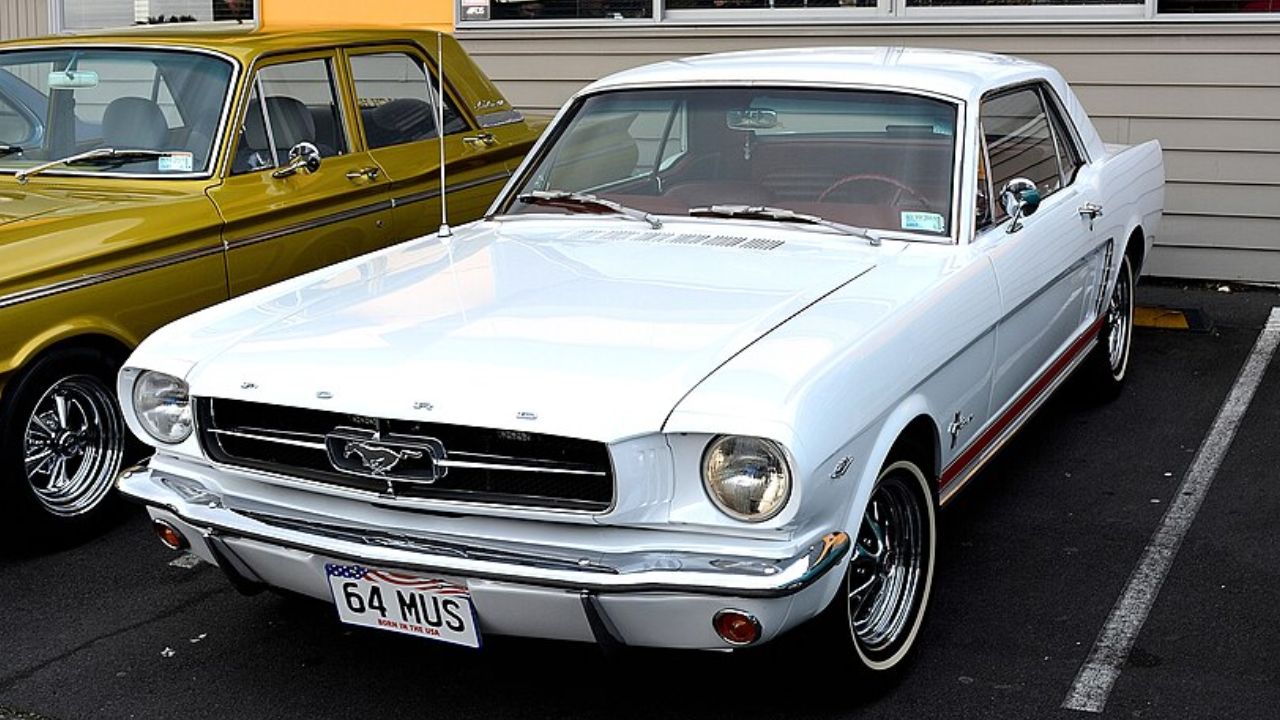
The Mustang has always offered something broader than raw performance. It can serve as a daily driver, weekend cruiser, modification project, or serious performance car depending on the version. Generations of owners have also attached personal memories to their Mustangs, from first cars to family projects. Its long history means there is a Mustang for almost every type of enthusiast. Once an owner finds the generation and configuration that feels right, replacing it with something completely different can be difficult.
Toyota Tacoma
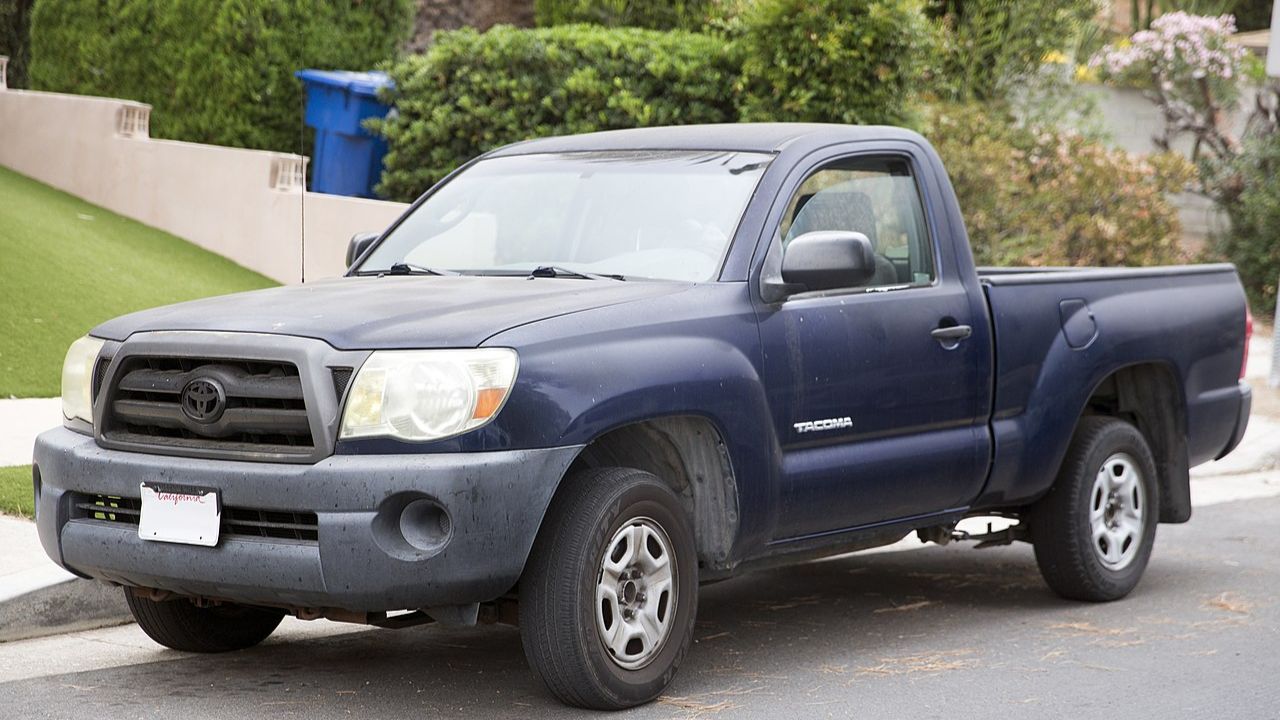
The Tacoma has become a favorite among owners who want a midsize pickup that can handle everyday duties without feeling enormous. Its compact footprint makes it easier to live with than many full-size trucks, while available four-wheel-drive systems give it useful off-road capability. Many owners also appreciate the truck’s straightforward personality and strong resale reputation. A Tacoma can become part of a person’s routine for years, making the idea of replacing it with a larger or more complicated pickup less attractive.
Chevrolet Corvette
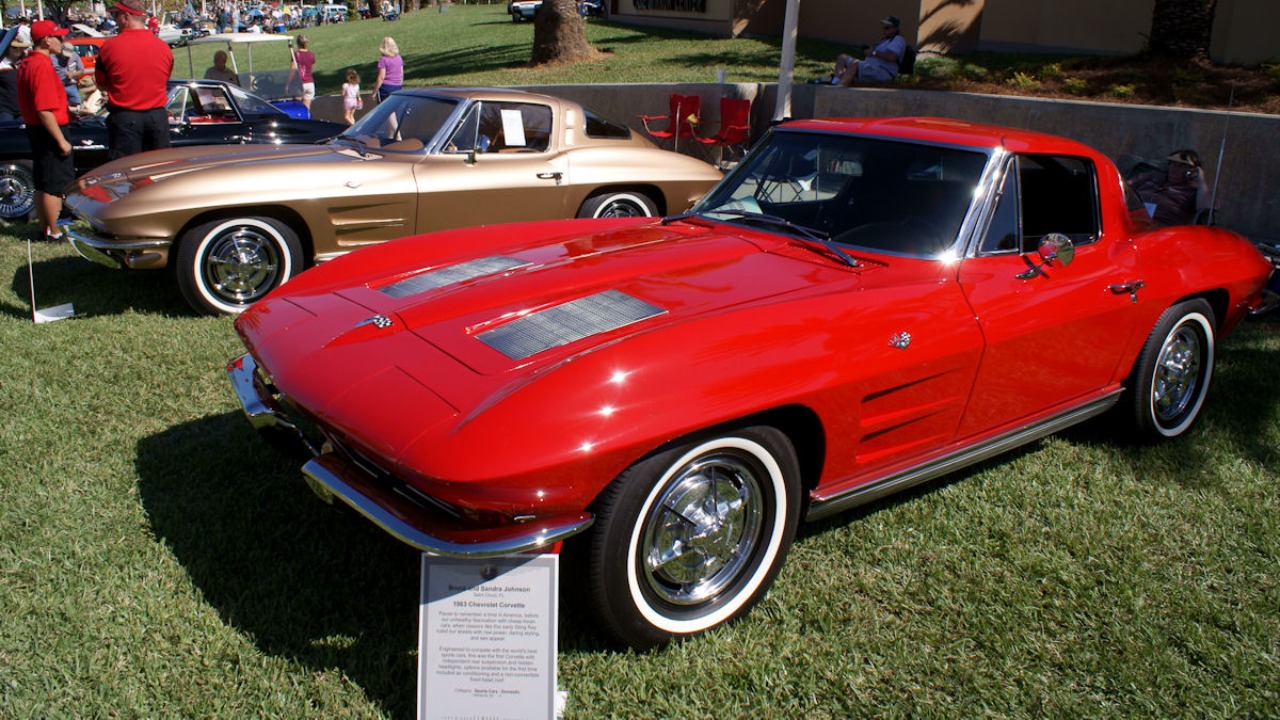
The Corvette occupies a unique position because it combines genuine sports-car performance with a history of being relatively accessible compared with many exotic cars. Each generation has its own character, but the basic idea remains the same: a two-seat American performance car that can be driven regularly. Owners often become attached not only to the driving experience but also to the Corvette’s identity. Once someone has spent years with one, finding another vehicle that delivers the same combination can be surprisingly challenging.
Honda Civic
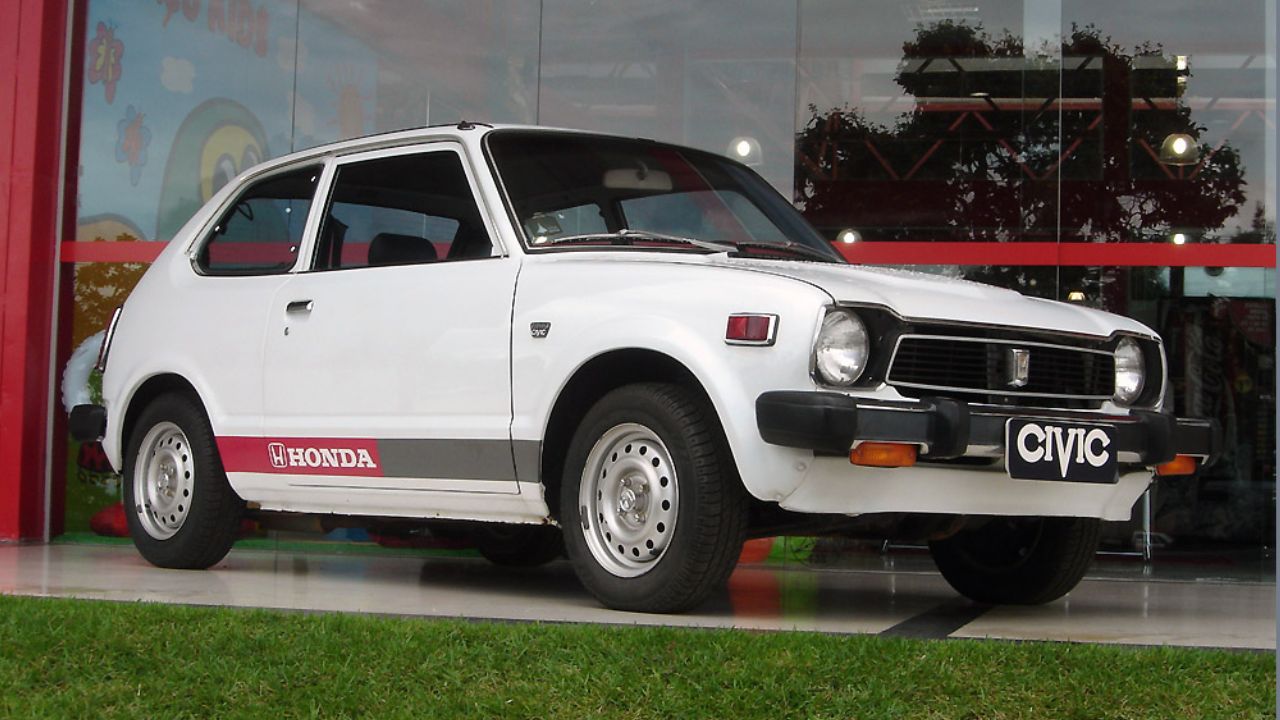
The Civic has earned generations of loyal owners by doing ordinary transportation exceptionally well. It is compact, economical, practical, and available in versions ranging from sensible commuters to enthusiast favorites. Older Civics also became popular with people who enjoyed modifying their cars, creating an enormous enthusiast culture around certain generations. The Civic’s greatest strength is that it can fit into many different stages of life. Owners who have relied on one for years often know exactly what they would be giving up by replacing it.
Ford F-150
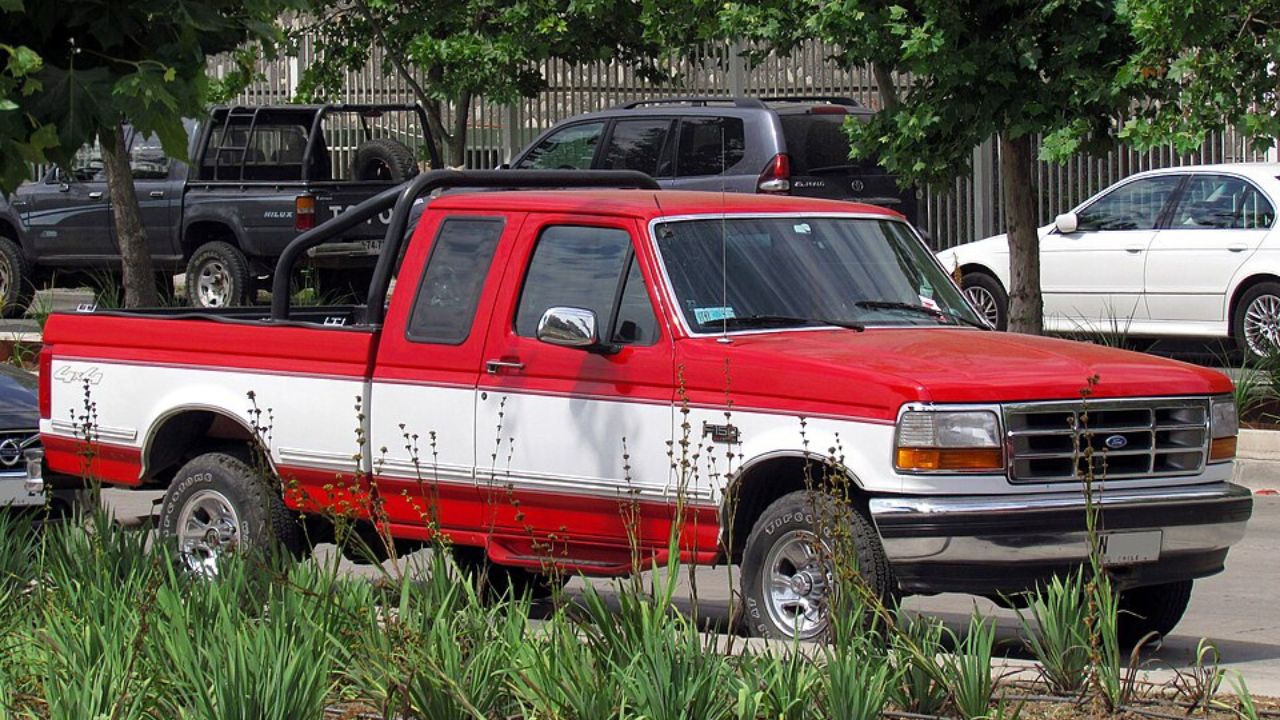
The F-150 has been a fixture of American roads and workplaces for generations. Its enormous range of configurations allows owners to choose anything from a basic work truck to a highly equipped daily driver. For many people, the attachment comes from what the truck has helped them accomplish rather than its specifications. It may have hauled equipment, pulled trailers, helped with home projects, or simply served as dependable transportation. After years of that relationship, replacing it can feel unnecessary.
Volvo 240
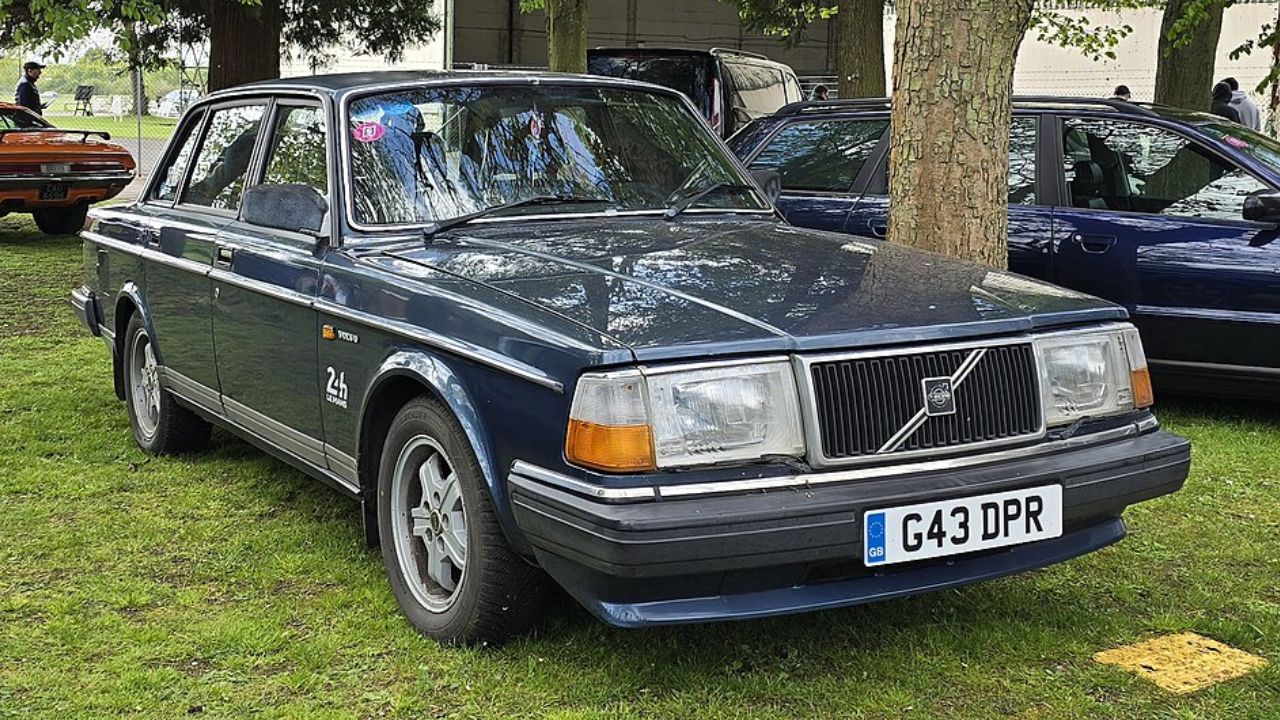
The Volvo 240 has a reputation for being practical, durable, and distinctly different from mainstream American cars. Its boxy shape is instantly recognizable, while its simple interior and straightforward engineering give it an appealing sense of purpose. Owners often become attached to the visibility, seating position, cargo space, and sturdy construction. Modern vehicles may offer more features, but they rarely feel like a 240. That uniqueness is a major reason longtime owners often keep these cars far longer than expected.
Chevrolet Suburban
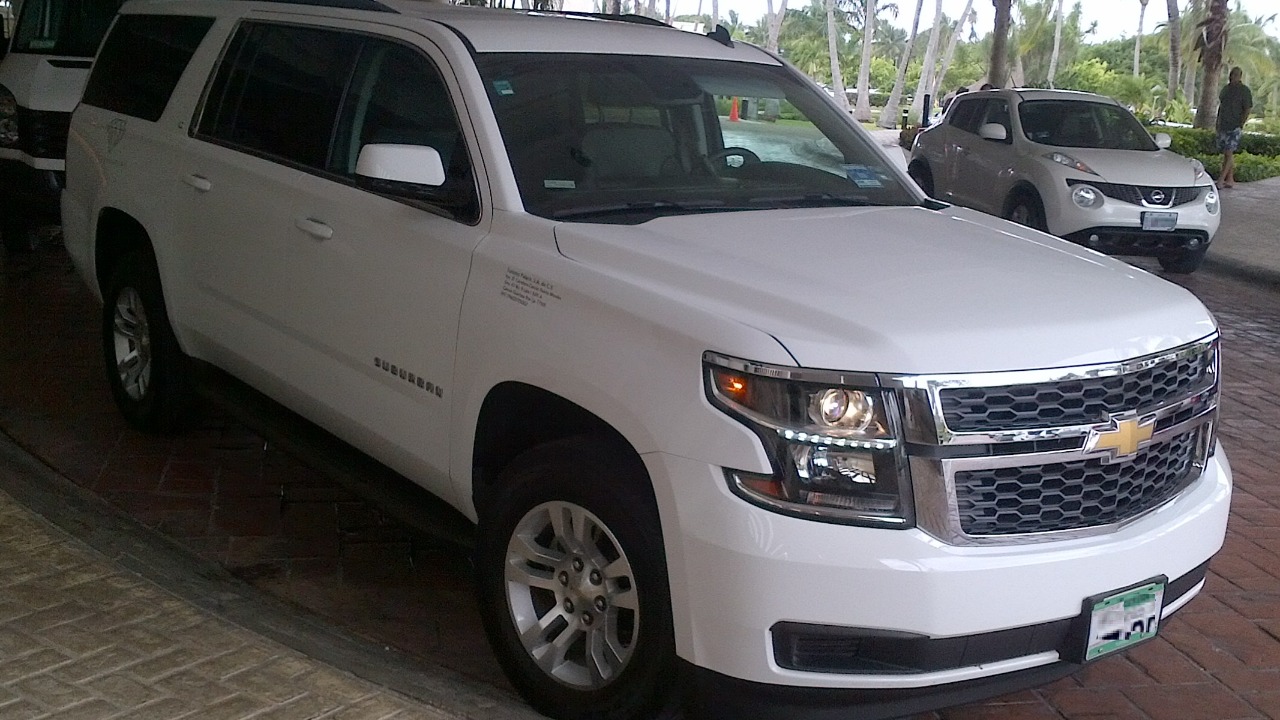
The Chevrolet Suburban has served families, businesses, emergency services, and work crews for generations. Its combination of passenger space, cargo capacity, towing ability, and conventional truck-based construction gives it a usefulness that is difficult to replicate. Owners can carry people and equipment without needing to compromise as much as they would in a smaller SUV. The Suburban’s sheer versatility can make it one of those vehicles that becomes deeply integrated into everyday life.
Honda Accord
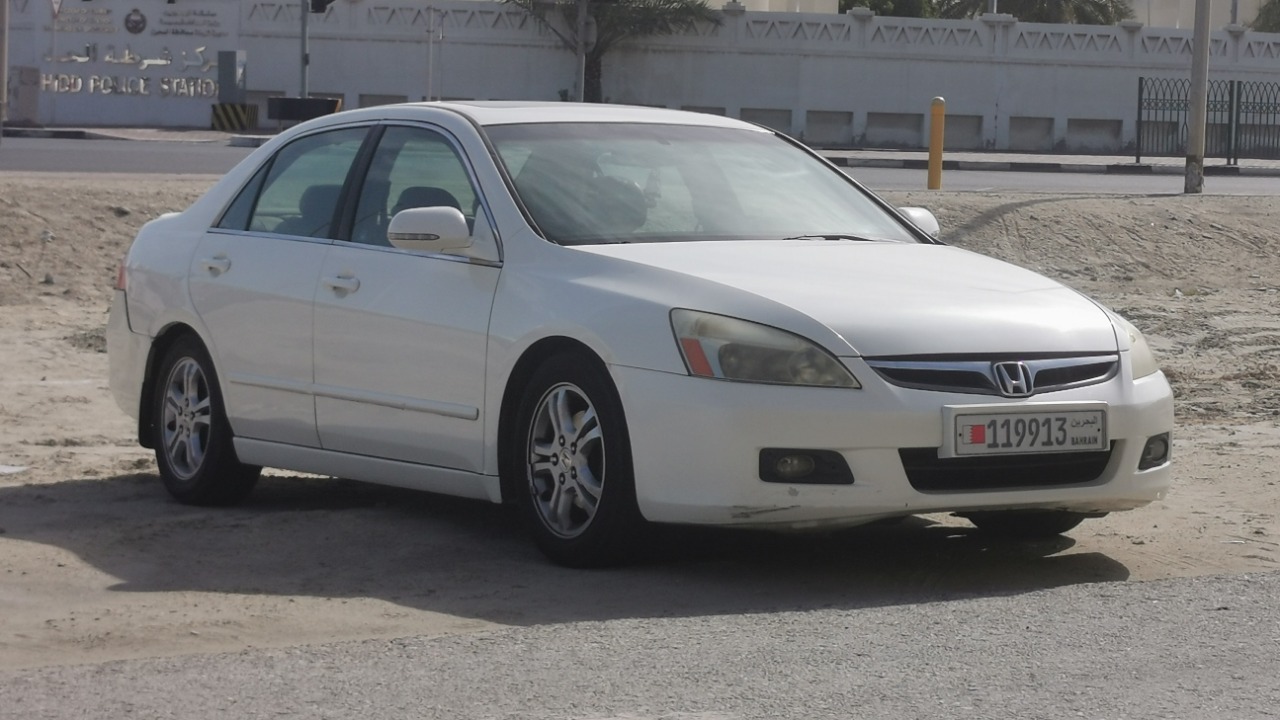
The Accord has spent decades proving that a practical family sedan does not have to be disposable. Comfortable interiors, useful space, sensible dimensions, and strong everyday usability have made it a long-term favorite for many owners. Older generations also developed enthusiastic followings because of their driving characteristics and mechanical simplicity. For someone who has spent years maintaining and driving a familiar Accord, replacing it can mean giving up a vehicle that already fits nearly every part of daily life.
Mercedes-Benz G-Class

The G-Class started life as a serious off-road vehicle and gradually became one of the world’s most recognizable luxury SUVs. Its upright body, distinctive profile, and rugged construction have remained remarkably consistent through decades of development. Owners can enjoy luxury without losing the visual identity that made the original so memorable. That combination is difficult to reproduce. Even when newer SUVs offer more space or technology, a G-Class owner may still prefer the unmistakable character of the vehicle they already know.
Subaru Outback
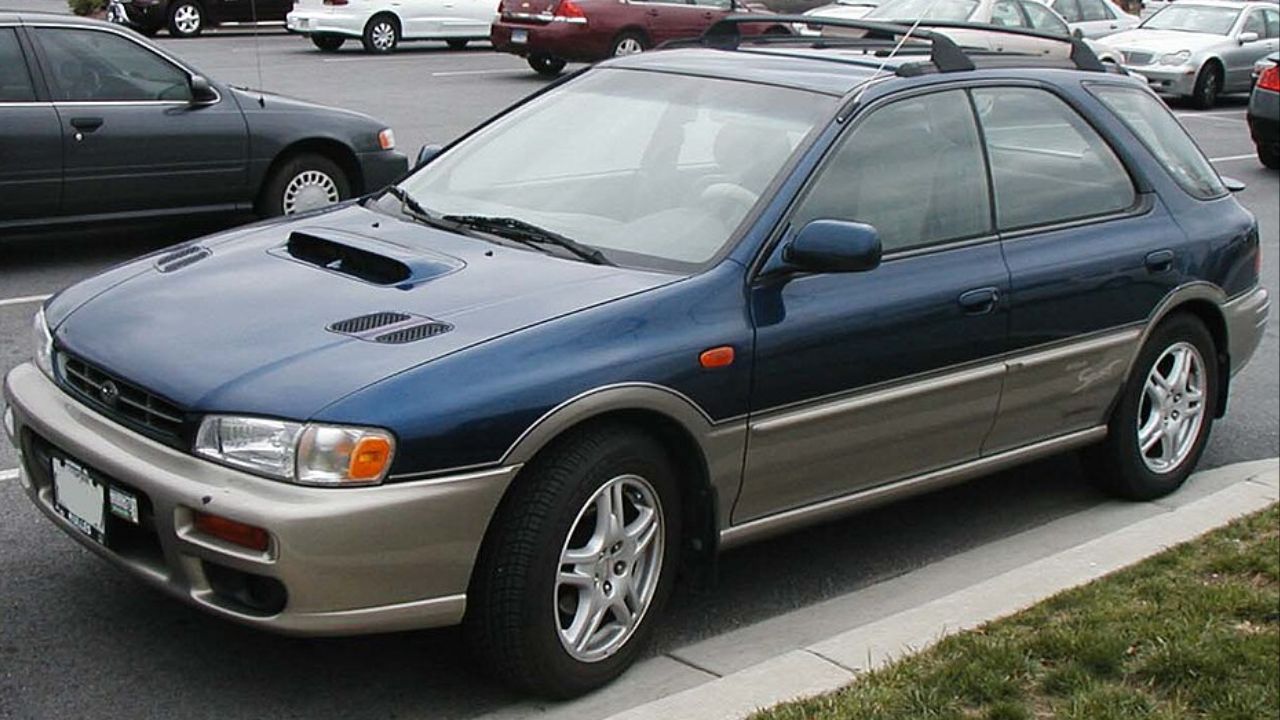
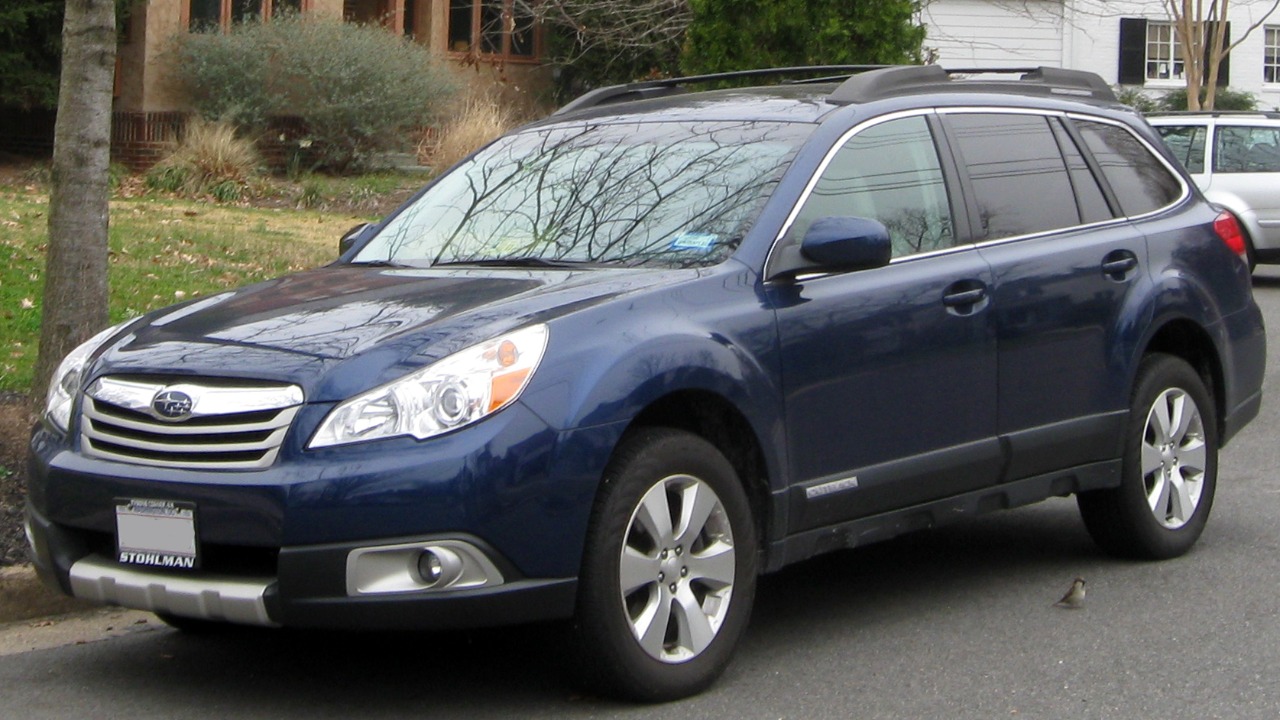
The Subaru Outback became popular by combining wagon practicality with useful ground clearance and all-wheel drive. It can carry passengers, equipment, pets, and outdoor gear while remaining manageable for everyday driving. For owners who spend time on rough roads or enjoy outdoor activities, that versatility can become difficult to replace. A conventional sedan lacks its cargo flexibility, while a larger SUV may be unnecessarily bulky. The Outback’s ability to fit into many different parts of life is a major part of its appeal.
Chevrolet El Camino

The El Camino occupies a category of its own, combining the basic comfort of a passenger car with an open cargo bed. Owners can enjoy a lower driving position and car-like road manners while still carrying motorcycles, tools, or weekend project equipment. Later versions also offered serious V8 performance, making the formula even more unusual. Modern pickups may be more capable, but few vehicles can reproduce the El Camino’s distinctive combination of utility, style, and personality.
Toyota 4Runner
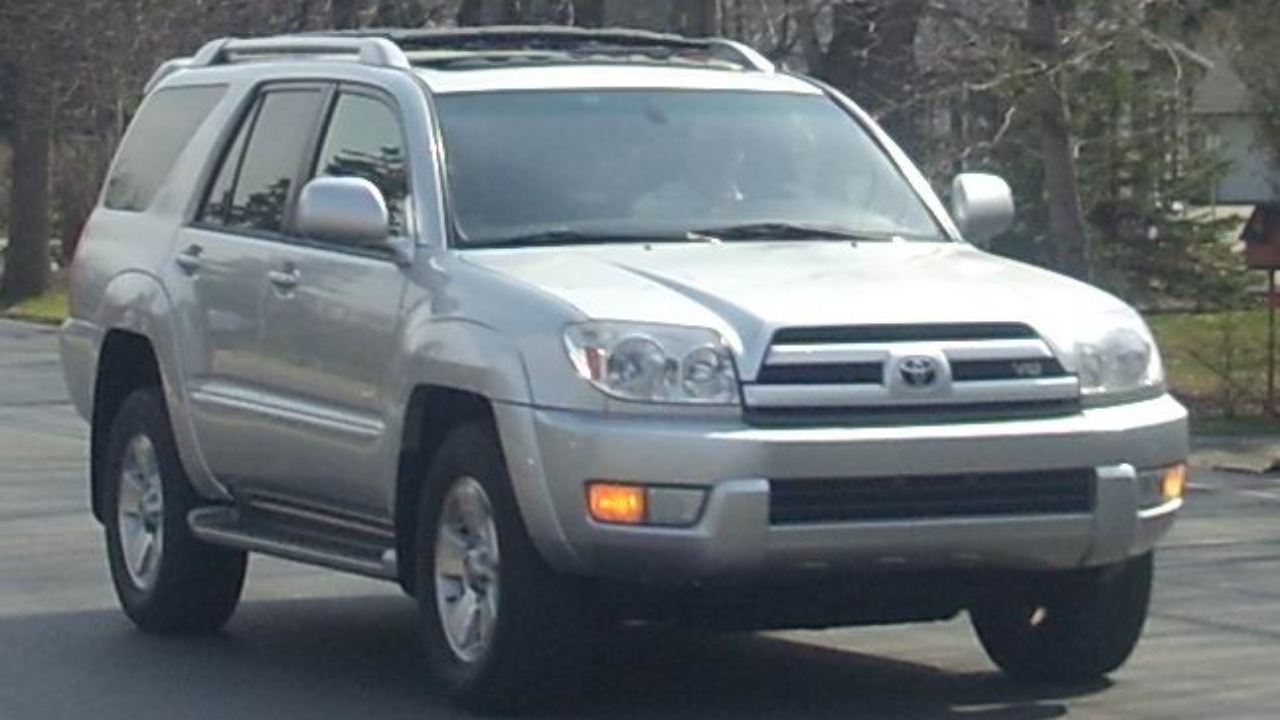
The 4Runner has maintained a strong following because it blends traditional SUV construction with everyday usability. Its body-on-frame foundation, available four-wheel drive, and useful cargo area make it suitable for everything from commuting to outdoor adventures. Owners who spend years with one often appreciate its straightforward proportions and familiar driving position. A newer crossover may be smoother or more efficient, but it cannot necessarily provide the same combination of ruggedness and traditional SUV character.
BMW 3 Series

The BMW 3 Series has changed significantly across generations, yet its basic appeal has remained centered on driving enjoyment combined with everyday practicality. Owners can use one for commuting during the week and still enjoy its handling on a winding road. Older generations in particular have developed strong enthusiast communities. The appeal often comes from the balance rather than one standout feature. For drivers who value that combination, finding a replacement that feels equally natural can be harder than expected.
Dodge Charger
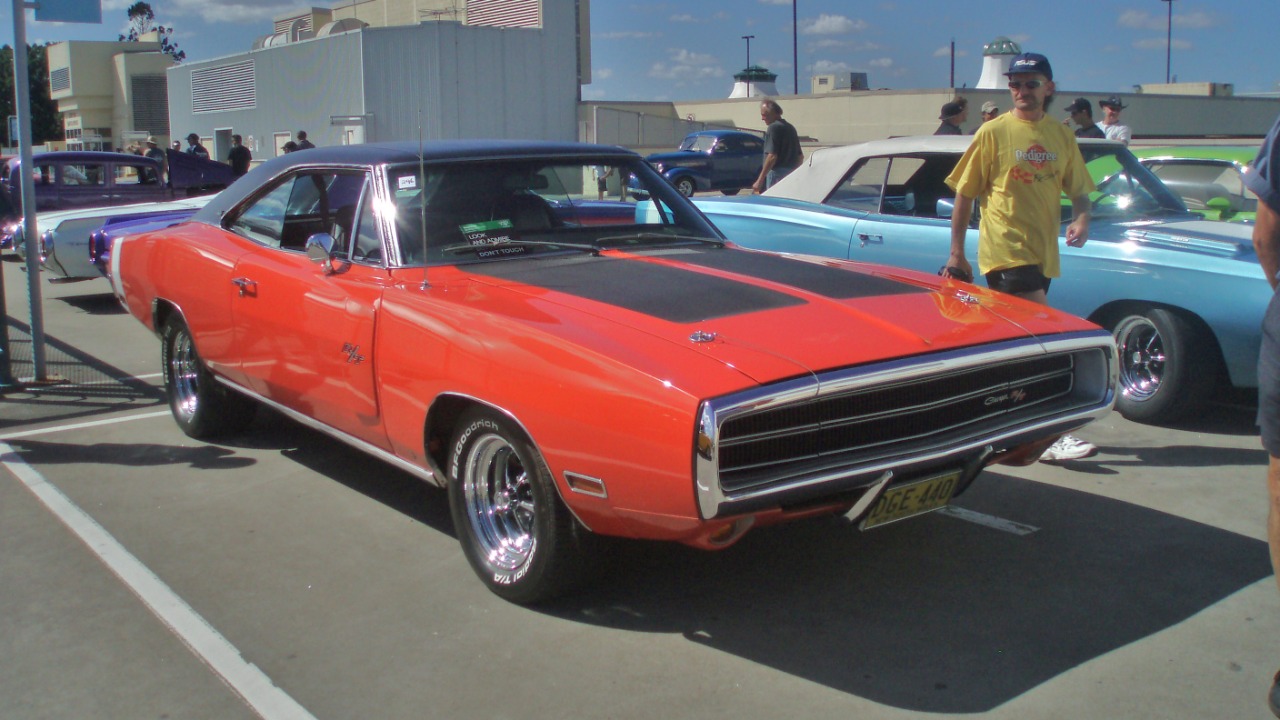
The Charger has taken several forms over its long history, but its reputation as a distinctive American performance car has remained. Classic versions became icons of the muscle era, while later generations brought rear-wheel-drive performance back into the modern market. Owners often appreciate the combination of strong engines, spacious cabins, and aggressive styling. A Charger can serve as both a practical family car and an enthusiast machine, giving it a range of uses that helps explain why certain owners become attached to theirs.
Land Rover Defender
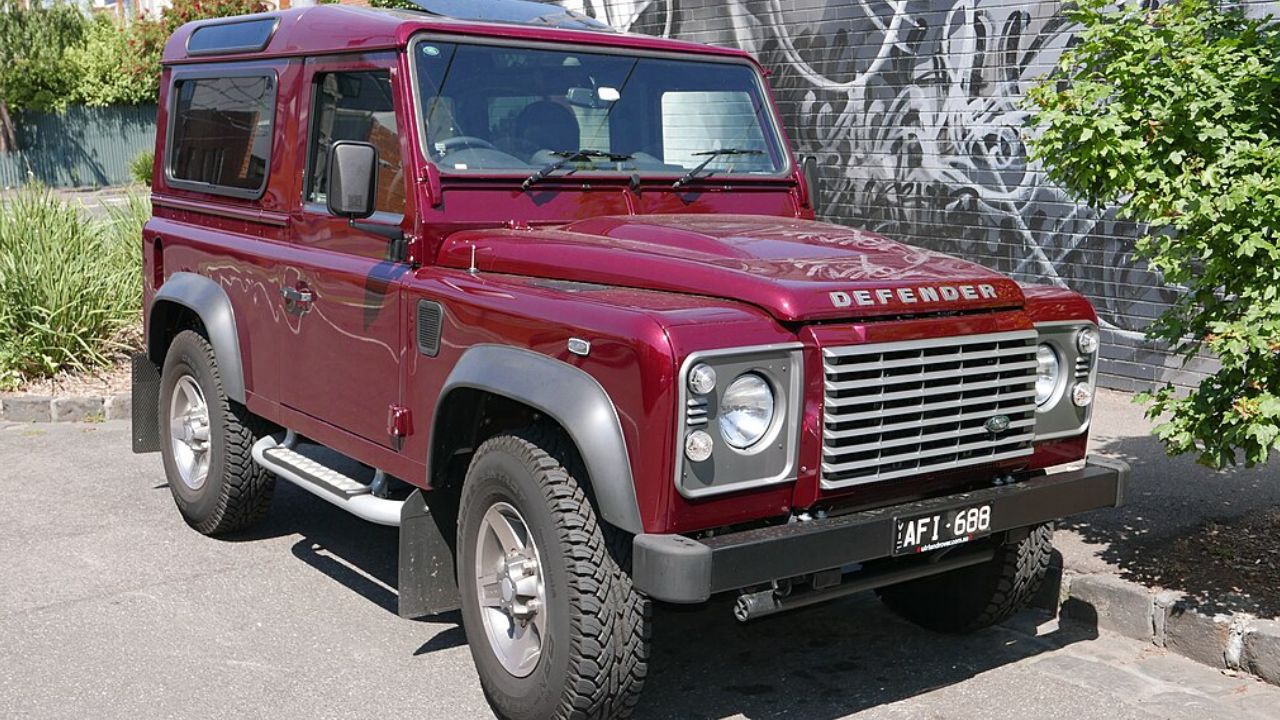
The Defender developed its reputation through decades of hard use in places where ordinary vehicles could struggle. Its upright shape, four-wheel-drive capability, and unmistakable appearance made it a recognizable tool as much as a personal vehicle. Modern Defenders are far more sophisticated, but the original formula created an unusually strong following. Owners often value the vehicle’s sense of history and mechanical character as much as its off-road ability. For them, replacing a Defender means finding another vehicle with the same personality, not simply the same capabilities.
More from Fast Lane Only
- Unboxing the WWII Jeep in a Crate
- 15 rare Chevys collectors are quietly buying
- 10 underrated V8s still worth hunting down
- Police notice this before you even roll window down
*Research for this article included AI assistance, with all final content reviewed by human editors.