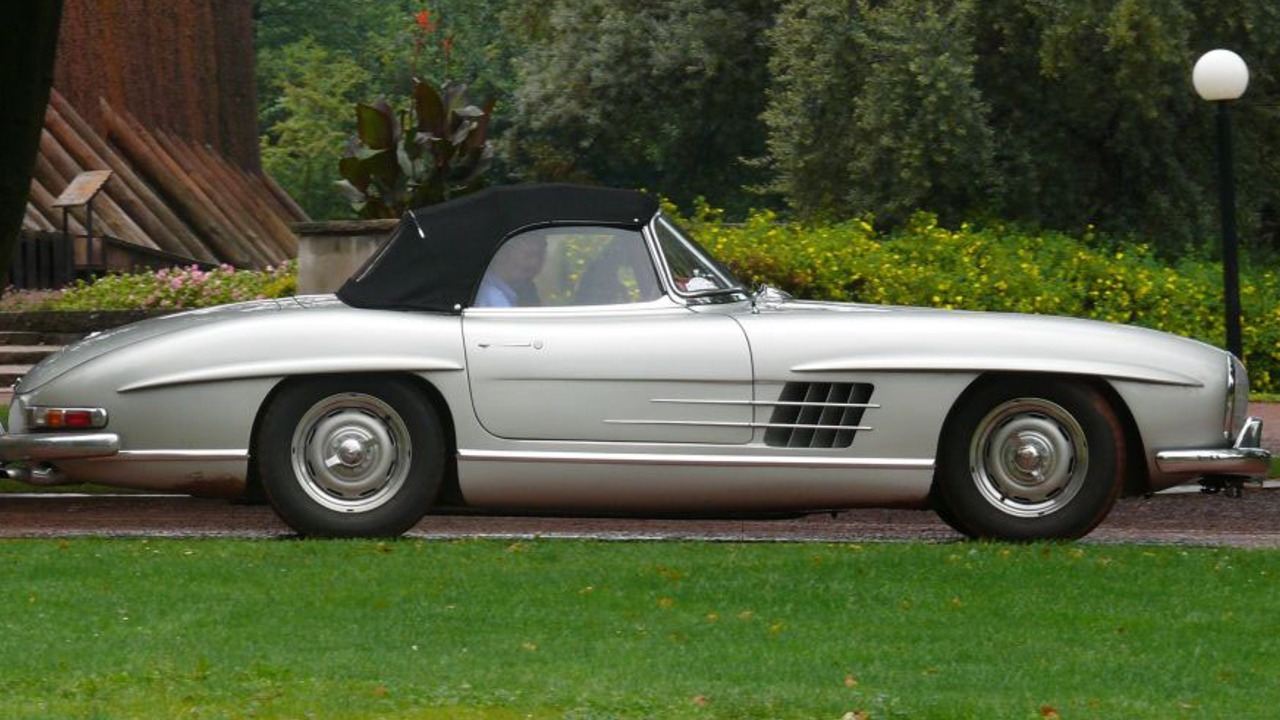
The classic roadster was usually about simple pleasures, but a handful of these open-top cars brought surprisingly advanced ideas to the road. Lightweight construction, independent suspension, unusual engines, clever packaging, and aerodynamic thinking helped certain roadsters stand apart from the competition. Many of these ideas would become common much later, making these vintage sports cars more innovative than their modest size and age might suggest.
Jaguar E-Type
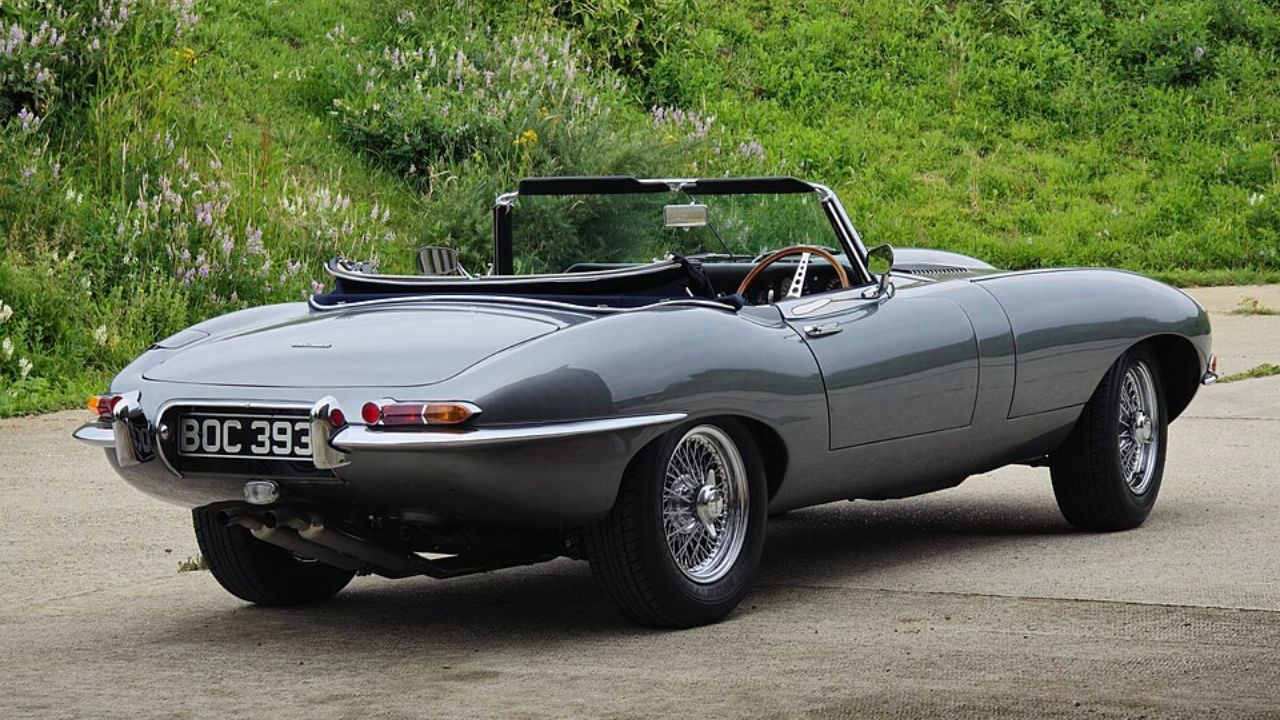
The Jaguar E-Type looked like it had arrived from the future when it debuted. Its long hood, covered headlights, independent rear suspension, disc brakes, and aerodynamic body gave it an unusually sophisticated combination of performance and styling. The car could also reach speeds that placed it among the world’s fastest production sports cars. Its design was not merely decorative, either. The shape was closely tied to Jaguar’s racing experience, giving the E-Type a rare combination of beauty and engineering.
Lotus Elan
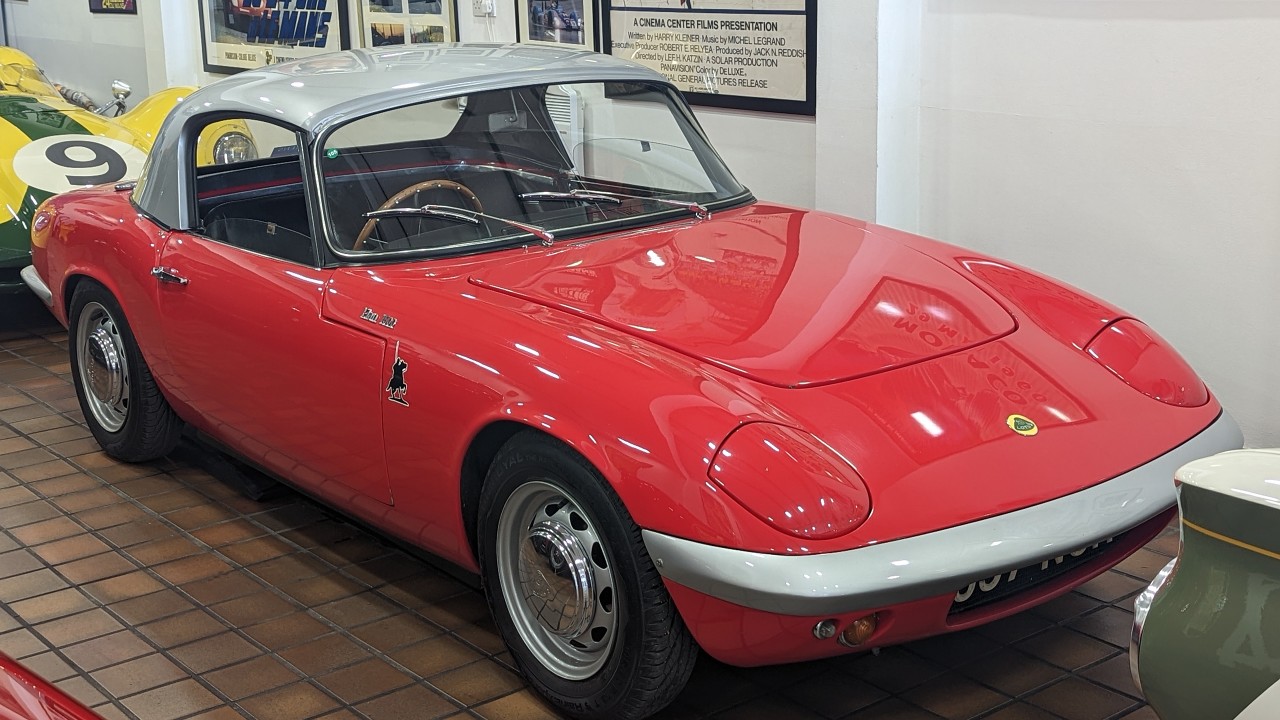
The Lotus Elan demonstrated how dramatically performance could improve when engineers concentrated on reducing weight. Its lightweight fiberglass body sat on a steel backbone chassis, while independent suspension at all four corners helped give it exceptional handling. Instead of relying on a huge engine, Lotus concentrated on keeping the car light and responsive. That philosophy became hugely influential in later sports cars. The Elan remains one of the clearest examples of Colin Chapman’s belief that performance could come from simplicity and low weight.
Honda S800
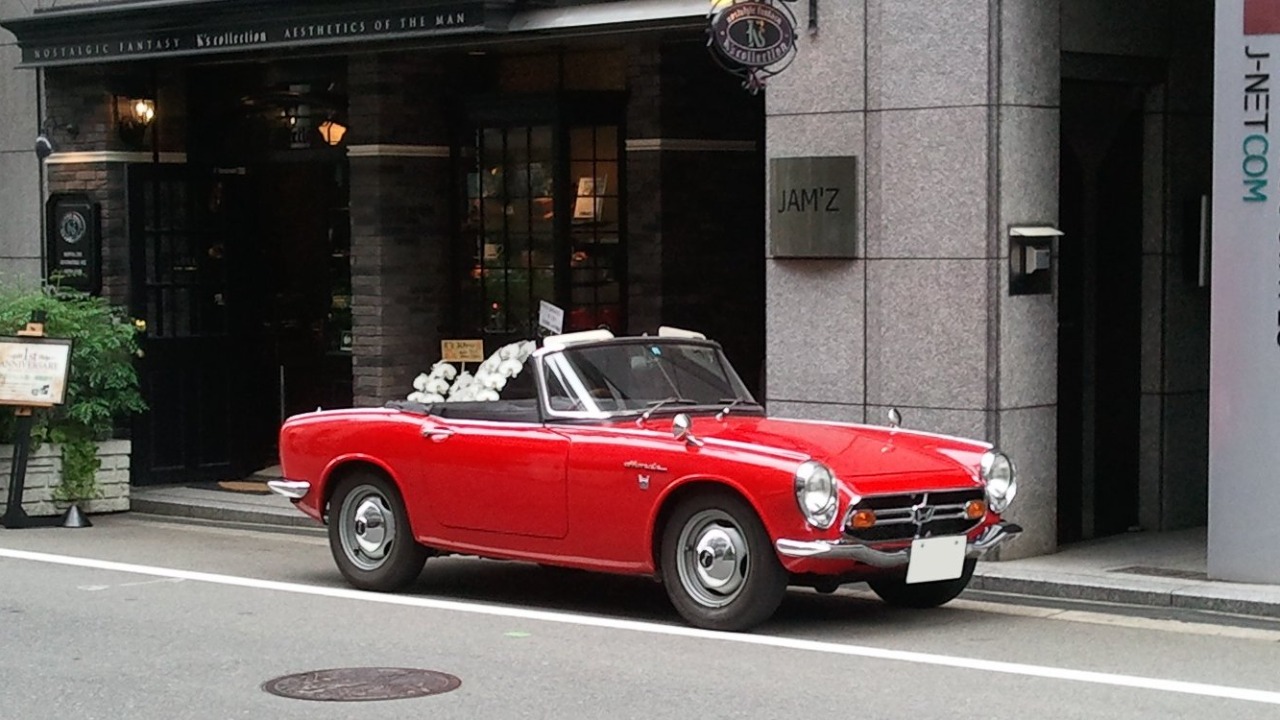
The Honda S800 was tiny, but its engineering was anything but ordinary. Its 791cc four-cylinder engine used overhead camshafts, sophisticated carburetion, and a very high redline, allowing the little roadster to produce impressive performance from a remarkably small engine. Early cars also used an unusual chain-drive rear arrangement before Honda switched to a conventional driveshaft and live axle. With its compact dimensions and motorcycle-inspired engineering, the S800 previewed the engineering character that would become central to Honda’s later performance cars.
Mercedes-Benz 300 SL Roadster
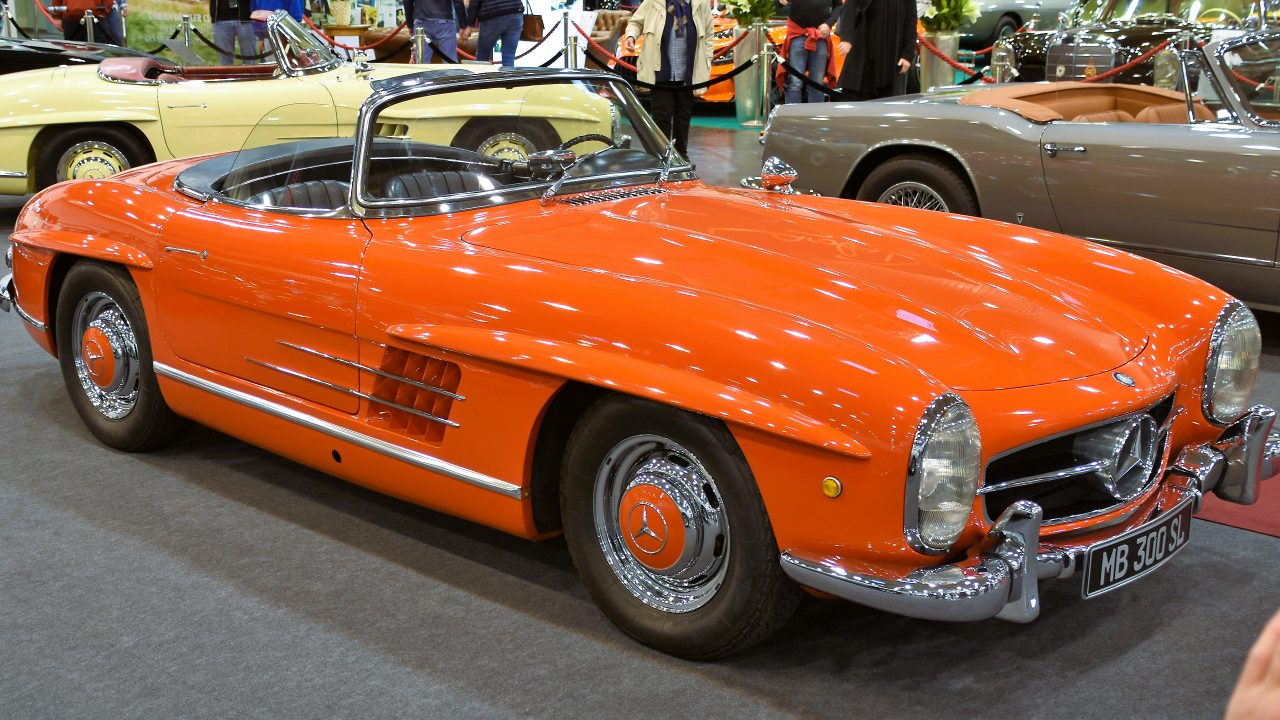
The 300 SL Roadster brought race-car technology into a more usable open-top package. Its predecessor had become famous for its gullwing doors and tubular space frame, while the roadster introduced a more practical body and conventional doors. The car retained advanced independent suspension and fuel-injected straight-six power, making it one of the most technically sophisticated roadsters of its generation. It was expensive and exclusive, but its engineering showed what could happen when racing technology was adapted for road use.
Datsun 2000 Roadster
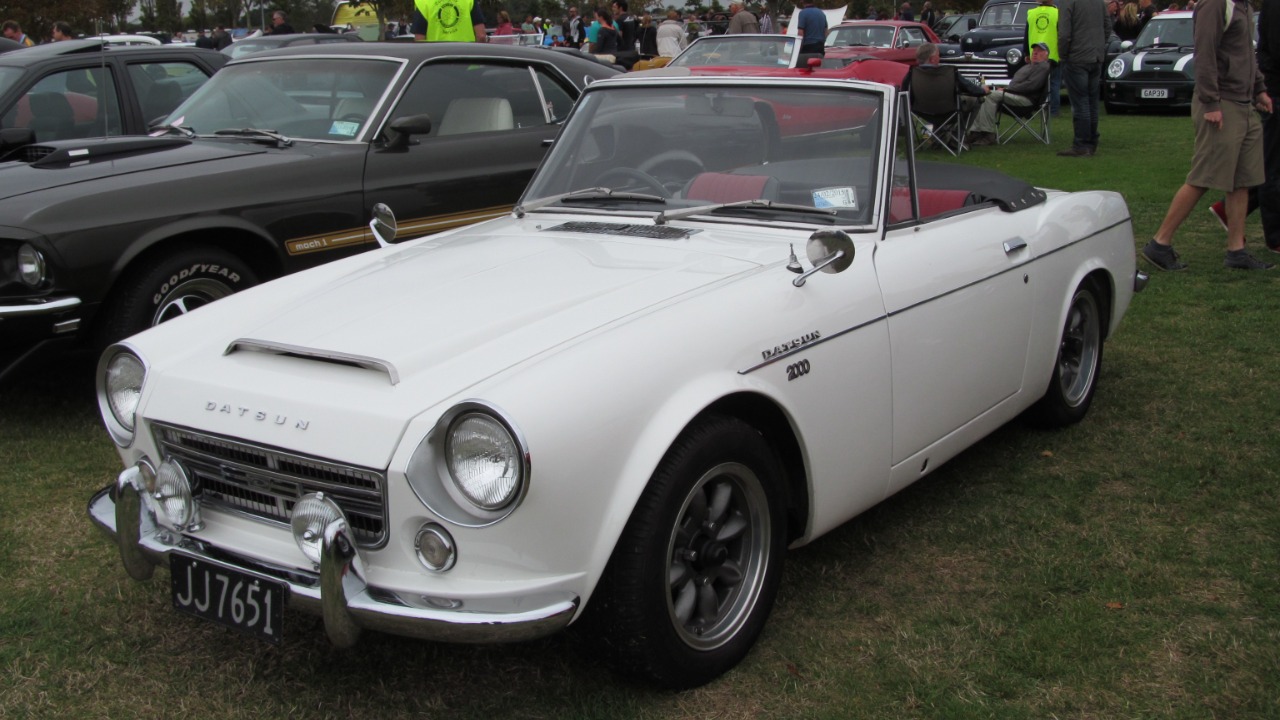
The Datsun 2000 Roadster demonstrated that Japan could compete seriously in the international sports-car market. Its four-cylinder engine offered strong performance for its size, while the car combined a traditional front-engine, rear-drive layout with practical reliability. It was more affordable than many European rivals and offered a useful combination of performance and everyday usability. The car helped establish Datsun as a credible sports-car manufacturer before the company became globally famous for the 240Z.
Alfa Romeo Giulietta Spider
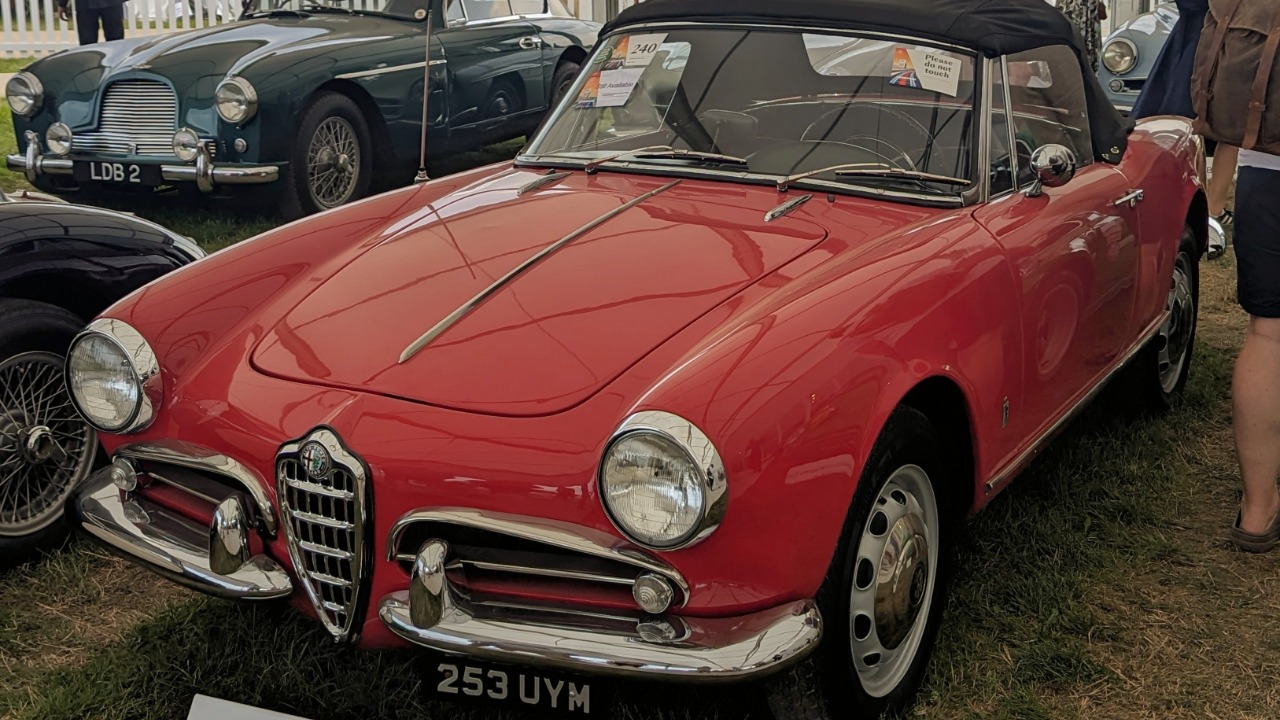
The Giulietta Spider brought Italian styling and lightweight engineering together in a compact package. Its small four-cylinder engine was designed around sophisticated overhead-camshaft technology, while the lightweight body kept performance lively without requiring enormous power. The elegant Pininfarina styling also gave it a level of visual sophistication unusual for an affordable roadster. It showed that a small sports car could combine efficiency, performance, and beautiful design without relying on excessive size or horsepower.
Triumph TR2
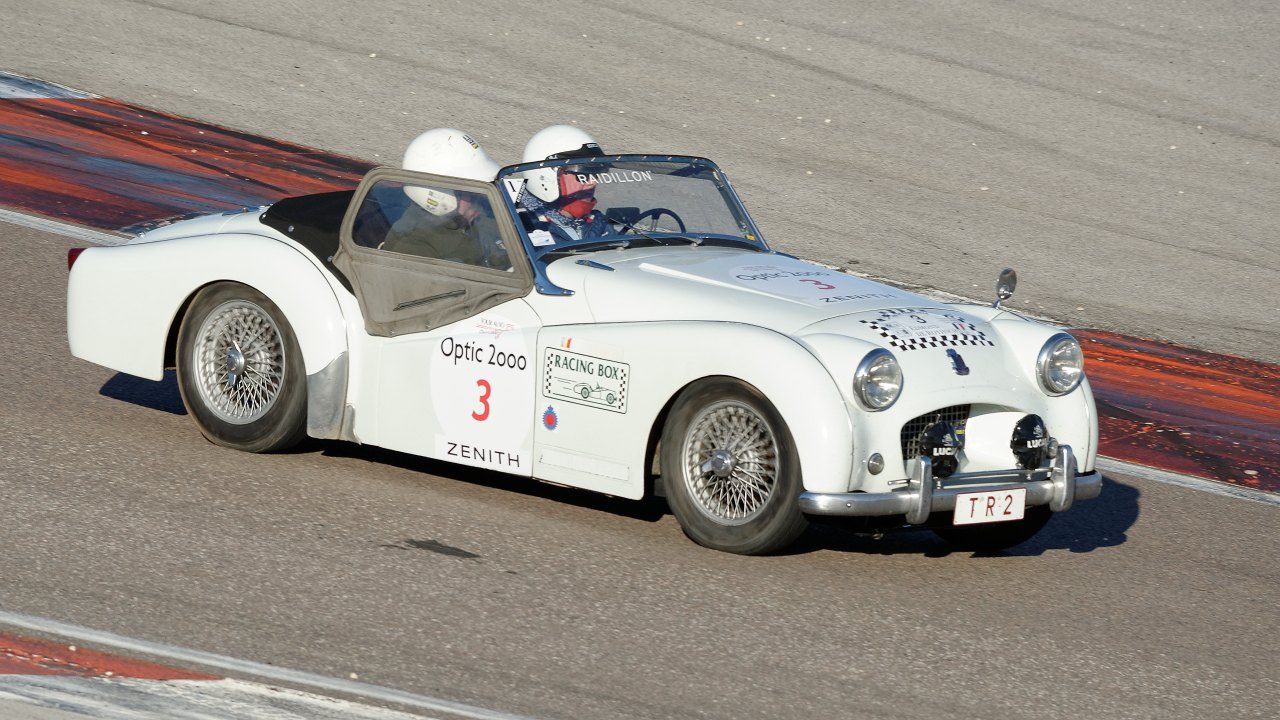
The Triumph TR2 helped establish a new kind of British sports car by combining a lightweight open body with surprisingly strong performance and a relatively affordable price. Its four-cylinder engine gave it enough power to compete with considerably more expensive cars, while its compact dimensions made it entertaining on winding roads. The TR2 helped demonstrate that performance roadsters did not have to be exotic or expensive, an idea that would influence generations of affordable sports cars.
Austin-Healey Sprite
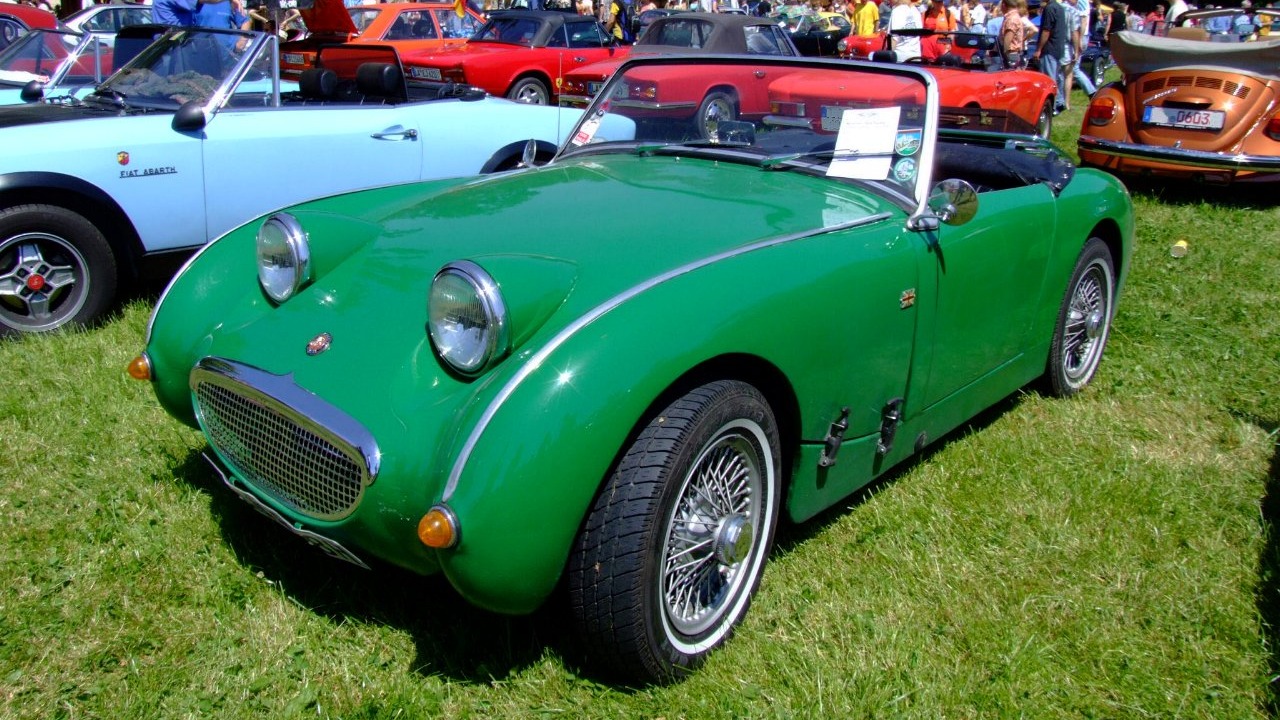
The Austin-Healey Sprite took the lightweight roadster idea to an extreme. Its tiny dimensions, simple construction, low weight, and modest engine allowed it to deliver an engaging driving experience without expensive mechanical hardware. The original Sprite’s distinctive headlight design also gave it an unmistakable personality. It became an important example of the idea that a sports car could be inexpensive, economical, and genuinely fun, a formula that would eventually become central to many successful small roadsters.
BMW 507
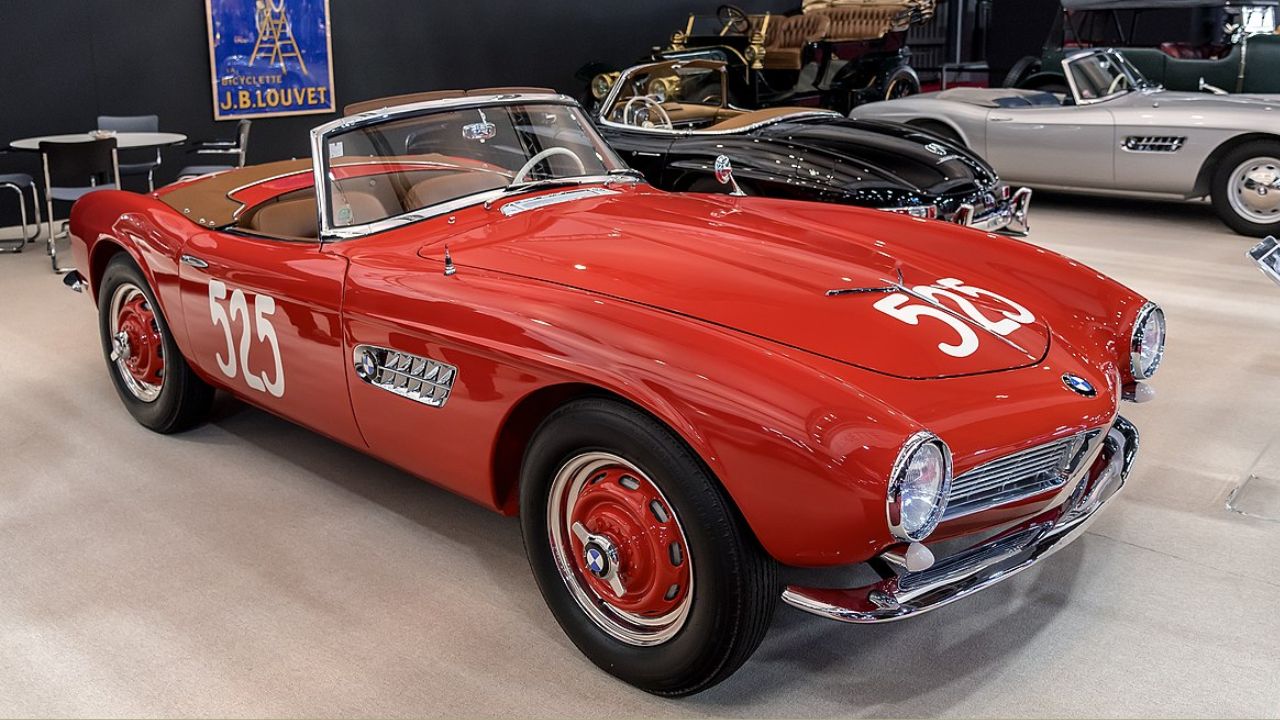
The BMW 507 was far more sophisticated than its relatively compact size suggested. Its aluminum body, independent suspension, V8 engine, and carefully developed chassis made it a technically interesting alternative to larger and heavier sports cars. The car also demonstrated how a roadster could combine genuine performance with luxury and elegant styling. Production was extremely limited, but its engineering and design established a template that BMW would revisit decades later with another famous V8 roadster.
Porsche 356 Speedster
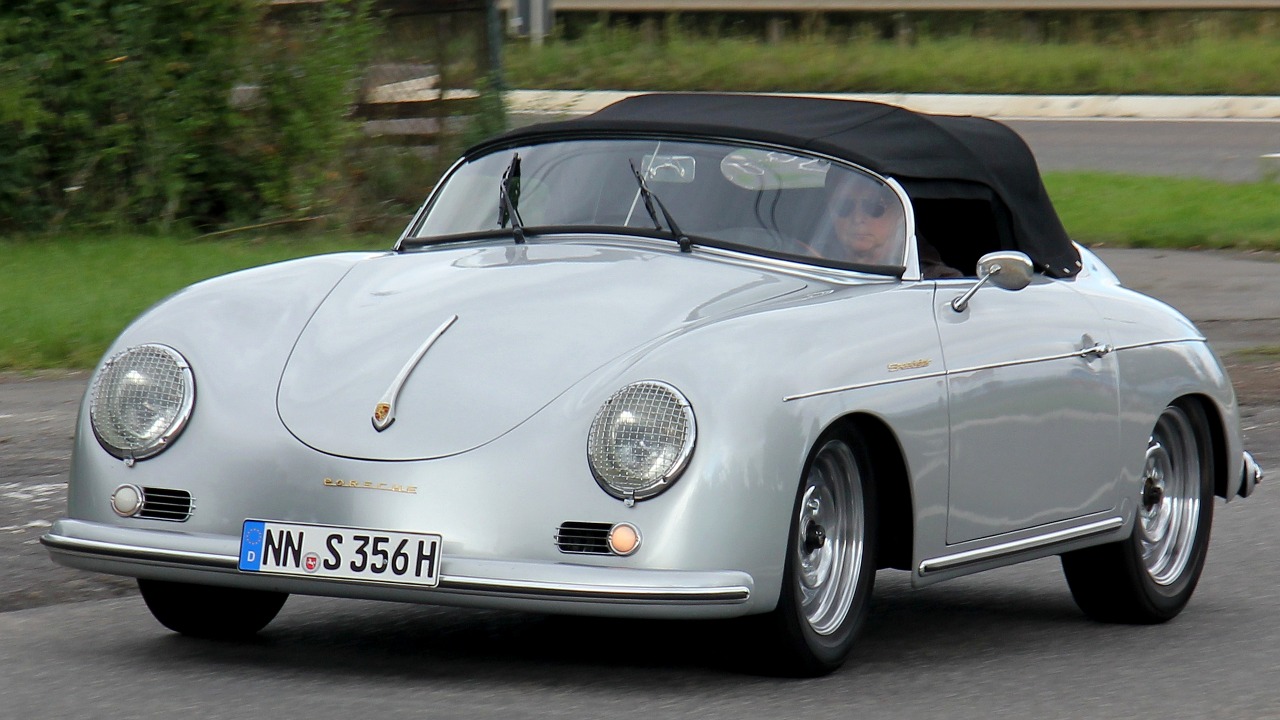
The Porsche 356 Speedster took the existing 356 formula and stripped it down into a lighter, more focused package. Its low windscreen, simplified equipment, and lightweight character made it particularly appealing to drivers who wanted a more direct experience. Porsche concentrated on efficiency rather than brute force, allowing the compact car to deliver lively performance from a relatively small engine. The Speedster became an early example of a philosophy that would remain central to Porsche for decades.
Fiat 124 Spider
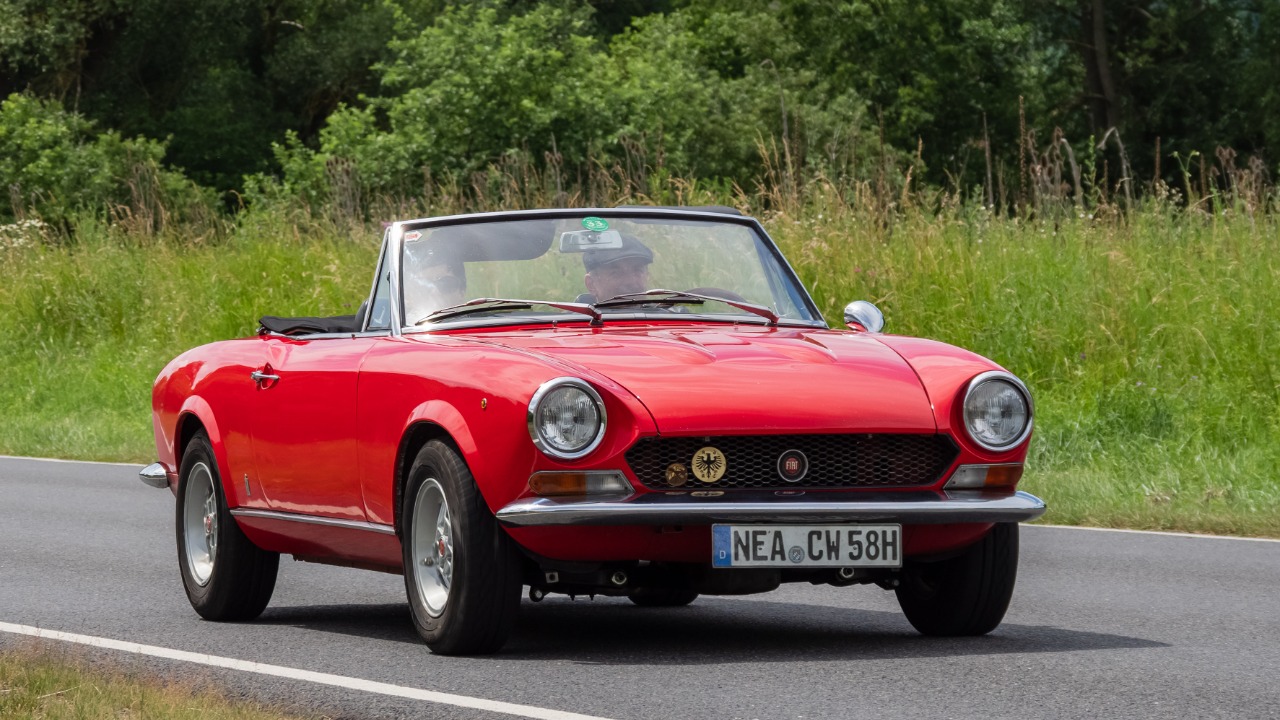
The Fiat 124 Spider combined Italian styling with a practical four-cylinder drivetrain and independent suspension. Its compact size made it easy to place on narrow roads, while the twin-cam engine gave it more sophistication than many small roadsters of its era. The design also proved remarkably durable as a concept, remaining in production for many years. Its combination of style, engineering, and everyday usability anticipated the formula that later made lightweight roadsters popular around the world.
Mercedes-Benz 190 SL
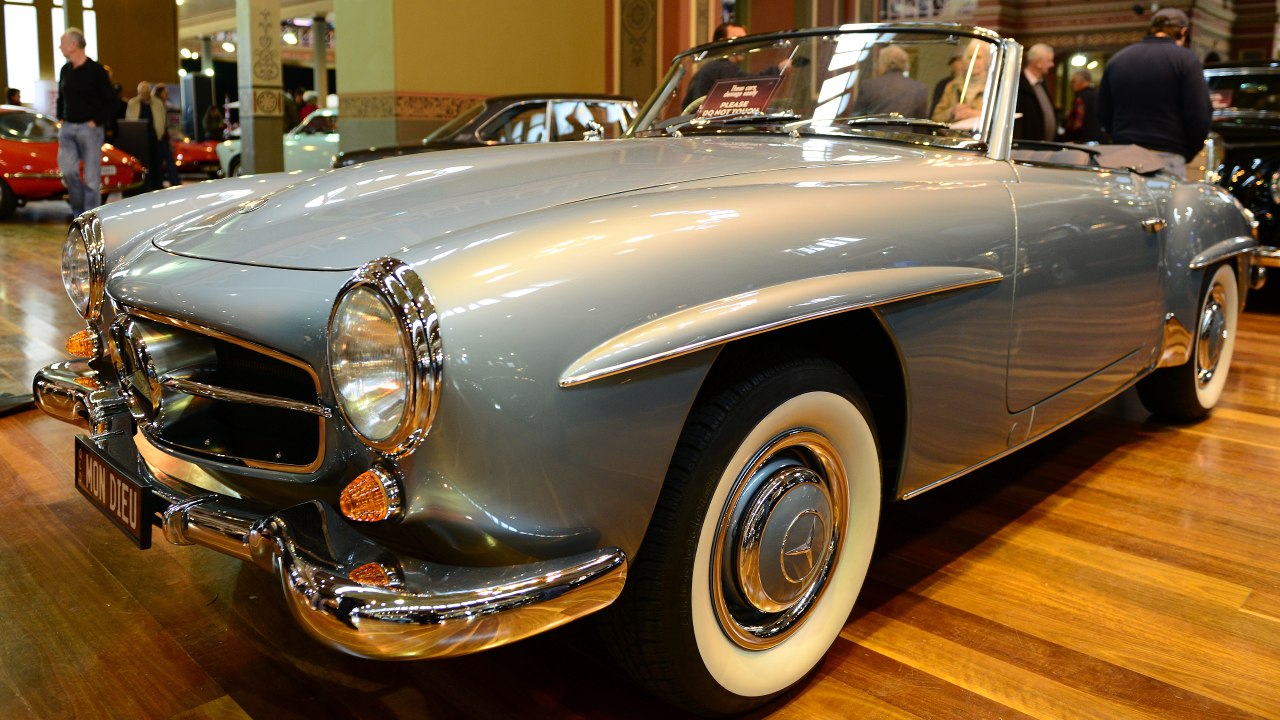
The 190 SL provided a more attainable alternative to the extraordinary 300 SL while retaining much of Mercedes-Benz’s elegant design language. It used independent suspension and a dedicated roadster body, along with a four-cylinder engine designed for a balance of performance and refinement. Its optional removable hardtop also made it more versatile than many traditional sports cars. The 190 SL helped establish the idea that a luxury roadster could offer open-air driving without requiring race-car levels of performance.
Triumph Spitfire
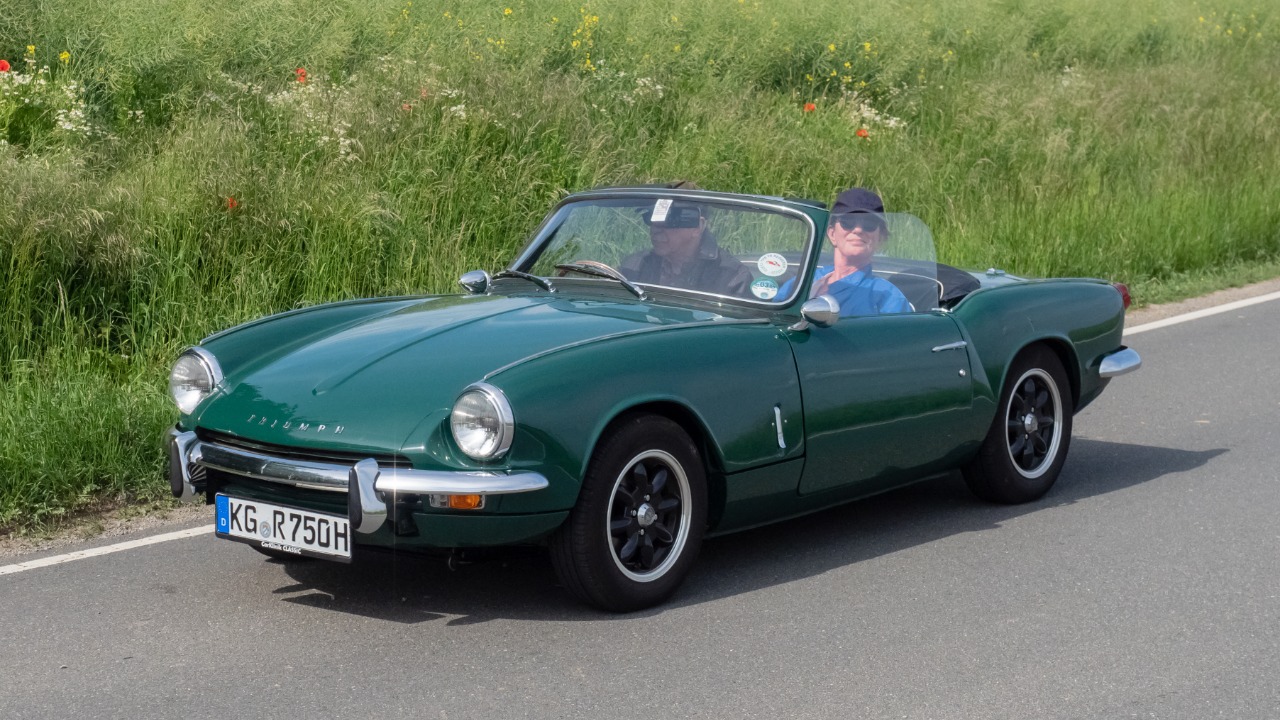
The Triumph Spitfire brought sleek Italian-influenced styling and lightweight construction to the affordable roadster market. Its compact dimensions and independent front suspension made it lively on winding roads, while its relatively simple mechanical layout helped keep ownership approachable. The Spitfire also offered a surprisingly stylish body for a car aimed at budget-conscious buyers. It proved that a small roadster could be attractive, entertaining, and inexpensive enough to appeal to a much wider audience.
MG MGB

The MGB modernized the British roadster formula with unitary construction, a practical cabin, and a relatively simple mechanical layout. Compared with earlier MGs, it offered a more comfortable and usable package without abandoning the lightweight sports-car character buyers expected. Its combination of straightforward engineering and everyday usability helped make it one of the world’s best-known classic roadsters. The MGB showed that a traditional open sports car could evolve without becoming complicated or excessively expensive.
Daimler SP250
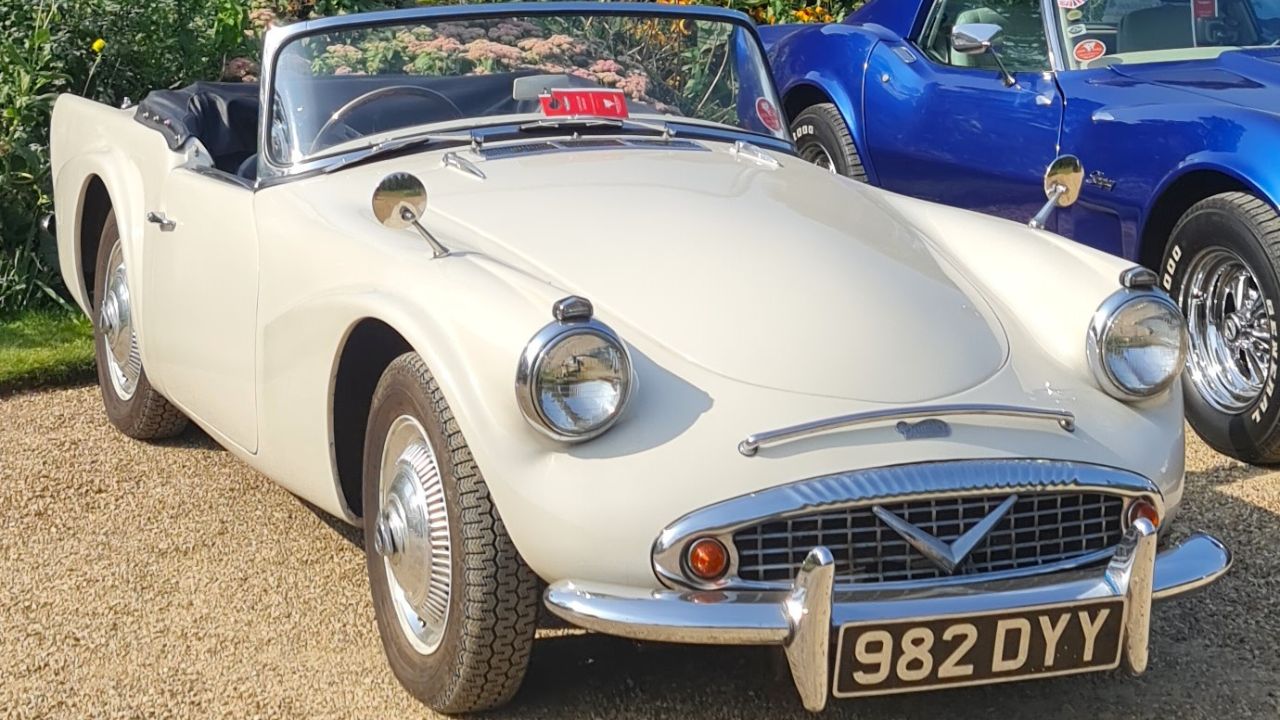
The Daimler SP250 was an unusual British roadster with a fiberglass body and a compact V8 engine. Its construction and drivetrain were considerably different from many of the four-cylinder British sports cars around it. The lightweight body helped offset the modest displacement of the V8, giving the car a distinctive combination of performance and character. It was never produced in huge numbers, but its unconventional engineering makes it one of the more interesting British roadsters of the period.
Sunbeam Tiger

The Sunbeam Tiger took an existing lightweight British roadster and transformed it by installing an American V8. The result was a compact car with far more power than its chassis initially suggested. Carroll Shelby was involved in early development, and the final car combined British handling with American V8 performance. The concept anticipated a formula that would later become common: putting a powerful engine into a relatively small, lightweight chassis to create a remarkably quick sports car.
Alfa Romeo Spider
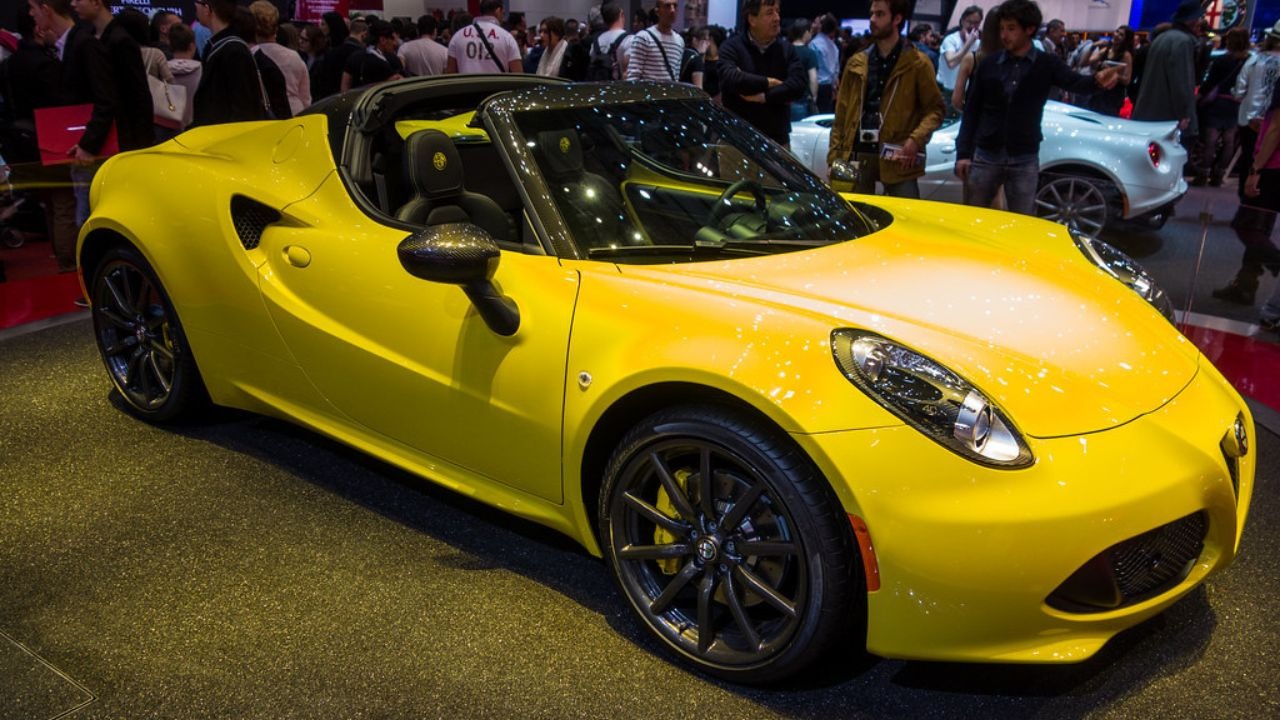
The Alfa Romeo Spider brought elegant Italian styling together with advanced engine and suspension engineering. Its twin-cam four-cylinder engine was a major part of the car’s appeal, delivering responsive performance without requiring a large displacement. The balanced rear-drive layout and relatively light body made it enjoyable on winding roads. The Spider also remained in production for decades, showing how enduring a well-executed lightweight roadster formula could become.
Morgan Plus 4
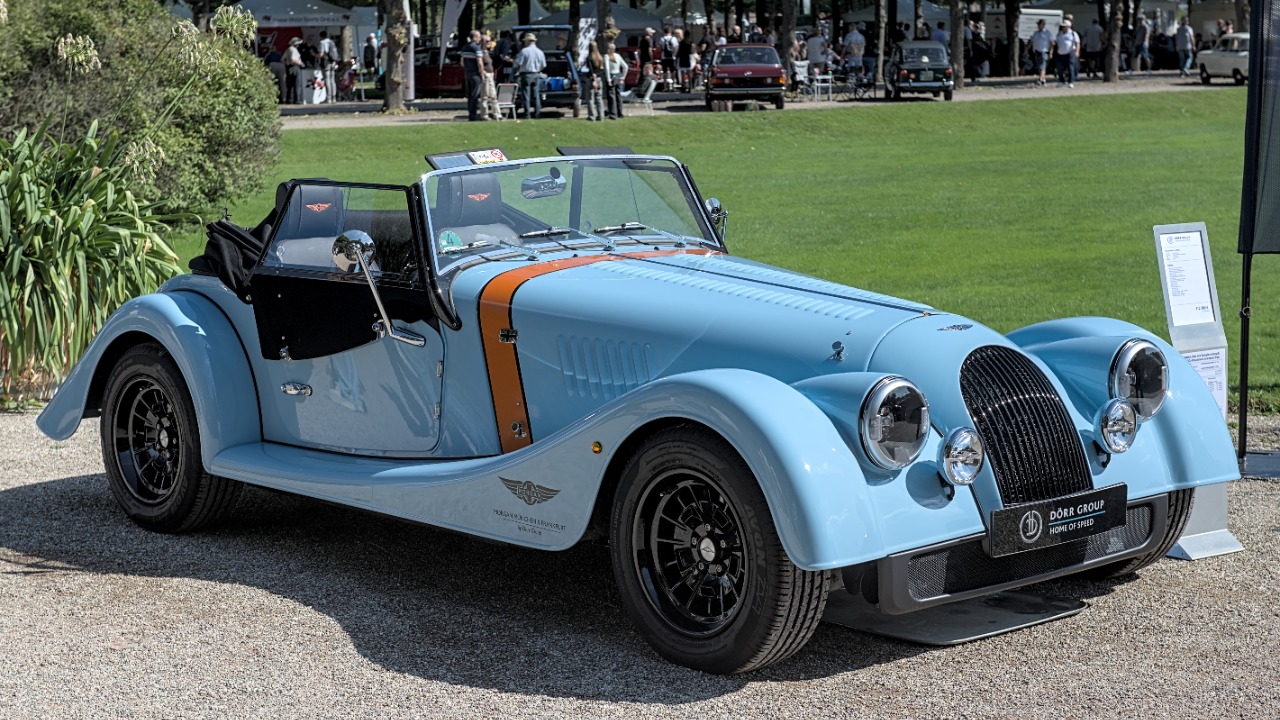
The Morgan Plus 4 remained rooted in traditional construction while offering performance that could surprise much newer sports cars. Its lightweight body and old-fashioned chassis kept the car simple, but the combination also produced a distinctive driving experience. Morgan demonstrated that modern performance did not necessarily require a complicated electronic architecture or heavy structure. The Plus 4’s longevity as a concept makes it an unusual example of how an old-fashioned roadster formula could remain relevant.
Chevrolet Corvette

The first Corvette helped bring the modern two-seat American sports car into existence. Its fiberglass body was particularly unusual for a mass-produced American vehicle, while the lightweight construction gave Chevrolet a distinctive alternative to conventional steel-bodied cars. Later mechanical improvements transformed the Corvette into a serious performance machine. The original concept was important because it showed that an American manufacturer could build a dedicated two-seat sports car rather than simply adapting an existing sedan.
Lotus Seven
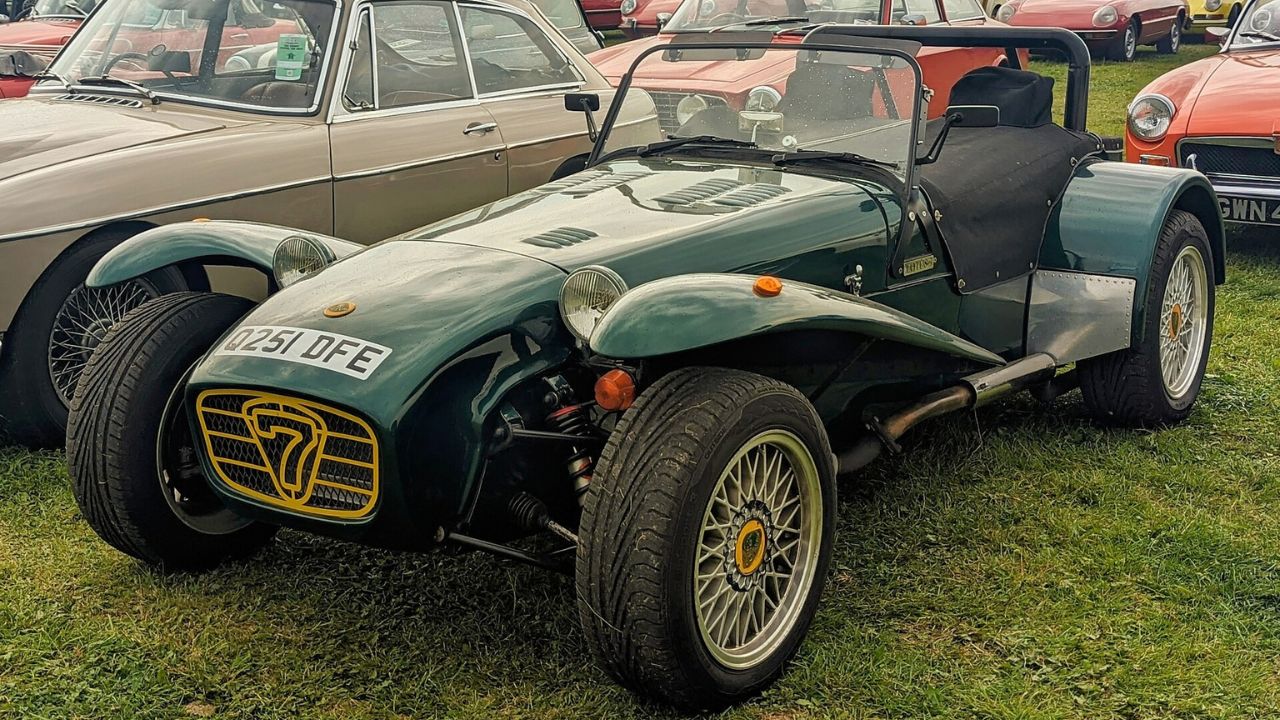
The Lotus Seven reduced the sports-car formula to its essentials. It was extremely light, mechanically simple, and designed around the idea that minimizing weight could produce extraordinary handling. Its open body and exposed mechanical character also made it completely different from the increasingly luxurious sports cars of the period. The Seven’s basic philosophy would later influence lightweight kit cars and dedicated track machines. It remains one of the purest examples of performance through simplicity.
More from Fast Lane Only
- Unboxing the WWII Jeep in a Crate
- 15 rare Chevys collectors are quietly buying
- 10 underrated V8s still worth hunting down
- Police notice this before you even roll window down
*Research for this article included AI assistance, with all final content reviewed by human editors.