Some vehicles earn their reputation from glossy advertisements, impressive horsepower numbers, or long option lists. Others build their reputation in much less glamorous places, usually on a lift with a mechanic staring underneath them. The cars and trucks that mechanics tend to appreciate often have something in common: sensible engineering, durable components, reasonable access to service points, and drivetrains that do not turn every repair into a major project.
That does not mean every example of these vehicles is trouble-free. Age, maintenance history, rust, and individual model years still matter. But certain vehicles have consistently given technicians reasons to respect them. From humble commuter cars to old luxury sedans and rugged trucks, these are the machines that can earn a mechanic’s approval without making much noise about it.
Toyota Corolla
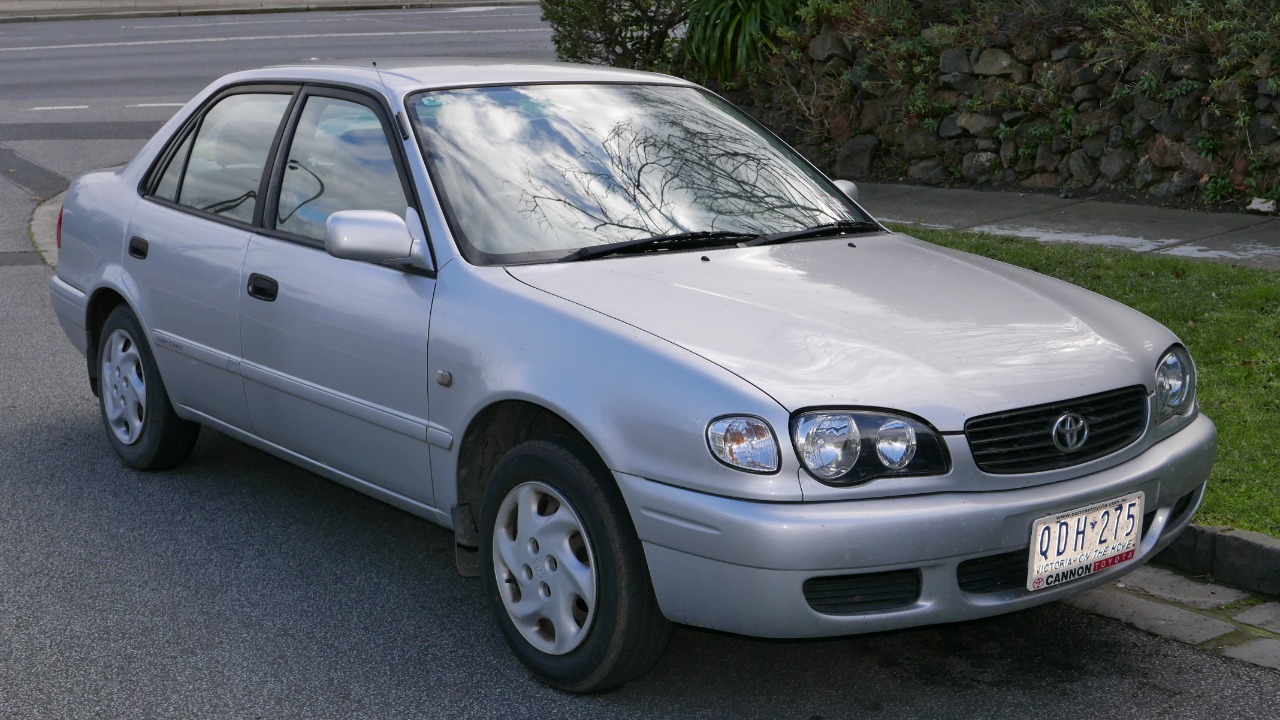
The Toyota Corolla has never needed dramatic styling or huge horsepower figures to establish itself as a respected vehicle. Its real strength has always been the way the mechanical package works together. Generations of Corollas have used relatively conservative four-cylinder engines, uncomplicated drivetrains, and components that are widely understood by repair shops. That familiarity matters when a car eventually needs work, because mechanics are rarely starting from scratch when diagnosing a problem.
Older Corollas are particularly interesting because they demonstrate how much can be achieved with straightforward engineering. A well-maintained example can rack up serious mileage while continuing to perform ordinary transportation duties without demanding constant attention. Parts availability is another advantage, especially for popular generations. The Corolla may not excite everyone, but mechanics generally understand exactly what they are dealing with when one rolls into the shop, and that predictability has real value.
Honda Civic
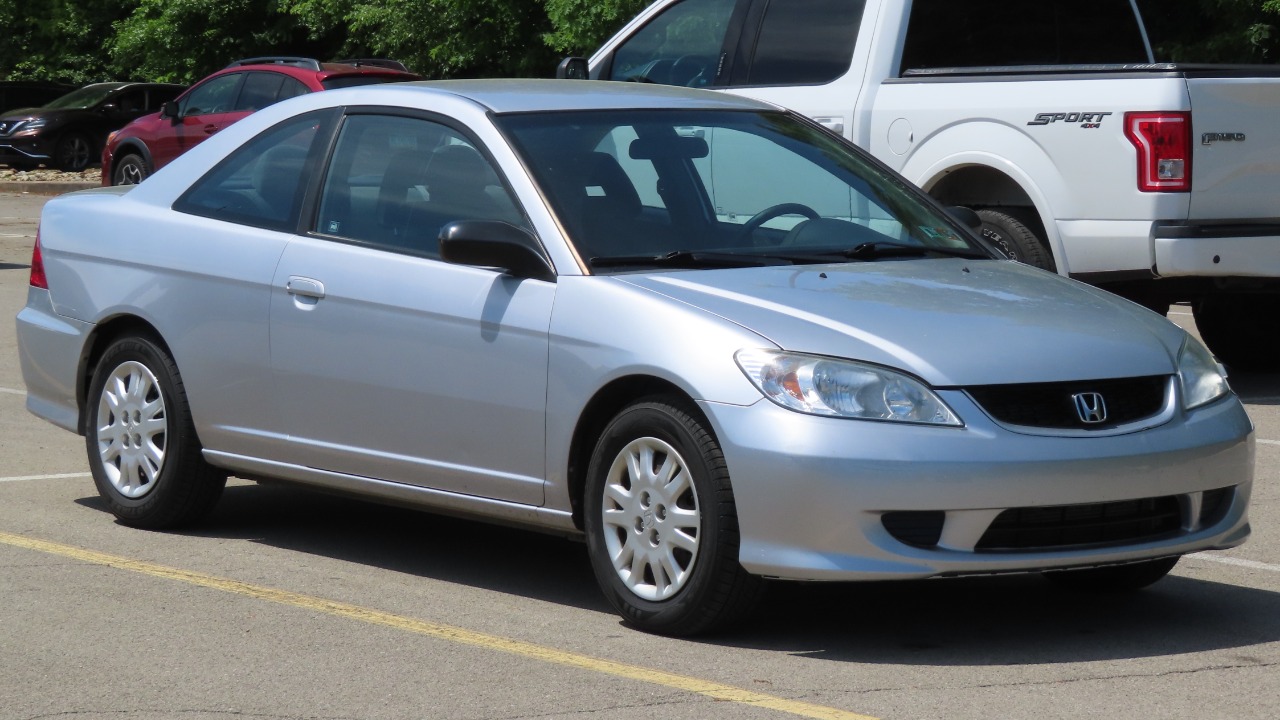
Few compact cars have accumulated as much mechanical knowledge around them as the Honda Civic. Generations of Civics have been sold in huge numbers, giving independent shops decades of experience with their engines, transmissions, suspension systems, and electrical components. Many older Civics are also relatively accessible to work on, which can turn routine jobs into straightforward repairs instead of complicated exercises in disassembly.
Honda’s reputation was particularly strong during the 1990s and 2000s, when lightweight cars were paired with durable four-cylinder engines that rewarded regular maintenance. Enthusiasts discovered that the same basic mechanical qualities that made a Civic inexpensive transportation also made it an excellent foundation for modifications. That combination helped create an enormous aftermarket and knowledge base. A Civic that has been properly maintained can be remarkably durable, and even when something does go wrong, mechanics usually have plenty of experience figuring it out.
Toyota Camry
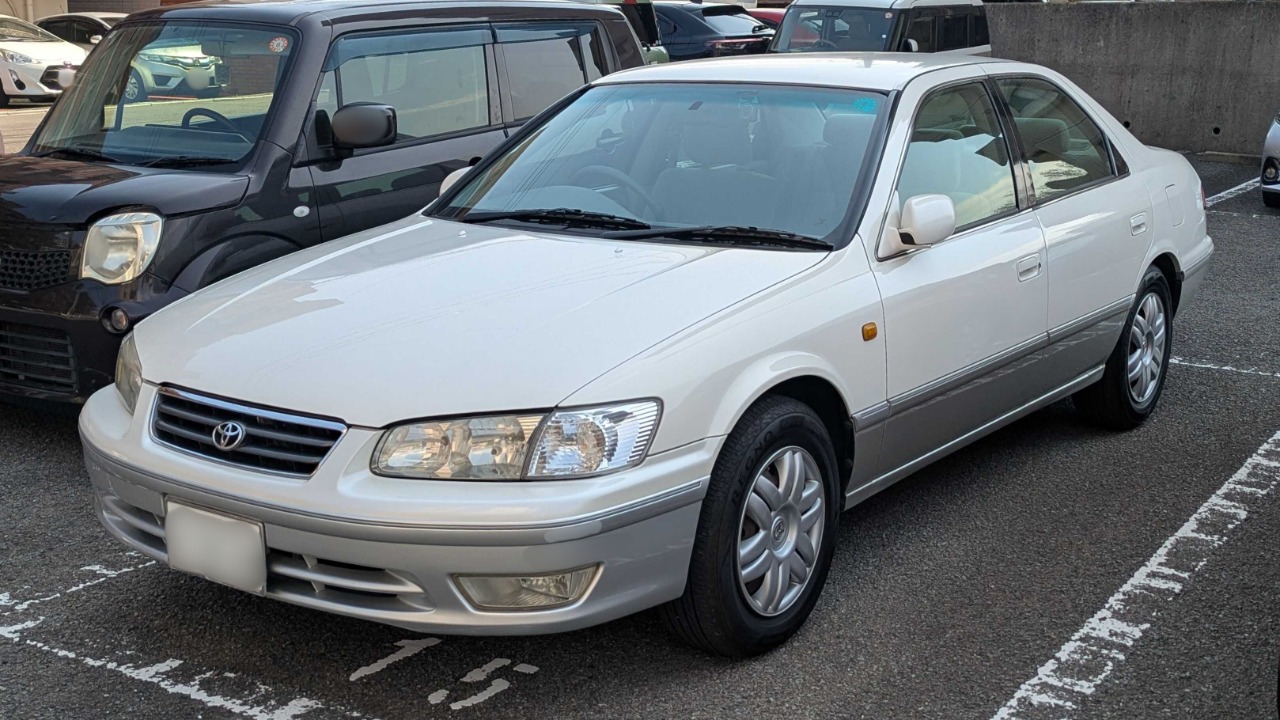
The Toyota Camry became a staple of American roads by doing almost everything a family sedan was expected to do without unnecessary drama. It offered comfortable transportation, practical dimensions, and engines designed more around longevity than excitement. Mechanics have seen enormous numbers of Camrys over the decades, which means common problems, maintenance procedures, and replacement parts are generally well understood.
That familiarity is one of the Camry’s biggest advantages in the real world. A mechanic does not have to spend hours figuring out an unusual system simply because the car is uncommon. Older four-cylinder Camrys in particular developed a strong reputation for running to high mileage when owners kept up with oil changes, cooling-system maintenance, belts, fluids, and other routine work. The Camry is not indestructible, and certain generations have their own weaknesses, but its basic philosophy has always made it a relatively sensible vehicle to keep on the road.
Honda Accord
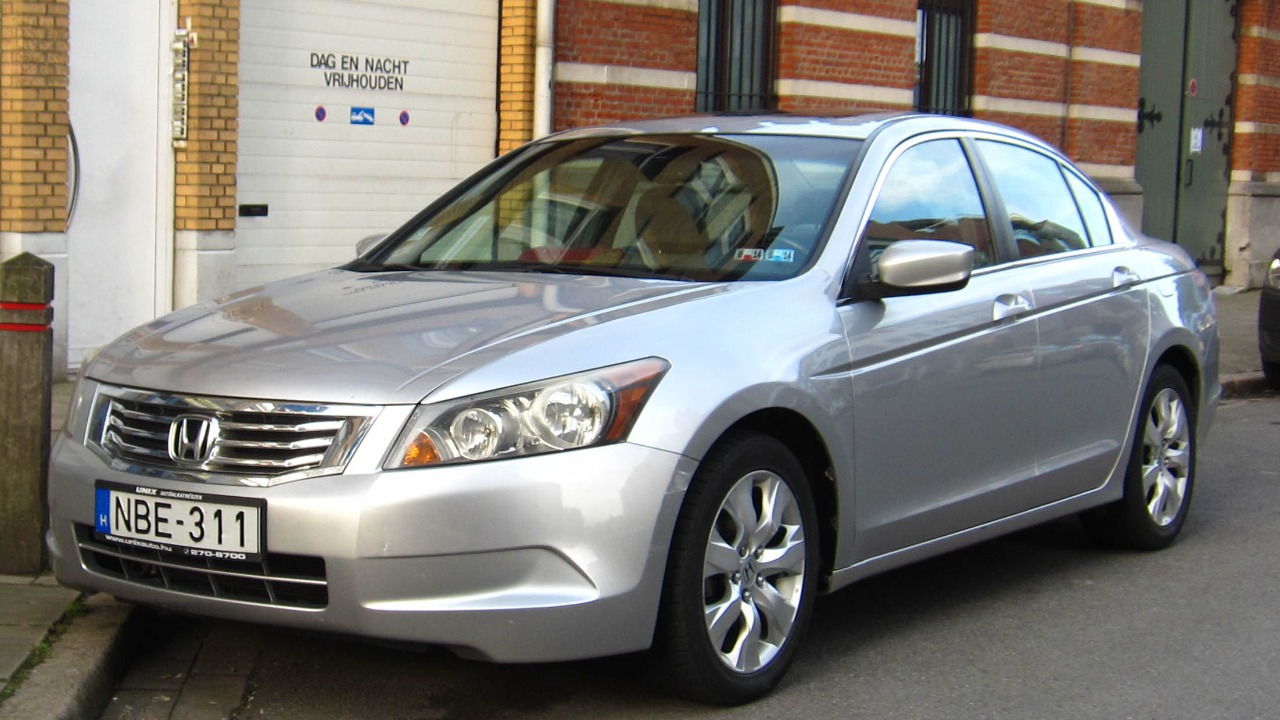
The Honda Accord sits in an interesting position because it manages to combine everyday practicality with mechanical characteristics that have appealed to technicians for decades. It is larger and more substantial than a Civic, but many generations retained Honda’s emphasis on efficient four-cylinder engines and relatively straightforward mechanical systems. That gave the Accord a useful balance of comfort, performance, and long-term serviceability.
Mechanics have also benefited from the Accord’s sheer popularity. A vehicle that has been sold in huge numbers creates an enormous pool of technical information, used parts, aftermarket components, and experienced technicians. Older Accords can certainly develop age-related problems, and some generations have particular transmission or engine concerns that buyers need to research. Still, a properly maintained Accord gives a repair shop something it understands well. That combination of proven engineering and widespread knowledge is a major reason these cars have remained common on roads long after their original warranties expired.
Lexus LS 400
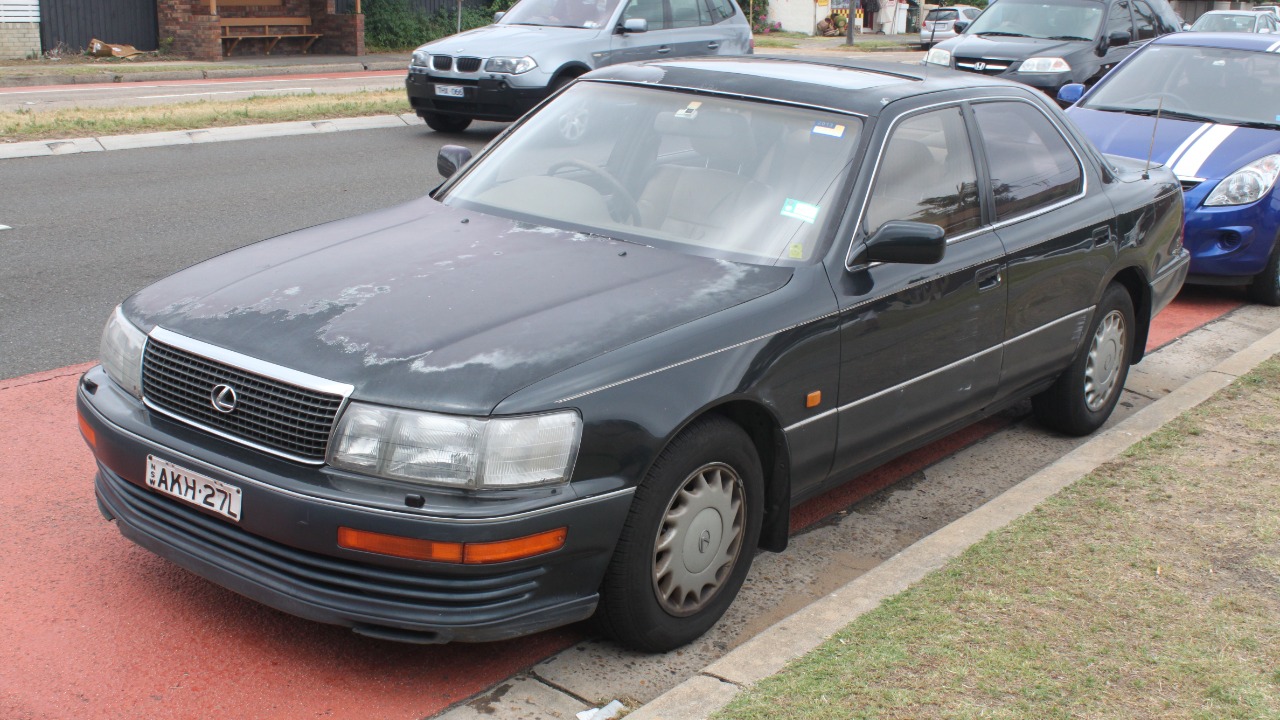
The Lexus LS 400 is proof that a vehicle can be mechanically sophisticated without being fragile. When Lexus introduced the LS in 1989, Toyota put enormous effort into creating a luxury sedan capable of competing with established European manufacturers. The result was a car built around the 1UZ-FE 4.0-liter V8, a powerplant that became famous for its smoothness, refinement, and durability.
For mechanics, the appeal goes deeper than the engine itself. The LS 400 was developed with unusually careful attention to manufacturing quality, and many examples have demonstrated impressive longevity when maintained correctly. It is not necessarily cheap to restore today because an aging luxury car has plenty of suspension, electrical, climate-control, and interior systems that can require attention. But underneath all that equipment sits a drivetrain with an exceptionally strong reputation. That is why a clean LS 400 can still command respect from technicians who know exactly what went into building it.
Toyota 4Runner
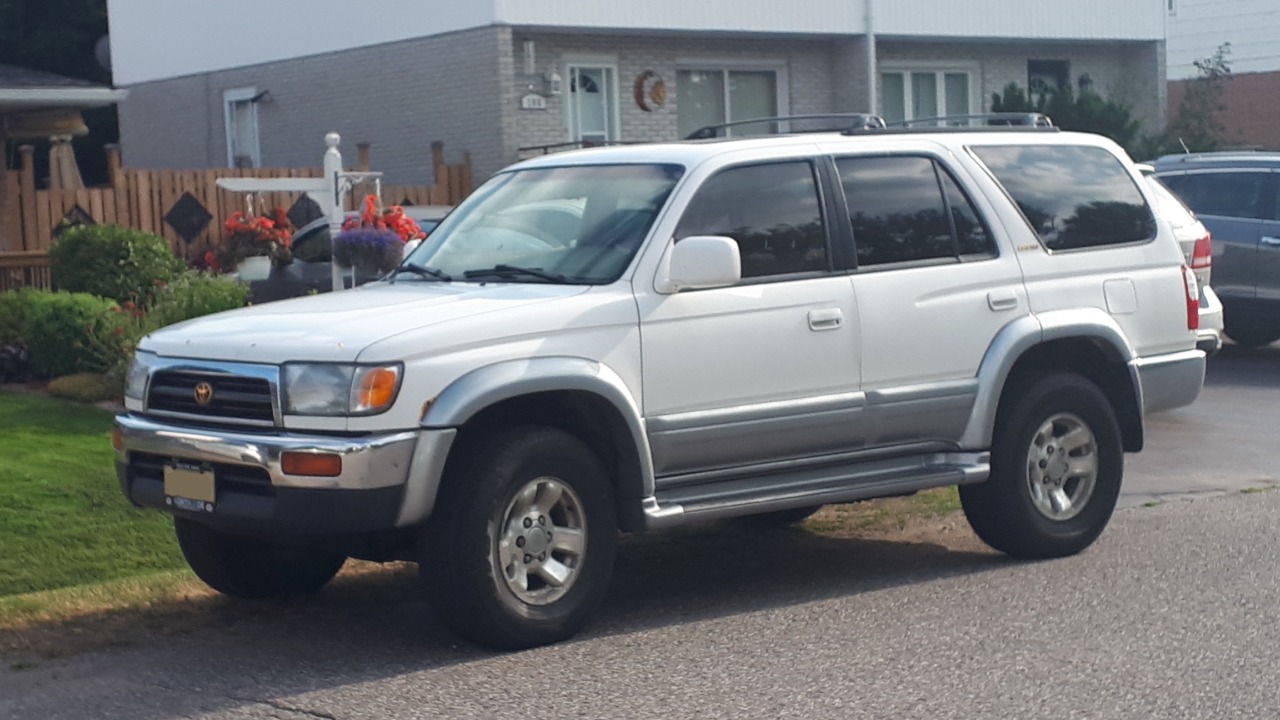
The Toyota 4Runner has retained something that has disappeared from many modern SUVs: a strong connection to traditional truck engineering. Many generations used body-on-frame construction and robust drivetrains designed for more than simply carrying passengers around town. That construction gives the 4Runner a reputation for durability, particularly among owners who use their SUVs for towing, trails, rough roads, or long-distance travel.
Mechanics also tend to appreciate vehicles with predictable mechanical layouts. Older 4Runners may not have the latest technology or the most sophisticated suspension systems, but their basic architecture is familiar and proven. Engines such as Toyota’s V6 offerings have powered huge numbers of vehicles, creating a deep pool of repair knowledge and replacement parts. Rust can be a serious concern on older examples, and neglected four-wheel-drive components can become expensive, but a well-kept 4Runner demonstrates why Toyota’s traditional SUV formula has remained popular for so long.
Toyota Land Cruiser

The Toyota Land Cruiser was designed for places where getting stranded can be considerably more serious than missing an appointment. Its reputation was built in remote regions, harsh climates, work sites, and developing markets where vehicles often had to operate far away from sophisticated repair facilities. That environment influenced the engineering philosophy behind many generations of Land Cruiser, particularly the emphasis on strong drivetrains, durable chassis components, and long service life.
Mechanics familiar with these vehicles often recognize the difference between something designed merely to look rugged and something engineered to handle sustained abuse. Land Cruisers can still be expensive to maintain, especially as older examples accumulate wear in suspension, steering, cooling, and four-wheel-drive systems. But their underlying construction has earned an unusually strong reputation. A Land Cruiser is not necessarily the cheapest vehicle to own, yet its ability to remain useful after years of hard work is exactly what makes it so respected.
Ford Crown Victoria
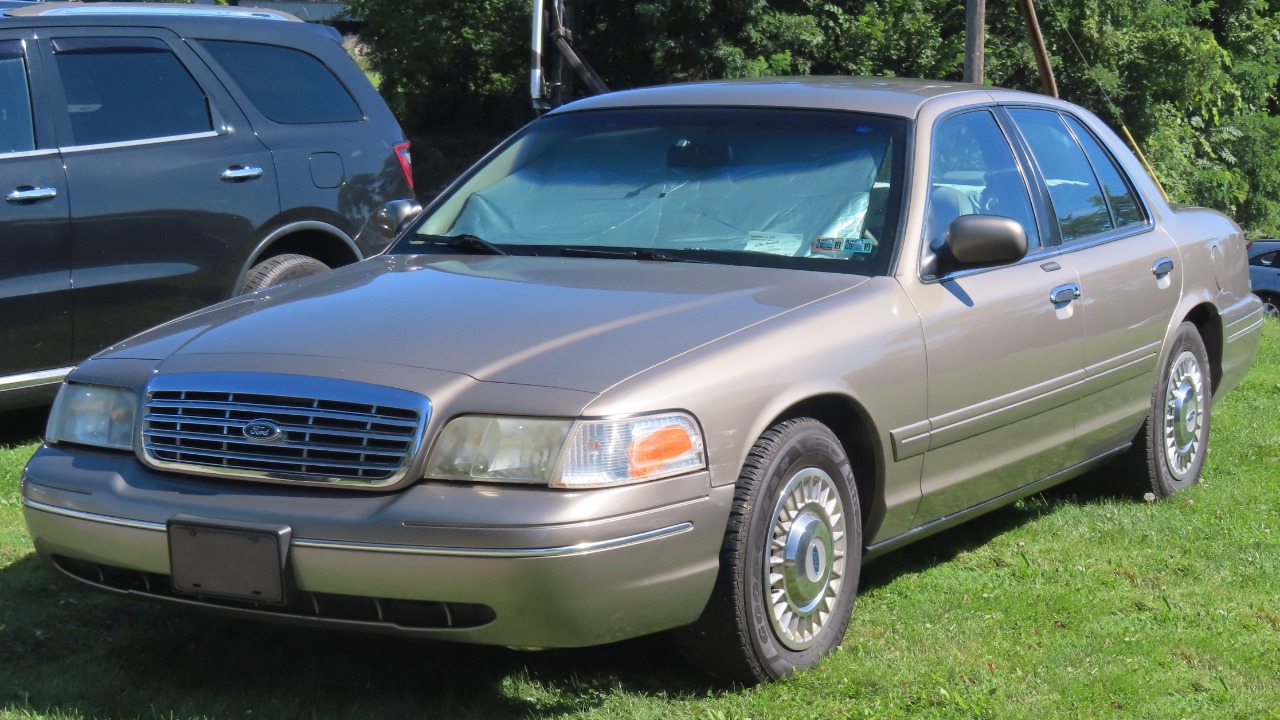
The Ford Crown Victoria spent years doing jobs that were much harder on cars than ordinary commuting. Police departments, taxi companies, government fleets, and commercial operators routinely put these sedans through enormous amounts of use. That experience became one of the best real-world tests of the Panther platform and its 4.6-liter Modular V8.
Mechanics generally appreciate vehicles that are both durable and familiar, and the Crown Victoria checks both boxes. Its body-on-frame construction, rear-wheel-drive layout, simple suspension architecture, and enormous parts supply made it relatively straightforward to keep running. The 4.6-liter V8 was not the most powerful engine of its era, but it was widely used and well understood. Today, age is a bigger concern than design. Rust, worn suspension components, cooling-system issues, and neglected fleet examples can all create problems. A good Crown Victoria, however, still represents a particularly serviceable piece of old-school American engineering.
Toyota Tacoma
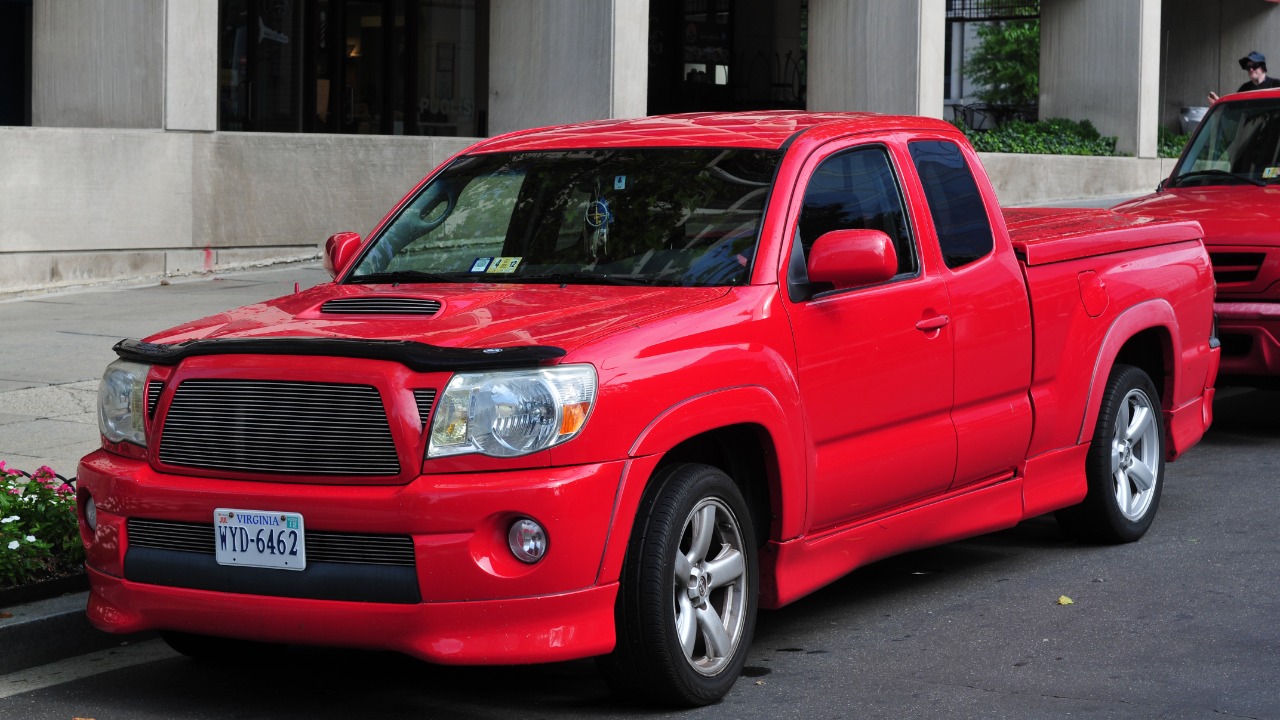
The Toyota Tacoma developed a reputation among truck owners for a reason that has little to do with luxury features. It was designed as a compact and midsize pickup that could handle daily driving while still providing the durability expected from a traditional truck. Several generations became particularly popular with owners who intended to keep their vehicles for many years rather than trade them every few seasons.
Mechanics have plenty of experience with the Tacoma’s engines, drivetrains, suspension systems, and four-wheel-drive hardware. That familiarity can make a significant difference when an older truck needs work. The Tacoma is not immune to problems, and frame corrosion affected certain older trucks badly enough to become a major ownership consideration. A rust-free example with a good maintenance history is another story. Its combination of proven mechanical components, compact dimensions, and strong aftermarket support makes the Tacoma one of those trucks that can remain useful long after newer vehicles have become complicated and expensive.
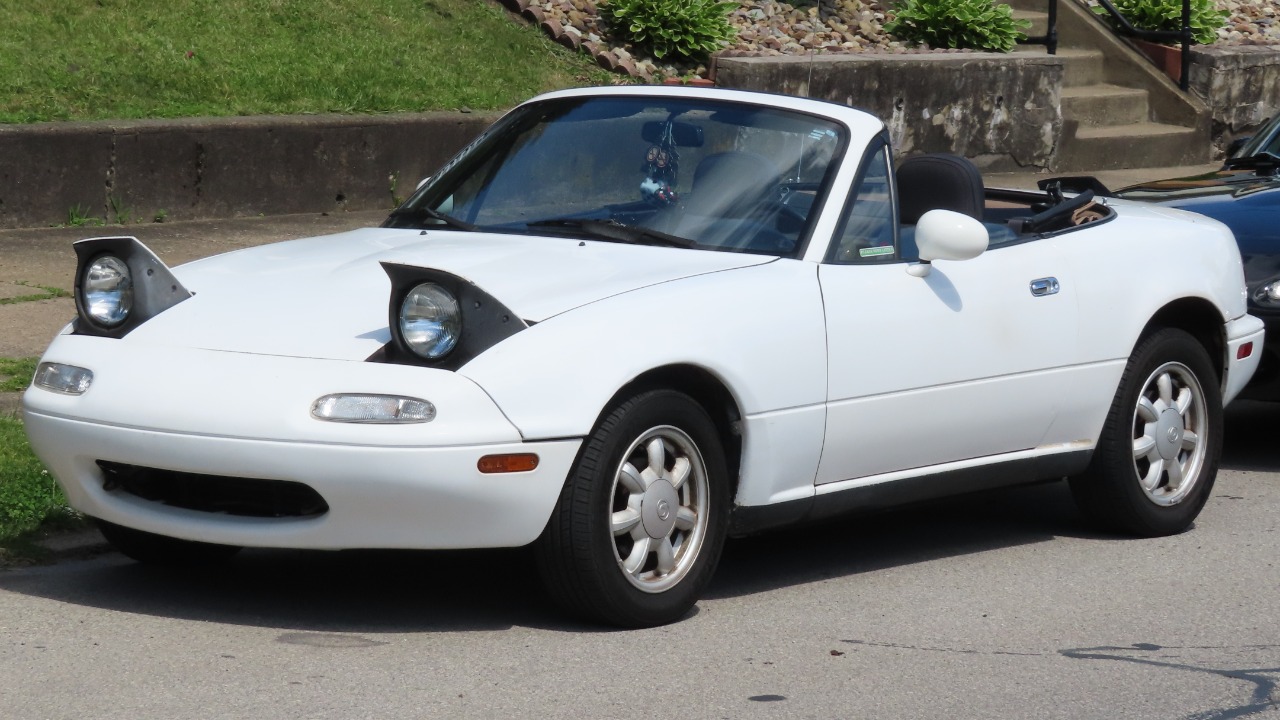
Mazda MX-5 Miata
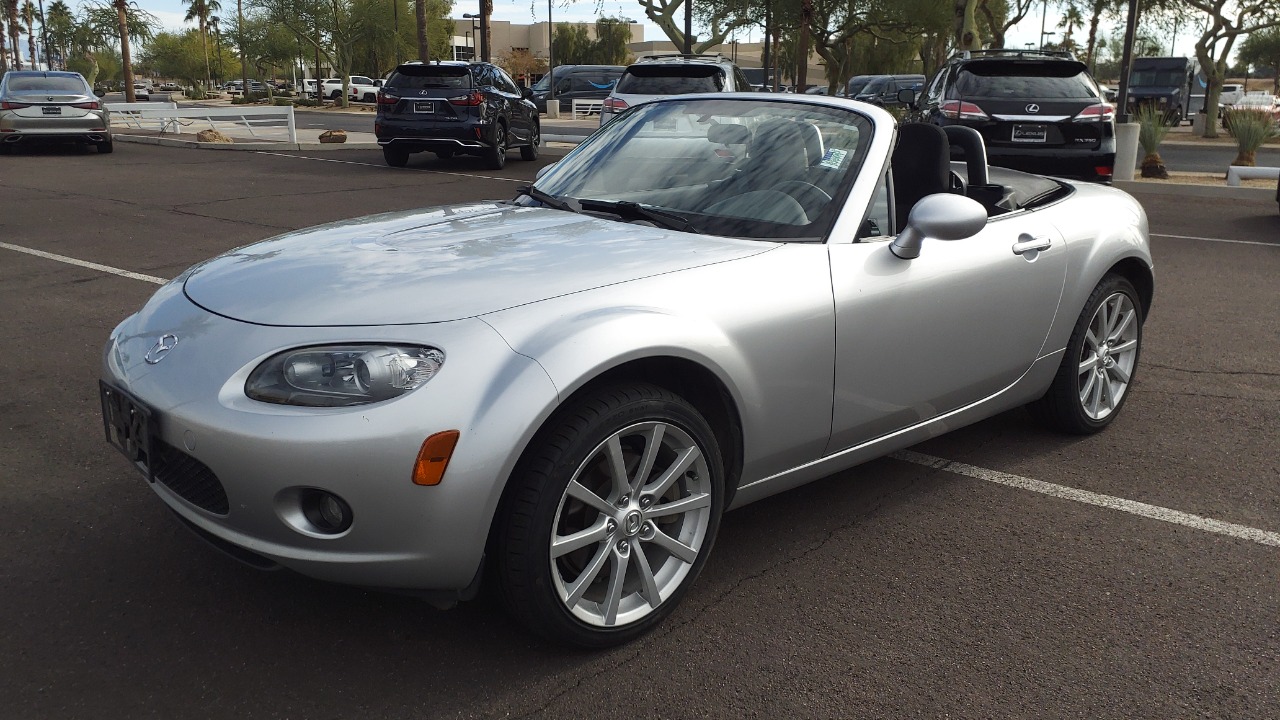
The Mazda MX-5 Miata is not the first vehicle people usually associate with mechanic-approved durability, but its engineering philosophy makes a strong case. Instead of making the car enormous, powerful, and complicated, Mazda focused on low weight, rear-wheel drive, simple proportions, and a relatively compact mechanical package. That philosophy has helped the Miata remain one of the more approachable sports cars to maintain.
Its simplicity also makes the car attractive to enthusiasts who like working on their own vehicles. The engine bay is generally accessible, the mechanical layout is familiar, and generations of owners have created an enormous library of repair information. Of course, an old convertible can have problems that have little to do with its engine, including worn suspension components, soft tops, rust, and weather-related electrical issues. Even so, the Miata’s basic design has aged well. Mechanics who enjoy straightforward cars can appreciate how little unnecessary complexity was added to the formula.
Jeep Cherokee XJ

The Jeep Cherokee XJ became one of the most influential American SUVs of its era, and its reputation continues to attract enthusiasts decades after production ended. The combination of compact dimensions, four-wheel-drive capability, unibody construction, and the famous 4.0-liter inline-six gave the XJ a distinctive personality. That engine in particular became known for its ability to accumulate serious mileage when maintained properly.
The Cherokee’s mechanical simplicity is part of its appeal to mechanics today. Parts availability remains strong, aftermarket support is enormous, and there is an extraordinary amount of repair knowledge surrounding the platform. That does not mean every XJ is easy to own. Cooling systems, electrical components, automatic transmissions, suspension parts, and rust can all become issues on vehicles that are now decades old. But the basic mechanical package remains understandable and repairable. For an older SUV, that is a major advantage.
Mercedes-Benz W123
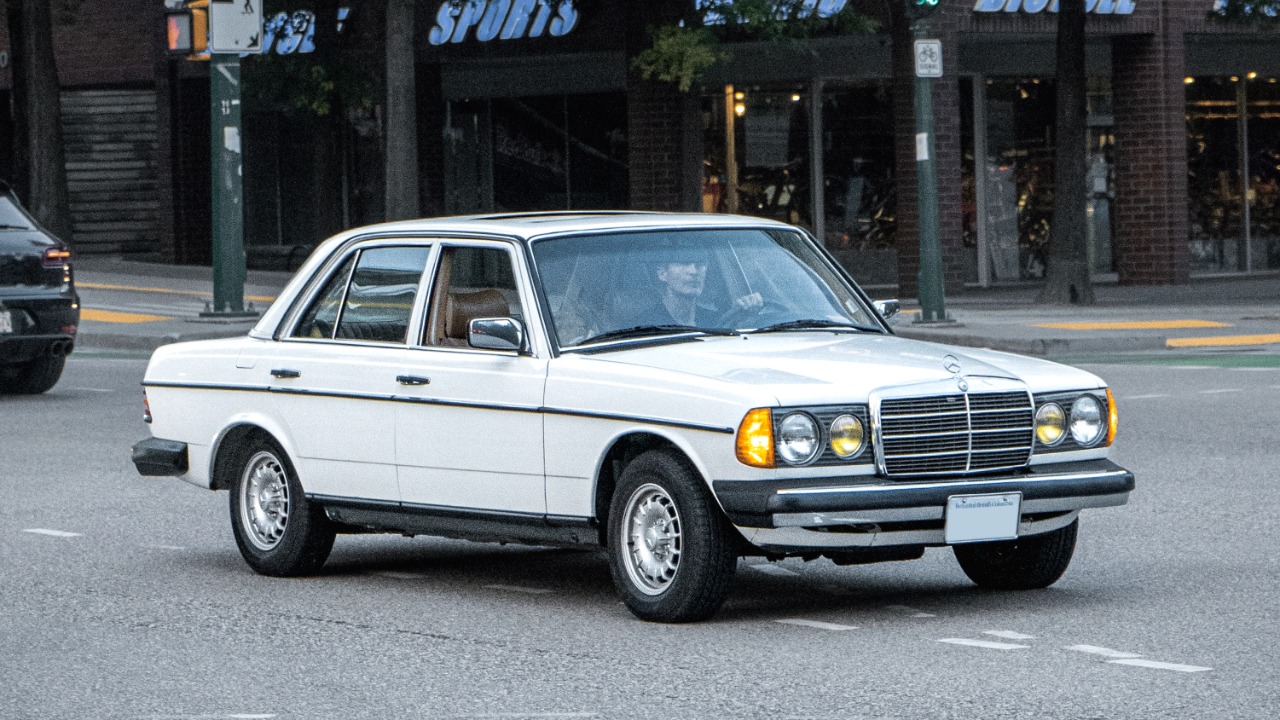
The Mercedes-Benz W123 belongs to an era when Mercedes-Benz placed enormous emphasis on durability and engineering quality. Introduced in the 1970s, the W123 was built as a serious long-distance automobile rather than a disposable luxury product. Diesel versions became particularly famous for their longevity, with some examples remaining in service for extraordinary lengths of time.
Mechanics who work on surviving W123s also appreciate the vehicle’s mechanical character. Many systems were designed with repairability in mind, and the car’s construction feels considerably more substantial than that of many later vehicles. Age is now the biggest challenge. Rubber components, suspension pieces, seals, wiring, and interiors can deteriorate even when the major mechanical components remain healthy. A neglected W123 can therefore become an expensive project. A properly maintained example, however, demonstrates why Mercedes-Benz built such a strong reputation among owners who valued longevity above fashion.
Volvo 240
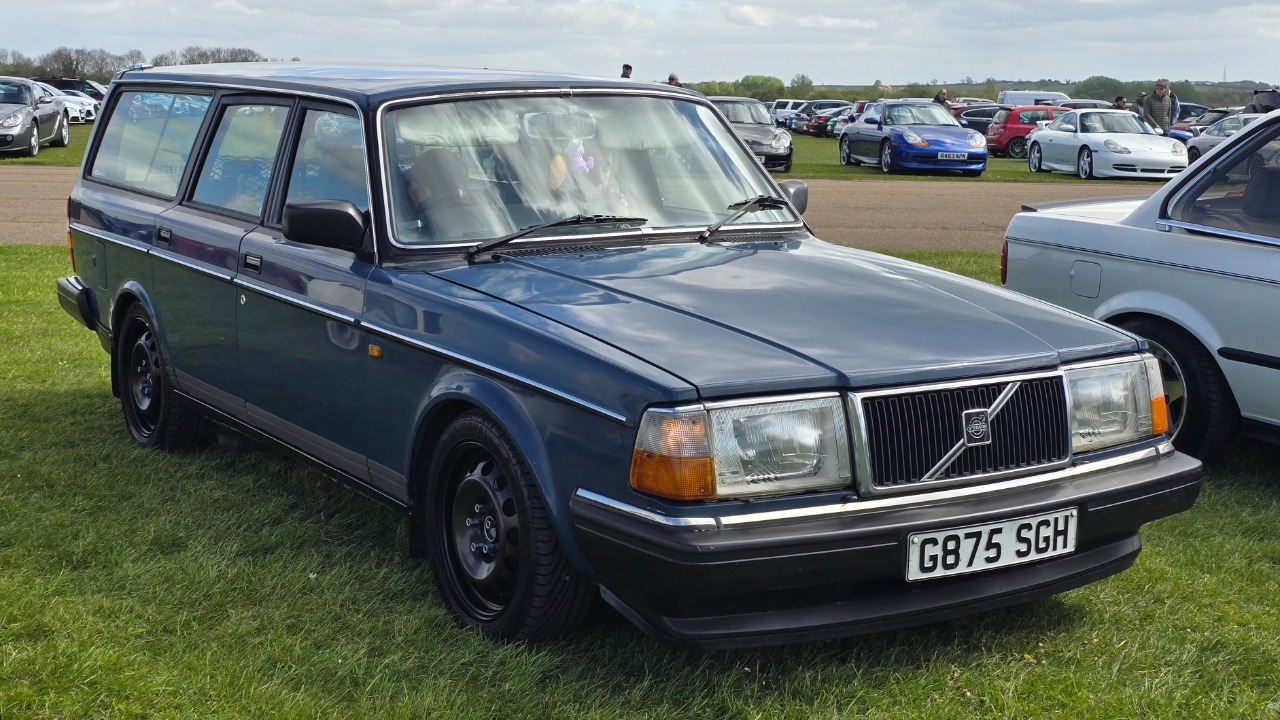
The Volvo 240 is another vehicle whose reputation was built slowly through years of ordinary use rather than flashy performance. Its square styling became iconic, but the important part for mechanics was what sat underneath. The car used a straightforward rear-wheel-drive layout and four-cylinder engines that were designed with durability in mind. The mechanical systems were familiar enough that independent technicians could keep these cars running for decades.
The 240’s longevity also came from the fact that many components were built to tolerate real-world use. That does not mean every surviving example is automatically dependable today. A forty-year-old vehicle can have worn suspension, deteriorated wiring, rust, leaks, and countless small age-related problems. But when the foundation is solid, these cars can remain remarkably useful. The Volvo 240 represents a period when durability and serviceability were often considered more important than squeezing every possible feature into a vehicle.
Toyota Prius
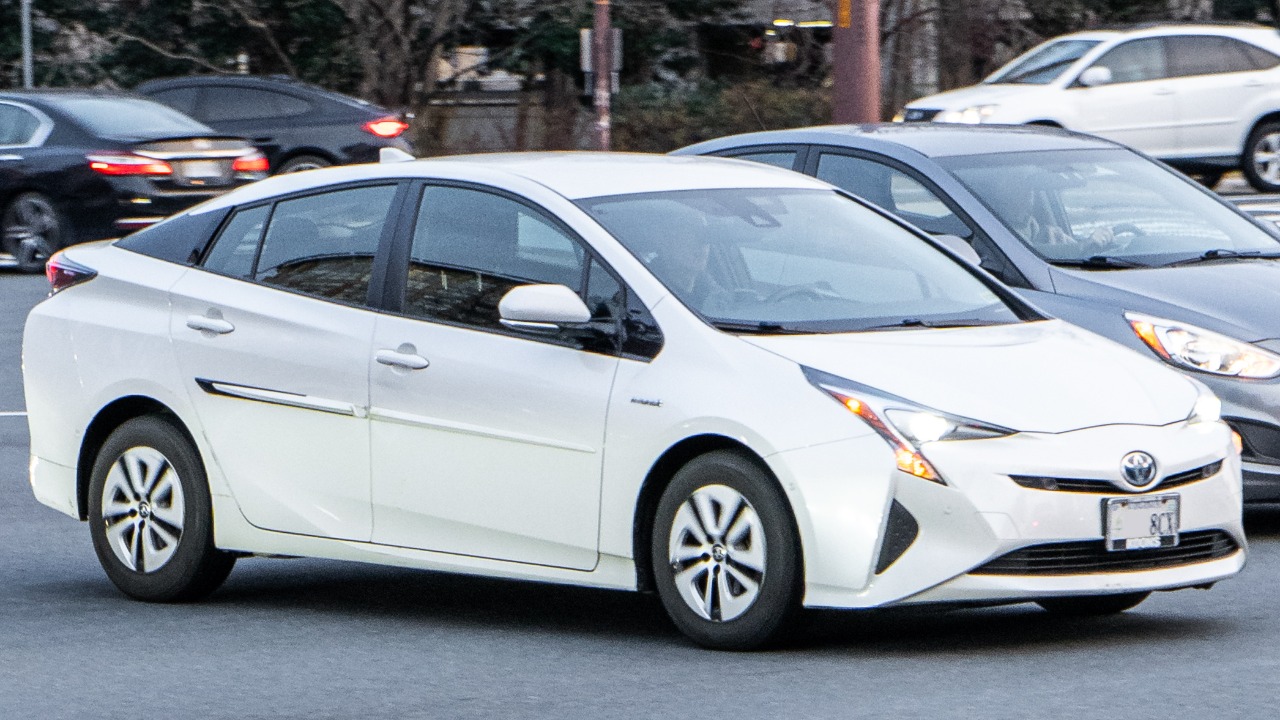
The Toyota Prius changed the conversation about hybrid vehicles because early examples demonstrated that electrified drivetrains could survive years of normal use. To some mechanics, the hybrid system initially looked intimidating because it introduced high-voltage components and unfamiliar technology. In practice, Toyota’s system proved durable enough to become a common sight in taxi and high-mileage service.
The Prius also benefits from a mechanical layout that differs from a conventional automatic-transmission vehicle. Its hybrid system uses fewer traditional transmission components, while regenerative braking can reduce wear on the friction brakes. That does not make the Prius maintenance-free. Battery condition, cooling systems, suspension components, and other age-related issues still matter, especially on older cars. But mechanics who understand the system have seen that hybrid complexity does not automatically mean poor durability. The Prius helped establish that an efficient vehicle could also become a long-term workhorse.
Ford F-150
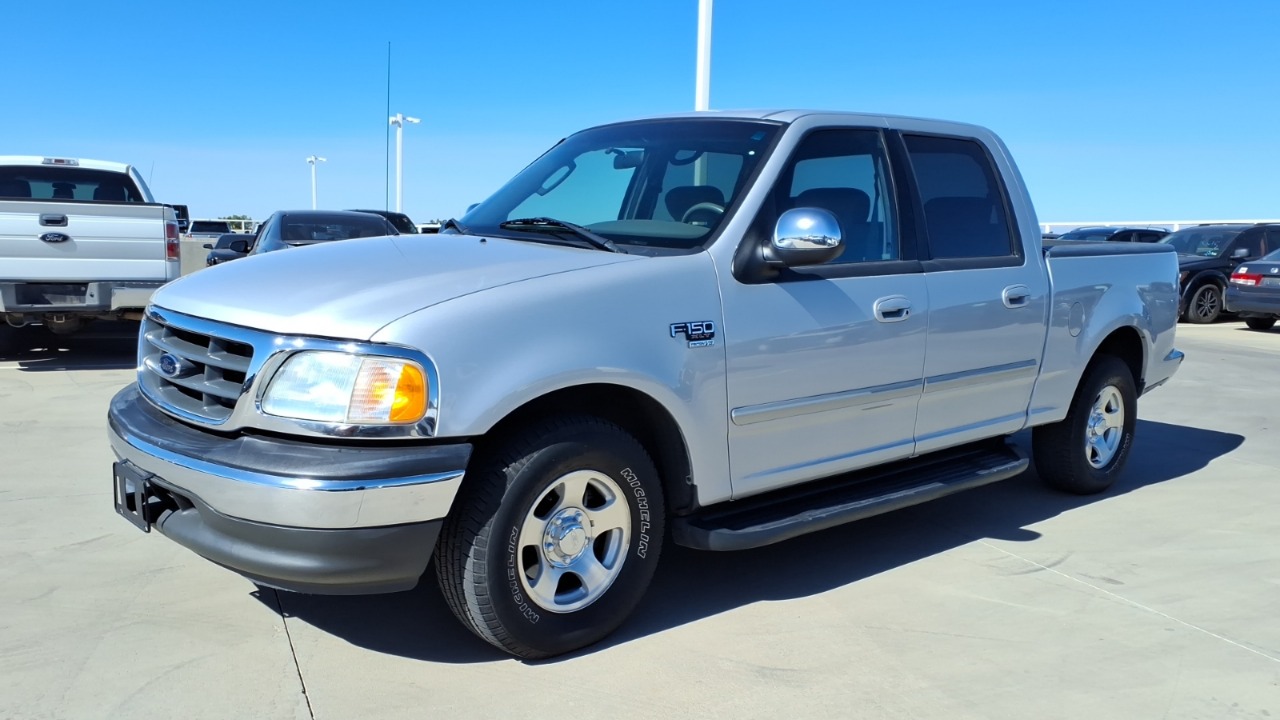
The Ford F-150 has been on American roads for so long and in such enormous numbers that virtually every experienced truck mechanic has worked on one. That alone creates an important advantage. Technicians know the platforms, parts suppliers understand the demand, and owners have access to an enormous amount of repair information. Different generations and engines have very different reputations, so the F-150 should never be treated as one identical vehicle across its entire history.
Still, certain F-150 combinations have earned serious respect for their durability and serviceability. Older trucks with straightforward engines can be particularly attractive because they do not require specialized equipment for every routine repair. Even when a problem does appear, the truck’s popularity usually means there is already a well-established solution. The F-150’s enormous parts ecosystem is another practical advantage. For mechanics, a vehicle that has millions of examples on the road is rarely an unsolved mystery.
Chevrolet Silverado
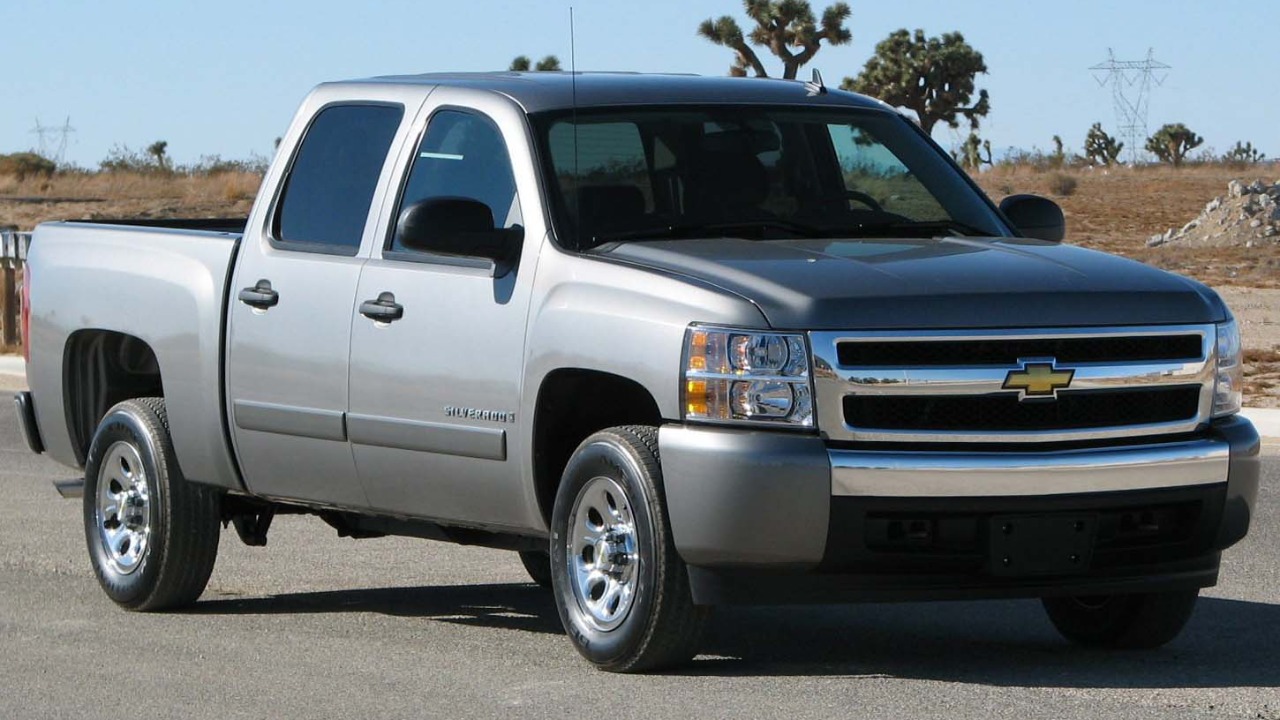
The Chevrolet Silverado has much of the same advantage as the F-150: mechanics have seen countless examples. The Silverado’s long production history means technicians have accumulated enormous experience with its engines, transmissions, suspension systems, four-wheel-drive components, and electrical systems. That familiarity becomes especially useful when maintaining older trucks that have accumulated significant mileage.
Certain Silverado generations equipped with naturally aspirated V8 engines have become particularly popular with owners who want traditional truck power without excessive mechanical complexity. The engines may not be perfect, and individual generations have their own known problems, but the underlying architecture is well understood. Parts availability is another major benefit, both through original-equipment suppliers and the aftermarket. A Silverado that has been properly serviced can remain a useful work truck for many years. For a mechanic, predictable systems and abundant parts are a combination that is difficult to overlook.
Toyota Hilux
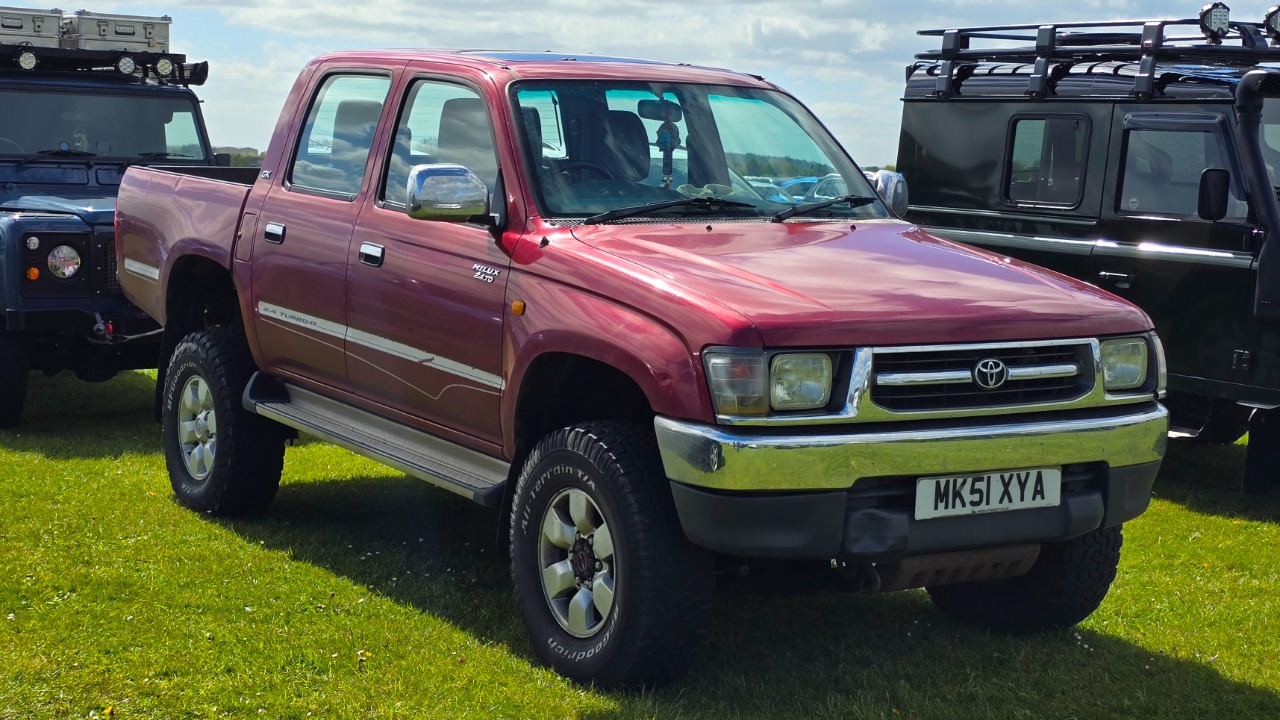
The Toyota Hilux has earned its reputation in some of the toughest environments imaginable. Unlike vehicles that became famous primarily through enthusiast culture, the Hilux established its credentials through commercial work, remote travel, agriculture, construction, and military applications in various parts of the world. Its traditional truck construction and durable drivetrains made it particularly well suited to situations where reliability was more important than comfort.
Mechanics often value the Hilux because its basic purpose is so clear. It is a truck built to work, and many generations were engineered without unnecessary complexity. That does not mean every Hilux is indestructible, nor does it mean maintenance can be ignored. Hard use eventually wears out clutches, suspension components, wheel bearings, cooling systems, and other parts. What separates the Hilux is the reputation of its underlying structure. In markets where these trucks have been common for decades, mechanics know how to keep them operating long after many newer vehicles have become difficult or costly to repair.
Honda CR-V

The Honda CR-V became one of the most successful compact SUVs by offering something relatively simple: useful interior space, efficient engines, sensible dimensions, and dependable everyday transportation. Early generations in particular were mechanically straightforward compared with many modern SUVs, and that gave independent repair shops plenty of familiarity with the platform.
The CR-V also benefits from Honda’s enormous global parts and service network. Older examples can certainly develop problems with suspension components, air-conditioning systems, transmissions, or age-related electrical equipment, but those issues do not erase the basic strengths of the design. A well-maintained CR-V can remain practical long after its interior begins showing signs of age. Mechanics appreciate vehicles that do not make ordinary maintenance unnecessarily difficult, and the CR-V has spent much of its history fitting that description.
Toyota Avalon
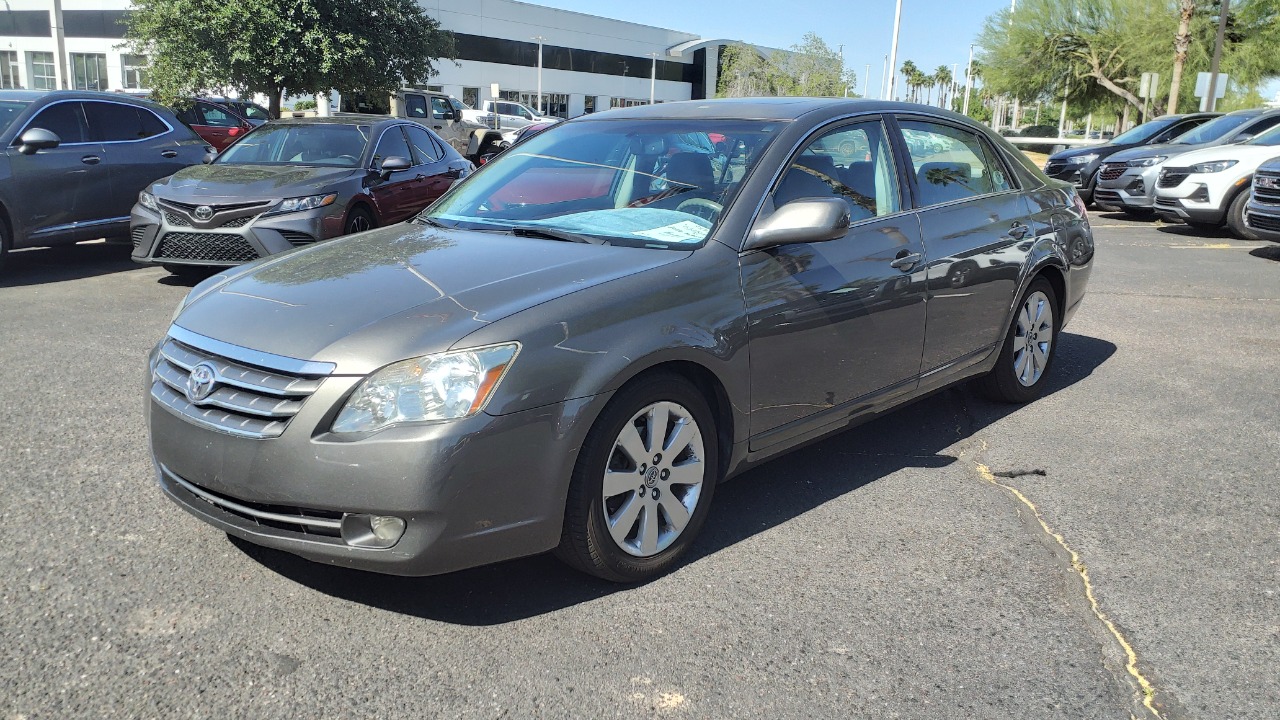
The Toyota Avalon never received the enthusiast attention of the Supra or the rugged reputation of the Land Cruiser, but mechanics often appreciate vehicles that quietly do their jobs for years. The Avalon was designed as a larger, more comfortable Toyota sedan, and many generations used proven engines and conventional drivetrains rather than chasing complicated performance solutions.
That conservative approach gave the Avalon an interesting advantage. Owners were often buying the car for comfortable transportation, while the mechanical package was capable of accumulating substantial mileage when properly maintained. The V6-powered versions in particular offered plenty of effortless performance without requiring the engine to operate at extreme output levels. As with any older car, maintenance history matters enormously, and suspension, cooling, and electrical components eventually age. Still, the Avalon’s reputation comes from the same philosophy that helped other Toyota products become long-term survivors: use proven components and avoid unnecessary complications.
Subaru Outback

The Subaru Outback has a different kind of mechanic appeal because its strengths are tied to its combination of practicality and all-weather capability. The symmetrical all-wheel-drive system made the Outback useful in conditions where many ordinary family cars struggled, while the wagon-inspired body provided substantial cargo space. That combination helped turn the Outback into one of Subaru’s most recognizable vehicles.
Mechanics familiar with Subarus know that proper maintenance is especially important. Cooling systems, oil leaks, head gaskets on certain older engines, timing components, and the all-wheel-drive system all deserve attention. Yet the Outback’s large installed base means experienced Subaru technicians know these cars extremely well. A properly maintained example can deliver years of useful service while offering capabilities that many conventional family cars lack. Its reputation is therefore less about being mechanically indestructible and more about being a practical machine with a well-established service community.
More from Fast Lane Only
- Unboxing the WWII Jeep in a Crate
- 15 rare Chevys collectors are quietly buying
- 10 underrated V8s still worth hunting down
- Police notice this before you even roll window down
*Research for this article included AI assistance, with all final content reviewed by human editors.