Some vintage cars arrived with so much performance that they seemed almost out of place in their own era. Powerful engines, lightweight bodies, racing technology, and aggressive tuning made certain classics difficult for manufacturers to keep producing. Many had short production runs, limited availability, or disappeared as changing regulations and costs made extreme performance harder to justify.
Ford Fairlane Thunderbolt
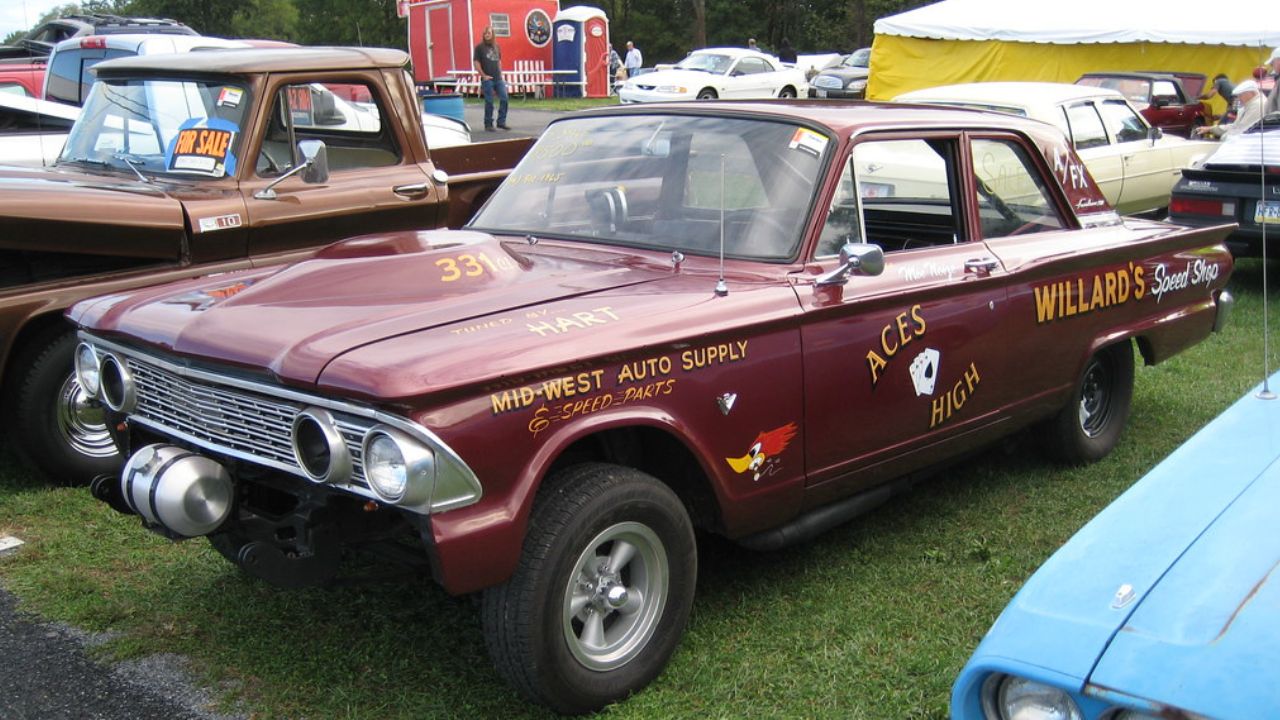
The Ford Fairlane Thunderbolt was built specifically to dominate drag racing. Ford placed a massive 427 FE V8 into the much smaller Fairlane body and made extensive modifications to reduce weight. Fiberglass panels, lightweight components, and specialized drivetrain equipment helped turn the car into a factory-built drag racer. Only a small number were produced, making the Thunderbolt one of the most extreme factory muscle cars ever offered.
Chevrolet Impala SS 409

The Chevrolet Impala SS with the 409 V8 became one of the defining big-engine American cars of the early 1960s. The large-displacement engine gave the full-size Impala impressive straight-line performance while retaining its comfortable road-going character. The combination helped establish Chevrolet’s reputation for affordable performance. As engine technology changed and emissions and fuel-economy concerns became more important, the era of massive engines in ordinary family cars gradually came to an end.
Ford Torino Cobra
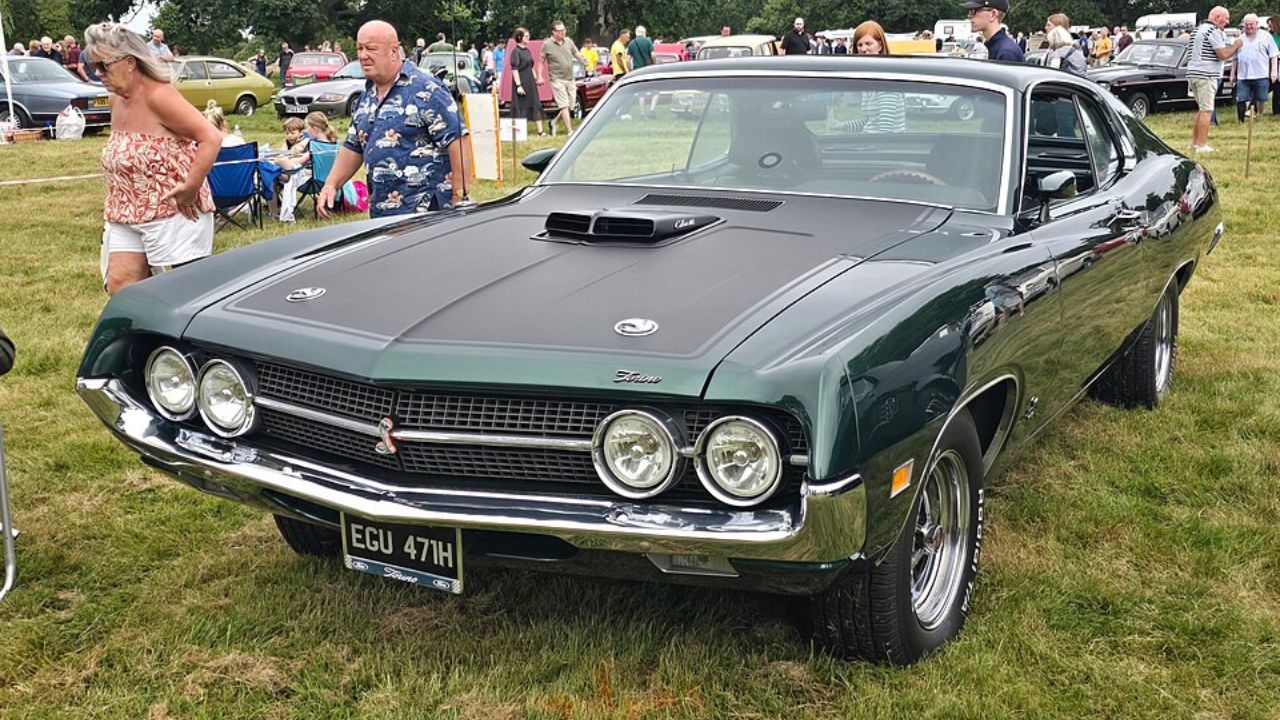
The Ford Torino Cobra brought big-block power and aggressive performance to Ford’s midsize lineup. Available with engines such as the 429 Cobra Jet, it could deliver remarkable acceleration for a production car. The combination of large displacement and a relatively manageable body created a formidable muscle car. As Ford shifted its priorities and the classic muscle-car market weakened, the Cobra disappeared from the lineup.
Plymouth Superbird
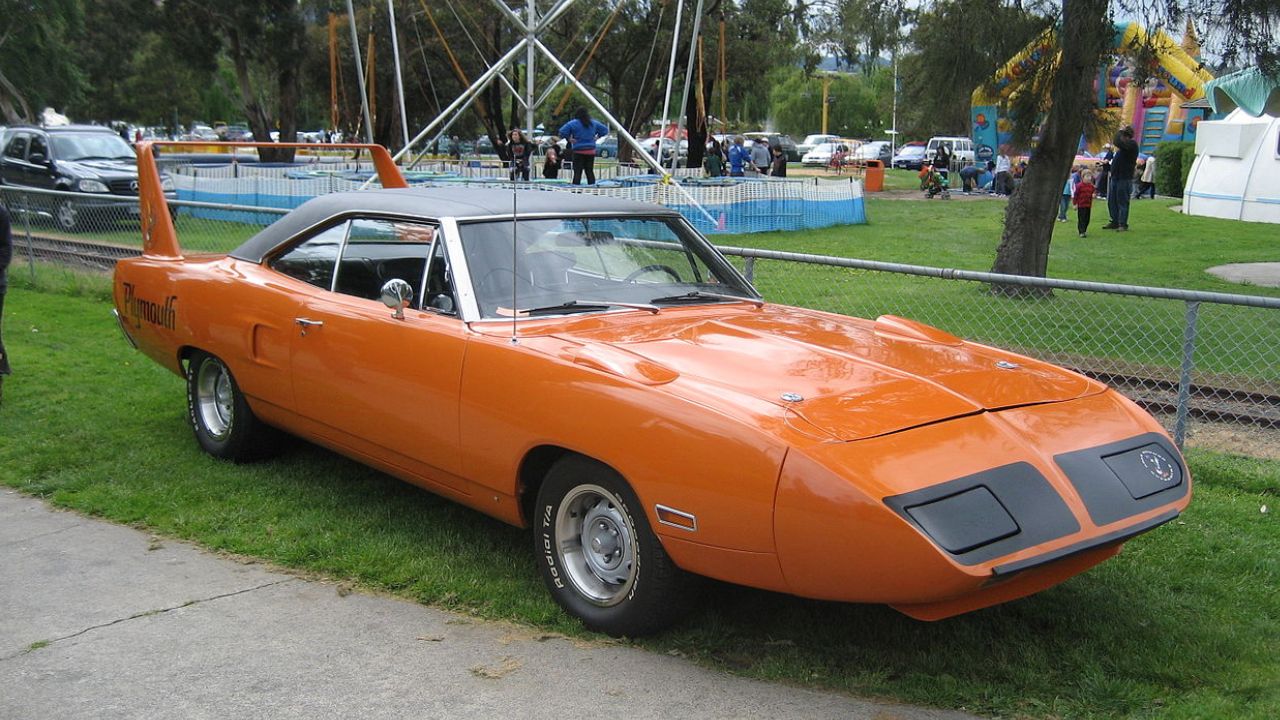
The Plymouth Superbird was one of the most extreme factory-built muscle cars of its time. Its aerodynamic nose and enormous rear wing were designed primarily for NASCAR competition, while its available big-block engines gave it serious street performance. Plymouth produced the car in limited numbers to satisfy homologation requirements. Its unusual appearance, high production cost, and specialized purpose made it difficult to justify as a normal production model.
Dodge Charger Daytona
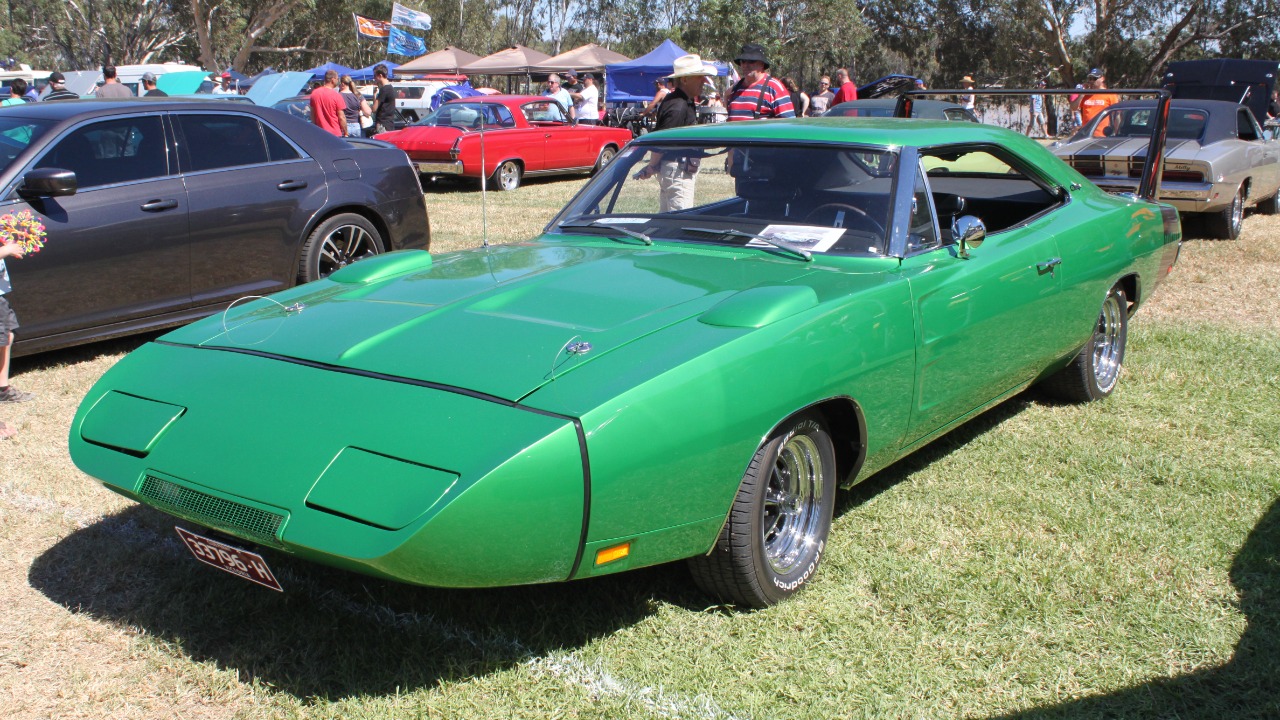
The Dodge Charger Daytona pushed aerodynamic engineering into territory that looked almost experimental for a production American car. Its extended nose and towering rear wing were created to improve high-speed performance on NASCAR tracks. Buyers could also order the car with powerful V8 engines, making it one of the most intimidating Mopar machines of its period. Its highly specialized construction and limited purpose helped ensure that it would remain a short-lived chapter in Dodge performance history.
Ford Torino Talladega
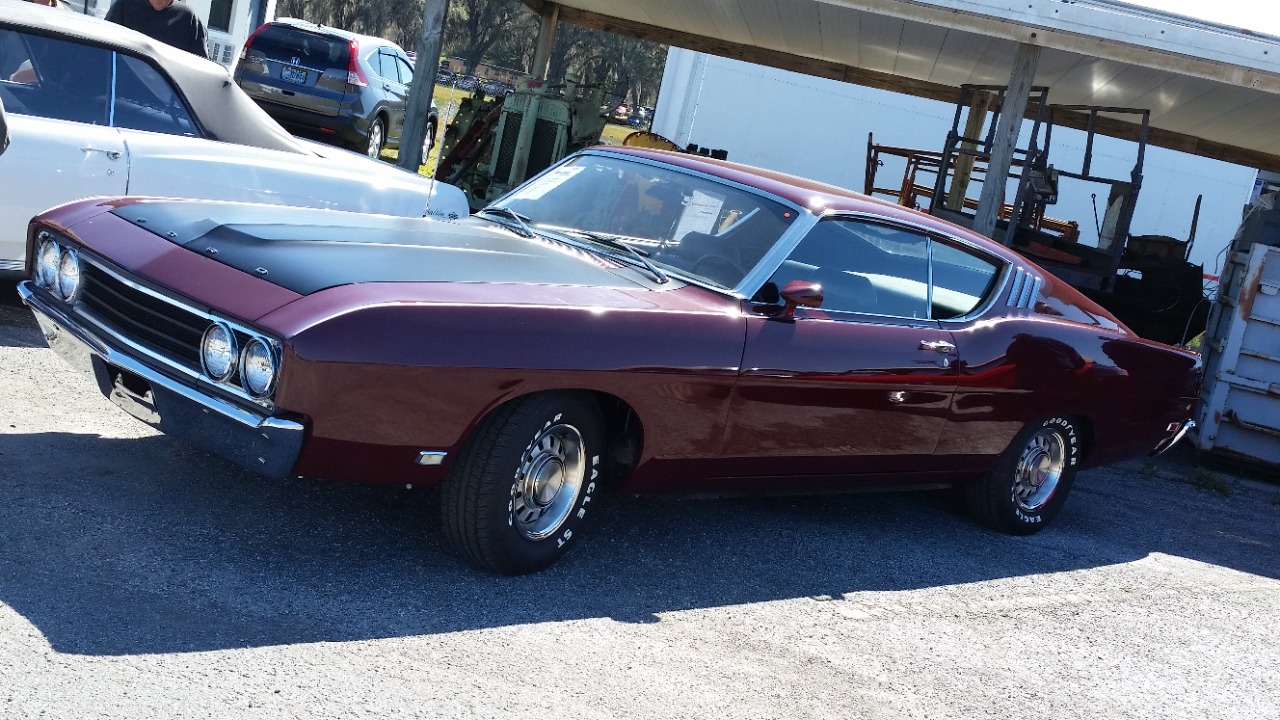
The Ford Torino Talladega was another factory-built aerodynamic special created to meet NASCAR homologation requirements. Its extended front end reduced aerodynamic drag and helped the car perform at high speed. Underneath the distinctive bodywork was a powerful V8 drivetrain capable of delivering strong acceleration. Ford built the Talladega in limited numbers, and the model’s racing-focused design made it difficult to continue once NASCAR rules and factory priorities changed.
Chevrolet Camaro ZL1
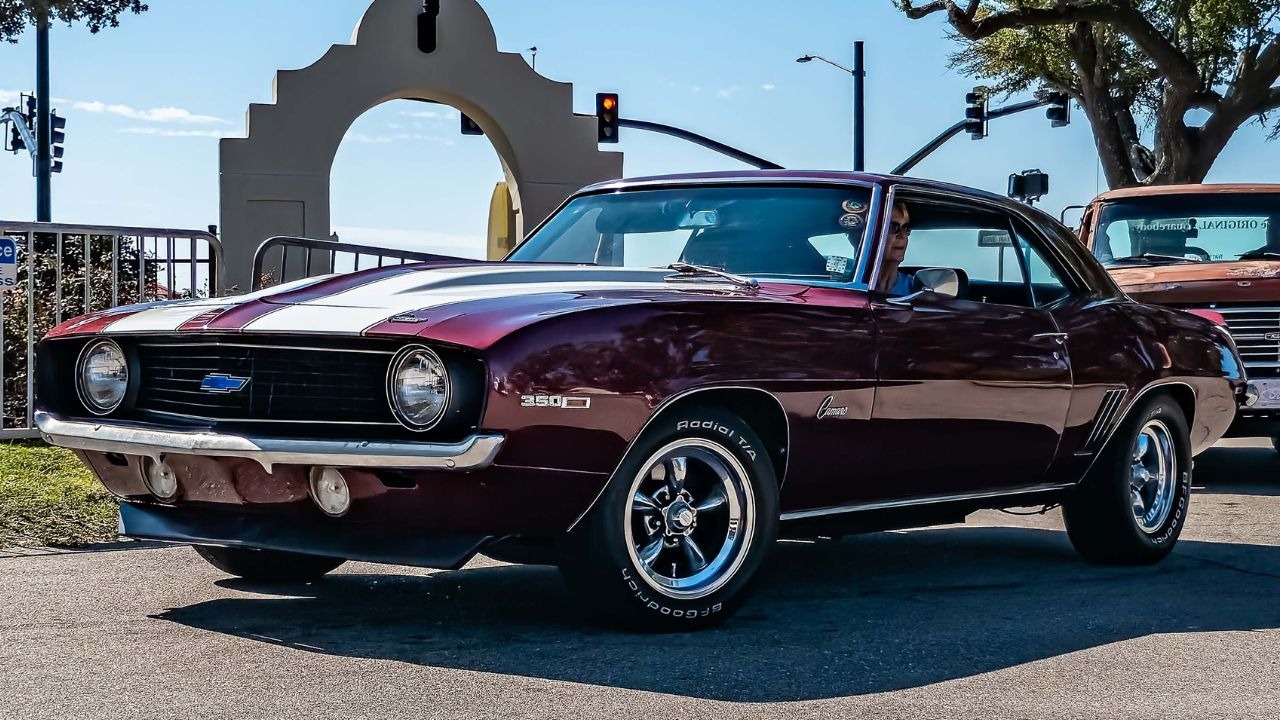
The Chevrolet Camaro ZL1 represented one of the most extreme factory engine combinations of the muscle-car era. Its all-aluminum 427-cubic-inch V8 was developed with racing performance in mind and offered exceptional power for a street car. Production was extremely limited because the engine was expensive and specialized. The ZL1 demonstrated how far Chevrolet could push the Camaro, but its cost and limited market appeal prevented it from becoming a mainstream performance package.
Ford Mustang Boss 429

The Ford Mustang Boss 429 combined a relatively compact pony-car body with one of Ford’s most famous big-block engines. The massive 429-cubic-inch V8 was developed largely around NASCAR requirements and required extensive modifications to fit inside the Mustang’s engine bay. Ford produced the Boss 429 in limited numbers, and its expensive assembly process made it far less practical than ordinary Mustangs. It remains one of the most specialized factory Mustangs ever produced.
Plymouth AAR Cuda
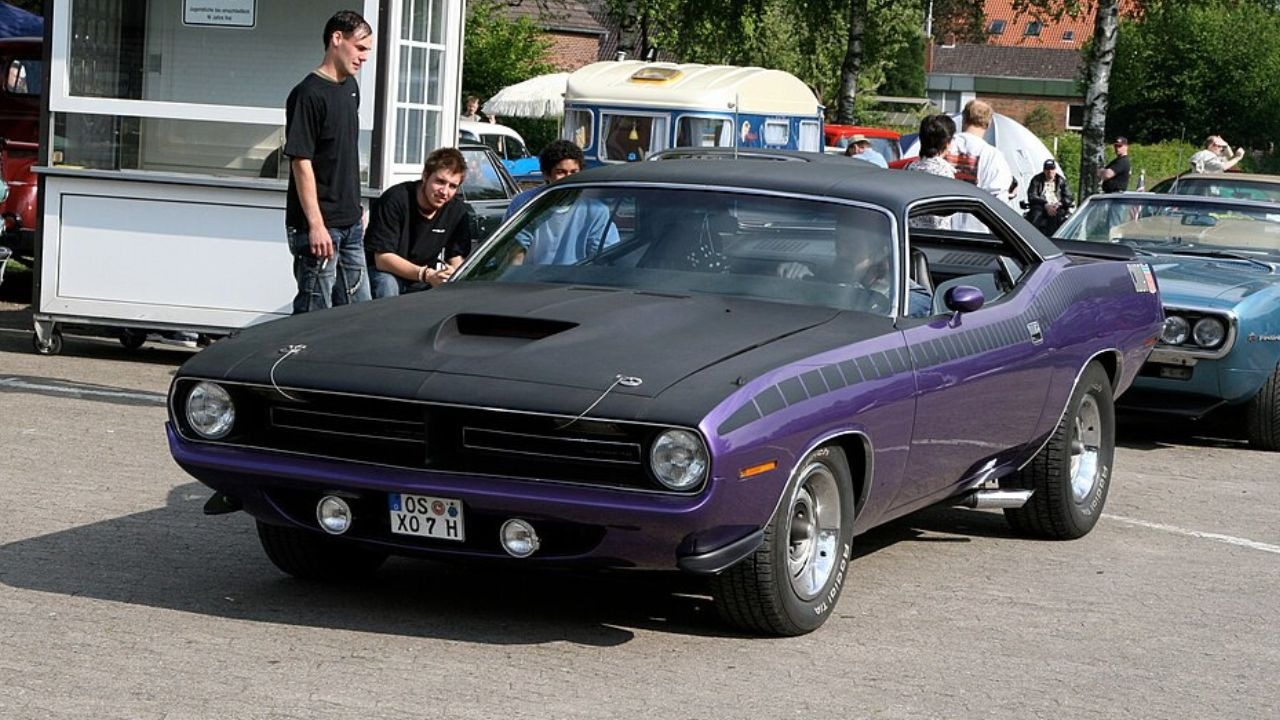
The Plymouth AAR Cuda was created as a homologation special connected to Chrysler’s Trans-Am racing program. It used a lightweight E-body platform with a high-performance small-block V8 and distinctive aerodynamic equipment. The combination gave the car a unique balance of road and competition capability. Its limited production reflected its specialized purpose, and changing racing regulations eventually brought an end to this type of factory-built homologation muscle car.
Dodge Challenger T/A
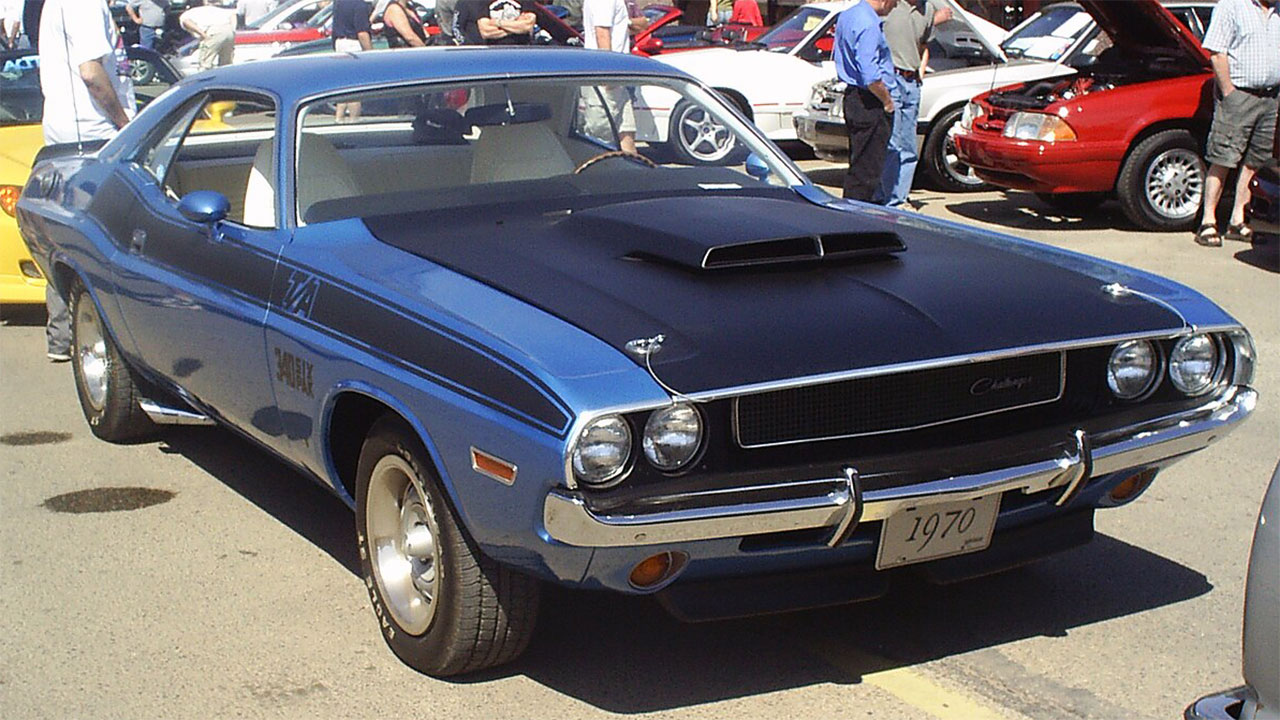
The Dodge Challenger T/A was another short-lived homologation special designed around Trans-Am racing. Its 340 Six Pack V8, side-exit exhaust system, staggered tire setup, and aggressive appearance made it substantially different from an ordinary Challenger. Dodge created it to meet racing requirements rather than simply to sell another trim level. As factory racing programs changed, cars like the Challenger T/A became increasingly difficult to justify.
Chevrolet Chevelle SS 454 LS6
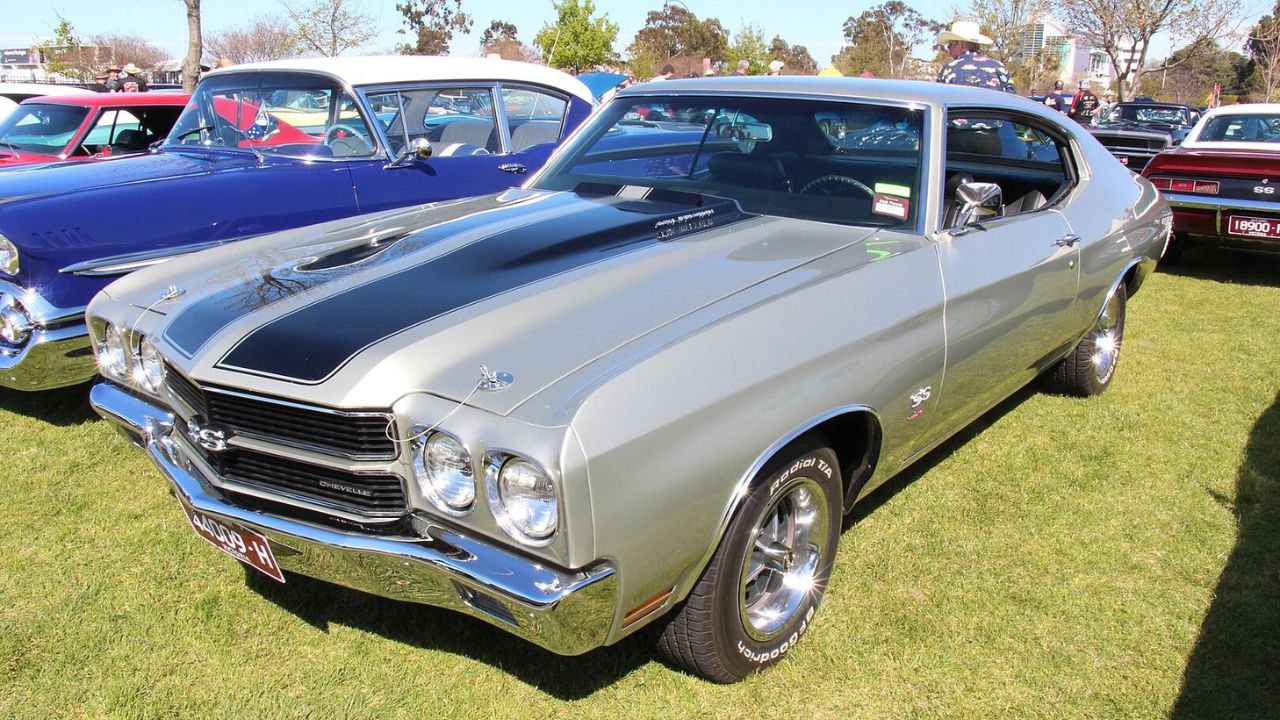
The Chevrolet Chevelle SS 454 LS6 brought enormous big-block power into one of America’s most popular midsize performance cars. Its 454-cubic-inch V8 produced extraordinary performance for the period, making the Chevelle capable of frightening acceleration. The LS6 became one of the defining engines of the muscle-car era, but the combination arrived just as insurance costs, emissions regulations, and changing market conditions began working against high-output muscle cars.
Buick GSX Stage 1
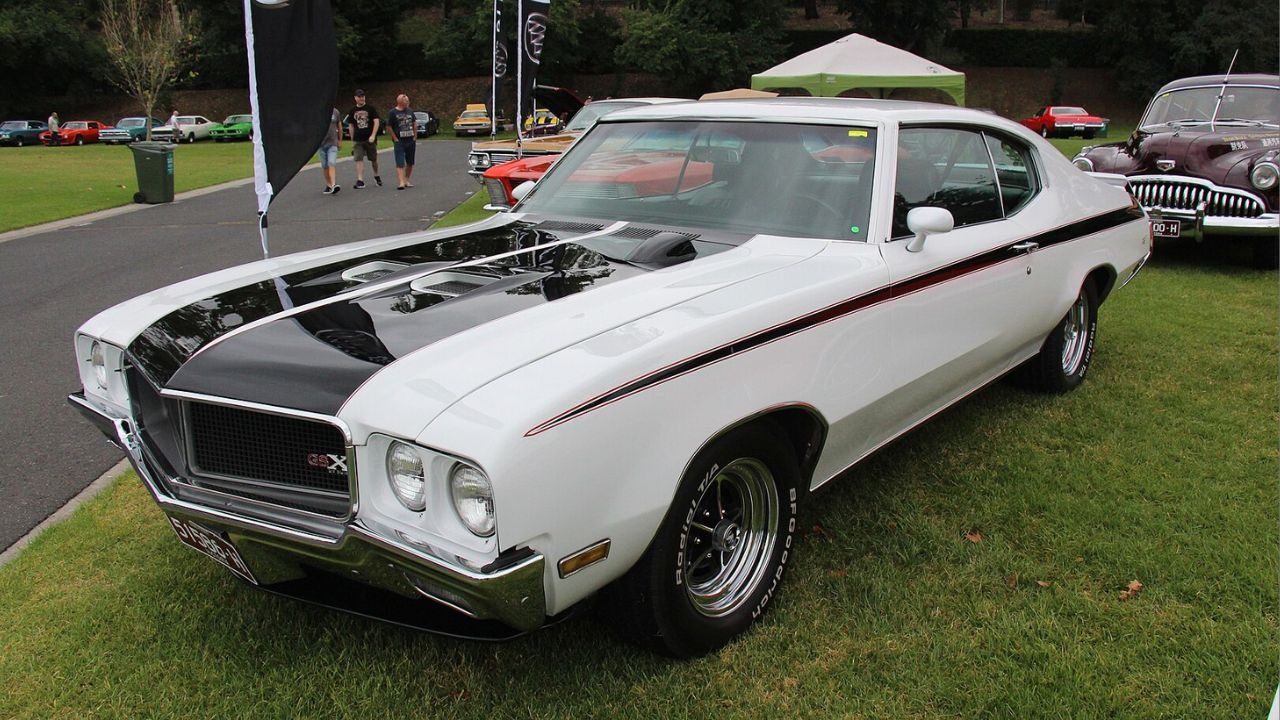
The Buick GSX Stage 1 showed that Buick could produce a serious muscle car without abandoning its reputation for comfort. Its 455-cubic-inch V8 delivered enormous torque, allowing the relatively heavy car to accelerate with surprising force. The Stage 1 package transformed the GSX into a legitimate high-performance machine. Rising insurance costs and the rapidly changing performance-car market made such powerful midsize Buicks increasingly difficult to sustain.
Oldsmobile 442 W-30

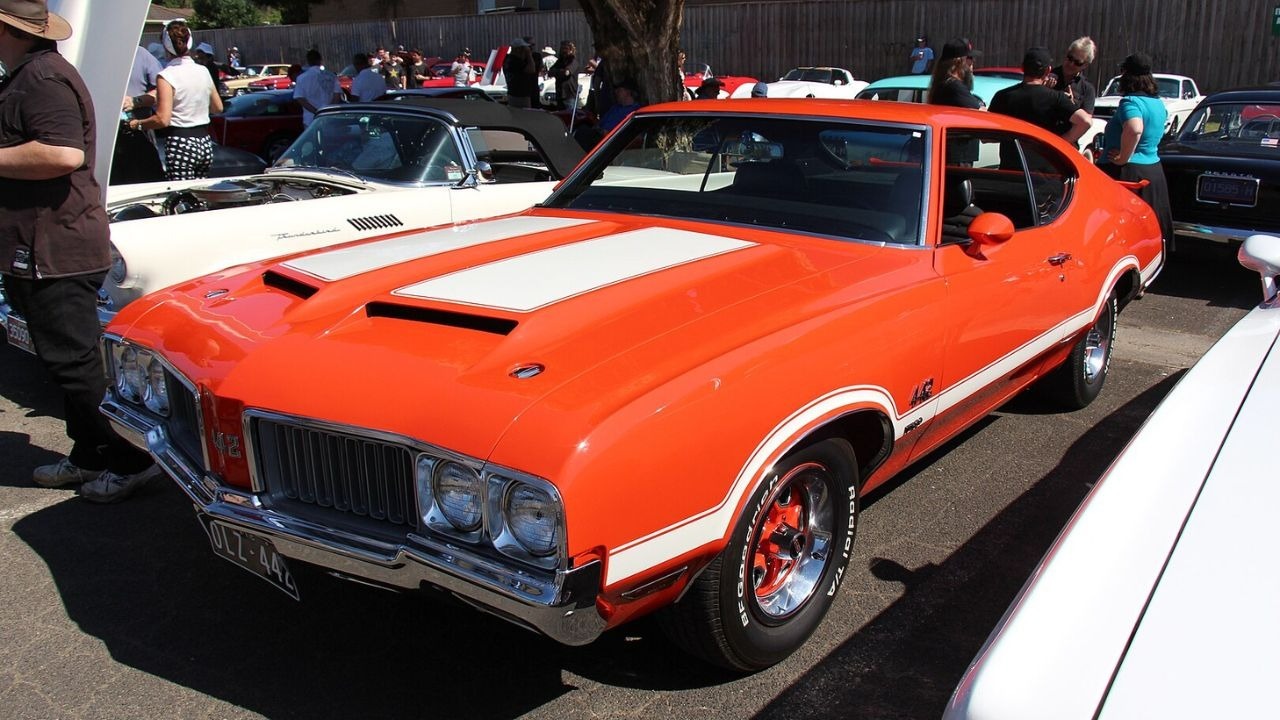
The Oldsmobile 442 W-30 combined a large-displacement V8 with performance-focused suspension, induction, and drivetrain components. The W-30 package gave the 442 a much more aggressive character than an ordinary Oldsmobile. Its strong torque made it particularly effective in street driving and drag racing. Like many high-performance cars of the period, its future became uncertain as fuel prices, emissions requirements, and insurance costs changed the American performance market.
Pontiac GTO Judge
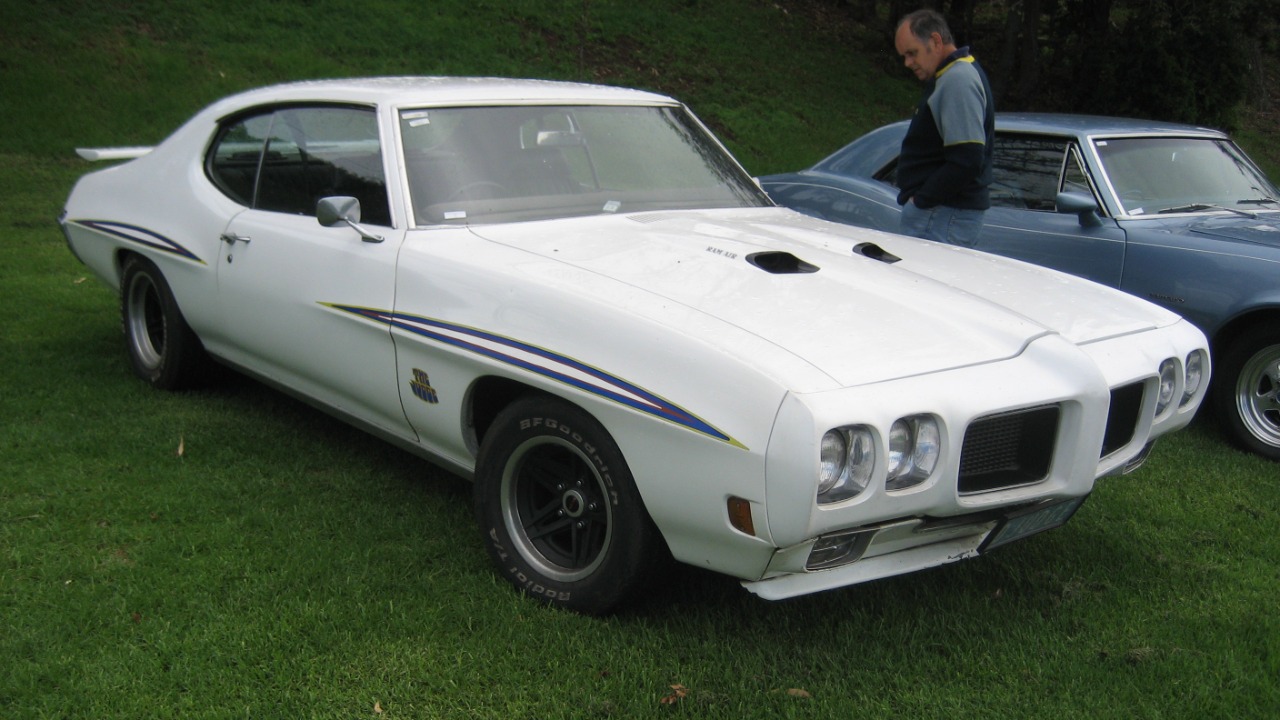
The Pontiac GTO Judge became one of the most recognizable performance packages of the muscle-car era. Available with powerful V8 engines and distinctive styling, it represented Pontiac’s aggressive approach to the youth-performance market. The Judge’s combination of large-displacement power and relatively accessible pricing helped define the era. However, rising costs and tightening regulations soon made high-output muscle cars increasingly difficult for Pontiac to maintain.
Pontiac Firebird Trans Am SD-455
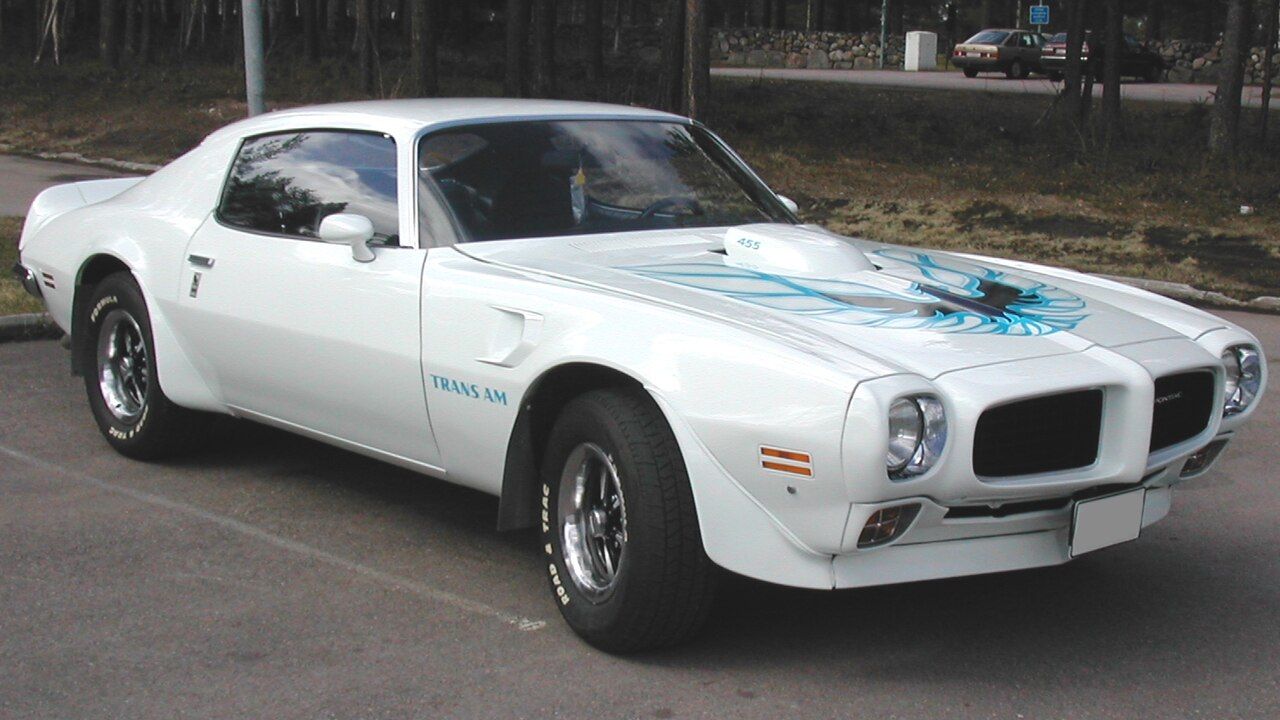
The Pontiac Firebird Trans Am Super Duty 455 arrived during a period when most manufacturers were already reducing engine output. Its 455-cubic-inch Super Duty V8 was a rare exception, delivering serious performance despite the increasingly restrictive environment. Pontiac produced the SD-455 for only a short period, making it one of the final truly high-performance American V8 packages of the classic muscle-car era.
Chevrolet Corvette ZR-1
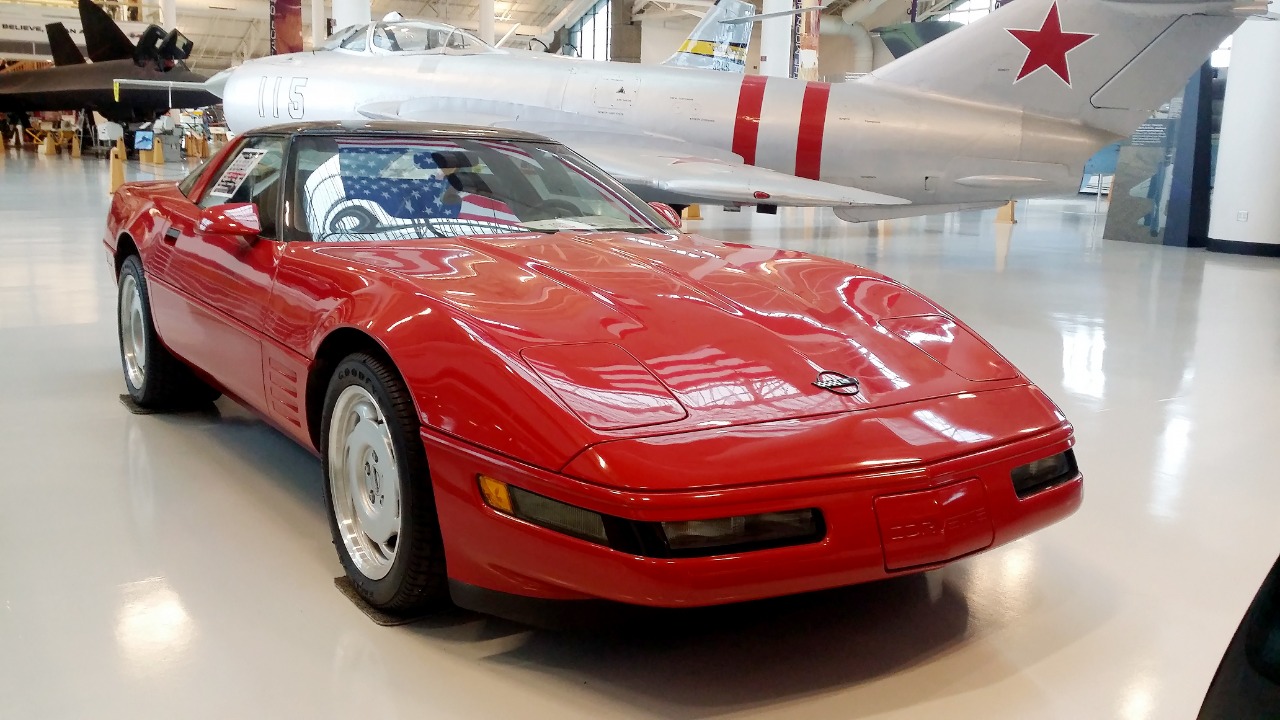
The Chevrolet Corvette ZR-1 of the early 1990s demonstrated that Chevrolet could still create an extremely sophisticated high-performance sports car. Its 5.7-liter LT5 V8 used four camshafts and 32 valves, a major departure from the traditional pushrod architecture associated with the Corvette. The engine was developed with Lotus engineering assistance and produced substantially more power than the standard Corvette. Its complexity and cost kept production limited.
Shelby Cobra 427
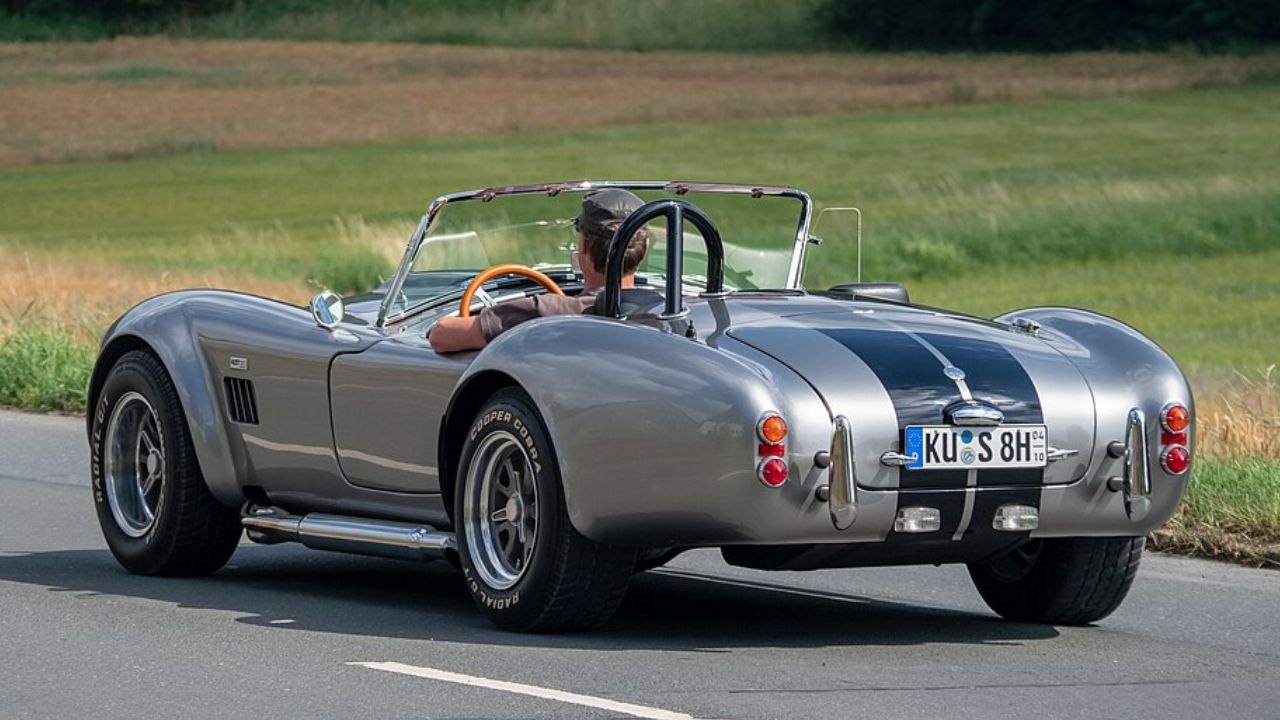
The Shelby Cobra 427 combined an extremely lightweight British sports-car chassis with a massive Ford V8. The result was an unusually high power-to-weight ratio that made the car exceptionally quick and demanding to drive. Shelby’s creation was never intended to become a mass-production automobile. Its specialized construction and enormous engine made it more of a competition-oriented machine than an ordinary road car.
De Tomaso Pantera

The De Tomaso Pantera placed a powerful Ford V8 behind the driver in an Italian-designed mid-engine sports car. Its combination of American engine torque and European chassis design made it unusually fast for its era. The Pantera also offered more usable performance and practicality than many exotic sports cars. Its production lasted far longer than some rivals, but the car remained a specialized performance machine throughout its life.
Lancia Stratos HF Stradale
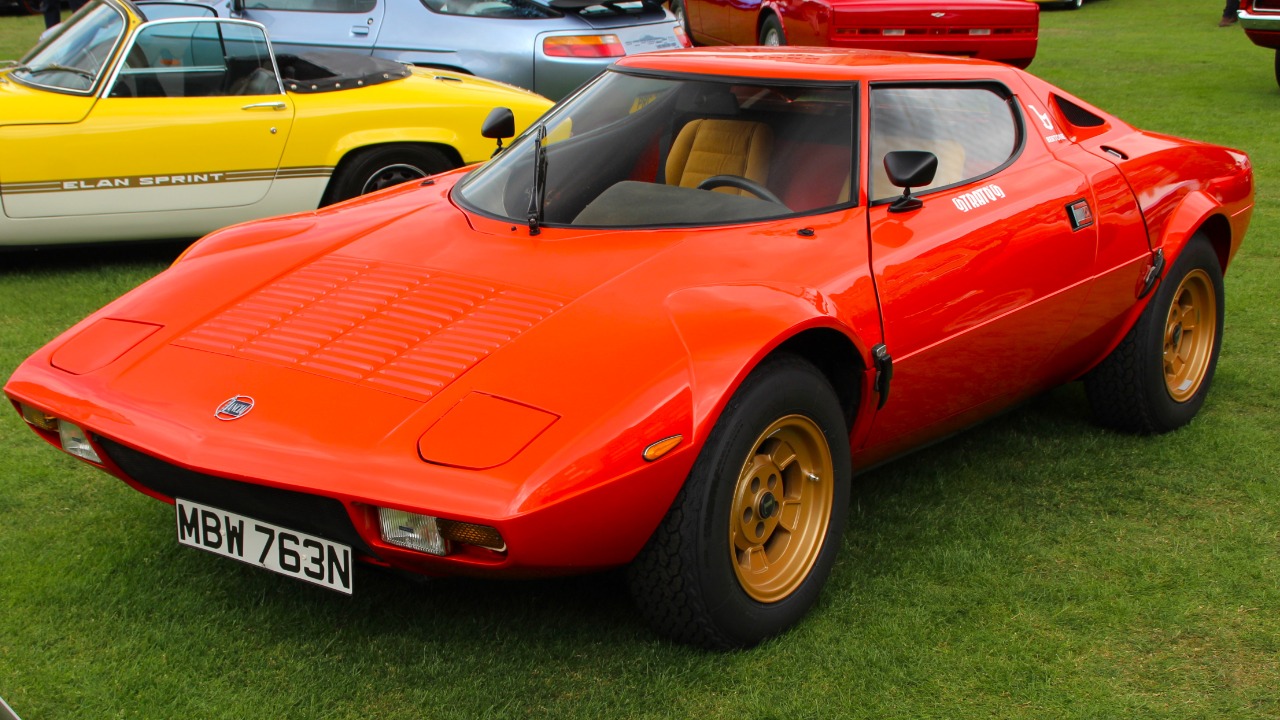
The Lancia Stratos HF Stradale was essentially a road-going version of a rally machine. Its compact mid-engine layout, lightweight construction, short wheelbase, and Ferrari-derived V6 gave it exceptional agility. Lancia built the car primarily to satisfy rally homologation requirements, resulting in a relatively small production run. Its extreme specialization meant it could never become a conventional mass-market sports car, but that was precisely what made it so important.
BMW 3.0 CSL
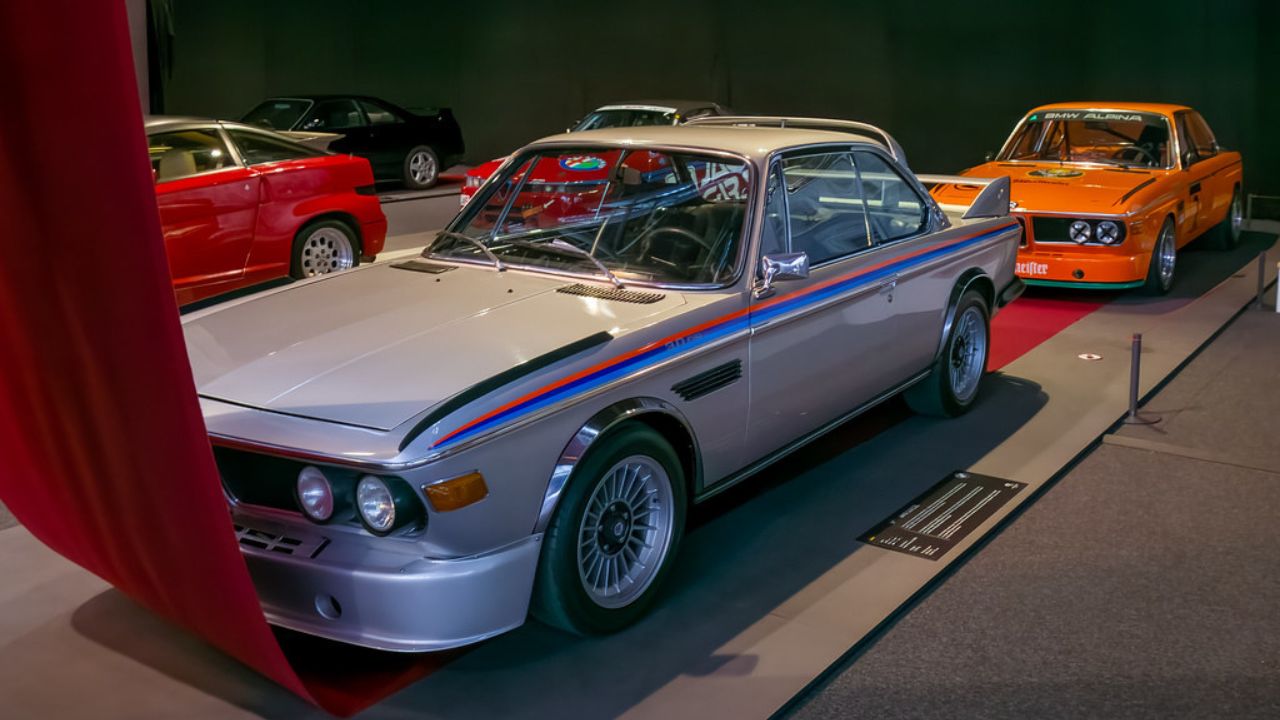
The BMW 3.0 CSL was developed as a lightweight racing homologation special and became one of BMW’s most important early performance models. Aluminum body panels, reduced equipment, aerodynamic modifications, and a powerful inline-six helped reduce weight and improve performance. The CSL demonstrated how far BMW could push a production-based coupe for competition. Its limited production and specialized construction made it impossible to treat like an ordinary showroom model.
More from Fast Lane Only
- Unboxing the WWII Jeep in a Crate
- 15 rare Chevys collectors are quietly buying
- 10 underrated V8s still worth hunting down
- Police notice this before you even roll window down
*Research for this article included AI assistance, with all final content reviewed by human editors.