Some vintage roadsters become more than just old cars. Their lightweight bodies, simple mechanical layouts, open-air driving experience, and distinctive styling create a connection that modern cars rarely provide. For many owners, selling one feels like giving up a piece of automotive history. These 20 vintage roadsters are especially known for inspiring that kind of loyalty.
MG MGA
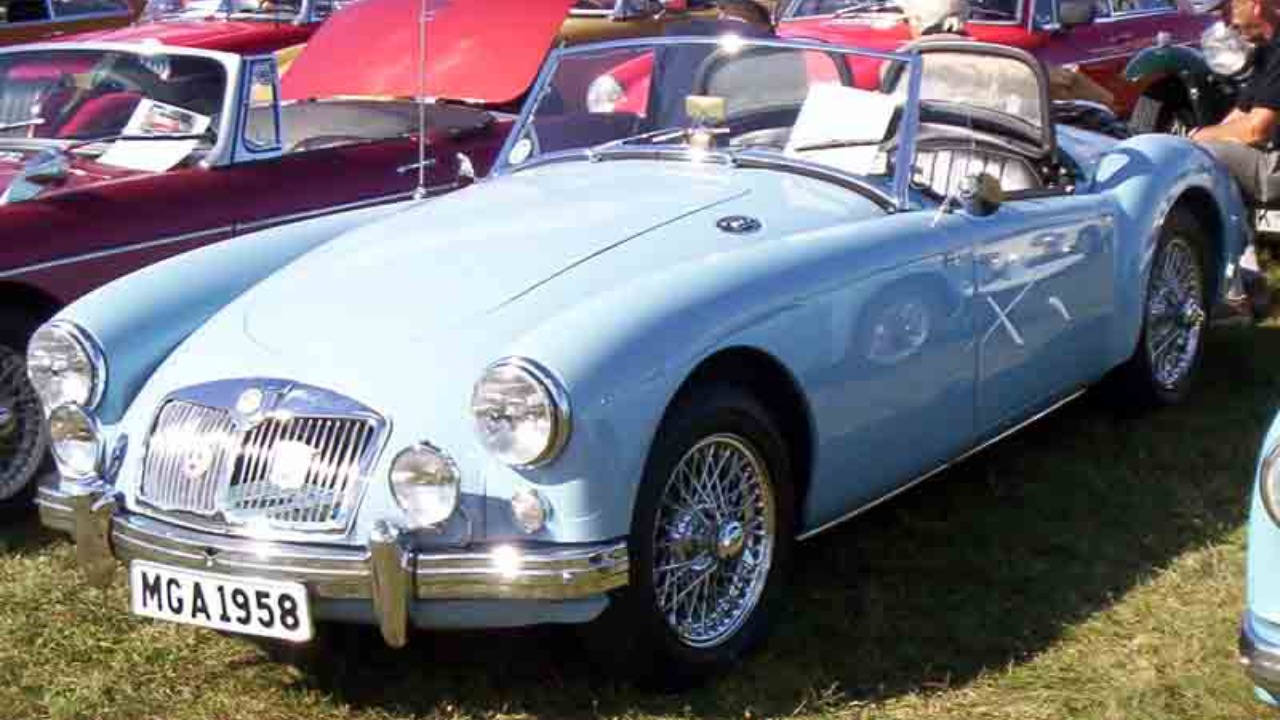
The MG MGA became one of Britain’s most recognizable small sports cars after its introduction in 1955. Its smooth body, low seating position, and simple mechanical design made it enjoyable without requiring enormous power. Owners often appreciate how direct the MGA feels on the road. Its classic proportions and open cockpit also give it a timeless appearance. Because well-preserved examples have become increasingly desirable, many owners prefer maintaining their MGA rather than replacing it with something newer.
Triumph TR6
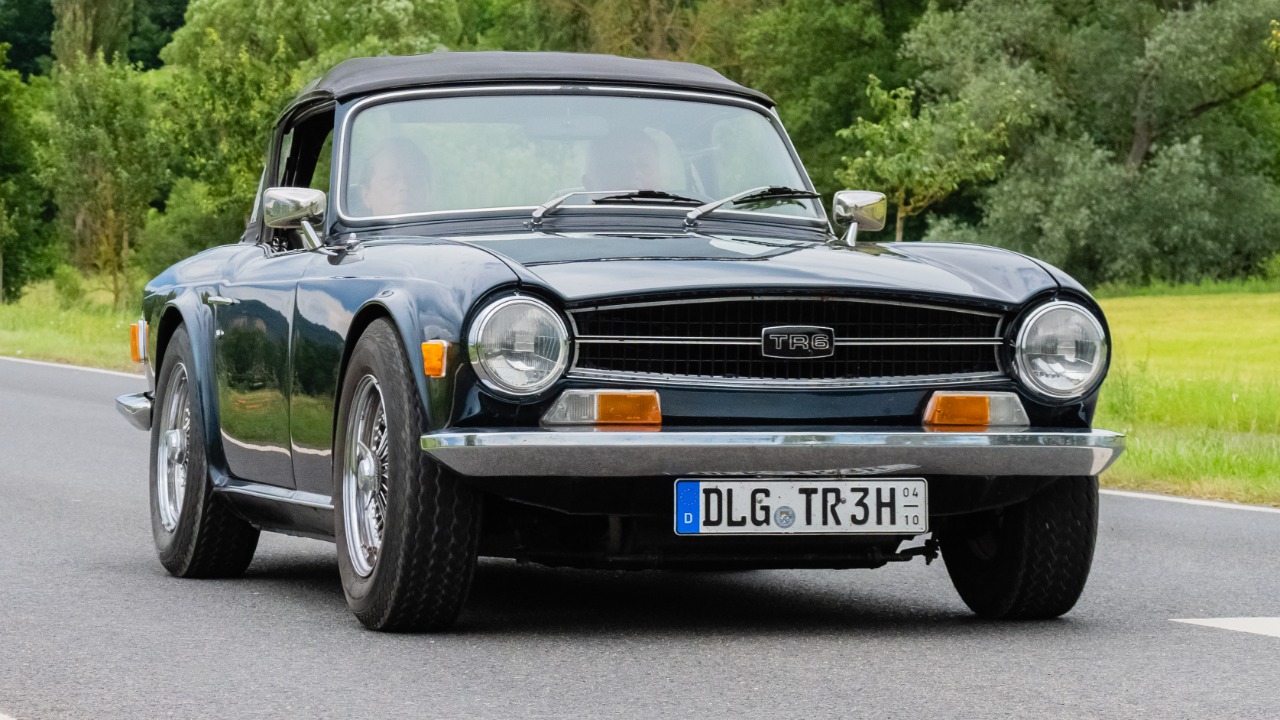
The Triumph TR6 combined traditional British roadster styling with a stronger six-cylinder engine and a more substantial driving character. Its long hood, short rear deck, and open cabin gave it the unmistakable appearance of a classic sports car. Owners often become attached to the TR6 because it provides an engaging mechanical experience without being overly complicated. The combination of sound, steering feel, and vintage styling makes an original TR6 difficult for many enthusiasts to part with.
Austin-Healey 3000
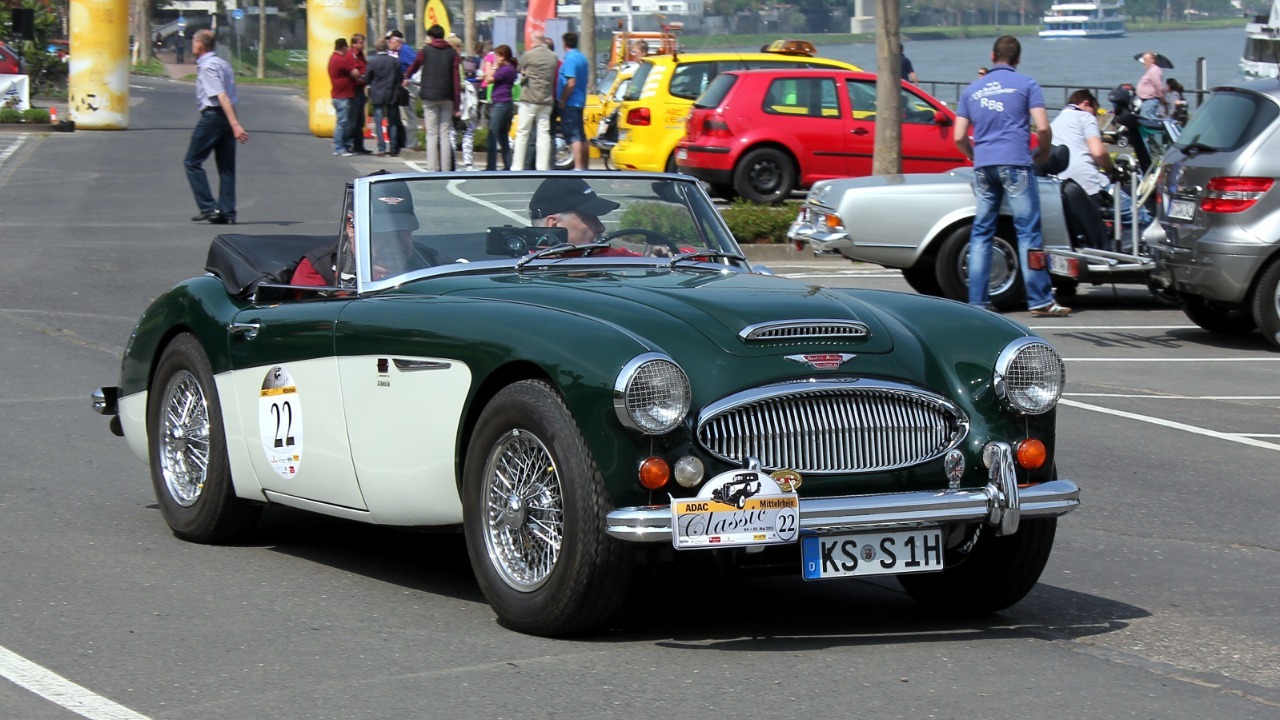
The Austin-Healey 3000 earned a strong reputation as a classic British roadster because of its muscular styling and six-cylinder performance. Its large grille, wire wheels, long hood, and compact cabin created a distinctive appearance. Unlike many smaller British sports cars, the 3000 offered enough engine performance to feel capable on longer drives. Owners frequently value its character as much as its performance. Once someone becomes accustomed to its personality, replacing it with a modern car can feel less appealing.
Jaguar E-Type Roadster
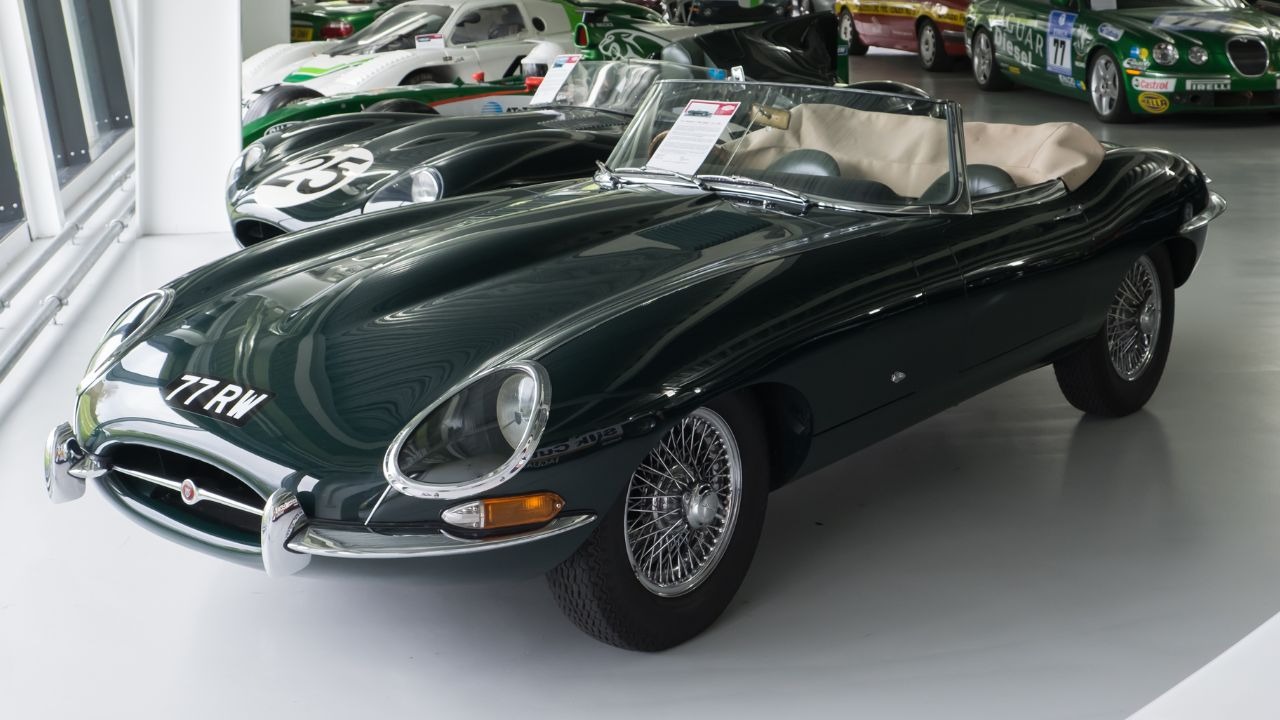
The Jaguar E-Type Roadster remains one of the most recognizable British sports cars ever produced. Its long hood, low body, exposed cockpit, and flowing lines gave it an appearance that stood apart from ordinary cars of its era. The roadster also combined its dramatic styling with a powerful six-cylinder engine and independent suspension. Owners who have preserved these cars often treat them as long-term possessions because their combination of beauty, engineering, and historical importance is difficult to duplicate.
Lotus Elan
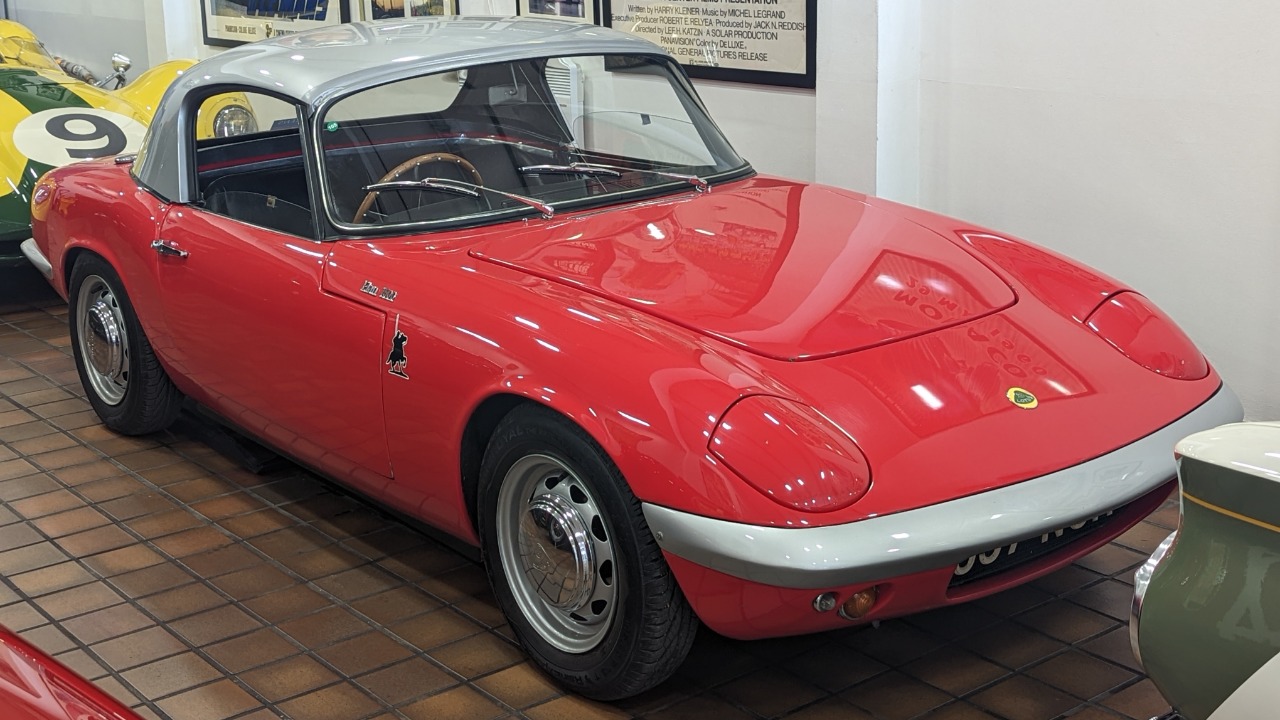
The Lotus Elan followed Colin Chapman’s philosophy of keeping a sports car light rather than simply making it powerful. Its compact dimensions, fiberglass body, and lightweight construction gave it quick and responsive handling. The Elan was never about enormous engine output. Instead, it focused on steering, balance, and driver involvement. Owners who enjoy the purity of lightweight sports cars often develop a strong attachment to the Elan. Its simple formula remains one of the reasons these roadsters continue to attract enthusiasts.
Triumph Spitfire
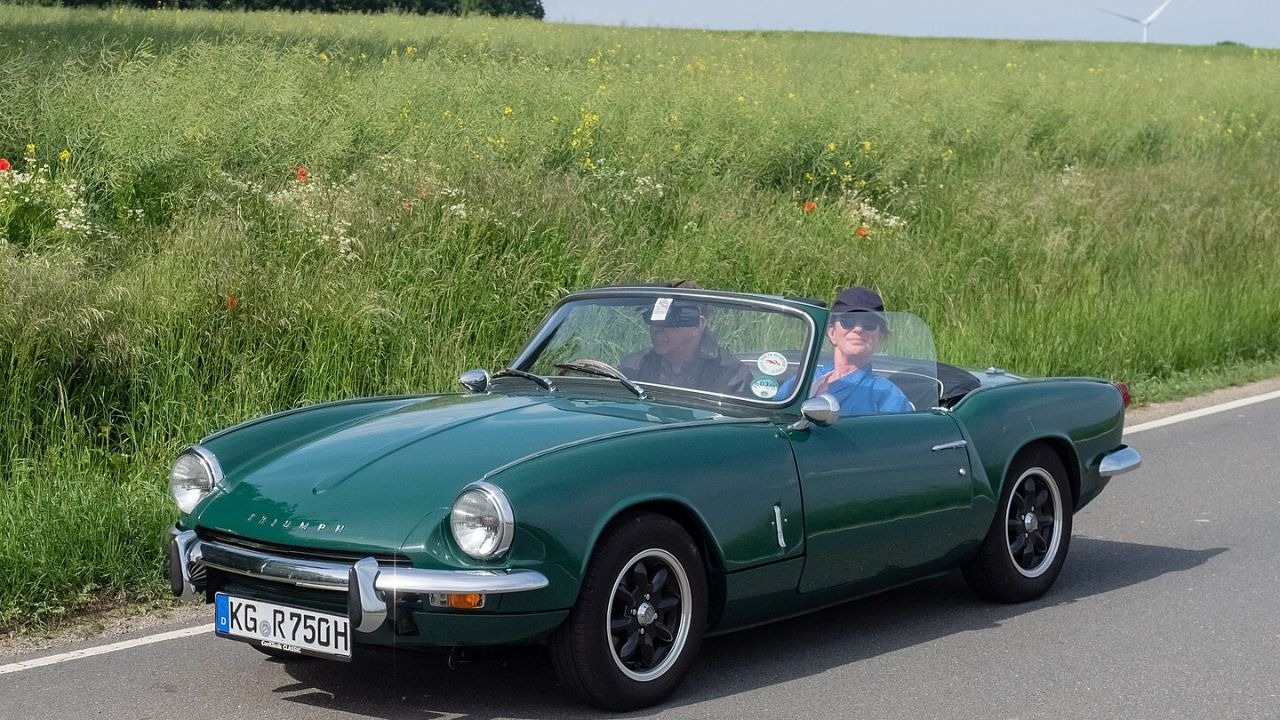
The Triumph Spitfire became popular by offering affordable British roadster fun in a small package. Its compact body, folding roof, and simple mechanical layout made it approachable for everyday enthusiasts. Early versions emphasized lightweight handling, while later models gained larger engines and improved equipment. Owners often appreciate the Spitfire because it delivers the classic open-top experience without the size or complexity of larger sports cars. A well-kept example can become a particularly personal and enjoyable long-term possession.
MG Midget
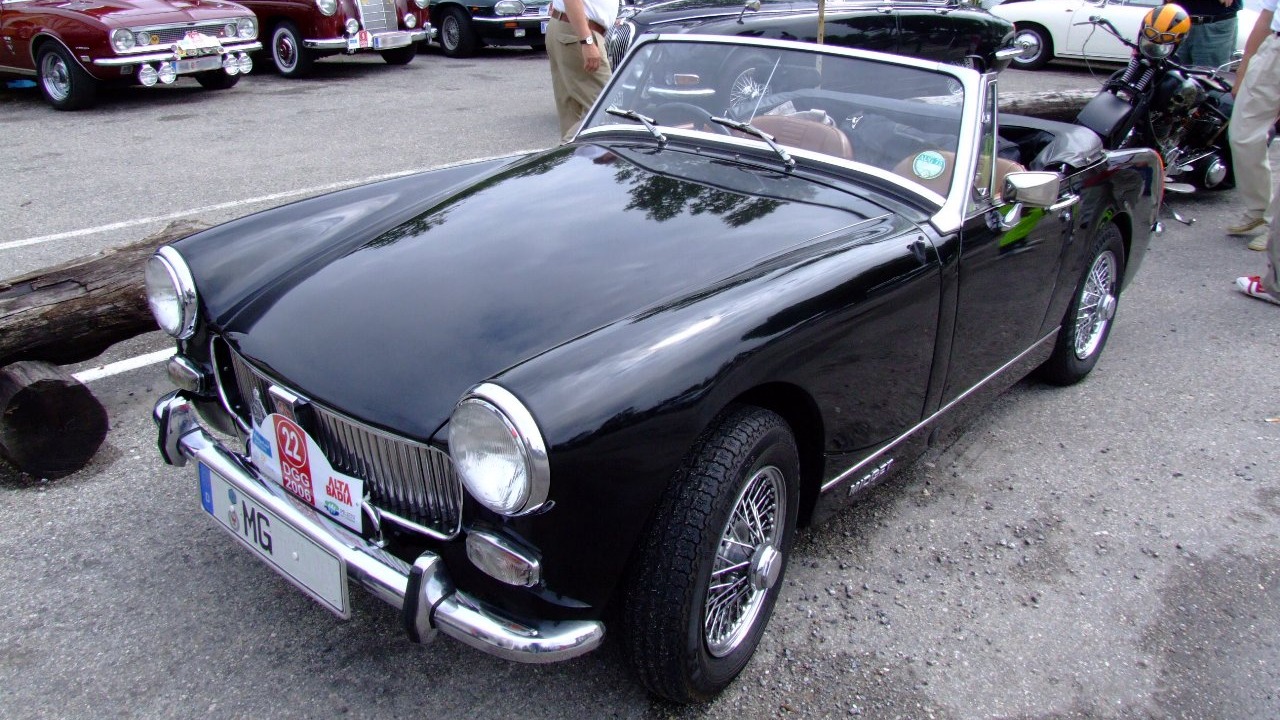
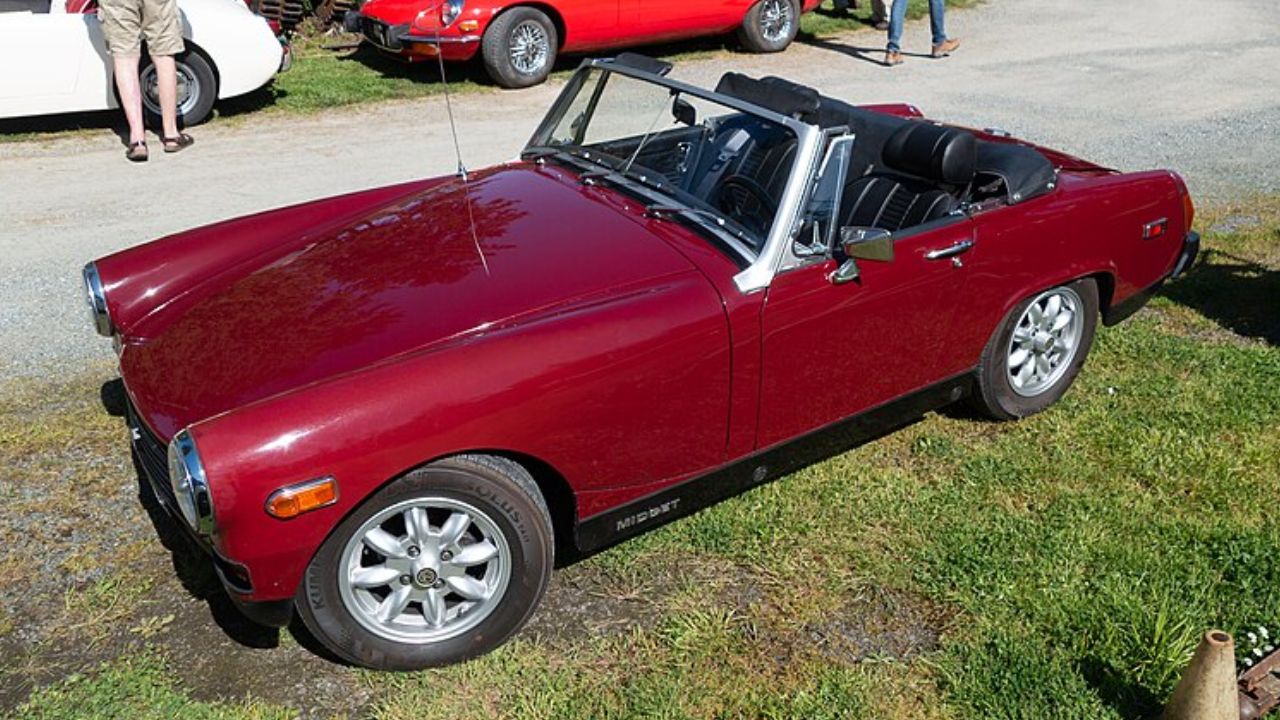
The MG Midget was designed around simplicity, light weight, and accessible sports-car performance. Its small dimensions made it easy to place on narrow roads, while the open cockpit provided the traditional roadster experience. The car was relatively straightforward mechanically, which also helped owners maintain and repair their cars themselves. For enthusiasts who enjoy working on older vehicles, that simplicity can become part of the appeal. Many Midget owners keep their cars because few modern vehicles provide the same lightweight, uncomplicated character.
Fiat 124 Spider

The Fiat 124 Spider brought Italian styling and rear-wheel-drive roadster character to a relatively affordable sports car. Designed with elegant lines and a practical convertible layout, it became popular in international markets. The 124 Spider offered a balance between everyday usability and enjoyable open-air driving. Owners often appreciate its distinctive Italian appearance and relatively compact dimensions. Examples that have been carefully preserved or restored can be especially difficult for enthusiasts to sell because of their combination of style, history, and driving personality.
Alfa Romeo Spider
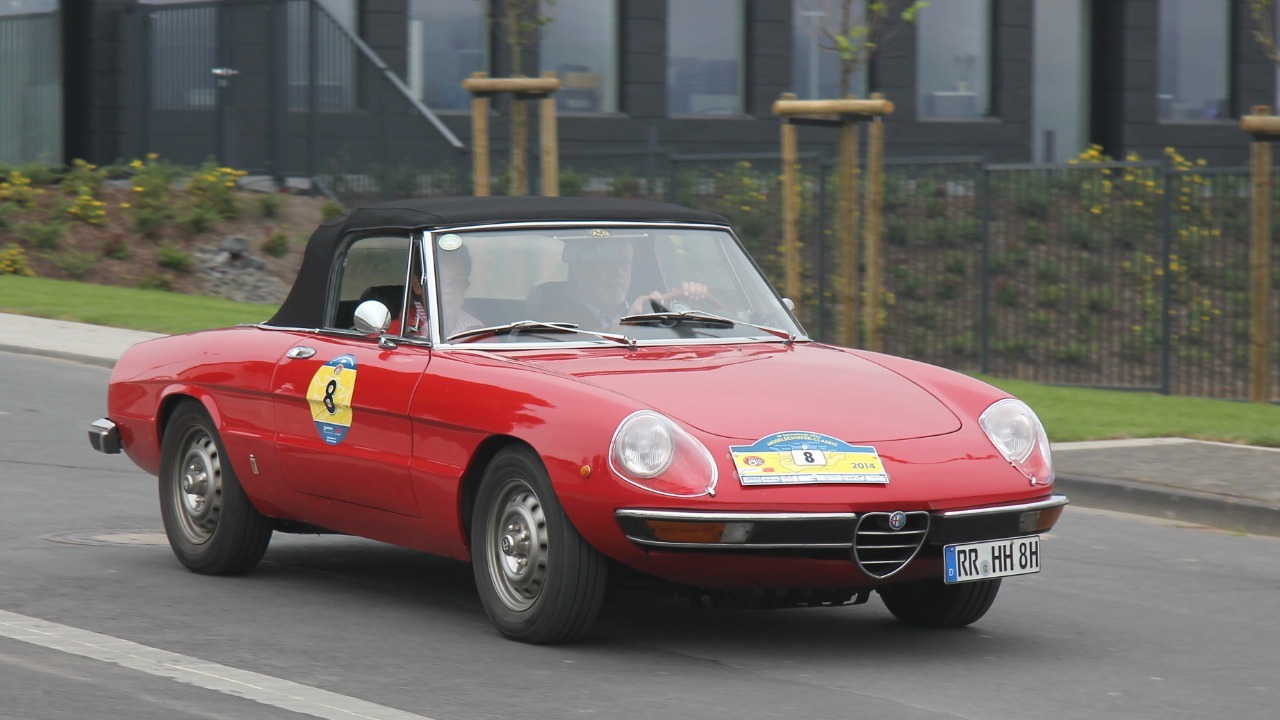
The Alfa Romeo Spider became famous for its elegant Italian styling and engaging driving character. Its long production history resulted in several versions, but the basic roadster formula remained recognizable. The car offered an open cockpit, responsive handling, and the distinctive sound of Alfa Romeo’s engines. Owners often develop strong emotional connections with Spiders because the cars feel different from ordinary transportation. Their combination of appearance, mechanical character, and Italian heritage makes a well-maintained example something many enthusiasts want to keep indefinitely.
Datsun 2000 Roadster
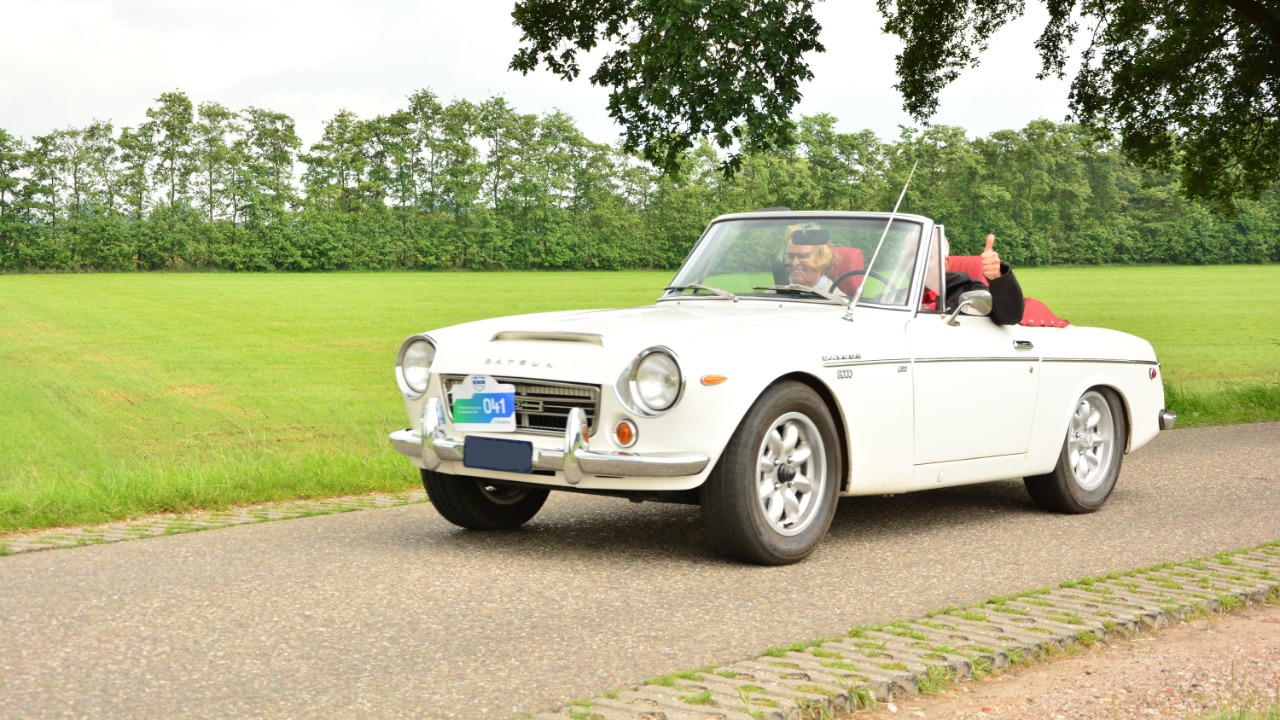
The Datsun 2000 Roadster demonstrated that Japanese manufacturers could build competitive sports cars with the traditional British roadster formula. Its four-cylinder engine, rear-wheel drive, manual transmission, and open cabin created an engaging package. The car also developed a reputation for solid construction and usable performance. Owners who appreciate early Japanese performance cars often value the 2000 Roadster because it represents an important period in the development of Japanese sports cars. Original examples are increasingly interesting to collectors.
Honda S800
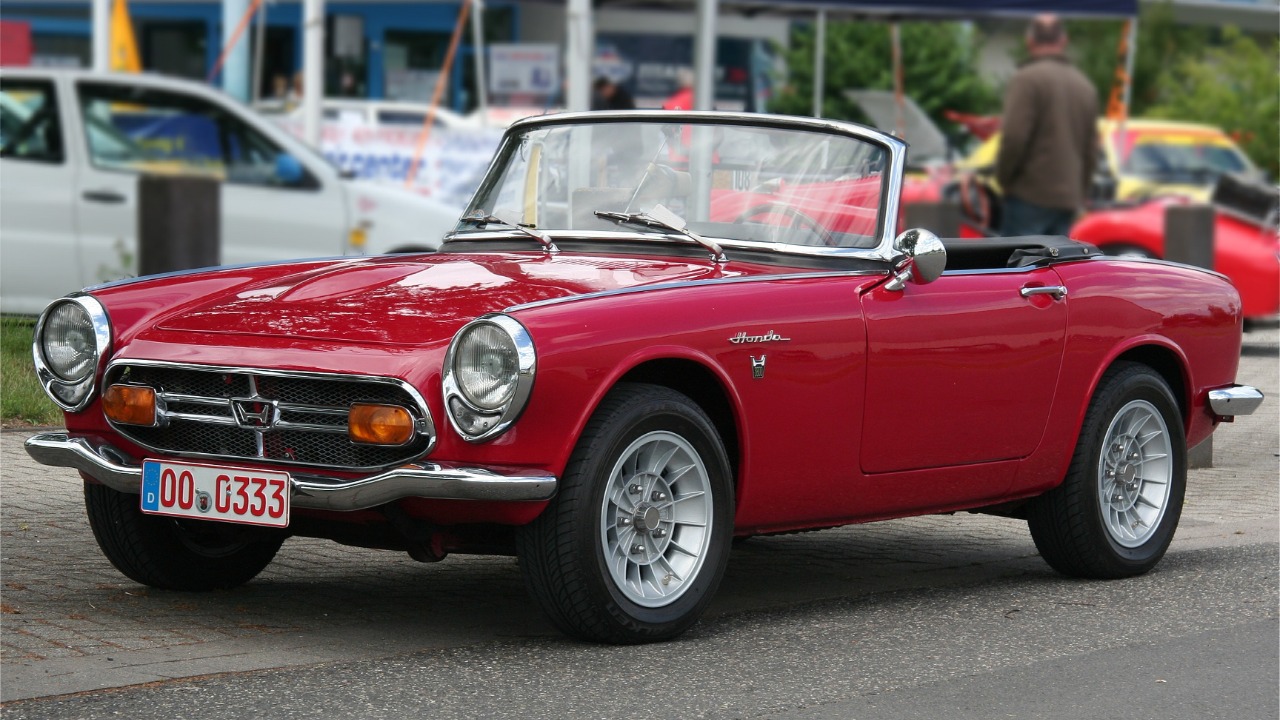
The Honda S800 was a small Japanese roadster with an unusually sophisticated high-revving engine for its time. Its compact dimensions and lightweight construction made it feel energetic despite its small displacement. Honda’s engineering approach gave the car a distinctive personality that separated it from many contemporary sports cars. Today, surviving S800s are uncommon, making them particularly appealing to collectors of early Japanese automobiles. Owners who have managed to preserve one often consider it an important part of Honda’s performance history.
Sunbeam Alpine
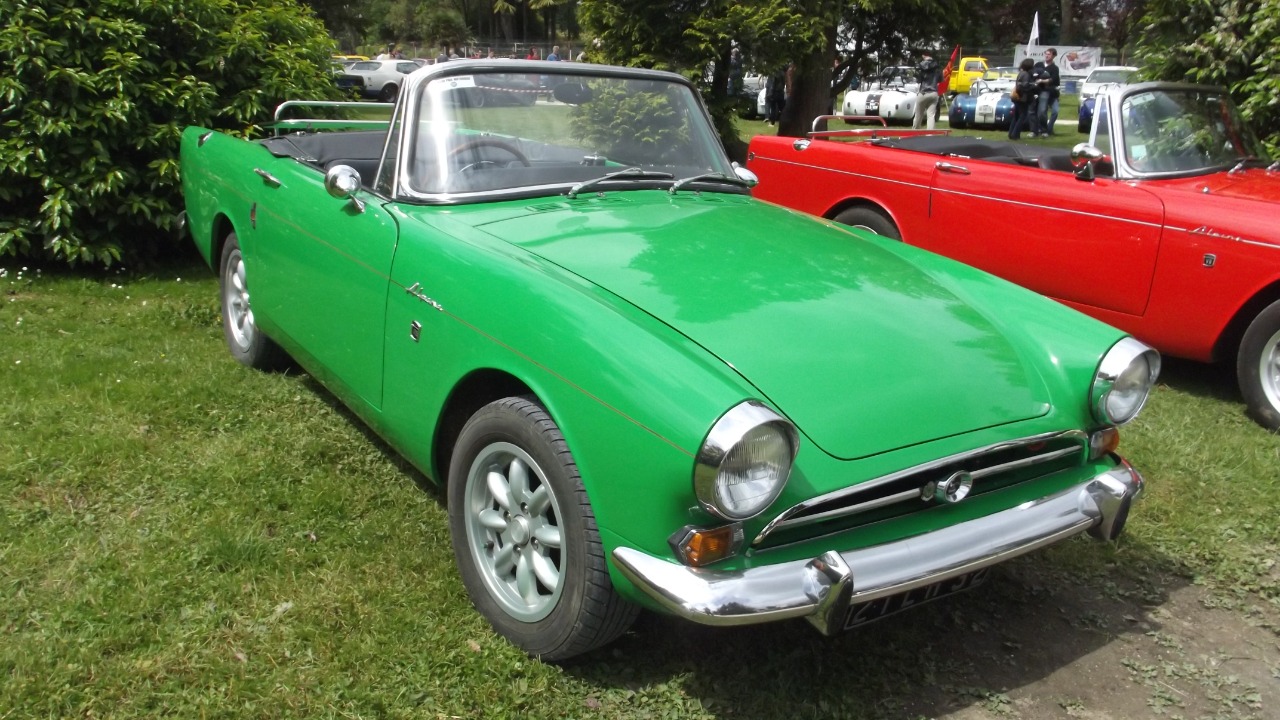
The Sunbeam Alpine offered a more comfortable interpretation of the traditional British roadster. Its styling was clean and practical, while the open cabin and rear-wheel-drive layout provided the expected sports-car experience. The Alpine also became notable through its connection with competition and popular culture. Owners often appreciate the model because it combines classic British character with relatively approachable road manners. A carefully restored Alpine can be difficult to replace because surviving examples provide a direct connection to an important period of British sports-car history.
AC Ace
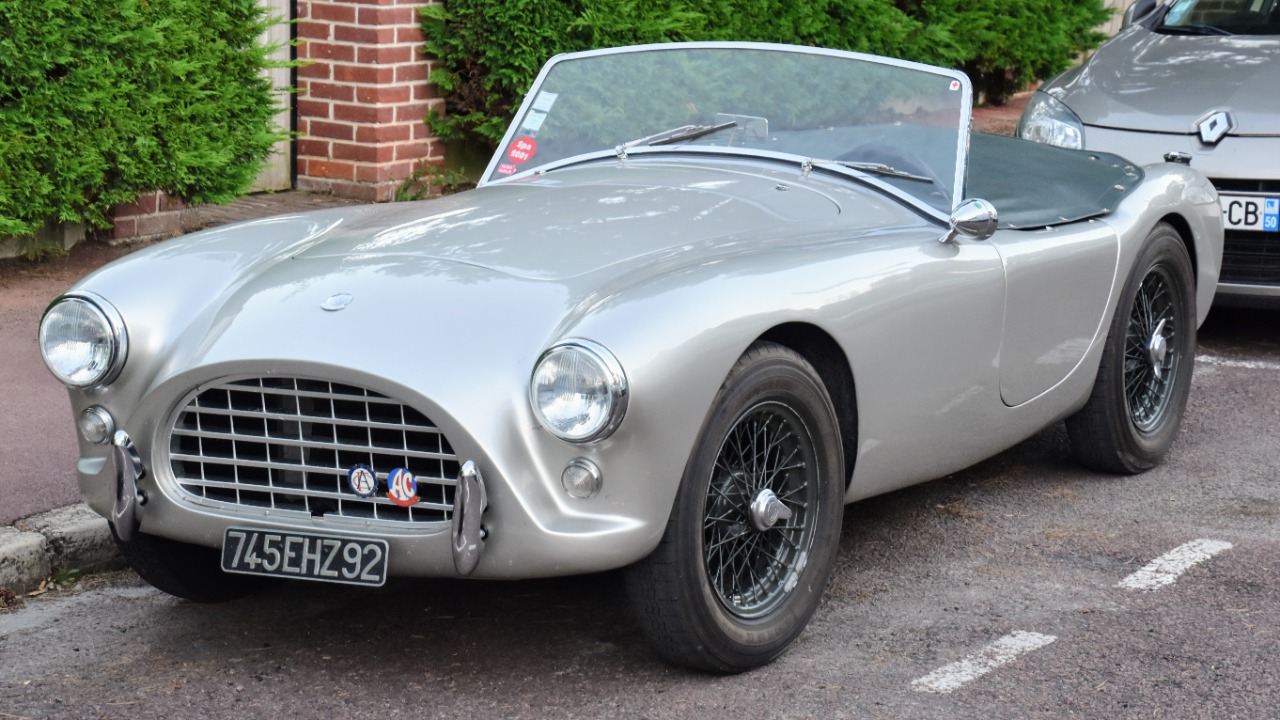
The AC Ace was an important British sports car whose lightweight chassis and simple roadster design later influenced the development of the Cobra. Its elegant bodywork and low stance gave it a distinctive appearance, while its chassis provided the foundation for strong performance. Original Aces are rare compared with more common British roadsters, which makes surviving examples especially significant. Owners who have preserved one often view it as more than a collectible. It represents an important chapter in the history of British and American performance cars.
Sunbeam Tiger
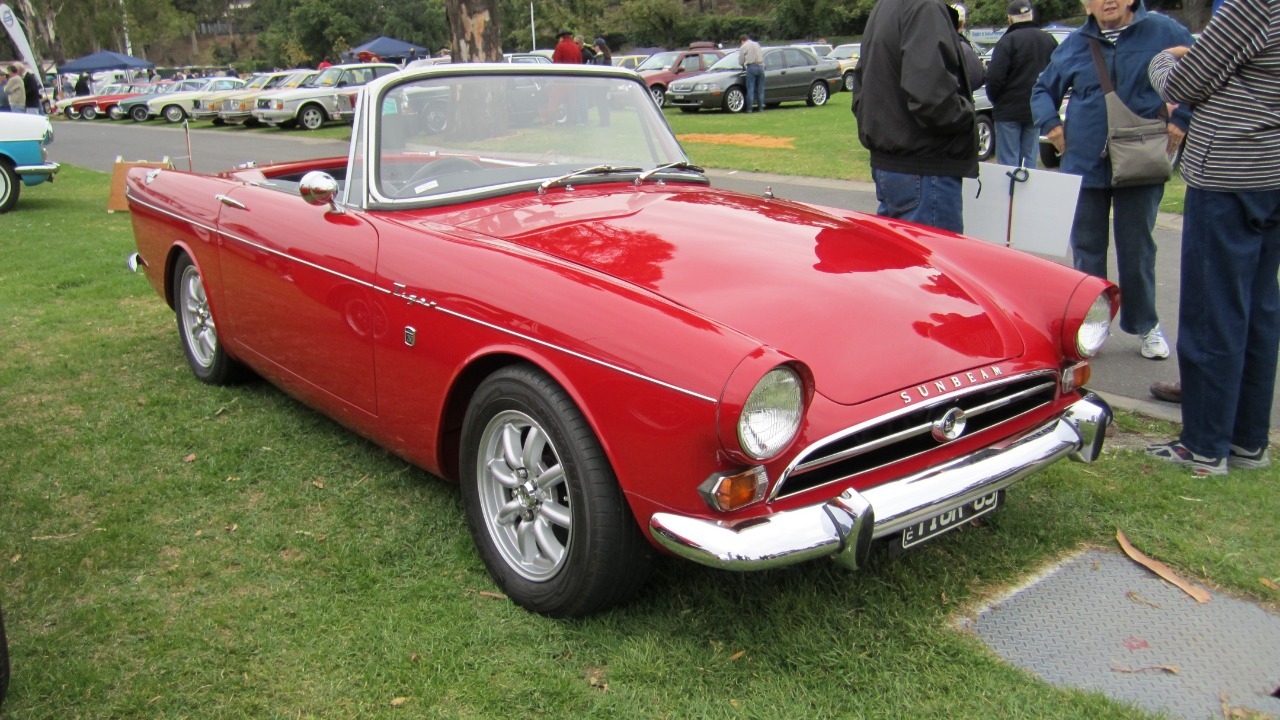
The Sunbeam Tiger combined a compact British roadster body with American V8 power. Carroll Shelby helped develop the early concept, and the finished car gained a reputation for offering strong performance in a small package. Its combination of lightweight construction and V8 torque made it unusual among British roadsters of the period. Today, original Tigers are highly interesting to collectors because production was limited. Owners who have found authentic examples often have little reason to part with such a distinctive combination.
Morgan Plus 4
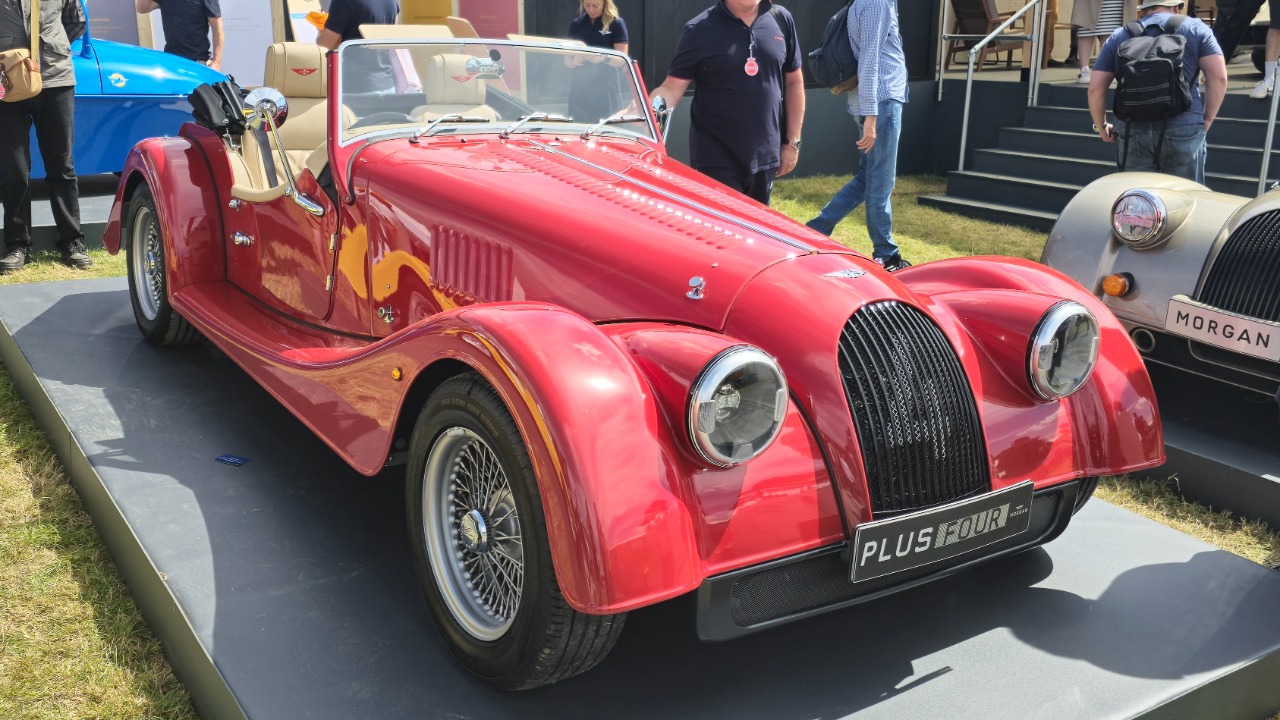
The Morgan Plus 4 has a distinctive place in sports-car history because Morgan retained a traditional construction approach while many competitors moved toward more modern designs. Its classic appearance, low seating position, and open cockpit give it an unmistakably vintage character. The car also provides a very direct driving experience. Owners often value the sense of connection that comes from its traditional design. For enthusiasts who prefer old-fashioned sports-car character, the Plus 4 can be especially difficult to replace.
Daimler SP250
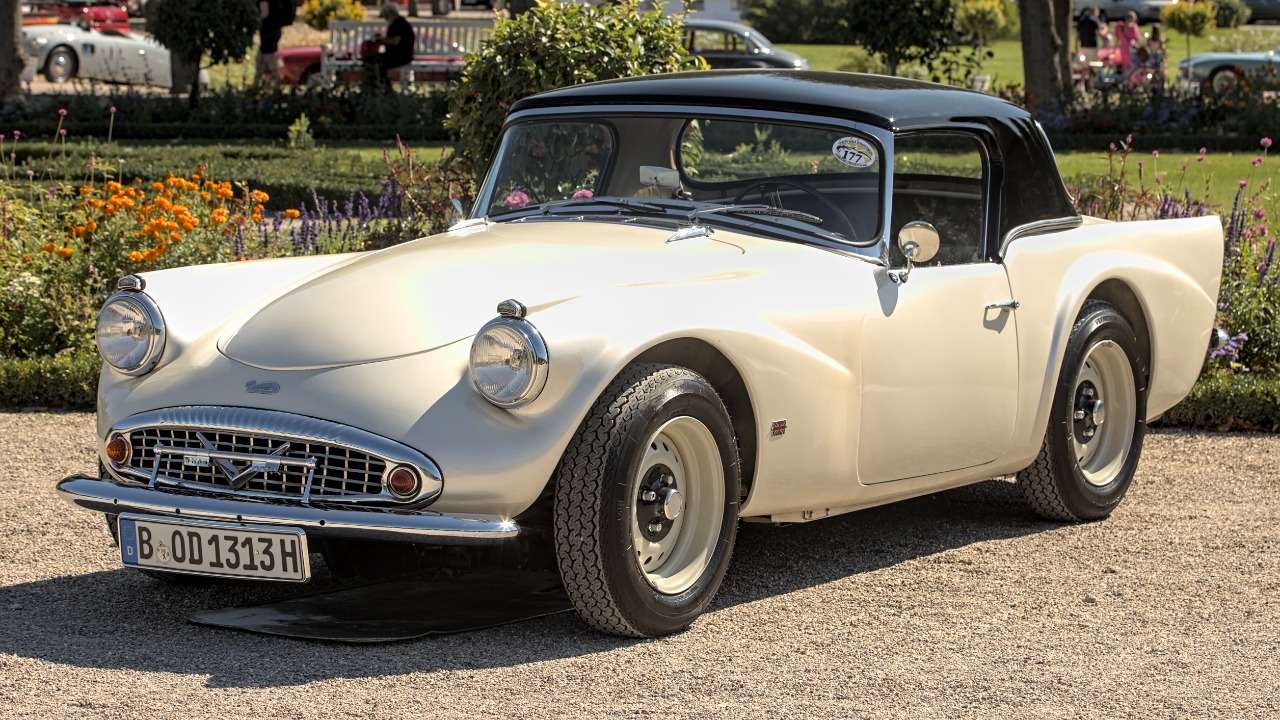
The Daimler SP250, often known as the Dart, was an unusual British roadster powered by a compact V8 engine. Its fiberglass body and distinctive styling made it different from many of its contemporaries. The SP250 was also relatively light, allowing its V8 to provide lively performance. Because it was produced for only a limited period, surviving examples are now unusual. Owners often appreciate the model precisely because it is less common than more famous British roadsters and has a personality of its own.
Porsche 356 Speedster
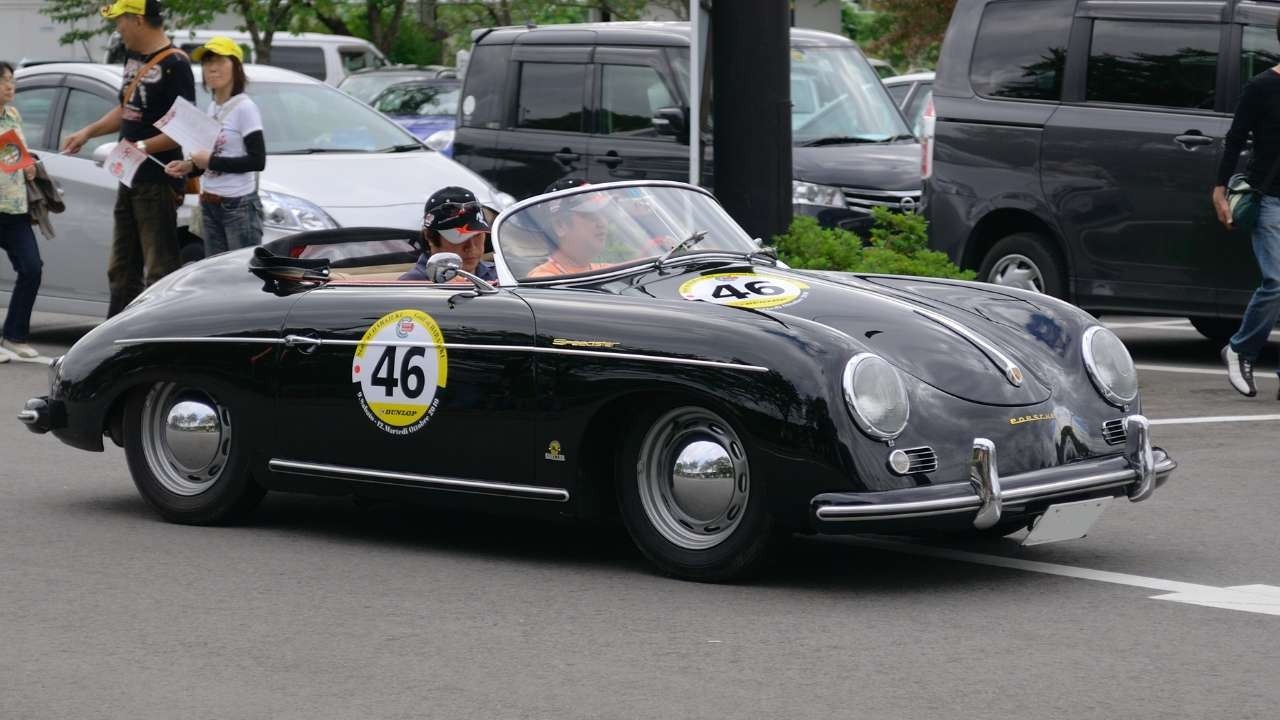
The Porsche 356 Speedster became one of the most celebrated lightweight open sports cars of the 1950s. Its low windshield, simple interior, compact body, and rear-mounted engine created a distinctive driving experience. The Speedster was designed with simplicity and sporting use in mind, but surviving examples have become important collector cars. Owners who have maintained original or carefully restored Speedsters possess a piece of Porsche history. The combination of rarity, styling, and motorsport heritage makes these cars exceptionally difficult to replace.
Chevrolet Corvette C1 Convertible
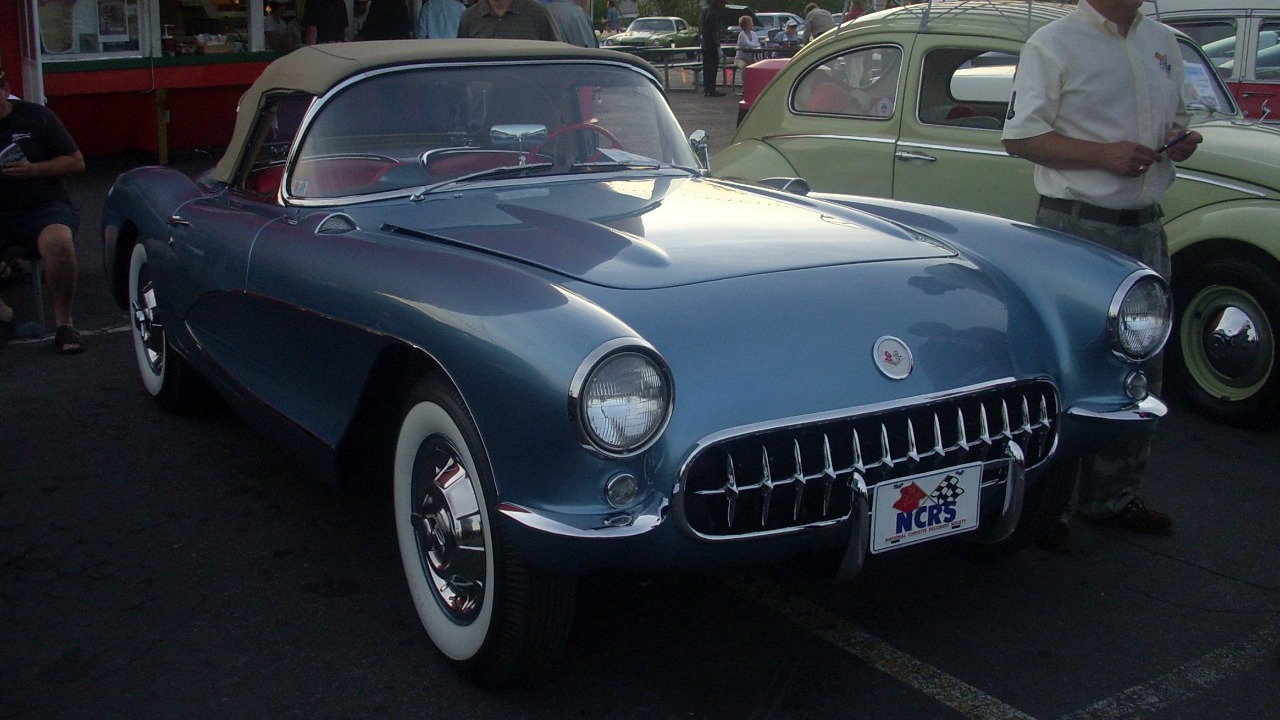
The first-generation Chevrolet Corvette helped establish the Corvette name as an American sports-car icon. Early C1 convertibles featured fiberglass bodies, two-seat cabins, and distinctive styling that evolved considerably during the generation. Later versions gained increasingly powerful V8 engines, turning the Corvette into a serious performance machine. Owners often treasure C1 convertibles because they represent the beginning of America’s most famous sports-car lineage. Their historical importance gives them an appeal that goes beyond their mechanical specifications.
Shelby Cobra 289
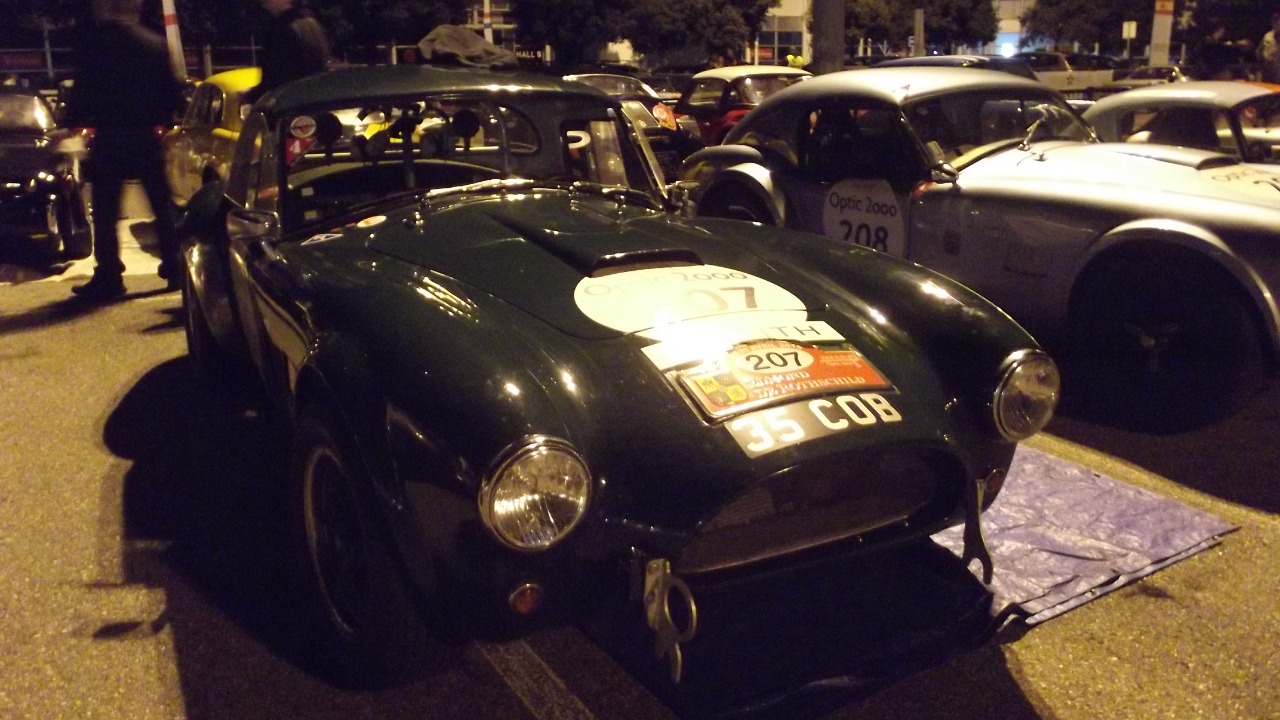
The Shelby Cobra 289 combined a lightweight British AC chassis with Ford V8 power to create one of the most famous American performance roadsters. Its compact body and powerful engine produced a remarkable power-to-weight ratio. The 289-powered versions are especially admired because they balance the Cobra’s raw character with a smaller engine than the later 427. Original examples are extremely significant to collectors. Owners fortunate enough to possess one typically regard it as a major piece of performance-car history rather than an ordinary vintage automobile.
AC Cobra 427
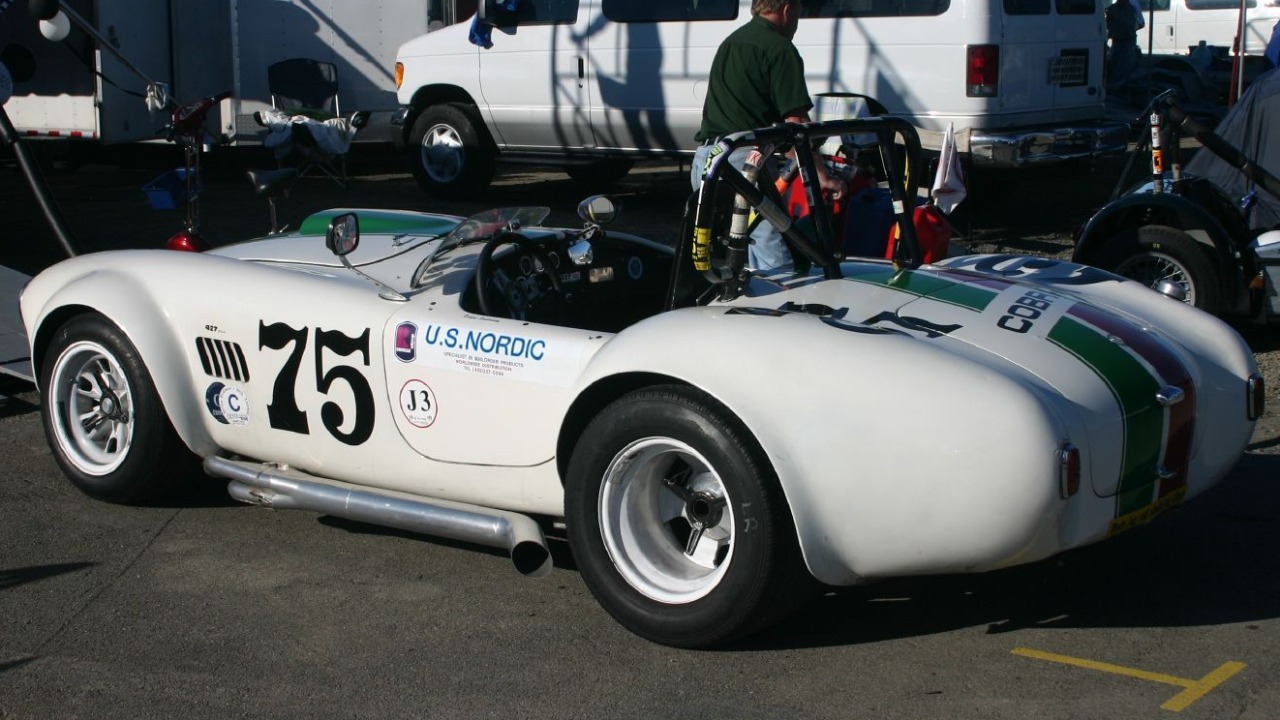
The AC Cobra 427 took the lightweight roadster concept to an even more extreme level by combining the AC chassis with Ford’s massive 427-cubic-inch V8. Wide fenders, aggressive proportions, and enormous performance made it one of the defining American-British hybrids of the 1960s. Genuine examples are exceptionally rare and historically important. For owners, the Cobra 427 represents a unique combination of engineering, racing heritage, and unmistakable styling. It is the kind of vintage roadster that can become a lifelong possession.
More from Fast Lane Only
- Unboxing the WWII Jeep in a Crate
- 15 rare Chevys collectors are quietly buying
- 10 underrated V8s still worth hunting down
- Police notice this before you even roll window down
*Research for this article included AI assistance, with all final content reviewed by human editors.