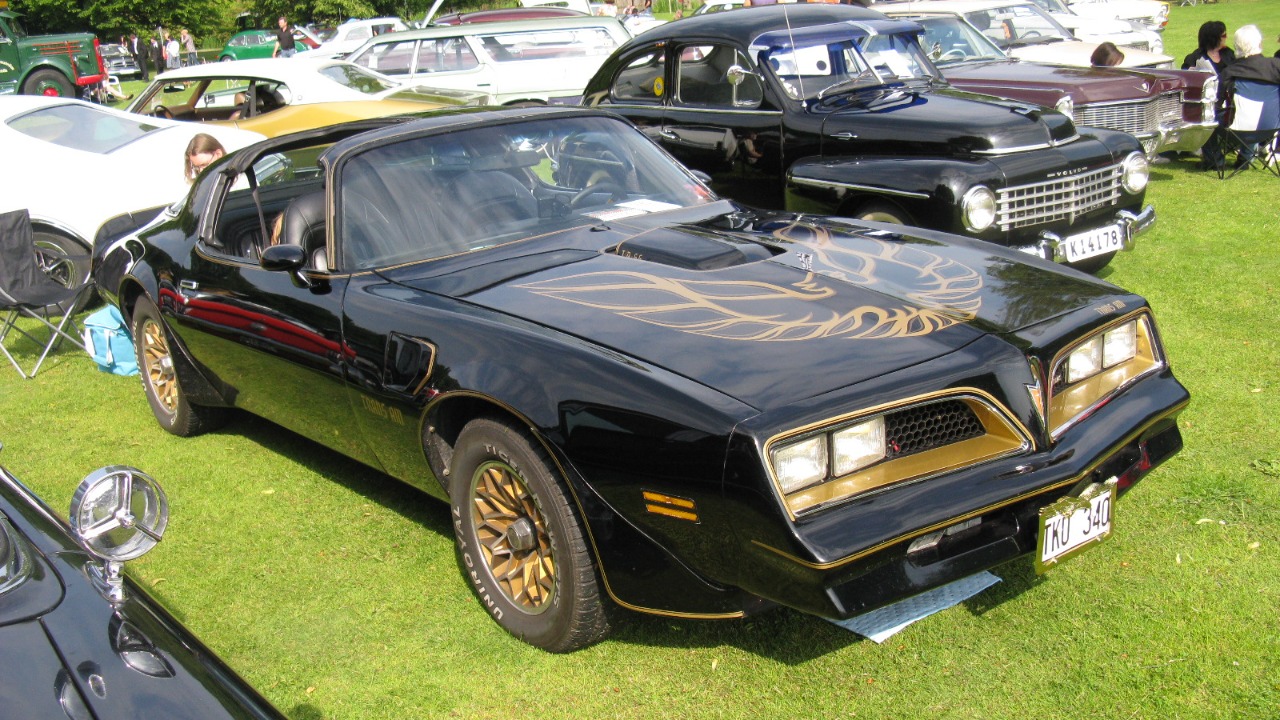
Some muscle cars became famous almost immediately after reaching showrooms. Others started as ordinary-looking performance models before collectors and enthusiasts recognized how special they were. Powerful engines, limited production, racing connections, and memorable designs helped turn these cars into icons. Their reputations grew quickly, sometimes long after their original factory runs had ended.
Pontiac GTO
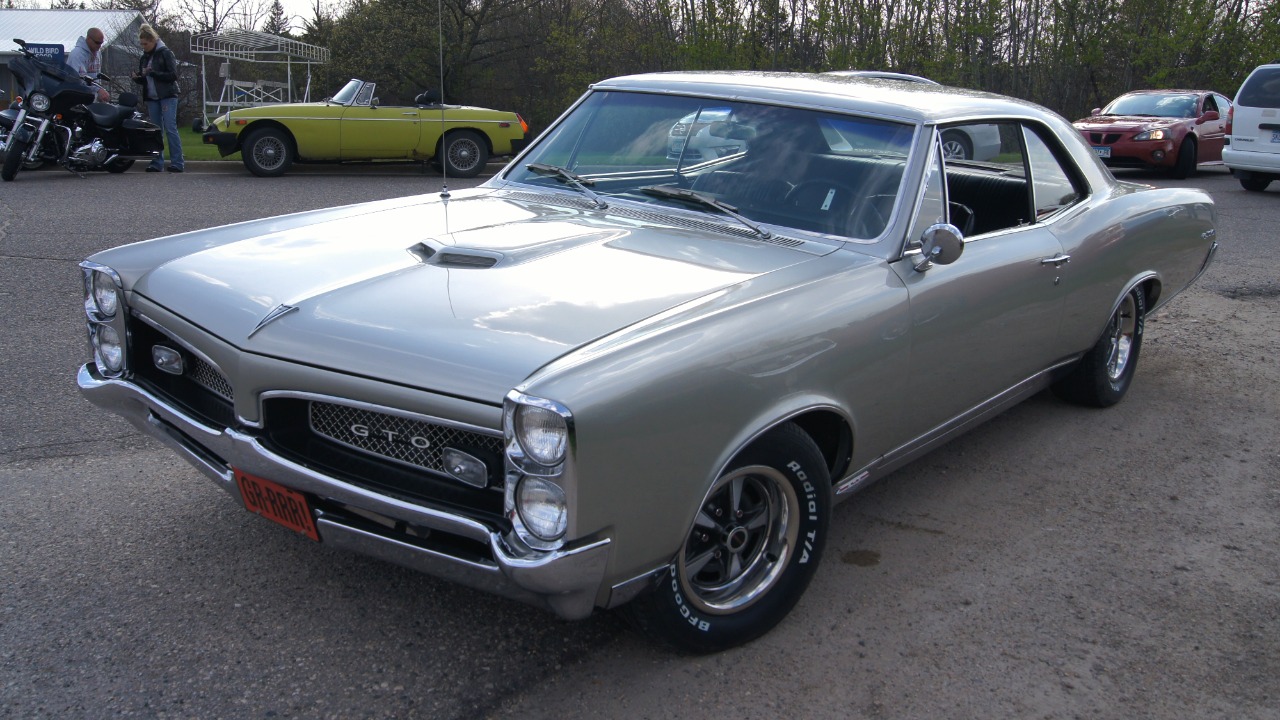
The Pontiac GTO helped establish the classic American muscle-car formula by putting a large V8 into a midsize car. Its combination of affordable performance, aggressive styling, and strong acceleration attracted younger buyers almost immediately. Pontiac continued developing the GTO with increasingly powerful engines and special packages. Its success influenced nearly every American manufacturer and helped create the muscle-car market of the 1960s.
Ford Mustang Boss 302
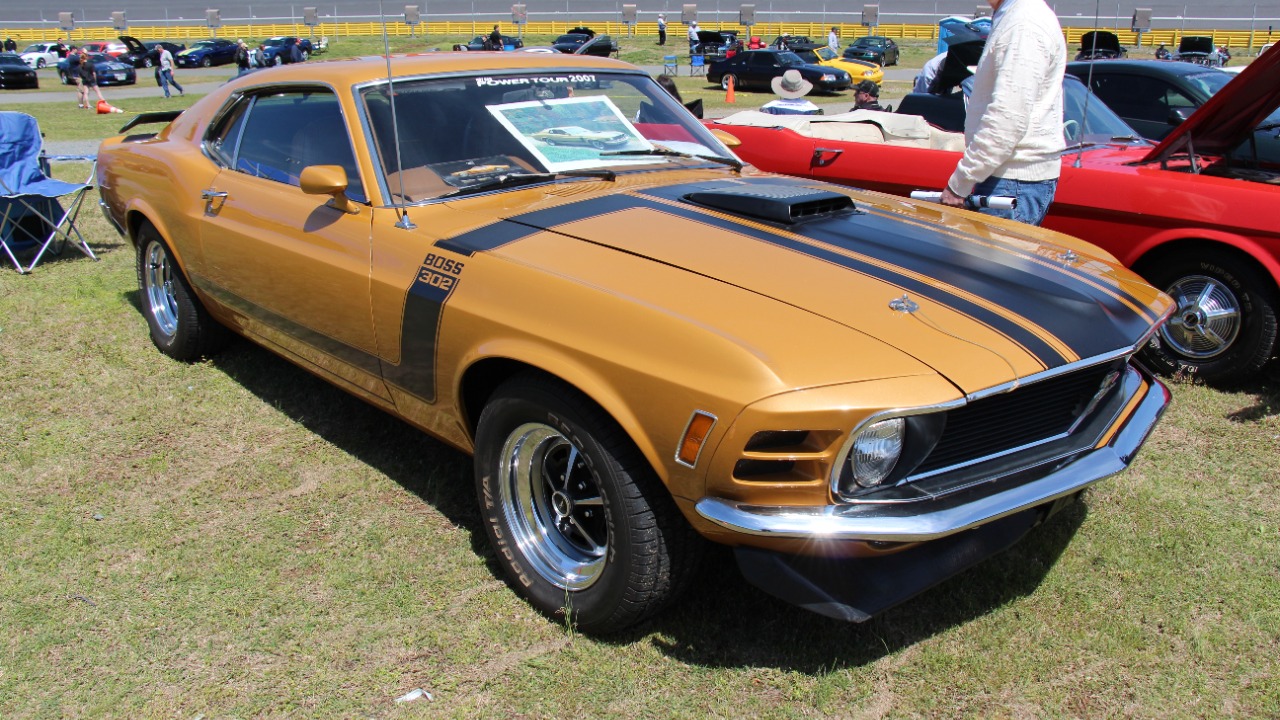
The Ford Mustang Boss 302 gave the Mustang a serious road-racing personality. Its high-revving 302-cubic-inch V8 was supported by upgraded suspension, stronger components, and performance-focused tuning. Developed with Trans-Am racing in mind, the Boss 302 was far more focused than an ordinary Mustang. Its combination of street usability and competition-inspired engineering quickly earned it a strong reputation among performance enthusiasts.
Chevrolet Chevelle SS 454

The Chevrolet Chevelle SS 454 became an icon by combining a relatively practical midsize body with one of Chevrolet’s largest performance engines. The LS6 version delivered enormous power and acceleration, making the Chevelle one of the most intimidating street cars of the early 1970s. Its brief appearance at the peak of the muscle-car era helped turn the SS 454 into one of the most recognizable Chevrolet performance models.
Plymouth Road Runner
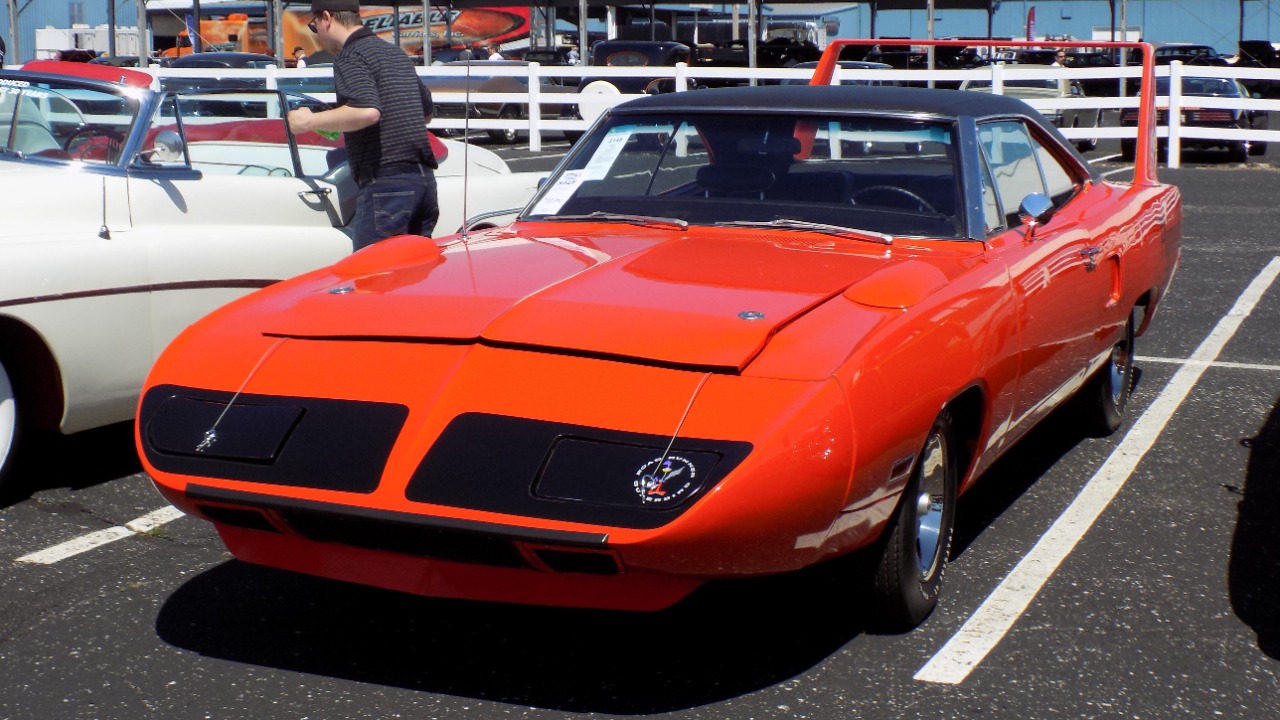
The Plymouth Road Runner became famous by stripping away unnecessary luxury equipment and concentrating on affordable performance. Its simple approach made the car relatively inexpensive compared with many competitors. Buyers could also choose increasingly powerful V8 engines, including the legendary 426 Hemi. The Road Runner’s combination of performance, personality, and value helped make it an instant symbol of the muscle-car era.
Dodge Charger R/T

The Dodge Charger R/T combined dramatic fastback styling with powerful V8 engines and a performance-oriented chassis. Its aggressive appearance made it stand out even before the engine was started. The available 440 and 426 Hemi engines gave the Charger serious straight-line performance. Its appearance in popular culture later strengthened its reputation, turning the second-generation Charger into one of America’s most recognizable muscle cars.
Plymouth Barracuda 340

The Plymouth Barracuda became increasingly serious when the redesigned E-body arrived for 1970. The 340-powered version offered a strong balance between weight and performance, giving the car excellent acceleration without the cost and weight of the largest engines. Its distinctive styling and compact dimensions helped separate it from larger muscle cars. The Barracuda’s short production period later made it particularly attractive to collectors.
Chevrolet Camaro Z/28
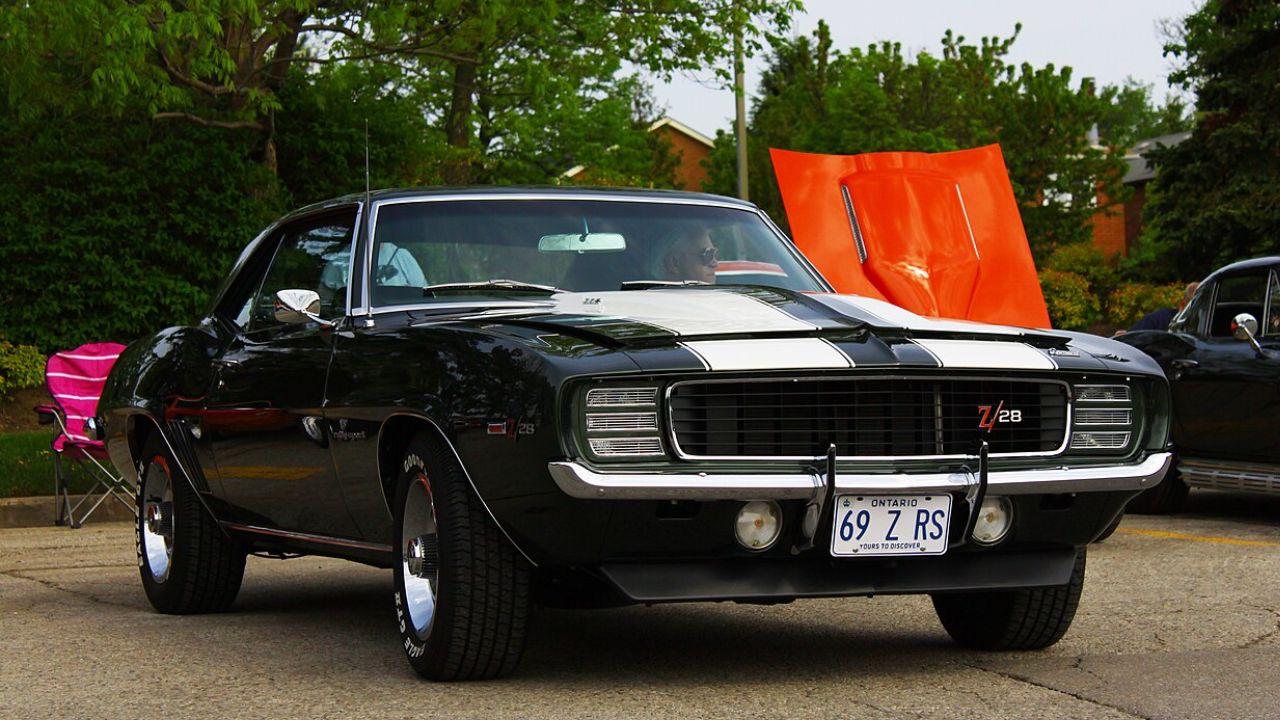
The Chevrolet Camaro Z/28 was developed around the demands of road racing and became one of the most respected performance versions of the first-generation Camaro. Its 302 V8, close-ratio transmission, and upgraded suspension gave it sharp handling and strong performance. The Z/28’s racing connection gave the Camaro an identity beyond straight-line acceleration and helped establish it as a major player in the muscle-car market.
Pontiac Firebird Trans Am
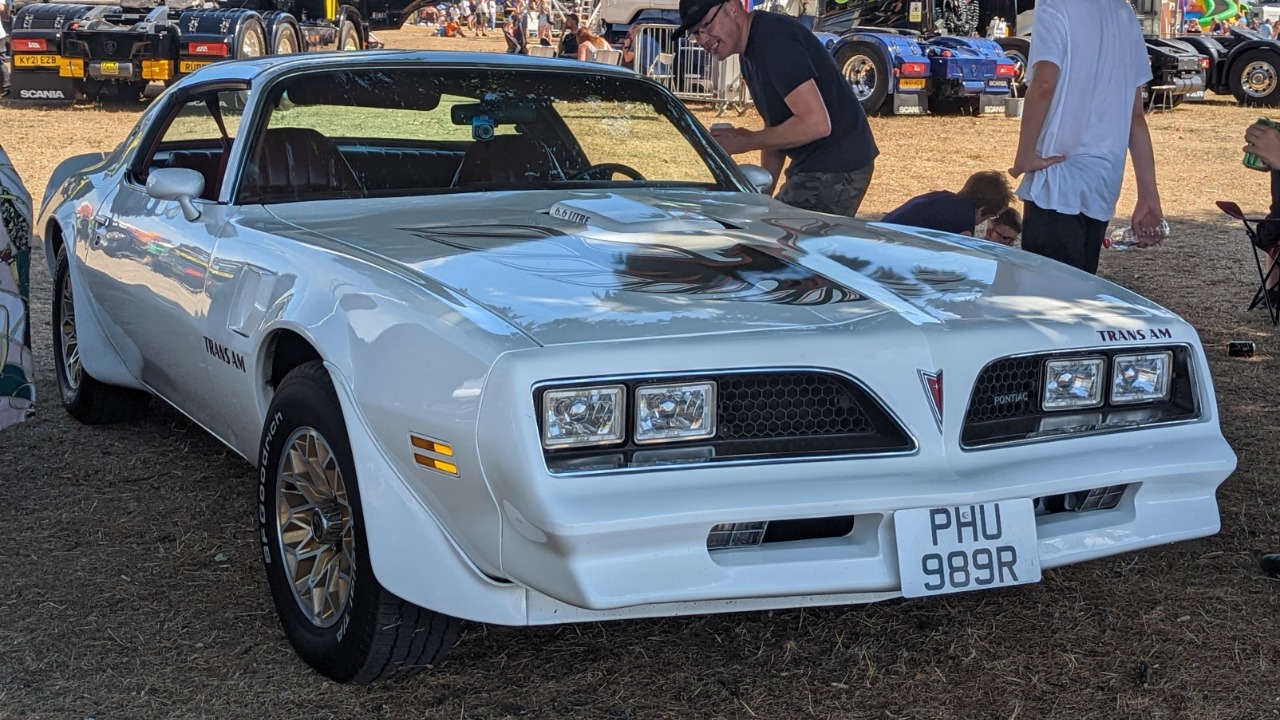
The Pontiac Firebird Trans Am became an icon through its combination of performance, distinctive styling, and increasingly sophisticated engineering. The model offered powerful V8s and sport-oriented suspension while developing its own identity separate from the Camaro. Large graphics, spoilers, and later aerodynamic designs made the Trans Am instantly recognizable. Its long production history helped establish it as one of America’s most famous performance cars.
Oldsmobile 442
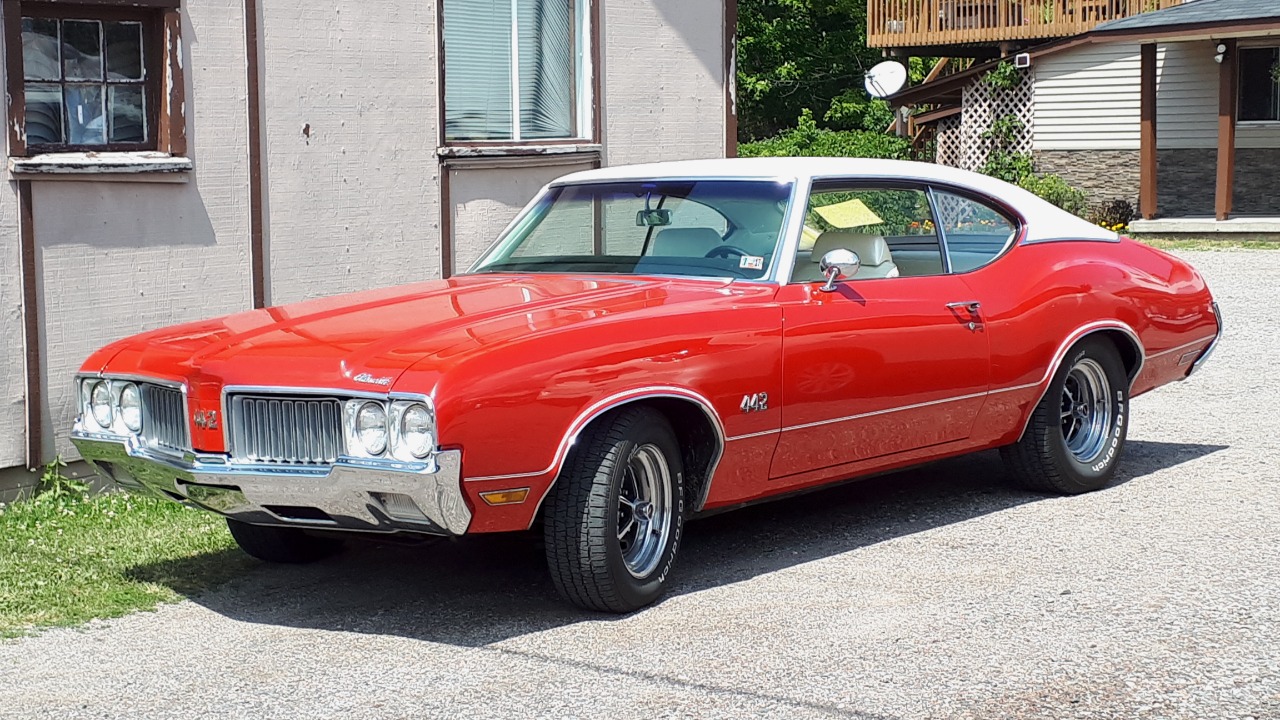
The Oldsmobile 442 brought serious performance to a brand better known for comfort and refinement. Its large-displacement V8s produced substantial torque, while performance suspension and drivetrain upgrades made the car capable on the street. The 442 gradually became more aggressive throughout the 1960s and early 1970s. Its understated appearance and powerful engine combination helped make it a favorite among enthusiasts.
Buick GSX Stage 1
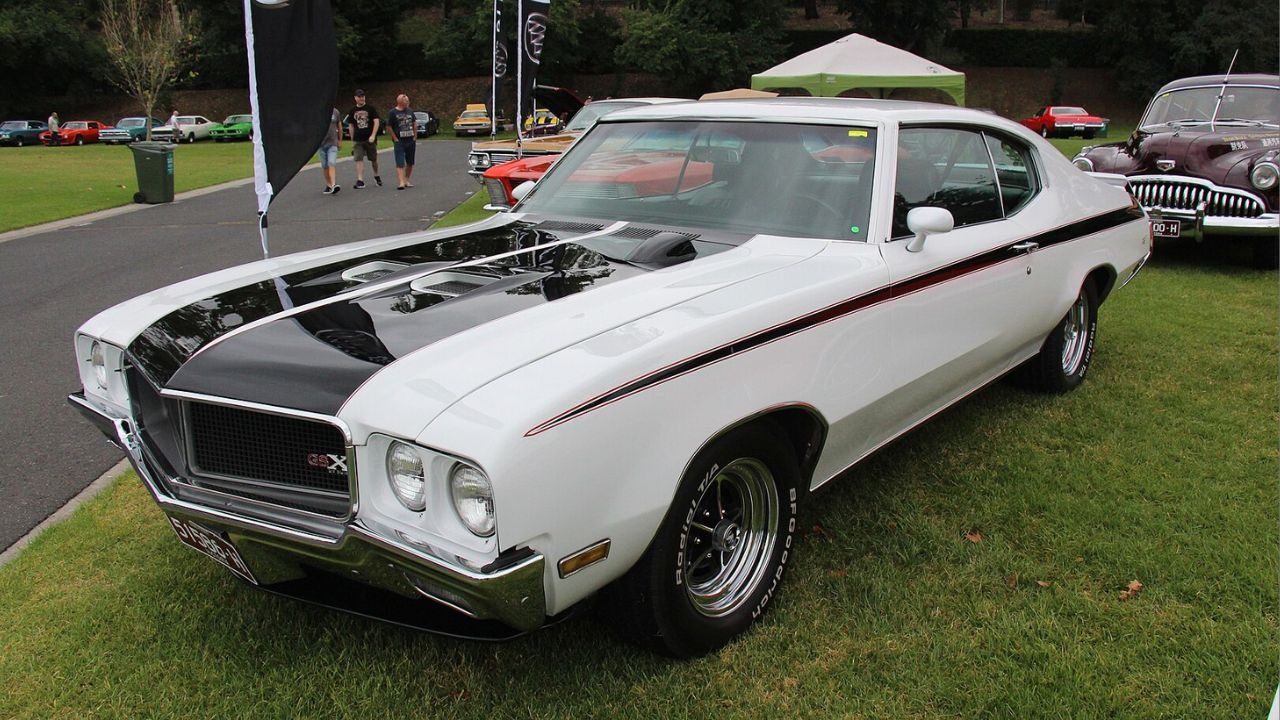
The Buick GSX Stage 1 transformed Buick’s comfortable image into something much more aggressive. Its 455-cubic-inch V8 produced massive torque, giving the relatively heavy car impressive acceleration. The GSX also featured performance suspension, distinctive graphics, and specialized equipment. Because Buick was not traditionally associated with extreme muscle cars, the GSX Stage 1 surprised many buyers and eventually became one of the most collectible Buick performance models.
AMC AMX
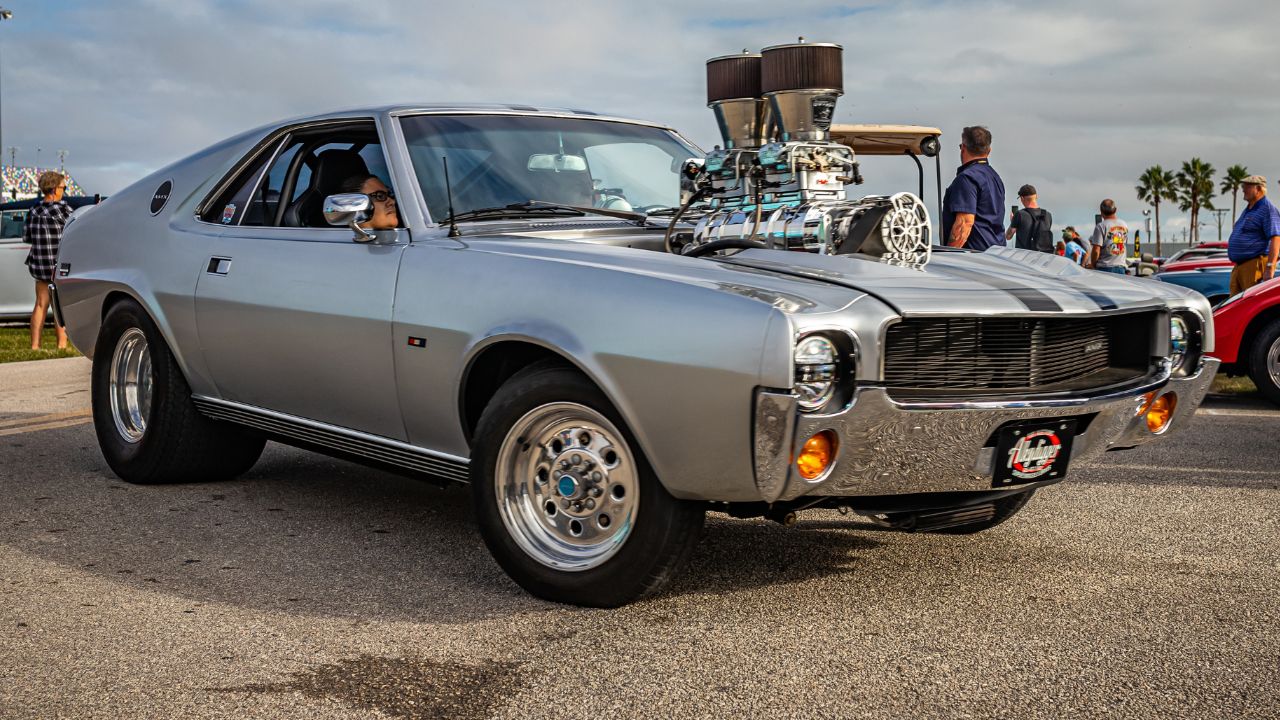
The AMC AMX stood apart from larger muscle cars by using a compact two-seat body. Its short wheelbase and available 390-cubic-inch V8 created a combination of size and power that gave the car a unique personality. AMC positioned the AMX as a serious performance machine rather than simply another family coupe. Its limited production and unusual configuration later made it a favorite among collectors looking for something different.
Mercury Cougar Eliminator
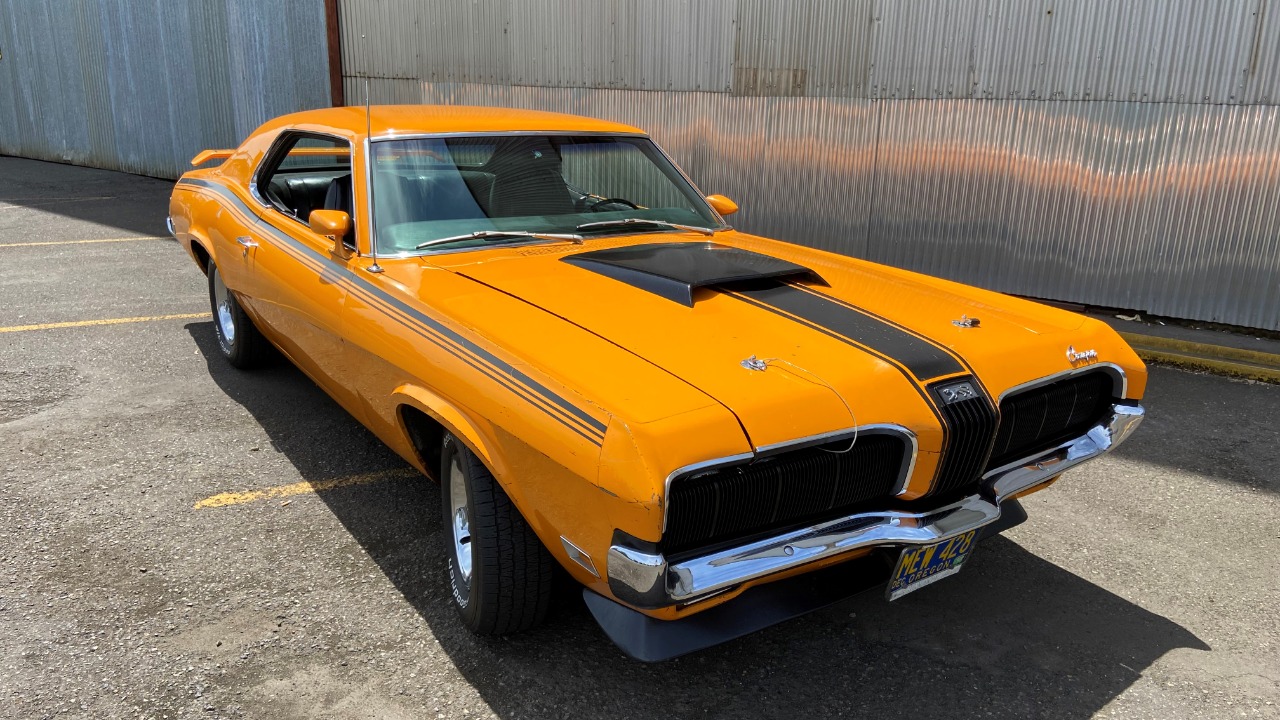
The Mercury Cougar Eliminator added a more aggressive personality to the Cougar’s upscale pony-car platform. Buyers could choose from several performance engines, including powerful V8 options, while special stripes, spoilers, and trim gave the Eliminator a distinctive appearance. It combined muscle-car performance with Mercury’s more refined image. Its relatively limited production helped the Eliminator develop a strong following among collectors.
Ford Torino Cobra
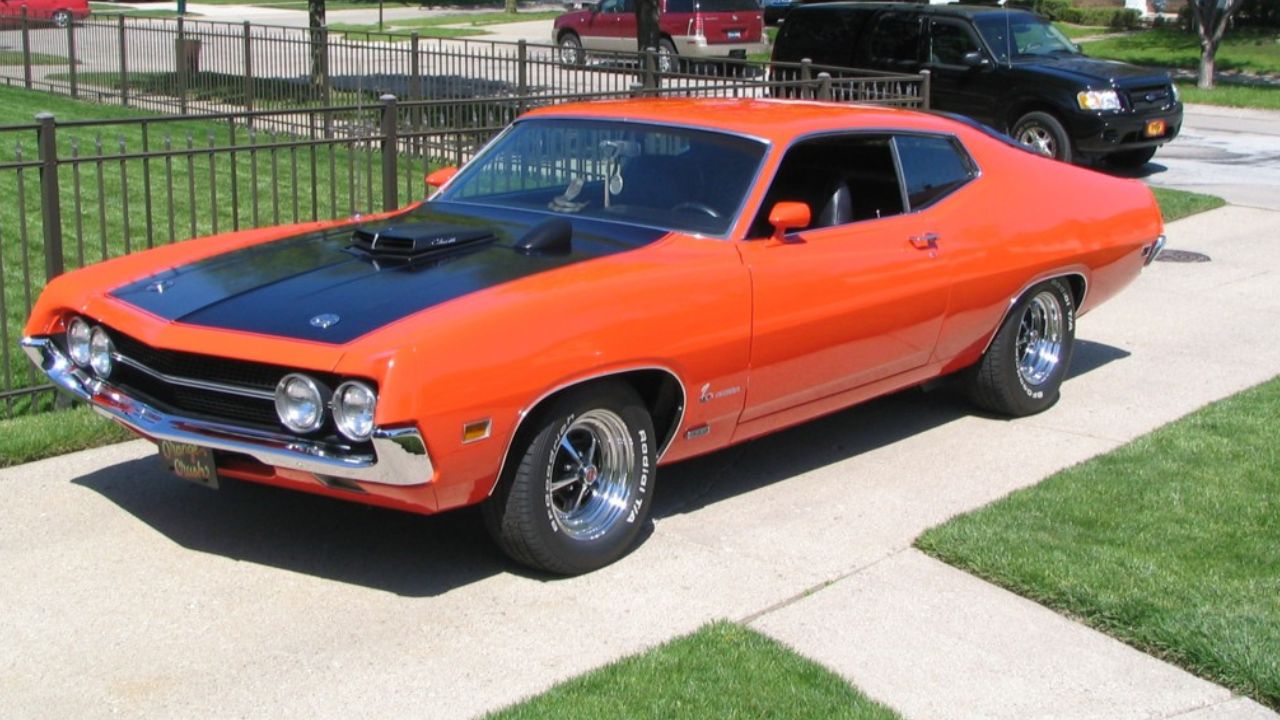
The Ford Torino Cobra brought big-block performance into Ford’s midsize lineup. Available with powerful engines such as the 429 Cobra Jet, it delivered serious acceleration while retaining the practicality of a larger coupe. Its fastback styling and aggressive proportions made it visually imposing. The Torino Cobra became especially memorable because it represented Ford’s push toward extreme performance just before the traditional muscle-car era began to disappear.
Chevrolet Nova SS 396
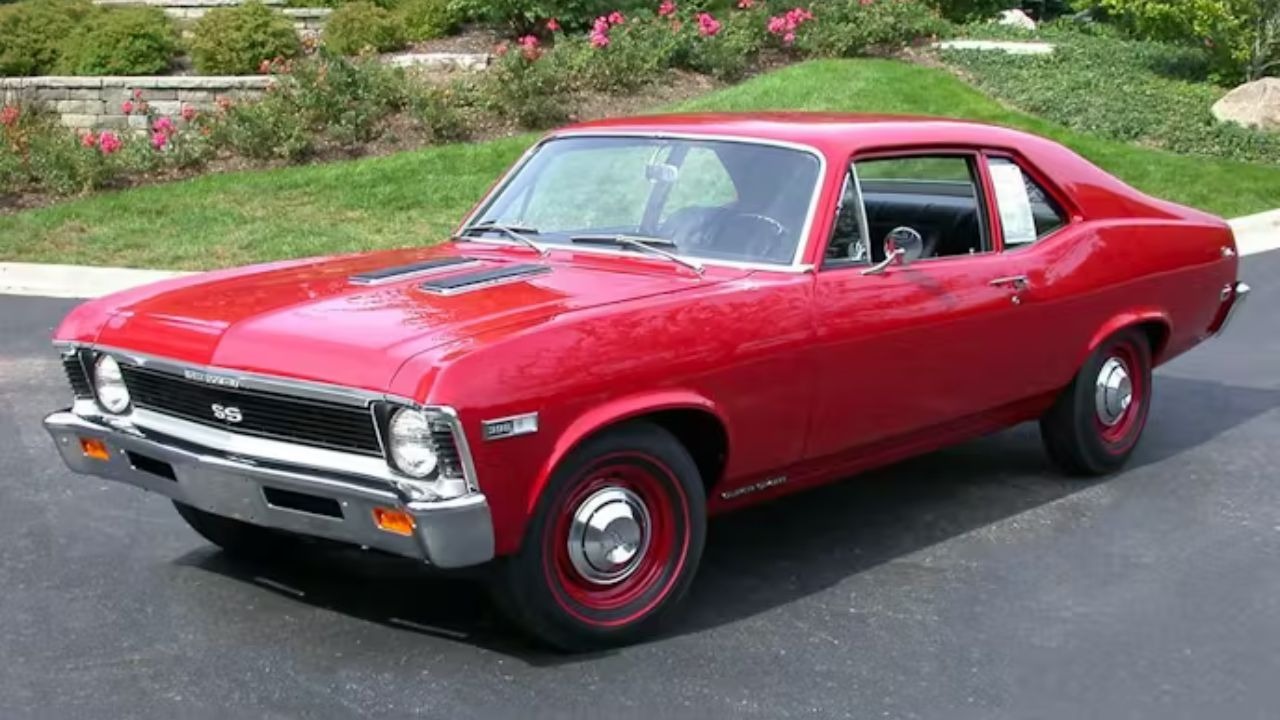
The Chevrolet Nova SS 396 proved that a compact Chevrolet could carry serious big-block power. The combination of a relatively small body and a 396-cubic-inch V8 produced impressive acceleration. The Nova’s understated appearance also allowed it to surprise other performance cars on the street. Its short period of big-block availability made the SS 396 an important chapter in Chevrolet’s muscle-car history.
Pontiac Firebird Formula 400
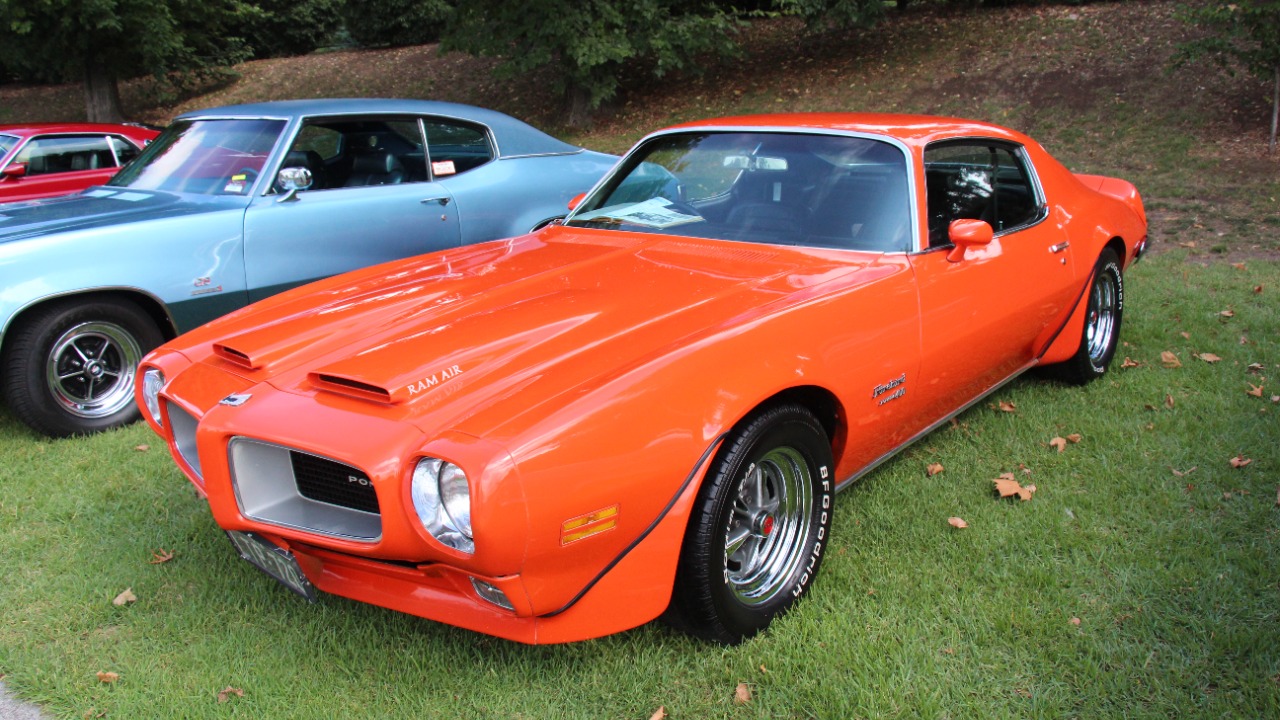
The Pontiac Firebird Formula 400 offered a less flashy alternative to the Trans Am while retaining serious V8 performance. Its 400-cubic-inch engine delivered strong power, and the Formula package included performance-oriented suspension and styling. The car combined everyday usability with genuine muscle-car capability. Its relatively understated appearance helped give it a sleeper-like quality that enthusiasts continue to appreciate.
Mercury Cyclone Spoiler II
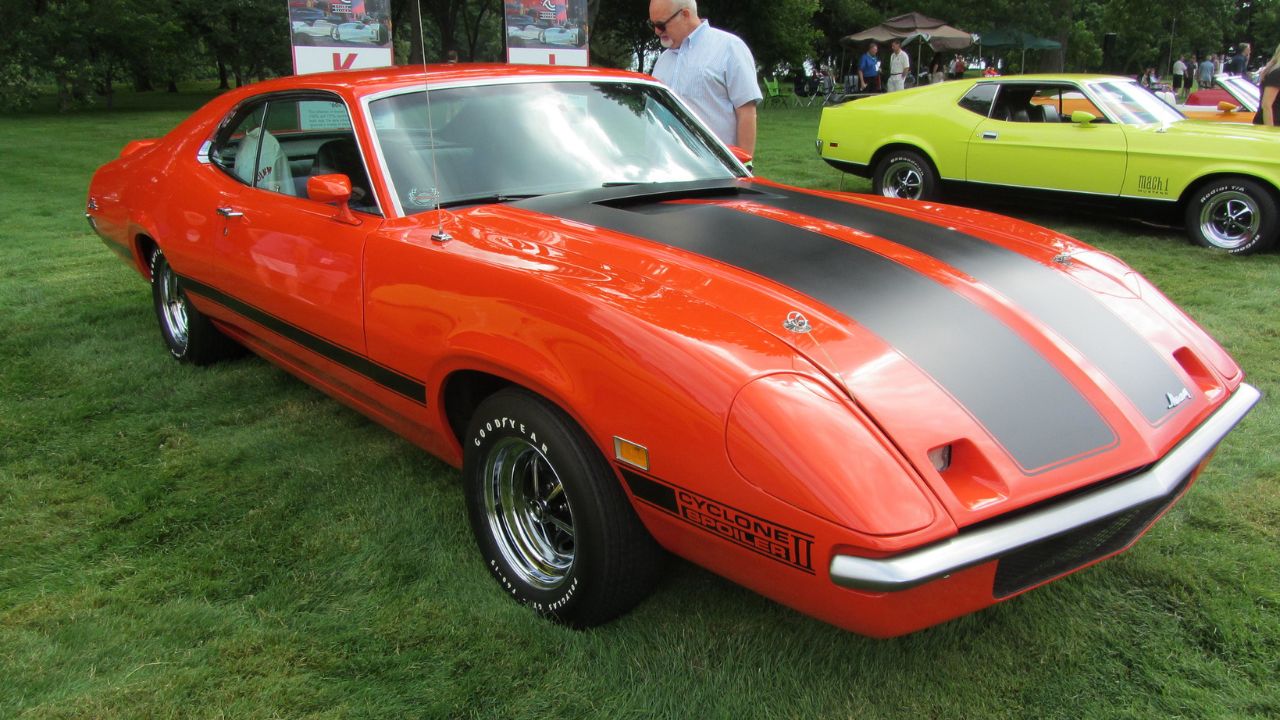
The Mercury Cyclone Spoiler II was created as a NASCAR homologation special and featured distinctive aerodynamic bodywork designed around high-speed competition. Its specialized construction and limited production separated it from ordinary Cyclone models. The car demonstrated how closely some factory performance cars were connected to racing. Its rarity and unusual appearance later made it one of Mercury’s most interesting muscle-era collectibles.
Plymouth Superbird
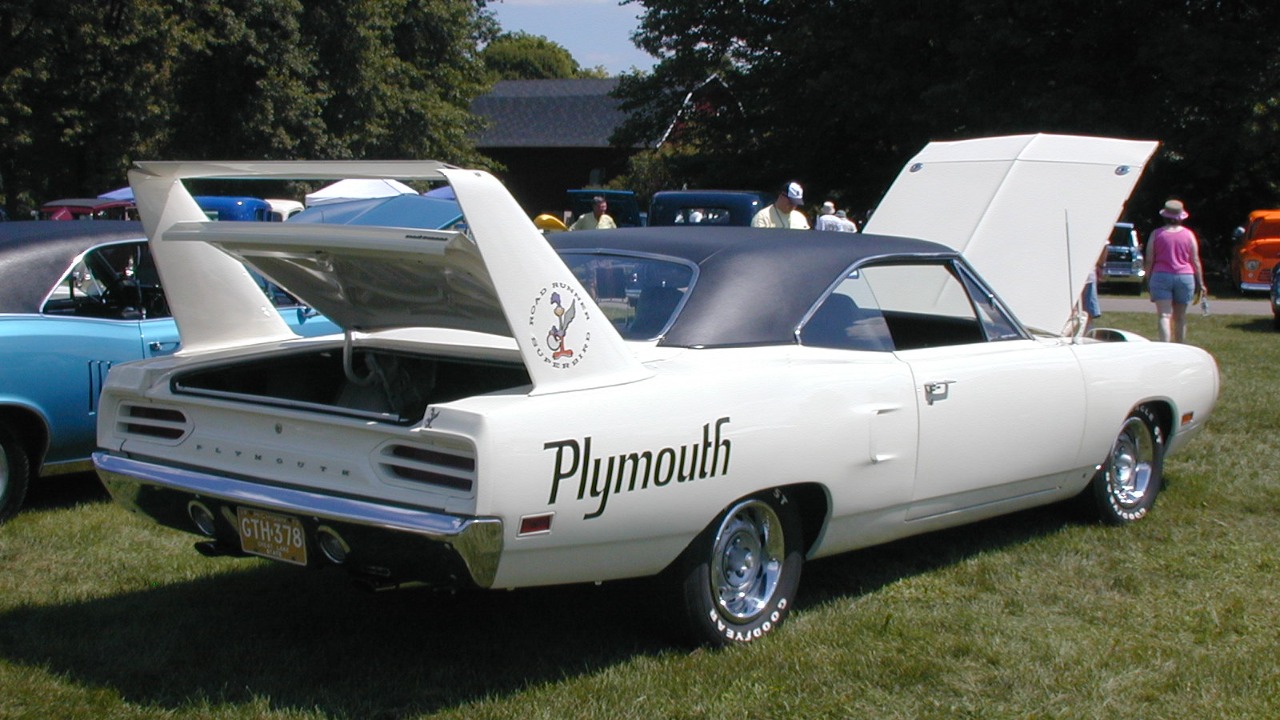
The Plymouth Superbird became an instant icon because it looked unlike almost anything else on the road. Its extended aerodynamic nose and enormous rear wing were developed for NASCAR competition, while powerful V8 engines provided serious street performance. Plymouth built the Superbird in limited numbers to satisfy homologation requirements. Its extreme design made it memorable immediately and highly collectible decades later.
Dodge Charger Daytona
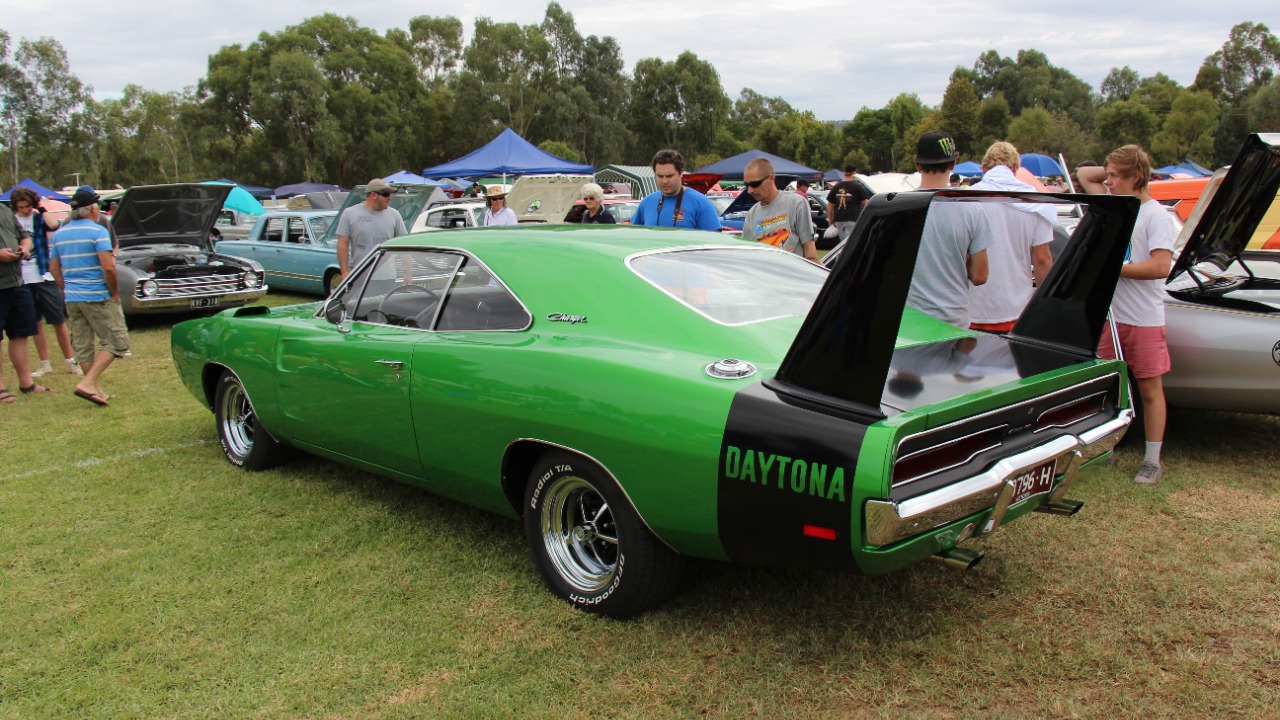
The Dodge Charger Daytona was another NASCAR-inspired aerodynamic special that pushed the muscle-car formula to an unusual extreme. Its extended nose and huge rear wing were designed to improve high-speed performance. Available with powerful Chrysler V8 engines, it combined racing technology with road-car equipment. The Daytona’s limited production and unmistakable appearance helped turn it into one of the most recognizable Mopar classics.
Shelby GT500
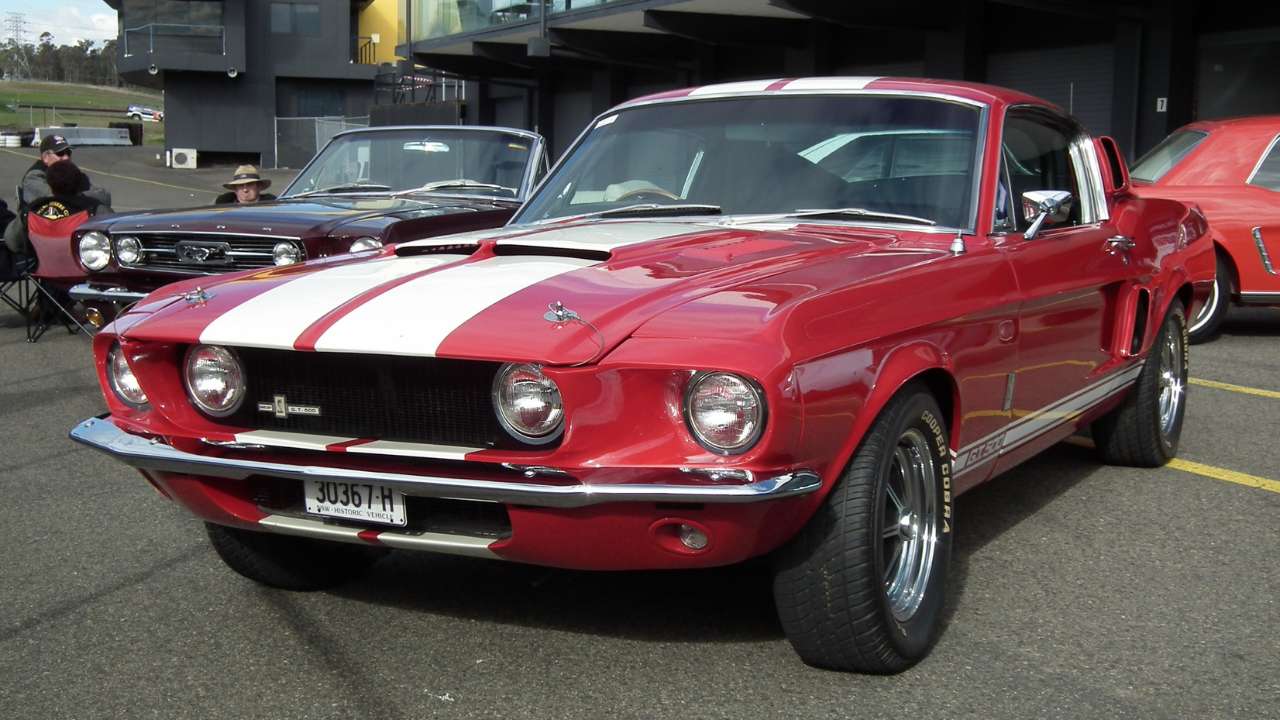
The Shelby GT500 transformed the Mustang into a serious high-performance machine. Its large-displacement V8 gave the car substantially more power than ordinary Mustangs, while Shelby-specific suspension, styling, and equipment created a more aggressive character. The GT500 quickly developed a reputation as a top-level American performance car. Its combination of Ford production engineering and Shelby performance helped establish the name as a lasting automotive icon.
More from Fast Lane Only
- Unboxing the WWII Jeep in a Crate
- 15 rare Chevys collectors are quietly buying
- 10 underrated V8s still worth hunting down
- Police notice this before you even roll window down
*Research for this article included AI assistance, with all final content reviewed by human editors.