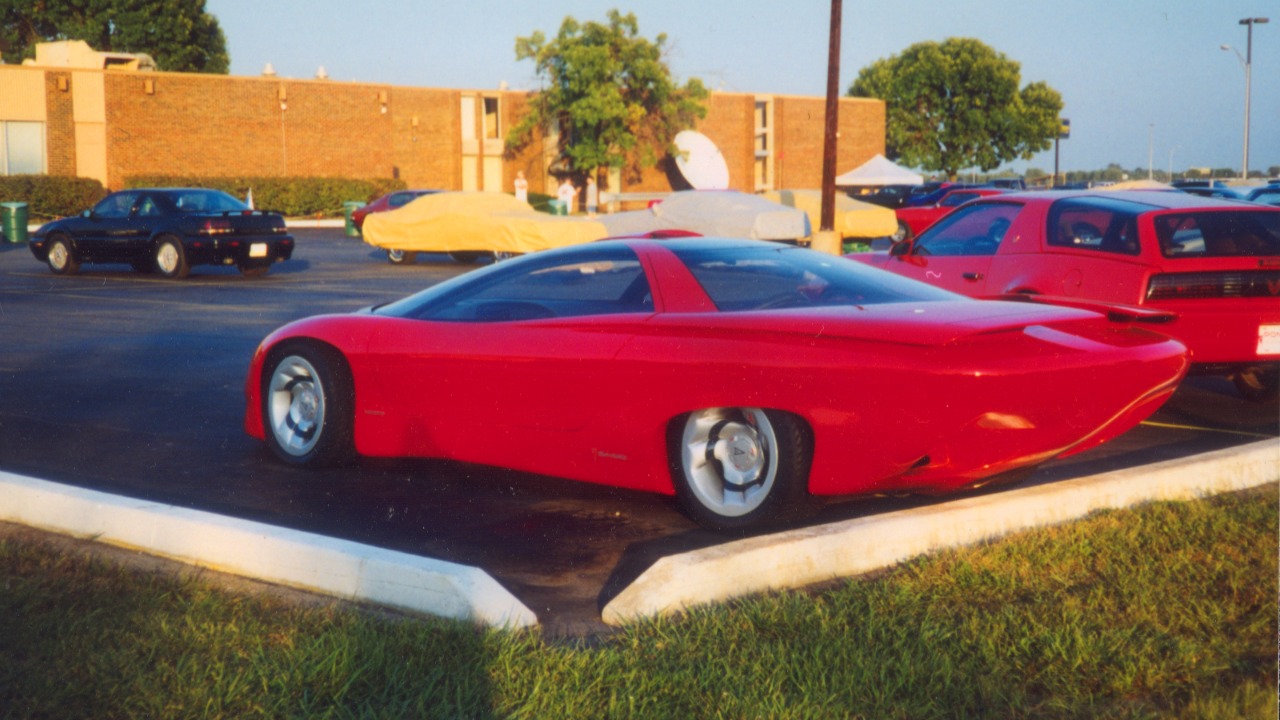
The 1986 Pontiac Banshee was an ambitious concept car that set the automotive world abuzz with excitement and innovation. However, its advanced features and radical design also sparked fear among GM executives, who worried it could destabilize their existing market and brand identity.
The Vision Behind the Banshee
The Pontiac Banshee was a striking concept car that redefined what a sports vehicle could look and feel like. Its design was nothing short of revolutionary for the mid-1980s, featuring sharp lines, a low profile, and an aerodynamic silhouette that made it instantly recognizable. The Banshee was designed to be more than just a car; it was a statement. Pontiac aimed to capture the spirit of speed and performance, challenging the traditional aesthetics of the automotive industry at the time.
One of the most notable aspects of the Banshee was its use of innovative materials and engineering techniques. The vehicle utilized lightweight composite materials that not only enhanced performance but also improved fuel efficiency. This approach was a departure from the heavier metals commonly used in automobiles during that era. The aerodynamic design was further supported by extensive wind tunnel testing, which ensured that the Banshee would cut through the air with minimal drag. These engineering breakthroughs positioned the Banshee as a harbinger of change, emphasizing performance as much as style.
Market Concerns for GM
The introduction of the Banshee raised significant concerns among GM executives regarding the potential disruption of their existing models. Pontiac had a well-established lineup, and the Banshee’s radical departure from the norm could undermine the sales of popular models such as the Firebird and the Grand Am. Executives feared that the Banshee’s innovative features might overshadow these existing vehicles, leading to a decline in sales across the entire Pontiac brand. The risk of cannibalizing their own market share was a pressing issue that weighed heavily on their decision-making process.
Moreover, during the 1980s, American automakers were increasingly facing competition from Japanese and European sports cars, which were gaining popularity for their performance and reliability. The Banshee represented a strategic shift in American automotive design, aiming to reclaim market share from these competitors. However, this shift also came with risks. If the Banshee fell short of expectations, it could reinforce negative perceptions of American cars, making it challenging for GM to compete in the growing global market. The stakes were high, and the management team was acutely aware of the delicate balance between innovation and market stability.
Fear of Performance and Expectations
One of the most ambitious aspects of the Banshee was its performance metrics. Pontiac set the bar high, aiming for the Banshee to outperform many of its contemporaries in terms of speed, handling, and overall driving experience. However, this raised legitimate concerns about customer expectations. If the Banshee failed to meet the lofty performance benchmarks established by its concept design, it could result in significant backlash from consumers and critics alike. The fear was that a poorly received debut could tarnish Pontiac’s reputation as a performance brand.
Additionally, the Banshee’s potential success or failure could have a broader impact on the Pontiac brand image. If the car did not deliver on its promises, it could dilute the brand’s identity, which was built on performance and excitement. Executives worried that a misstep with the Banshee could lead to a loss of consumer trust, making it difficult for Pontiac to recover in the competitive automotive landscape. The pressure to succeed was immense, and many within GM feared that the Banshee’s ambitious goals could backfire.
Internal Resistance and Corporate Politics
Within GM, the Banshee was a polarizing topic. While some executives championed the concept as a bold step toward innovation, others were skeptical about its feasibility and desirability in the market. This internal divide highlighted the cultural shift taking place within GM. The Banshee represented a move toward a more forward-thinking approach, one that embraced technological advancements and modern design philosophies. However, not all executives were on board with this transition, fearing that it could alienate the company’s core customer base.
Corporate politics also played a significant role in the Banshee’s fate. Those who supported the project faced challenges in securing the necessary resources and backing from higher management. The struggle to balance innovative aspirations with traditional values created an environment of tension within the organization. As the automotive landscape evolved, GM found itself at a crossroads where the old guard clashed with the new visionaries, making it increasingly difficult to push the Banshee forward. This internal resistance ultimately contributed to the car’s uncertain future.
The Legacy of the Banshee
Despite never reaching production, the Pontiac Banshee left an indelible mark on the automotive world. Its design and technological innovations influenced not only future Pontiac models but also the broader automotive market. Elements of the Banshee’s aerodynamic styling and lightweight materials can be seen in later vehicles, including the Pontiac Fiero, which embraced similar design principles. The Banshee’s legacy is a testament to the potential for innovation within the industry, pushing the boundaries of what was deemed possible in automotive design.
Moreover, the Banshee has become a cultural icon, symbolizing the ‘what could have been’ narrative in car culture. Enthusiasts and collectors often refer to the Banshee in discussions about innovative yet unrealized automotive concepts. Its story serves as a reminder of the delicate balance between ambition and practicality in the automotive industry. The Banshee remains a fascinating chapter in the history of American cars, embodying the spirit of innovation that continues to drive the industry today. For those interested in a deeper dive into this iconic vehicle, you can check out the detailed analysis on CorvSport or watch a retrospective on its design and impact on YouTube.
More from Fast Lane Only
- Unboxing the WWII Jeep in a Crate
- 15 rare Chevys collectors are quietly buying
- 10 underrated V8s still worth hunting down
- Police notice this before you even roll window down
*Research for this article included AI assistance, with all final content reviewed by human editors.