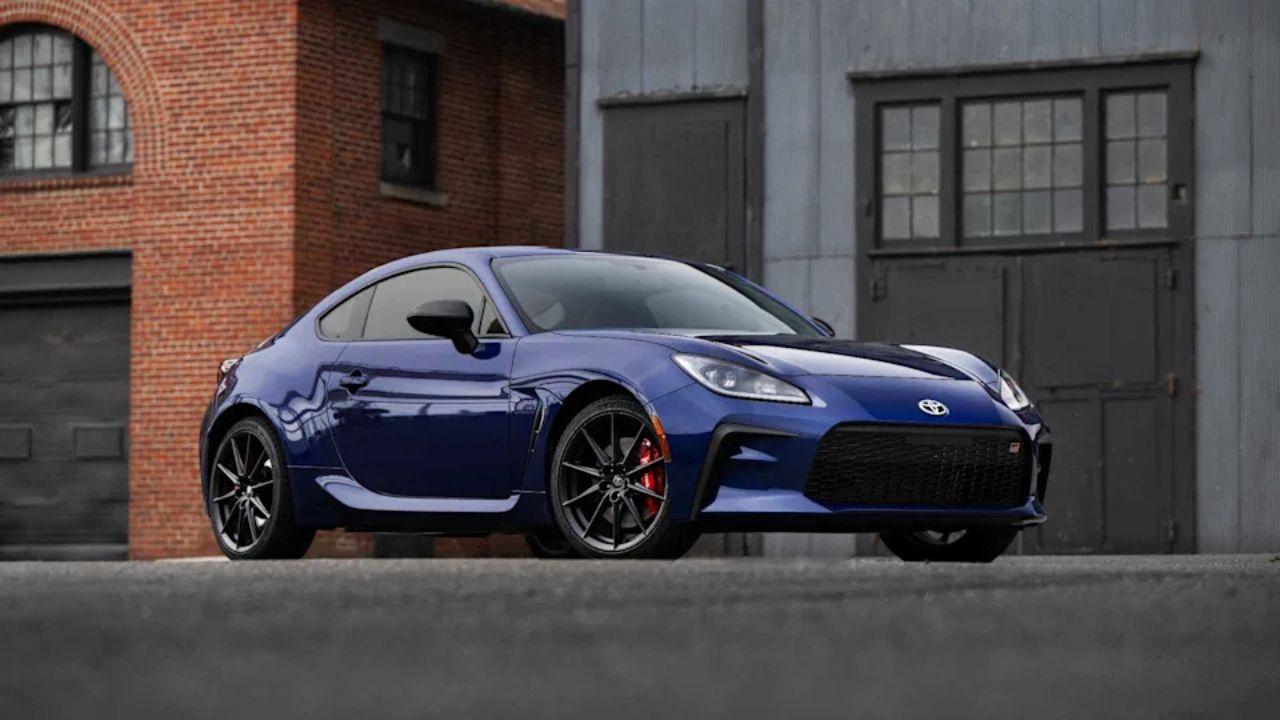
The 2027 Toyota GR86 arrives as a focused update to one of the market’s last affordable, rear-drive sports coupes, trading wholesale reinvention for targeted upgrades that matter to enthusiastic drivers. With chassis tweaks, fresh styling cues, and a handful of driver-focused changes, Toyota aims to keep the GR86 relevant in a segment that is shrinking but still fiercely loved.
Instead of chasing huge power gains or a radical redesign, the latest GR86 leans into small but meaningful revisions that promise sharper handling, a more distinctive look, and a cabin that better supports spirited driving.
Key updates that reshape the 2027 GR86 driving experience
The headline for the 2027 GR86 is not a new engine but a series of refinements that collectively tighten the car’s already engaging dynamics. Toyota has focused on suspension and steering, revising damper tuning and spring rates to improve body control without sacrificing the playful balance that has defined the GR86 since launch. The aim is a car that feels more precise on turn-in, with cleaner responses when the driver makes quick corrections mid-corner.
Steering calibration is another quiet but significant change. The electric power steering system has been retuned to reduce friction and deliver a more linear build-up of effort as lock increases. On a winding road, that should translate into clearer feedback through the wheel and more confidence when the rear end starts to rotate. Paired with subtle adjustments to stability control thresholds, the 2027 model is set up to reward drivers who like to explore the edge of grip while still providing a safety net.
On the outside, the GR86 receives a modest styling refresh that keeps the basic proportions intact but sharpens the details. The front fascia gains a more angular lower grille and revised air intakes that give the car a slightly more aggressive stance. At the rear, a reshaped bumper and updated lighting signatures help distinguish the new model from earlier years without alienating existing fans. Fresh wheel designs and a new Thunder paint color round out the visual changes, giving buyers more ways to personalize the coupe.
Inside, Toyota has focused on the touchpoints that matter most when driving hard. The steering wheel and shifter wear new trims that improve grip, and the seats gain revised bolstering to hold occupants more securely during lateral loads. Materials see a mild upgrade, with more consistent soft-touch surfaces in the upper dash and door caps, helping the cabin feel less like a stripped-out track toy and more like a daily-drivable sports car.
How sharper handling and subtle tweaks keep the GR86 relevant
The 2027 update lands at a time when traditional sports cars face intense pressure from crossovers, hot hatches, and electric performance models. The GR86 competes less on outright speed and more on feel, and the latest changes are aimed squarely at preserving that identity. By refining the suspension and steering instead of chasing headline-grabbing horsepower, Toyota signals that the car’s mission is still about driver engagement first.
That strategy matters because the GR86 occupies a rare niche: a relatively lightweight, naturally aspirated, rear-drive coupe available at a price that undercuts many front-drive performance compacts. For buyers who care about balance and feedback, incremental gains in chassis tuning can be more meaningful than a big jump in straight-line performance. A slightly stiffer rear end, a more communicative steering rack, and smarter stability control logic can transform how approachable the car feels at the limit.
The styling adjustments also play a strategic role. Sports car buyers often want something that looks special without crossing into cartoonish territory. The updated front and rear treatments give the GR86 a fresher, more modern face that can stand beside newer rivals, while the new Thunder color and wheel options provide showroom appeal without requiring a full redesign. For returning customers, the visual changes are enough to signal progress without making their current cars feel instantly dated.
Inside the cabin, the driver-focused updates address recurring criticism that earlier GR86 interiors felt a step behind some competitors. More supportive seats, slightly richer materials, and small usability tweaks help the 2027 model feel like a car that can handle daily commuting as comfortably as weekend canyon runs. That dual-purpose capability is increasingly important as buyers consolidate vehicles and expect a single car to cover more roles.
The broader market context also favors Toyota’s strategy. As more performance models move to turbocharged or electrified powertrains, the GR86’s naturally aspirated engine and manual transmission option stand out as a purist choice. The 2027 refinements reinforce that positioning, emphasizing mechanical connection and chassis feel over digital trickery. For enthusiasts who fear that their next sports car will be heavier, quieter, and more insulated, the updated GR86 represents a kind of last stand for analog driving pleasure.
What the 2027 GR86 signals about Toyota’s performance future
The way Toyota has approached the 2027 GR86 also hints at how the company may handle performance models in a decade defined by electrification. Rather than abandoning small coupes, Toyota continues to invest in incremental improvements that keep the car competitive, suggesting a belief that there is still a viable audience for compact, lightweight sports cars. That decision carries weight inside a portfolio increasingly filled with hybrids, plug-in hybrids, and battery-electric vehicles.
At the same time, the GR86’s relatively modest changes leave room for speculation about future variants. The focus on chassis tuning and driver ergonomics could lay groundwork for more track-oriented editions that build on the updated platform with stickier tires, more aggressive aero pieces, or limited-run appearance packages. Special models have become an effective way for brands to extend the life of enthusiast cars, and the 2027 refresh keeps that door open.
The update also reinforces the value of Toyota’s collaboration with its performance and motorsport arms. Lessons from grassroots racing and one-make series often filter back into production tuning, influencing everything from damper calibration to seat design. The 2027 GR86, with its targeted suspension tweaks and more supportive interior, reflects that feedback loop in a subtle but tangible way.
Looking ahead, the GR86 may also serve as a bridge between purely combustion-powered sports cars and whatever comes next. Toyota has explored alternative technologies such as synthetic fuels and hydrogen combustion in other projects, and a small, relatively simple coupe is an ideal test bed for future powertrain experiments. Even if the 2027 model sticks to a conventional setup, its continued existence keeps the platform alive for potential innovation.
For now, the 2027 GR86 stands as a statement that driver involvement still matters to one of the industry’s largest players. By concentrating on sharper handling, fresher styling, and meaningful driver-centric tweaks rather than chasing spec-sheet glory, Toyota positions the car as a focused tool for people who enjoy the act of driving itself. In a market tilting toward silent, software-heavy performance, that makes the updated GR86 feel both slightly old-school and surprisingly forward-thinking.
More from Fast Lane Only
- Unboxing the WWII Jeep in a Crate
- 15 rare Chevys collectors are quietly buying
- 10 underrated V8s still worth hunting down
- Police notice this before you even roll window down
*Research for this article included AI assistance, with all final content reviewed by human editors.