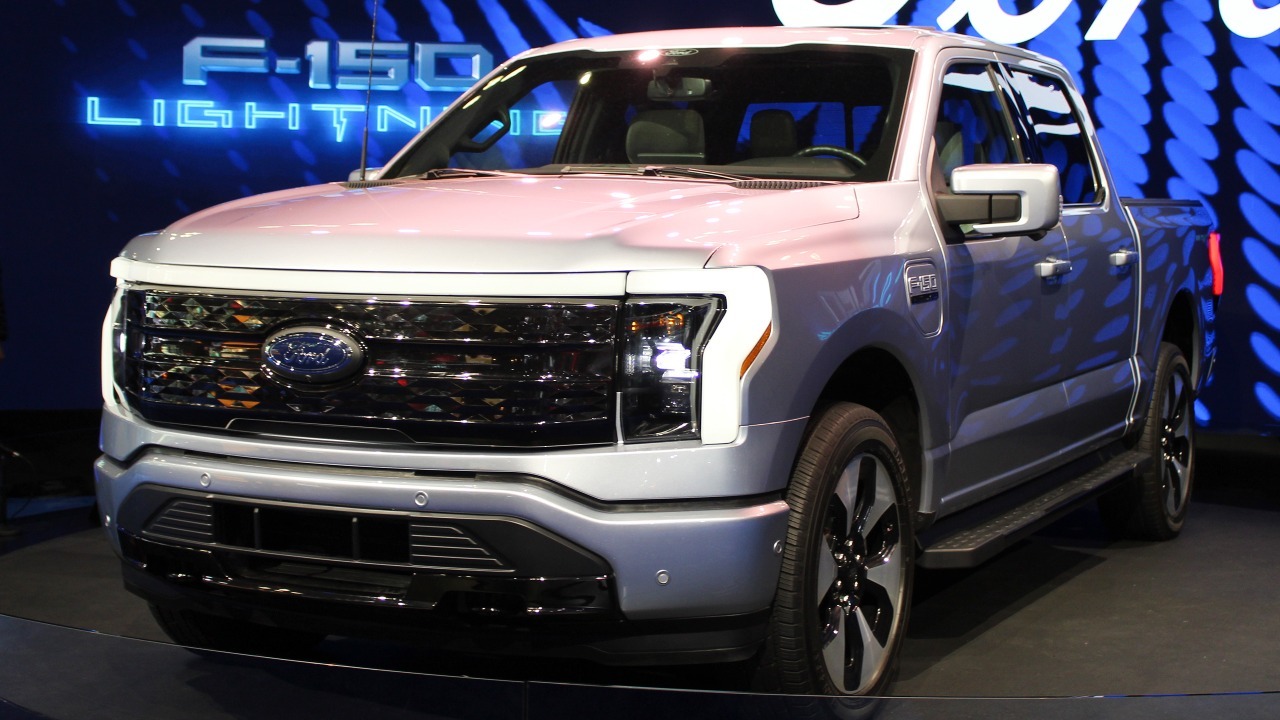
Ford Motor Company suffered a sharp decline in electric vehicle sales during the first quarter, with EV deliveries dropping nearly 70% year over year as production disruptions and weakening market demand weighed heavily on results. The downturn was especially pronounced for the Ford F-150 Lightning, which saw deliveries plunge following production pauses and inventory challenges.
The results underscore the difficulties many legacy automakers are facing as the U.S. EV market adjusts to lower incentives, changing consumer demand, and increased competition.
What happened
Ford delivered approximately 6,860 EVs in the United States during Q1 2026, down 69.6% from the 22,550 EVs it sold during the same period a year earlier. The company’s two primary EV models both posted significant declines, with Mustang Mach-E sales falling more than 60% and F-150 Lightning deliveries dropping over 71%.
The Lightning’s decline was tied in part to production interruptions and earlier manufacturing slowdowns. Ford had previously reduced output and paused production at its EV truck facilities as it worked to balance inventory levels and profitability goals. Supply-chain disruptions, including issues affecting aluminum sourcing, also impacted Lightning production.
At the same time, the broader U.S. EV market weakened following the expiration of federal purchase incentives, making many electric vehicles less affordable for consumers and reducing overall demand.
Why it matters
Ford’s results highlight the challenges facing traditional automakers that invested heavily in EV expansion during a period of rapid market growth. While EV sales remain substantial, growth has slowed considerably, forcing manufacturers to reassess production targets and investment plans.
The Lightning was originally expected to become a cornerstone of Ford’s electric strategy, with the company ramping up production in anticipation of strong demand. However, higher vehicle prices, reduced incentives, and increased competition have made the electric pickup segment more difficult than many analysts predicted.
Ford’s struggles also reflect a broader market trend. Several major automakers experienced significant EV sales declines during the quarter, although a few brands such as Toyota and Rivian managed to post gains.
What to watch next
Attention will now shift to Ford’s next-generation EV strategy, including lower-cost electric platforms designed to improve profitability and compete more effectively in a market that is becoming increasingly price-sensitive.
Investors and industry observers will also watch whether production of the F-150 Lightning stabilizes and whether demand improves as fuel prices fluctuate and new electric models enter the market. The performance of the Mustang Mach-E and Ford’s future EV launches will be key indicators of whether the company can regain momentum in an increasingly competitive EV landscape.
More from Fast Lane Only
- Unboxing the WWII Jeep in a Crate
- 15 rare Chevys collectors are quietly buying
- 10 underrated V8s still worth hunting down
- Police notice this before you even roll window down
*Research for this article included AI assistance, with all final content reviewed by human editors