British classics have always offered a different kind of driving experience. Rather than chasing huge horsepower or layers of technology, many focused on light weight, direct steering, manual gearboxes, and a strong connection between driver and road. From tiny sports cars to legendary grand tourers, these 21 British classics remain especially appealing to enthusiasts who care more about how a car feels than how complicated it is.
Jaguar E-Type
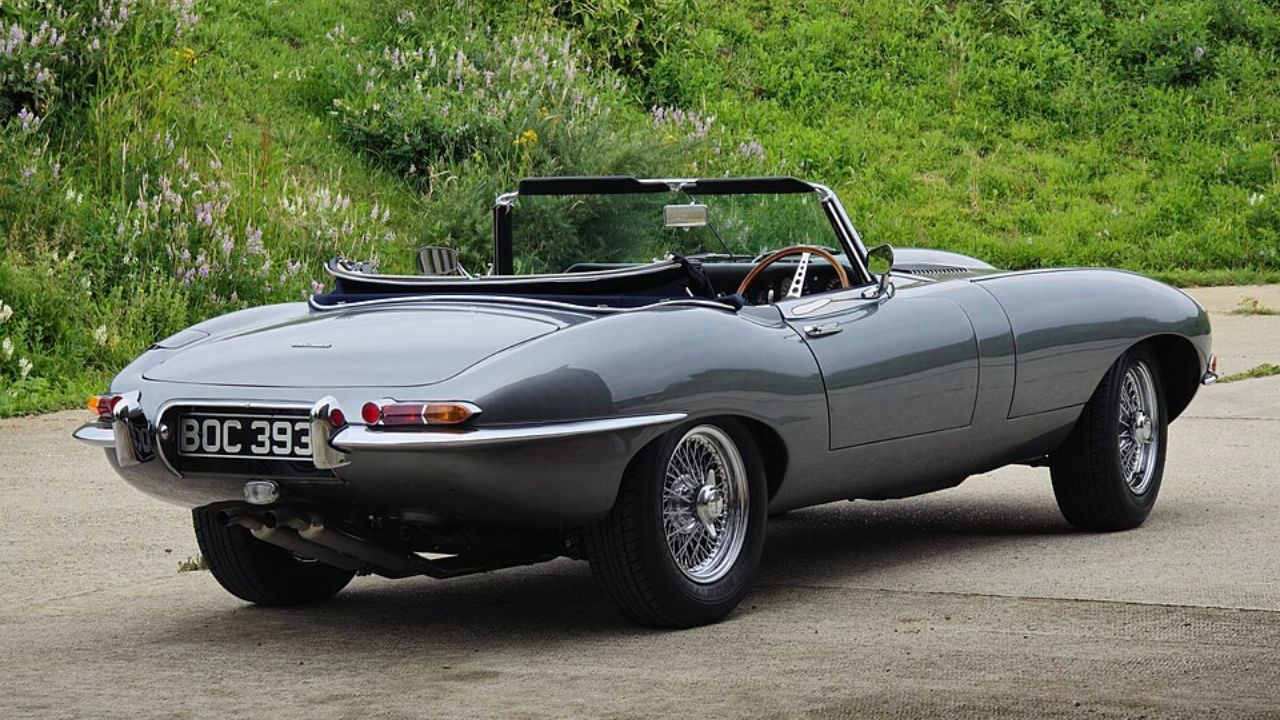
The Jaguar E-Type remains one of Britain’s most famous driver-focused classics. Its long hood, low body, independent suspension, and powerful six-cylinder engine gave it a combination of elegance and performance that few rivals could match. The car was more sophisticated than many contemporary British sports cars, yet it still provided an involving driving experience. The E-Type also had genuine competition-bred engineering behind its design. Today, enthusiasts continue to appreciate the way it combines beautiful proportions with the mechanical character of a traditional front-engine, rear-wheel-drive sports car.
Lotus Elan
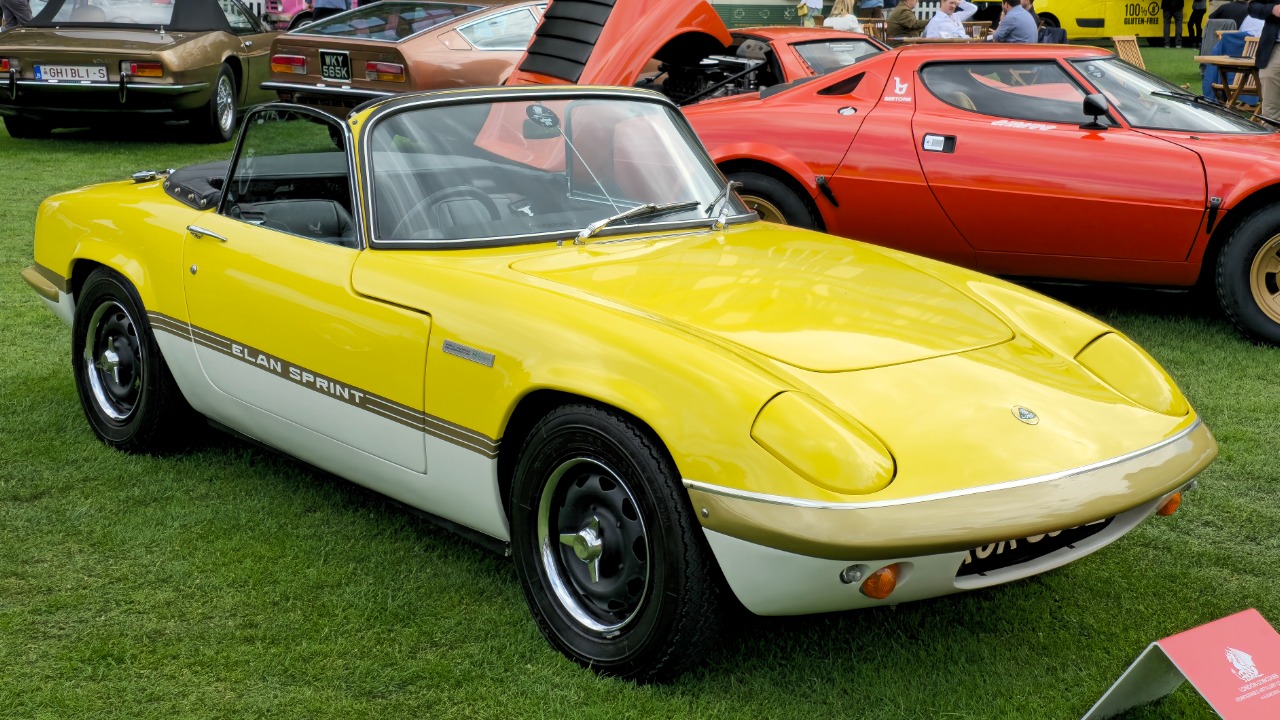
The Lotus Elan followed Colin Chapman’s famous philosophy of keeping weight under control. Its lightweight body, backbone chassis, independent suspension, and responsive steering made it remarkably agile without requiring enormous power. The Elan became famous for delivering cornering ability that could embarrass much more powerful cars. Its compact dimensions also made it feel immediately engaging on winding roads. For drivers who believe a sports car should communicate through its steering, pedals, and chassis rather than simply accelerate hard, the Elan remains one of the most important British classics ever built.
MG MGA
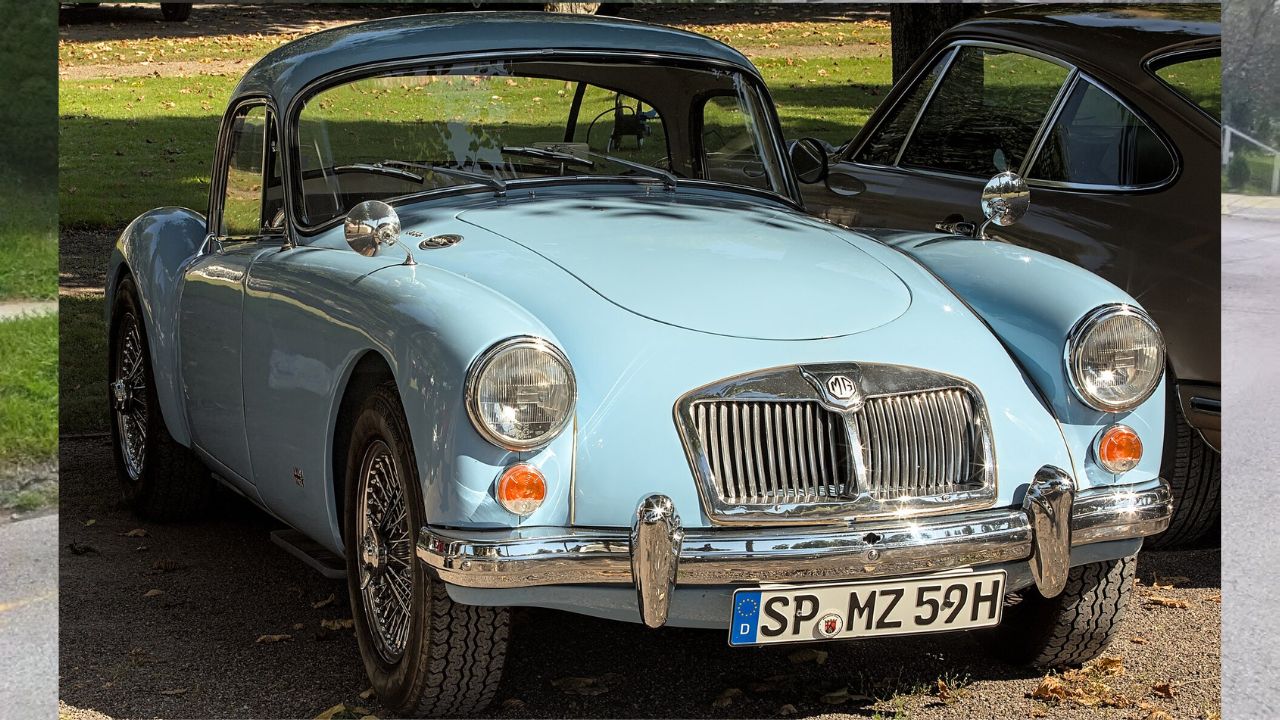
The MGA represented a major change in MG’s sports-car design. Its sleek body was dramatically more modern than the earlier MG T-series cars, while the lightweight construction kept the driving experience lively. The MGA was never about overwhelming power. Instead, its appeal came from its simple controls, rear-wheel drive, and low seating position. It also became an important export success for Britain’s sports-car industry. Enthusiasts still appreciate the MGA because it delivers the classic British roadster experience without unnecessary weight or complexity.
MG MGB
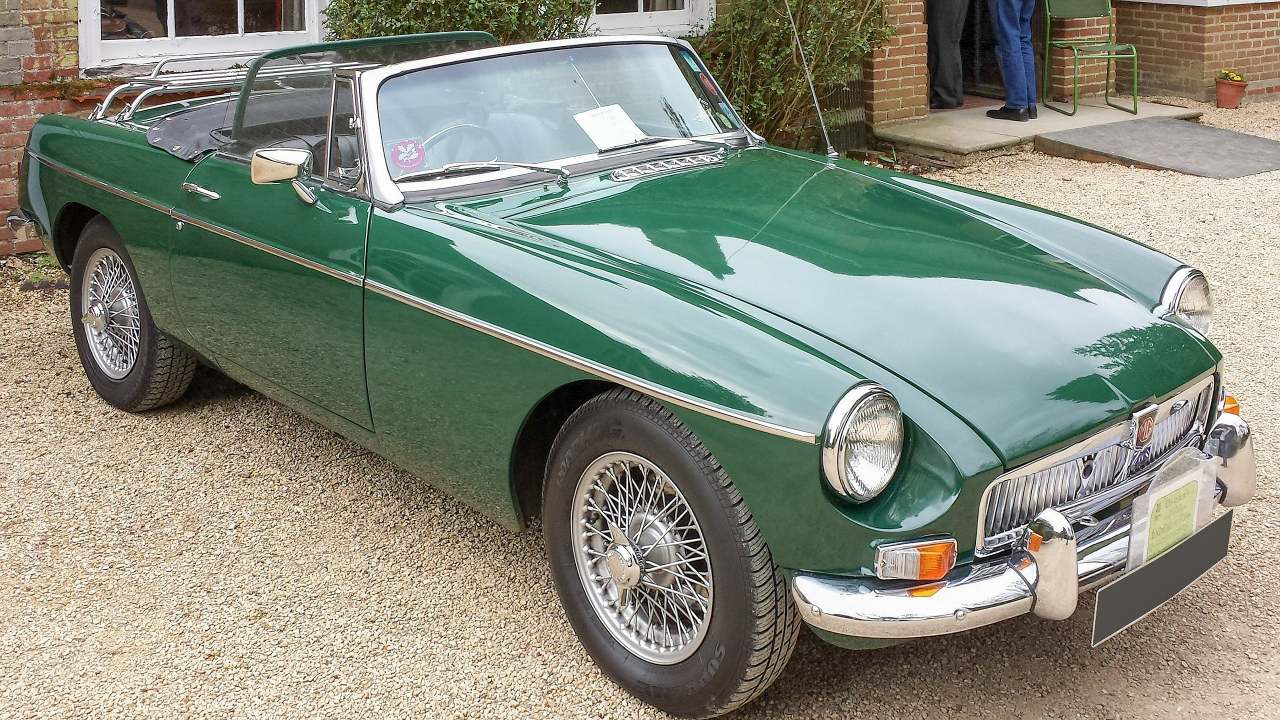
The MGB became one of Britain’s best-known sports cars and remains popular because it is relatively approachable as a classic. Its unitary construction, compact dimensions, rear-wheel-drive layout, and simple controls make it easy to understand from the driver’s seat. The car was not particularly powerful, but its modest output worked well with its relatively light body. The MGB also has excellent enthusiast support, making it easier to keep one on the road. For many drivers, it remains one of the clearest expressions of affordable British sports-car motoring.
Triumph TR6
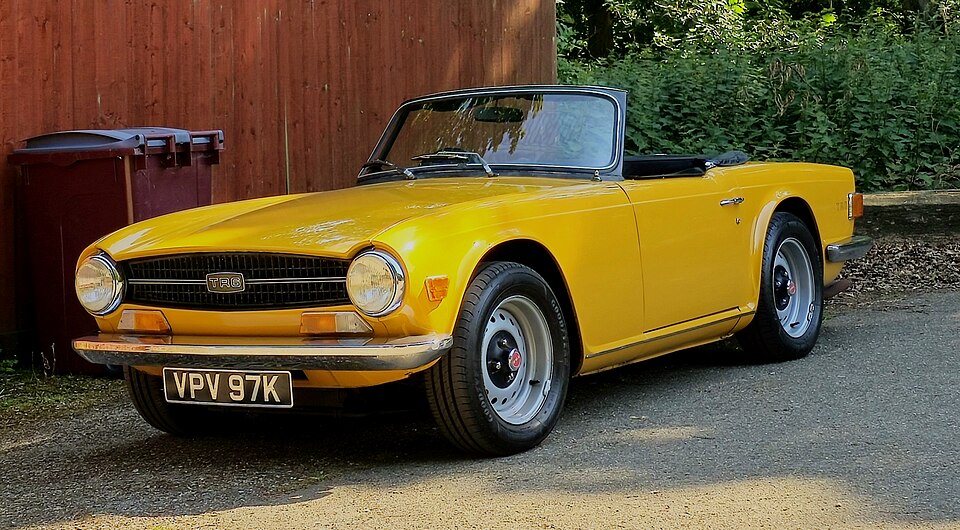
The TR6 gave traditional British roadster fans a muscular alternative to the smaller MGs. Its straight-six engine, rear-wheel-drive layout, manual gearbox, and compact body created a distinctly mechanical driving experience. The styling was tougher and more substantial than the Spitfire, while the chassis retained the basic character enthusiasts expected from a Triumph sports car. The TR6 became one of Triumph’s most successful TR models and remains highly regarded by drivers who prefer an old-fashioned sports car with plenty of character and relatively little isolation between the driver and the road.
Triumph TR3
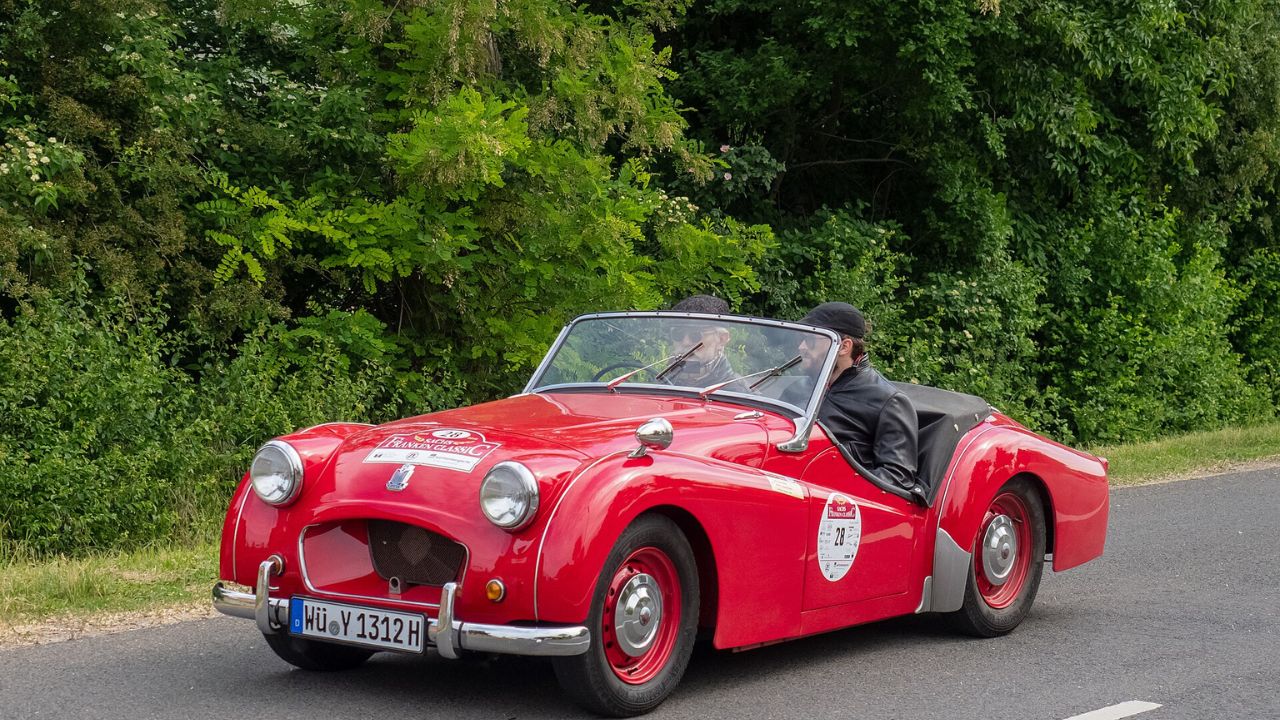
The TR3 was one of the cars that established Triumph as a major name in affordable British sports cars. Its upright grille, exposed front suspension, cut-down doors, and simple interior gave it an unmistakably old-school character. The four-cylinder engine provided enough performance for the lightweight body, while the simple mechanical layout made the car approachable for enthusiasts who enjoy working on their own classics. The TR3 remains particularly appealing because it feels like a sports car from an era when driving meant having very little between you and the mechanical parts doing the work.
Triumph TR4
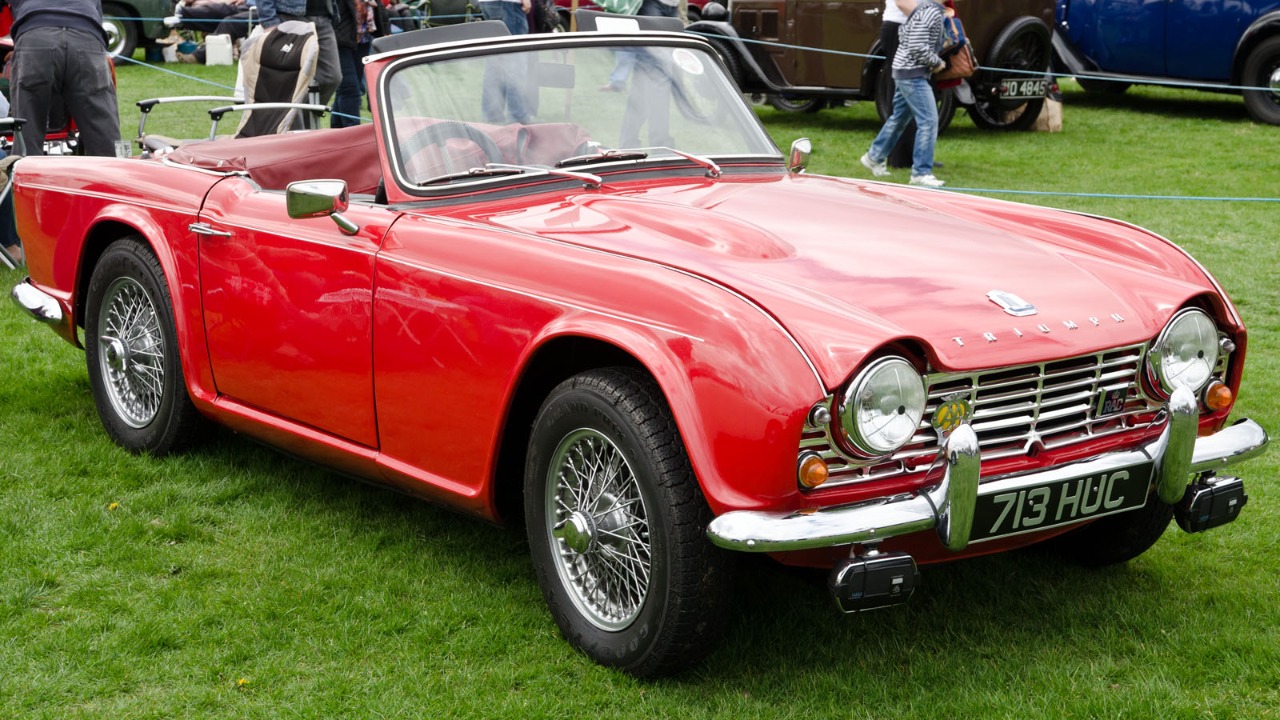
The TR4 modernized the traditional Triumph roadster without losing its basic character. Its Michelotti-designed body gave it sharper lines than the TR3, while the improved interior made longer drives more comfortable. The car retained rear-wheel drive and a manual transmission, keeping the experience firmly focused on the driver. The TR4 also offered features that made it more practical than some earlier British sports cars. That balance helped it become one of Triumph’s most enduring classics. It still appeals to drivers who want vintage character without going quite as far back as the TR2 or TR3.
Austin-Healey 3000
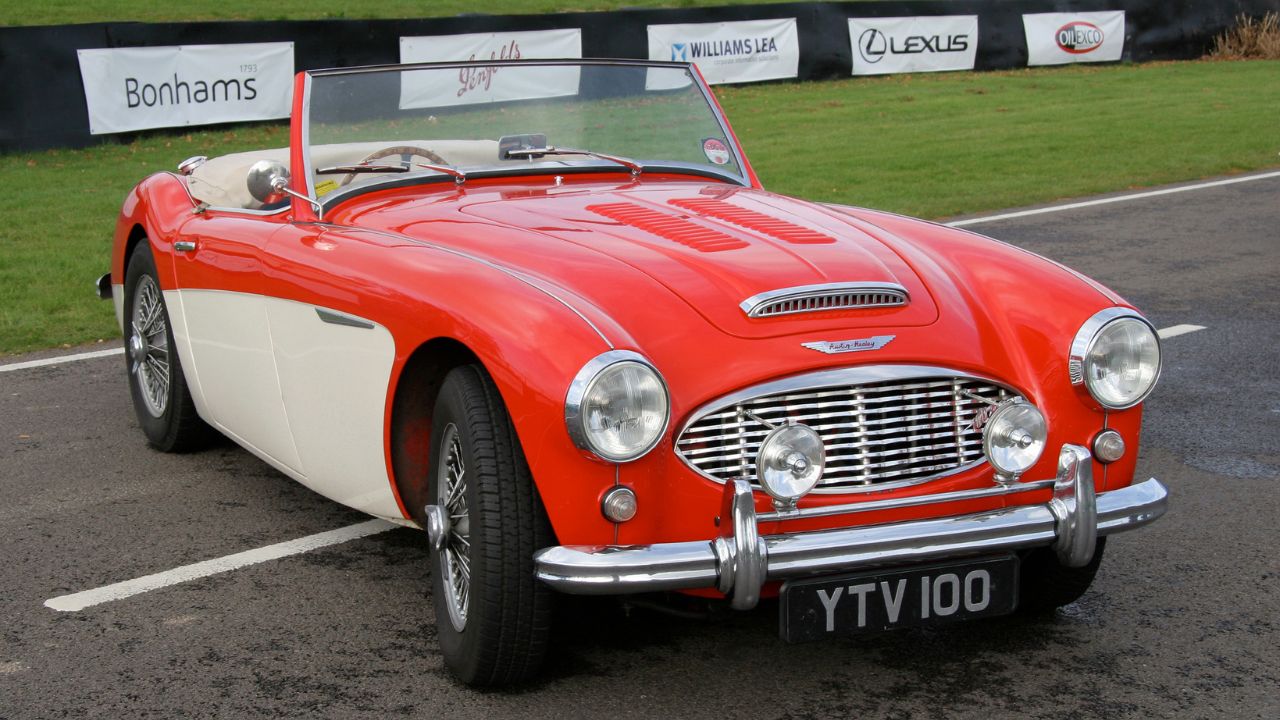
The Austin-Healey 3000 brought a larger engine and stronger performance to the traditional British roadster formula. Its six-cylinder engine gave it more highway ability than many smaller sports cars, while the rear-wheel-drive layout kept the experience direct and mechanical. The Big Healey also developed a strong competition reputation, adding credibility to its performance image. Its long hood, simple cockpit, and substantial torque remain central to its appeal. It is one of the classic British sports cars that genuinely rewards drivers who prefer character and involvement over modern refinement.
Austin-Healey Sprite
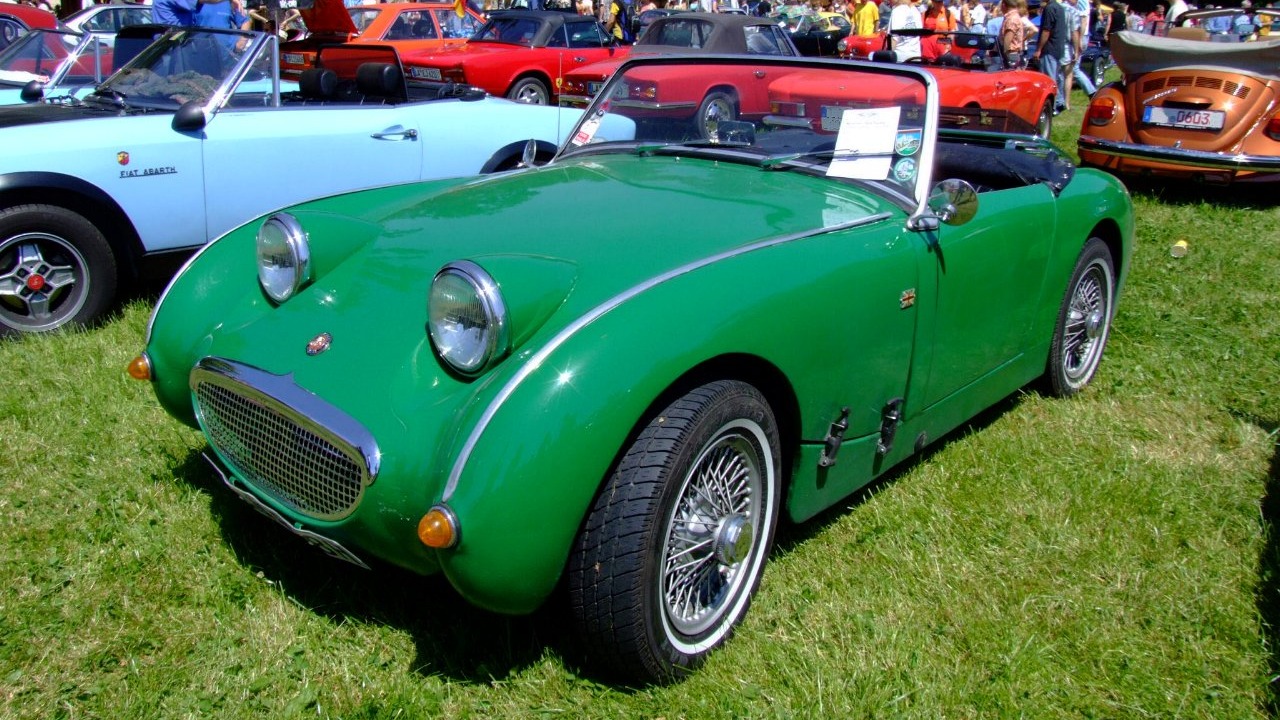
The Sprite proved that a sports car did not need a large engine to be fun. Its tiny dimensions, lightweight construction, and simple mechanical layout made it wonderfully responsive at ordinary road speeds. Early cars became famous for their distinctive headlights and compact proportions, earning the nickname “Frogeye.” The Sprite’s charm comes from how little separates the driver from the road. There is no huge amount of power to mask mistakes or overwhelm the chassis. Instead, the car rewards smooth inputs and momentum, making it a favorite among enthusiasts who value pure driving involvement.
Lotus Seven
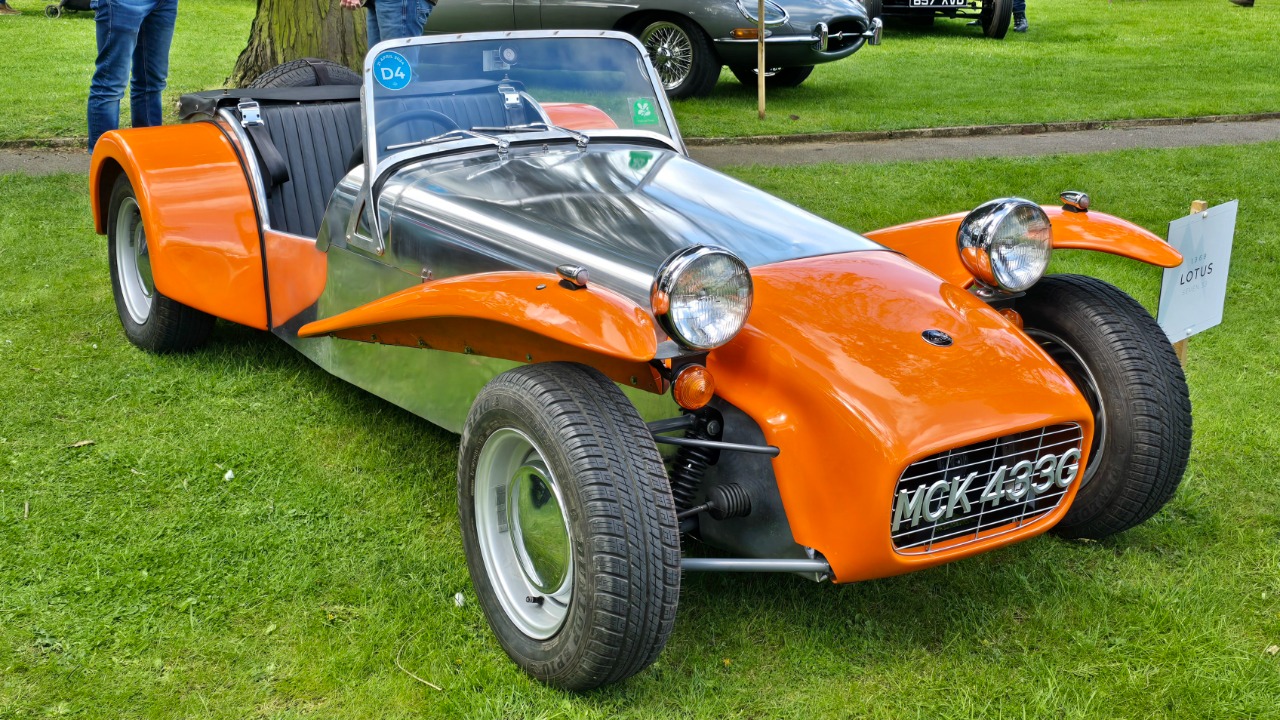
The Lotus Seven took lightweight engineering almost to an extreme. Its open body, exposed suspension, minimal equipment, and tiny overall mass left very little between the driver and the road. The result was an extraordinarily direct sports car that could feel fast even at speeds that would seem ordinary in a heavier vehicle. The Seven became a template for lightweight performance cars and eventually inspired the Caterham lineage. Original examples remain desirable among enthusiasts who want a classic that places handling, feedback, and simplicity ahead of comfort or practicality.
Mini Cooper
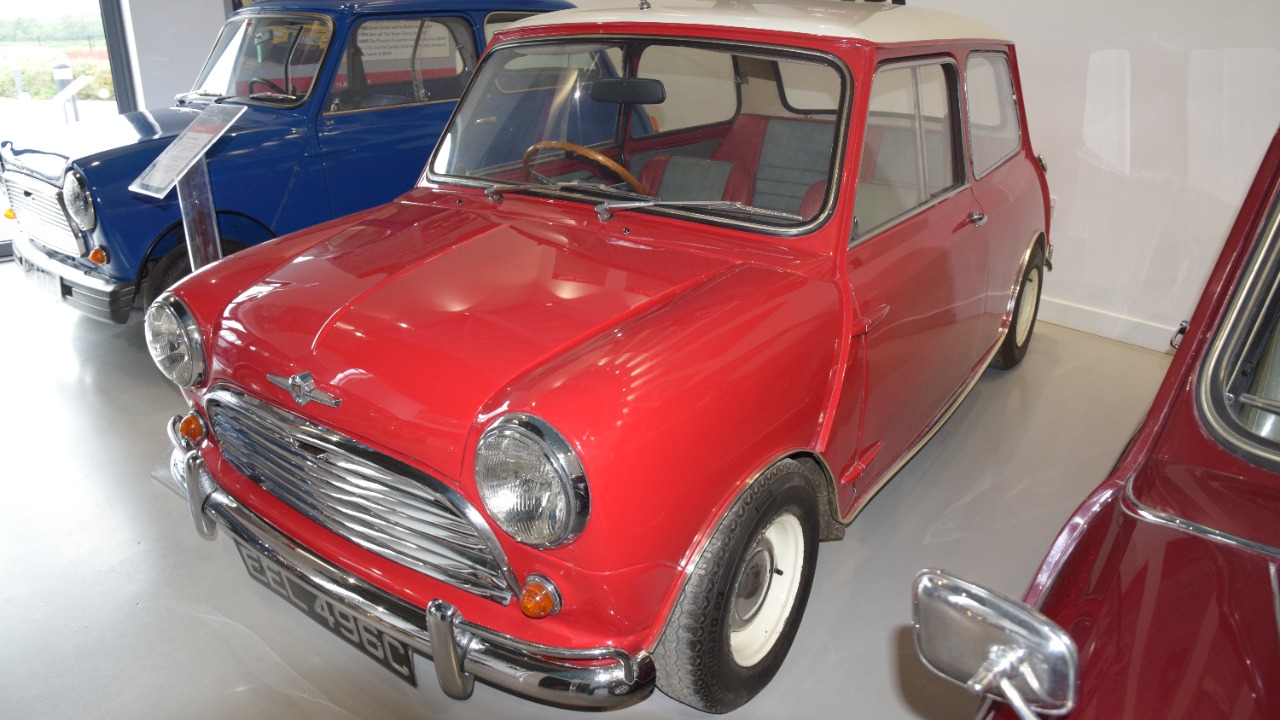
The original Mini Cooper transformed the humble Mini into a remarkably capable driver’s car. Its compact front-wheel-drive layout, low weight, and excellent handling allowed it to perform far beyond what its tiny dimensions suggested. The Cooper also established an important motorsport reputation, particularly through its success in rallying. What makes the car special is the way it turns small size into an advantage. Rather than needing a large engine, it relies on agility and momentum. That combination continues to make the classic Mini Cooper one of Britain’s most beloved driver-focused cars.
Jaguar XK120
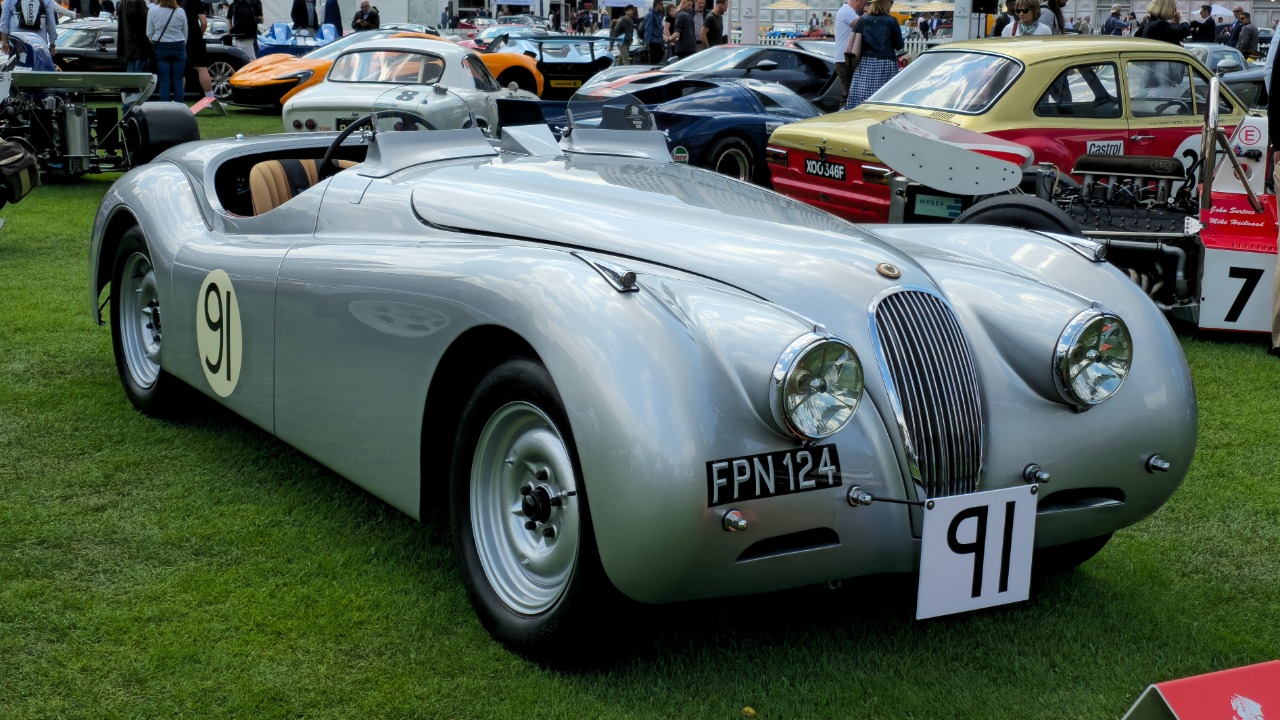
The XK120 helped announce that Britain could build a sports car capable of competing with the world’s finest. Its sleek body concealed a powerful six-cylinder engine, while its lightweight construction gave it impressive performance for the period. The XK120 became particularly important in establishing Jaguar’s international sporting reputation after World War II. Its combination of speed, style, and relatively sophisticated engineering made it a landmark British sports car. Modern enthusiasts still appreciate it because it feels like a genuine performance machine rather than simply a beautiful vintage automobile.
Jaguar XK150
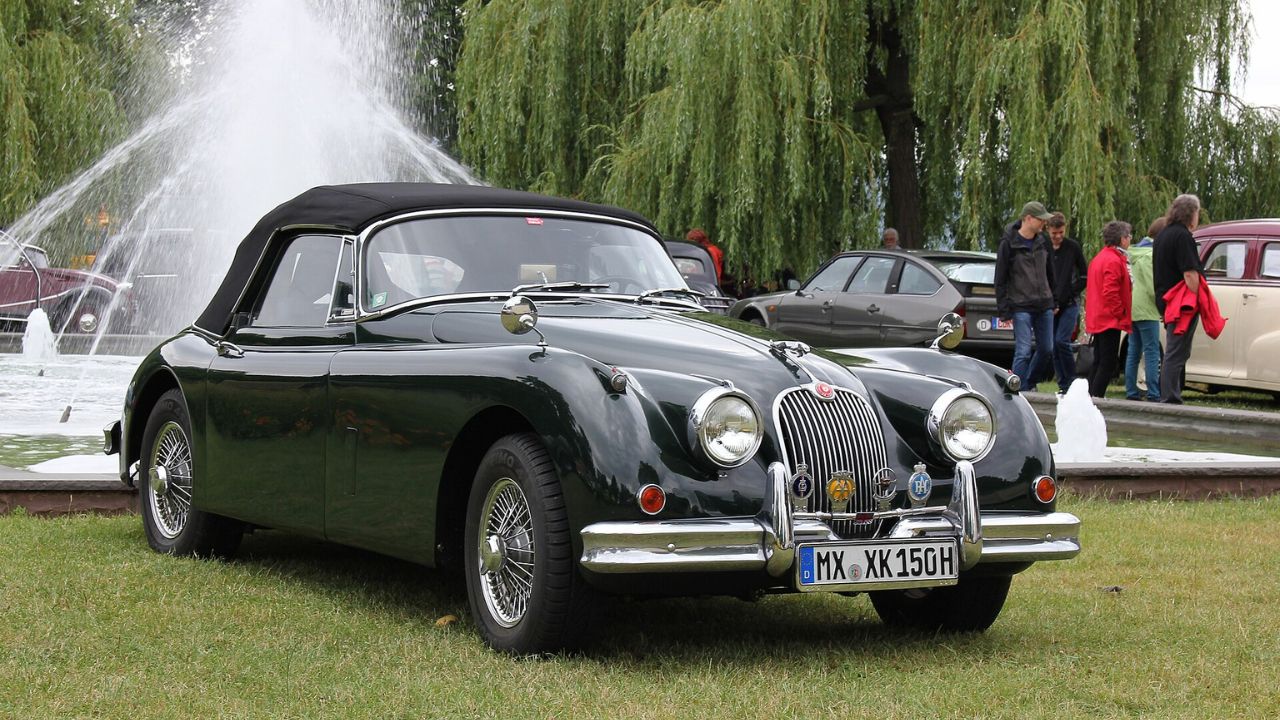
The XK150 represented the mature version of Jaguar’s original XK sports-car formula. It retained the elegant proportions of its predecessors while gaining improved brakes, more interior room, and a more developed version of Jaguar’s famous six-cylinder powertrain. The car was heavier and more refined than the XK120, but it remained a serious grand touring machine. For drivers who want the visual drama of an early Jaguar combined with a slightly more civilized driving experience, the XK150 remains a particularly attractive classic.
Triumph Spitfire
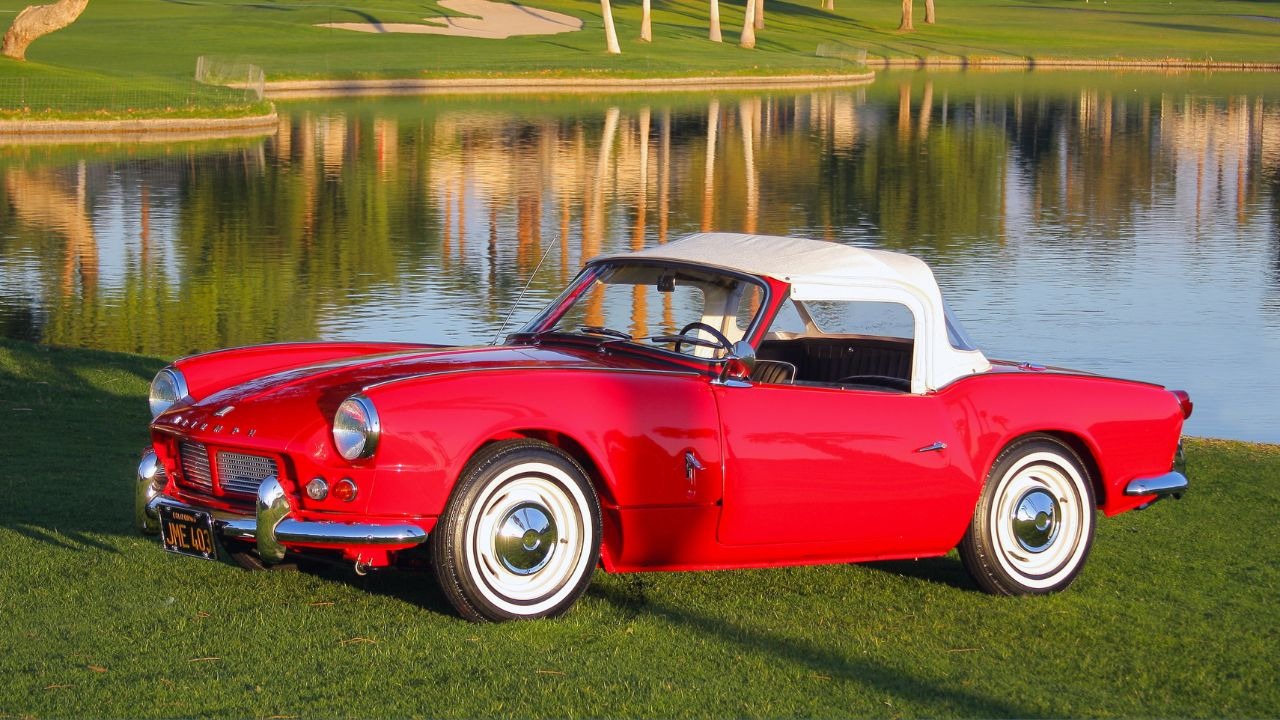
The Spitfire brought affordable open-top motoring to a much wider audience. Its compact dimensions and light body made it enjoyable on narrow roads, while the simple mechanical layout kept ownership relatively approachable. The car was based on the Herald’s platform but transformed into a much sportier package. Its small size is actually a major part of the appeal because it encourages drivers to carry speed through corners rather than relying on horsepower. The Spitfire remains a classic example of the British philosophy that driving enjoyment does not require a huge engine.
MG Midget
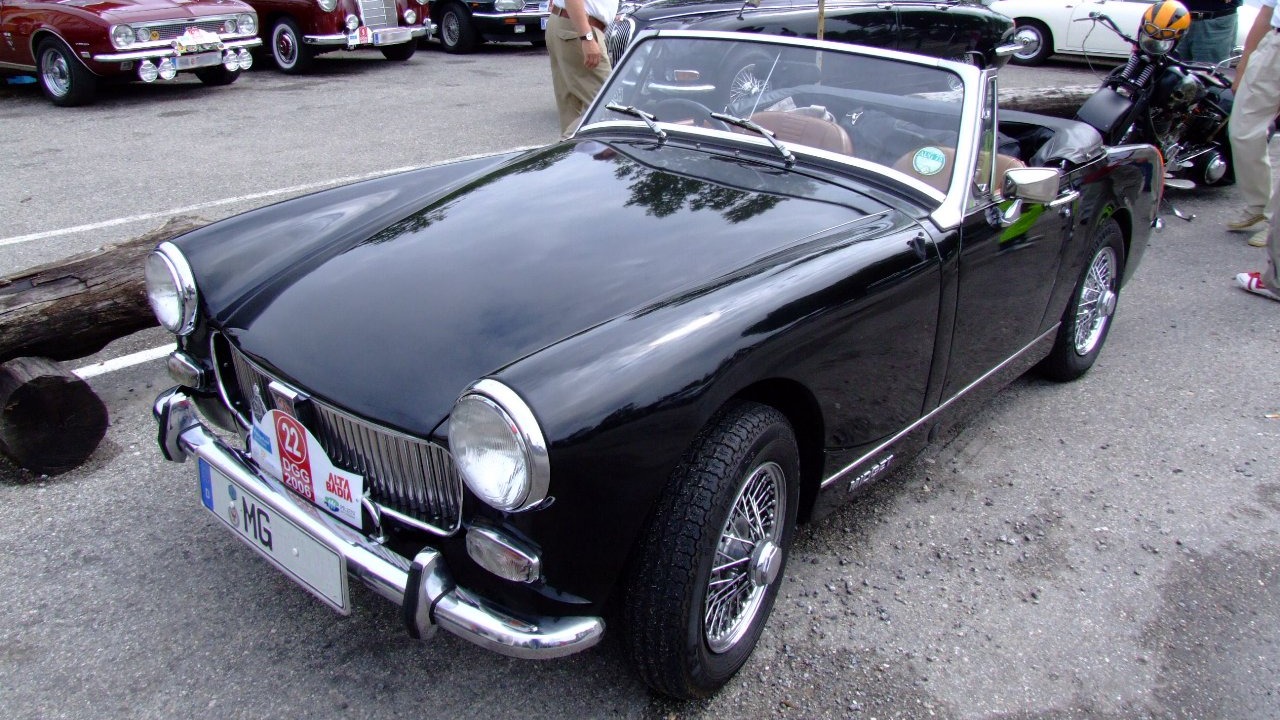
The MG Midget took the basic lightweight British sports-car formula and made it even smaller. Its modest engine was never the main attraction. Instead, the low seating position, compact body, manual gearbox, and responsive handling made ordinary roads feel more interesting. The car was inexpensive when new and became an accessible way into sports-car ownership. Decades later, that simplicity remains part of its charm. Drivers who enjoy cars that require constant involvement often find the Midget more entertaining than much more powerful classics.
Morgan Plus 4
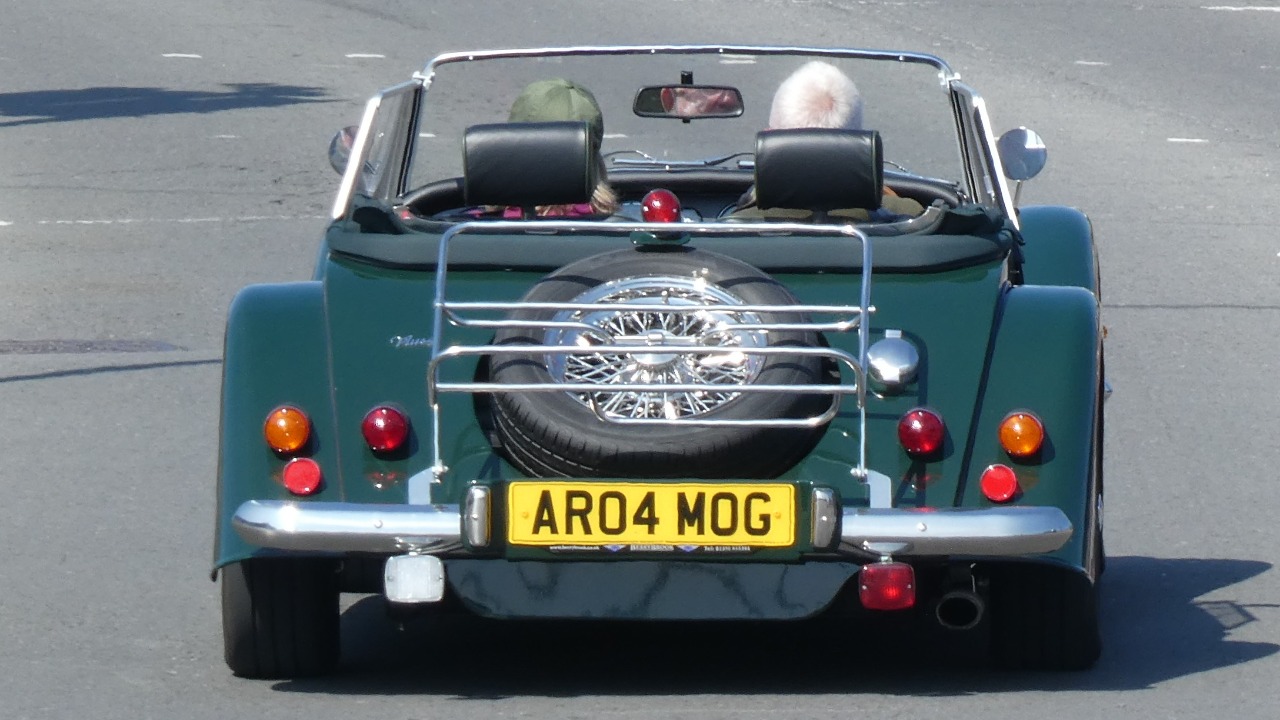
The Morgan Plus 4 is one of the clearest examples of Britain’s willingness to preserve an old-fashioned approach to sports cars. Its traditional proportions, rear-wheel-drive layout, and driver-focused character give it a feeling that is difficult to replicate with a modern car. Morgan deliberately retained much of the character that made its older cars distinctive rather than chasing mainstream trends. The result is a classic-looking sports car that has always appealed to enthusiasts who want something mechanical, personal, and fundamentally different from an ordinary modern performance car.
Sunbeam Alpine
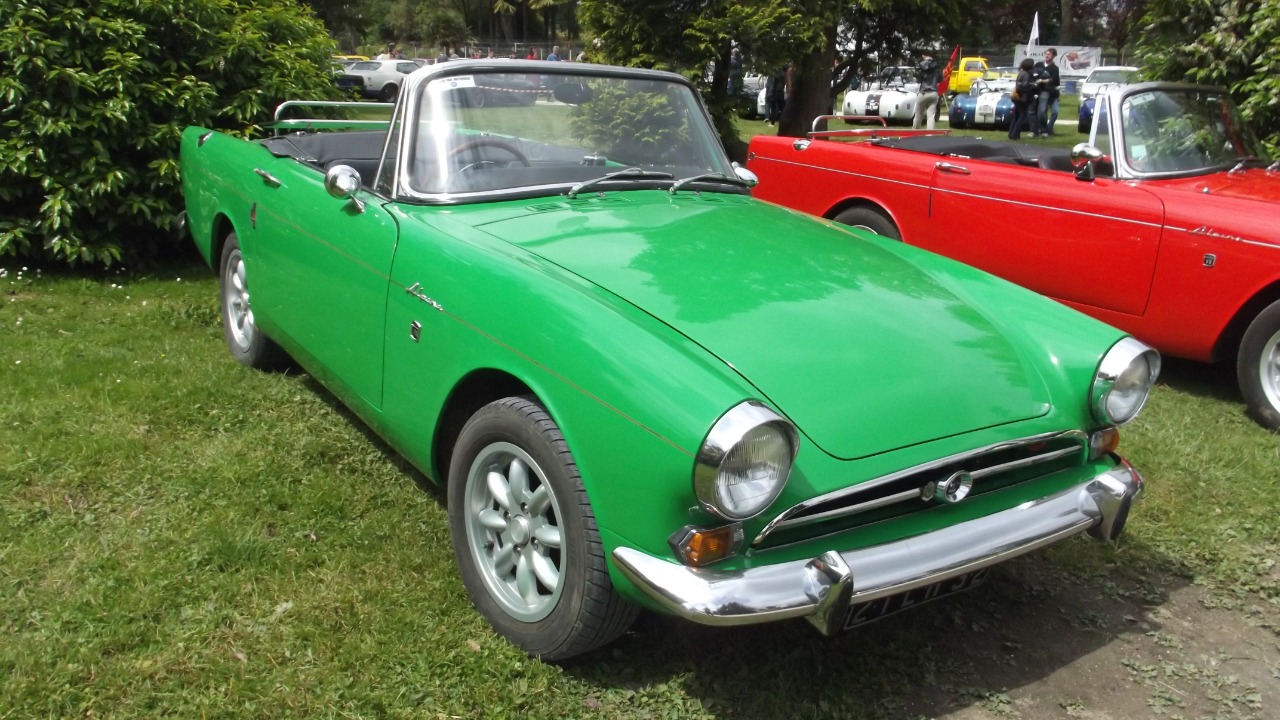
The Sunbeam Alpine combined British sports-car styling with a more practical approach to everyday driving. Its convertible body and compact dimensions made it enjoyable on winding roads, while the relatively comfortable cabin allowed it to work as more than a weekend toy. The Alpine also has an interesting performance connection because the platform eventually inspired the much more powerful Sunbeam Tiger. The standard Alpine itself remains appealing to drivers who enjoy classic British roadsters but want something slightly more relaxed and usable than some of the smaller MG and Triumph models.
TVR Griffith

The TVR Griffith represented a much more aggressive interpretation of British sports-car design. Its lightweight body and powerful engine created a combination that could deliver serious acceleration while maintaining the raw character associated with TVR. The car was not designed around the polished refinement of a luxury grand tourer. Instead, it focused on performance, low weight, and driver involvement. That uncompromising personality has helped the Griffith develop a devoted following. It remains one of the British classics that appeals most strongly to enthusiasts who want something genuinely wild.
AC Ace
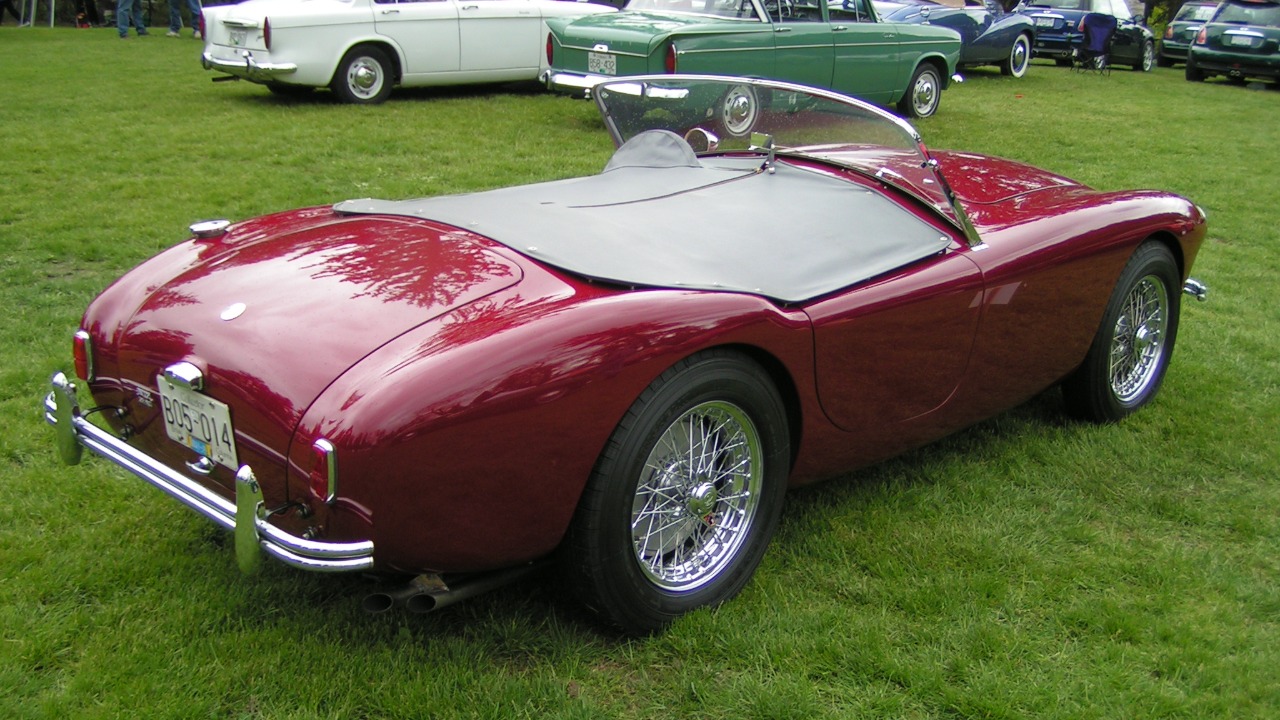
The AC Ace was an elegant lightweight sports car that became historically important for another reason: its chassis and body provided the foundation for the AC Cobra. Even without the later American V8, the Ace was already a capable British sports car, with lightweight construction and responsive handling. Its simple design allowed the driver to experience the road directly. The car is now highly collectible, but its importance goes beyond rarity. The Ace represents the traditional British sports-car philosophy that later helped create one of the world’s most famous performance hybrids.
Aston Martin DB5
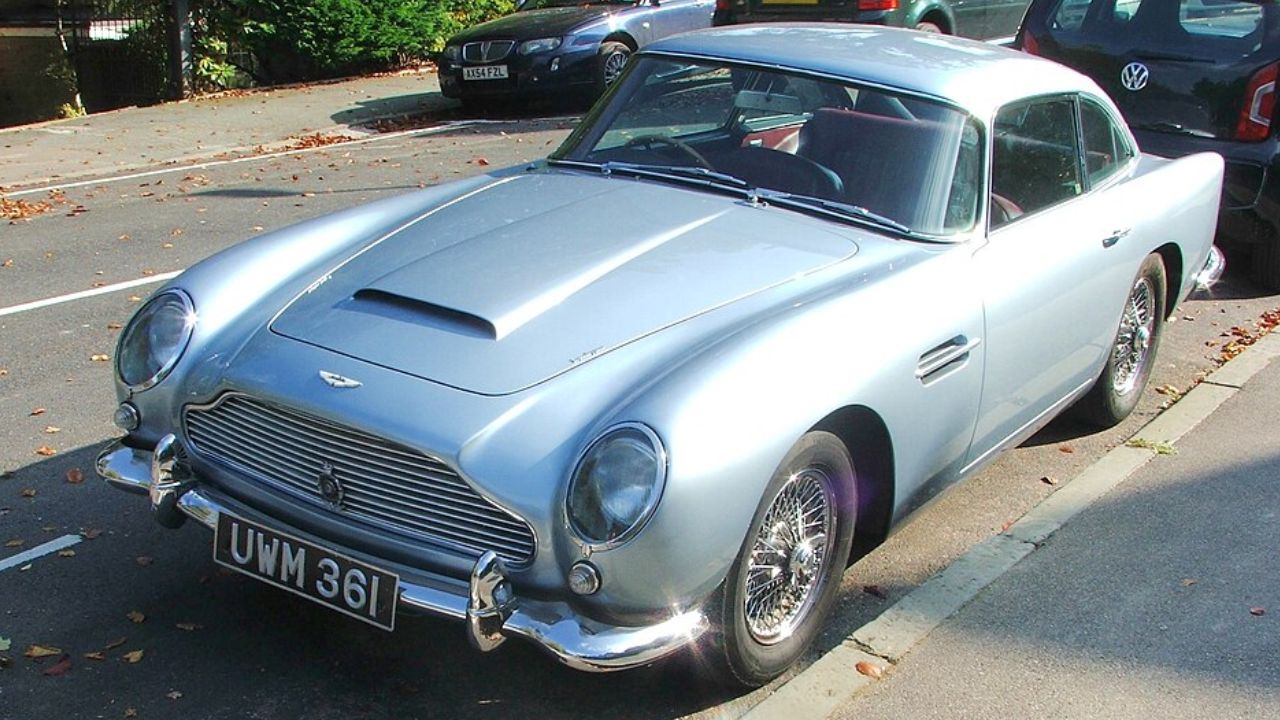
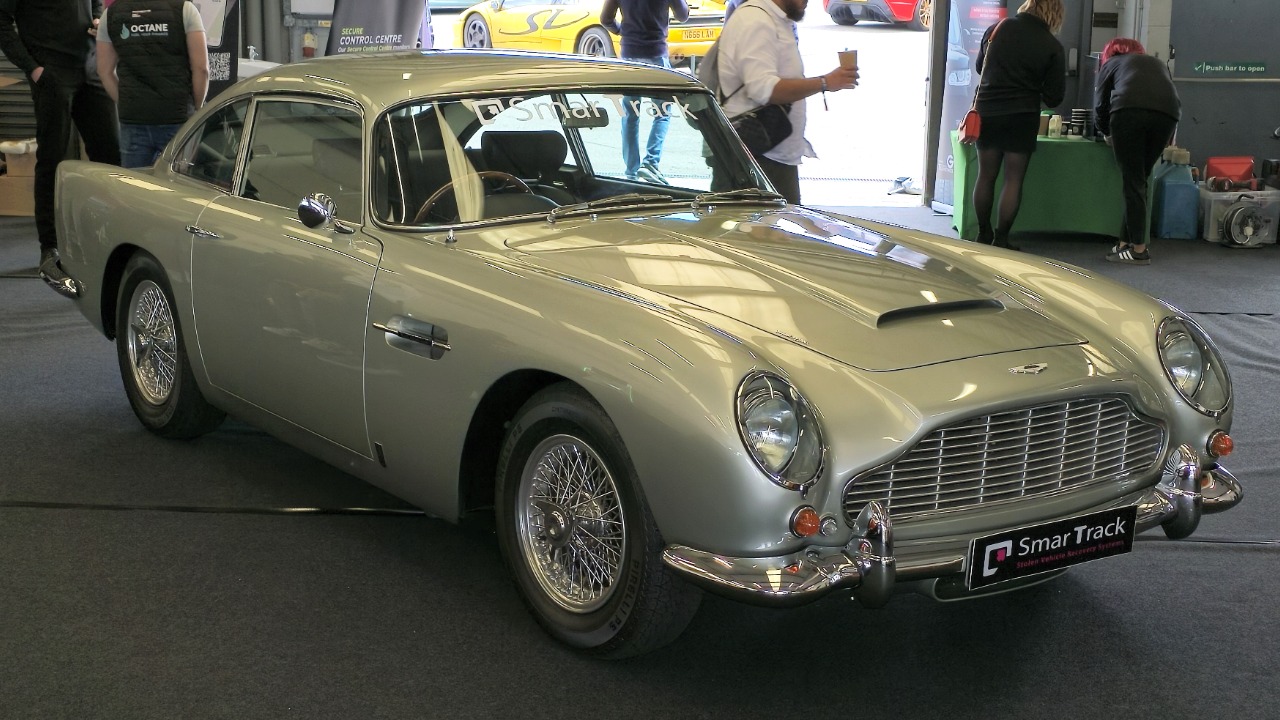
The Aston Martin DB5 brought British sports-car performance into the grand-touring world. Its elegant body, six-cylinder engine, rear-wheel drive, and luxurious interior created a car that could be driven quickly without sacrificing long-distance comfort. The DB5 became globally famous through its connection with James Bond, but enthusiasts appreciate it for much more than its movie appearances. Its balanced proportions and refined mechanical character made it one of Britain’s defining performance GTs. It remains an important example of how British manufacturers combined driving ability with genuine luxury.
Jensen Interceptor
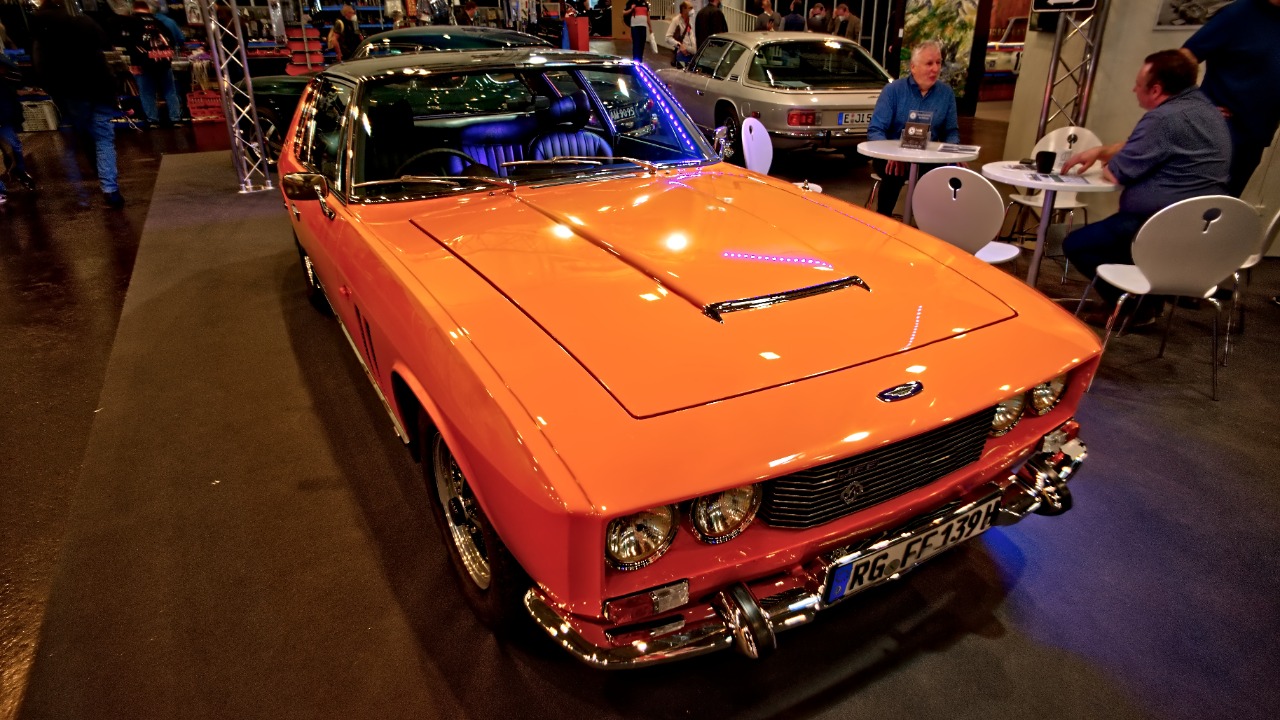
The Jensen Interceptor offered a very different take on British performance. Instead of a tiny roadster, it was a large grand tourer with a powerful American V8, rear-wheel drive, and a dramatic Italian-influenced body. That combination gave the Interceptor impressive straight-line performance while retaining the comfort needed for long-distance travel. Its unusual blend of British construction, Italian styling, and American power makes it one of the more distinctive classics from the period. Enthusiasts appreciate it precisely because it does not fit neatly into the usual British sports-car mold.
More from Fast Lane Only
- Unboxing the WWII Jeep in a Crate
- 15 rare Chevys collectors are quietly buying
- 10 underrated V8s still worth hunting down
- Police notice this before you even roll window down
*Research for this article included AI assistance, with all final content reviewed by human editors.