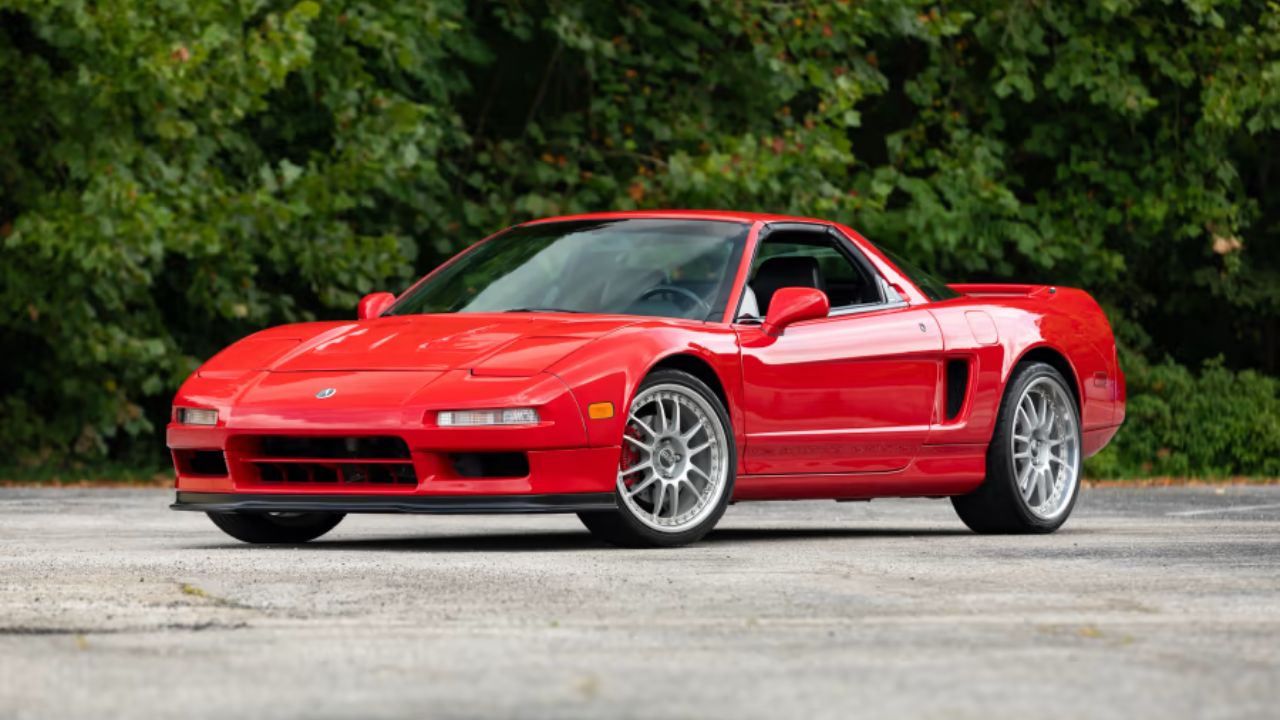
JDM cars have earned a legendary status for their blend of performance, innovation, and distinct design. These machines weren’t just made to be fast—they were crafted to change the way we think about driving. From turbocharged powerplants to advanced suspension setups, each car on this list played a crucial role in shaping the performance car landscape.
If you’re a fan of the racing spirit and precision engineering that JDM cars are known for, then these five legends need no introduction. Let’s dive into the cars that not only changed the game but continue to make an impact.
Nissan Skyline GT-R R32
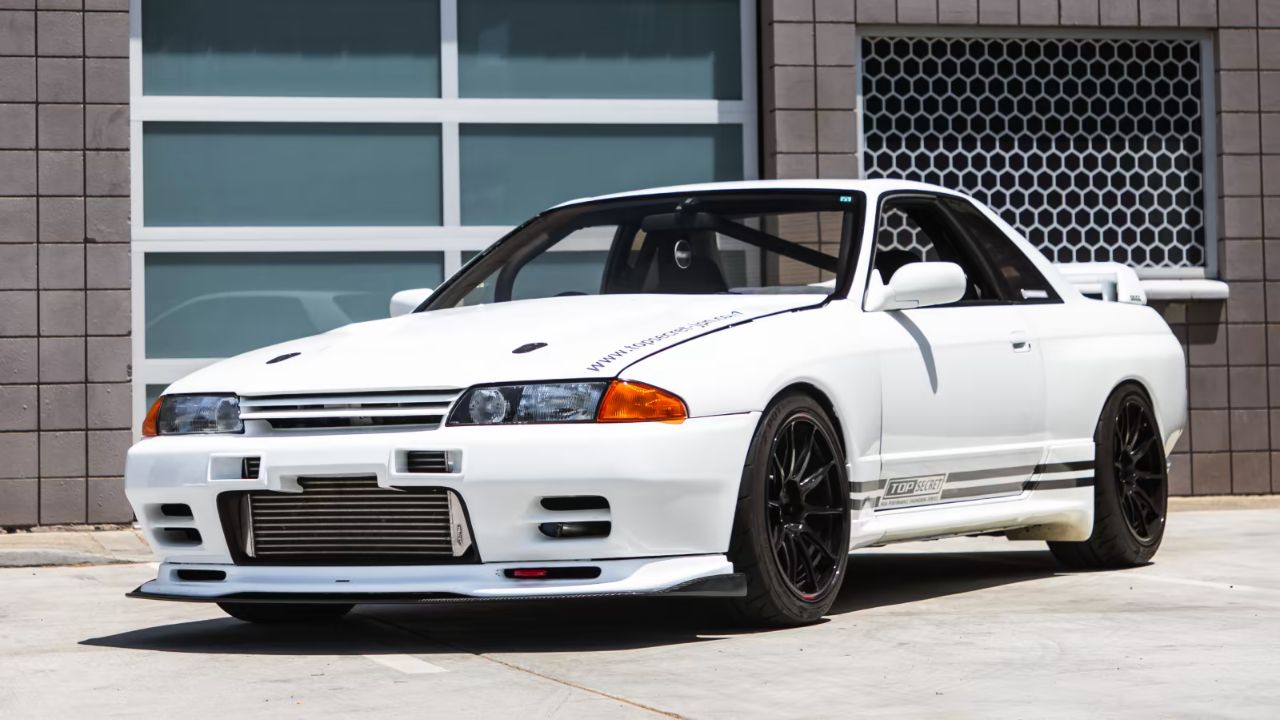
The Nissan Skyline GT-R R32, known as the “Godzilla” of the car world, redefined the performance car landscape when it was introduced in 1989. With a 2.6L twin-turbocharged RB26DETT engine producing around 280 horsepower, it became an immediate force on both the street and the track.
The advanced ATTESA all-wheel-drive system and active LSD made it a cornering machine, while the multi-link suspension ensured excellent handling dynamics. Inside, the R32 featured a no-frills cockpit focused on driving performance, and it’s still revered by JDM enthusiasts today.
Toyota Supra MK4 (A80)
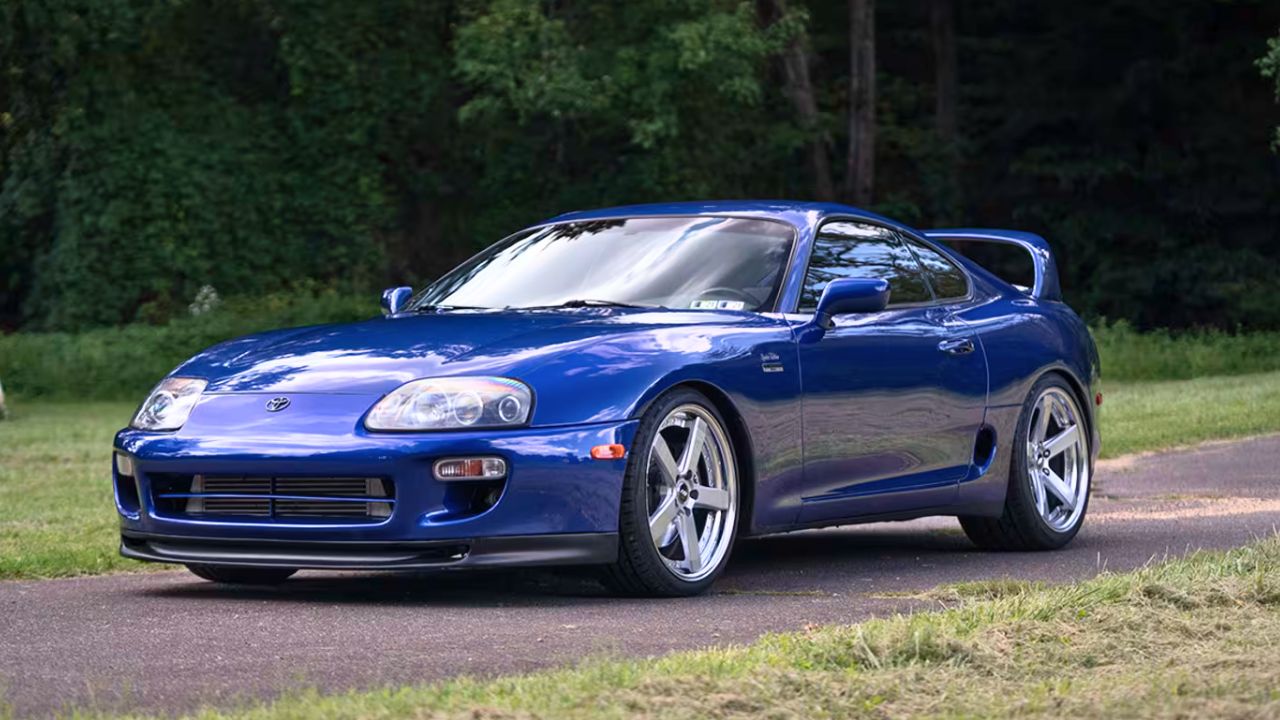
The Toyota Supra MK4 is one of the most iconic JDM cars to ever leave a mark on the global stage. Powered by the legendary 2JZ-GTE engine, this 3.0L inline-six twin-turbo motor could churn out 276 horsepower, with many easily reaching much higher output with minimal tuning. The Supra’s advanced suspension system combined with rear-wheel drive made it a joy to drive, offering remarkable balance and handling.
Inside, the Supra mixed comfort with sport, featuring a driver-centric layout that catered to both performance enthusiasts and those seeking a well-rounded sports car.
Mazda RX-7 (FD3S)

The Mazda RX-7 FD3S remains one of the most revered rotary-engine cars in history. With its 1.3L twin-rotor Wankel engine producing about 276 horsepower, the RX-7’s lightweight chassis and rear-wheel drive layout made it a true driver’s car.
The multi-link suspension allowed for incredible agility, making it a favorite among enthusiasts on twisty mountain roads and racetracks. Its sharp, responsive handling, combined with a sleek exterior design and minimalist interior, made the RX-7 a standout in the JDM scene.
Subaru Impreza WRX STI (2004)
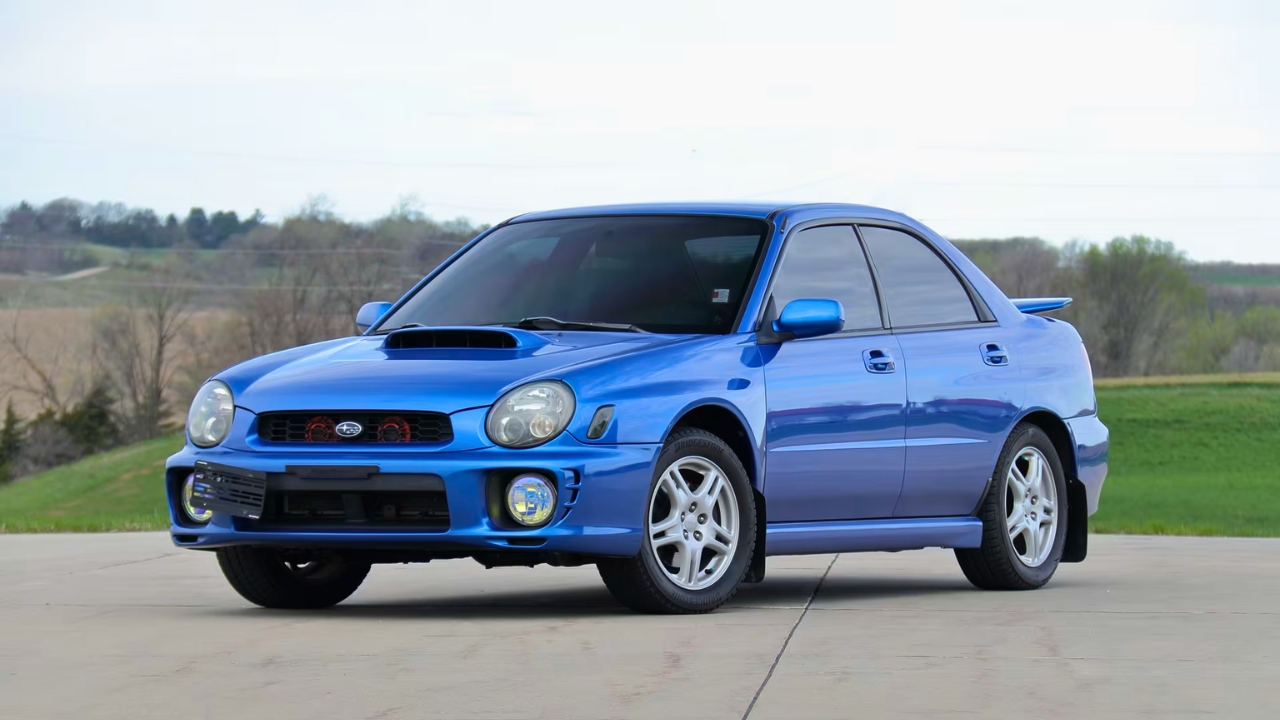
The 2004 Subaru Impreza WRX STI became an instant favorite among car enthusiasts due to its rally-inspired technology. Under the hood, a turbocharged 2.5L flat-four engine produced 300 horsepower, sending power to all four wheels via the symmetrical AWD system. This all-weather capability, combined with a Bilstein suspension setup, made the WRX STI incredibly fun on the street and track.
Inside, the interior was functional, with bolstered racing seats and a simple dashboard that focused on driving performance, making it a beloved car for driving purists.
Honda NSX (NA1)
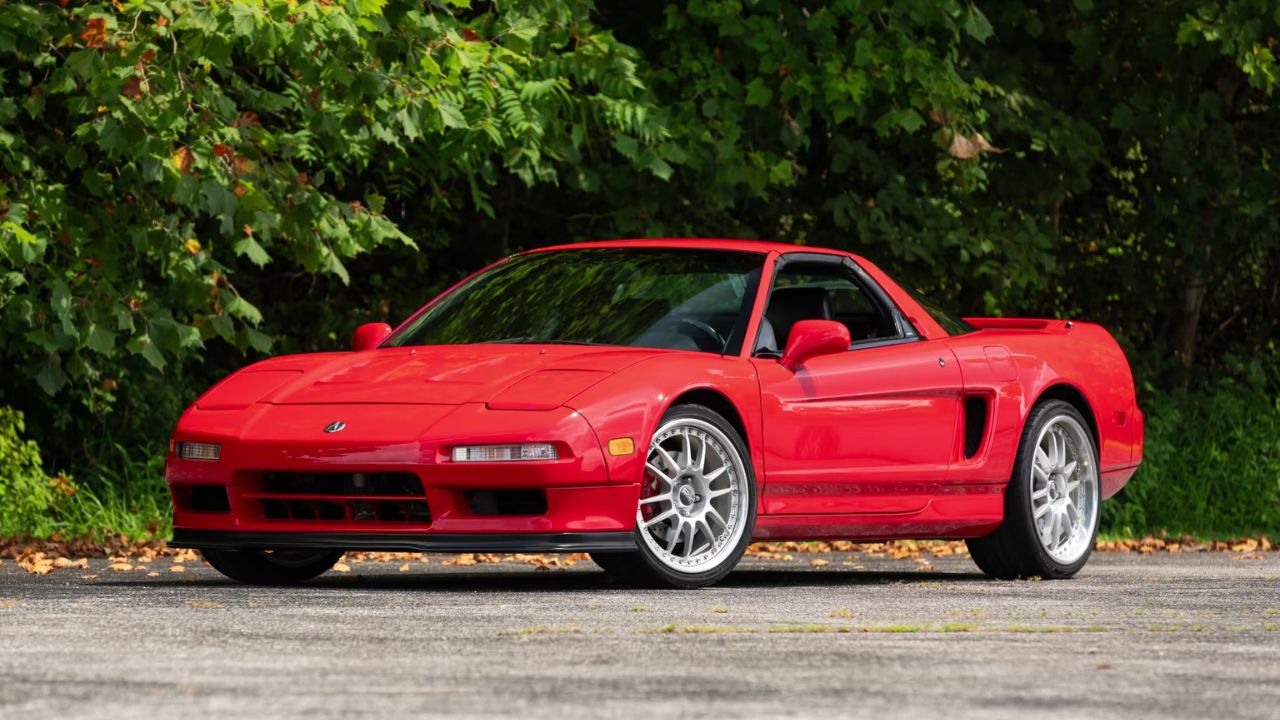
The original Honda NSX (NA1), introduced in 1990, was Japan’s answer to the world’s best supercars, and it didn’t disappoint. Powered by a 3.0L V6 engine, the NSX initially produced 270 horsepower, paired with rear-wheel drive and a lightweight aluminum body. The car’s suspension was tuned for a perfect balance between comfort and performance, offering exceptional handling.
Inside, the NSX’s cockpit was sleek yet practical, with a focus on ergonomics. With its razor-sharp handling and reliability, the NSX earned respect and still stands as one of the best-engineered JDM cars ever built.
Like what you read? Here’s more by us:
*Created with AI assistance and editor review.