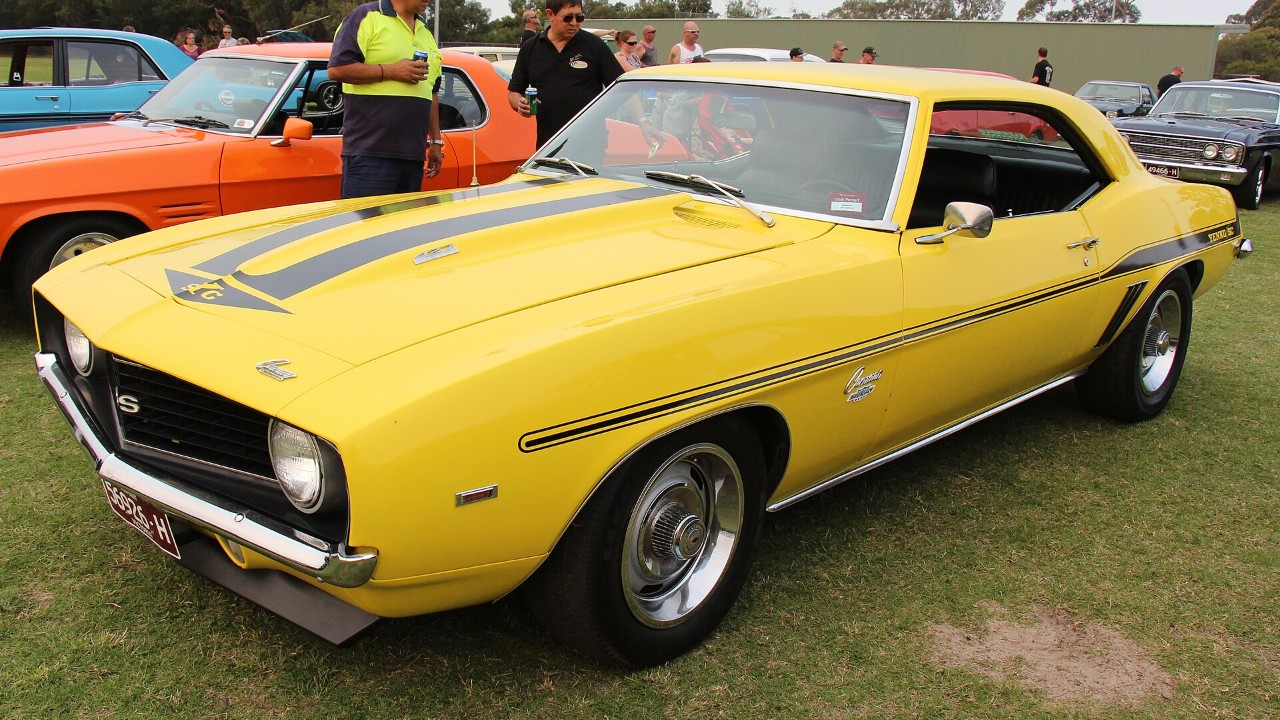
For enthusiasts and collectors, engines are much more than just mechanical parts; they are marvels of engineering with unique histories. While many focus on mainstream options, some engines stand out due to their unconventional designs and innovative concepts. Here, I delve into five oddball engines that are worth collecting today, each offering a piece of mechanical artistry and history.
Wankel Rotary Engine

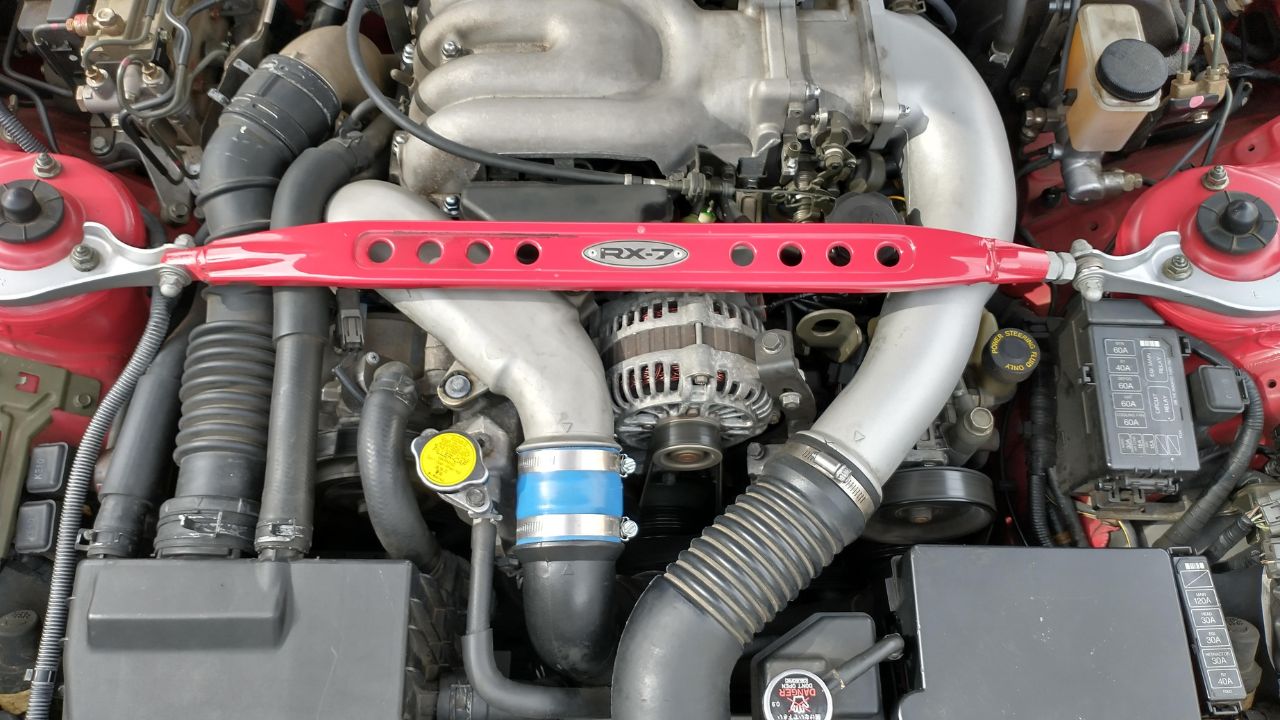
The Wankel rotary engine, often associated with Mazda, is a fascinating piece of engineering that defies the conventional piston engine design. Unlike traditional engines, the Wankel uses a rotor instead of pistons, which allows for a smoother and more compact engine. One of the most notable applications of this engine was in the Mazda RX-7 and RX-8 models, beloved by car enthusiasts for their high-revving nature and unique sound.
Despite its advantages, the Wankel engine faced challenges like fuel consumption and emissions, leading to its decline in mainstream use. However, its rarity and distinctive design make it a prized possession for collectors, representing a bold step in automotive innovation.
Napier Deltic Engine

The Napier Deltic engine is an engineering marvel, primarily used in military and marine applications. Its triangular configuration of three crankshafts and 18 cylinders is unlike any other engine design. This two-stroke diesel engine was famously used in British Rail’s Class 55 locomotives, known as the “Deltics,” and in various fast patrol boats.
The Deltic engine’s high power-to-weight ratio and reliability made it a favorite for high-speed applications. Though it requires specialized knowledge to maintain, owning a Deltic engine is like holding a piece of maritime and locomotive history.
Stirling Hot Air Engine
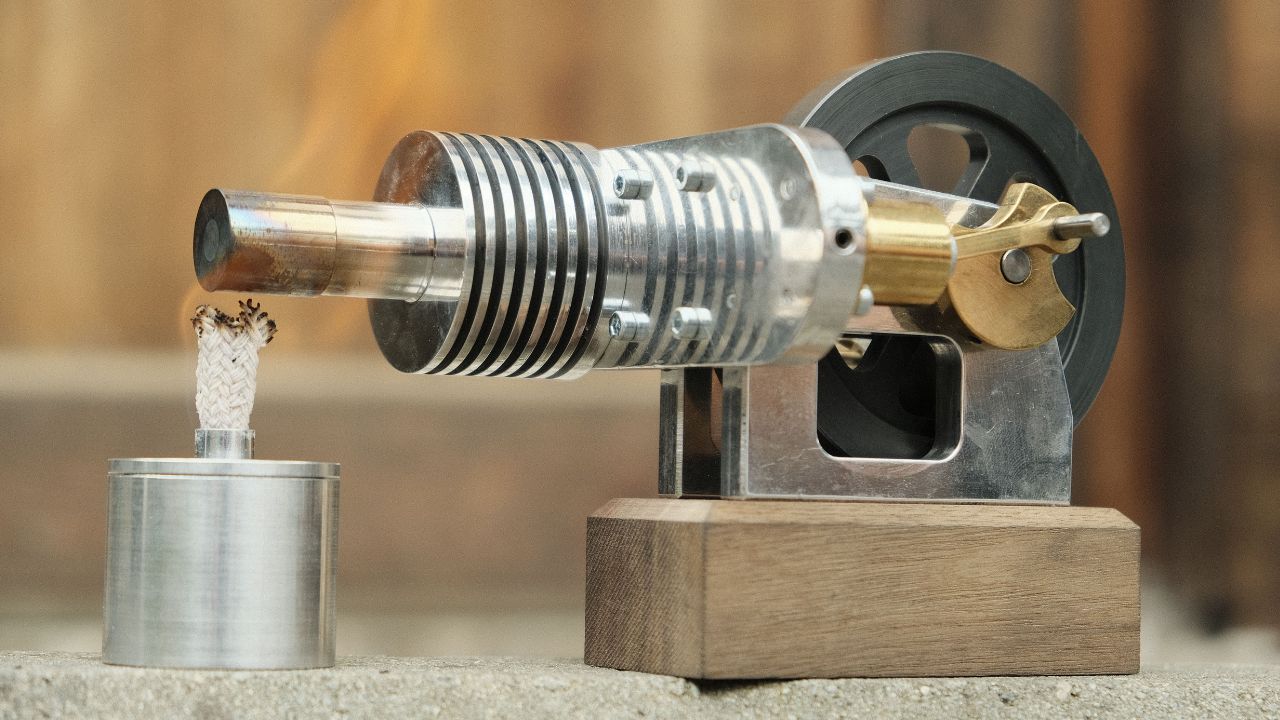
The Stirling hot air engine is a unique external combustion engine that operates on the Stirling cycle, using a fixed amount of gas sealed inside. This type of engine is known for its high efficiency and quiet operation. While it never gained widespread use for transportation, its applications in submarines and solar power technology are noteworthy.
Collectors value Stirling engines for their simplicity and the sustainable energy principles they embody. Models like the WhisperGen, used for home energy solutions, showcase the practical applications of this engine, making it a fascinating addition to any collection.
Sleeve Valve Engine
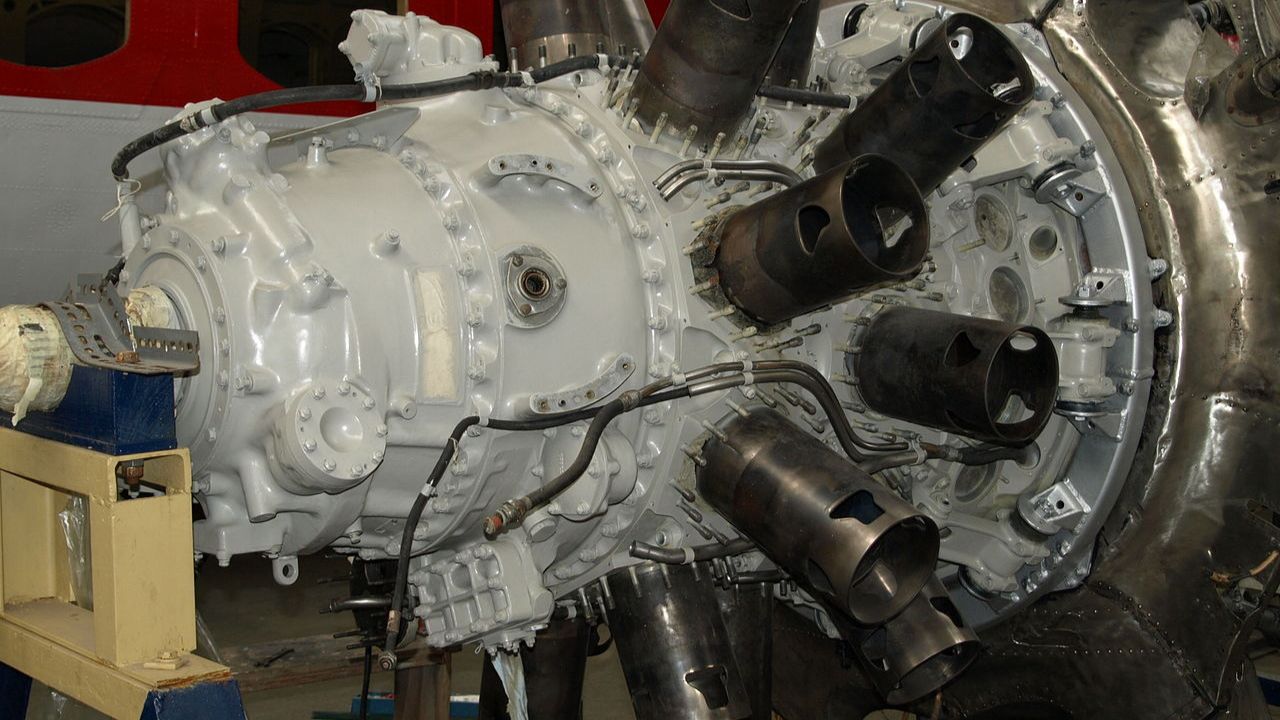
The sleeve valve engine is an intriguing alternative to the poppet valve engine, using a rotating or sliding sleeve to control the engine’s intake and exhaust. This design was popularized by luxury car manufacturers like Daimler and aircraft manufacturers like Bristol during the early to mid-20th century.
Though the technology was eventually overshadowed by more conventional engines, the sleeve valve’s promise of quieter operation and improved airflow keeps it in the spotlight for collectors. Engines like the Bristol Hercules and the Daimler Double-Six are examples that highlight the capabilities of this innovative approach.
Turboshaft Engine

The turboshaft engine, a type of gas turbine engine, is primarily used in helicopters and certain power generation applications. Its ability to deliver power with minimal weight makes it ideal for aviation, with notable examples like the Pratt & Whitney PT6 engine, which powers aircraft such as the de Havilland Canada DHC-6 Twin Otter.
Collectors interested in aviation history find turboshaft engines particularly appealing due to their advanced technology and key role in modern helicopter design. Though complex, these engines represent the pinnacle of lightweight power delivery in aviation.
Like Fast Lane Only’s content? Be sure to follow us.
Here’s more from us:
*Created with AI assistance and editor review.