Classic muscle cars are often remembered for their roaring engines and sleek designs. One distinctive feature that stands out is the vinyl roof, a popular option during the golden era of muscle cars. The vinyl roof was more than just a fashion statement; it served both practical and aesthetic purposes that resonated with car enthusiasts and consumers alike.
The Rise of the Vinyl Roof in Muscle Cars
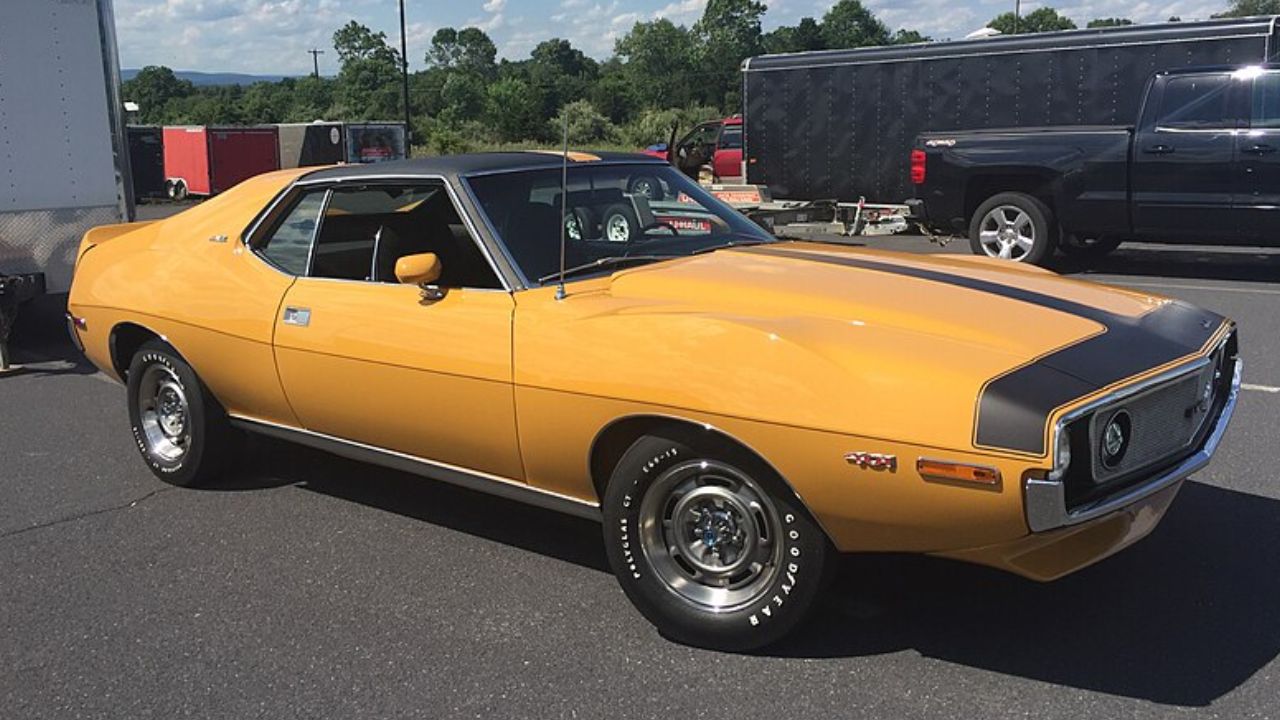
The 1960s and 1970s marked a period of bold design choices across the automotive industry, and the vinyl roof became a hallmark of that era. It was a time when American car manufacturers were experimenting with new styles to capture the imagination of consumers looking for something fresh and exciting. The vinyl roof fit perfectly into this context, offering a distinctive appearance that complemented the muscular stance of these cars. This trend wasn’t limited to muscle cars alone; it mirrored broader design trends seen across various car types, including sedans and luxury vehicles.
Luxury brands like Cadillac and Lincoln were instrumental in championing the vinyl roof’s popularity. These brands used vinyl to emulate the appearance of convertible tops, offering a more affordable way to achieve a luxurious look without the complexity of an actual convertible mechanism. As these high-end brands embraced the vinyl roof, mainstream manufacturers quickly followed suit. Muscle cars like the Pontiac GTO and Ford Mustang soon featured vinyl roofs, borrowing the luxury look but maintaining their aggressive performance roots. This blending of luxury aesthetics with muscle car power made vinyl roofs a popular choice during this vibrant period in automotive design.
Practical Benefits of Vinyl Roofs
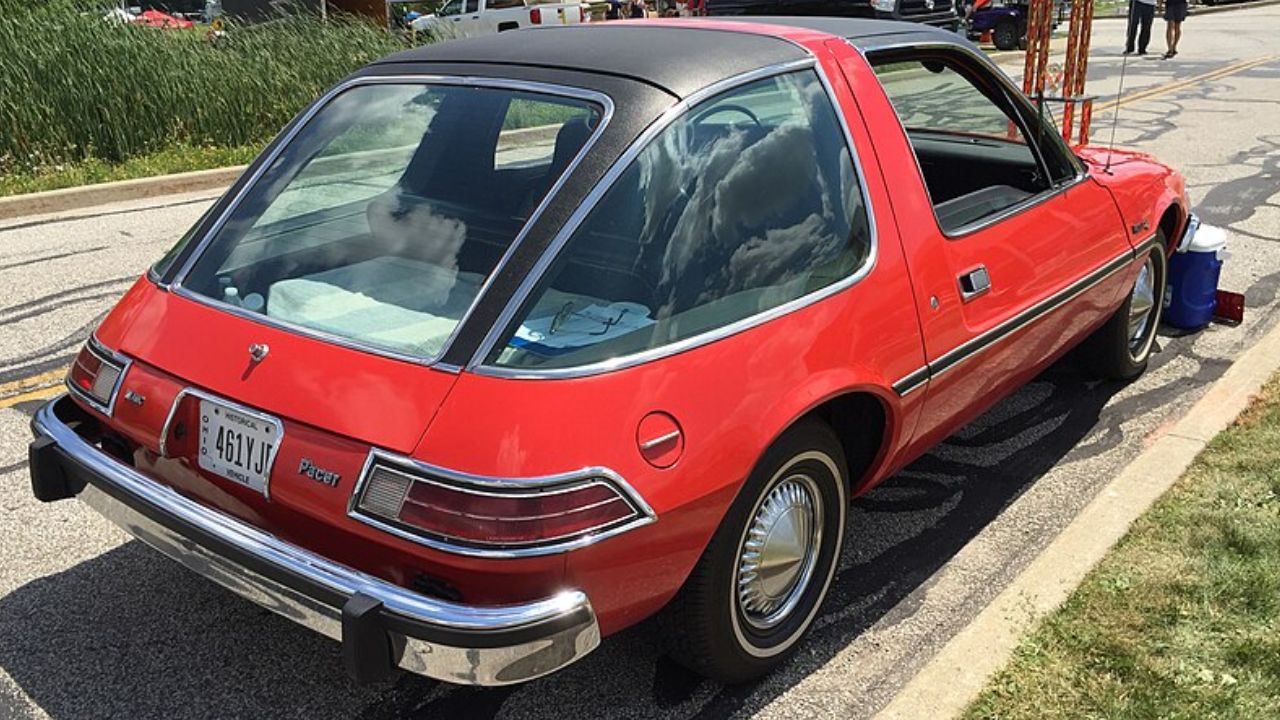
One of the key reasons for the widespread adoption of vinyl roofs was their cost-effectiveness. Compared to other roof treatments, vinyl was relatively inexpensive to produce and install. This made it an attractive option for manufacturers looking to offer a variety of stylistic features without significantly increasing production costs. For consumers, the vinyl roof offered a sophisticated look without the premium price tag associated with other luxury features. This affordability helped vinyl roofs become a common sight on muscle cars of the era.
In addition to cost benefits, vinyl roofs also served a practical purpose in concealing imperfections. During the manufacturing process, inconsistencies in the metalwork of a car’s roof could occur, especially on less expensive models. Vinyl provided an ideal solution by covering these flaws with a sleek and attractive material. This not only enhanced the car’s appearance but also contributed to a more uniform and polished look. For many car buyers, the vinyl roof added an element of refinement that might otherwise have been absent from their chosen vehicle.
Aesthetic Appeal and Customization
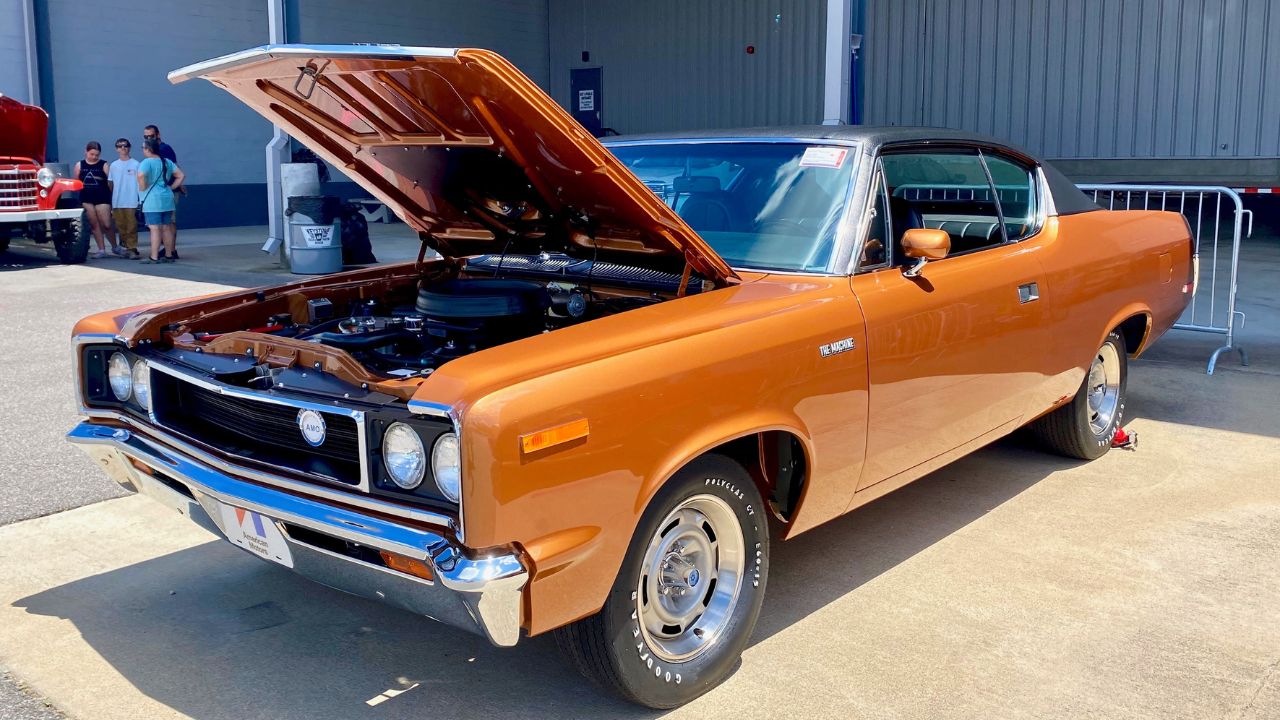
Beyond practicality, the aesthetic appeal of vinyl roofs played a significant role in their popularity. The two-tone effect created by a contrasting vinyl roof could dramatically enhance the visual appeal of a muscle car. For instance, a black vinyl roof on a brightly colored Dodge Charger or Chevrolet Camaro provided a striking contrast that emphasized the car’s bold lines and aggressive stance. Many buyers were drawn to this added visual flair, which set their vehicles apart from others on the road.
Customization options further fueled the appeal of vinyl roofs. Consumers had a wide array of colors and textures to choose from, allowing them to personalize their vehicles to match their individual tastes. This level of customization was particularly attractive to muscle car enthusiasts, who often sought ways to make their cars unique reflections of their personality. Whether opting for a smooth finish or a more textured look, the vinyl roof offered a canvas for personal expression that resonated with buyers across the country.
Decline and Legacy of Vinyl Roofs
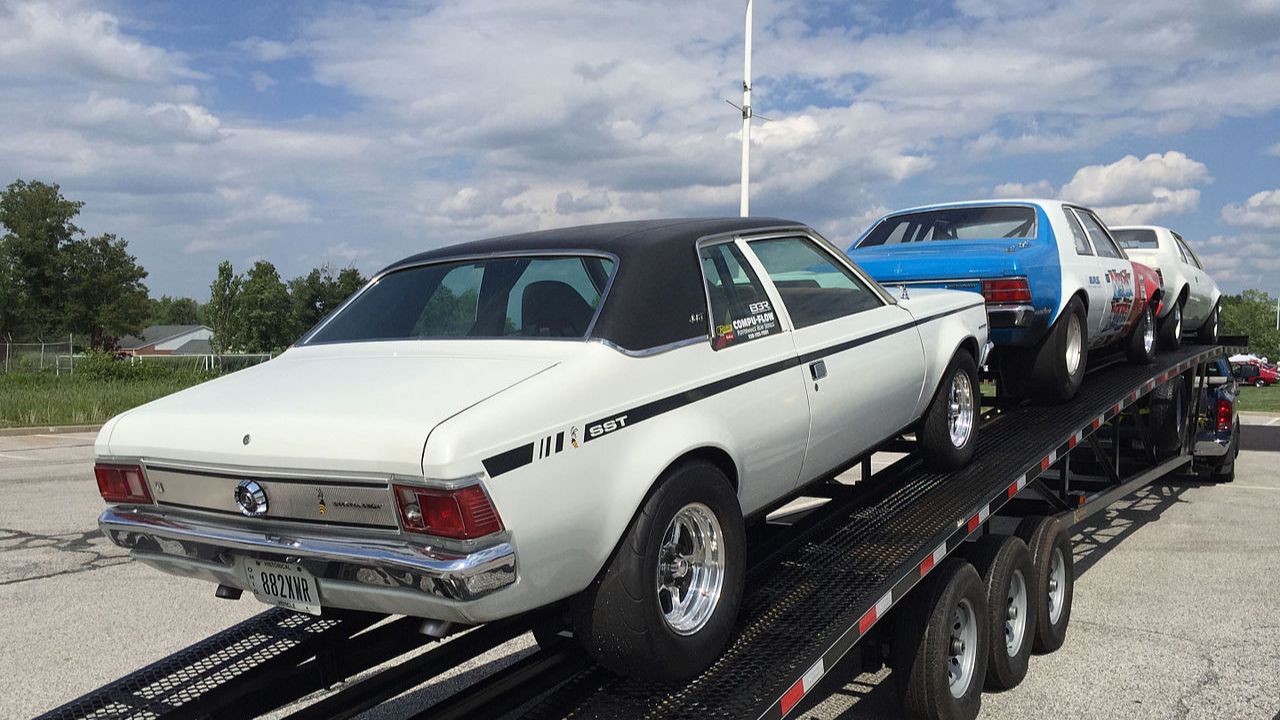
As the 1970s drew to a close, the popularity of vinyl roofs began to wane. Changes in consumer preferences played a significant role in this shift. The rise of more modern and streamlined automotive designs in the 1980s made the vinyl roof seem dated to many consumers. Advances in painting and finishing techniques also allowed manufacturers to achieve high-quality finishes without the need for a vinyl overlay. These developments, coupled with evolving tastes, contributed to the decline of the vinyl roof as a common feature in new car designs.
Despite their decline, vinyl roofs continue to hold a special place in classic car culture. They are emblematic of a specific period in automotive history, representing both the innovation and stylistic choices of the time. Many classic car enthusiasts cherish vinyl roofs for their cultural and historical significance, often seeking to restore them to their original glory. The vinyl roof remains a symbol of an era when cars were not just modes of transportation but also expressions of style and identity.
Modern Perceptions and Restoration
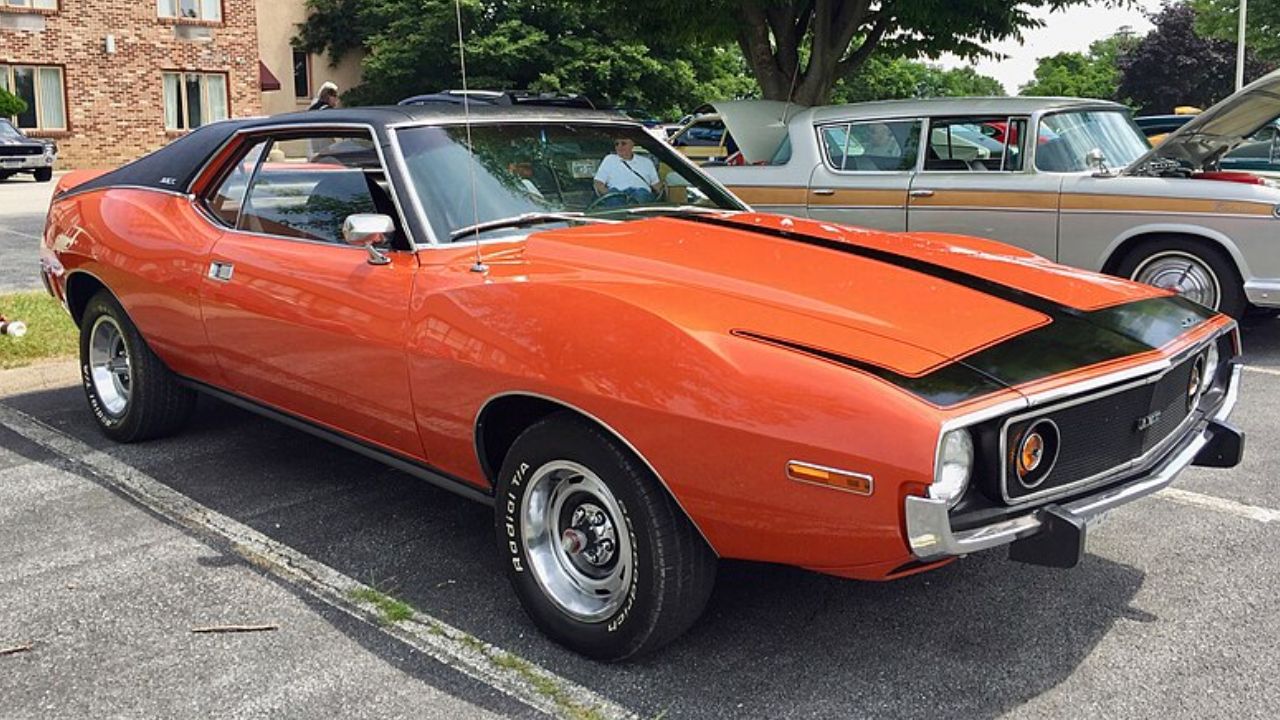
Today, the restoration of classic muscle cars with authentic vinyl roofs is a passion for many car enthusiasts. Restorers often go to great lengths to source period-correct materials and colors to ensure their vehicles remain true to their original specifications. This dedication highlights the enduring appeal of vinyl roofs and their importance in preserving automotive history. Enthusiasts often gather on forums and at car shows to share tips and stories about their restoration projects, celebrating the craftsmanship and attention to detail required to bring these classic vehicles back to life.
In contemporary car design, vinyl roofs are largely absent, a relic of a bygone era. However, some designers and consumers still appreciate the nostalgic charm they offer. While modern vehicles rarely feature vinyl roofs, there are instances where manufacturers use similar concepts to evoke a retro aesthetic. Today’s car designers may draw inspiration from the past, incorporating elements that pay homage to the golden age of muscle cars. Despite their limited presence in new vehicles, vinyl roofs continue to be celebrated by those who value the rich history and unique style they represent.
Like Fast Lane Only’s content? Be sure to follow us.
Here’s more from us:
*Created with AI assistance and editor review.