Exotic cars are often born from bold engineering ambition, but innovation alone doesn’t guarantee success. Over the years, several manufacturers created technically brilliant vehicles that pushed the limits of design and performance, only to watch them struggle in the marketplace. This article looks at six exotic cars that were engineering marvels—yet ultimately sales disasters.
DeLorean DMC-12
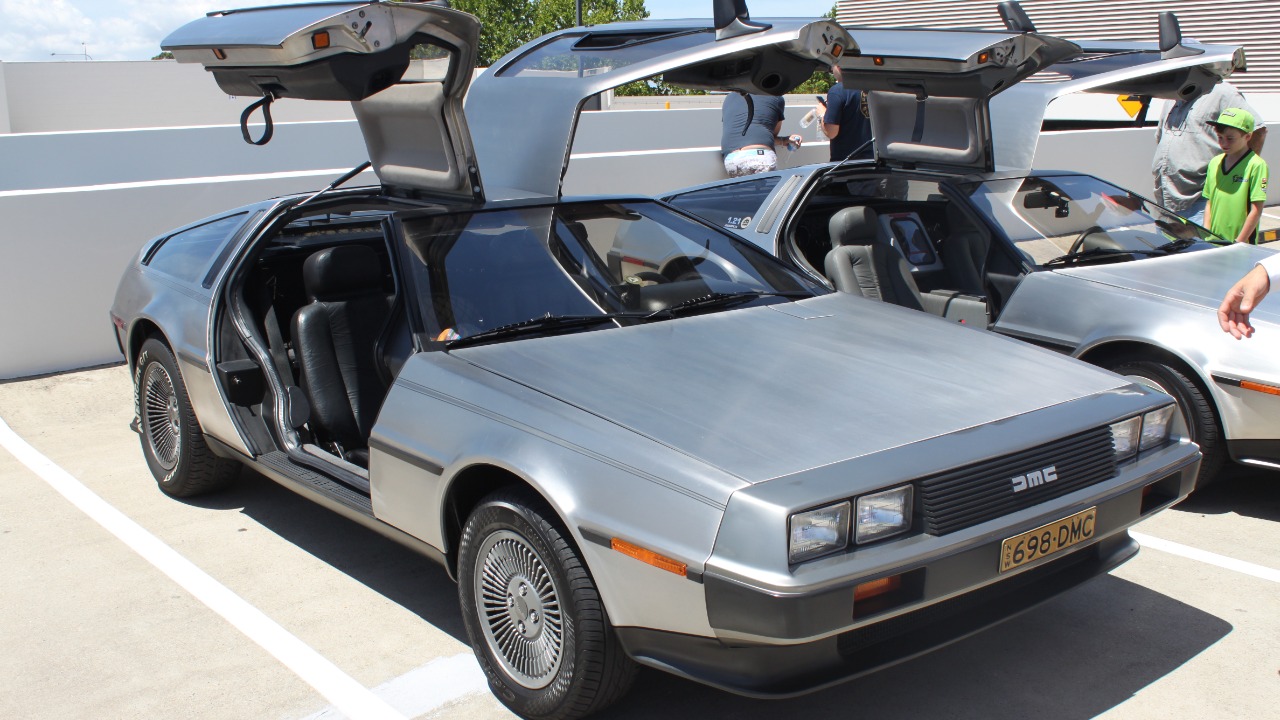
The DeLorean DMC-12 is perhaps best known for its role as a time-traveling machine in the “Back to the Future” movie trilogy. Designed by John DeLorean, this car featured a stainless steel body and iconic gull-wing doors. Despite its futuristic look and innovative design, the DMC-12 struggled with performance issues and high production costs.
Launched in the early 1980s, the DeLorean faced production delays and financial troubles, leading to the company’s bankruptcy by 1982. The car’s limited production and unique design have since made it a collector’s item, but it never achieved commercial success during its brief production run.
Tucker 48
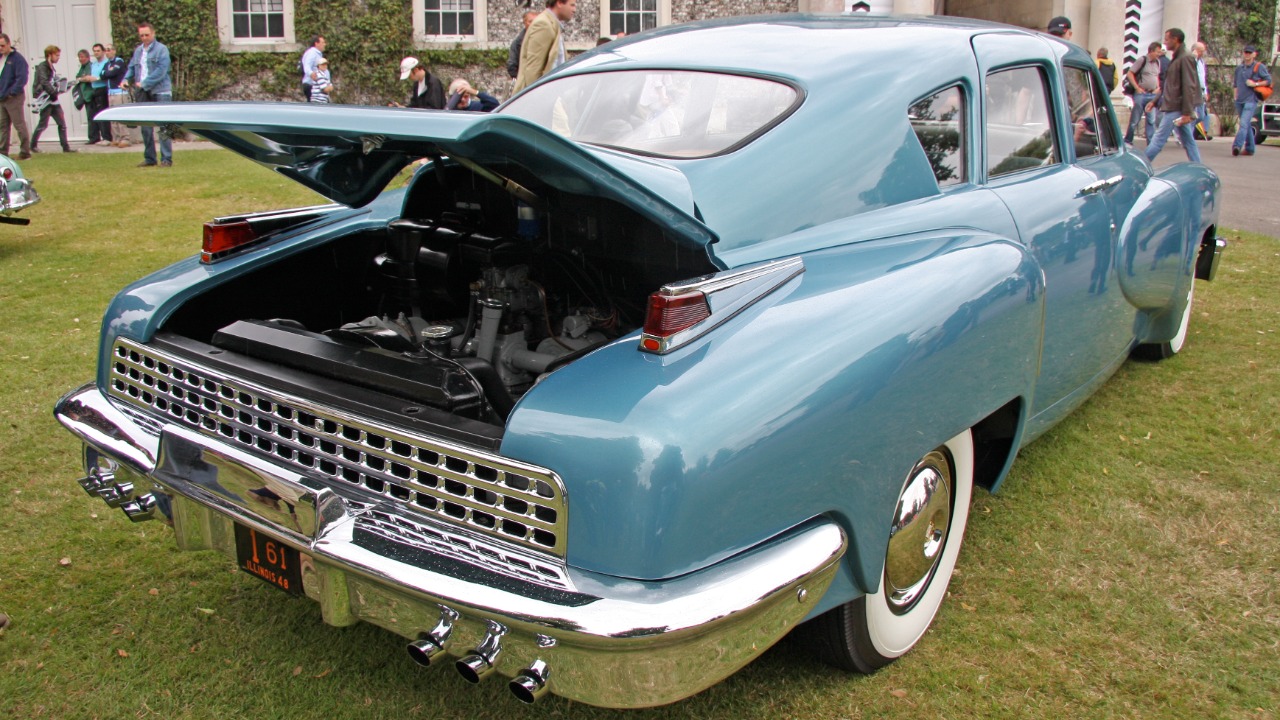
The Tucker 48, also known as the “Tucker Torpedo,” was the brainchild of Preston Tucker, aiming to revolutionize the automotive industry with its advanced features. Introduced in 1948, it boasted innovations like a rear-engine layout, a directional third headlight, and safety features that were way ahead of its time.
Despite its promising start, legal and financial challenges plagued the project. Only 51 units were produced before Tucker’s company folded, largely due to negative press and a Securities and Exchange Commission investigation. Today, the Tucker 48 is a rare and valuable collector’s item.
Vector W8
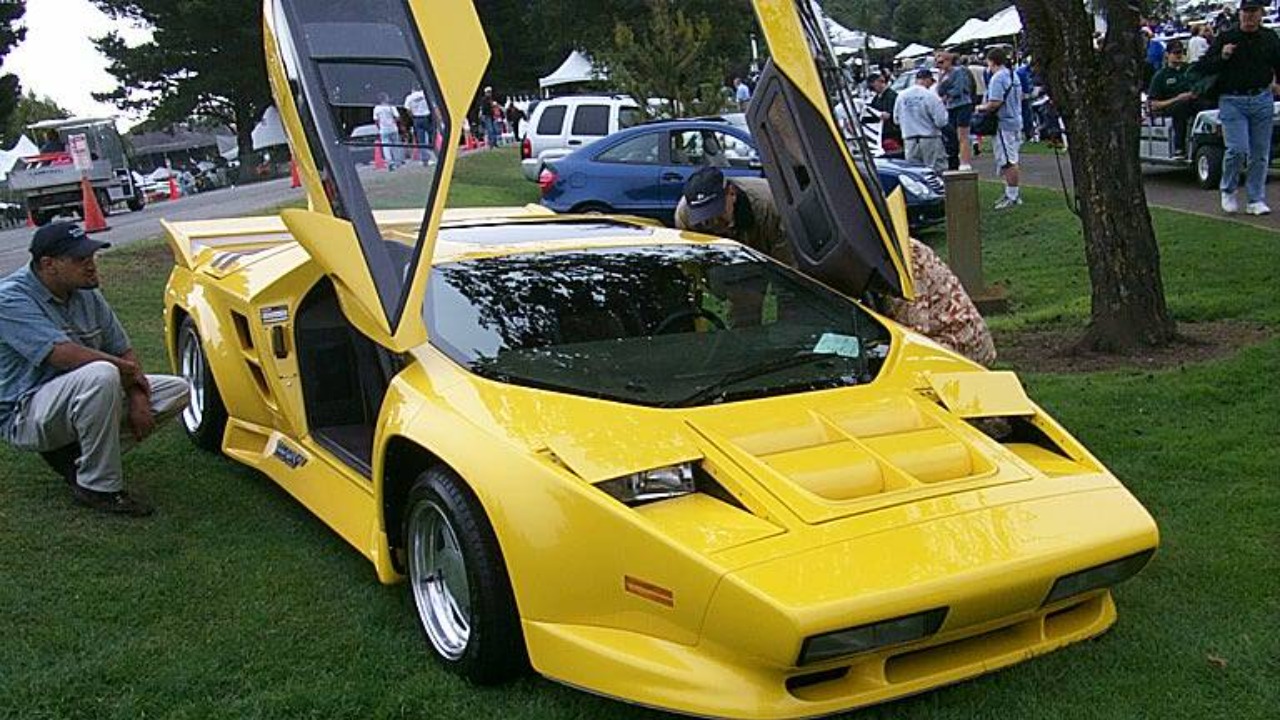
The Vector W8 was a supercar produced by Vector Aeromotive Corporation in the late 1980s and early 1990s. Known for its aerospace-inspired design and high performance, the W8 featured a twin-turbocharged V8 engine capable of exceeding 200 mph.
Despite its impressive specifications, the car’s exorbitant price and limited production—only 19 units were made—prevented it from achieving commercial success. The complexity of its design and the company’s financial instability led to its downfall, but the W8 remains a symbol of ambitious engineering.
Fisker Karma
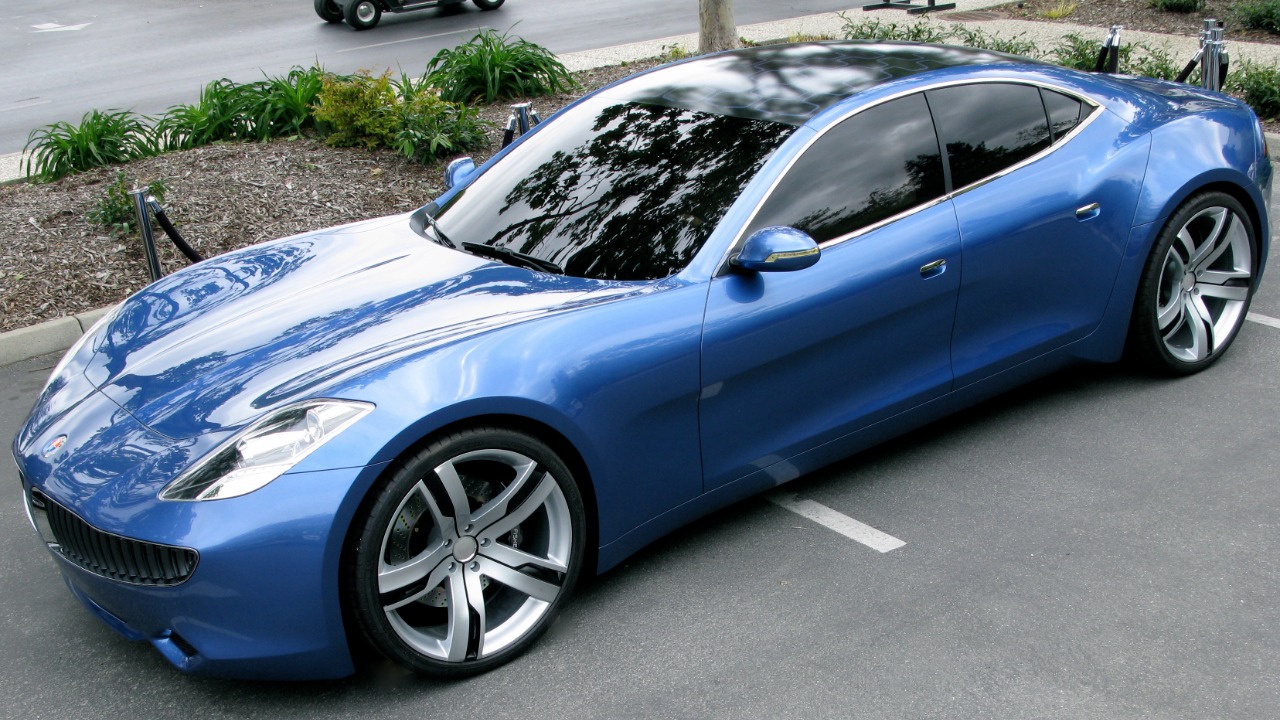
The Fisker Karma was an ambitious attempt to blend eco-friendly technology with luxury design. Launched in 2011, it was one of the first luxury plug-in hybrid electric vehicles, featuring a sleek design and a solar panel roof.
However, the Karma was plagued by reliability issues and production delays. Fisker Automotive faced financial difficulties and eventually declared bankruptcy in 2013. Despite its commercial failure, the Karma set the stage for future luxury hybrids and remains a notable effort in the evolution of electric vehicles.
Bricklin SV-1
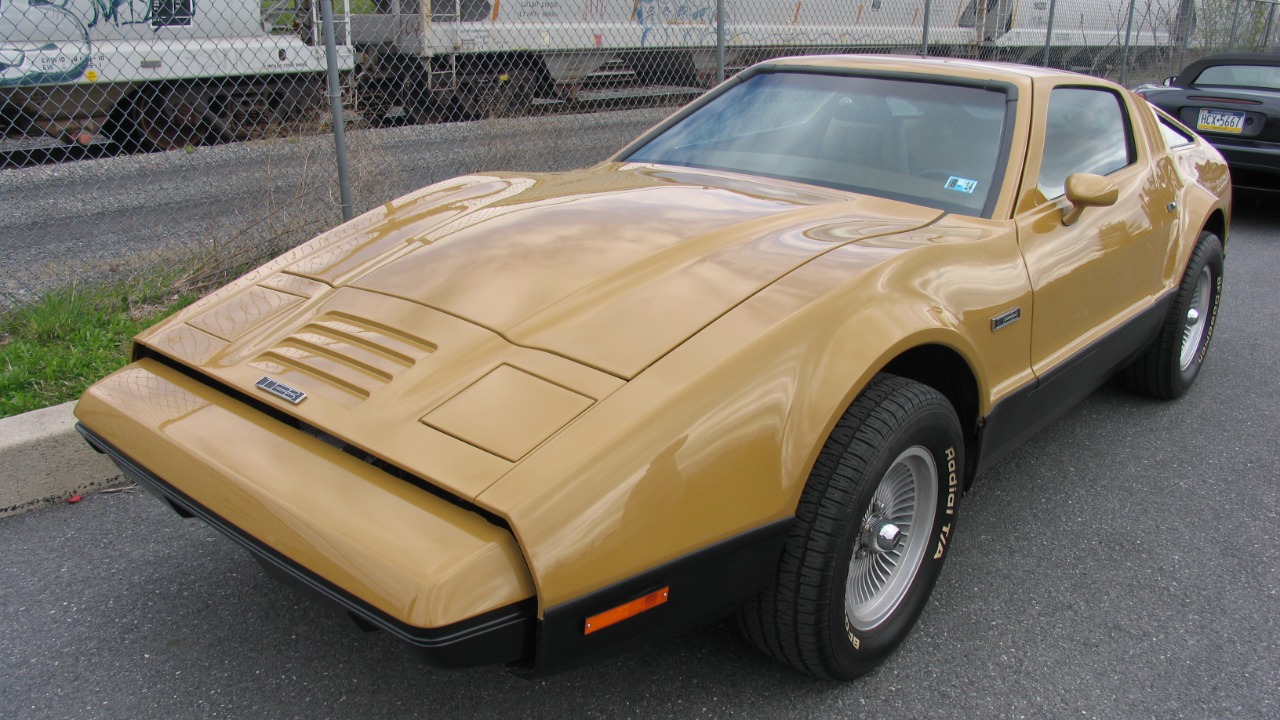
The Bricklin SV-1 was a Canadian-built sports car produced in the mid-1970s, designed by entrepreneur Malcolm Bricklin. The car featured innovative safety features, including an integrated roll cage and energy-absorbing bumpers, and was marketed as a “safety vehicle.”
Despite its forward-thinking approach, the SV-1 suffered from production quality issues and high costs. Only about 3,000 units were built before the company collapsed in 1976. The SV-1’s unique design and limited production have made it a curiosity among car enthusiasts.
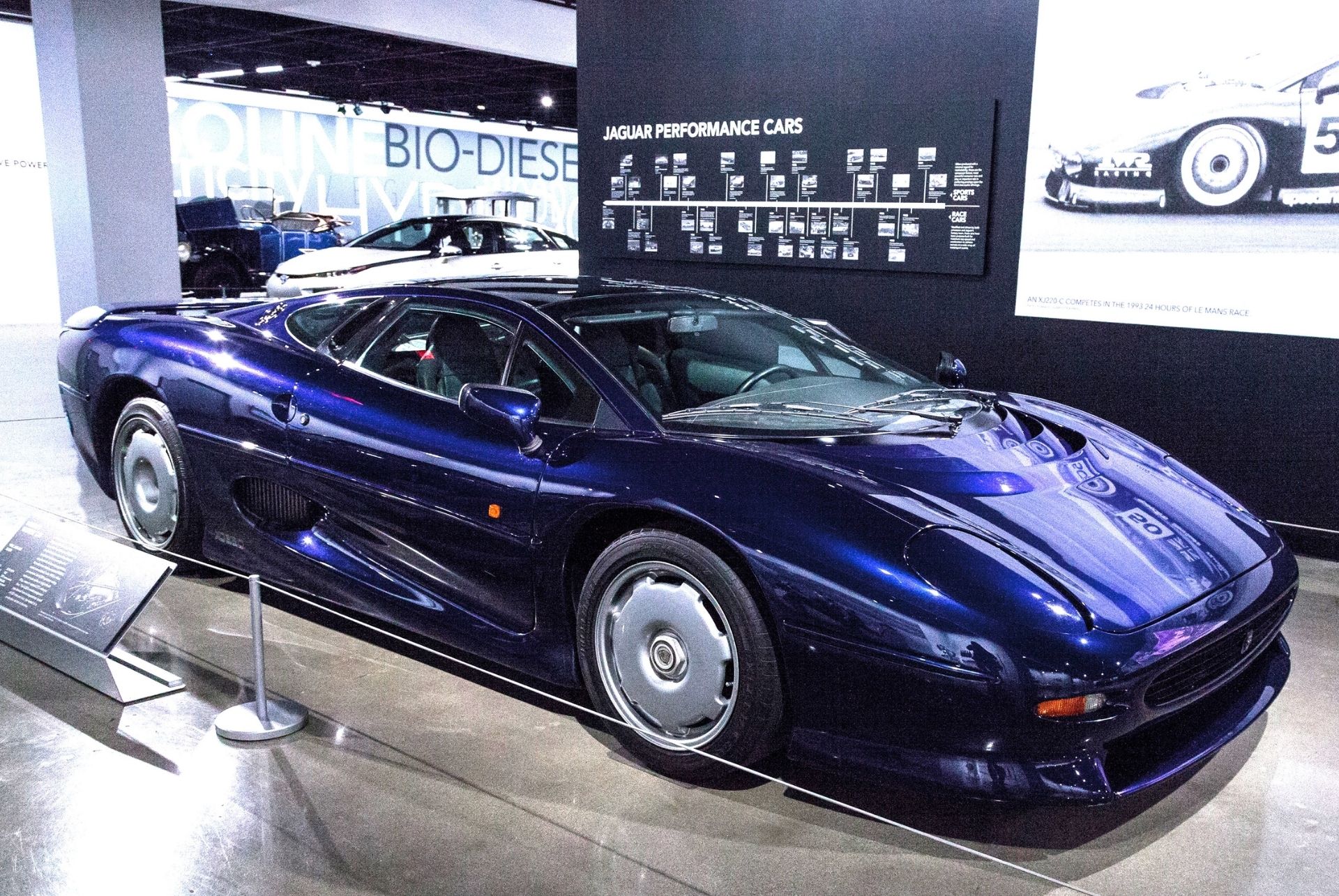
Jaguar XJ220
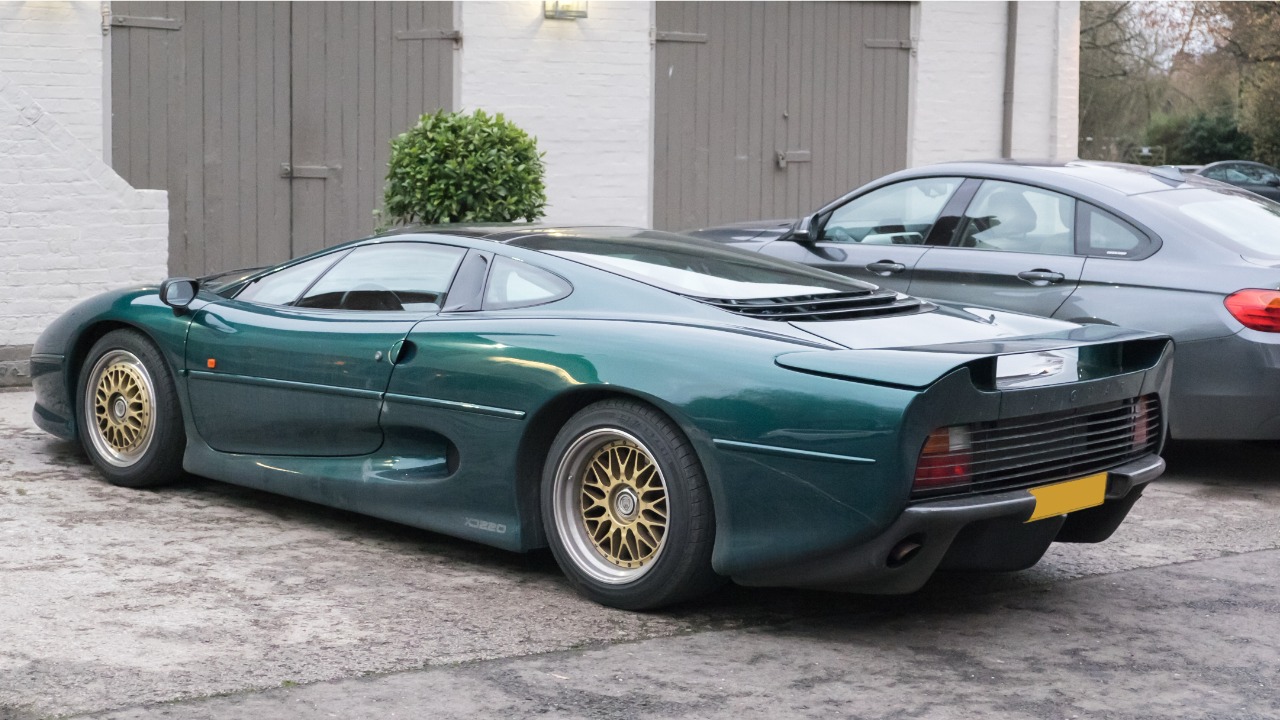
The Jaguar XJ220 was a British supercar that debuted in the early 1990s, originally promising a V12 engine and all-wheel drive. It ultimately launched with a twin-turbo V6 and rear-wheel drive, which disappointed many of the original buyers.
Despite being the fastest production car in the world at the time, with a top speed of 212 mph, the economic downturn and high price tag meant that only 275 cars were produced. The XJ220’s legacy is one of engineering excellence overshadowed by unmet expectations and market conditions.
More from Fast Lane Only: