Hybrid performance cars have come a long way from being considered mere fuel-saving alternatives. Today, they are redefining speed, power, and efficiency, turning even the most skeptical purists into admirers. Here is a list of eight hybrid performance cars that have made a significant impact, proving that hybrid technology can coexist with high performance.
Porsche 918 Spyder
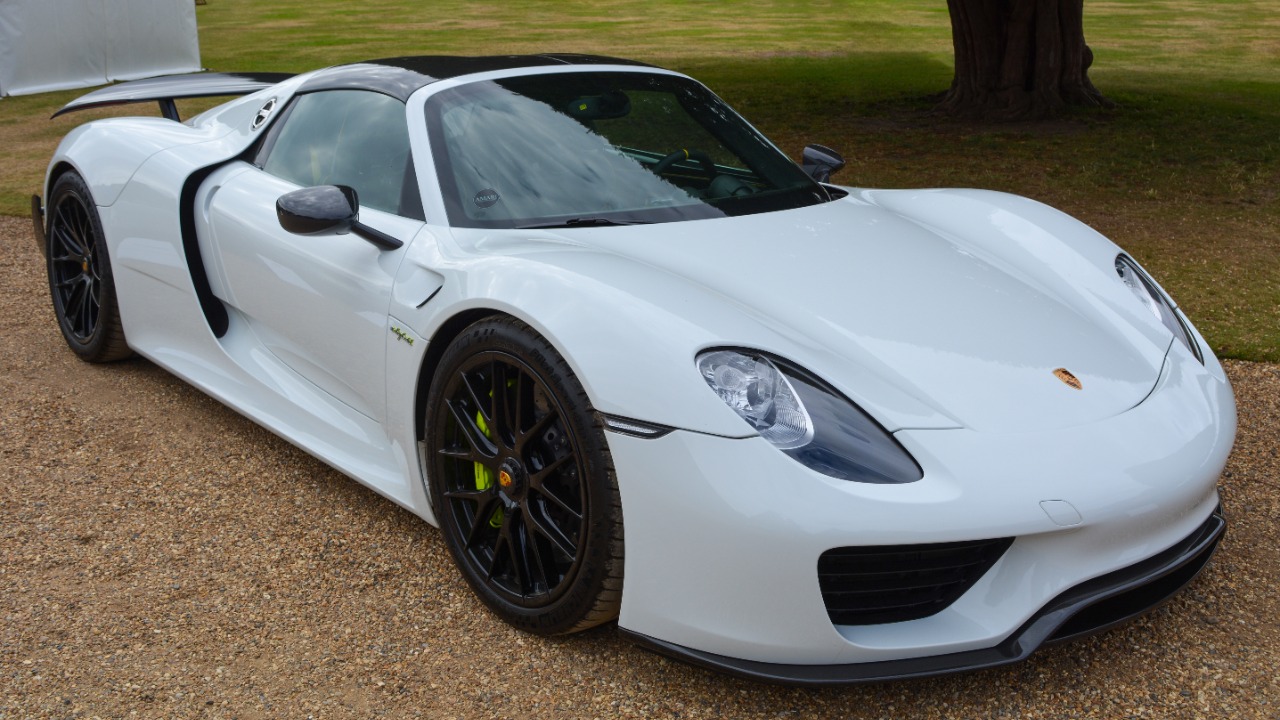
The Porsche 918 Spyder made waves when it debuted in 2015, showcasing a combination of a 4.6-liter V8 engine with two electric motors. This hybrid hypercar produces a whopping 887 horsepower, allowing it to accelerate from 0 to 60 mph in just 2.5 seconds. The 918 Spyder’s electric motors not only enhance performance but also provide an all-electric mode for more efficient driving.
With its impressive Nürburgring lap time of 6 minutes and 57 seconds, the Porsche 918 Spyder silenced critics who doubted the potential of hybrid technology in a high-performance vehicle. Its limited production run and innovative engineering have made it a sought-after model among collectors and enthusiasts alike.
Ferrari LaFerrari
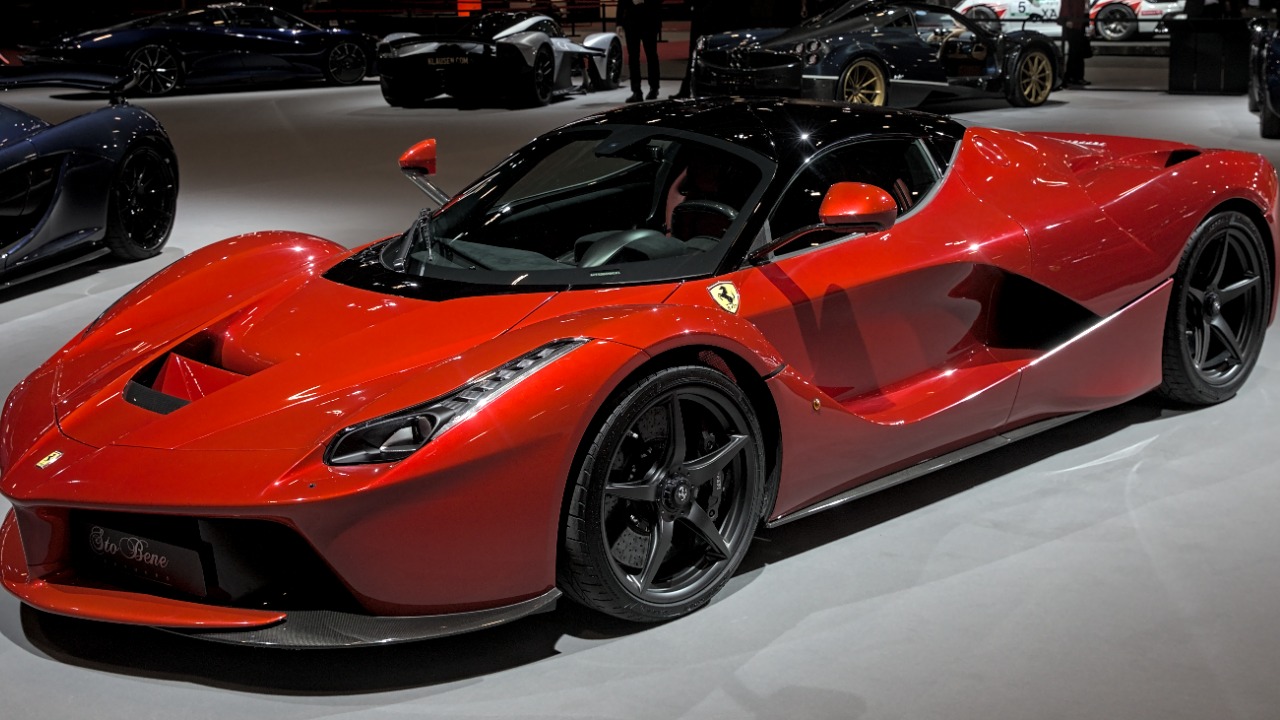
Ferrari broke new ground with the LaFerrari, its first hybrid supercar, which debuted in 2013. Equipped with a naturally aspirated 6.3-liter V12 engine paired with an electric motor, the LaFerrari delivers a total output of 950 horsepower. This combination allows the car to reach 60 mph in under 3 seconds, proving that hybrid technology can enhance, not hinder, performance.
The LaFerrari’s design and engineering reflect Ferrari’s commitment to pushing boundaries. Its integration of electric power with traditional V12 performance has set a benchmark in the hybrid supercar market, making it a pivotal model in Ferrari’s illustrious history.
McLaren P1
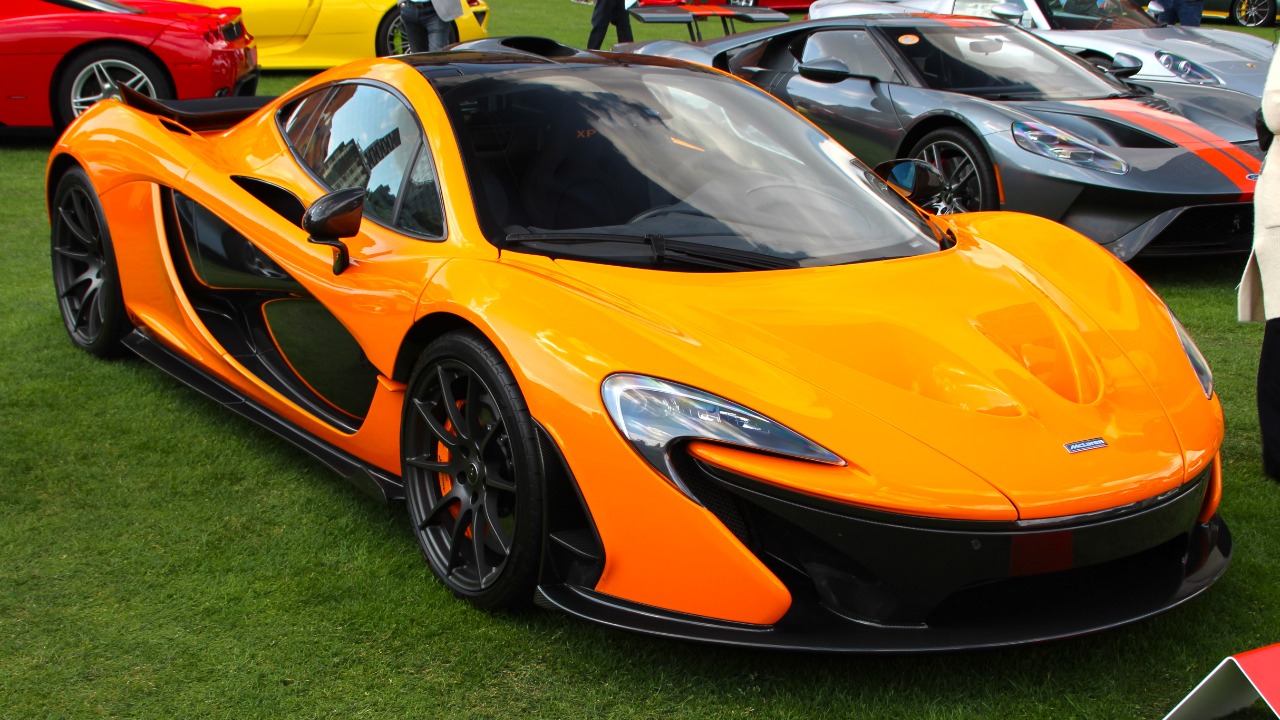
Introduced in 2013, the McLaren P1 is another standout in the hybrid hypercar segment. It features a twin-turbocharged 3.8-liter V8 engine combined with an electric motor, generating a total of 903 horsepower. This powertrain enables the P1 to sprint from 0 to 60 mph in just 2.7 seconds, blending lightning-fast acceleration with cutting-edge technology.
The P1’s design philosophy focuses on maximizing aerodynamic efficiency and driving dynamics. Its deployment of hybrid technology was a bold move that has paid off, proving that electric assistance could significantly enhance a car’s performance capabilities without sacrificing the thrill of driving.
Acura NSX
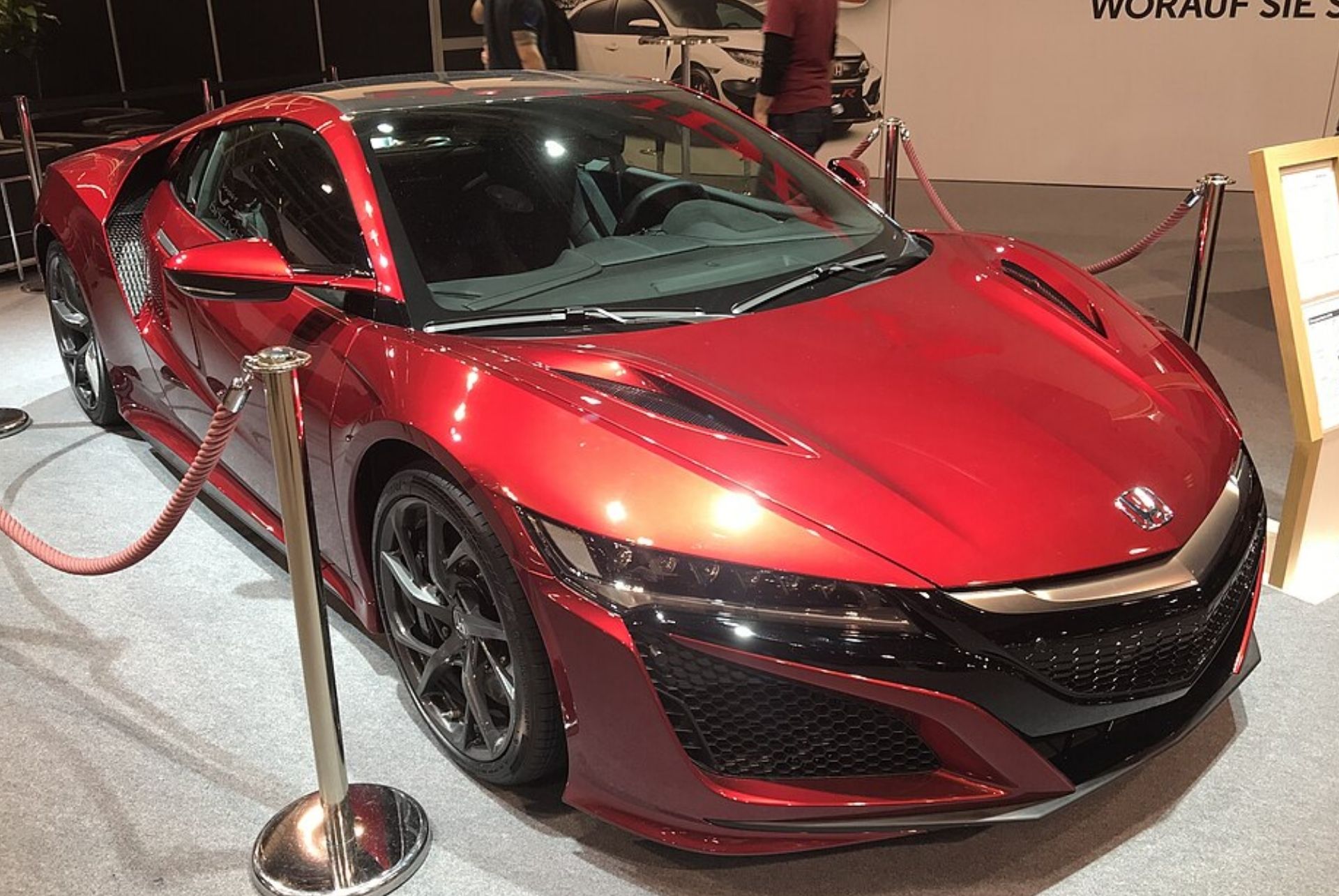
The Acura NSX, reintroduced in 2016, embraced hybrid technology to redefine the concept of a sports car. It features a twin-turbocharged 3.5-liter V6 engine with three electric motors, producing a combined output of 573 horsepower. This setup allows the NSX to offer all-wheel drive and a seamless blend of speed and agility.
Acura’s use of hybrid technology in the NSX demonstrates its commitment to innovation and performance. The NSX showcases how hybrid systems can improve handling and acceleration, providing a driving experience that rivals traditional sports cars while maximizing efficiency.
BMW i8
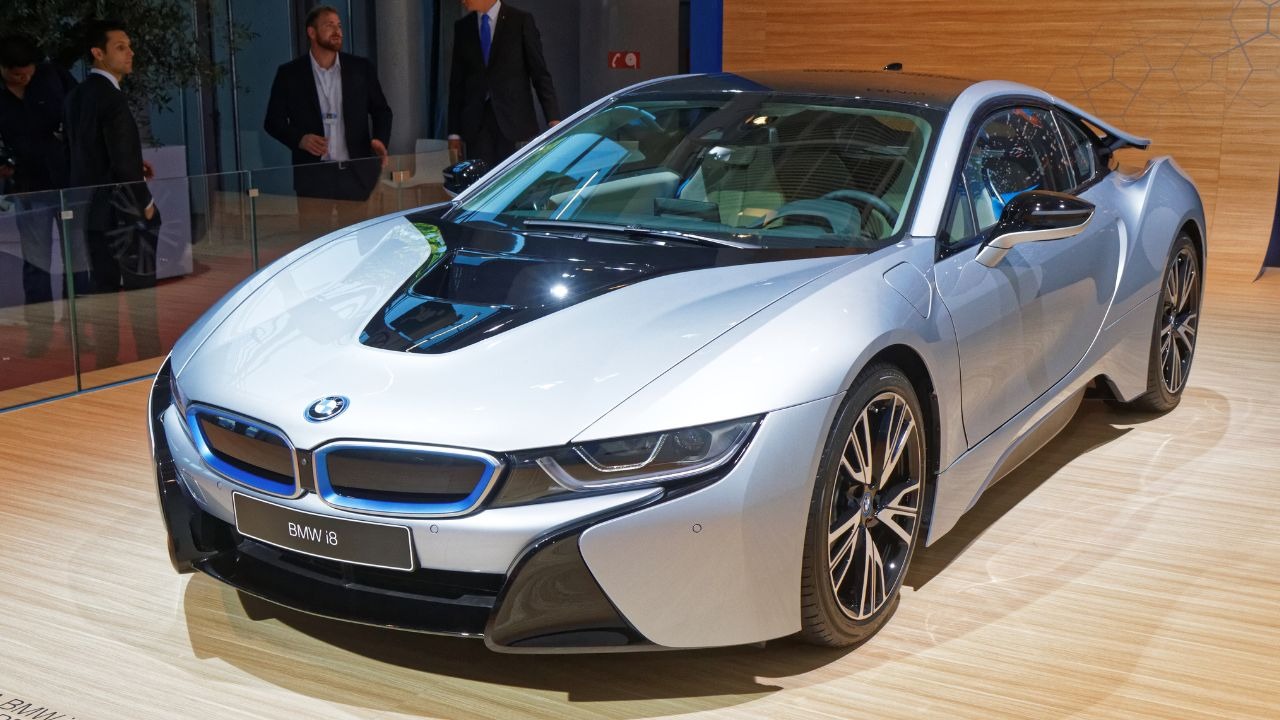
The BMW i8, launched in 2014, represents a bold step in combining sustainability with performance. Its plug-in hybrid system includes a 1.5-liter three-cylinder engine and an electric motor, together generating 369 horsepower. The i8 can accelerate from 0 to 60 mph in 4.2 seconds, delivering spirited performance alongside remarkable fuel efficiency.
BMW’s i8 defied expectations by offering futuristic styling and a dynamic driving experience. Its focus on eco-friendly performance paved the way for future hybrid sports cars, highlighting how advanced technology can coexist with traditional driving pleasures.
Lexus LC 500h
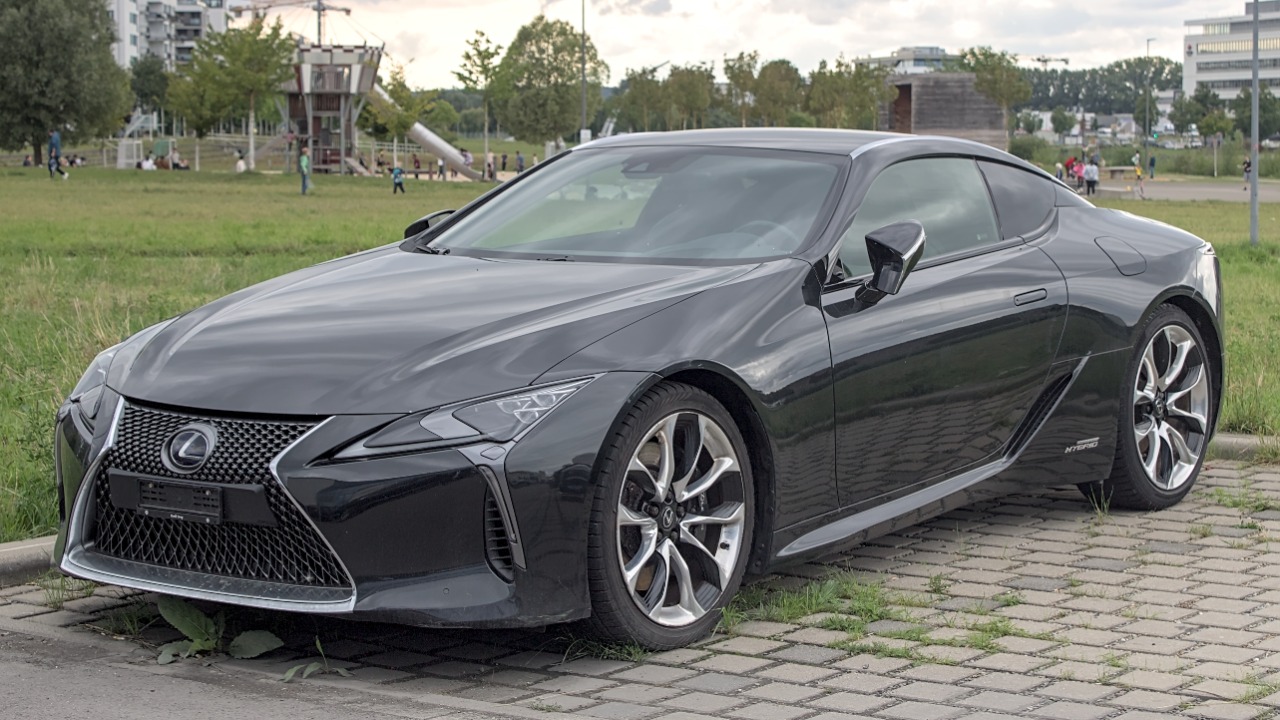
Launched in 2017, the Lexus LC 500h combines luxury with hybrid performance. It features a 3.5-liter V6 engine coupled with an electric motor, providing a total output of 354 horsepower. While not as powerful as some of its counterparts, the LC 500h emphasizes a blend of comfort, efficiency, and style.
The LC 500h’s hybrid system offers smooth power delivery and impressive fuel economy, making it an attractive option for those seeking a premium driving experience without compromising on environmental considerations. Lexus’s approach with the LC 500h has broadened the appeal of hybrid technology in the luxury segment.
Audi Q5 TFSI e
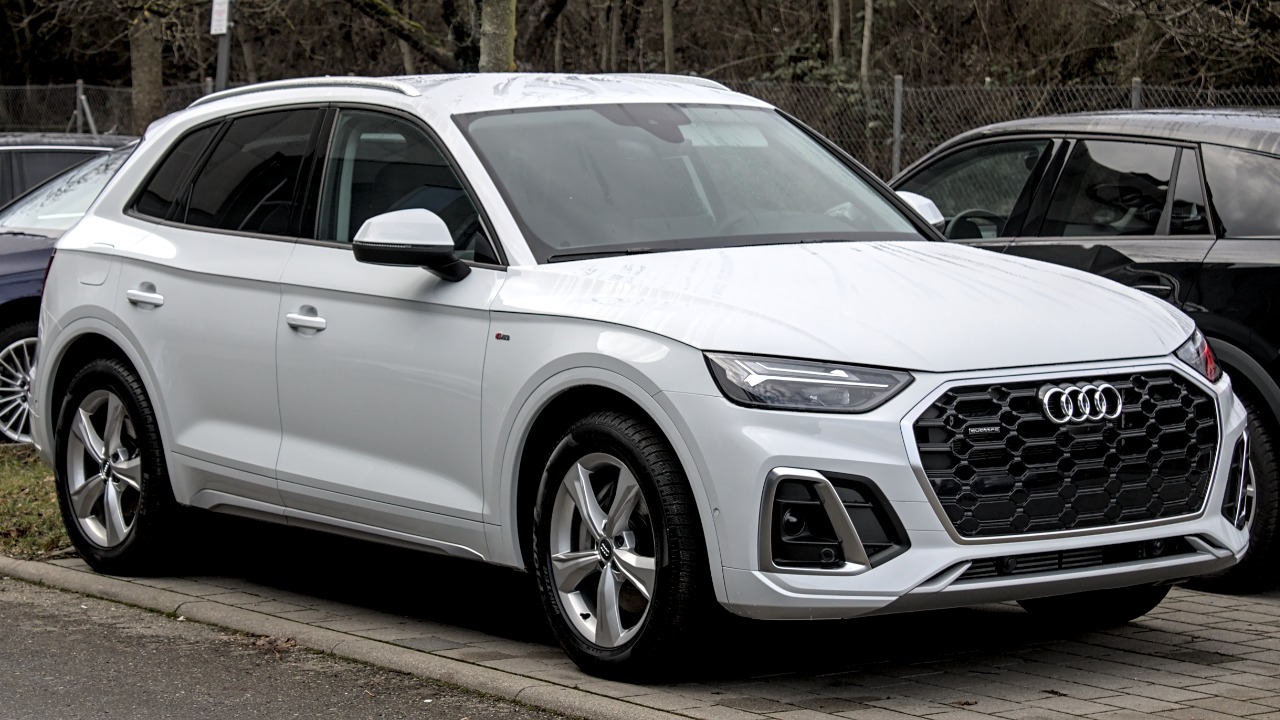
The Audi Q5 TFSI e, introduced in 2019, is a testament to how hybrid technology can enhance practicality without sacrificing performance. This plug-in hybrid SUV combines a 2.0-liter turbocharged engine with an electric motor, delivering a total of 362 horsepower. Its all-electric range of up to 20 miles makes it ideal for daily commutes.
The Q5 TFSI e’s versatility and efficiency have proven that hybrid technology can be seamlessly integrated into family-friendly SUVs. Audi’s approach demonstrates that hybrid systems can enhance everyday usability, setting a new standard in the premium SUV market.
Mercedes-AMG GT 63 S E Performance
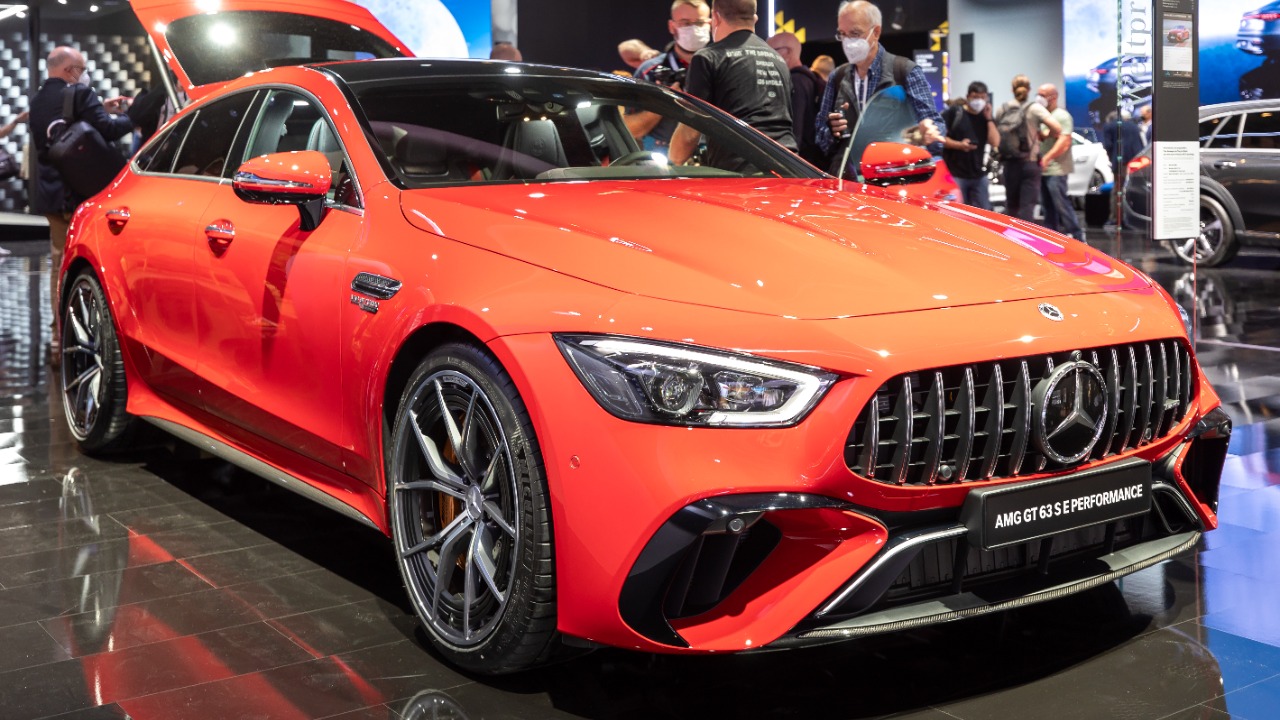
Debuting in 2021, the Mercedes-AMG GT 63 S E Performance is a hybrid powerhouse. It features a 4.0-liter twin-turbo V8 engine paired with an electric motor, producing a staggering 831 horsepower. This combination allows it to accelerate from 0 to 60 mph in just 2.9 seconds, rivaling the performance of traditional supercars.
Mercedes-AMG’s decision to integrate hybrid technology into its GT lineup signals a commitment to sustainable performance. The GT 63 S E Performance proves that hybrids can offer both incredible speed and environmental consciousness, challenging perceptions of what a performance car can be.
More from Fast Lane Only: