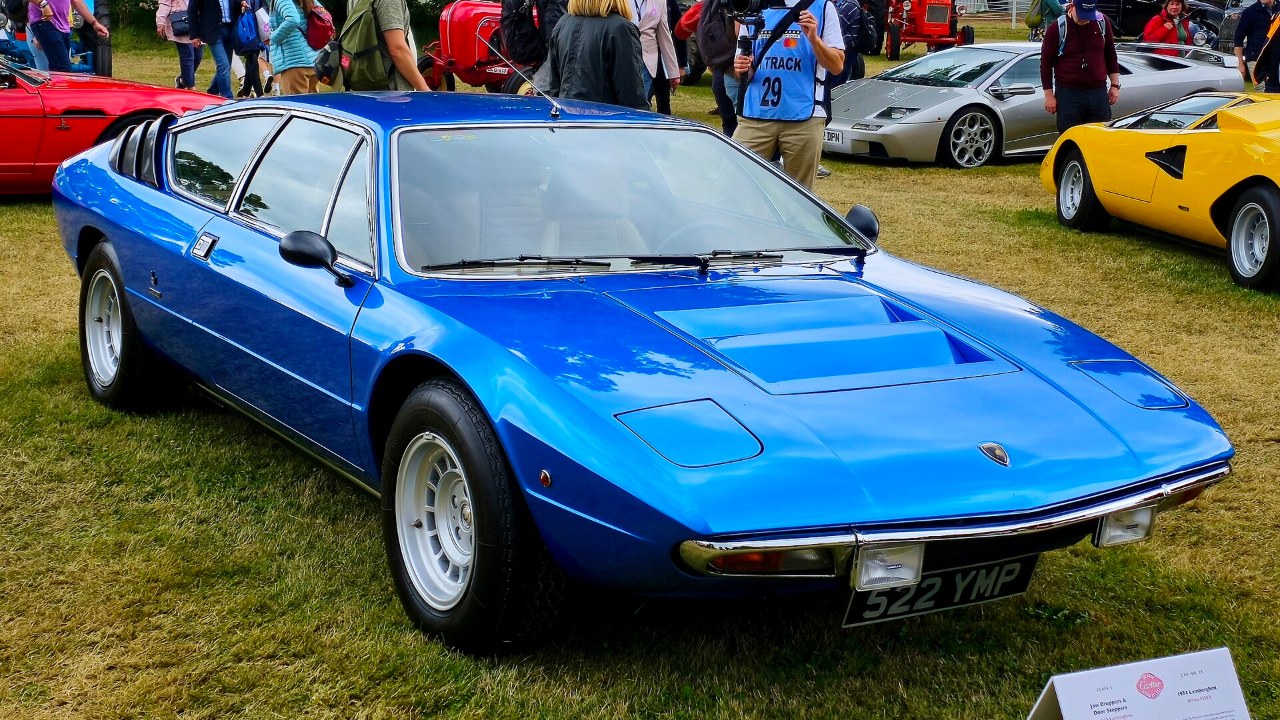
Throughout automotive history, Mazda has been at the forefront of innovation with its distinct rotary engine technology. These engines, which differ significantly from conventional piston engines, have powered some of the most iconic models in Mazda’s lineup. Here, I delve into six remarkable Mazda rotary cars that were poised to replace traditional engines.
Mazda Cosmo Sport 110S
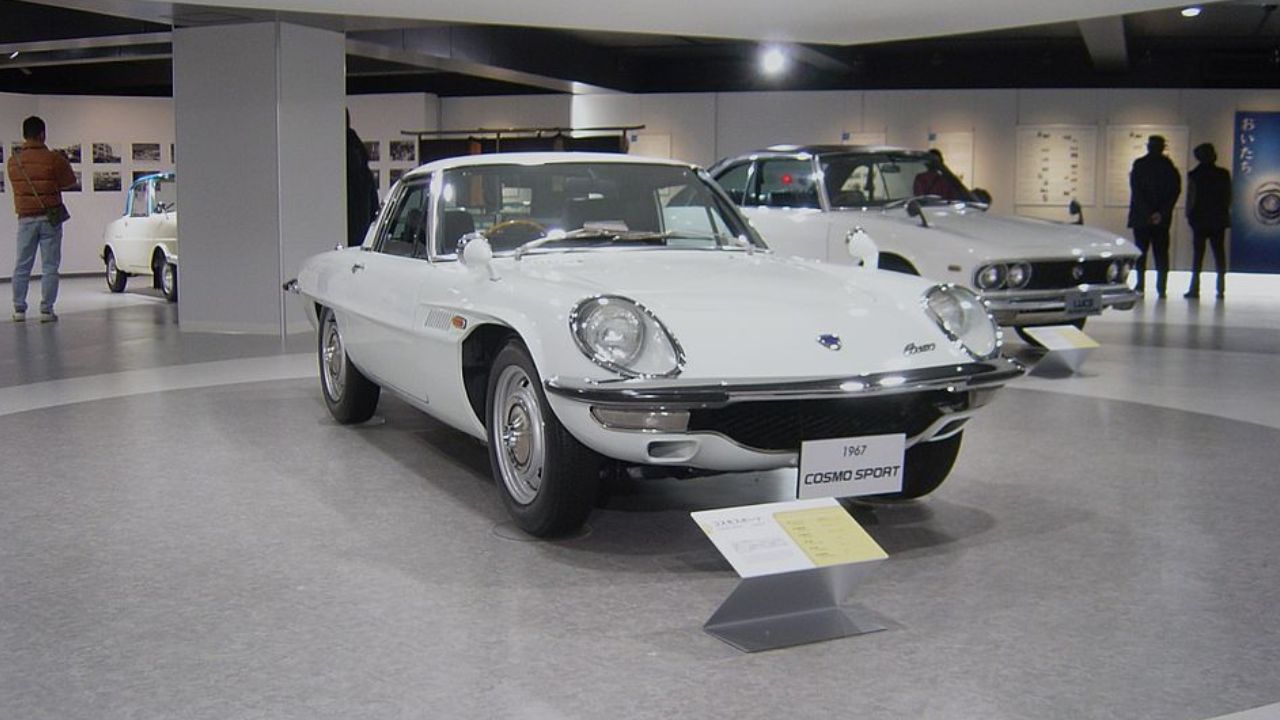
The Mazda Cosmo Sport 110S, launched in 1967, marked Mazda’s first foray into the world of rotary engines. This sleek coupe was not only a statement of design but also a showcase of engineering prowess. Under the hood, it housed a 982cc twin-rotor engine, capable of delivering 110 horsepower. With its futuristic look and advanced technology, the Cosmo Sport 110S set the stage for Mazda’s continued exploration of rotary power.
The Cosmo Sport 110S was a limited production vehicle, with only about 1,500 units made. Despite its rarity, this car left an indelible mark on the automotive world, proving that rotary engines could indeed compete with their piston counterparts. Its influence is still felt today among car enthusiasts and collectors alike.
Mazda RX-2
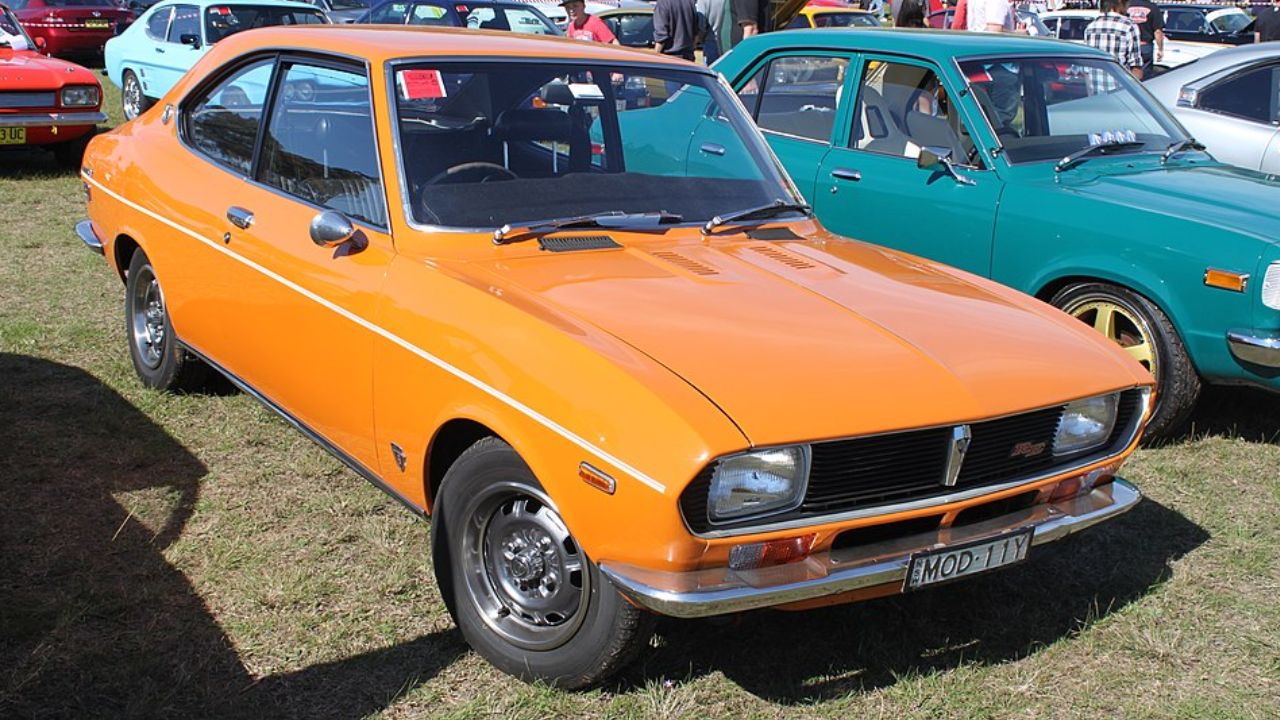
Introduced in 1970, the Mazda RX-2 was one of the first mass-market cars to feature a rotary engine. Known as the Capella Rotary in some markets, the RX-2 offered a sporty driving experience at an affordable price. Its 1.1-liter rotary engine produced around 120 horsepower, making it a formidable contender in its class.
The RX-2 gained popularity not only for its performance but also for its distinctive styling. It was available in both coupe and sedan configurations, appealing to a broad audience. The RX-2’s success helped cement Mazda’s reputation as a pioneer in rotary technology and paved the way for future models.
Mazda RX-3
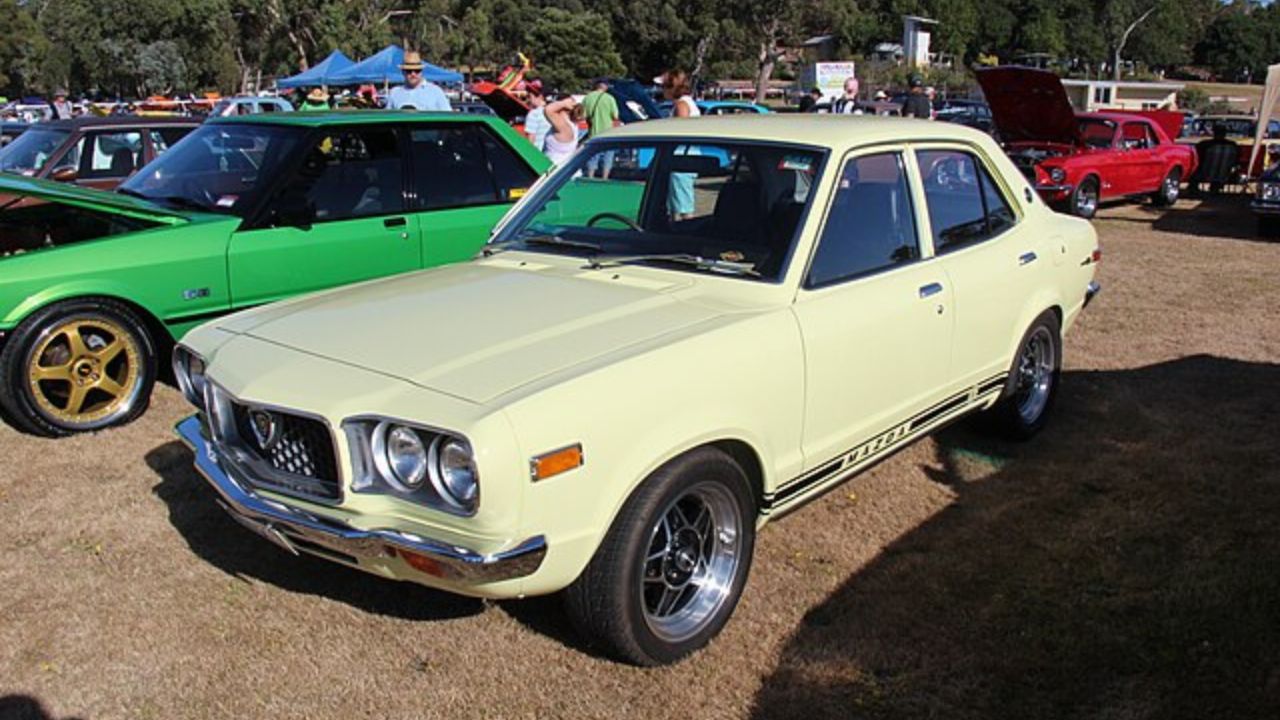
The Mazda RX-3, introduced in 1971, further solidified Mazda’s commitment to rotary engines. With options ranging from a 982cc engine to a 1.146-liter version, the RX-3 offered flexibility and performance. This model was loved by racers and tuners for its lightweight design and responsive handling.
In the competitive world of motorsports, the RX-3 proved its mettle, achieving numerous victories in racing events worldwide. Its success on the track translated to commercial success, making it one of Mazda’s best-selling rotary models. The RX-3’s influence is evident in the continued enthusiasm for rotary-powered vehicles today.
Mazda RX-4
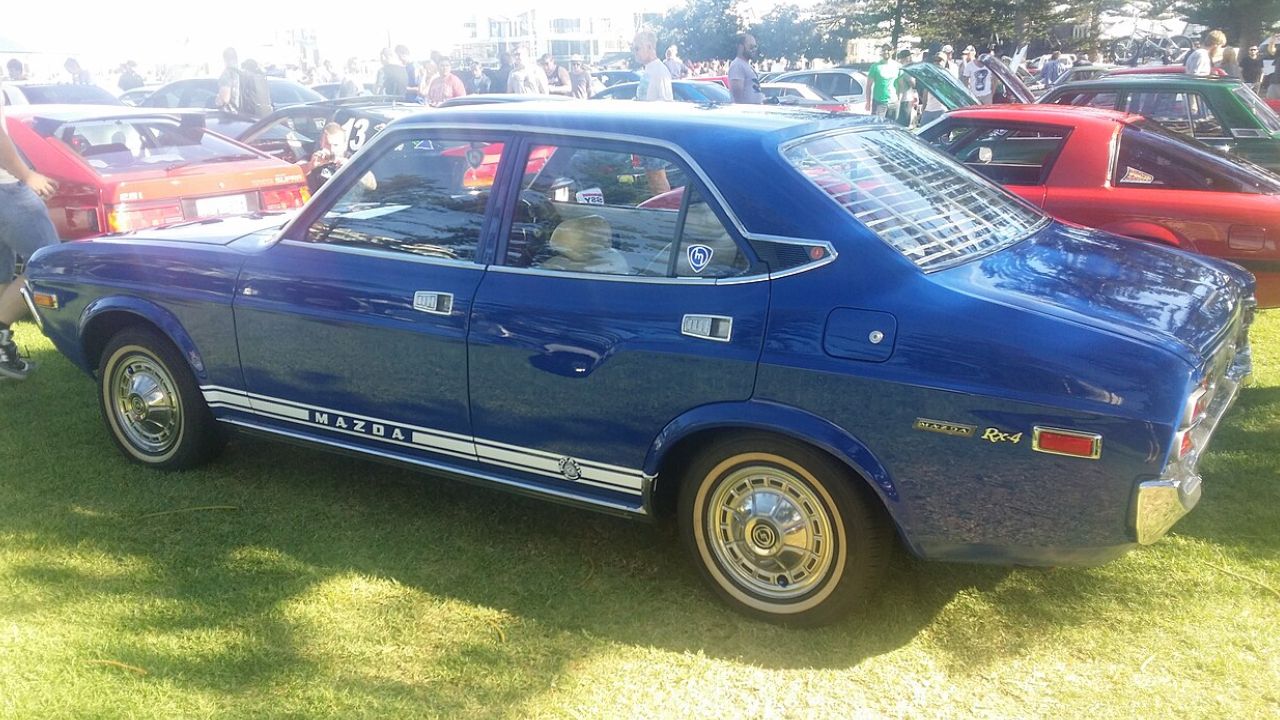
The Mazda RX-4, released in 1972, brought a touch of luxury to the rotary lineup. Positioned as a more upscale model, the RX-4 featured a larger body and enhanced comfort features. Its 1.2-liter rotary engine was more powerful, providing a smooth and refined driving experience.
Available in coupe, sedan, and station wagon variants, the RX-4 catered to a diverse range of customers. It was particularly popular in export markets, where its unique engine and stylish design attracted attention. The RX-4 demonstrated that rotary engines could offer both performance and luxury, broadening Mazda’s appeal.
Mazda RX-7
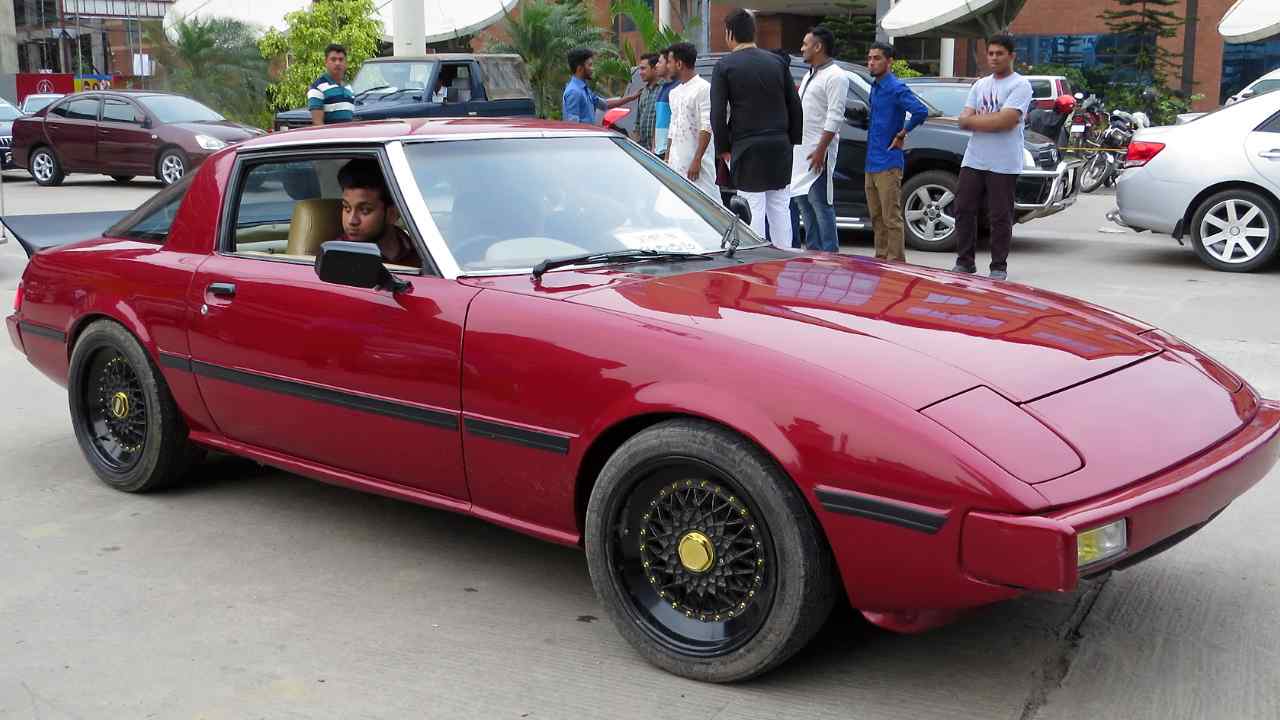
The Mazda RX-7, launched in 1978, became one of the most iconic rotary-powered cars in history. Known for its lightweight construction and agile handling, the RX-7 quickly gained a reputation as a driver’s car. Over its three generations, the RX-7 saw various enhancements, including turbocharged engines and improved aerodynamics.
The RX-7 was a constant presence in motorsports, earning accolades in events like the 24 Hours of Daytona and the IMSA GTU Championship. Its influence extends beyond racing, as it remains a beloved model among automotive enthusiasts. The RX-7’s success ensured the rotary engine’s place in the automotive hall of fame.
Mazda RX-8

The Mazda RX-8, introduced in 2003, was the last production car to feature a rotary engine. Its 1.3-liter Renesis engine won numerous awards for its innovative design and performance. The RX-8’s unique four-door coupe configuration and rear-hinged “freestyle” doors set it apart from its competitors.
While it was discontinued in 2012 due to stringent emissions regulations, the RX-8 left a lasting legacy. It demonstrated the potential of rotary engines in modern vehicles and maintained a loyal following. Though the RX-8 marked the end of an era for Mazda’s rotary production cars, it remains a symbol of the brand’s innovative spirit.
More from Fast Lane Only