Studebaker built some genuinely innovative cars, but not every model has aged into an easy classic. Some suffered from weak sales, difficult parts availability, rust, unusual mechanical designs, or simply a lack of collector support. These 6 are worth knowing before buying a project, especially if the goal is an affordable restoration rather than a long-term labor of love.
Studebaker Lark
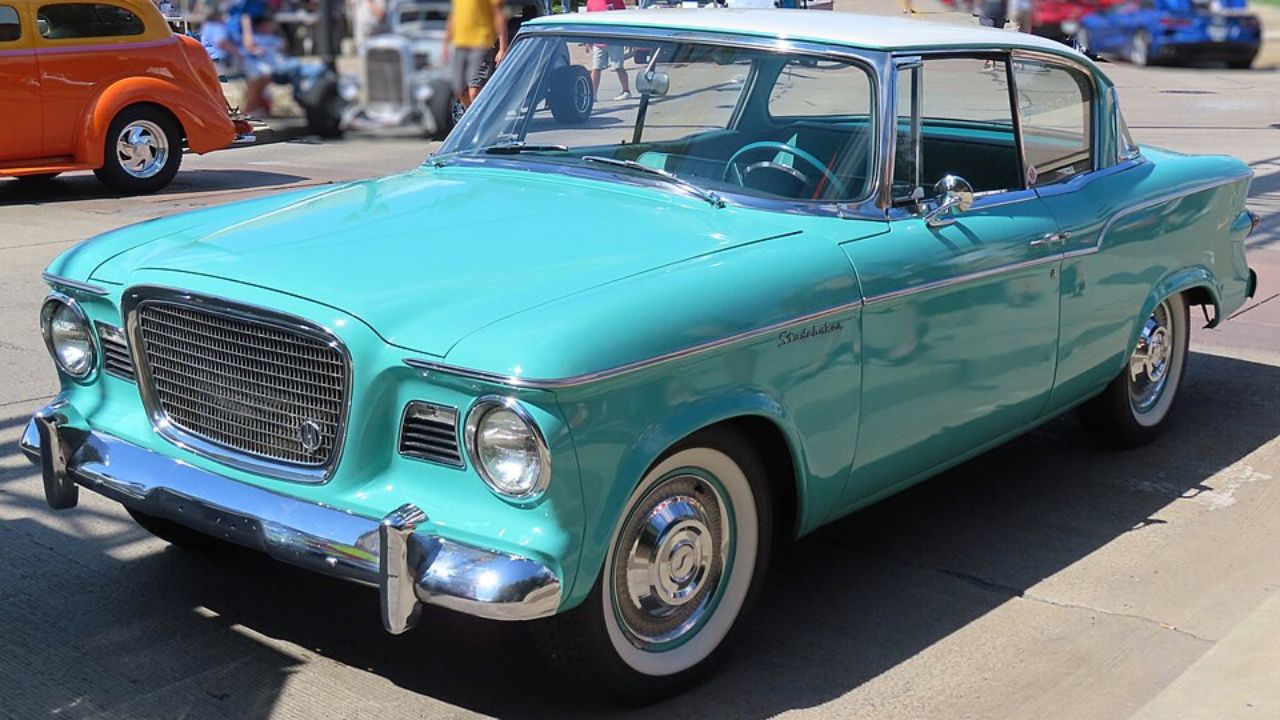
The Studebaker Lark was an important compact, but surviving examples can be surprisingly difficult to restore. Rust is a major concern, while original trim and interior pieces can be challenging to locate. Some cars also received engine swaps or other modifications over the years. A solid Lark can be rewarding, but a cheap, incomplete example can quickly become an expensive project.
Studebaker Scotsman
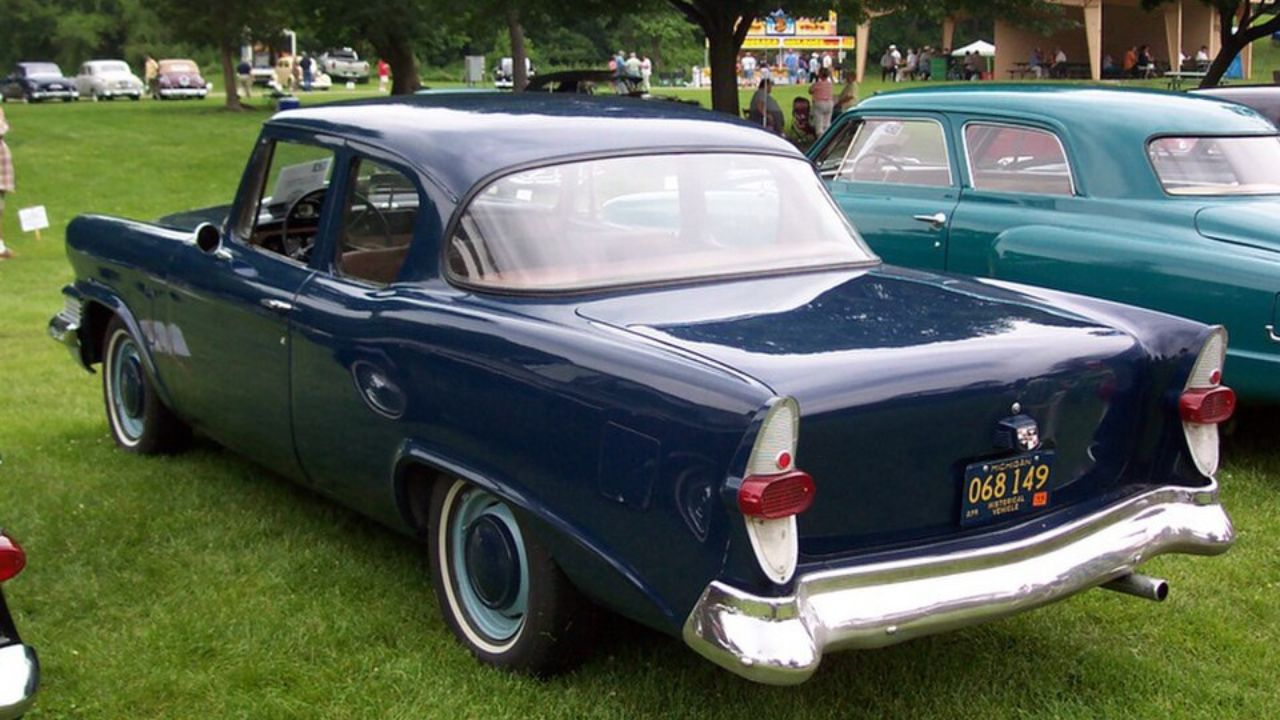
The Studebaker Scotsman was intentionally stripped down to keep its price low, which makes surviving examples interesting but not necessarily easy to restore. Replacement trim, original equipment, and interior pieces can be difficult to source. Many were also treated as basic transportation and worked hard. Collectors should look for complete examples rather than assuming a low purchase price makes restoration inexpensive.
Studebaker Hawk

The Studebaker Hawk is attractive and collectible, but neglected examples can require considerable work. Rust, aging interiors, worn mechanical components, and missing trim can all become problems. Some parts are shared with other Studebaker models, but specialized pieces can be difficult to find. A complete Hawk is far more desirable than an inexpensive project missing important original components.
Studebaker Avanti
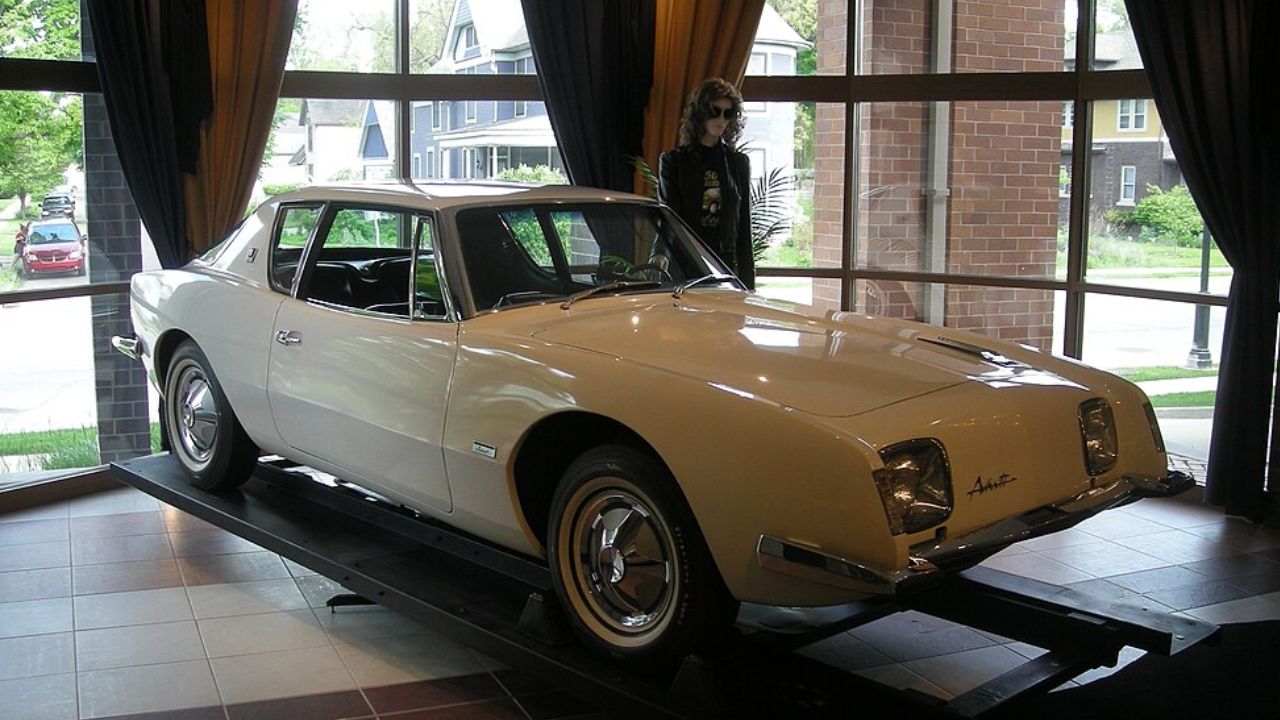
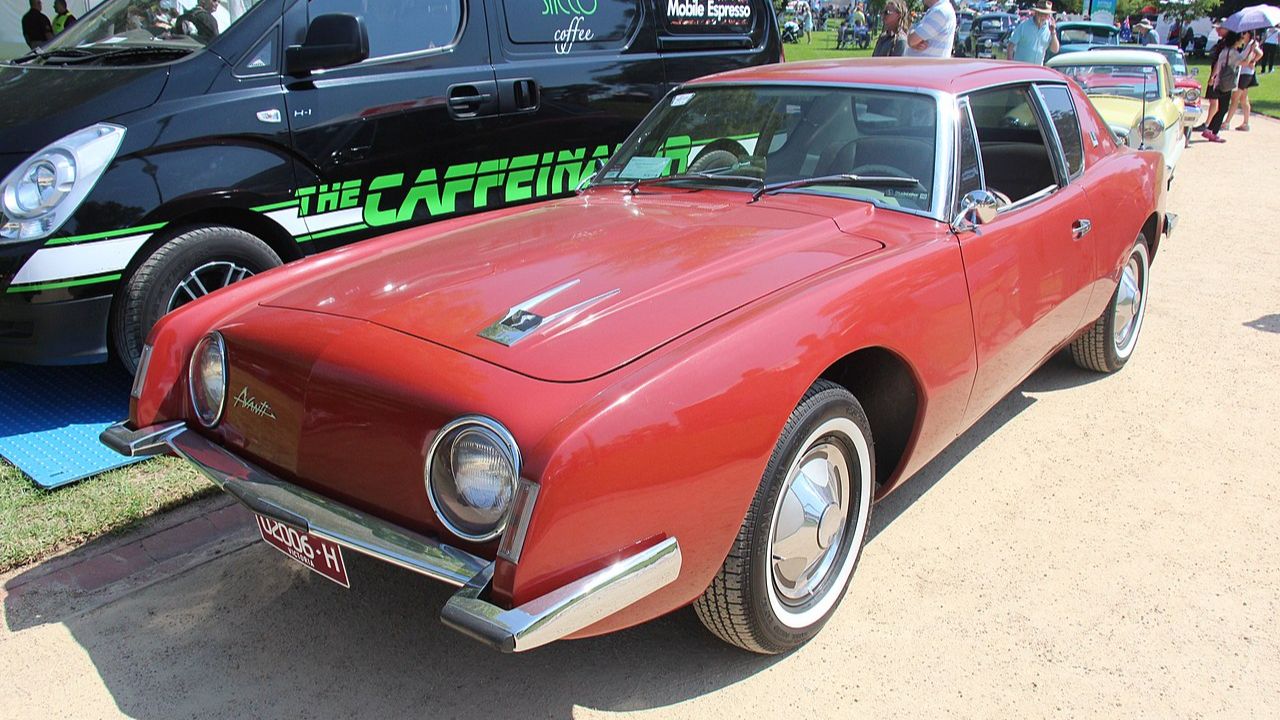
The Avanti’s fiberglass body eliminates many conventional rust problems, but that does not make it an easy classic. Its unusual construction and specialized trim can make restoration expensive, while mechanical and electrical issues may require someone familiar with the model. Because Avantis were produced in limited numbers, certain replacement parts are not as readily available as those for mainstream American cars.
Studebaker Wagonaire

The Studebaker Wagonaire featured its famous sliding roof panel, giving it unusual cargo flexibility. Unfortunately, that distinctive feature can create restoration challenges today. Rust, worn mechanisms, and missing trim can make a neglected example difficult to return to proper condition. Its rarity makes a good Wagonaire interesting, but buyers should be particularly careful about incomplete cars.
Studebaker Champion
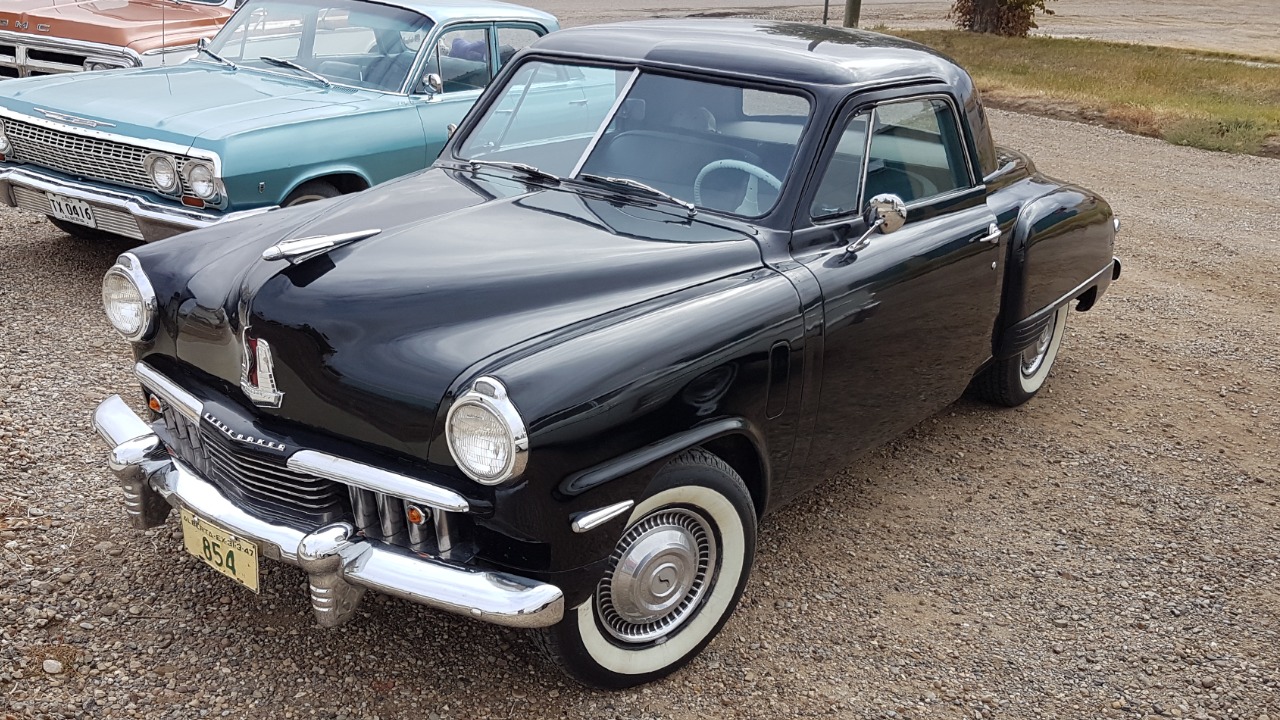
The Studebaker Champion was an important model for the company, but age has made good examples increasingly difficult to find. Rust is a major concern, particularly around structural areas and body panels. Mechanical components can be serviced, but original trim and interior parts may be much harder to replace. Buyers should focus on body condition and completeness before worrying about cosmetic details.
More from Fast Lane Only
- Unboxing the WWII Jeep in a Crate
- 15 rare Chevys collectors are quietly buying
- 10 underrated V8s still worth hunting down
- Police notice this before you even roll window down
*Research for this article included AI assistance, with all final content reviewed by human editors