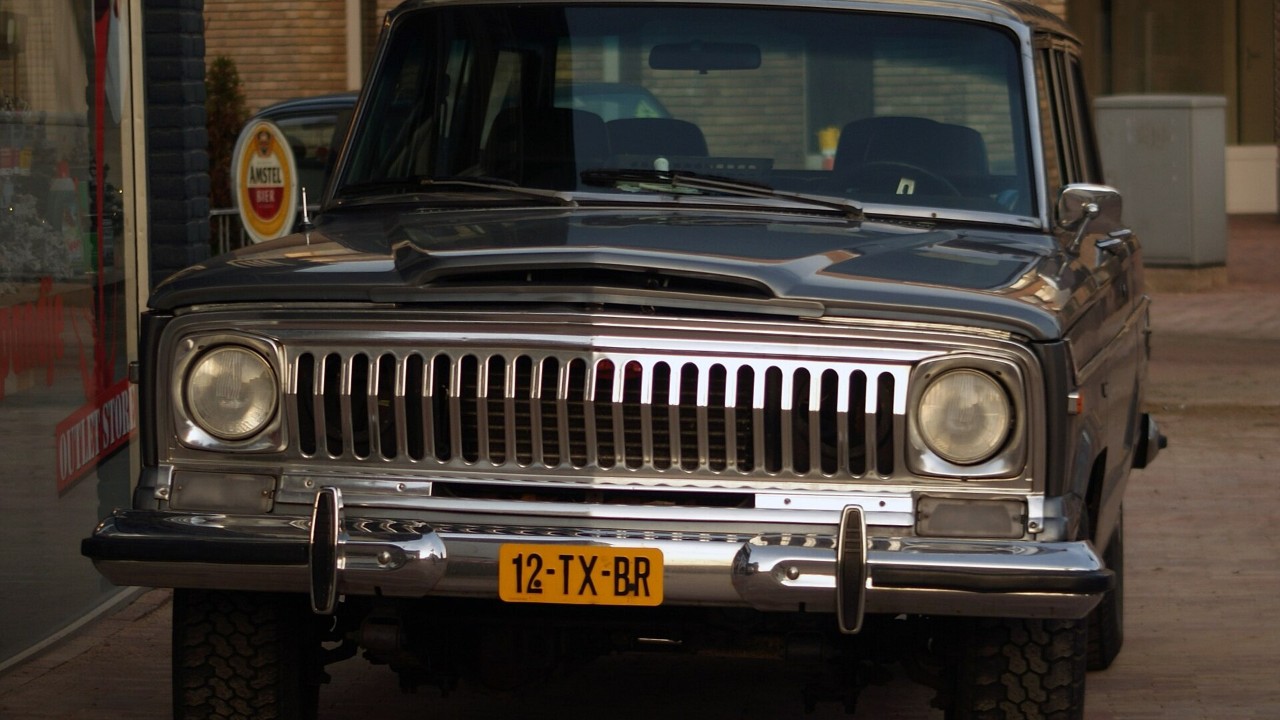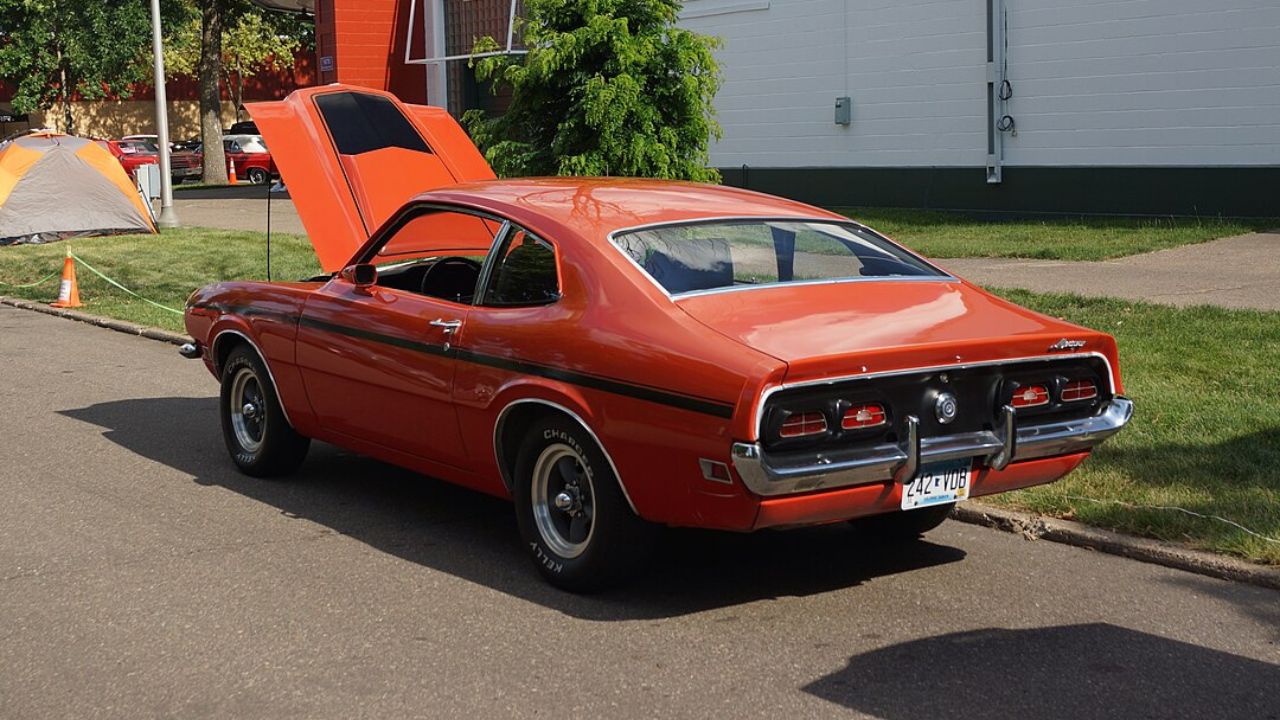
Mercury may have been positioned as a step above Ford, but several of its cars were built with remarkably durable mechanical foundations. Strong engines, conventional drivetrains, and sturdy construction helped many survive years of family use and daily commuting. These 6 Mercurys may not get much attention today, but they earned their reputations by simply refusing to give up.
Mercury Grand Marquis
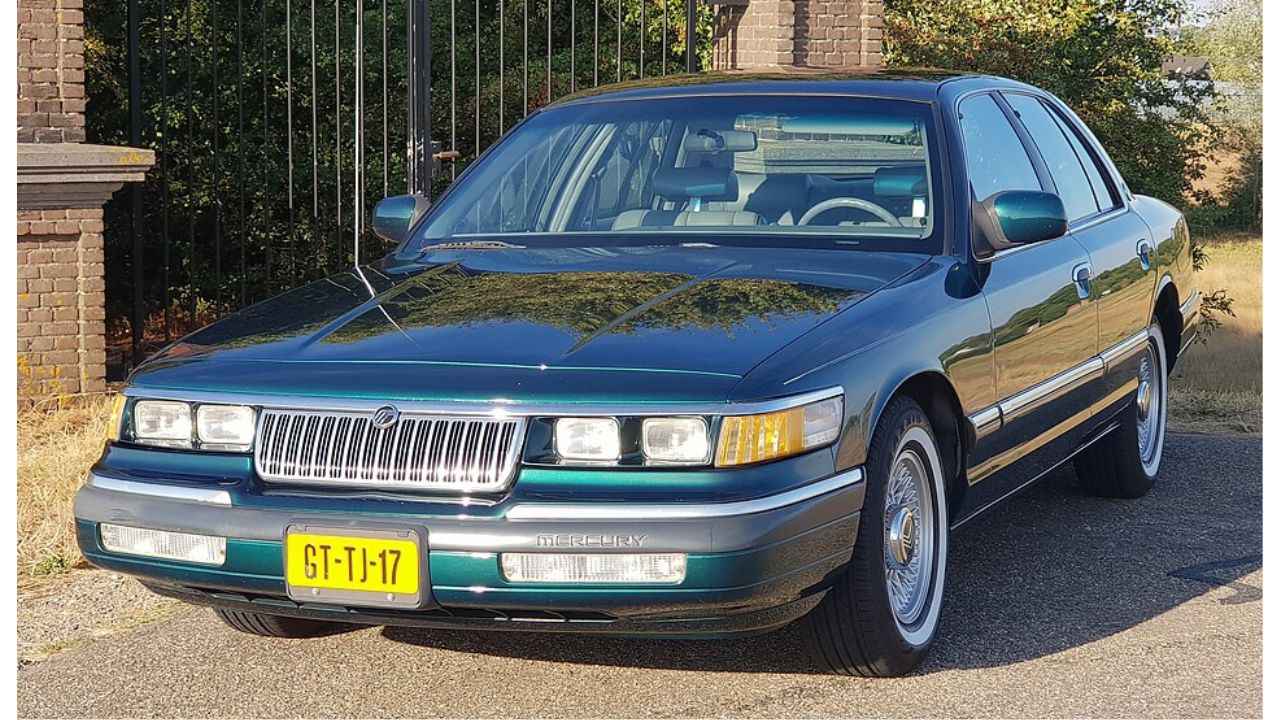
The Mercury Grand Marquis became one of the brand’s most dependable full-size cars. Its traditional rear-wheel-drive platform and V8 engine were relatively simple to maintain, while the body-on-frame construction proved remarkably durable. Many served as taxis, fleet vehicles, and daily drivers. That demanding service helped demonstrate just how much punishment the Grand Marquis could take before finally being retired.
Mercury Marquis
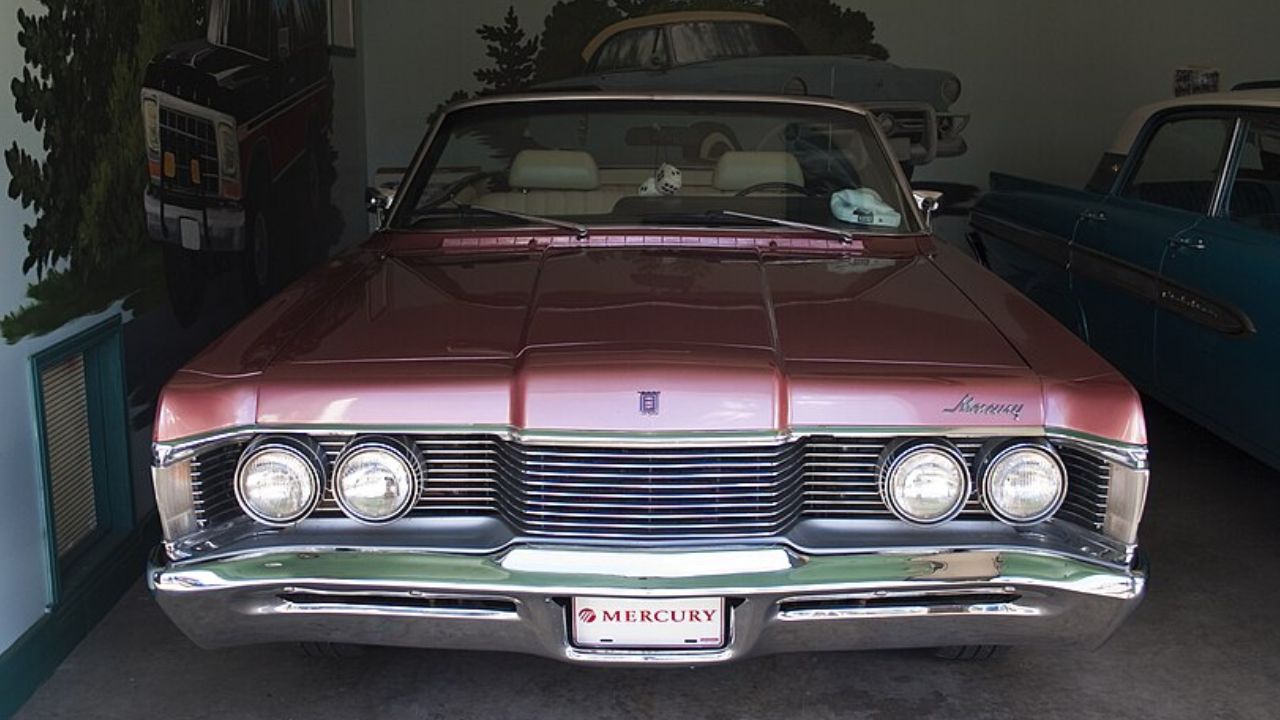
The Mercury Marquis offered spacious American comfort while relying on conventional mechanical components that were familiar to mechanics. Its V8 engines delivered effortless highway performance, and the rear-wheel-drive layout was built around proven technology. Many examples accumulated substantial mileage as family cars. Today, surviving Marquises are increasingly appreciated by enthusiasts who value straightforward engineering and the relaxed character of classic American cruisers.
Mercury Cougar
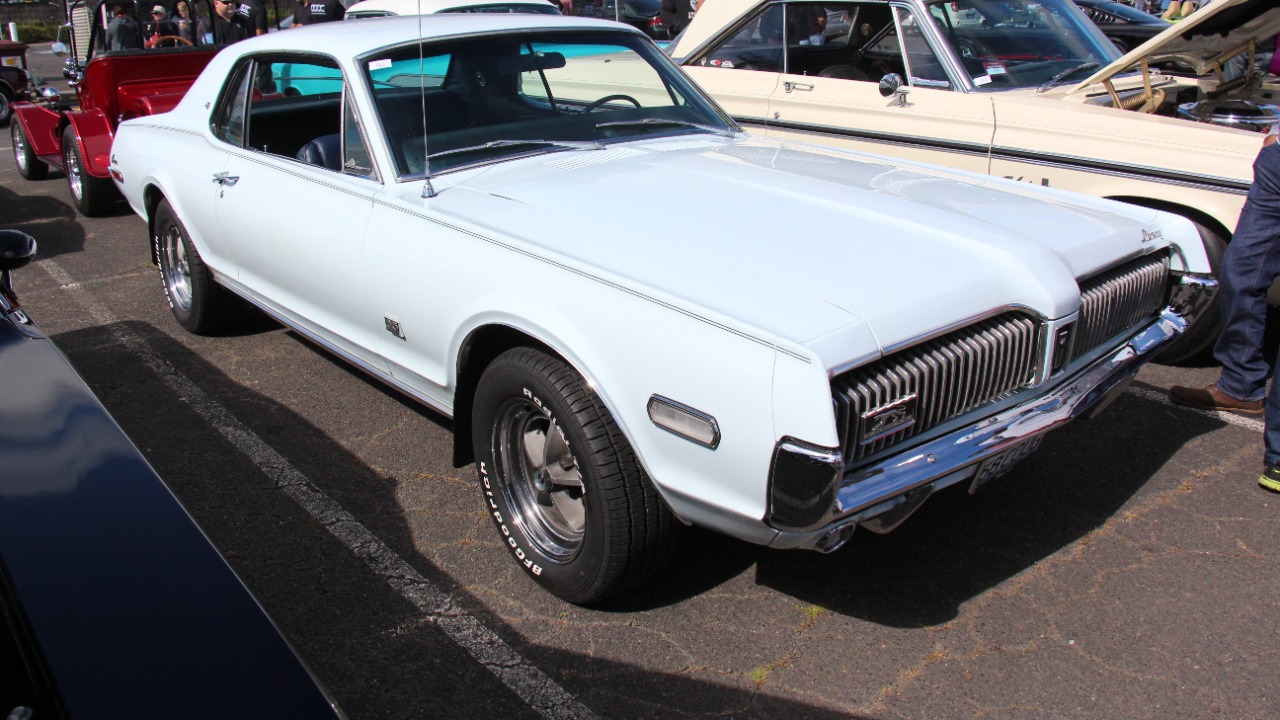
The Mercury Cougar is remembered primarily as a stylish performance coupe, but its underlying mechanical simplicity also helped many examples survive decades. V8 engines, conventional rear-wheel drive, and widely shared Ford components made repairs relatively straightforward. While heavily modified cars are common, original examples remain appealing. The Cougar proves that a sporty car can still have a durable mechanical foundation.
Mercury Colony Park
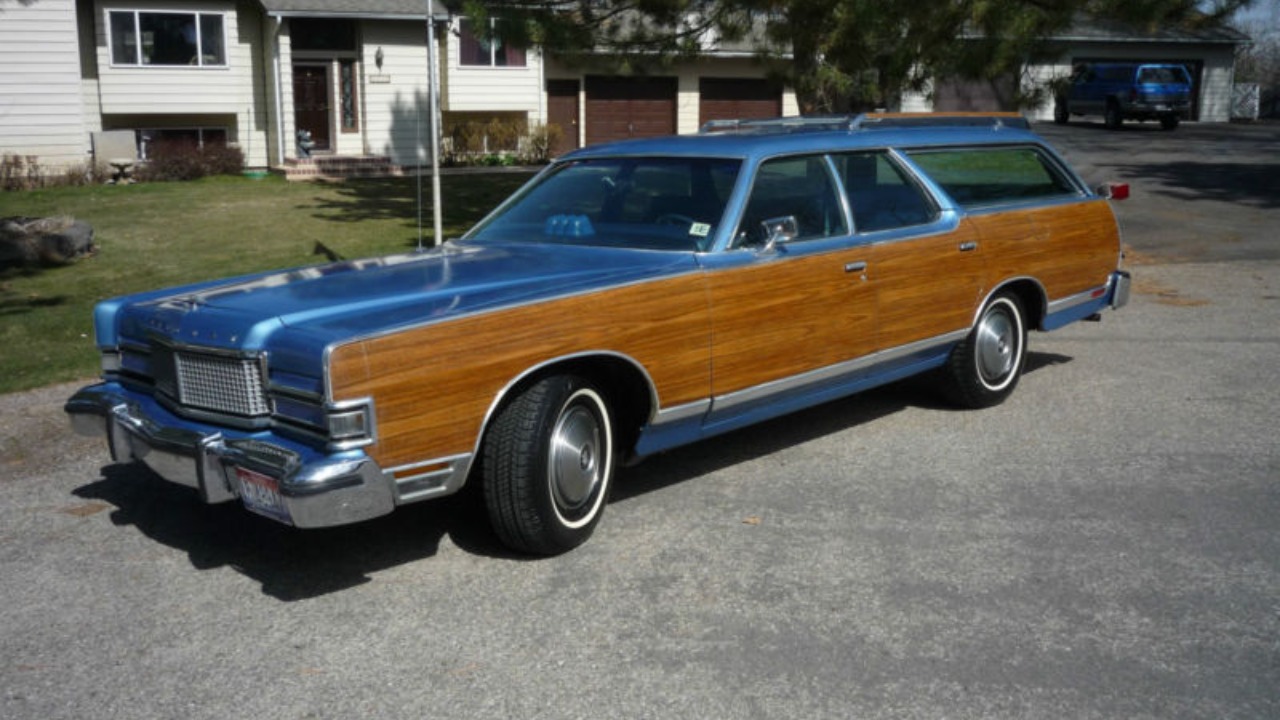
The Mercury Colony Park was a massive station wagon built for families that needed space and durability. Its traditional V8 powertrains, rear-wheel-drive layout, and heavy-duty construction made it well suited to long road trips and constant family use. Many hauled passengers, luggage, and equipment for years. Clean survivors today are increasingly valued because they combine practical toughness with unmistakable classic-wagon styling.
Mercury Monterey
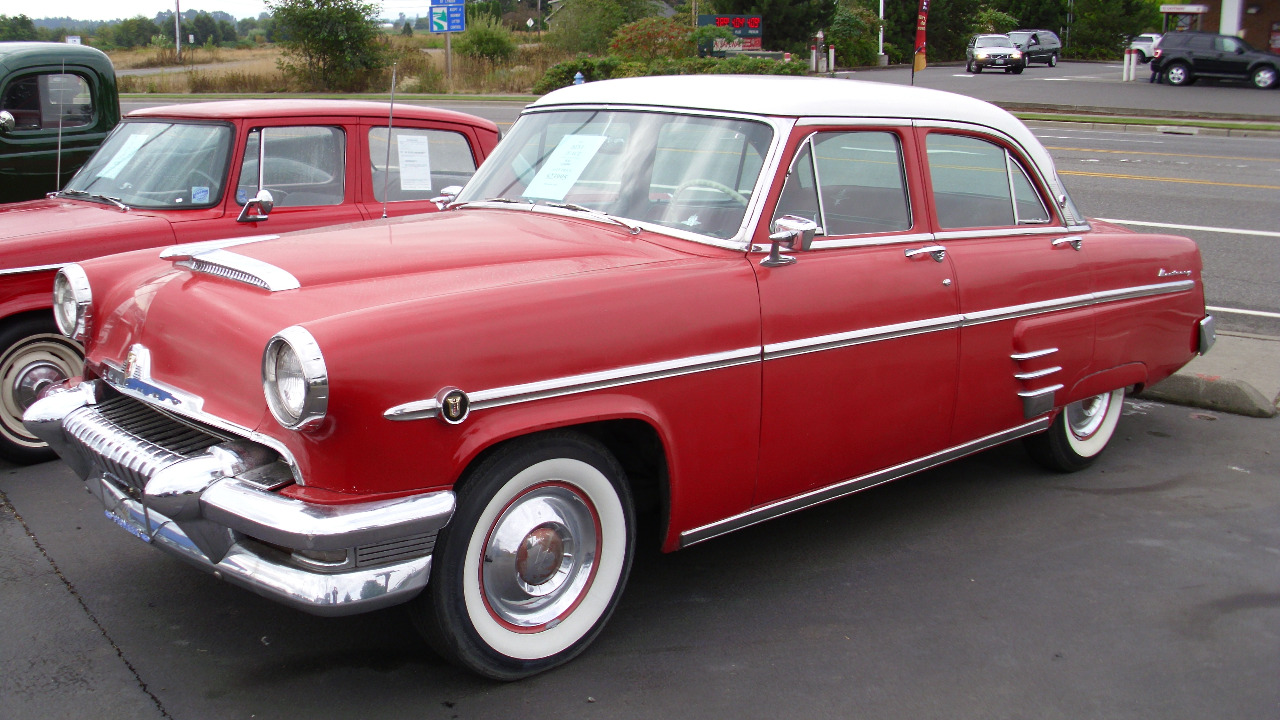
The Mercury Monterey was built as a substantial American cruiser with sturdy engines and a conventional drivetrain. Its large body and comfortable suspension were designed for long-distance travel, while the V8 powerplants provided plenty of effortless torque. Many were driven hard as everyday transportation. Surviving examples now offer a fascinating look at Mercury’s traditional approach to durability and highway comfort.
Mercury Comet

The Mercury Comet combined compact dimensions with simple mechanical engineering, making it an interesting contrast to Mercury’s enormous full-size cars. Early versions used straightforward six-cylinder engines, while later models could be fitted with V8 power. The uncomplicated layout made routine repairs manageable. Although many Comets were treated as inexpensive transportation, surviving examples demonstrate how durable a basic Mercury could be.
More from Fast Lane Only
- Unboxing the WWII Jeep in a Crate
- 15 rare Chevys collectors are quietly buying
- 10 underrated V8s still worth hunting down
- Police notice this before you even roll window down
*Research for this article included AI assistance, with all final content reviewed by human editors