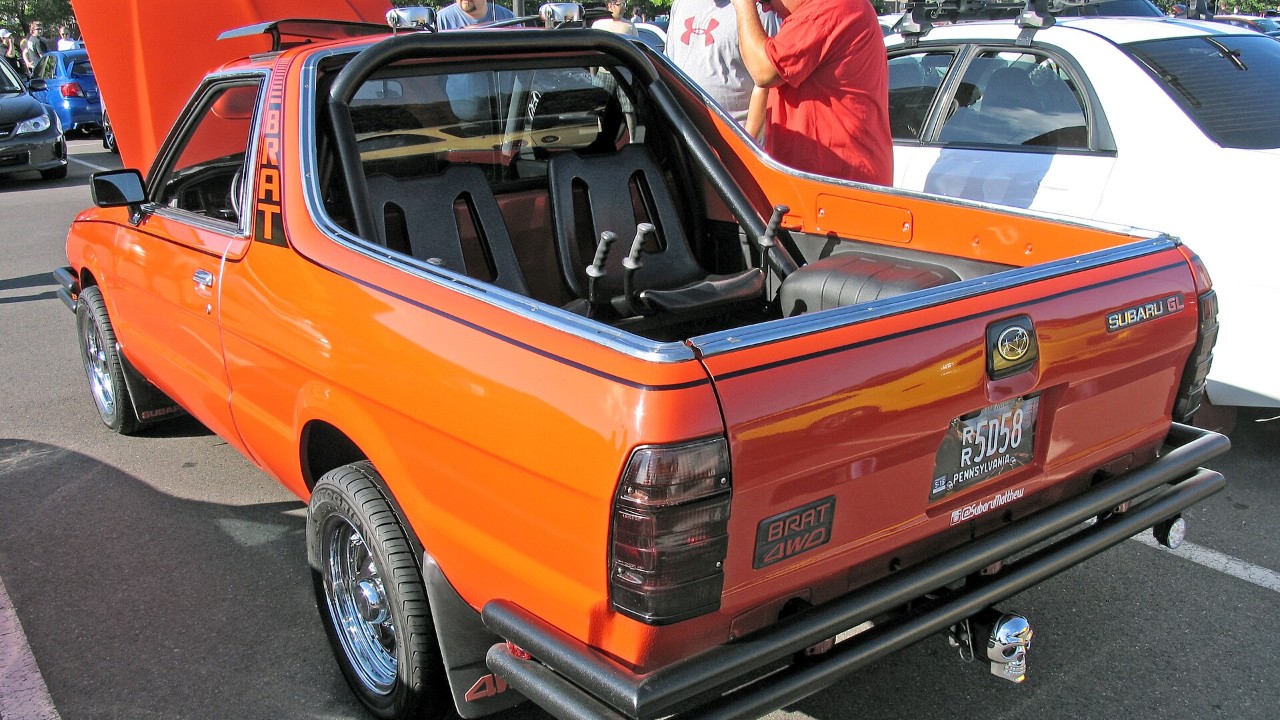
AMC built plenty of clever and memorable cars, but not every model has aged gracefully. Some suffered from rust, weak engines, fragile components, difficult parts availability, or simply poor long-term durability. A well-preserved example can still be worthwhile, but 7 eight AMCs deserve careful inspection before anyone takes on a restoration or project.
AMC Pacer
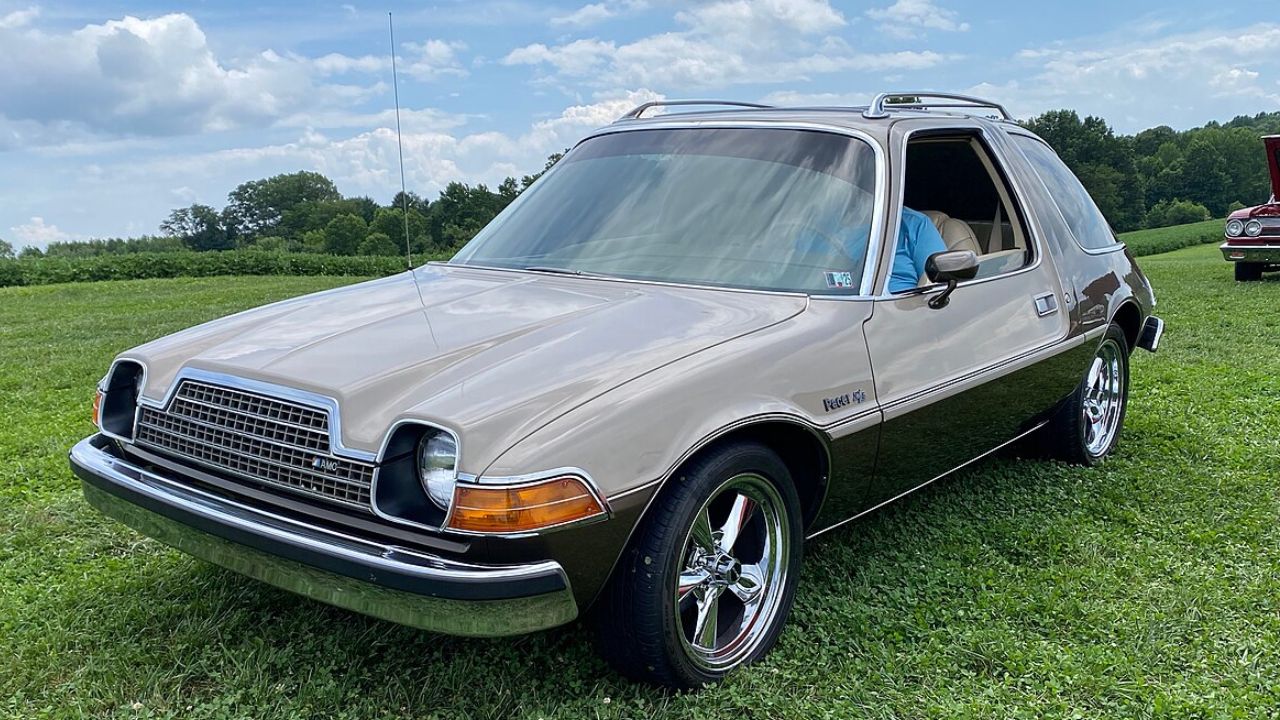
The AMC Pacer’s unusual styling makes it one of the most recognizable cars of its era, but that doesn’t necessarily make it an easy classic to own. Its enormous glass area, complicated body structure, and rust-prone construction can create expensive restoration problems. Replacement trim can also be difficult to source. A solid Pacer is interesting, but a neglected one can quickly become a money pit.
AMC Gremlin
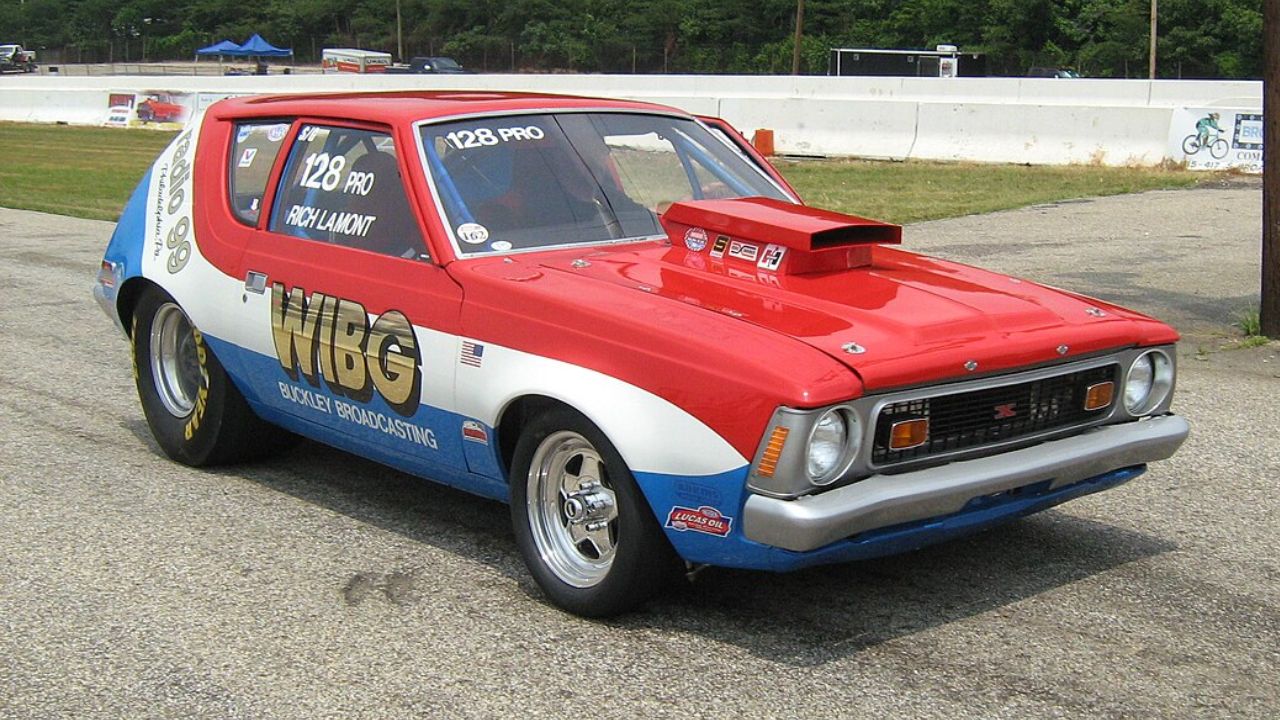
The AMC Gremlin remains an entertaining piece of automotive history, but surviving examples often require considerable attention. Rust is a major concern, while worn interiors and missing trim can be difficult to correct. Some versions also suffered from years of modifications and neglect. Its quirky shape makes it collectible, but buyers should prioritize complete, solid cars rather than inexpensive projects needing everything replaced.
AMC Matador
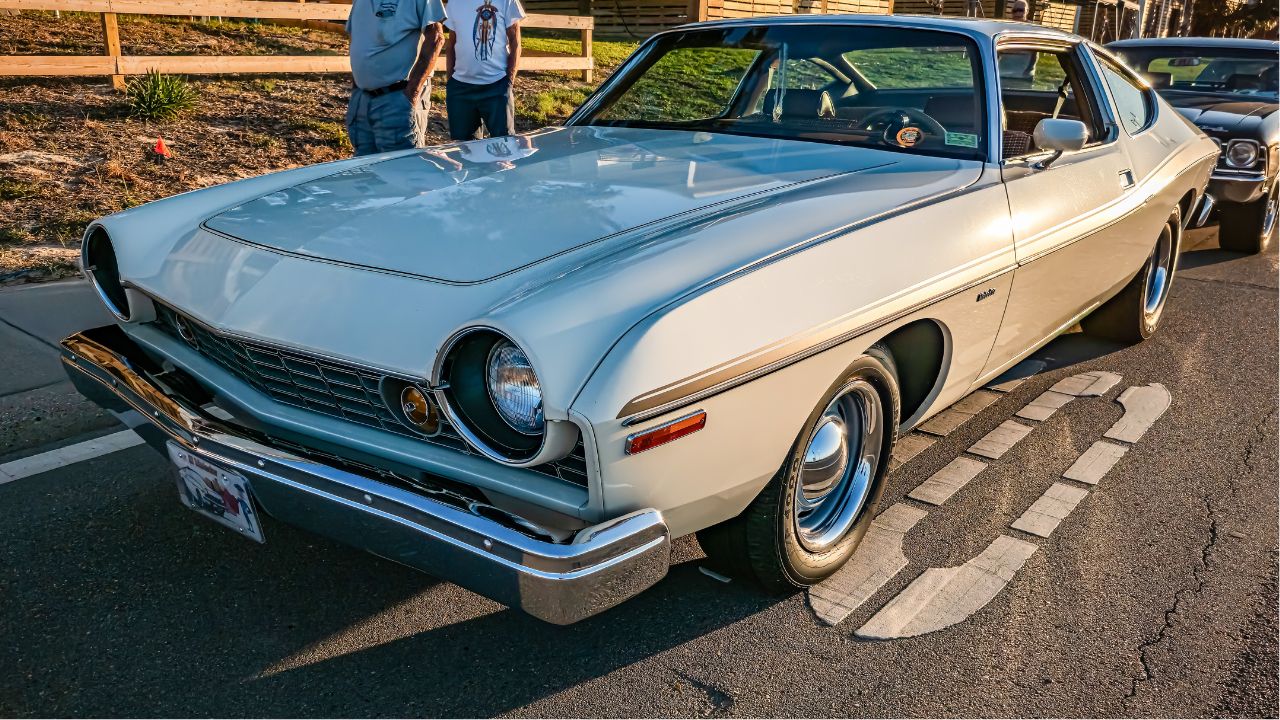
The AMC Matador covered several very different designs, but older examples can present plenty of age-related challenges. Rust, worn suspension components, tired engines, and deteriorated interiors are common concerns. Parts availability is another consideration compared with more popular American classics. The Matador’s distinctive styling makes good examples worthwhile, but a rough one can demand far more restoration work than its market value suggests.
AMC Ambassador
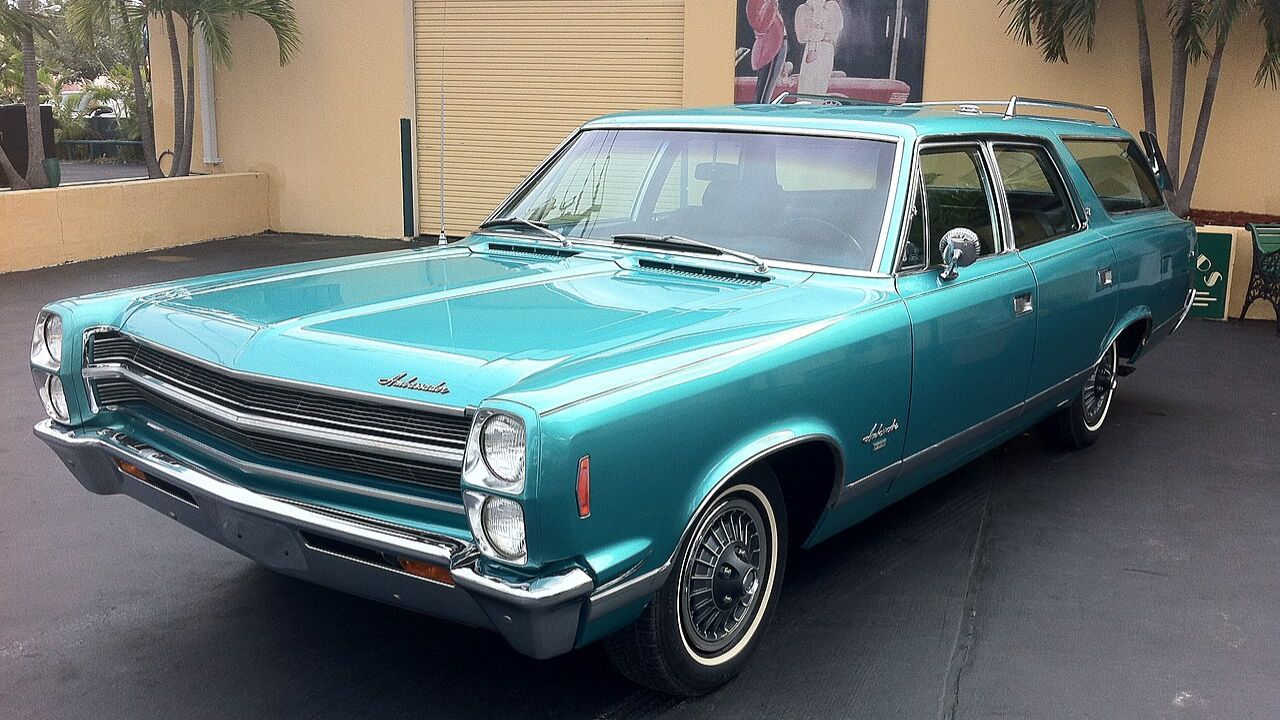
The AMC Ambassador offered substantial size and comfort, but its large body can make rust and cosmetic restoration expensive. V8 engines and conventional rear-wheel-drive components are generally easier to understand than modern systems, but neglected examples can still need extensive mechanical work. Finding good trim and interior pieces may also be difficult. Buyers should look for originality and solid bodywork above all else.
AMC Concord
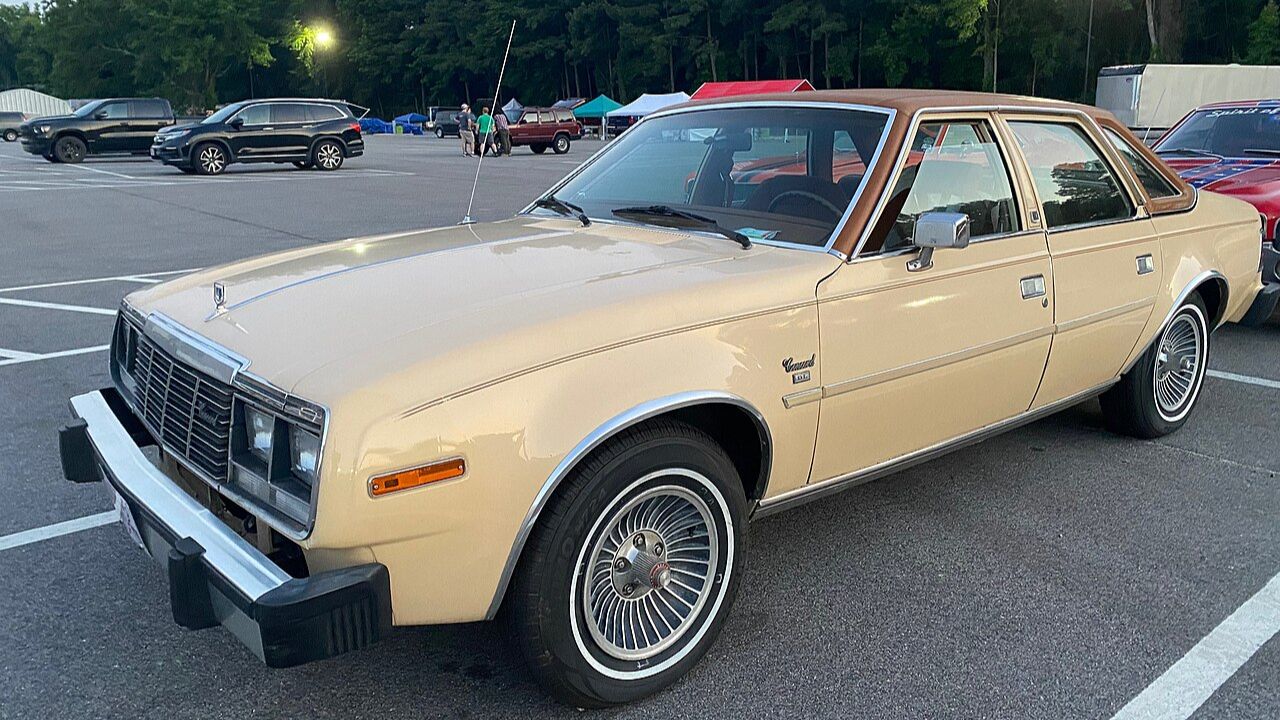
The AMC Concord was designed as practical everyday transportation, which means many examples were used heavily rather than preserved. Rust, worn interiors, aging electrical systems, and neglected suspension components can now be significant concerns. The car’s modest collector value also makes extensive restoration difficult to justify financially. A clean survivor is appealing, but rough examples are usually better left alone.
AMC Spirit
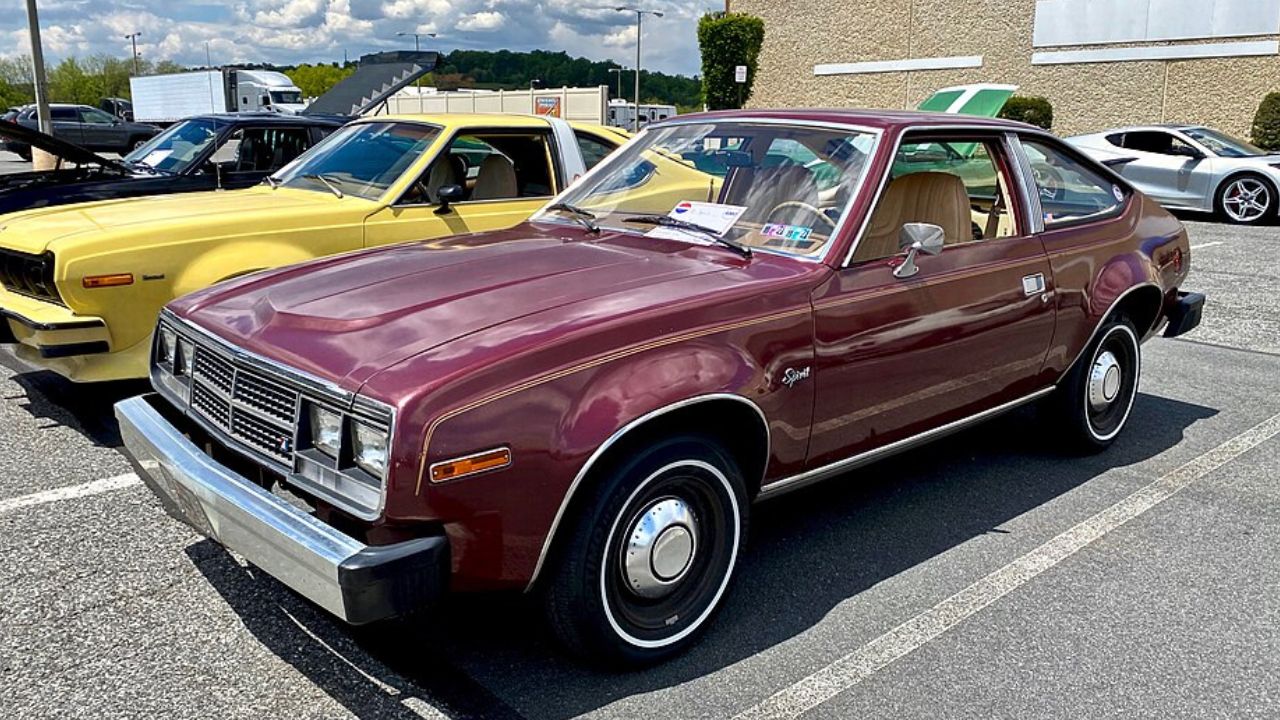
The AMC Spirit offered sporty styling in a compact package, but surviving examples can suffer from the same rust and parts-availability problems affecting many AMC products. Modified cars can be particularly troublesome because previous owners often altered suspension, engines, or interiors. Factory-original examples are far more desirable. Anyone considering a project should inspect the body carefully before spending money on mechanical upgrades.
AMC Eagle
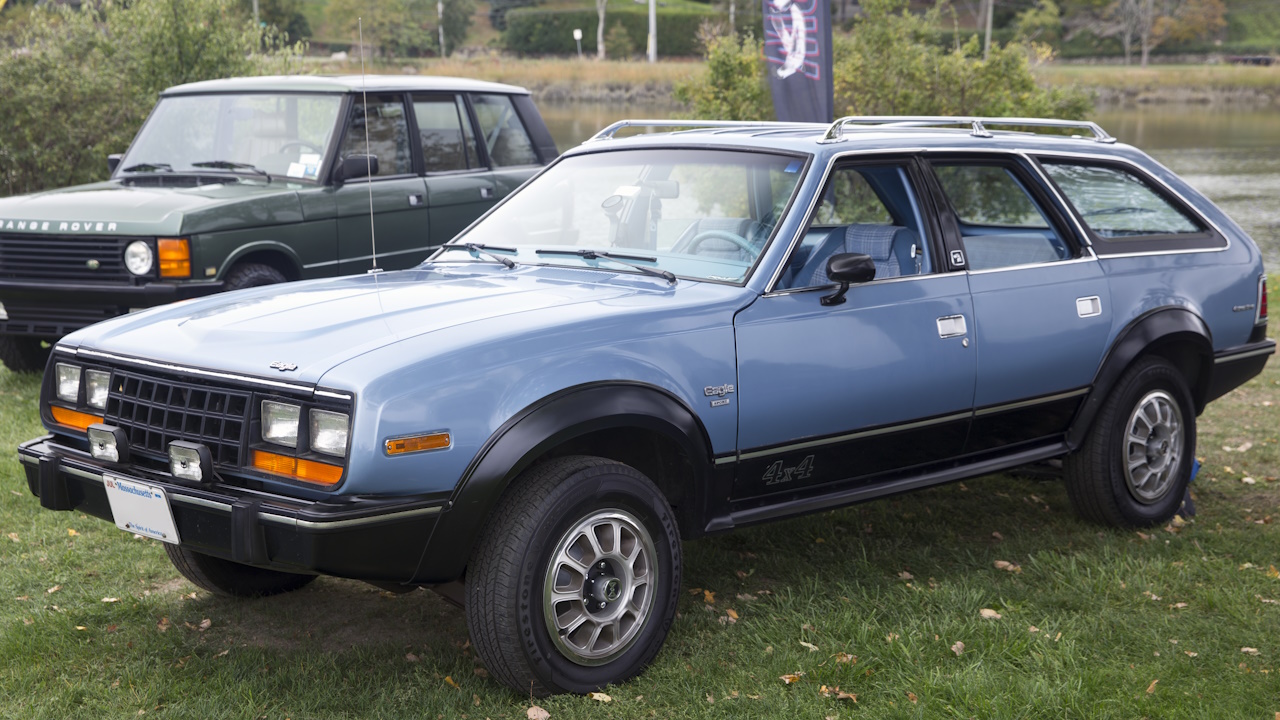
The AMC Eagle was innovative, combining passenger-car comfort with genuine all-wheel-drive capability long before crossovers became mainstream. Unfortunately, age can be hard on its complex drivetrain, suspension, and body structure. Rust is another major concern. The Eagle’s historical importance makes clean examples desirable, but neglected cars can require specialized work that quickly exceeds their purchase price.
More from Fast Lane Only
- Unboxing the WWII Jeep in a Crate
- 15 rare Chevys collectors are quietly buying
- 10 underrated V8s still worth hunting down
- Police notice this before you even roll window down
*Research for this article included AI assistance, with all final content reviewed by human editors