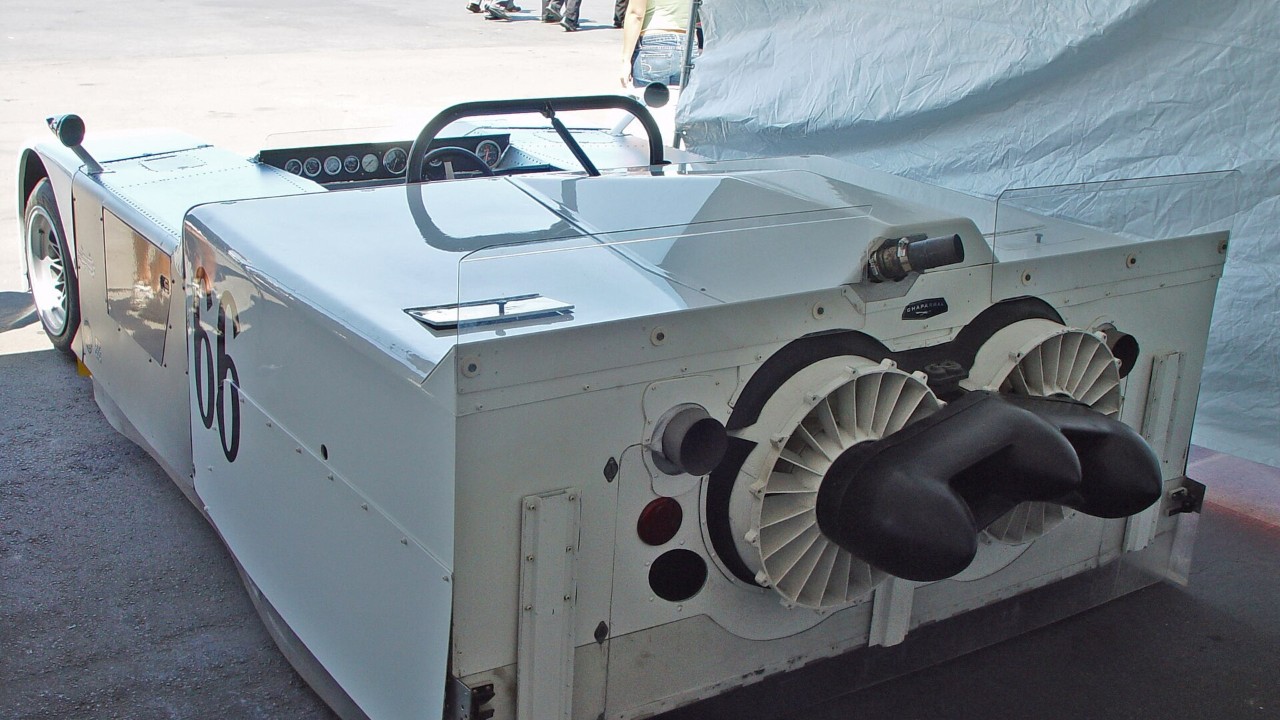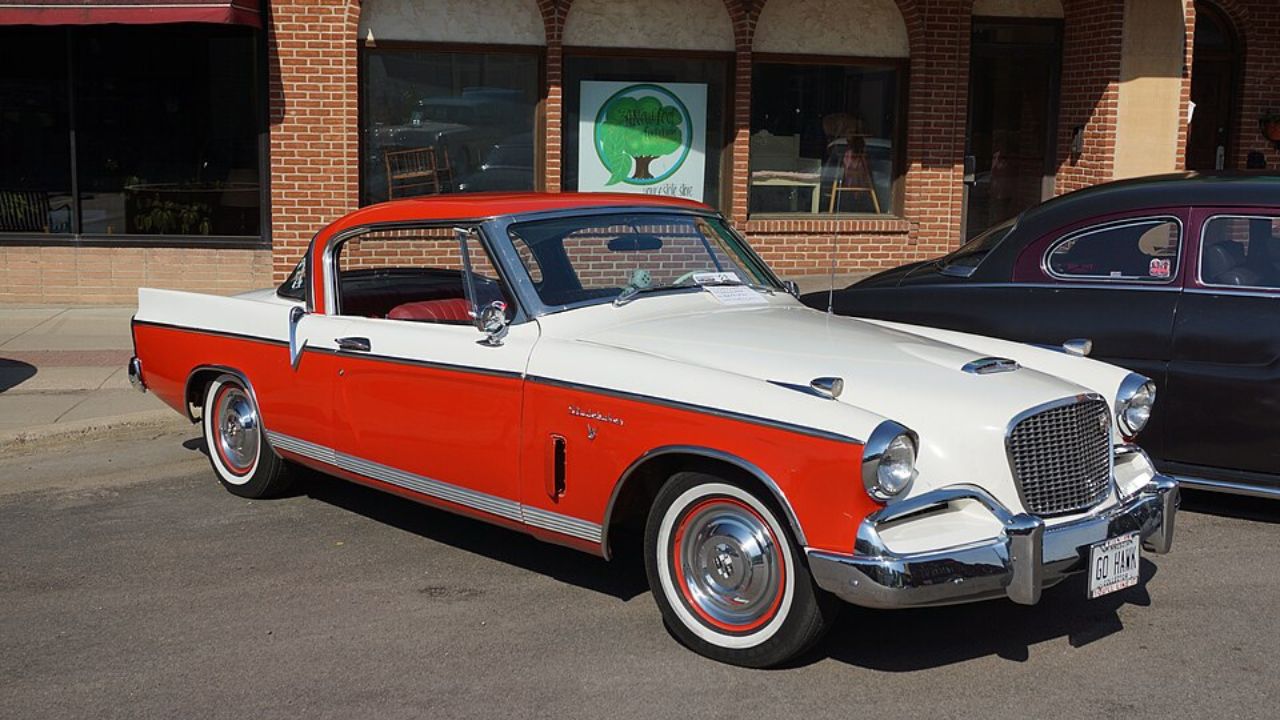
Studebaker often had to compete against much larger American automakers, yet it consistently produced cars with distinctive styling and clever engineering. Some became cult favorites, while others disappeared almost completely from public memory. These 7 models show why Studebaker deserved more attention than it received, with several offering ideas and designs that were remarkably different from mainstream Detroit cars.
Studebaker Avanti
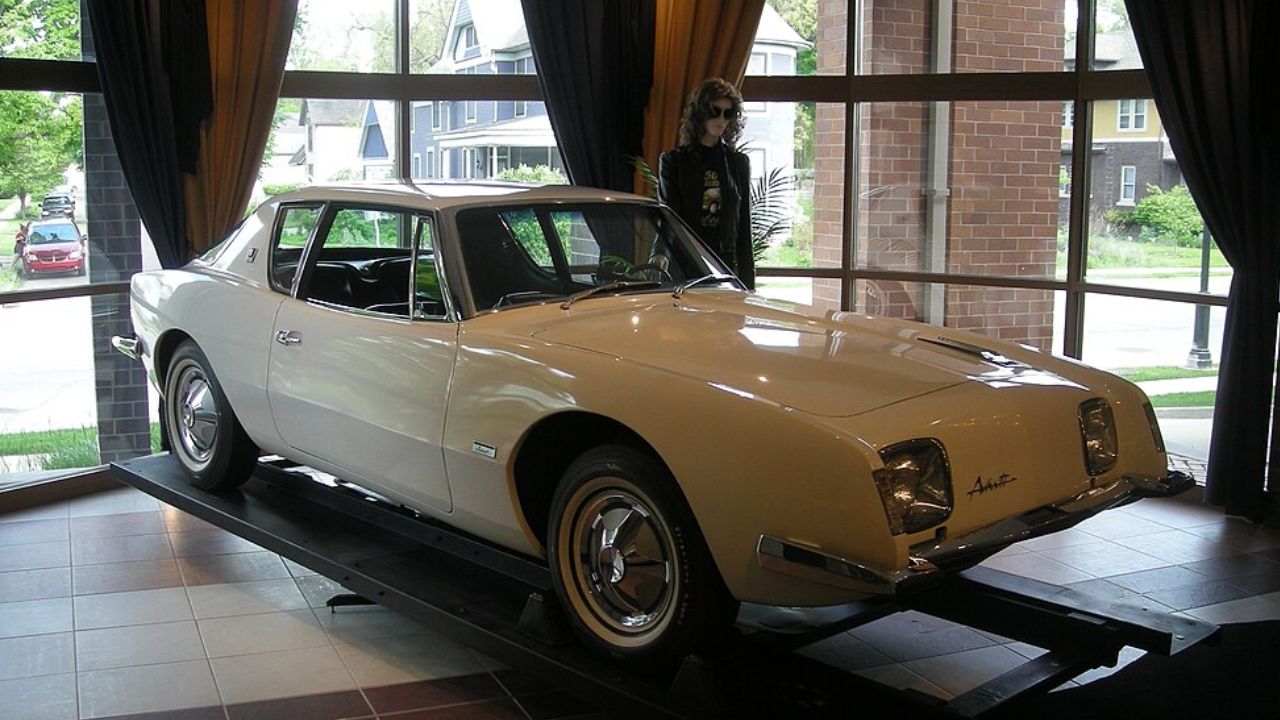
The Studebaker Avanti remains one of the company’s most ambitious cars. Its fiberglass body featured an unusually sleek design that looked dramatically different from conventional American automobiles. Performance versions could also deliver serious speed, giving the Avanti credibility beyond its appearance. Studebaker’s financial struggles limited the model’s potential, but the Avanti eventually became one of the most recognizable American cars of its era.
Studebaker Hawk
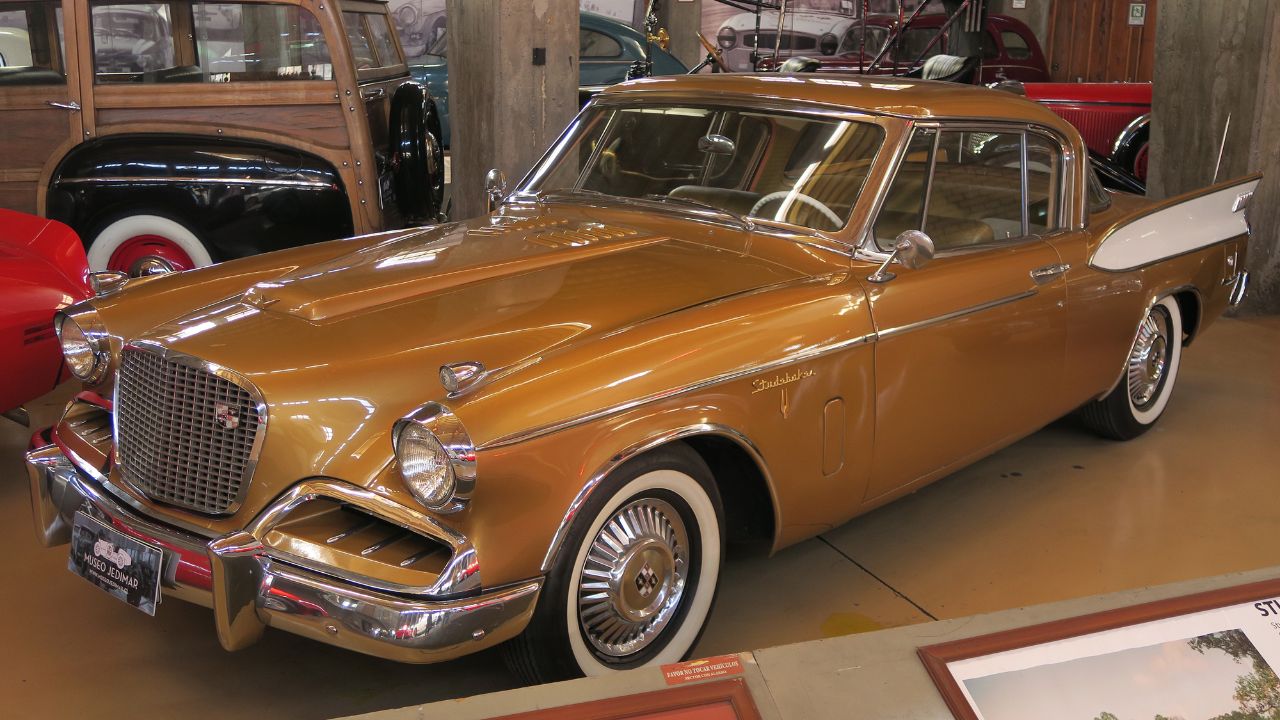
The Studebaker Hawk brought sporty styling to a company better known for practical family cars. Its long hood, fastback roofline, and available V8 engines gave it genuine performance appeal. The Hawk also looked remarkably different from the increasingly oversized designs coming from Detroit. Although it never achieved the sales of larger competitors, its distinctive appearance has helped make surviving examples popular with collectors.
Studebaker Lark
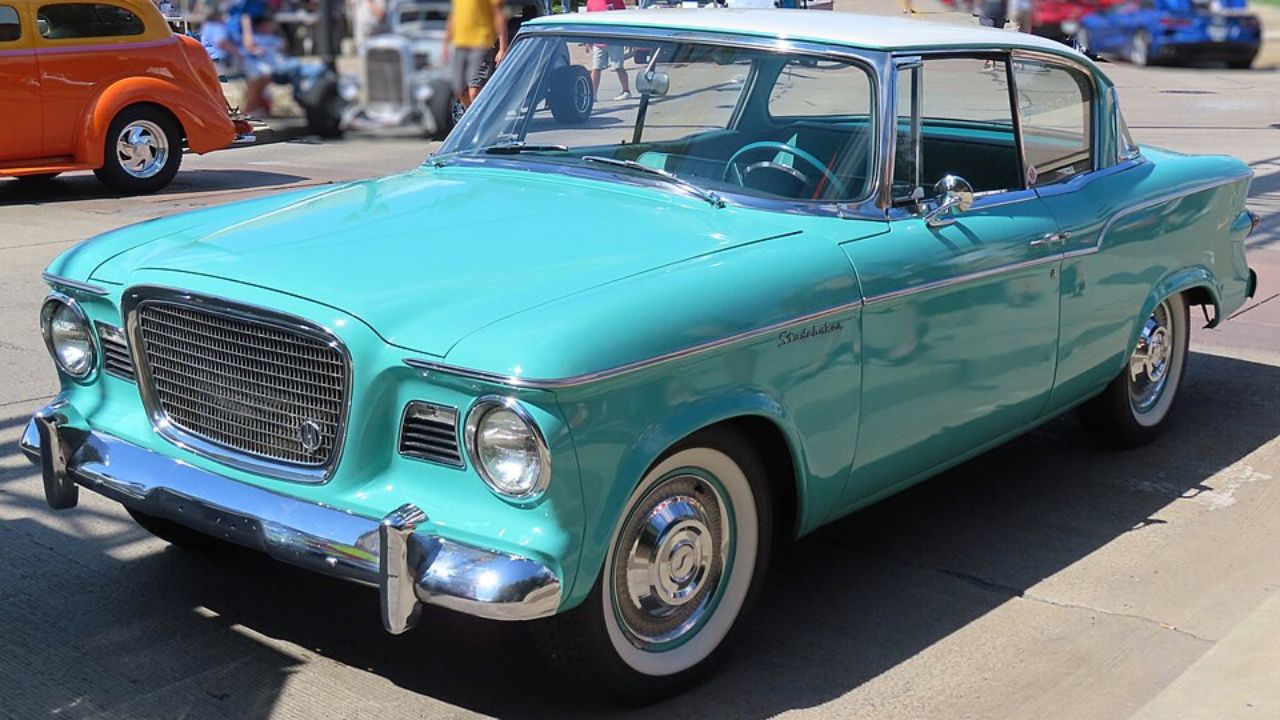
The Studebaker Lark arrived when American buyers were beginning to reconsider enormous full-size cars. Its compact dimensions provided easier handling and better economy without completely abandoning American comfort. The Lark helped Studebaker compete in a changing market, but the company lacked the resources needed to sustain the advantage. Today, the Lark stands as an important example of Studebaker’s willingness to anticipate changing consumer preferences.
Studebaker Champion
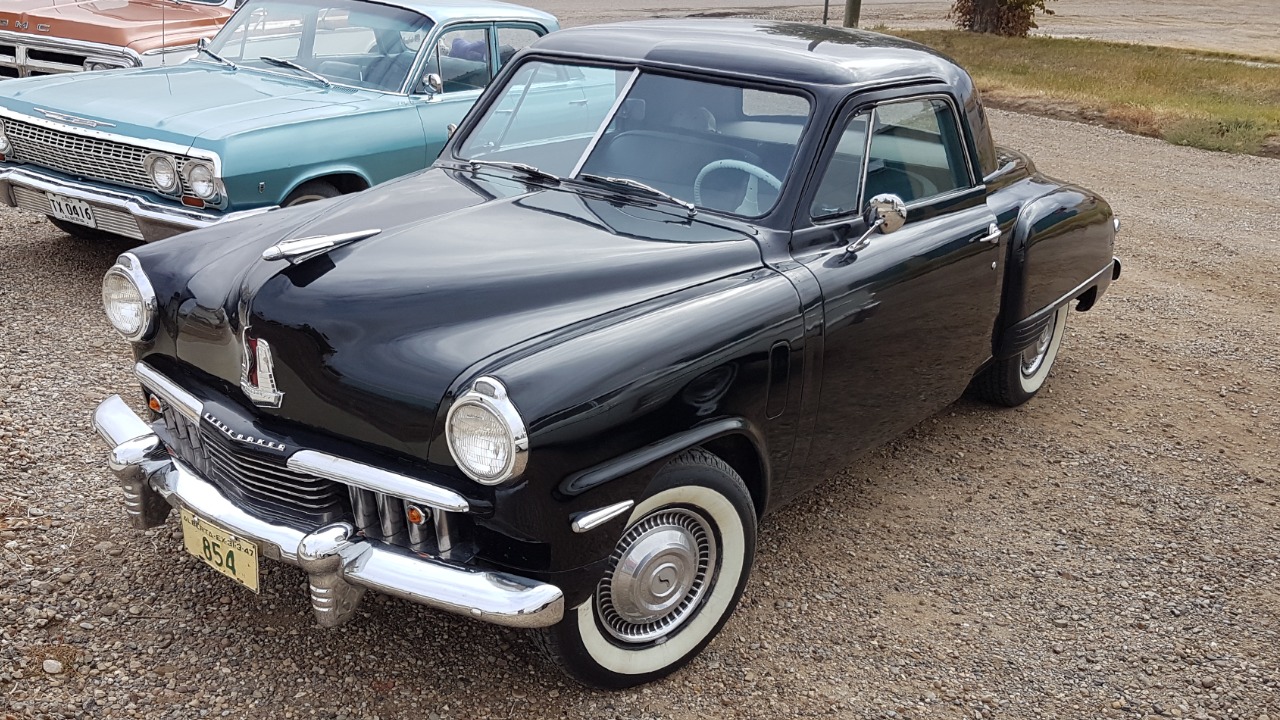
The Studebaker Champion was designed around efficiency and affordability rather than excess. Its smaller engines and relatively compact dimensions gave buyers an alternative to larger American cars. The Champion also demonstrated that an American manufacturer could build a practical vehicle without simply shrinking a full-size design. Its importance is often overlooked, but the model played a major role in establishing Studebaker’s reputation for unconventional thinking.
Studebaker Commander

The Studebaker Commander offered a combination of attractive styling, strong performance, and practical engineering. V8 power gave it plenty of highway ability, while Studebaker’s distinctive designs helped separate it from mainstream competitors. The Commander was never produced in the enormous numbers of Chevrolet or Ford models. That rarity, combined with its unusual styling, makes surviving examples increasingly interesting to collectors.
Studebaker President

The Studebaker President represented the company’s attempt to compete in the premium American market. It offered a spacious interior, substantial styling, and powerful engines while retaining Studebaker’s distinctive design language. The President could provide plenty of highway performance without simply copying Detroit’s approach. Today, it is one of the company’s more interesting forgotten luxury cars and an excellent example of Studebaker’s ambition.
Studebaker Dictator
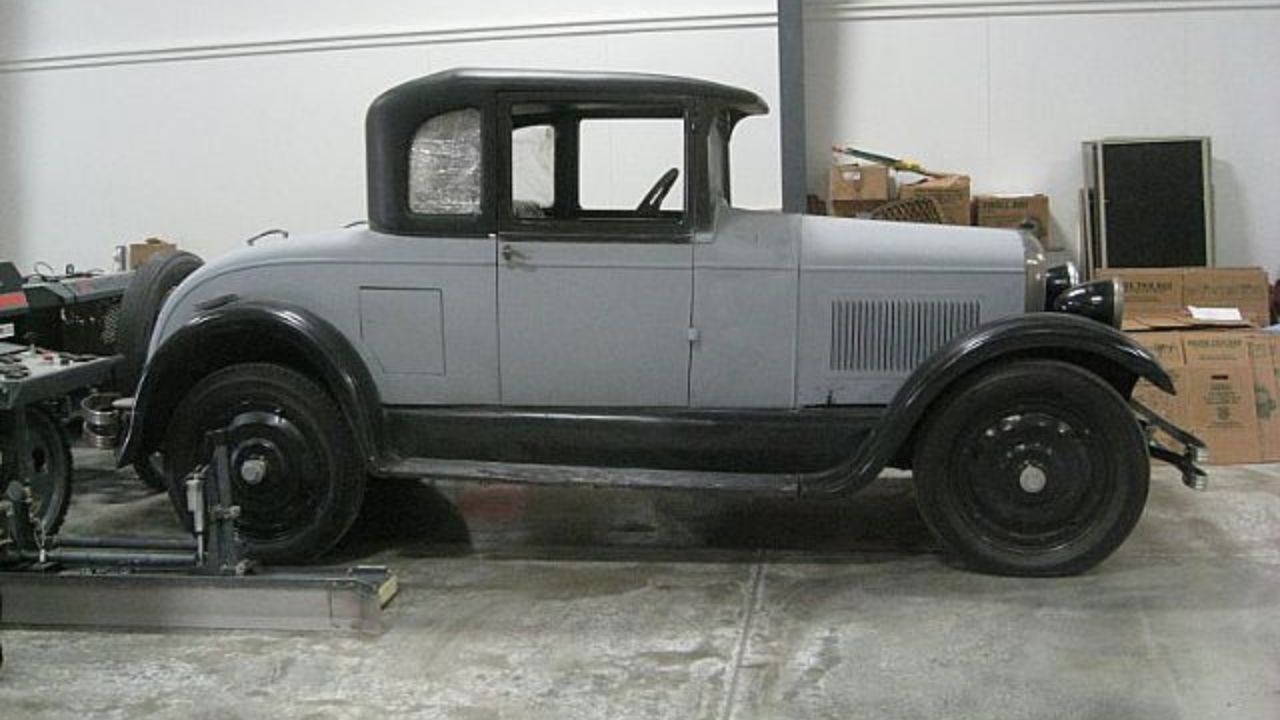
Despite its unfortunate name today, the Studebaker Dictator was an important part of the company’s lineup during the 1930s. It occupied a practical position in the market and helped Studebaker compete against larger manufacturers. Its conventional mechanical layout made it suitable for everyday transportation, while the company’s styling gave it a distinctive identity. Surviving examples now offer a fascinating connection to prewar American motoring.
More from Fast Lane Only
- Unboxing the WWII Jeep in a Crate
- 15 rare Chevys collectors are quietly buying
- 10 underrated V8s still worth hunting down
- Police notice this before you even roll window down
*Research for this article included AI assistance, with all final content reviewed by human editors