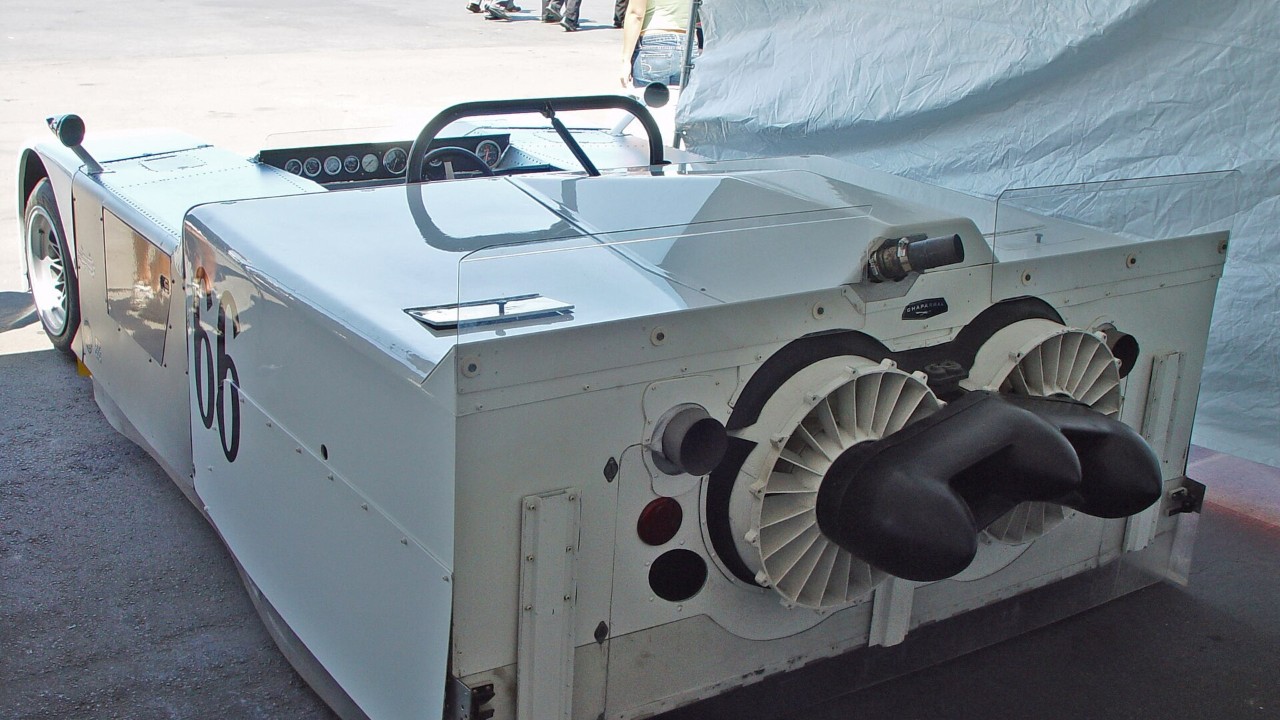
The 1980s brought turbocharging to a much wider range of cars, and some manufacturers used the technology to create surprisingly quick machines. These cars did not always look like serious performance threats, but their turbocharged engines could deliver startling acceleration for the money. Several offered performance that challenged much more expensive sports cars while remaining practical enough for everyday driving.
Buick Regal Grand National
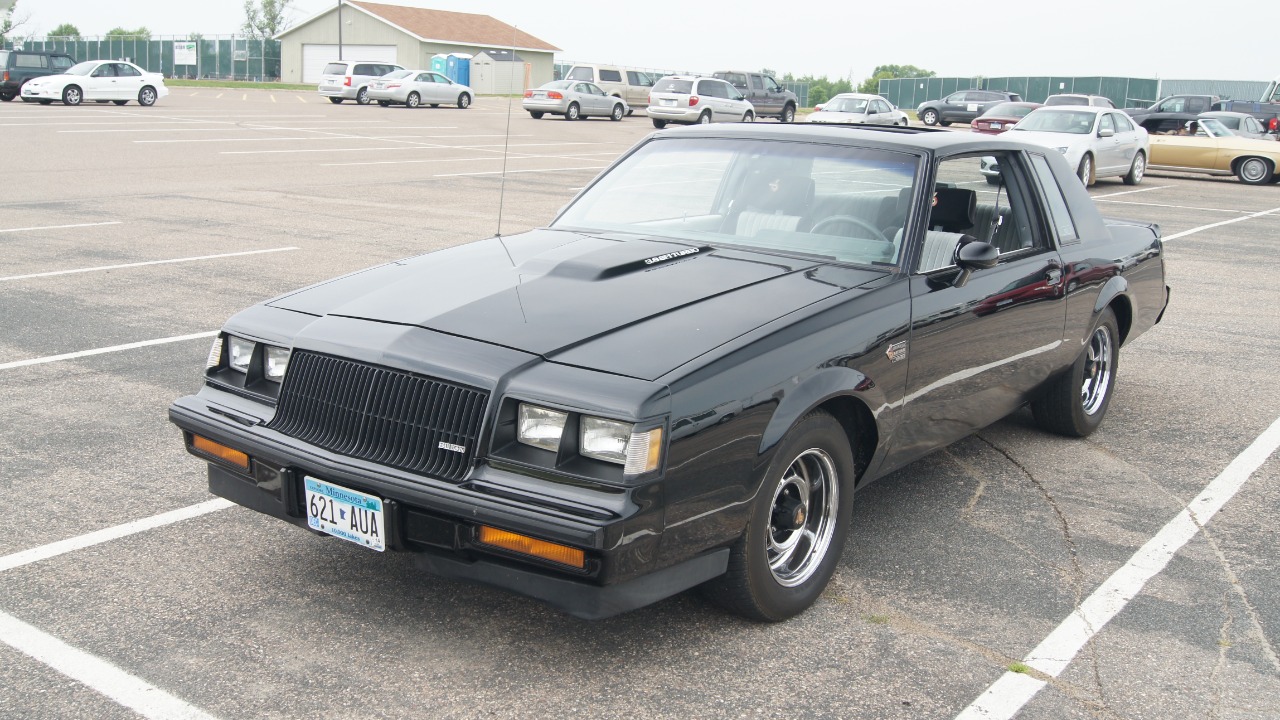
The Buick Regal Grand National became the poster child for understated turbocharged performance. Its turbocharged and intercooled V6 delivered serious acceleration without relying on a huge V8. The blacked-out styling made the car look relatively restrained, which only added to its reputation. Few American performance cars better demonstrated how turbocharging could turn an ordinary-looking coupe into a genuine street threat.
Ford Mustang SVO
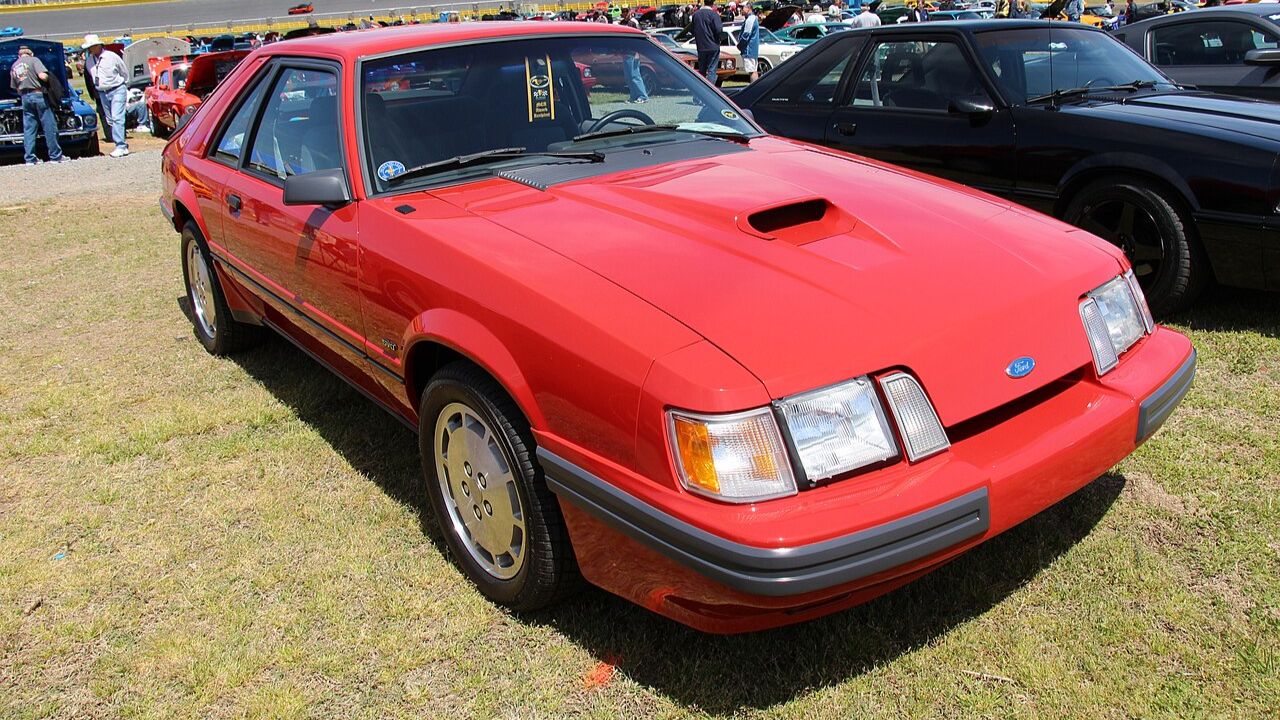
The Ford Mustang SVO took the familiar Mustang in a completely different direction. Instead of a traditional V8, it used a turbocharged four-cylinder with a sophisticated fuel-injection system and a performance-focused chassis. The lighter engine helped improve handling, while the turbo delivered strong acceleration. It was an unusual Mustang, but its combination of power, balance, and technology made it one of Ford’s most interesting 1980s performance cars.
Porsche 944 Turbo
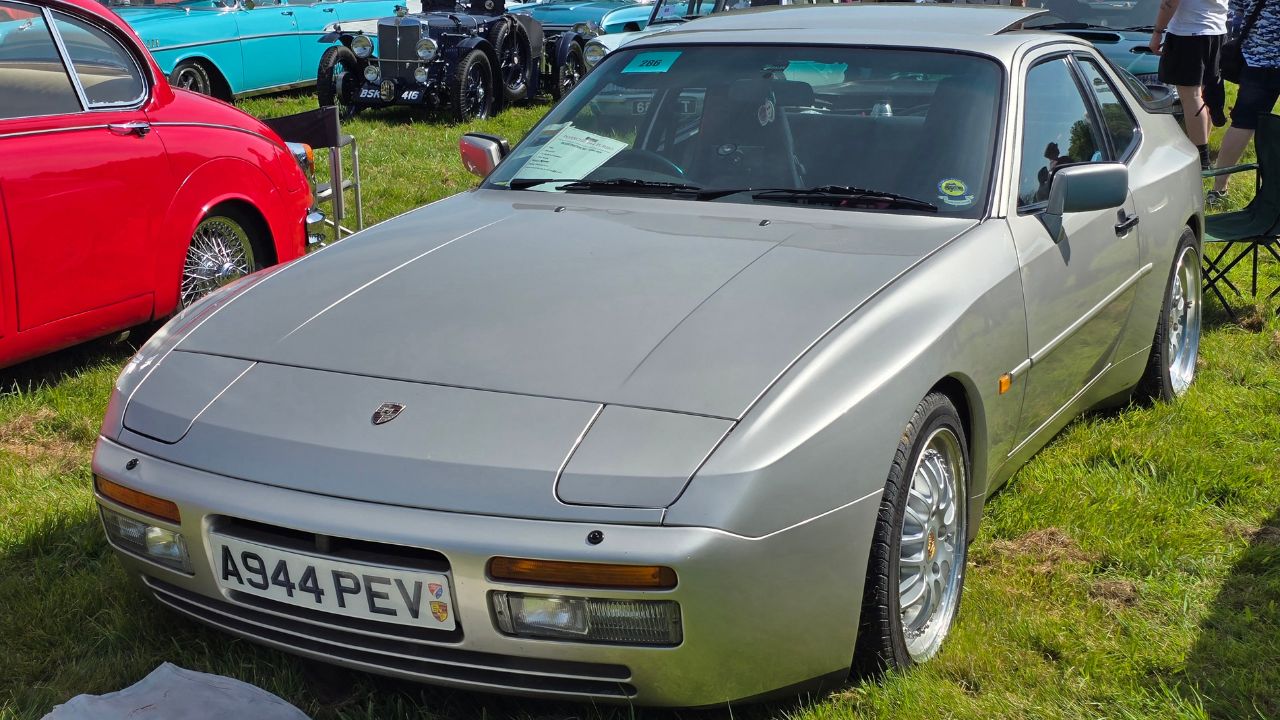
The Porsche 944 Turbo combined turbocharged performance with excellent weight distribution and precise handling. Its four-cylinder engine produced impressive power for its displacement, while the rear-mounted transaxle helped create a balanced chassis. It could challenge considerably more expensive sports cars without sacrificing everyday usability. The 944 Turbo remains one of the strongest examples of Porsche’s ability to make relatively modest hardware perform at a very high level.
Mitsubishi Starion
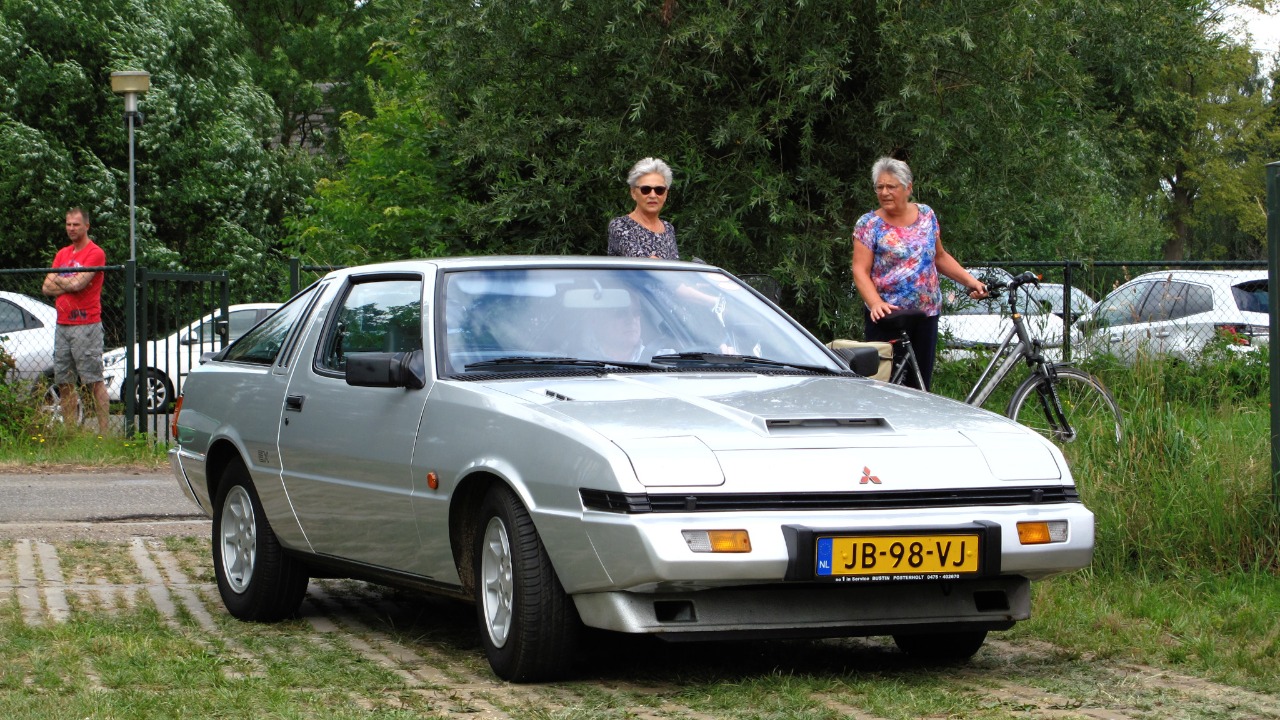
The Mitsubishi Starion was one of the more overlooked Japanese turbo performance cars of the decade. Its turbocharged four-cylinder engine, rear-wheel-drive layout, and wide stance gave it serious sporting credentials. Later versions became increasingly powerful and sophisticated. The Starion could deliver performance that surprised drivers accustomed to much more expensive European machinery, making it a genuine sleeper from the turbo era.
Toyota Supra Turbo
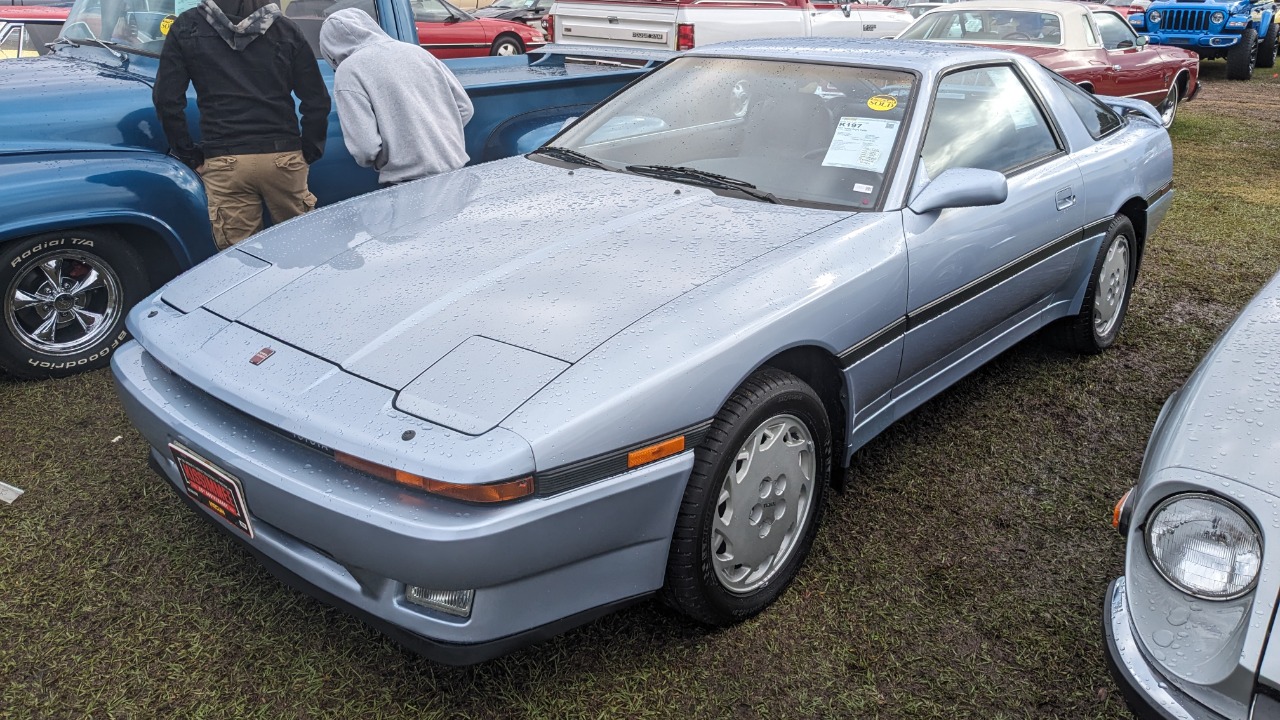
The Toyota Supra Turbo transformed the Supra from a comfortable grand tourer into a serious performance machine. Its turbocharged inline-six delivered strong power and abundant torque, while rear-wheel drive kept the driving experience engaging. The car also offered impressive refinement for its price. Although later Supra generations became even more famous, the 1980s Turbo helped establish the model’s reputation as a legitimate high-performance car.
Nissan 300ZX Turbo

The Nissan 300ZX Turbo brought sophisticated Japanese engineering to the sports-car market. Its twin-turbo V6 provided strong acceleration, while the sleek body gave it the appearance of a much more expensive machine. The combination of performance, technology, and comfort made it a formidable grand tourer. It demonstrated that Japanese manufacturers could compete directly with established European sports-car brands.
Chevrolet Monte Carlo SS Aerocoupe
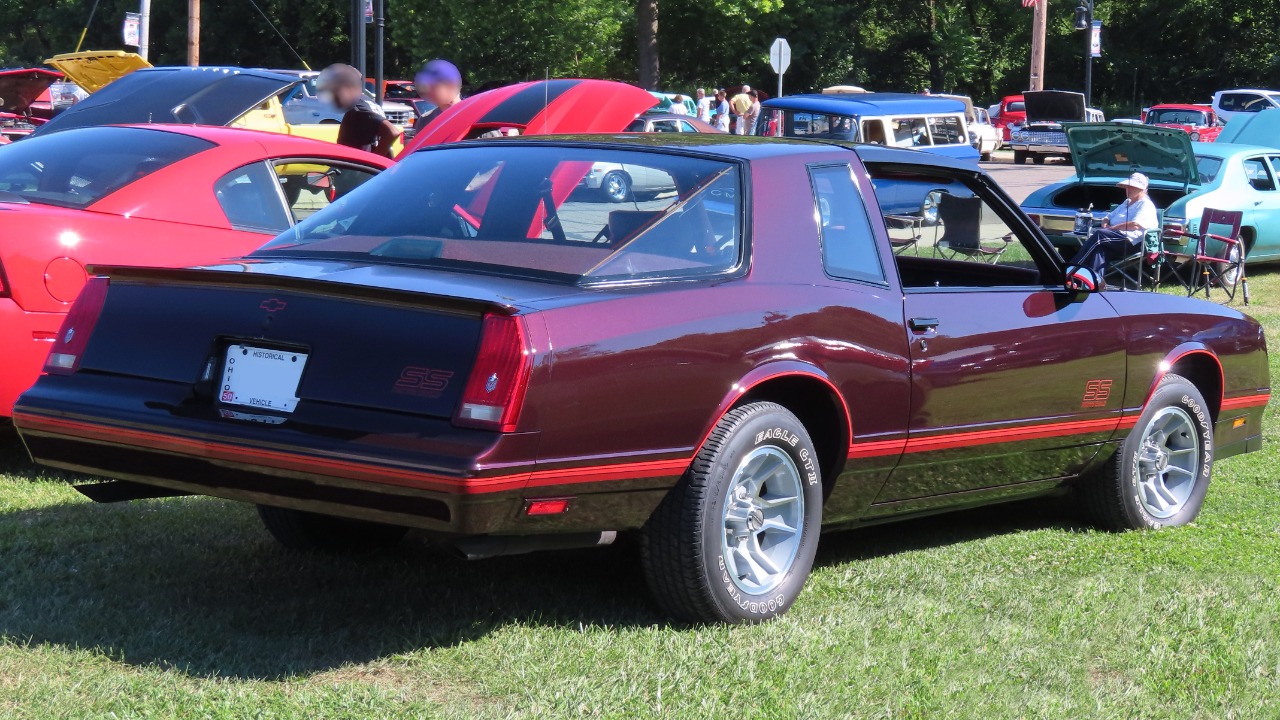
The Chevrolet Monte Carlo SS Aerocoupe did not use a turbocharger, but it belongs in the conversation because its aerodynamic design and V8 performance made it unusually quick for a traditional American coupe. The sloped rear window was developed around NASCAR aerodynamics, giving the car an unusual advantage at speed. Its limited production also makes it one of the most interesting performance Chevrolets of the decade.
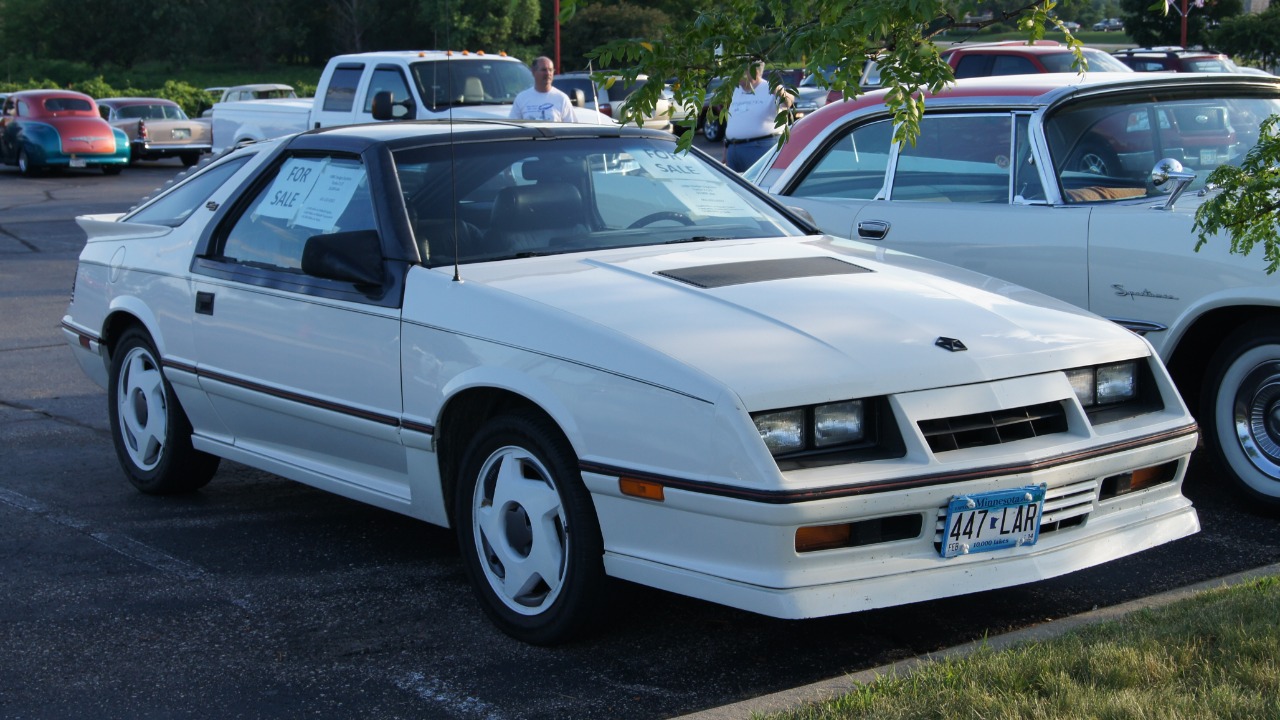
Dodge Daytona Turbo Z
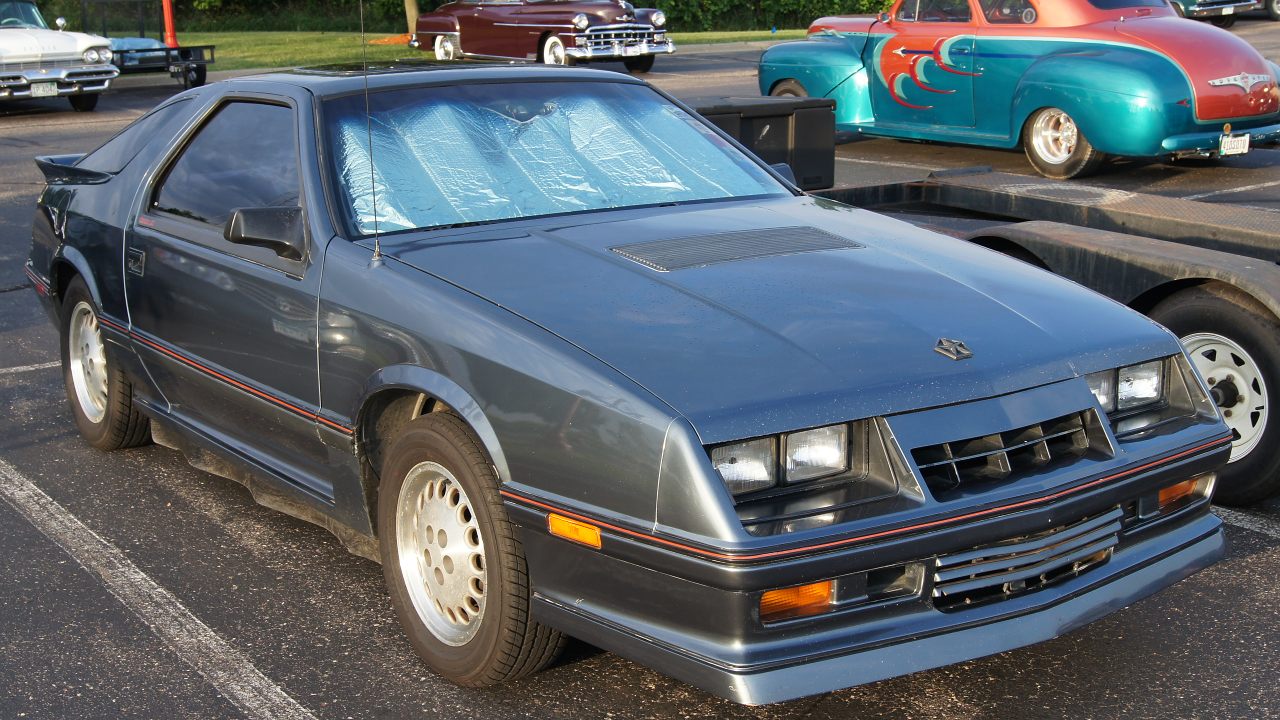
The Dodge Daytona Turbo Z combined front-wheel-drive practicality with turbocharged performance and distinctive aerodynamic styling. Its turbocharged four-cylinder provided considerably more excitement than its economy-car roots might suggest. The Daytona’s low-slung body and pop-up headlights also gave it genuine sports-car presence. While it never received the same attention as the era’s most famous performance cars, it delivered plenty of speed for the money.
More from Fast Lane Only
- Unboxing the WWII Jeep in a Crate
- 15 rare Chevys collectors are quietly buying
- 10 underrated V8s still worth hunting down
- Police notice this before you even roll window down
*Research for this article included AI assistance, with all final content reviewed by human editors