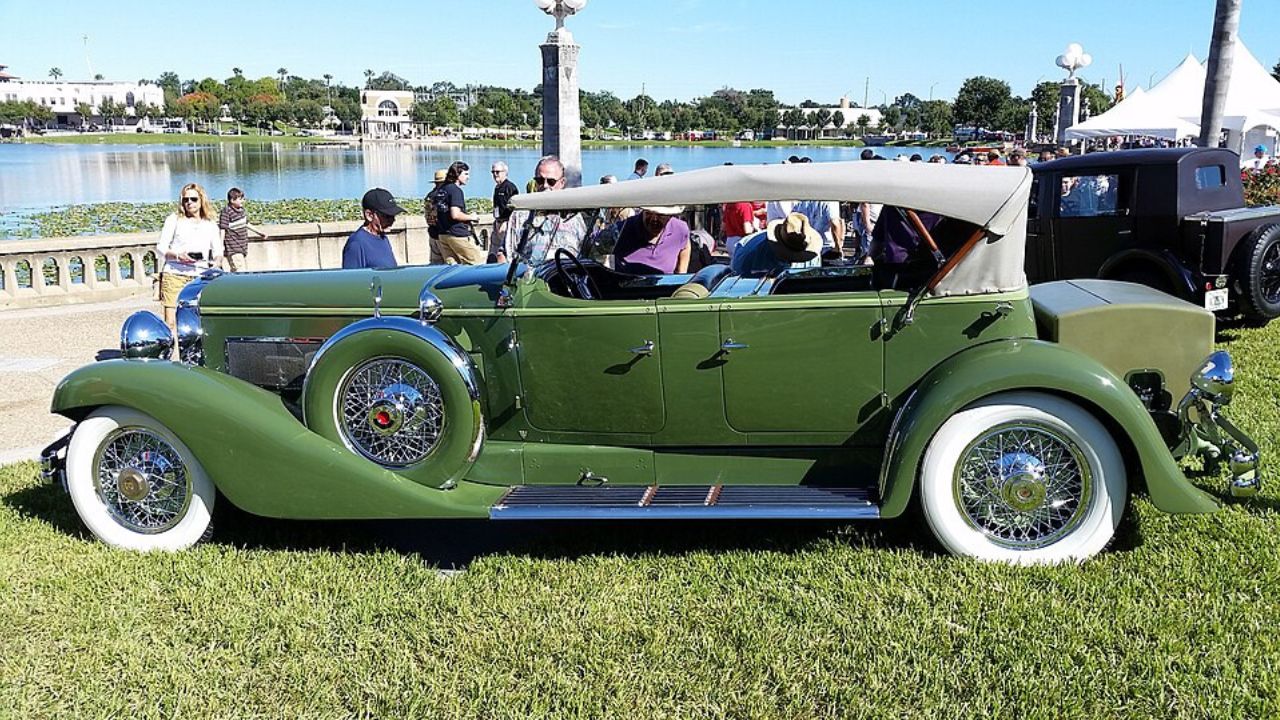
The 1930s were a difficult decade for the American automobile industry, but manufacturers continued developing cars that combined elegance, engineering, and impressive performance. While many buyers faced economic hardship, these automobiles represented some of the most ambitious designs of the era and helped shape America’s automotive heritage.
Cadillac V-16
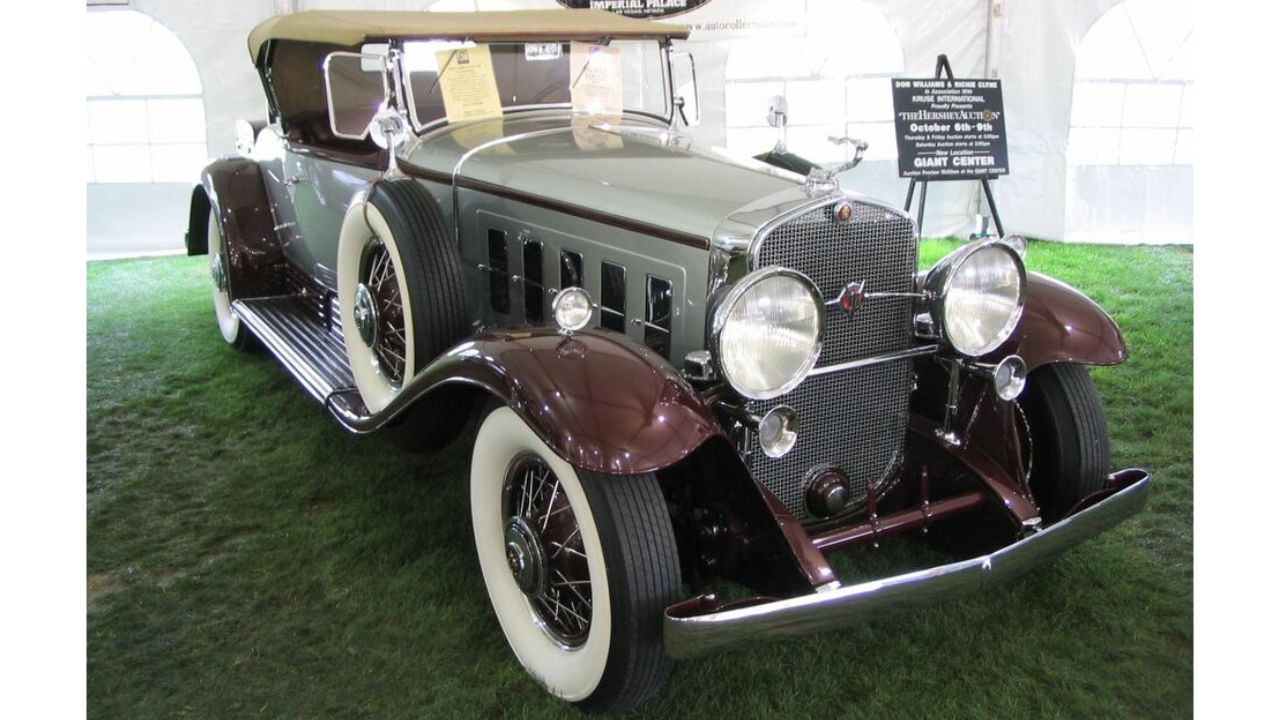
The Cadillac V-16 represented the highest level of American automotive luxury during the 1930s. Its sixteen-cylinder engine delivered exceptionally smooth power, while custom coachwork allowed wealthy buyers to create highly personalized automobiles. The V-16’s enormous presence and intricate details separated it from ordinary cars. Even today, surviving examples are considered among the most impressive American automobiles of the prewar era.
Duesenberg Model J
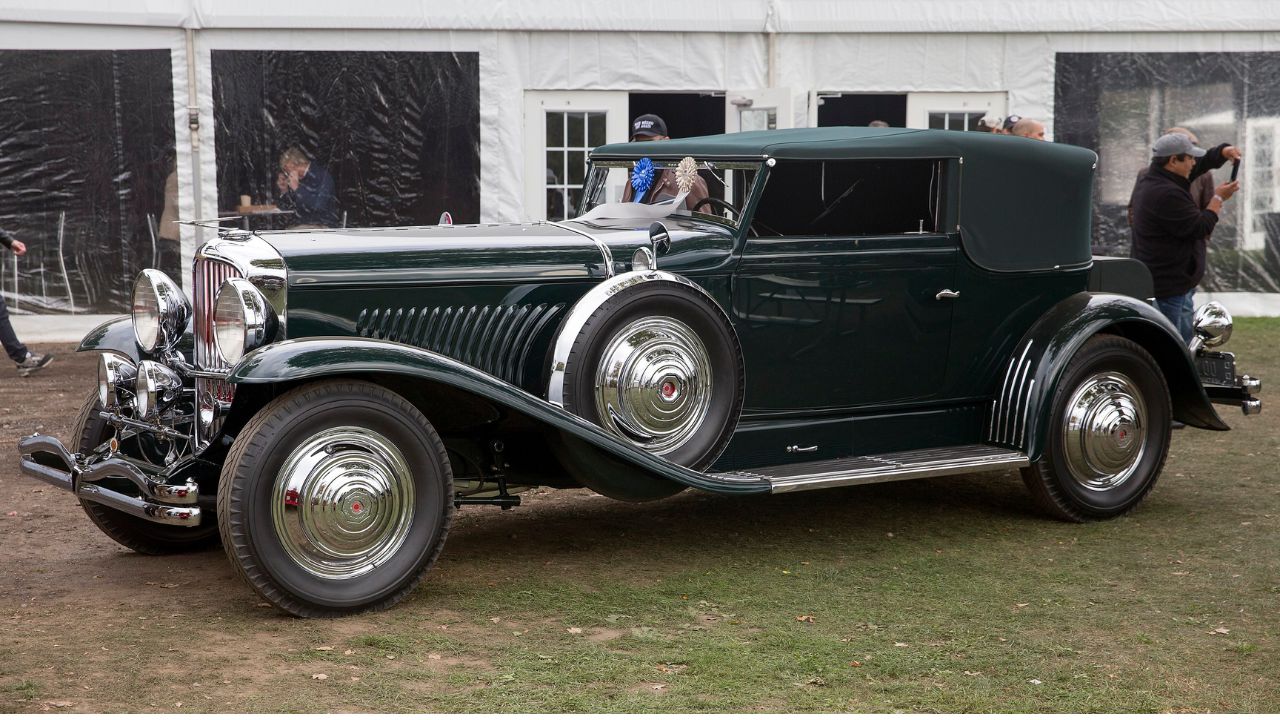
The Duesenberg Model J became one of America’s ultimate symbols of automotive prestige. Its powerful straight-eight engine, sophisticated chassis, and custom-built bodies attracted wealthy owners who wanted something extraordinary. Duesenberg focused on engineering excellence rather than mass production. The Model J remains legendary because it combined exceptional performance with some of the most elaborate coachwork ever placed on an American automobile.
Packard Twelve
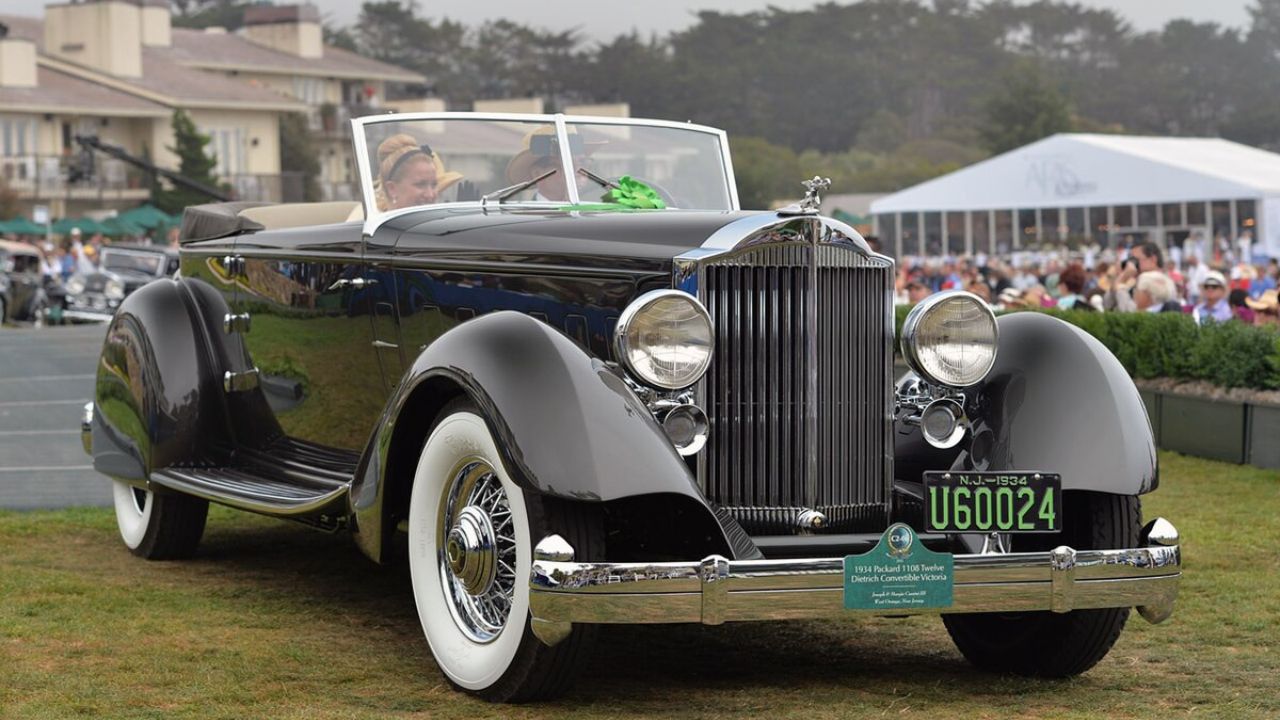
The Packard Twelve gave buyers a powerful V12 engine combined with refined styling and impressive craftsmanship. Packard had already established itself as a prestigious American manufacturer, and the Twelve represented the company’s highest level of luxury. Its smooth power delivery and elegant proportions made it a strong alternative to Cadillac and other premium marques. Surviving examples remain highly respected among collectors.
Chrysler Imperial
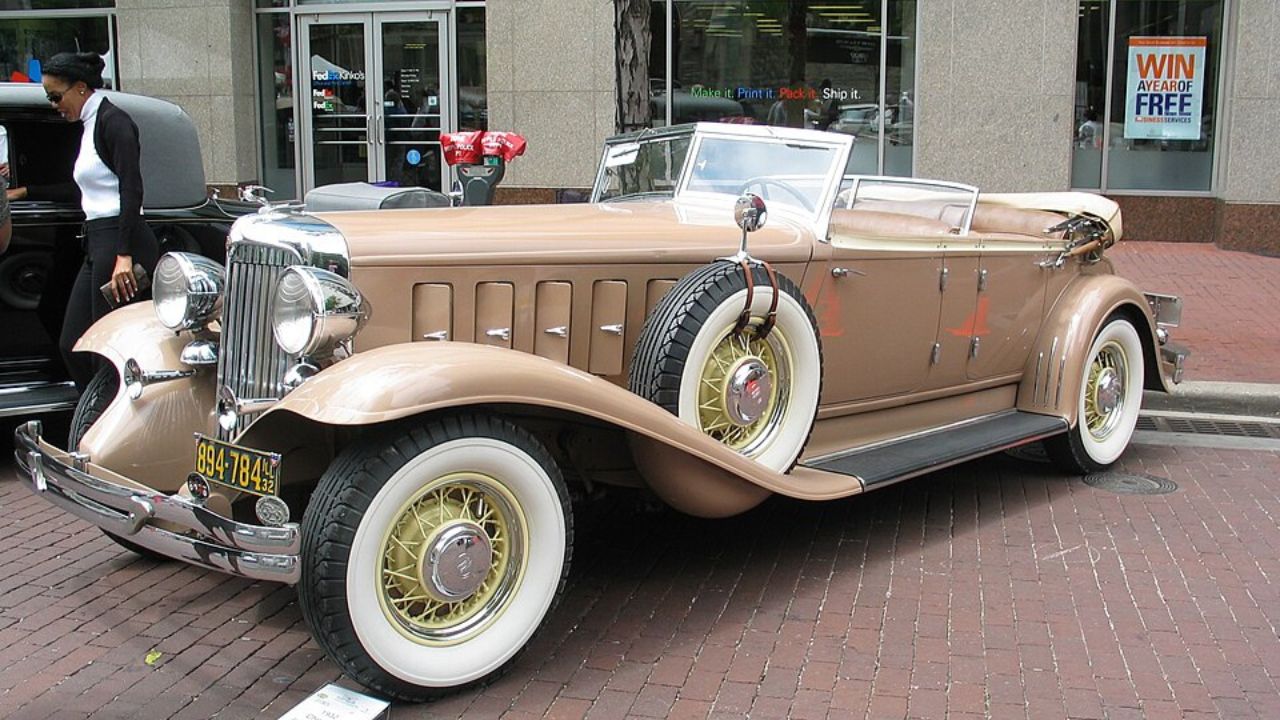
The Chrysler Imperial became Chrysler’s flagship luxury automobile during the 1930s. Its large engines, spacious interiors, and impressive styling gave the car a commanding presence. Chrysler also used advanced engineering and high-quality materials to distinguish the Imperial from ordinary vehicles. The model demonstrated that Chrysler could compete with America’s most prestigious luxury manufacturers during a difficult economic period.
Auburn Speedster
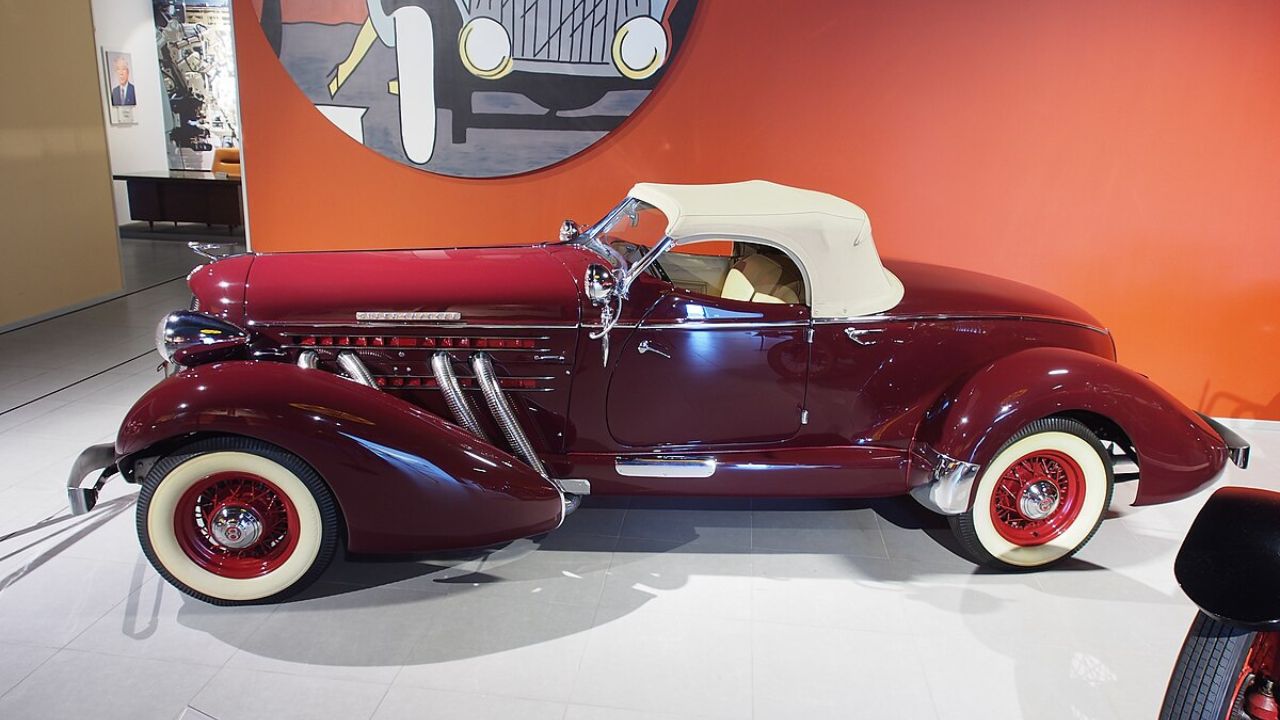
The Auburn Speedster became famous for combining dramatic styling with impressive performance at a price below many elite American automobiles. Its long hood, sweeping rear bodywork, and distinctive tail made it instantly recognizable. Powerful engines gave the Speedster genuine sporting ability. Although Auburn’s production history was relatively short, the Speedster became one of the most memorable American performance designs of the decade.
Cord 810

The Cord 810 looked radically different from most automobiles of the 1930s. Its streamlined body, hidden headlights, and front-wheel-drive layout made it appear years ahead of conventional cars. The design came from Gordon Buehrig and demonstrated how dramatically American automotive styling could change. Even though Cord’s production was short-lived, the 810 remains one of the decade’s most influential American designs.
Buick Roadmaster
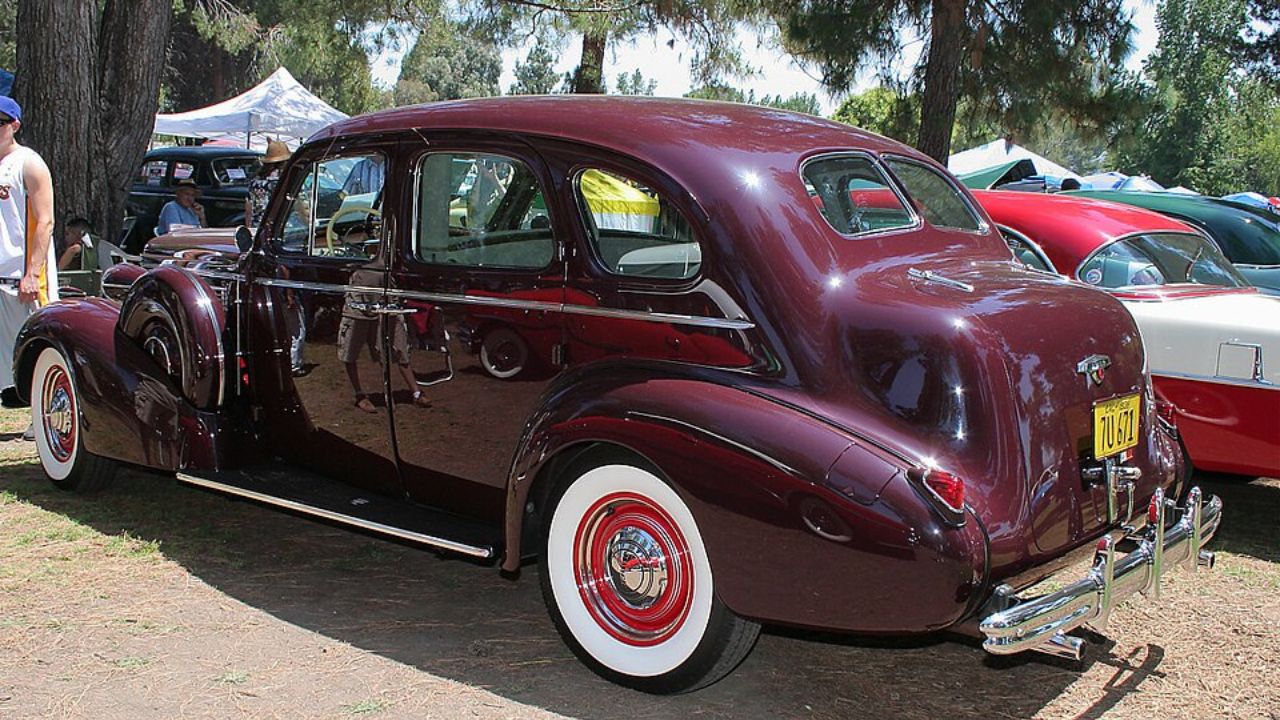
The Buick Roadmaster became one of Buick’s most prestigious models and offered buyers substantial performance without reaching the extreme cost of a custom-built luxury car. Its powerful engines, spacious body, and elegant styling made it attractive to successful middle- and upper-class buyers. The Roadmaster demonstrated how Buick could deliver a premium experience while maintaining broader accessibility than America’s most exclusive marques.
More from Fast Lane Only
- Unboxing the WWII Jeep in a Crate
- 15 rare Chevys collectors are quietly buying
- 10 underrated V8s still worth hunting down
- Police notice this before you even roll window down
*Research for this article included AI assistance, with all final content reviewed by human editors