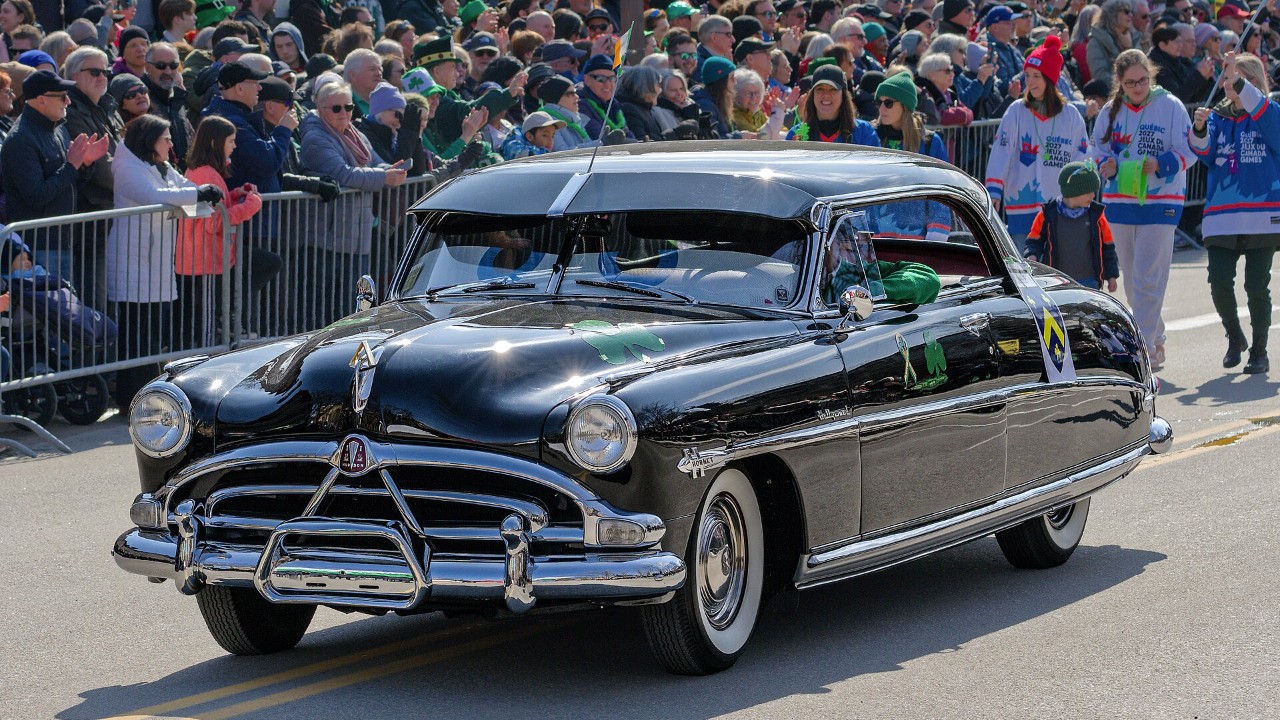
British roadsters are famous for beautiful styling, engaging handling, and a uniquely mechanical driving experience. However, not every classic British two-seater has aged gracefully. Some can bring serious maintenance demands, troublesome electrical systems, fragile components, or difficult parts sourcing. For buyers seeking an easy classic ownership experience, these seven roadsters deserve particularly careful consideration.
Triumph Stag
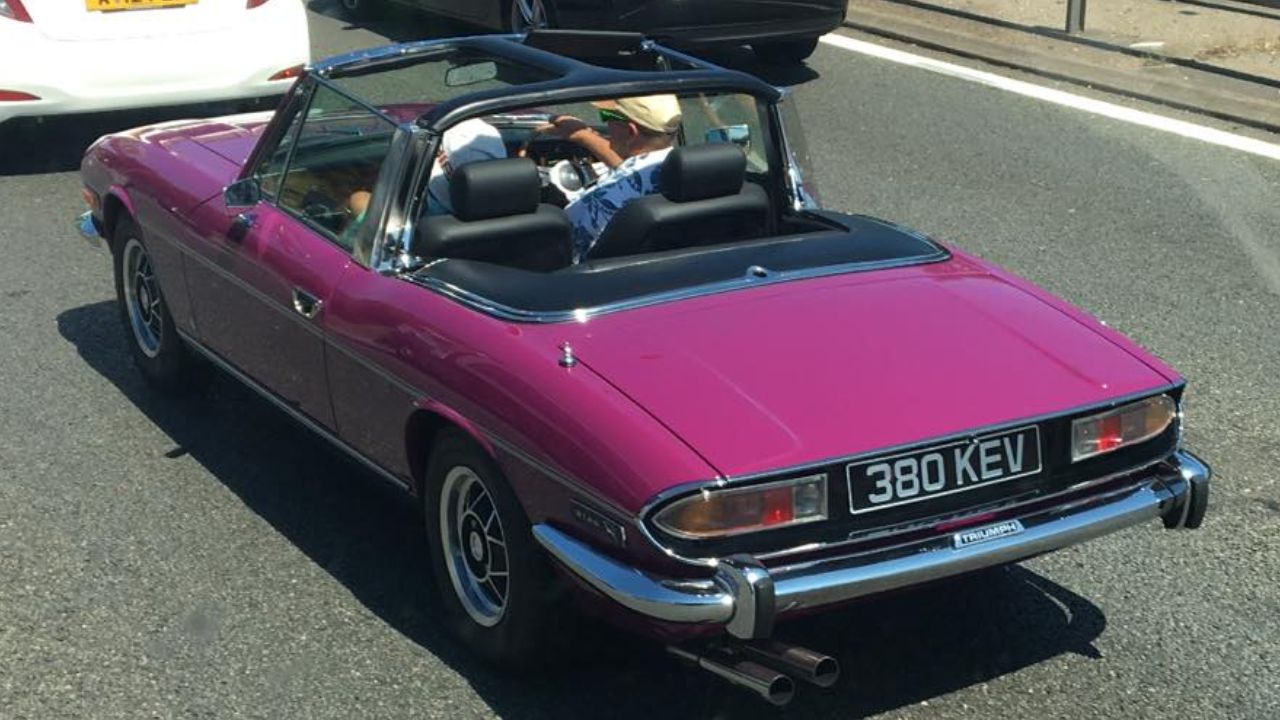
The Triumph Stag looked like a sophisticated grand tourer, but its V8 engine developed a reputation for overheating and reliability problems. Cooling-system issues, timing-chain concerns, and expensive maintenance could turn ownership into a constant mechanical project. Rust can also be a major concern on surviving examples. A properly restored Stag can be rewarding, but neglected cars can quickly become expensive.
Triumph TR7
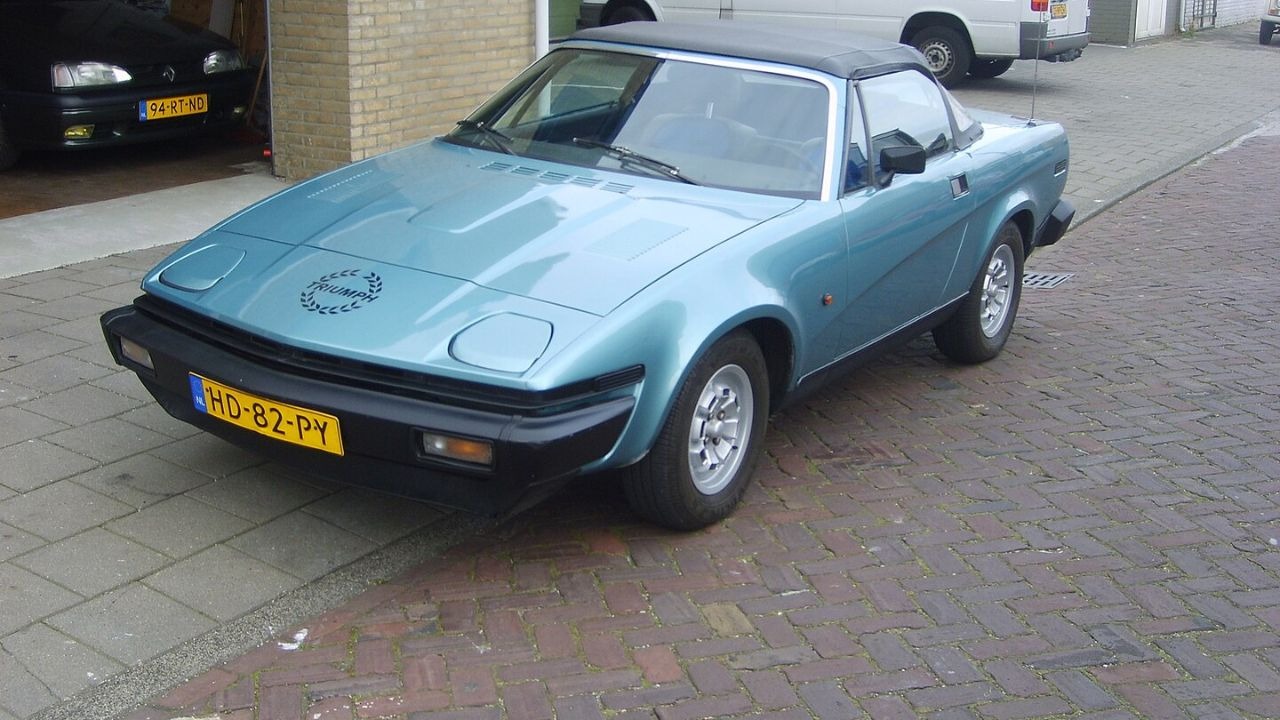
The Triumph TR7 represented a major departure from traditional British roadster design, but its reputation has never matched its styling ambitions. Electrical problems, cooling issues, rust, and questionable build quality can make neglected examples frustrating to own. The wedge-shaped body remains distinctive, yet finding a solid, properly maintained car is essential. Cheap purchase prices can hide substantial restoration costs.
MG MGB GT V8
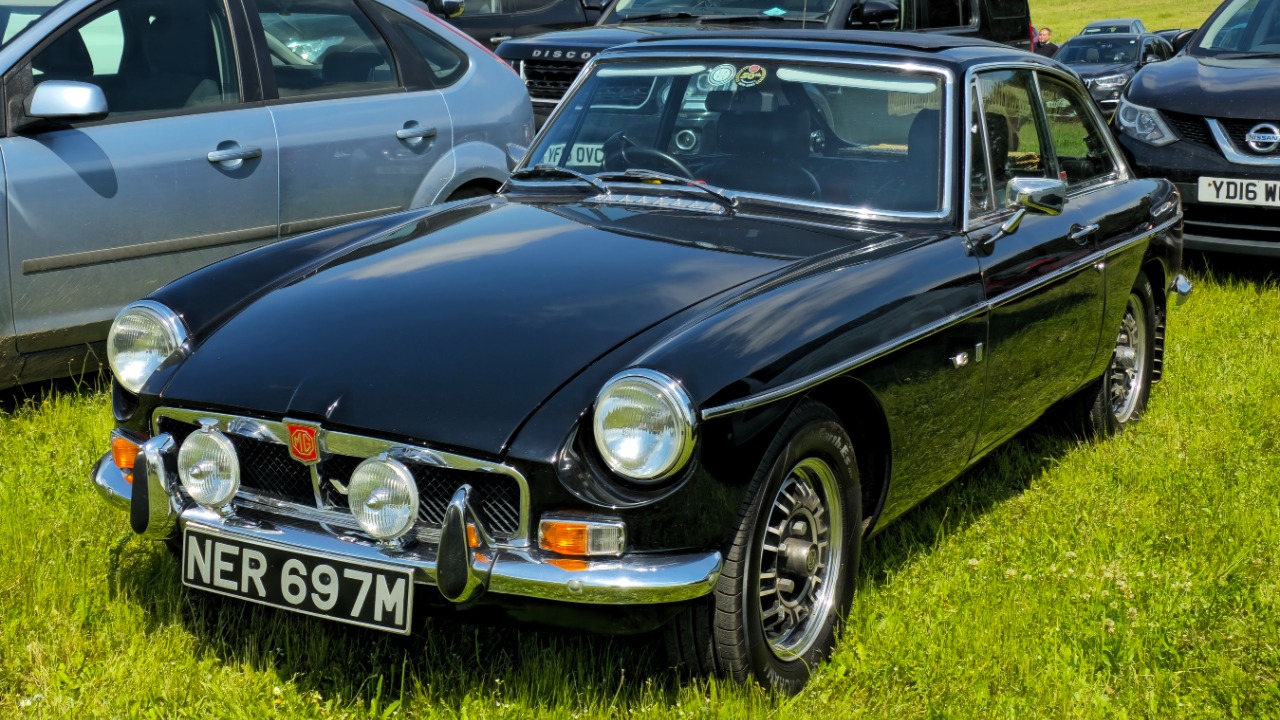
The MG MGB GT V8 offered an appealing combination of lightweight construction and Rover V8 power. Unfortunately, factory production numbers were limited, and many surviving examples have been modified or restored extensively. Rust remains a major concern, while finding original components can be difficult. Buyers attracted by the V8’s performance should carefully inspect the entire car rather than assuming the engine is the only consideration.
Jensen-Healey
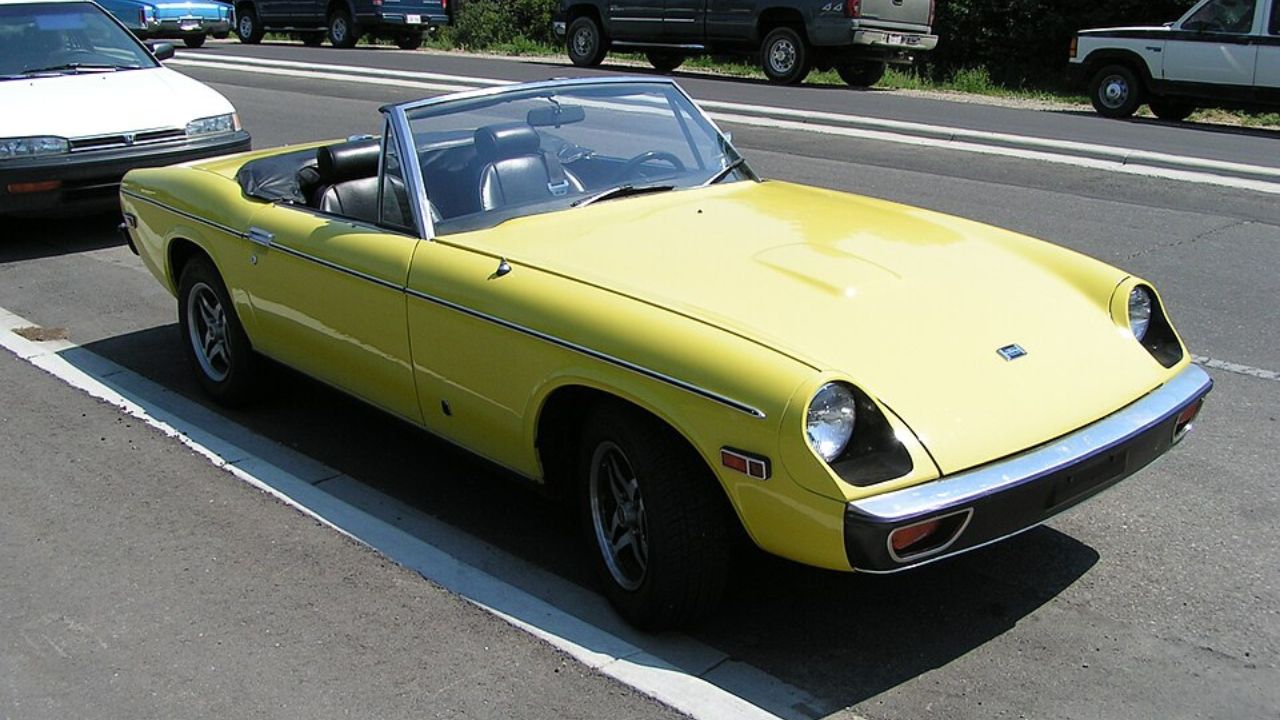
The Jensen-Healey combined attractive British roadster styling with a Lotus-derived four-cylinder engine. Unfortunately, the powertrain developed a reputation for demanding maintenance, while electrical and cooling problems could add to ownership headaches. Rust is another major concern. A sorted example can be enjoyable, but buyers looking for inexpensive and trouble-free classic motoring should approach this roadster cautiously.
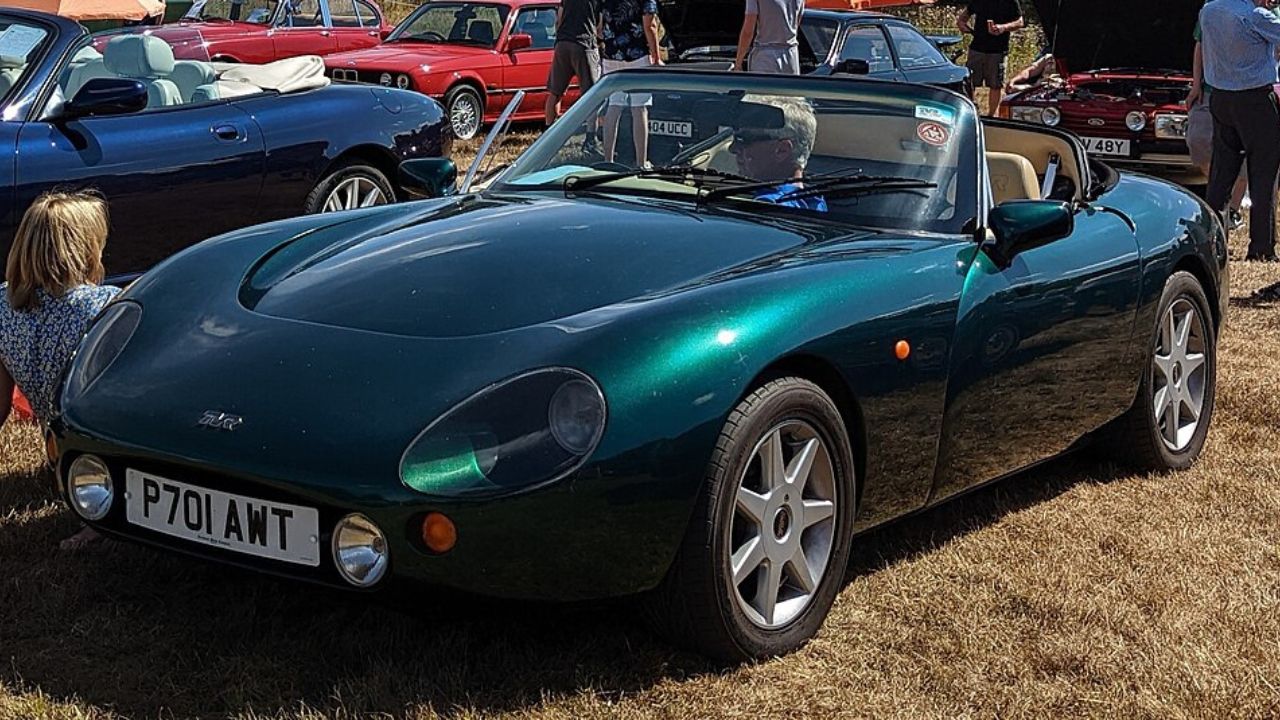
TVR Griffith
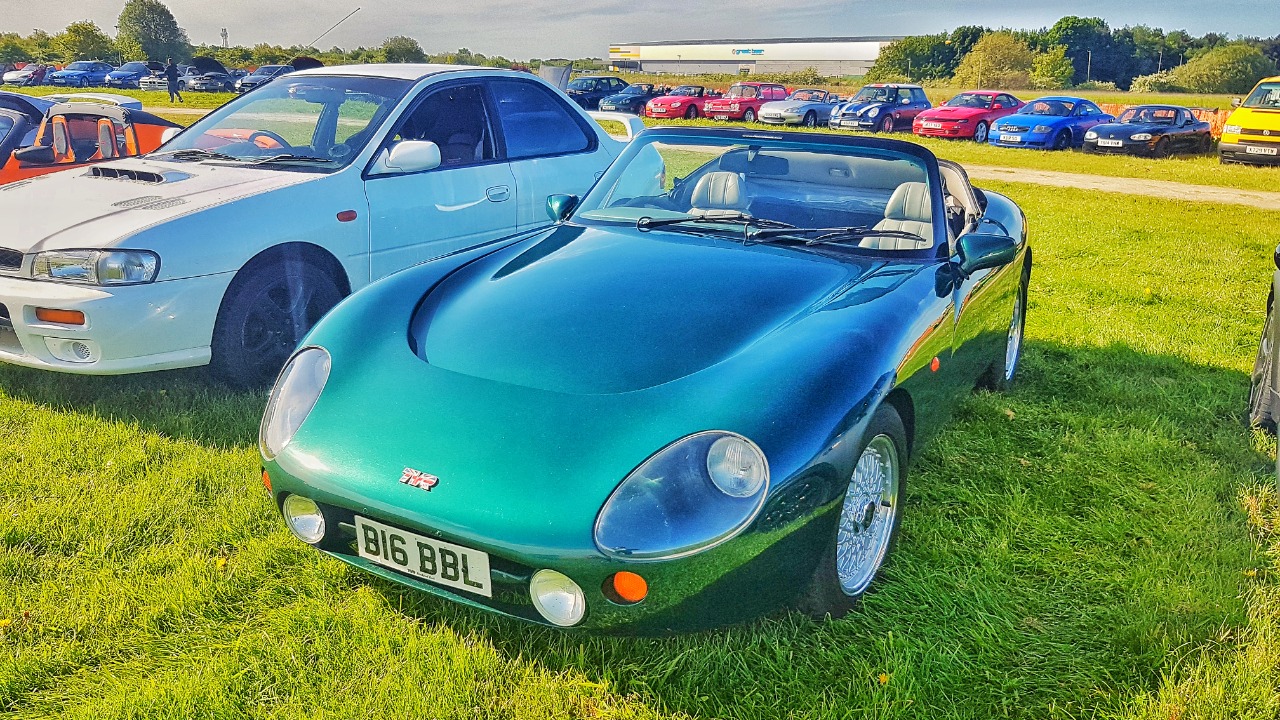
The TVR Griffith offered spectacular performance through a lightweight body and powerful V8 engine. Its hand-built nature, however, meant quality and reliability could vary considerably between individual cars. Electrical problems, cooling issues, chassis concerns, and difficult repairs can make ownership demanding. A carefully inspected Griffith can be extraordinary, but a poorly maintained example can become a very expensive project.
Lotus Elan
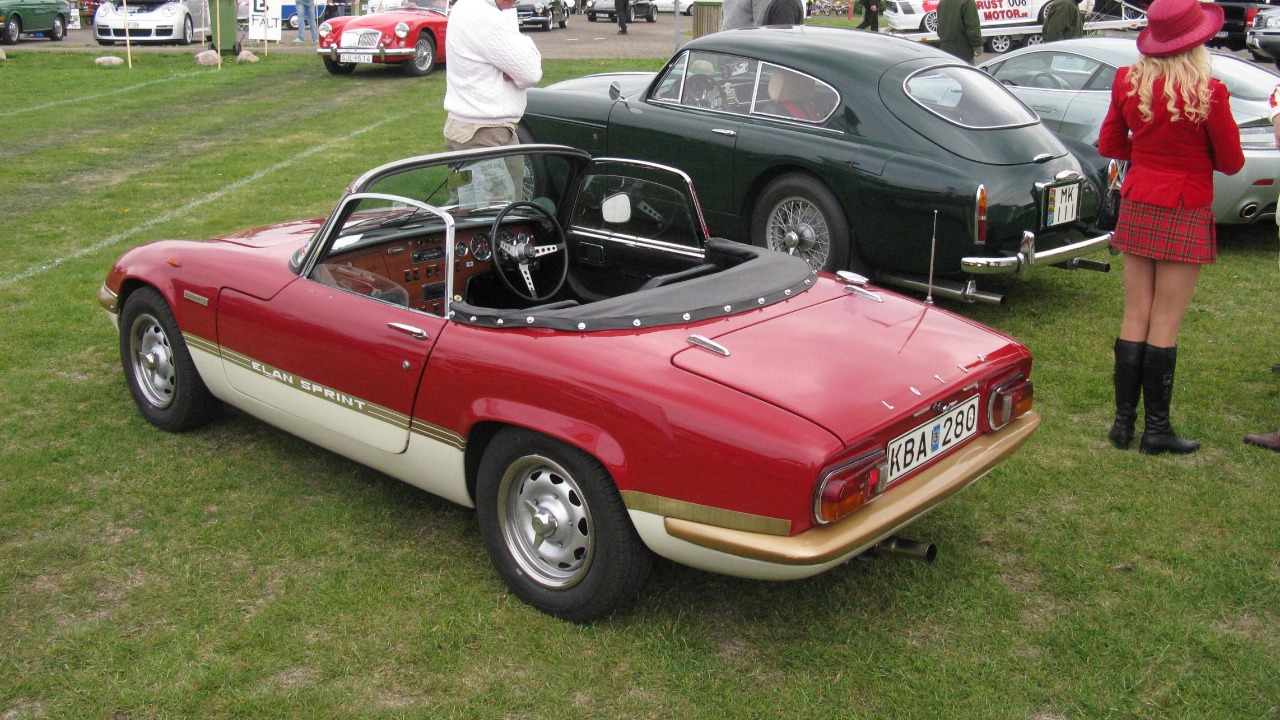
The Lotus Elan became famous for its exceptional handling and lightweight construction. Unfortunately, that lightweight philosophy also came with compromises. The backbone chassis is particularly vulnerable to corrosion, while electrical and mechanical issues can create expensive restoration work. Parts availability has improved over the years, but purchasing a neglected Elan can still require significant expertise and patience.
Austin-Healey 3000
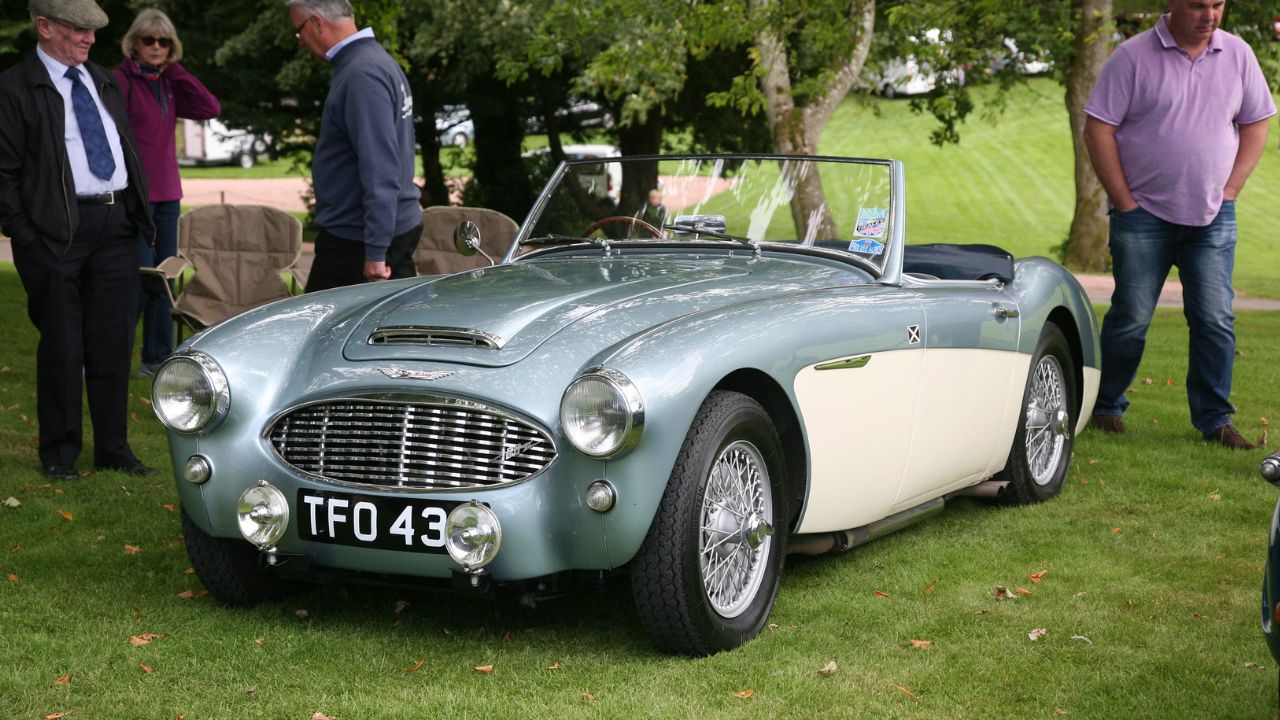
The Austin-Healey 3000 remains one of Britain’s most desirable classic roadsters, but ownership is not necessarily simple. Rust, cooling-system problems, carburetor tuning, electrical faults, and worn suspension components can all become expensive concerns. Many examples have also undergone decades of modifications and restorations. Buyers should prioritize structural condition and documented maintenance over attractive paint or impressive-looking engine bays.
More from Fast Lane Only
- Unboxing the WWII Jeep in a Crate
- 15 rare Chevys collectors are quietly buying
- 10 underrated V8s still worth hunting down
- Police notice this before you even roll window down
*Research for this article included AI assistance, with all final content reviewed by human editors