Some cars do more than sell well—they create lifelong believers. A single great driving experience can turn casual buyers into devoted fans who return to the same manufacturer for decades. Whether through reliability, performance, innovation, or emotional connection, these vehicles became defining moments for their brands. They didn’t just attract customers; they built communities and shaped brand identities that still influence enthusiasts today.
Mazda MX-5 Miata

The first-generation Mazda MX-5 Miata introduced countless drivers to lightweight sports car purity at an affordable price. Its balanced chassis, responsive steering, and simple reliability created an emotional connection that many expensive performance cars failed to match. Owners discovered that driving enjoyment didn’t require massive horsepower figures. The Miata also established Mazda’s reputation for engineering cars around driver engagement rather than specifications alone. Many enthusiasts who bought an NA Miata later moved into RX-7s, Mazdaspeed models, or newer Miatas because the experience built trust in the brand’s philosophy and commitment to fun over excess.
BMW 2002
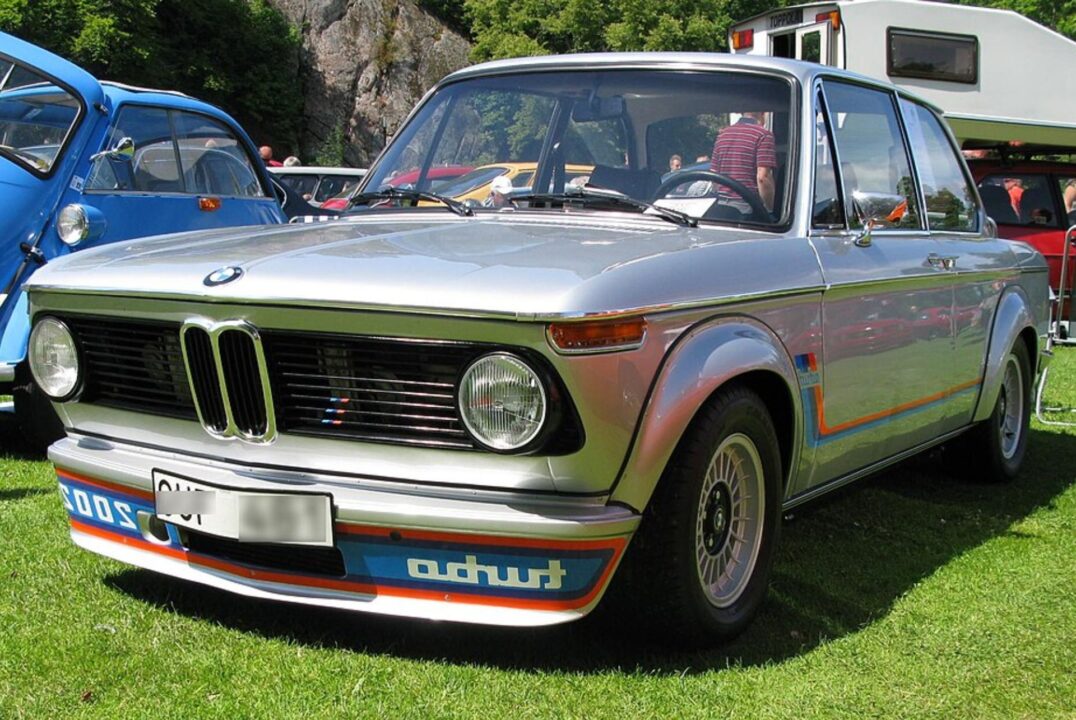
The BMW 2002 transformed BMW from a niche European manufacturer into a performance-oriented lifestyle brand. Compact dimensions, rear-wheel drive, and a rev-happy inline-four engine created a sports sedan formula that balanced practicality with excitement. Drivers appreciated how connected and refined it felt compared to ordinary commuter cars of the era. The 2002 laid the groundwork for BMW’s “ultimate driving machine” identity, influencing generations of loyal customers. Many owners who experienced a 2002 became lifelong BMW buyers, drawn to the company’s focus on steering feel, chassis balance, and driver-centered engineering.
Honda Civic

The 1980s Honda Civic earned loyalty through reliability, efficiency, and engineering consistency at a time when many competitors struggled with quality issues. Lightweight construction and efficient engines made it practical without feeling dull. Owners discovered they could depend on the Civic for years with minimal mechanical drama, creating enormous trust in Honda as a manufacturer. For younger drivers especially, the Civic often served as a first car that exceeded expectations. That reliability and usability encouraged generations of buyers to remain within the Honda family as they upgraded into Accords, Preludes, Integras, and performance Type R models.
Ford Mustang
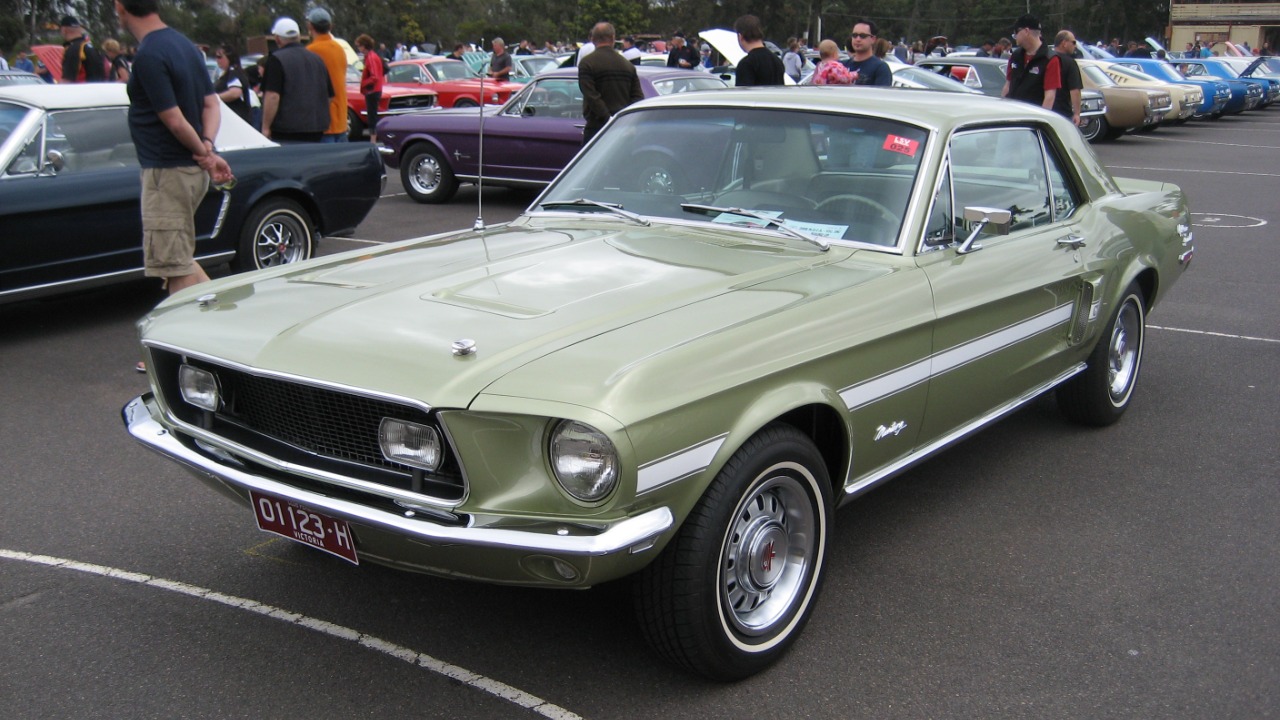
The original Ford Mustang became far more than a successful model; it created an emotional identity around the Ford brand itself. Affordable pricing, customizable options, and strong V8 performance allowed buyers to feel personally connected to their cars. Enthusiasts embraced Mustang culture through clubs, racing, and modification communities that strengthened long-term loyalty. Ford benefited enormously because the Mustang turned casual buyers into repeat customers who associated the company with excitement and freedom. Even decades later, many Mustang owners continue buying Ford products specifically because their first Mustang created a lasting attachment to the brand’s personality.
Porsche 911

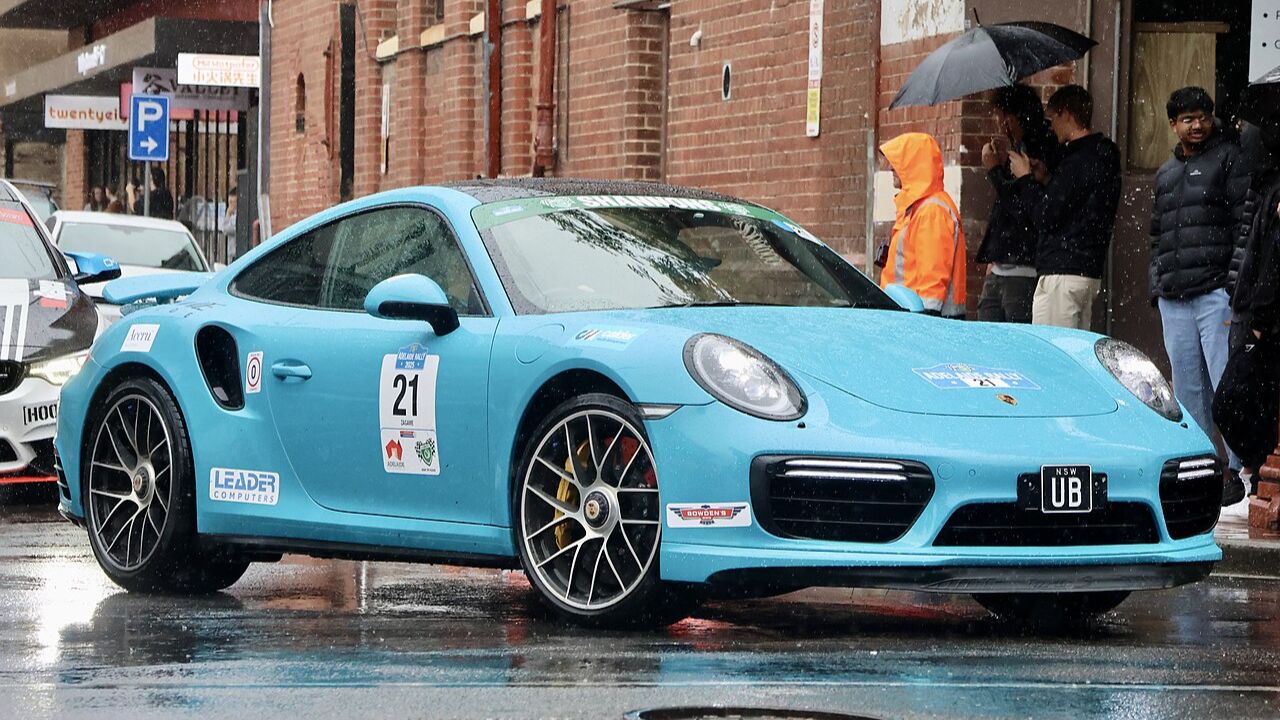
The Porsche 911 built extraordinary brand loyalty by offering a driving experience unlike anything else on the road. Its rear-engine layout, precise steering, and distinctive flat-six sound created an instantly recognizable personality. Owners appreciated that Porsche refined the formula rather than abandoning it, reinforcing consistency across generations. The 911 became a gateway into the broader Porsche ecosystem, with many drivers later purchasing Caymans, Boxsters, Panameras, or SUVs while remaining emotionally attached to the brand. Porsche’s reputation for engineering discipline and timeless design largely stems from the trust created by decades of exceptional 911 ownership experiences.
Jeep Wrangler
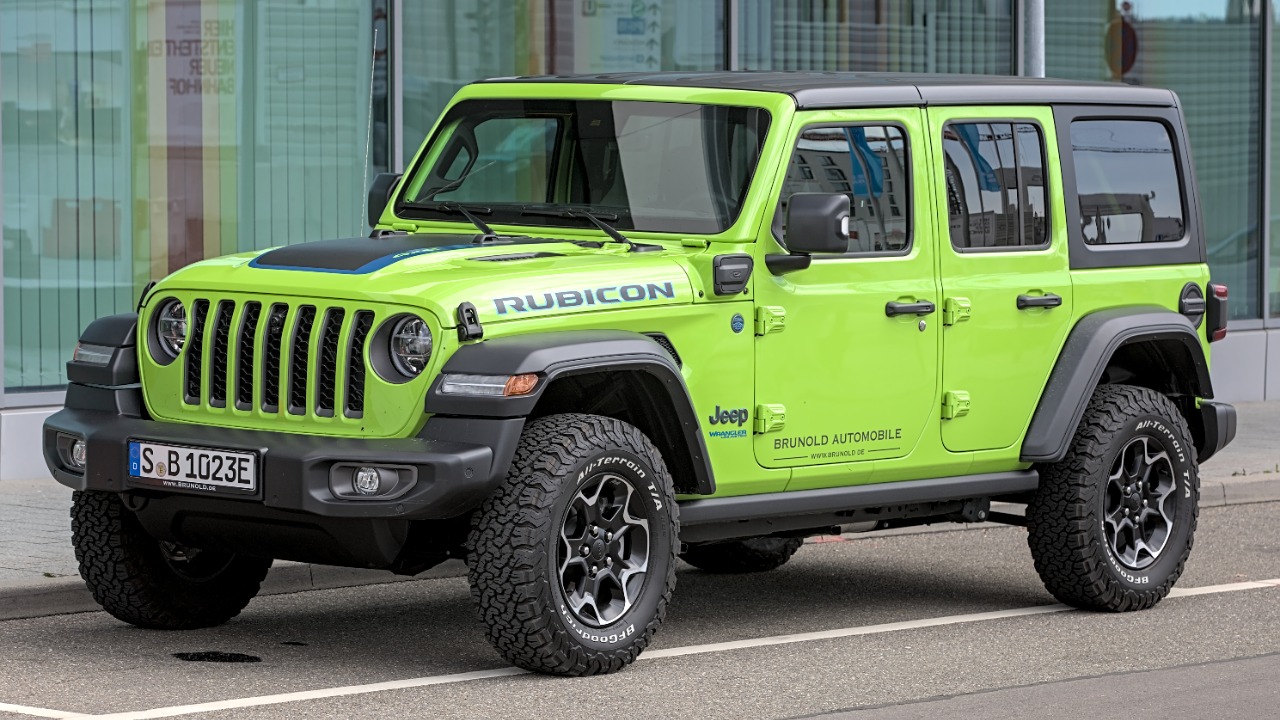
The Jeep Wrangler YJ carried forward the rugged off-road spirit established by earlier civilian Jeeps while introducing more comfort and accessibility. Its removable doors, exposed hinges, and trail capability created a lifestyle rather than just transportation. Owners formed strong communities around off-roading, modifications, and outdoor adventure, reinforcing emotional ties to the Jeep brand. Many Wrangler buyers became repeat Jeep customers because no competitor replicated the same combination of utility and personality. The Wrangler helped transform Jeep into one of the most loyalty-driven automotive brands in the world, where ownership often becomes part of personal identity.
Subaru Impreza WRX
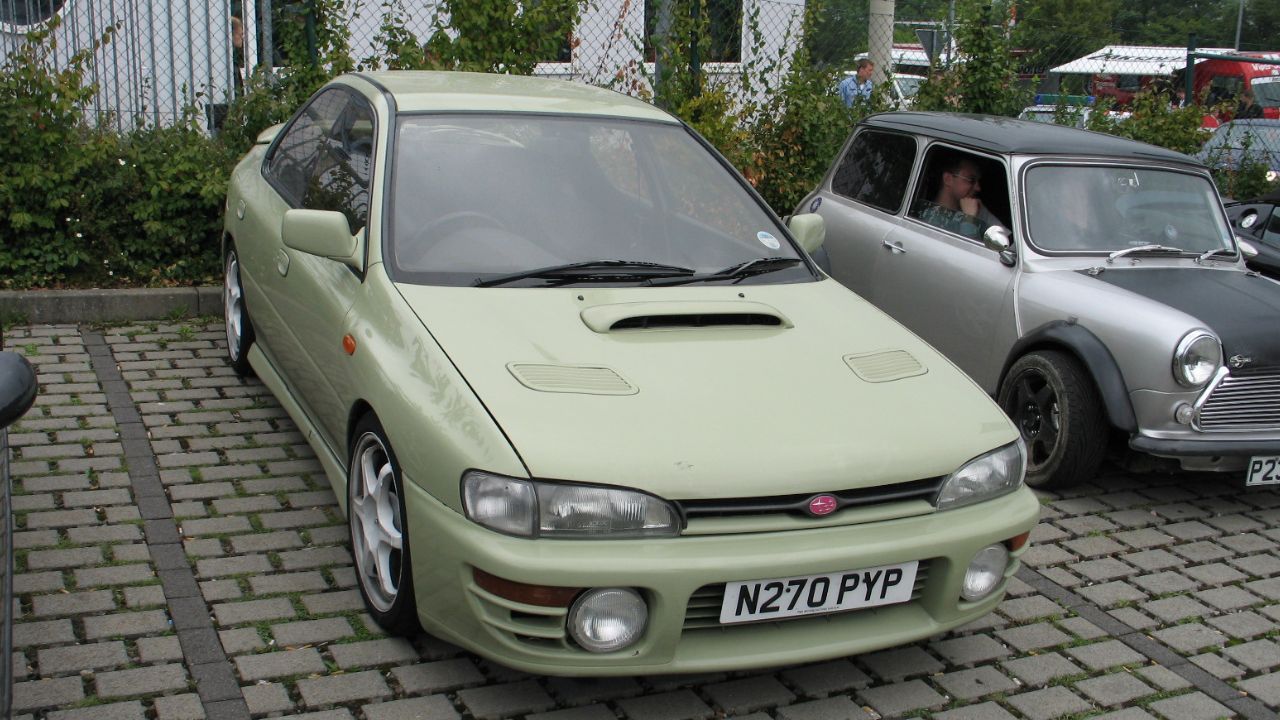
The 2002 Subaru Impreza WRX introduced many American drivers to turbocharged all-wheel-drive performance at an attainable price point. Inspired by Subaru’s rally success, it delivered year-round traction and energetic acceleration in a practical sedan package. Enthusiasts quickly embraced its tuning potential and motorsport character, building a passionate fanbase around the brand. For many buyers, the WRX created lasting trust in Subaru’s engineering philosophy centered on boxer engines and AWD capability. That loyalty extended beyond performance models, helping Subaru cultivate one of the strongest enthusiast communities in the modern automotive industry.
More from Fast Lane Only