Some racing teams built their reputations through overwhelming budgets or superstar drivers, but others changed motorsport history through pure engineering creativity. These organizations introduced technologies, strategies, and design philosophies that permanently altered competition across multiple disciplines. Rivals often copied their breakthroughs years later. Their success proved that innovation could sometimes matter more than raw resources or tradition.
Lotus F1 Team
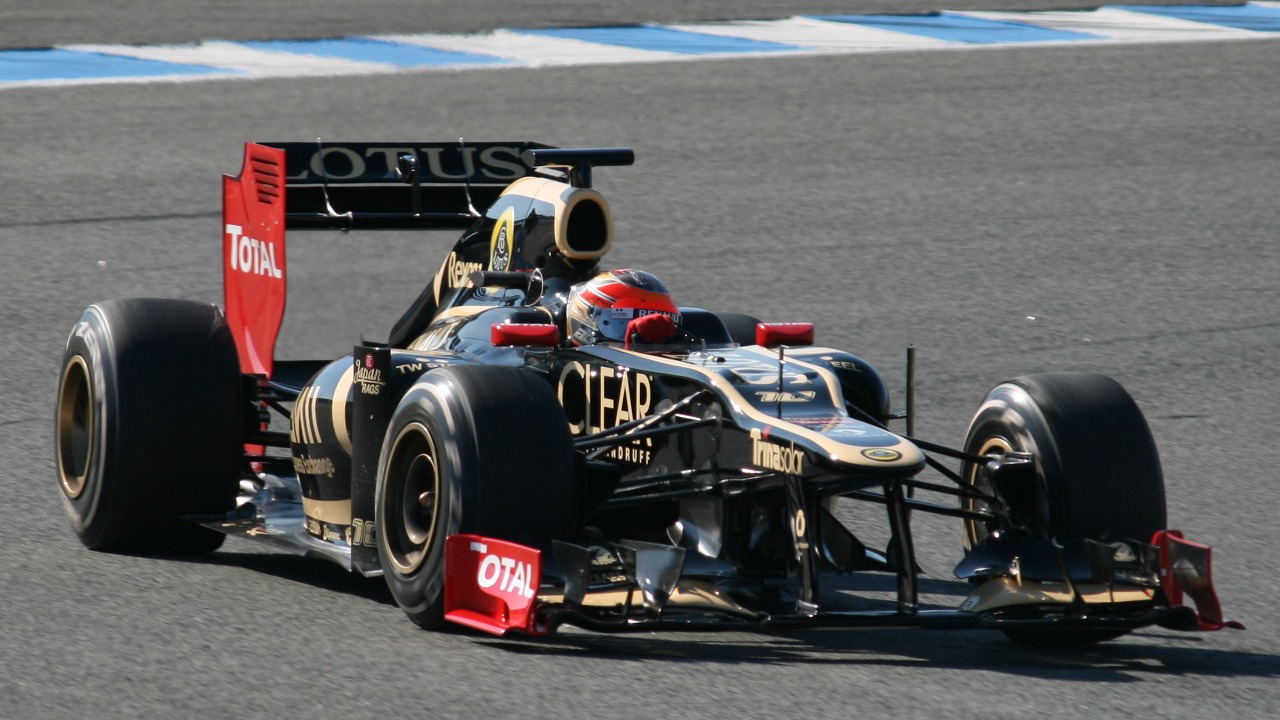
Lotus revolutionized Formula 1 repeatedly under Colin Chapman’s leadership by prioritizing lightweight engineering and aerodynamic experimentation. The team pioneered monocoque chassis construction with the Lotus 25, fundamentally changing race car design forever. Later innovations included ground-effect aerodynamics and advanced suspension concepts that transformed cornering performance. Lotus often extracted extraordinary speed without matching the financial strength of larger competitors. Their willingness to challenge accepted engineering norms made them one of motorsport’s most influential organizations. Even decades later, Formula 1 design philosophy still reflects ideas first introduced by Lotus during its relentless pursuit of technical advantage.
Penske Racing
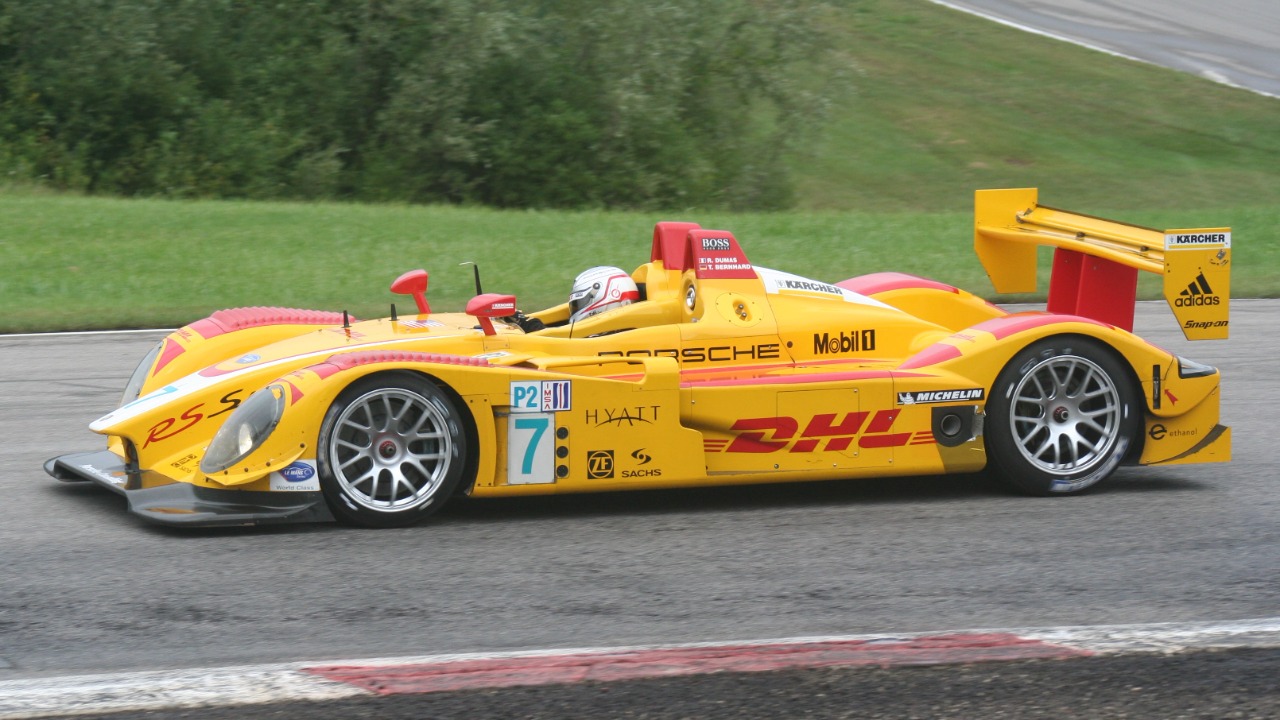
Penske Racing became synonymous with obsessive technical precision across IndyCar, NASCAR, and endurance racing. Roger Penske’s organization earned respect not only for victories but for its methodical approach to preparation and engineering detail. The team embraced data analysis, pit-stop efficiency, and aerodynamic refinement earlier than many rivals. Penske crews developed reputations for flawless execution under pressure, turning operational innovation into a competitive weapon. Their influence extended beyond race weekends, shaping professional standards throughout American motorsport and proving systematic engineering discipline could consistently outperform more chaotic competitors.
Audi Sport Team
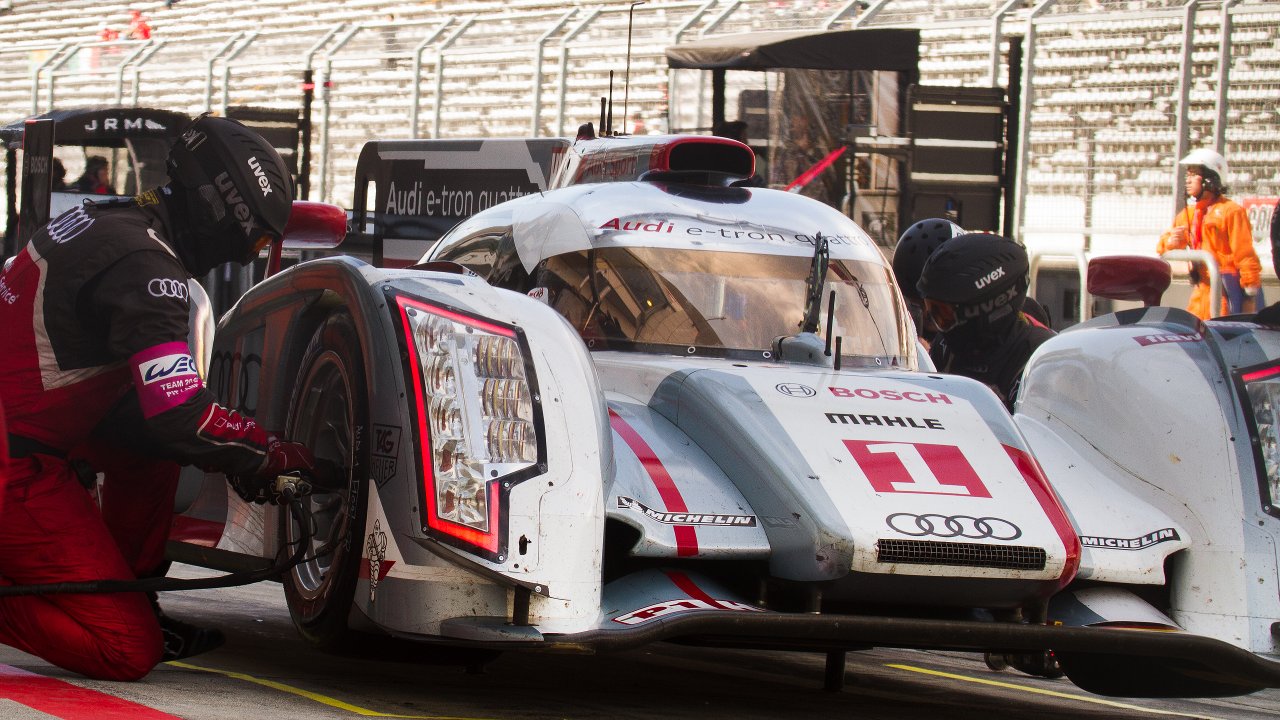
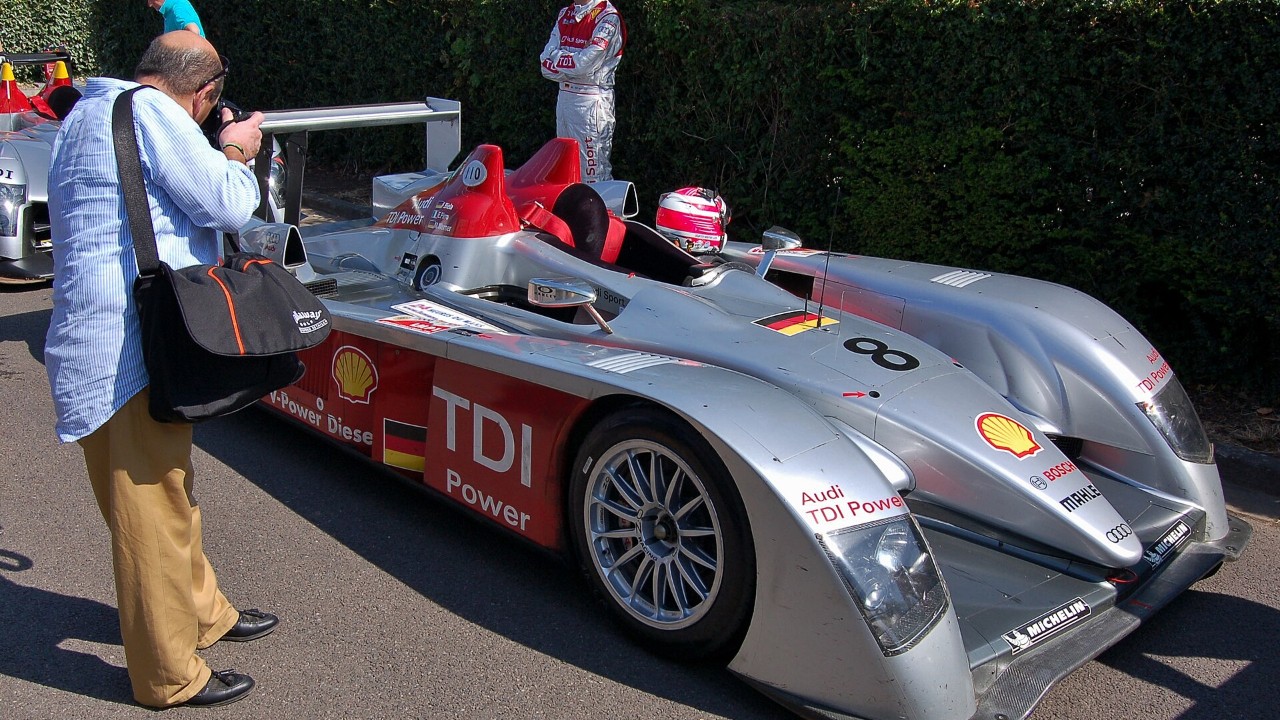
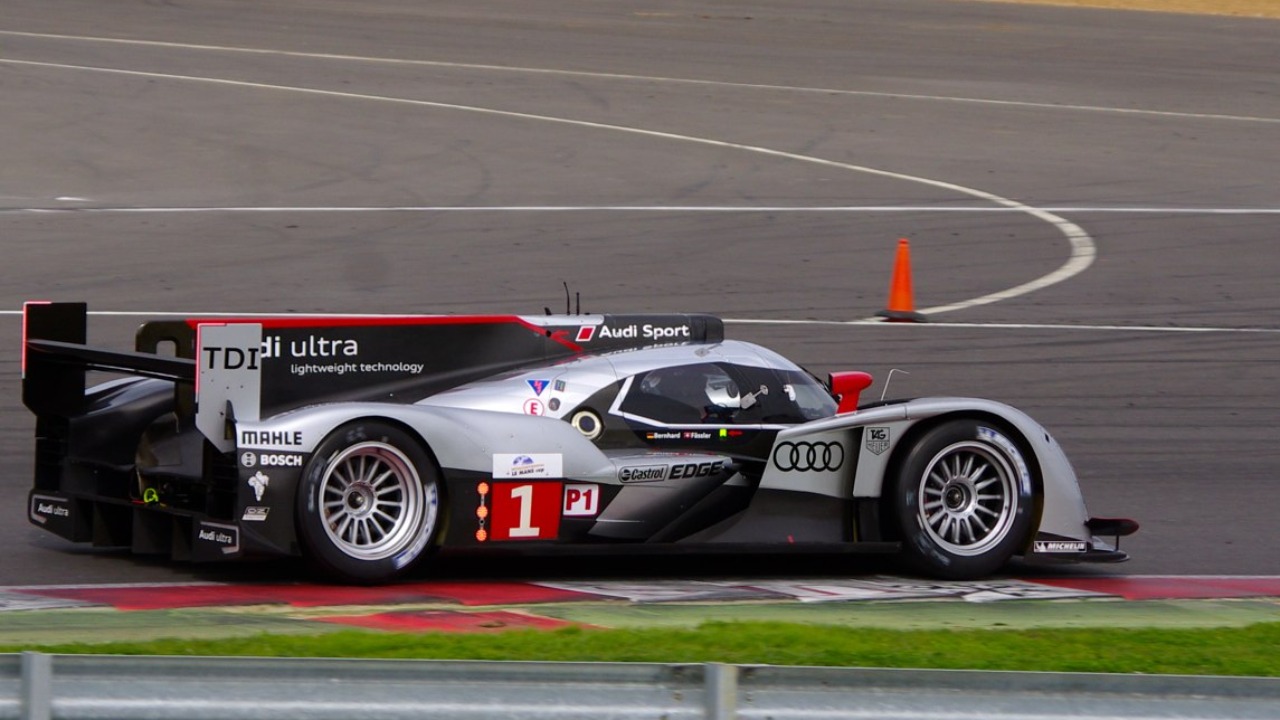
Audi Sport Team transformed endurance racing by aggressively developing diesel and hybrid technologies for the 24 Hours of Le Mans. The R10 TDI shocked traditionalists by proving diesel power could dominate top-level motorsport through efficiency and torque advantages. Audi later advanced hybrid systems with the R18 e-tron quattro, integrating energy recovery into endurance strategy. These innovations forced competitors to rethink assumptions about propulsion technology. Audi’s relentless experimentation redefined modern endurance racing and demonstrated how alternative engineering approaches could deliver both reliability and outright speed over grueling long-distance competition.
Brawn GP
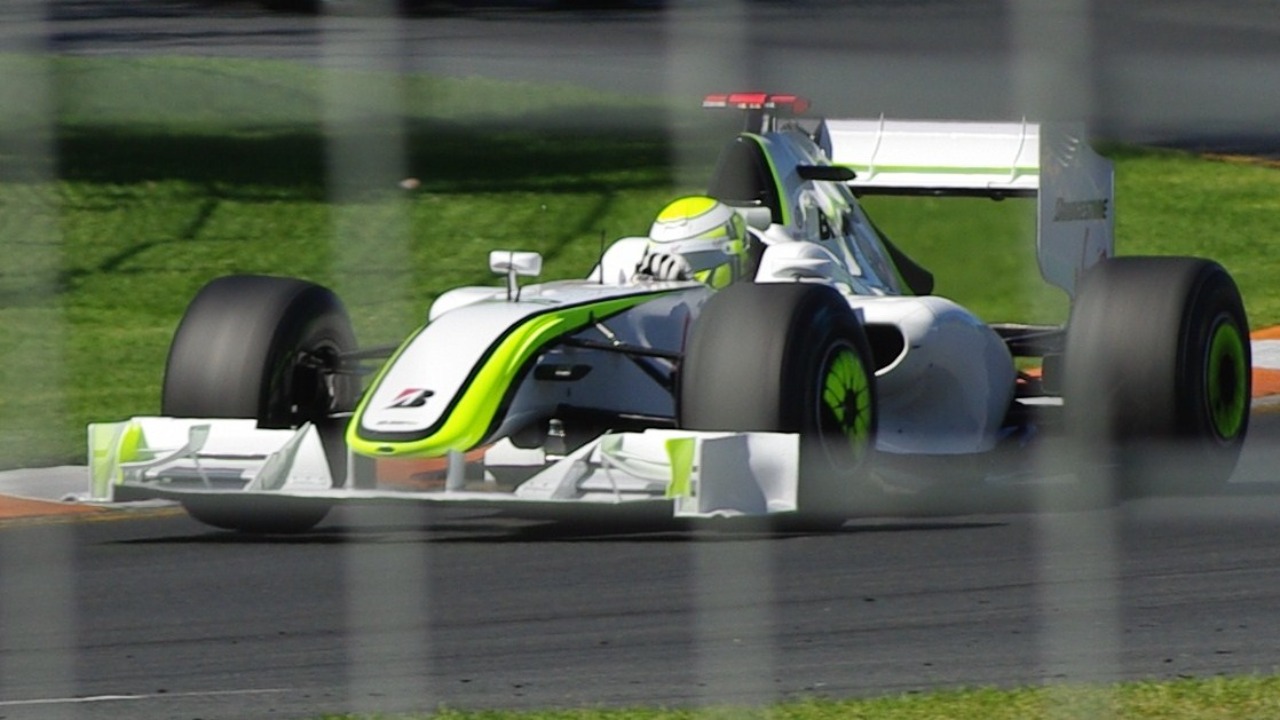
Brawn GP achieved one of Formula 1’s most remarkable championship runs through aerodynamic ingenuity rather than financial dominance. Emerging from Honda’s sudden withdrawal, the team exploited loopholes in diffuser regulations to create a significant performance edge. The controversial double-diffuser design transformed an underfunded operation into a title-winning force almost overnight. Rivals scrambled to replicate the concept as Brawn secured both championships in its only season. The team’s success highlighted how intelligent interpretation of technical rules could briefly overturn the established Formula 1 hierarchy and reward engineering creativity over massive spending.
Tyrrell Racing
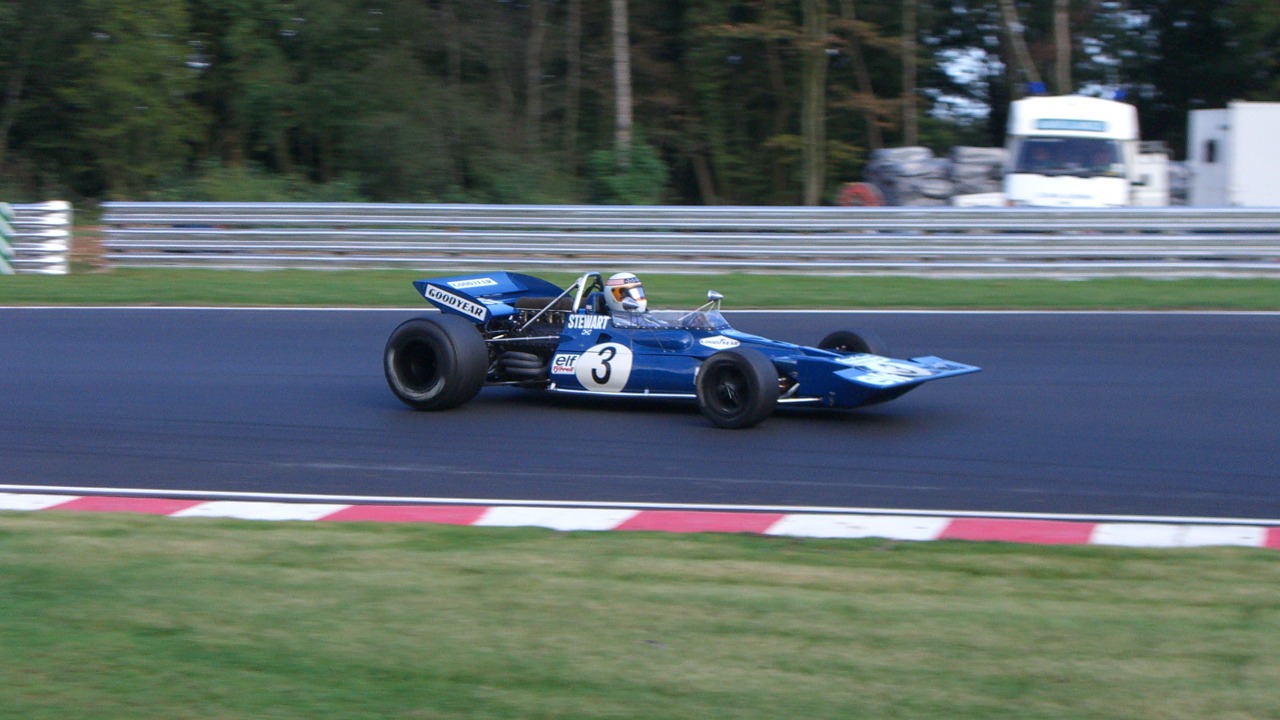
Tyrrell Racing earned legendary status through unconventional engineering solutions during Formula 1’s experimental decades. The six-wheeled Tyrrell P34 remains one of the most recognizable innovations in motorsport history, designed to reduce aerodynamic drag while increasing front-end grip. Although complex to maintain, the concept demonstrated Tyrrell’s willingness to pursue radical ideas competitors considered impossible. Beyond the P34, the team consistently maximized limited resources through clever chassis design and race strategy. Tyrrell became proof that independent teams could influence Formula 1 history through imagination rather than sheer financial power.
McLaren F1
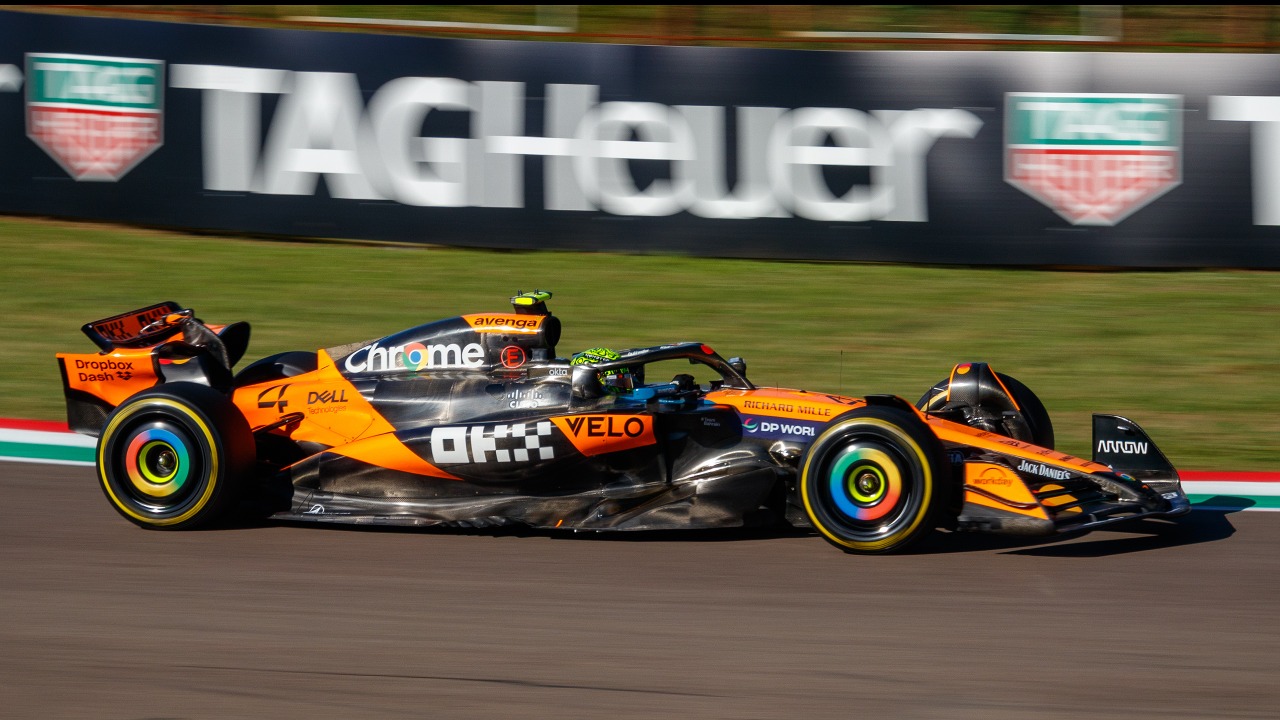
McLaren built much of its reputation on pioneering advanced materials and electronics in Formula 1. The MP4/1 introduced carbon-fiber monocoque construction to the sport, dramatically improving safety and chassis rigidity. Initially viewed as risky and expensive, the technology soon became universal across top-level motorsport. McLaren also embraced telemetry, active suspension development, and advanced simulation tools earlier than many competitors. Their technical partnerships with companies like TAG and Honda reinforced a culture centered on engineering progress. McLaren’s innovations shaped not only racing but also broader automotive performance technology for decades afterward.
Williams Grand Prix
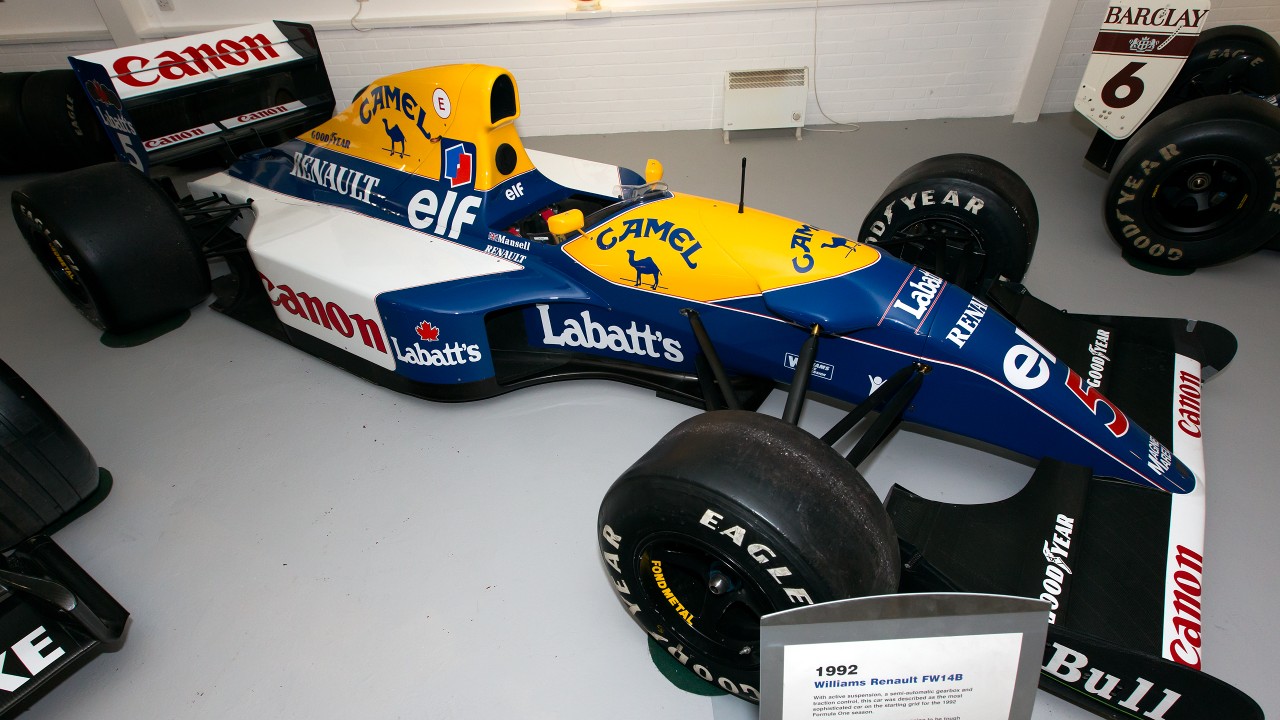
Williams became one of Formula 1’s defining independent teams through relentless technical evolution and engineering partnerships. During the 1980s and 1990s, the team pioneered advances in active suspension, semi-automatic transmissions, and aerodynamic efficiency. Williams engineers consistently pushed the boundaries of chassis development despite competing against manufacturer-backed giants. Their FW14B, with its sophisticated electronic systems, became one of the most technologically advanced race cars ever built. Williams demonstrated that innovation and intelligent engineering leadership could elevate an independent operation into a dominant force capable of reshaping Formula 1’s competitive landscape.
More from Fast Lane Only