In the automotive world, some cars were ahead of their time, featuring innovative designs and technologies that didn’t quite resonate with the public when they first appeared. These vehicles often struggled in the market despite their groundbreaking features, only to be appreciated years after production ceased. Here are seven cars that were too advanced for their own era, each bringing something unique to the table.
DeLorean DMC-12
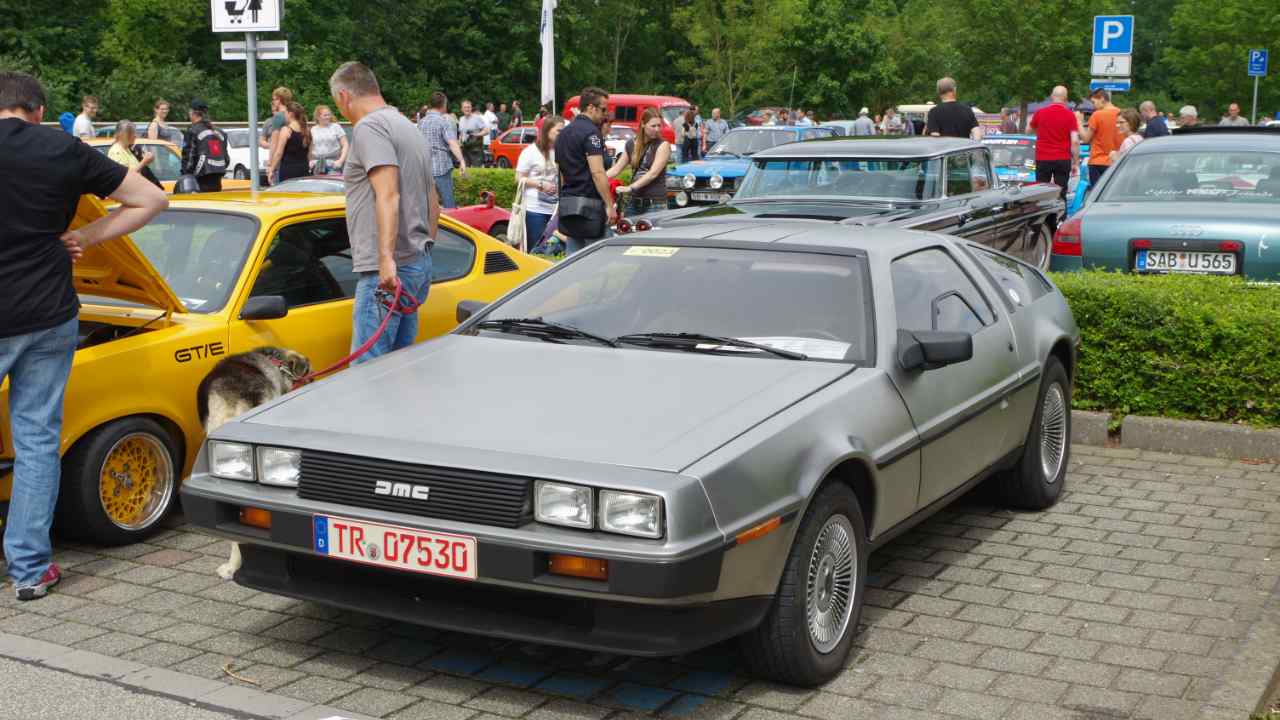
Known for its iconic gull-wing doors and stainless steel body, the DeLorean DMC-12 became a pop culture phenomenon after its appearance in the “Back to the Future” films. Yet, its story is one of unfulfilled potential. Produced between 1981 and 1983, its futuristic design and modest V6 engine didn’t quite match the performance expectations of its price tag. Despite these challenges, its innovative design and engineering have left a lasting impression, making it a classic in the truest sense.
Tucker 48
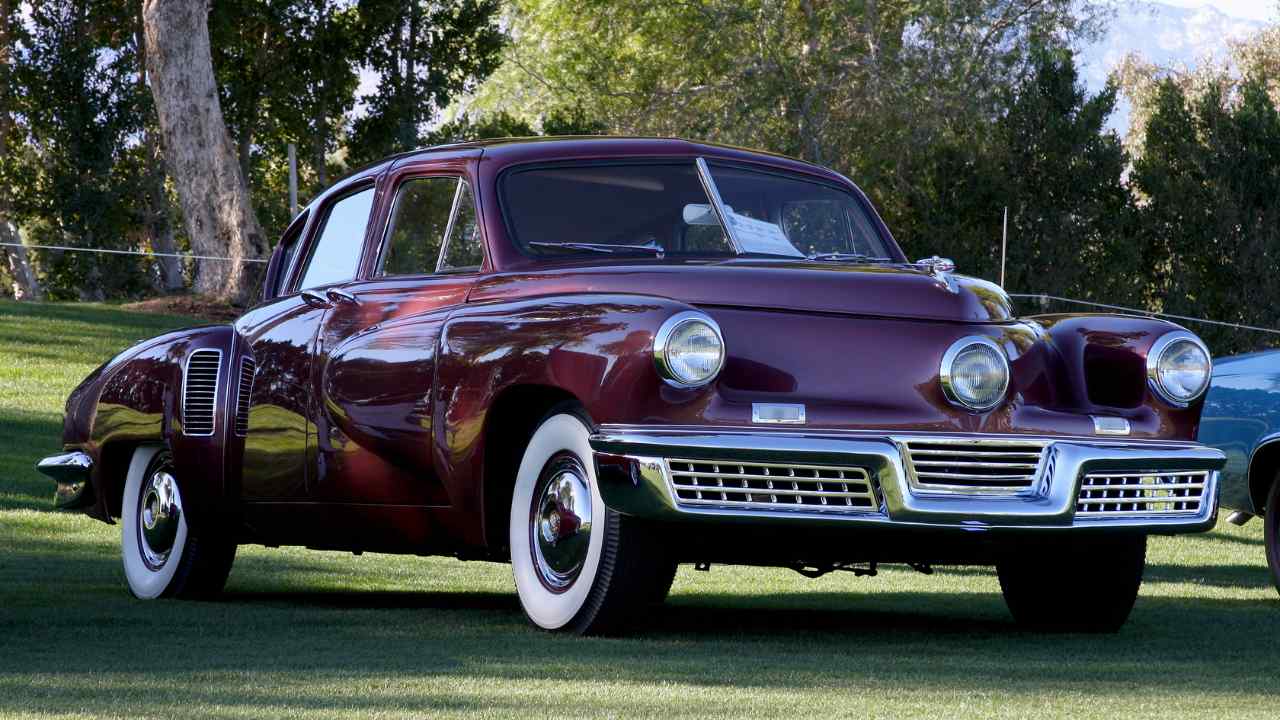
The Tucker 48, or “Tucker Torpedo,” was the brainchild of Preston Tucker and a marvel of automotive innovation. Released in 1948, it featured revolutionary safety features such as a pop-out windshield, a padded dashboard, and a rear engine. Only 51 units were built before the company folded, partly due to financial difficulties and legal issues. Today, the Tucker 48 is celebrated for its visionary design and remains a symbol of what could have been in automotive history.
Citroën DS
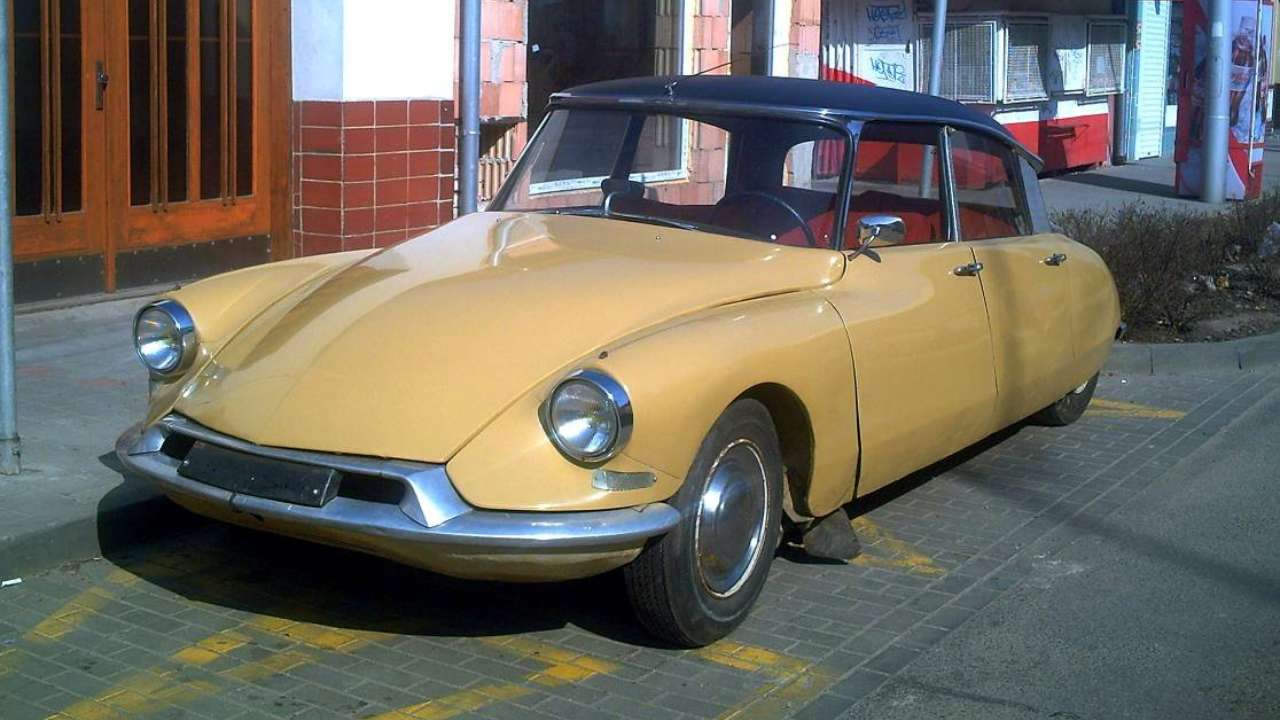
The Citroën DS, produced from 1955 to 1975, was a masterpiece of engineering and design. Its hydropneumatic suspension system offered an unprecedented level of comfort and handling, while its aerodynamic body was unlike anything else on the road. The DS also introduced innovations such as disc brakes and swiveling headlights. Although its futuristic design was initially met with skepticism, the DS eventually gained recognition as one of the most influential cars of the 20th century.
NSU Ro 80
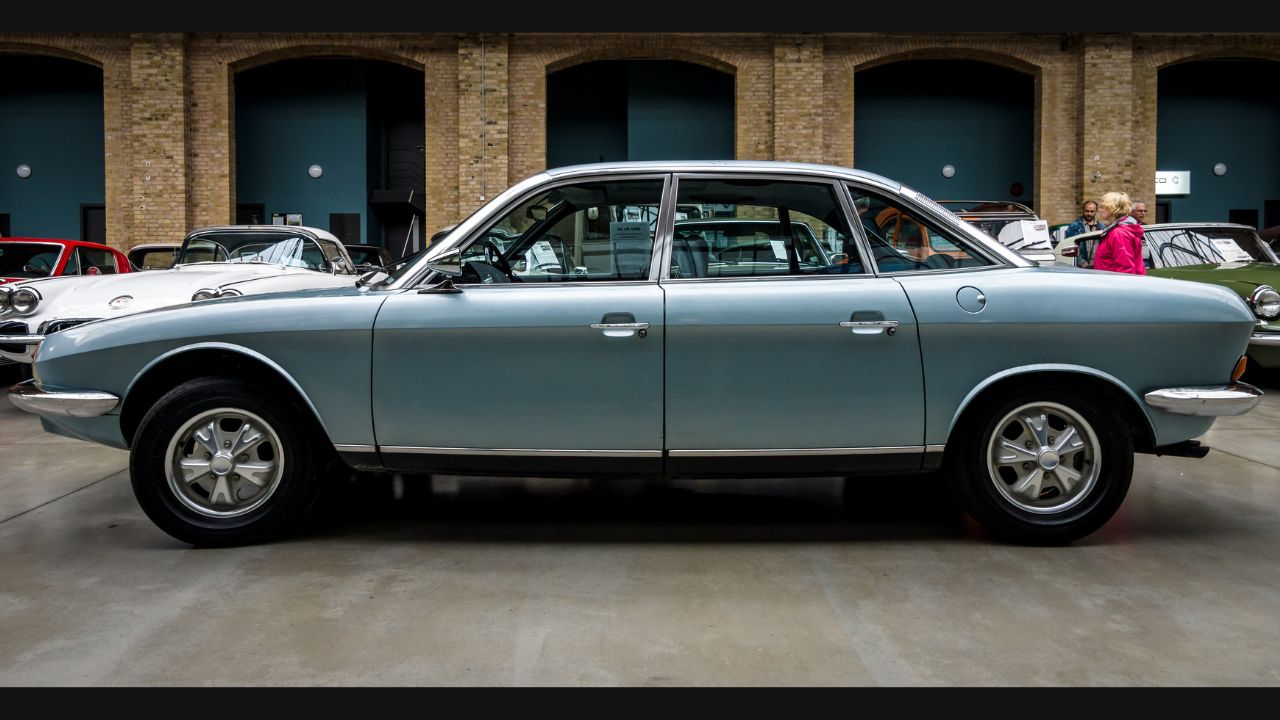
The NSU Ro 80 was a technological tour de force when it debuted in 1967. It featured a sleek design and was powered by a rotary engine, which was both its strength and its Achilles’ heel. The rotary engine provided a smooth and powerful drive but suffered from durability issues that plagued the model. Despite winning the Car of the Year award in 1968, these mechanical problems led to its decline, yet the Ro 80 is remembered as a pioneer in automotive engineering.
AMC Eagle
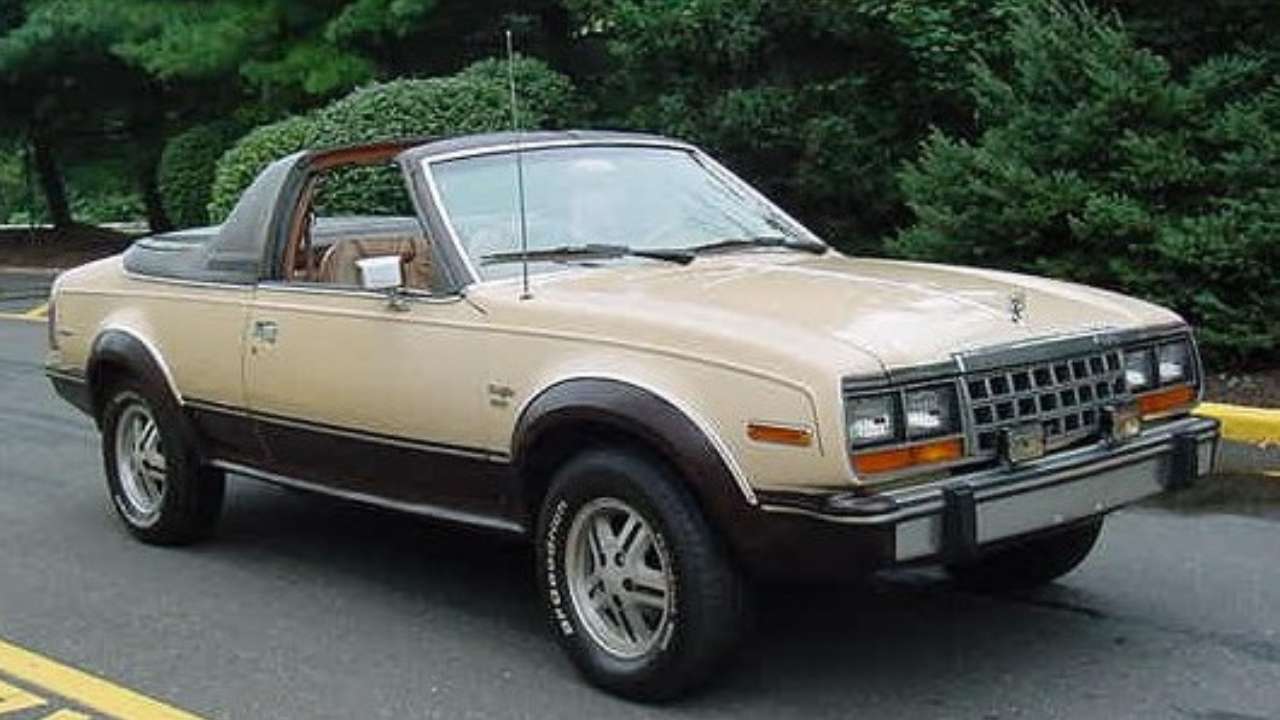
The AMC Eagle, produced from 1979 to 1987, was ahead of its time as one of the first crossover vehicles. It combined the practicality of a station wagon with the off-road capabilities of a four-wheel-drive system. While SUVs are commonplace today, the Eagle didn’t achieve commercial success due to fluctuating consumer interest and economic factors at the time. Its legacy lies in paving the way for the crossover SUVs that dominate the market today.
General Motors EV1
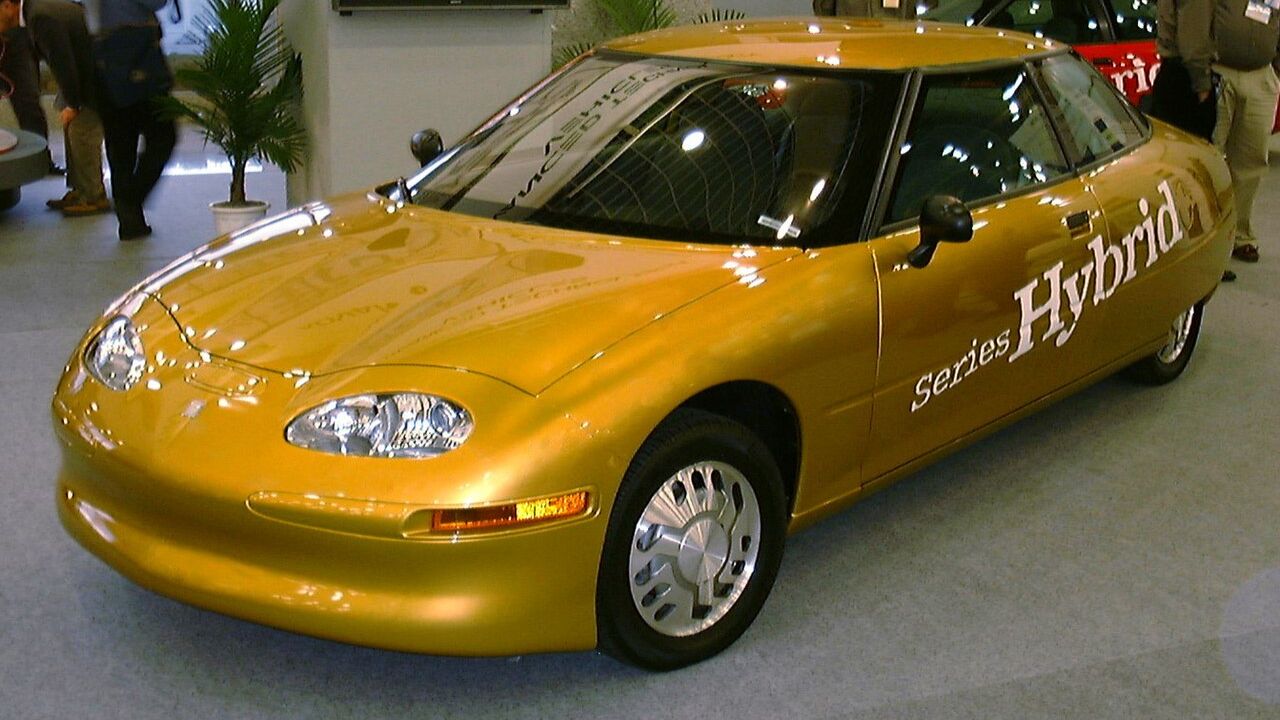
The GM EV1 was a groundbreaking electric vehicle introduced in the mid-1990s, representing a significant leap towards sustainable automotive technology. Available only through lease, the EV1 offered impressive range and performance for its time. Despite positive customer feedback, GM discontinued the EV1 in 2003, citing high production costs and market limitations. The EV1 is often credited with sparking the modern electric vehicle movement, proving that electric cars could be both viable and desirable.
Mazda RX-7

The Mazda RX-7, first launched in 1978, became renowned for its rotary engine and balanced handling. Over three generations, the RX-7 evolved into a beloved sports car among enthusiasts. However, the rotary engine’s thirst for fuel and oil, combined with tightening emissions regulations, led to its discontinuation in 2002. Despite these challenges, the RX-7 remains a favorite in the automotive community for its unique driving experience and engineering innovation.
Like Fast Lane Only’s content? Be sure to follow us.
Here’s more from us:
*Created with AI assistance and editor review.