The evolution of independent muscle cars is a fascinating journey marked by innovation, rebellion, and a passionate pursuit of performance. These vehicles emerged from a unique cultural backdrop and represent a significant chapter in automotive history, characterized by a blend of engineering prowess and raw power.
Origins of Independent Muscle Cars
The cultural backdrop of the 1960s and early 1970s was crucial in fostering the muscle car movement. Post-World War II America saw an economic boom that allowed middle-class families to explore new automotive possibilities. The rise of the youth culture during this time fueled a desire for speed and freedom, and the automobile became a symbol of personal expression. The era was marked by a rebellion against conformity, and independent muscle cars embodied this spirit. Manufacturers like Pontiac, with its GTO, and Chrysler’s Dodge with the Charger, began to cater to the growing appetite for high-performance vehicles that could be driven on the streets.
Key figures like John DeLorean and the engineers at companies like AMC (American Motors Corporation) played pivotal roles in this revolution. DeLorean, who later became known for the iconic DeLorean DMC-12, was instrumental in the development of the Pontiac GTO, often credited as the first true muscle car. The independent muscle car segment thrived on the creativity of these pioneers, who were willing to challenge automotive norms in pursuit of performance.
The influence of racing and performance culture was paramount in early designs and engineering decisions. Races like the NHRA (National Hot Rod Association) and NASCAR showcased the capabilities of these vehicles, pushing manufacturers to innovate continuously. The demand for speed on the track translated into consumer desires for similar performance in their everyday cars, leading to a host of models equipped with powerful engines and performance-oriented features.
Defining Features of Independent Muscle Cars
Independent muscle cars are distinguished from mainstream models by their technical specifications. These vehicles often feature high-displacement V8 engines that deliver exceptional horsepower and torque, allowing for thrilling acceleration and top speeds. For instance, the 1970 Chevrolet Chevelle SS 454, with its massive 454 cubic inch V8 engine, was capable of producing 450 horsepower, a remarkable feat for its time. This level of performance set independent muscle cars apart from their more sedate counterparts, establishing a benchmark for enthusiasts.
The significance of lightweight materials cannot be overstated; they play a crucial role in shaping performance. Many independent muscle cars utilized thinner sheet metal and stripped-down interiors to reduce weight, enhancing speed and agility. The aesthetic design of these vehicles also contributed to their appeal, with aggressive styling cues, bold paint options, and customizable features that allowed owners to personalize their rides. The 1969 Ford Mustang Mach 1 is a prime example, with its iconic hood scoop and racing stripes, making it not just a performance vehicle but a canvas for personal expression.
The Impact of Independent Muscle Cars on Automotive Culture
Independent muscle cars quickly became symbols of freedom and rebellion during their heyday. They encapsulated the spirit of the American road and resonated deeply with a generation that valued individuality. These vehicles were not just modes of transportation; they were extensions of personality and culture. The roaring engines and sleek designs turned heads and captured imaginations, leading to a cult-like following among enthusiasts.
Their influence extended beyond the open road, making a significant mark on movies, music, and media. Films like “Bullitt” (1968) and “Vanishing Point” (1971) showcased iconic muscle cars, embedding them in the tapestry of American pop culture. The legendary chase scenes featuring Steve McQueen in a Ford Mustang have become iconic in cinematic history. Music also embraced the muscle car culture, with songs like “Little Deuce Coupe” by The Beach Boys celebrating the lifestyle surrounding these powerful machines. The media spotlight helped solidify the independent muscle car’s status as a cultural phenomenon.
A vibrant community of enthusiasts and subcultures emerged around independent muscle car ownership. Car clubs, meet-ups, and restoration gatherings became commonplace, providing spaces for fans to share their passion and knowledge. Websites and forums sprang up, offering resources for restoring classic models and connecting owners with like-minded individuals. The camaraderie found in these communities is a testament to the enduring legacy of independent muscle cars and their impact on automotive culture.
Challenges Faced by Early Independent Muscle Cars
The late 1970s brought significant challenges for independent muscle cars, primarily due to economic factors. The oil crisis led to skyrocketing fuel prices and a shift in consumer preferences toward fuel efficiency. As a result, the once-thriving market for high-performance vehicles began to dwindle, with manufacturers forced to reconsider their product lines. Many independent brands struggled to compete against larger automotive corporations that had the resources to adapt more swiftly to changing market demands.
Environmental regulations also played a pivotal role in shaping the future of these vehicles. Stricter emissions standards imposed by the government forced manufacturers to redesign engines and exhaust systems, often at the cost of performance. The introduction of catalytic converters and fuel injection systems aimed at reducing pollution but compromised the raw power that muscle cars were known for. This balancing act left many enthusiasts disheartened as the iconic roar of the V8 engine began to fade.
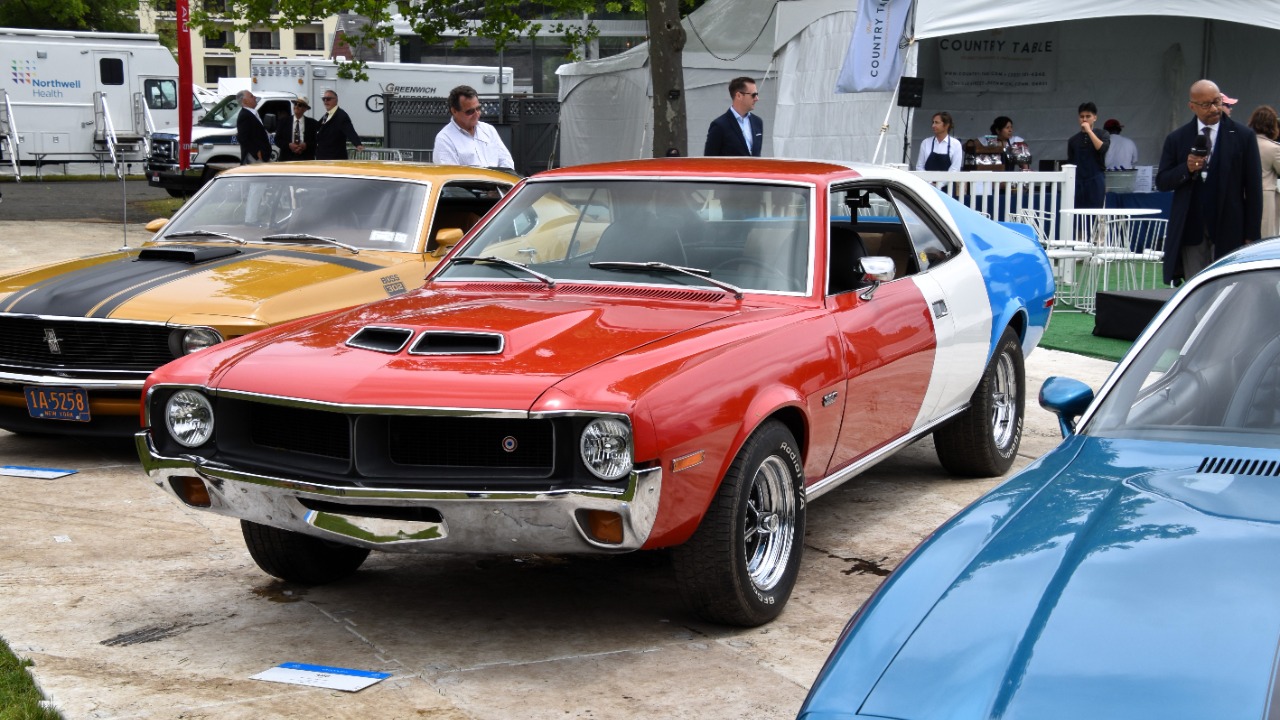
The struggle for survival against larger automotive corporations further exacerbated the challenges faced by independent muscle car manufacturers. Brands like AMC and Plymouth, which had carved out niches in the muscle car market, found it increasingly difficult to compete as corporate giants like Ford and General Motors leveraged their marketing strategies and economies of scale. The landscape of the automotive industry was changing, and many independent manufacturers either ceased to exist or were absorbed into larger companies, leading to a decline in the diversity of muscle car offerings.
The Revival and Legacy of Independent Muscle Cars
In recent decades, there has been a resurgence of interest in classic muscle cars, sparking a renaissance of sorts. The nostalgia for these powerful vehicles has led to a renewed appreciation among collectors and enthusiasts alike. Events such as Muscle Car Madness showcase the enduring popularity of these iconic machines, drawing crowds from across the country to celebrate their rich history and remarkable engineering.
Modern interpretations of muscle cars have emerged, with contemporary manufacturers paying homage to the legacy of their predecessors. For instance, the Ford Mustang and Chevrolet Camaro have both undergone modern redesigns that incorporate advanced technology while still maintaining the powerful performance and aggressive styling that defined their ancestors. These new models often blend retro aesthetics with modern performance capabilities, attracting a new generation of car enthusiasts who seek the thrill of driving a muscle car.
Car clubs, shows, and online communities continue to play a crucial role in preserving the history and culture of independent muscle cars. Enthusiasts share restoration tips, parts sourcing advice, and personal stories that keep the spirit of these vehicles alive. The dialogue surrounding the evolution and significance of muscle cars fosters a sense of belonging among fans and ensures that the legacy of independent muscle cars remains a vibrant part of automotive culture.
The Future of Independent Muscle Cars
As we look ahead, the future of independent muscle cars is likely to be shaped by the rise of electric and hybrid technologies. While traditional muscle cars are synonymous with roaring V8 engines, the automotive industry is shifting toward sustainability and fuel efficiency. Manufacturers are experimenting with electric drivetrains that promise instant torque and exhilarating performance, challenging the conventional notion of what a muscle car can be. The potential for electric muscle cars could redefine the genre while preserving the spirit of power and performance.
New manufacturers may emerge, inspired by the original muscle car ethos, seeking to capture the hearts of car enthusiasts with innovative designs and performance-oriented features. The success of brands like Tesla in the electric vehicle market demonstrates that there is a growing appetite for high-performance vehicles that do not compromise on sustainability. As the automotive landscape continues to evolve, it will be fascinating to see how the muscle car genre adapts to meet the demands of the modern consumer.
The ongoing debates about performance, sustainability, and the identity of muscle cars reflect the changing dynamics of the automotive industry. As enthusiasts grapple with the implications of new technology, the essence of what defines a muscle car may be challenged, but the passion and dedication of the community will undoubtedly keep the spirit alive. The journey of independent muscle cars, from their rebellious origins to their potential future, remains a compelling narrative that captures the imagination of both old and new generations of car lovers.
More from Fast Lane Only
- Unboxing the WWII Jeep in a Crate
- 15 rare Chevys collectors are quietly buying
- 10 underrated V8s still worth hunting down
- Police notice this before you even roll window down
*Research for this article included AI assistance, with all final content reviewed by human editors.