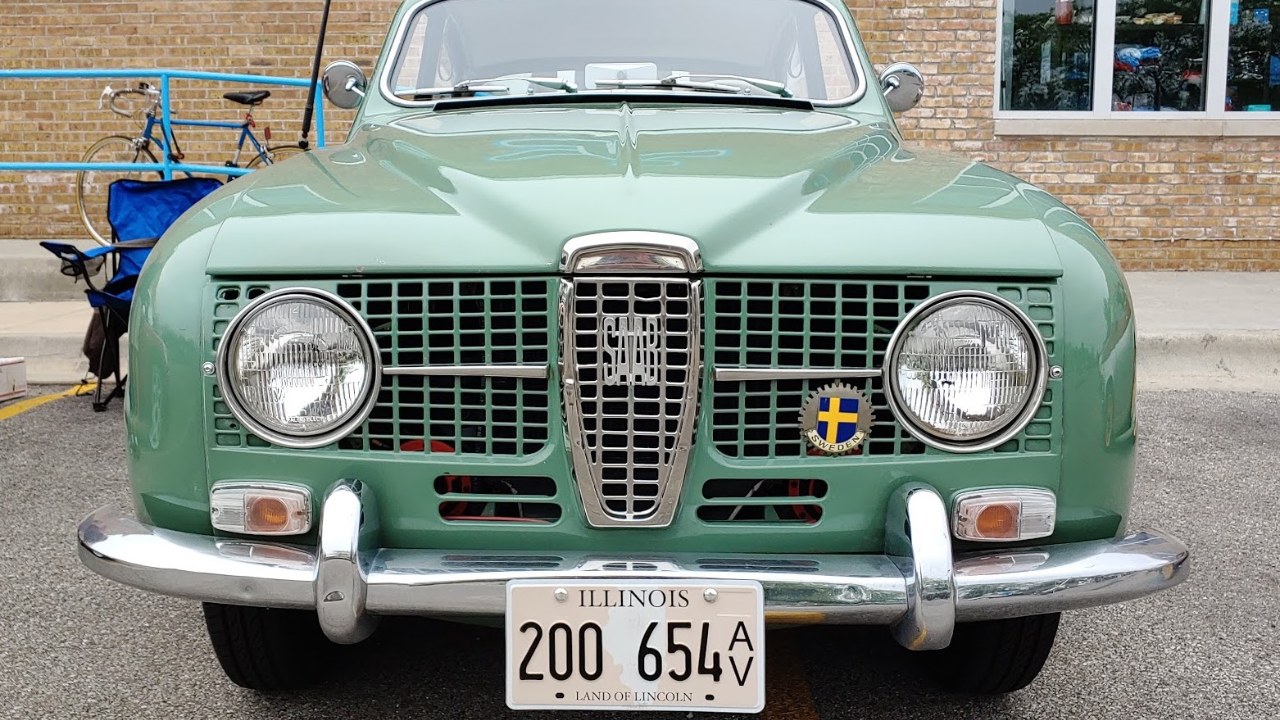
Some automobiles remain memorable because their styling never becomes ordinary. Their proportions, details, and distinctive shapes give them an identity that survives changing trends. Even decades after their introduction, these classics can still be recognized instantly. Each one proved that strong design could remain appealing long after the original era disappeared.
Porsche 911
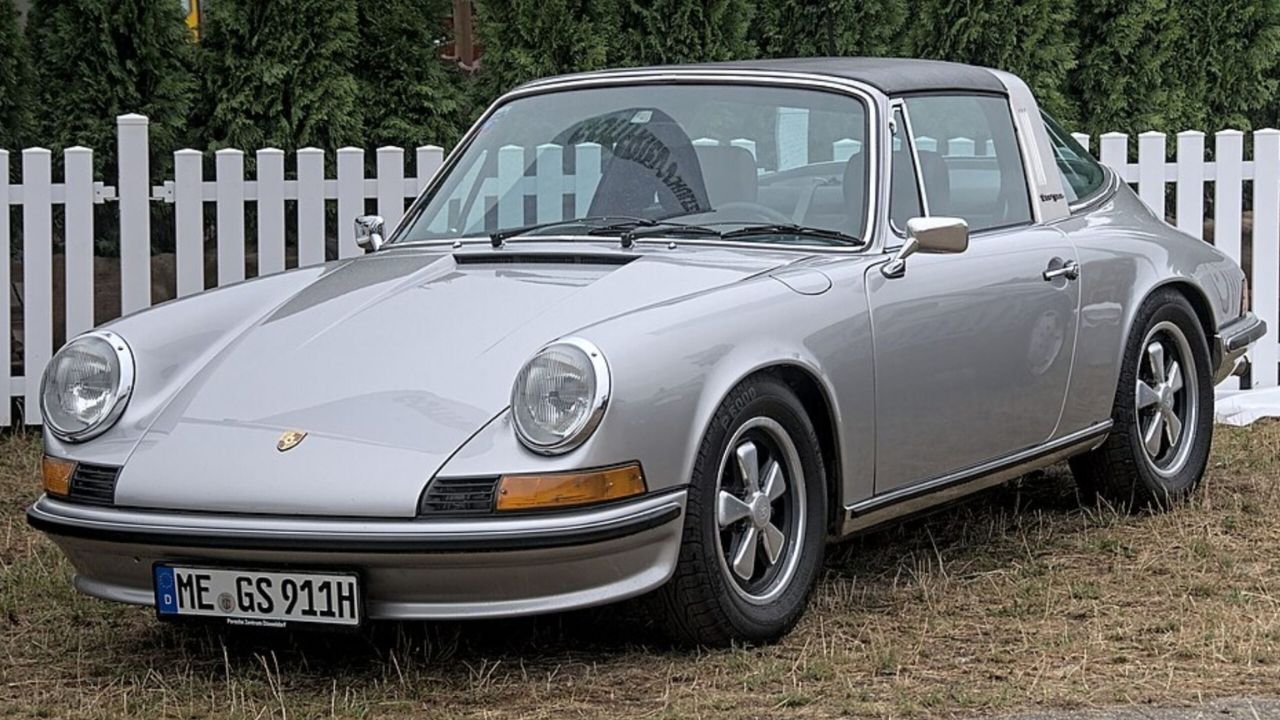
The Porsche 911 developed one of the most recognizable silhouettes in automotive history. Its sloping roofline, rounded headlights, and rear-engine proportions created a shape that evolved without losing its original identity. Porsche continuously modernized the car while preserving its fundamental appearance. That careful evolution allowed the 911 to remain recognizable across generations while becoming increasingly capable and sophisticated.
Ford Mustang
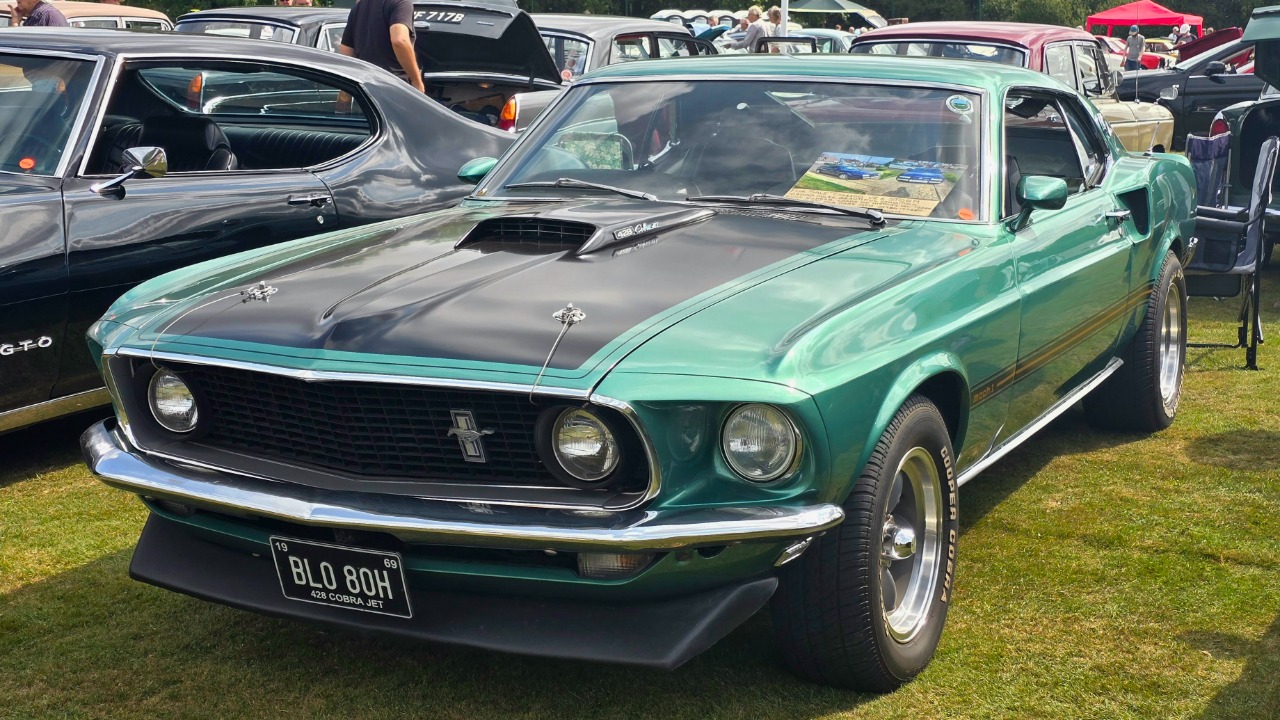
The Ford Mustang established a compact performance-car design that quickly became an American icon. Its long hood, short rear deck, and sporty proportions created a formula that influenced countless competitors. Although the Mustang changed significantly over the decades, designers repeatedly returned to its original visual themes. Its familiar shape and unmistakable grille treatment continue to give the model a strong identity.
Chevrolet Corvette
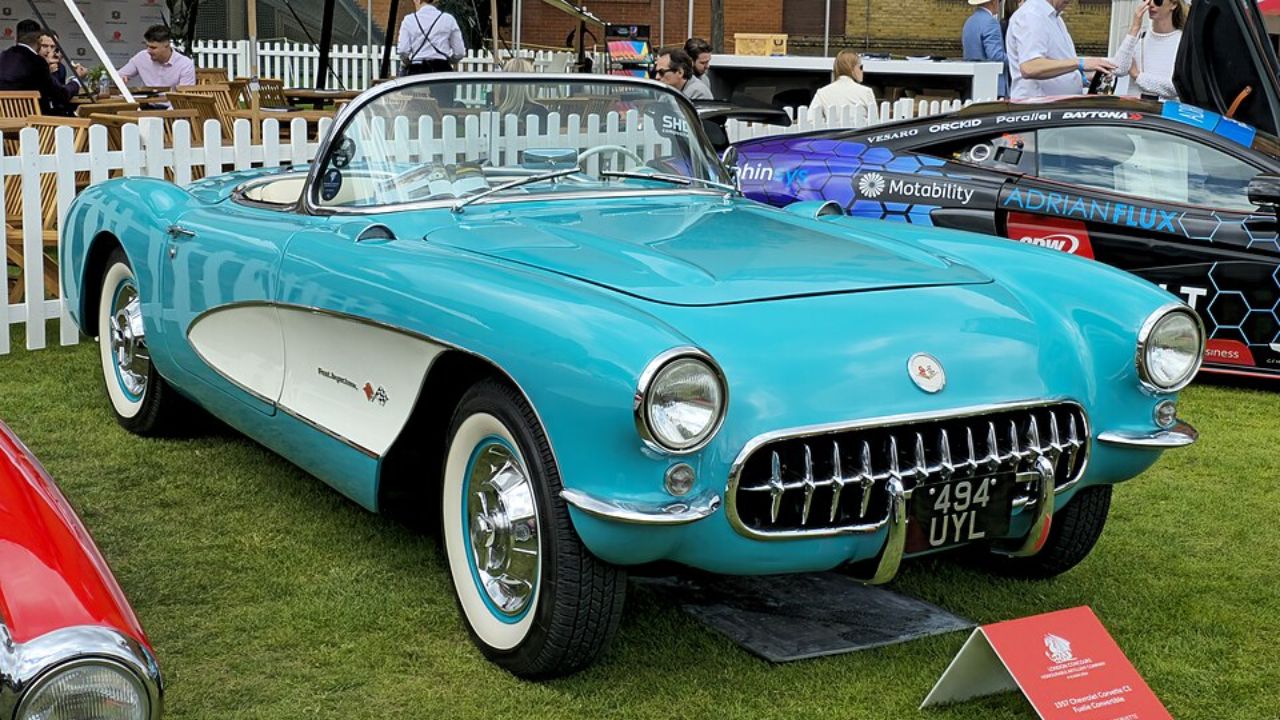
The Chevrolet Corvette has continually changed while retaining the visual drama expected from an American sports car. Low proportions, aggressive front-end designs, and powerful body lines have remained central to its identity. Each generation introduced a different interpretation without completely abandoning the Corvette’s recognizable character. That ability to evolve while remaining unmistakably Corvette helped make the nameplate one of America’s longest-lasting performance designs.
Jaguar E-Type

The Jaguar E-Type became famous for its long hood, flowing bodywork, and low roofline. Its proportions created an elegant appearance that remains striking decades after its introduction. The design balanced aerodynamic thinking with unmistakable British style, giving the E-Type a personality that was difficult to duplicate. Its enduring appeal demonstrates how carefully chosen proportions can remain effective long after automotive fashion changes.
Volkswagen Beetle
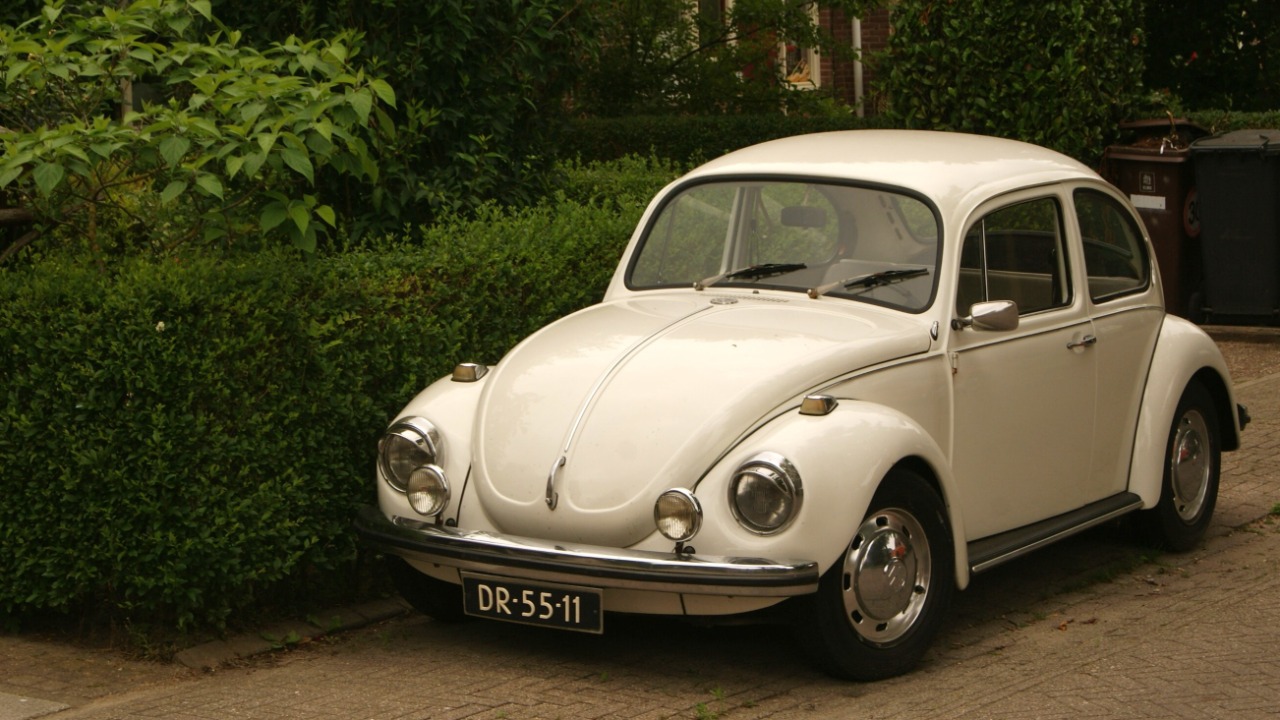
The Volkswagen Beetle developed an instantly recognizable shape based on simplicity and functional engineering. Its rounded roof, curved fenders, and compact proportions remained remarkably consistent throughout its long production history. Instead of constantly redesigning the basic appearance, Volkswagen refined the concept while preserving its visual identity. That consistency helped turn the Beetle into one of the world’s most recognizable automobiles.
Jeep Wrangler
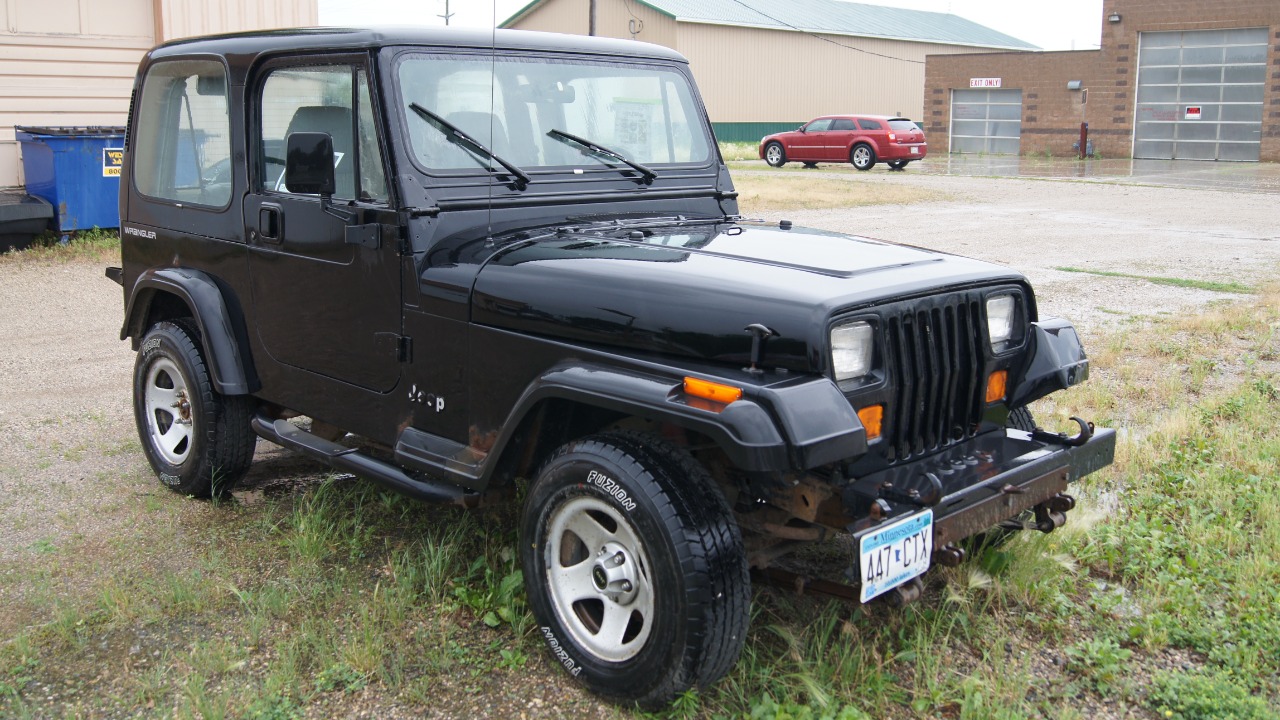
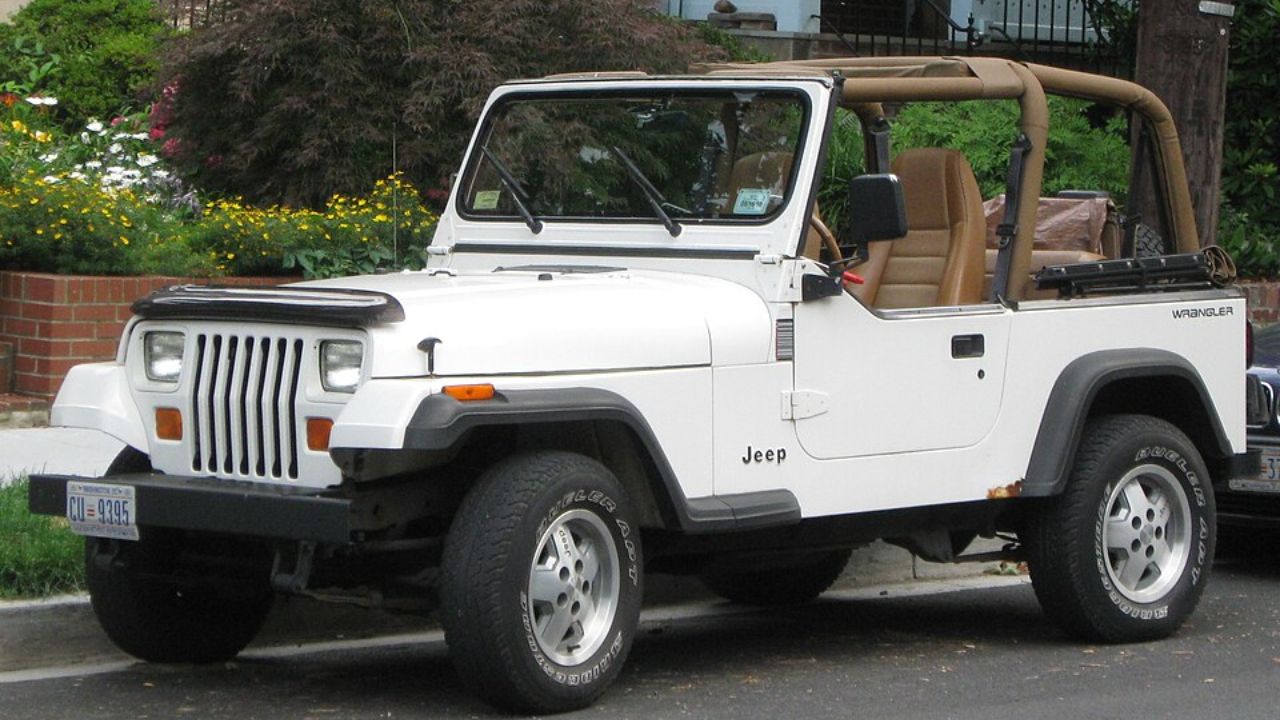
The Jeep Wrangler preserved the rugged visual language established by earlier Jeep vehicles while gradually improving comfort, safety, and technology. Its upright windshield, round headlights, removable body panels, and boxy proportions remain central to its character. Although modern versions are far more sophisticated underneath, the exterior still communicates the same adventurous personality. Few modern vehicles have maintained such a strong connection to their original design philosophy.
Mini Cooper

The classic Mini Cooper proved that a tiny car could have an instantly recognizable personality. Its compact proportions, short overhangs, upright cabin, and simple front-end design created a shape that became iconic around the world. Even as later versions grew larger and more sophisticated, designers preserved many of the original visual cues. The Mini remains a strong example of how clever proportions can create lasting character.
More from Fast Lane Only
- Unboxing the WWII Jeep in a Crate
- 15 rare Chevys collectors are quietly buying
- 10 underrated V8s still worth hunting down
- Police notice this before you even roll window down
*Research for this article included AI assistance, with all final content reviewed by human editors