Some classic performance cars needed years to gain appreciation, while others became icons the moment the public saw them. Whether through revolutionary engineering, racing dominance, or unforgettable styling, these machines immediately captured the attention of enthusiasts worldwide. They influenced competitors almost overnight and helped redefine what drivers expected from speed and performance. Decades later, they remain benchmarks for entire generations of sports and muscle cars.
Shelby Cobra 427
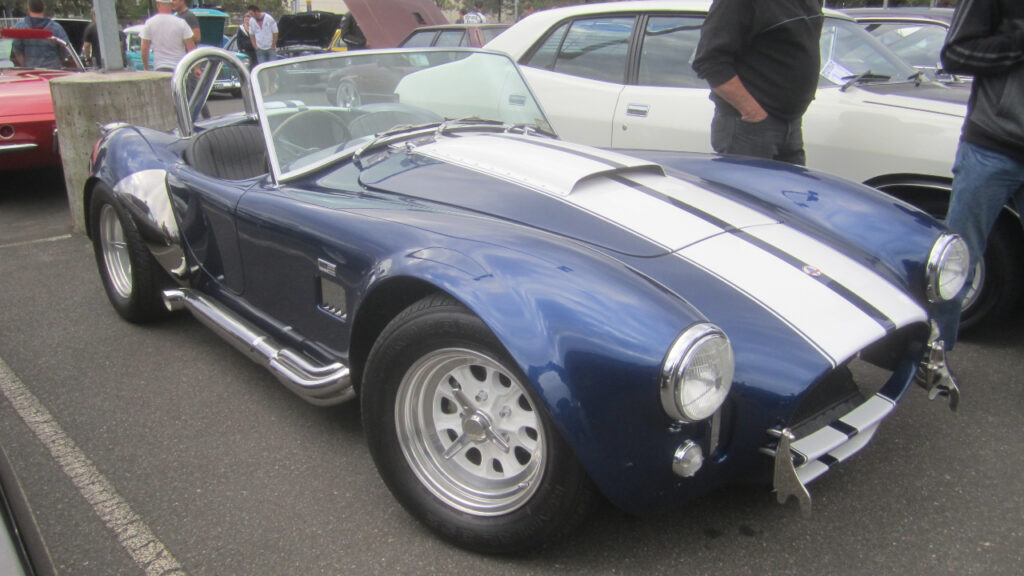
The Shelby Cobra 427 instantly terrified rivals by combining a lightweight British roadster chassis with a gigantic American V8 engine. Its brutal acceleration and raw personality made it feel closer to a race car than a production sports car. Drivers quickly realized few machines could match its straight-line speed or intimidation factor. Massive fender flares and side-exit exhausts reinforced its aggressive image visually. The Cobra became legendary almost immediately because it ignored refinement completely in favor of overwhelming power, creating one of the purest and most dangerous performance cars of the 1960s.
BMW M1
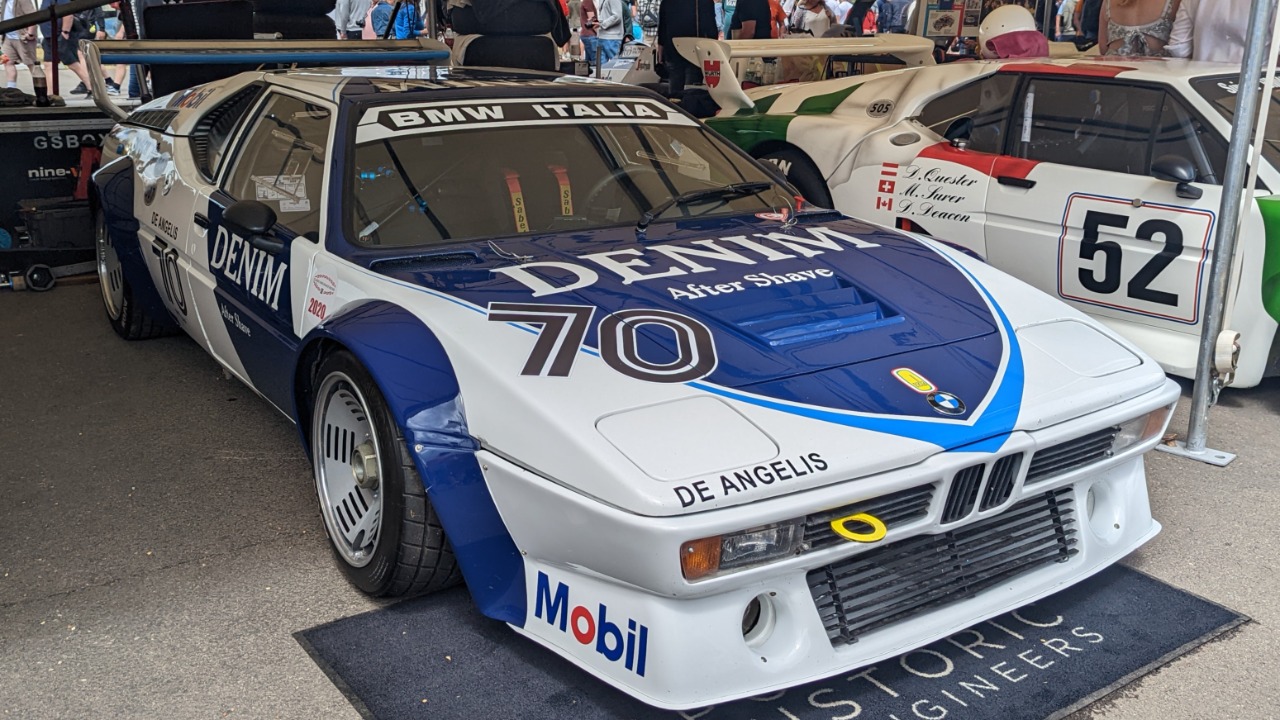
The BMW M1 shocked the automotive world by transforming BMW from a sports sedan specialist into a legitimate supercar manufacturer. Its Giugiaro-designed wedge body and mid-mounted inline-six created a dramatic departure from the company’s traditional lineup. Built initially for racing homologation, the M1 delivered impressive balance and high-speed capability. Limited production numbers only intensified demand and mystique. Enthusiasts immediately recognized its significance because it introduced BMW’s future M performance identity to the global stage and demonstrated the brand could compete directly with established exotic manufacturers.
De Tomaso Pantera
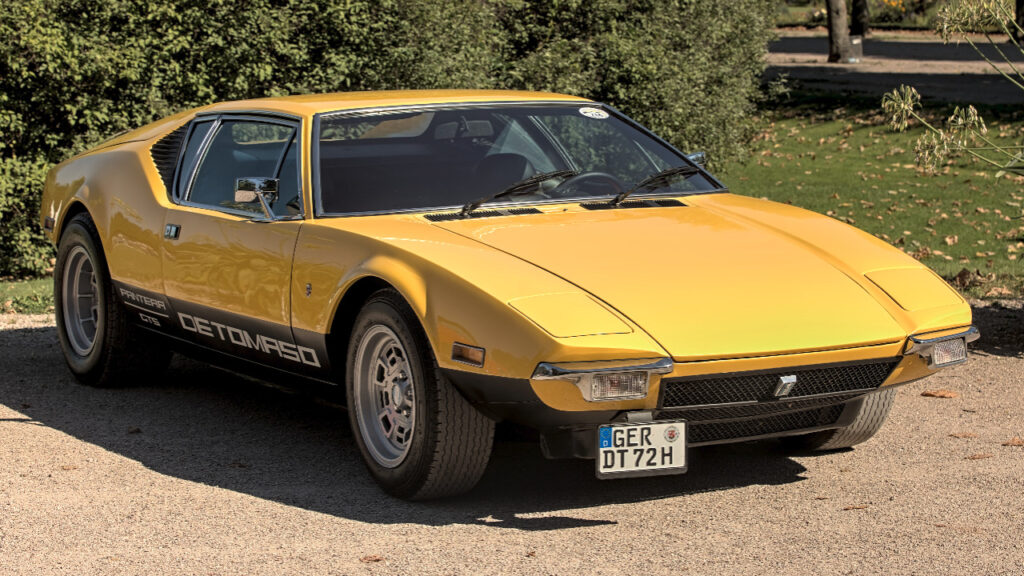
The De Tomaso Pantera arrived with exotic Italian styling and reliable American V8 power, instantly attracting buyers who wanted supercar looks without fragile European mechanics. Its low-slung body and aggressive proportions gave it unmistakable road presence. Ford dealership availability also exposed a much wider audience to mid-engine exotic performance than most competitors offered at the time. The Pantera became an instant sensation because it blended accessibility and excitement in a way few supercars had previously managed. Even decades later, it remains one of the most recognizable international performance hybrids ever built.
Mercedes-Benz 300SL Gullwing
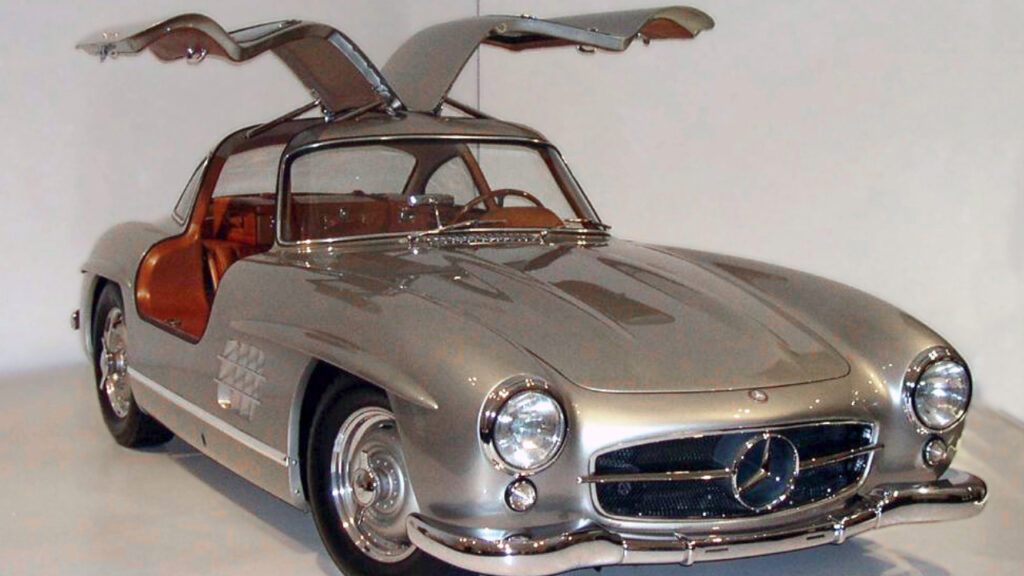
The Mercedes-Benz 300SL Gullwing stunned enthusiasts with its futuristic upward-opening doors and advanced fuel-injected inline-six engine. Derived heavily from racing technology, it offered exceptional performance for the era while maintaining grand touring sophistication. The lightweight tubular chassis forced the dramatic door design, which immediately became iconic worldwide. Wealthy buyers and racing drivers alike admired its blend of engineering innovation and elegance. The 300SL became legendary instantly because it looked and performed unlike anything else available, setting the stage for Mercedes-Benz’s future reputation in high-performance luxury engineering.
Datsun 240Z
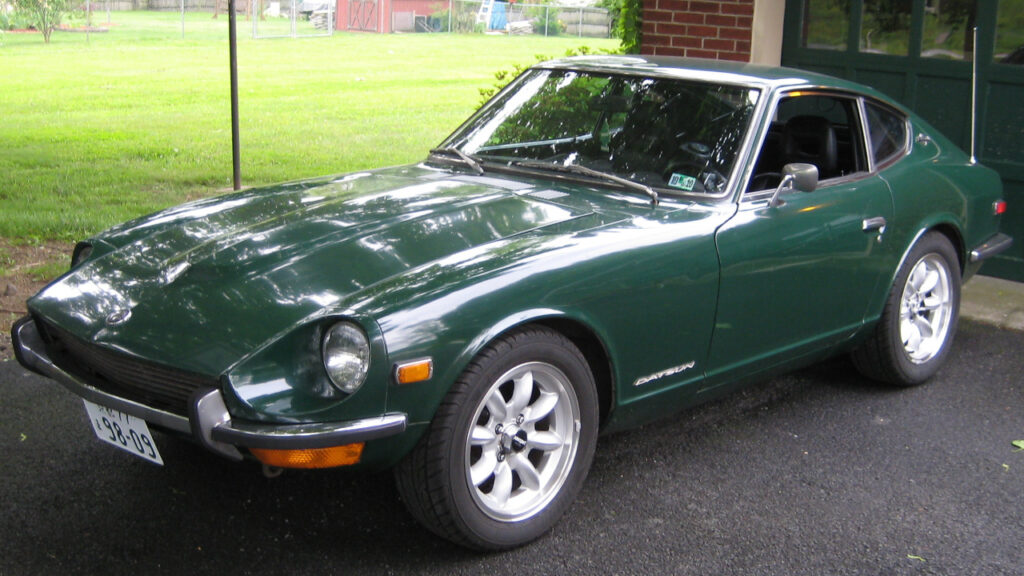
The Datsun 240Z transformed perceptions of Japanese sports cars almost overnight by delivering strong performance, reliability, and sleek styling at an affordable price. European competitors suddenly faced a serious challenger that required far less maintenance and offered comparable driving enjoyment. Its inline-six engine and balanced chassis made it genuinely entertaining on both road and track. Buyers embraced the combination of usability and excitement immediately. The 240Z became a legend because it proved affordable sports cars could still feel refined, reliable, and globally competitive without sacrificing enthusiast appeal.
Plymouth Superbird
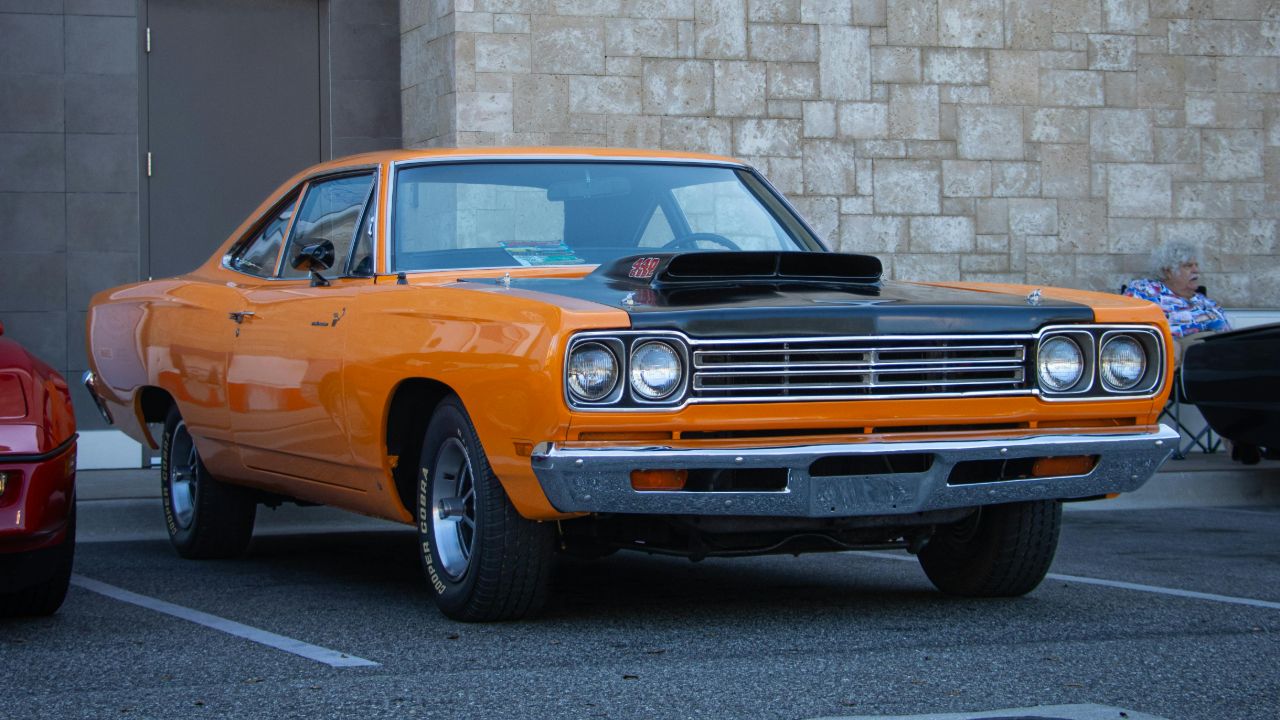
The Plymouth Superbird looked outrageous from the moment it appeared thanks to its pointed aerodynamic nose and towering rear wing. Designed primarily for NASCAR homologation, it delivered high-speed stability unlike traditional muscle cars of the era. The styling was so extreme that it became unforgettable instantly, whether people loved or hated it. Underneath the wild appearance sat serious big-block performance, including available Hemi power. The Superbird’s racing success and unmistakable shape guaranteed immediate legendary status, making it one of the boldest and most recognizable American performance cars ever created.
Lotus Esprit Turbo
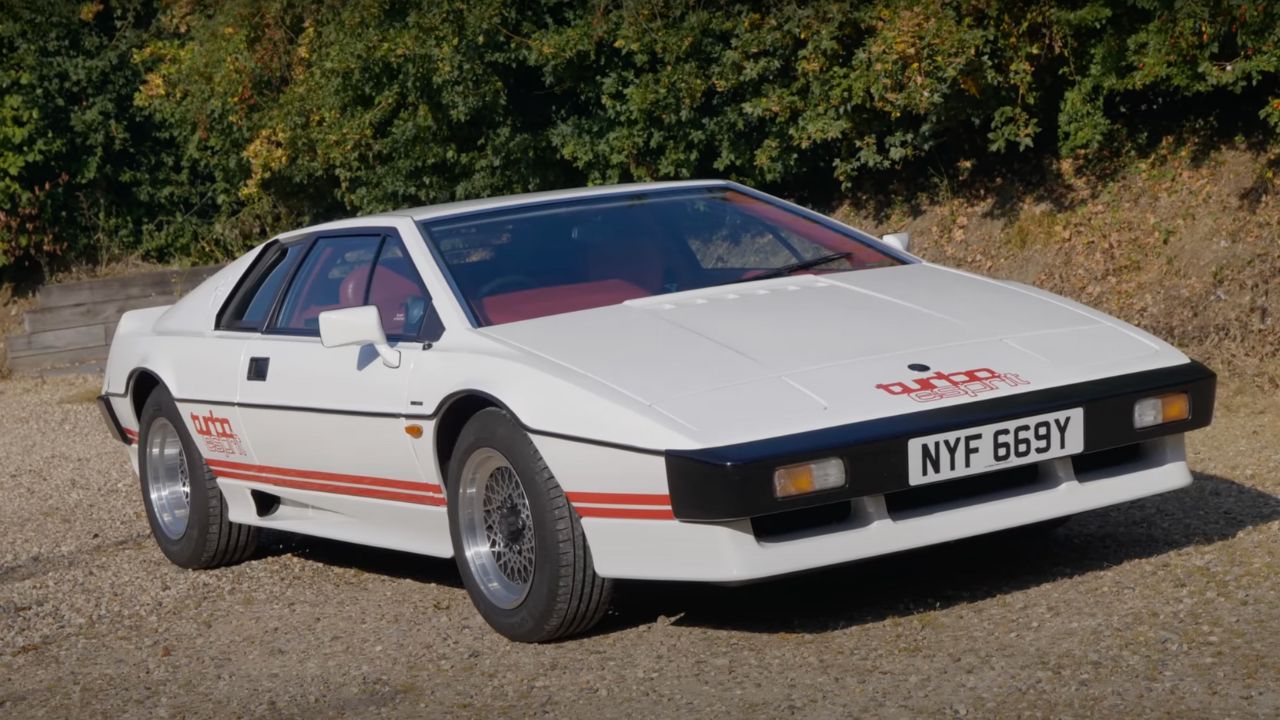
The Lotus Esprit Turbo became an instant icon by combining razor-sharp handling with futuristic wedge styling that perfectly matched the supercar excess of the 1980s. Turbocharged power transformed the already capable Esprit into a far more serious high-performance machine. Appearances in films and popular media elevated its status globally, while enthusiasts praised its lightweight agility. Lotus engineering focused heavily on balance and steering precision rather than brute-force horsepower. The Esprit Turbo earned immediate respect because it delivered exotic looks and genuinely thrilling handling without relying solely on enormous engine displacement.
Chevrolet Yenko Camaro
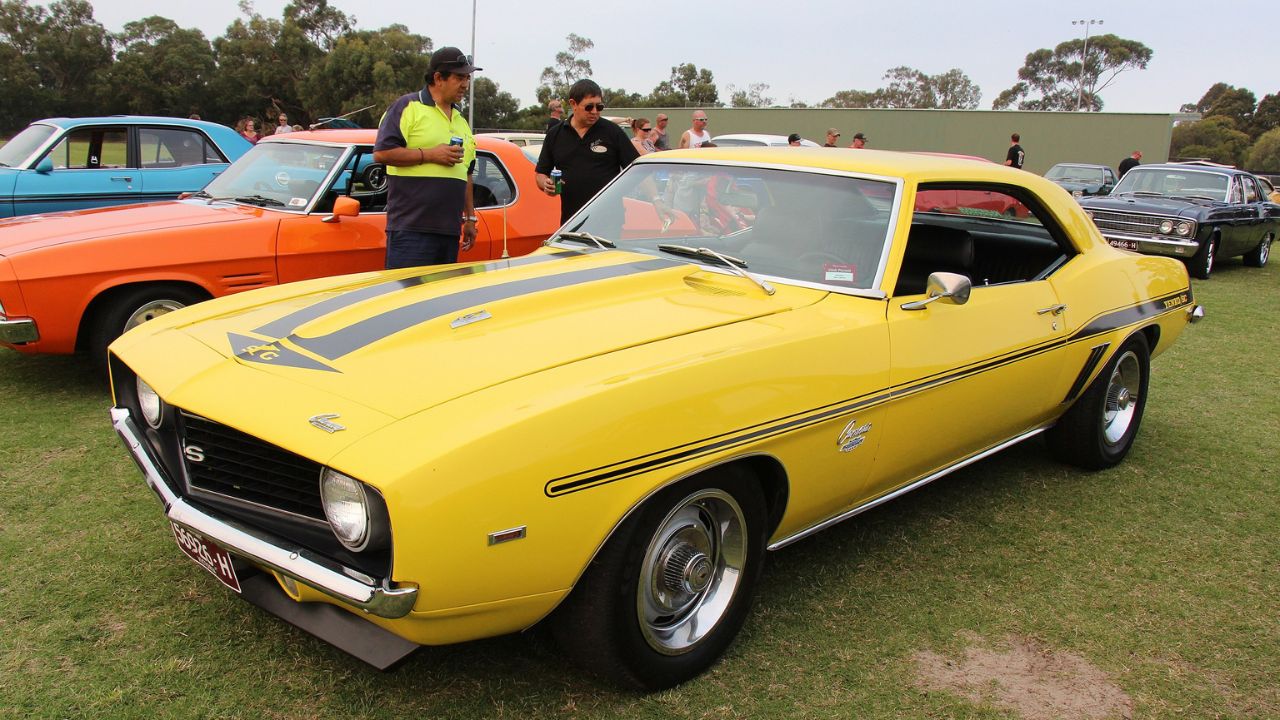
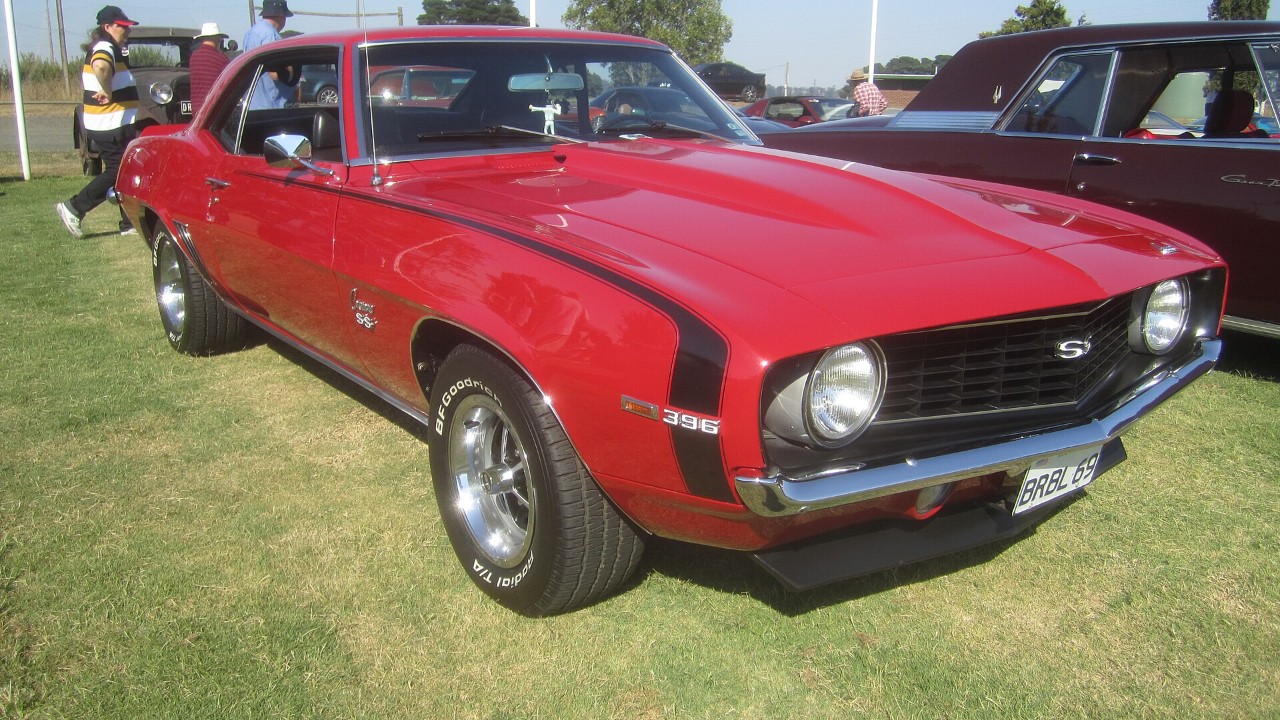
The Yenko Camaro became legendary immediately among street racers because it offered outrageous factory-backed big-block performance hidden inside Chevrolet’s popular pony car. Don Yenko’s modifications transformed the Camaro into a brutally fast machine capable of humiliating many competitors at drag strips nationwide. Limited production numbers added exclusivity from the beginning, while understated styling helped preserve sleeper appeal. Enthusiasts quickly recognized the car’s serious intentions once they experienced its acceleration. The Yenko Camaro became an instant hero of the muscle era because it represented factory performance pushed to near-racing extremes.
Lancia Stratos

The Lancia Stratos changed rally racing forever with its short wheelbase, wedge-shaped body, and Ferrari-derived V6 engine. Purpose-built specifically for competition, it looked radically different from traditional production-based rally cars. The Stratos immediately dominated the World Rally Championship through agility and explosive performance on unpredictable surfaces. Fans and competitors alike recognized its revolutionary approach instantly. Beyond racing success, the car’s dramatic styling and aggressive proportions made it unforgettable visually. The Stratos became legendary at launch because it demonstrated how purpose-built engineering could completely redefine motorsport performance standards.
Iso Grifo
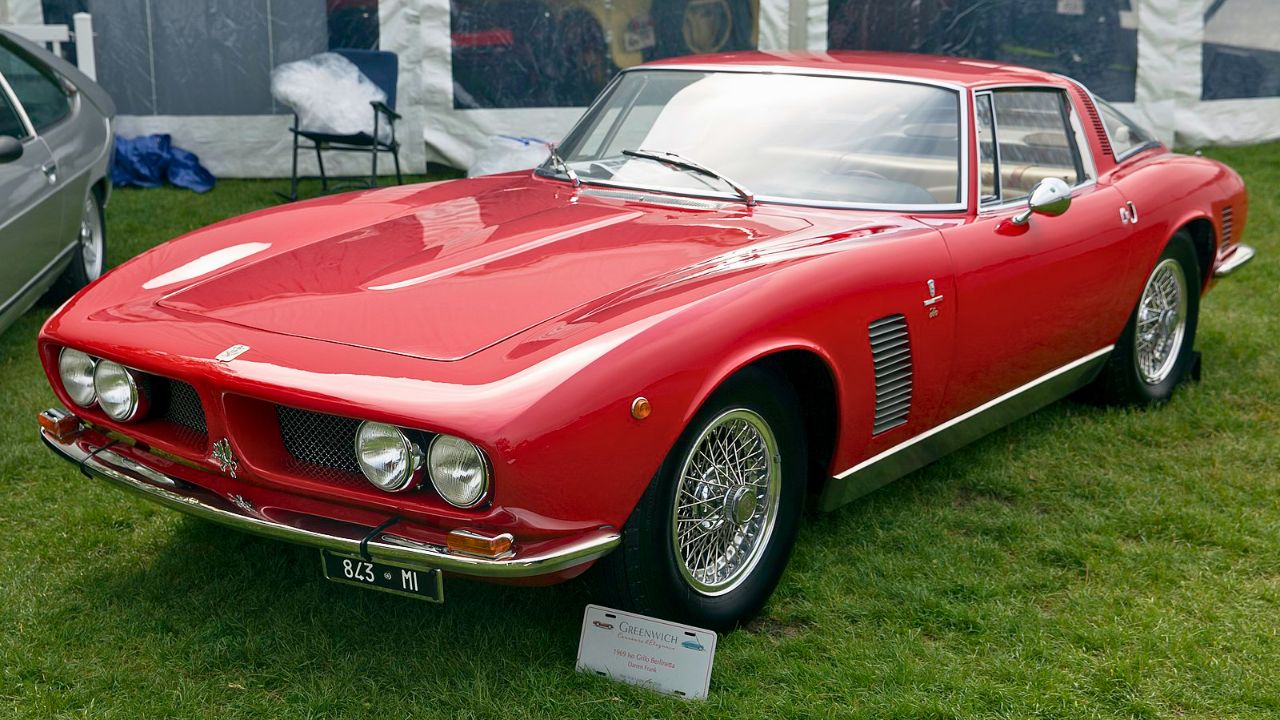
The Iso Grifo combined elegant Italian styling with powerful American V8 engines, creating a grand touring car that immediately stood apart from its European rivals. Designed by Giorgetto Giugiaro, it delivered both visual sophistication and serious straight-line speed. Buyers appreciated the balance between exotic design and dependable mechanical simplicity. Unlike many temperamental high-performance cars of the era, the Grifo felt approachable while still delivering impressive performance. It earned instant admiration among enthusiasts because it proved luxury, reliability, and muscular power could coexist beautifully within a single hand-built Italian performance machine.
More from Fast Lane Only