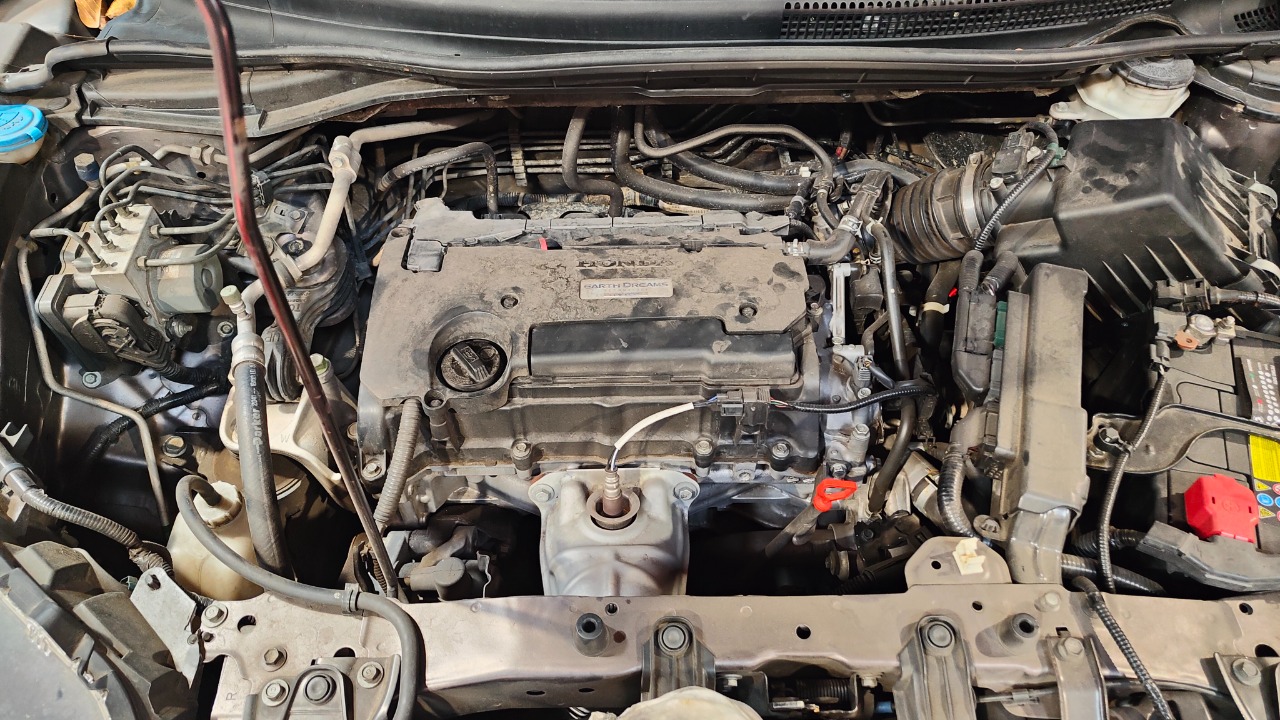
The automotive world is filled with a variety of engines, each with its own unique characteristics that cater to different preferences and driving styles. However, some engines have set a standard that enthusiasts and manufacturers alike still reference when evaluating new motors. Here’s a look at seven engines that continue to influence the industry and inspire discussions among car aficionados.
Chevrolet Small Block V8
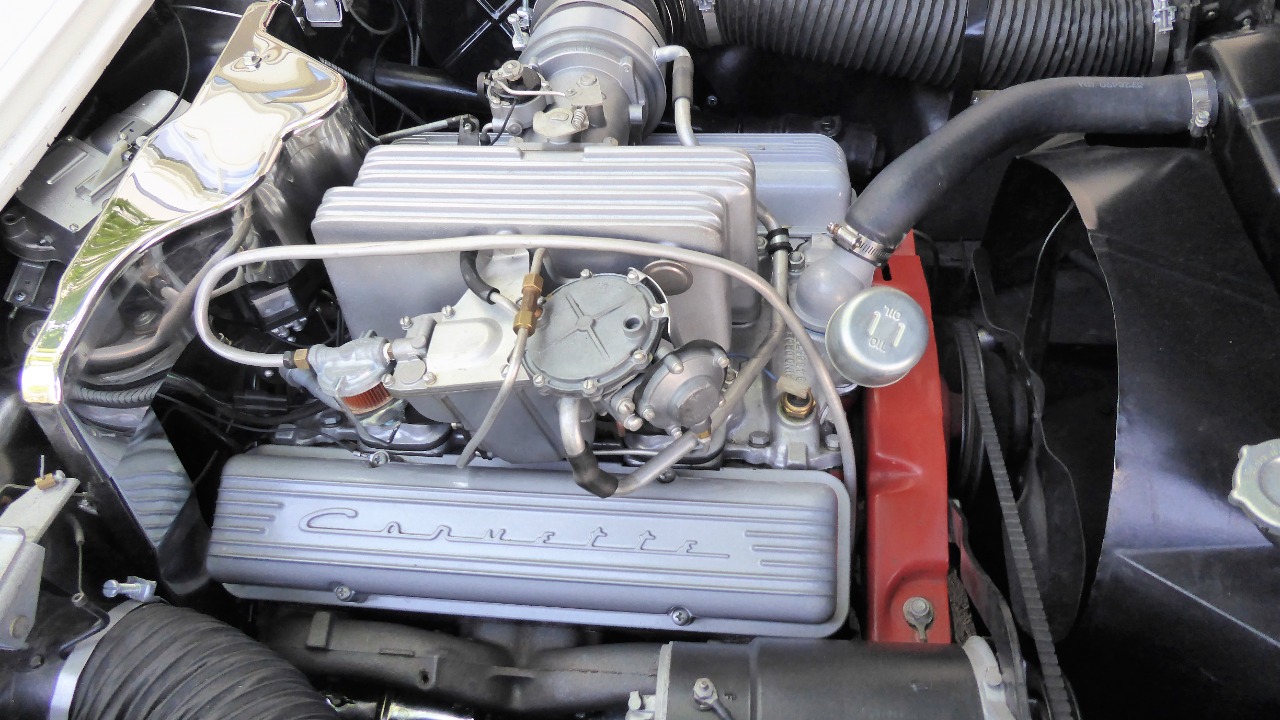
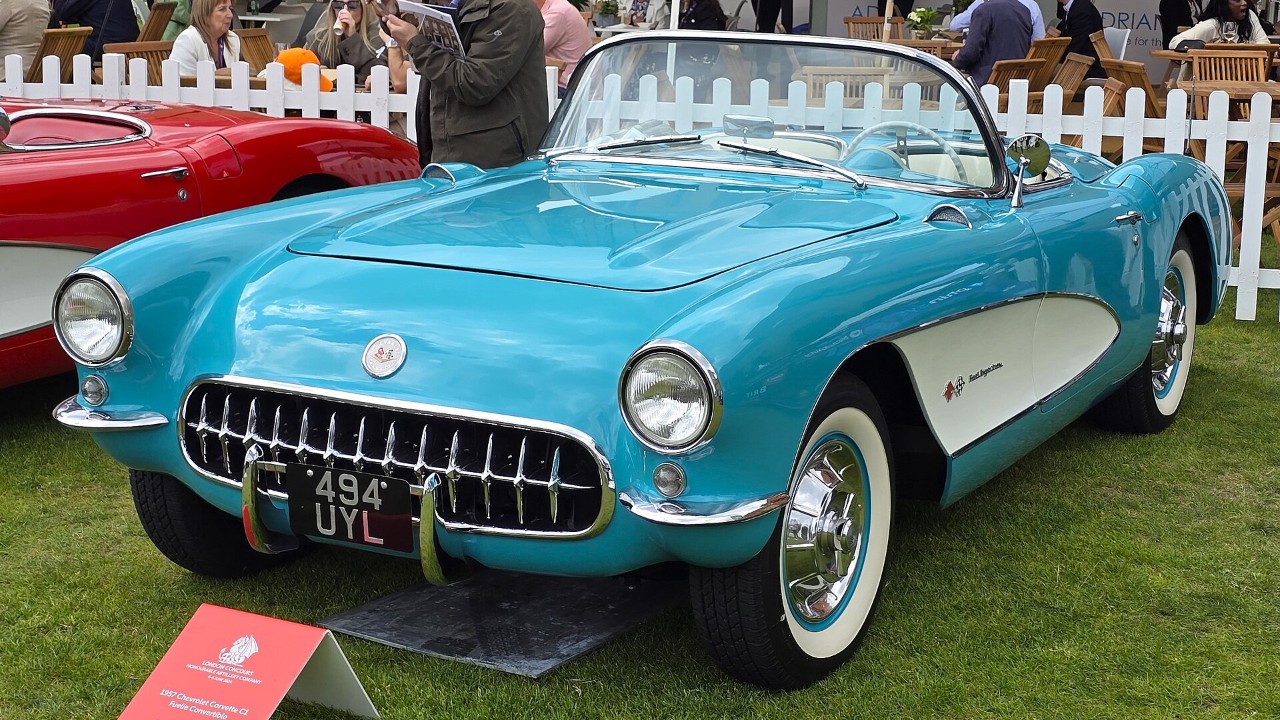
The Chevrolet Small Block V8 has been a cornerstone of American muscle since its introduction in 1955. Renowned for its versatility and performance, this engine has powered everything from the classic Chevy Corvette to modern trucks like the Silverado. The small block’s lightweight design and robust aftermarket support make it a favorite among tuners and racers. Its ability to produce impressive horsepower and torque figures while maintaining reliability is unmatched, making it a benchmark against which many new V8s are compared. This engine’s legacy continues to thrive, with modern iterations like the LT1 and LT4 pushing the limits of performance.
One of the most compelling aspects of the Chevrolet Small Block is its adaptability. Enthusiasts can easily swap different components to achieve specific performance goals, whether for street driving or racing. The engine’s design has also evolved over the decades, with advancements in technology leading to improvements in fuel efficiency and emissions without sacrificing power. Its iconic status in the automotive world means that any new V8 engine must be measured against the small block’s storied history and performance benchmarks.
Ford 5.0L Coyote V8
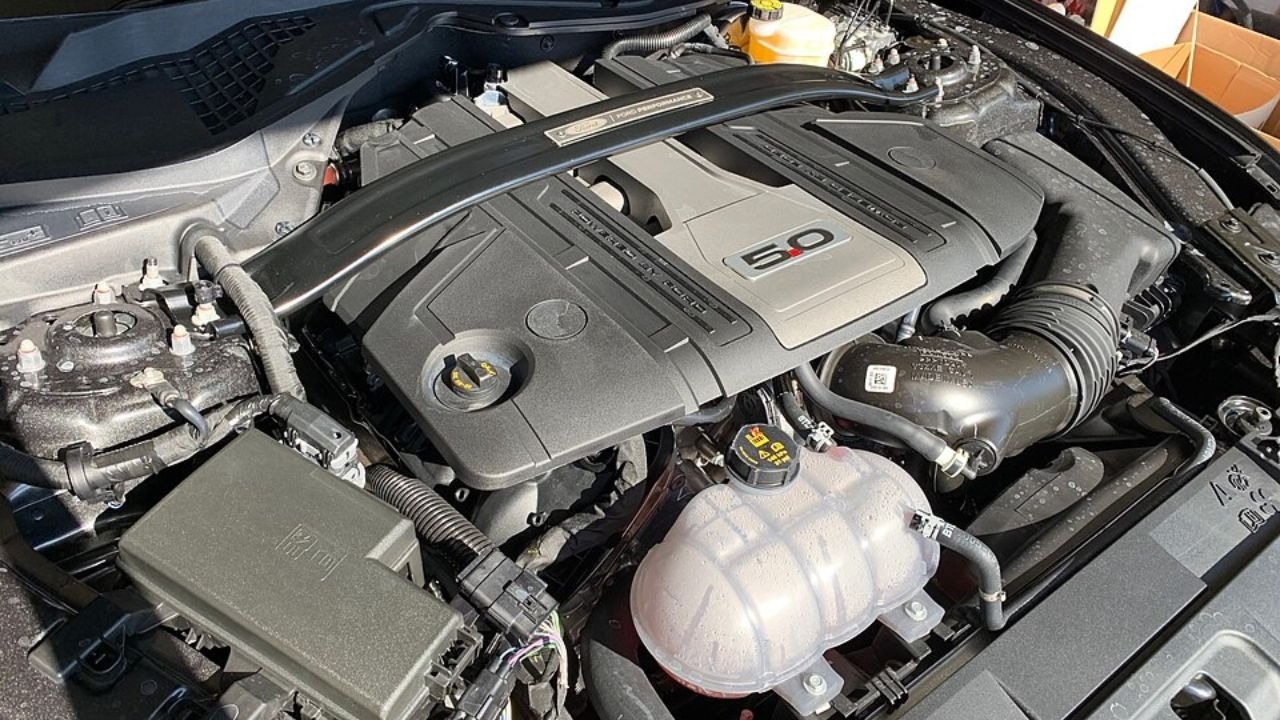
Introduced in 2011, the Ford 5.0L Coyote V8 has quickly established itself as a powerhouse in the modern muscle car scene. Found in the Ford Mustang GT, this engine balances power, efficiency, and cutting-edge technology. With its DOHC design and variable valve timing, the Coyote engine delivers a thrilling driving experience with a strong emphasis on performance. Producing more than 450 horsepower in the latest models, it’s no wonder that enthusiasts often compare new V8 engines against this remarkable powerplant.
The Coyote’s ability to rev high while providing a broad torque curve sets it apart from competitors. Additionally, the engine’s lightweight construction contributes to improved handling dynamics in the Mustang. The aftermarket scene is also vibrant, with countless tuning options available to extract even more power. Ford’s commitment to continuous improvement means that the Coyote will likely remain a benchmark for years to come, influencing both performance metrics and engineering innovations in new engines.
Honda K-Series Inline-4
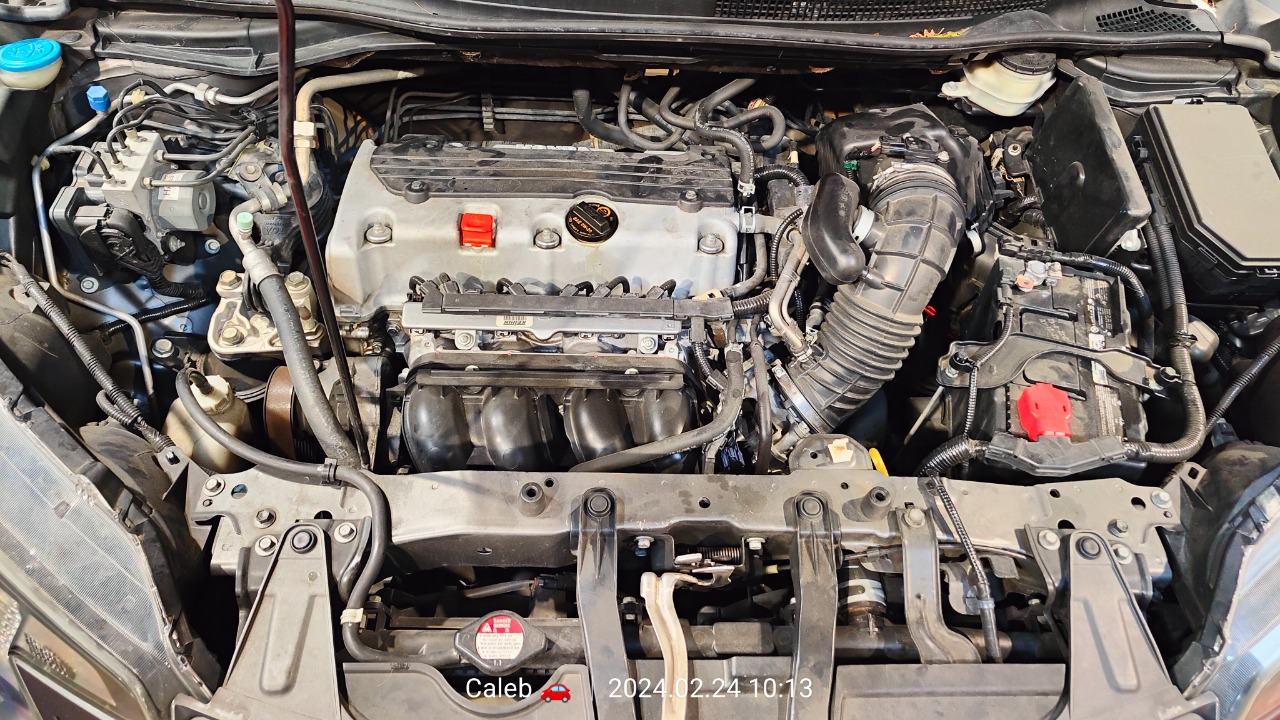
The Honda K-Series Inline-4 is a standout example of engineering excellence in the world of four-cylinder engines. Launched in 2001, this engine family has become synonymous with reliability and performance, often found in vehicles like the Civic Si and the Acura RSX Type-S. With its high-revving nature and impressive power output—often exceeding 200 horsepower—it’s no surprise that enthusiasts frequently hold the K-Series up as a standard for modern inline-fours.
What makes the K-Series particularly appealing is its tuning potential. The engine’s robust aftermarket support means that performance upgrades are readily available, allowing owners to significantly boost power and responsiveness. Furthermore, its lightweight construction contributes to better handling characteristics in smaller vehicles. The blend of reliability, performance, and tunability makes the Honda K-Series a benchmark in the world of four-cylinder engines, influencing both manufacturers and enthusiasts alike.
Subaru EJ20 Turbocharged Flat-Four
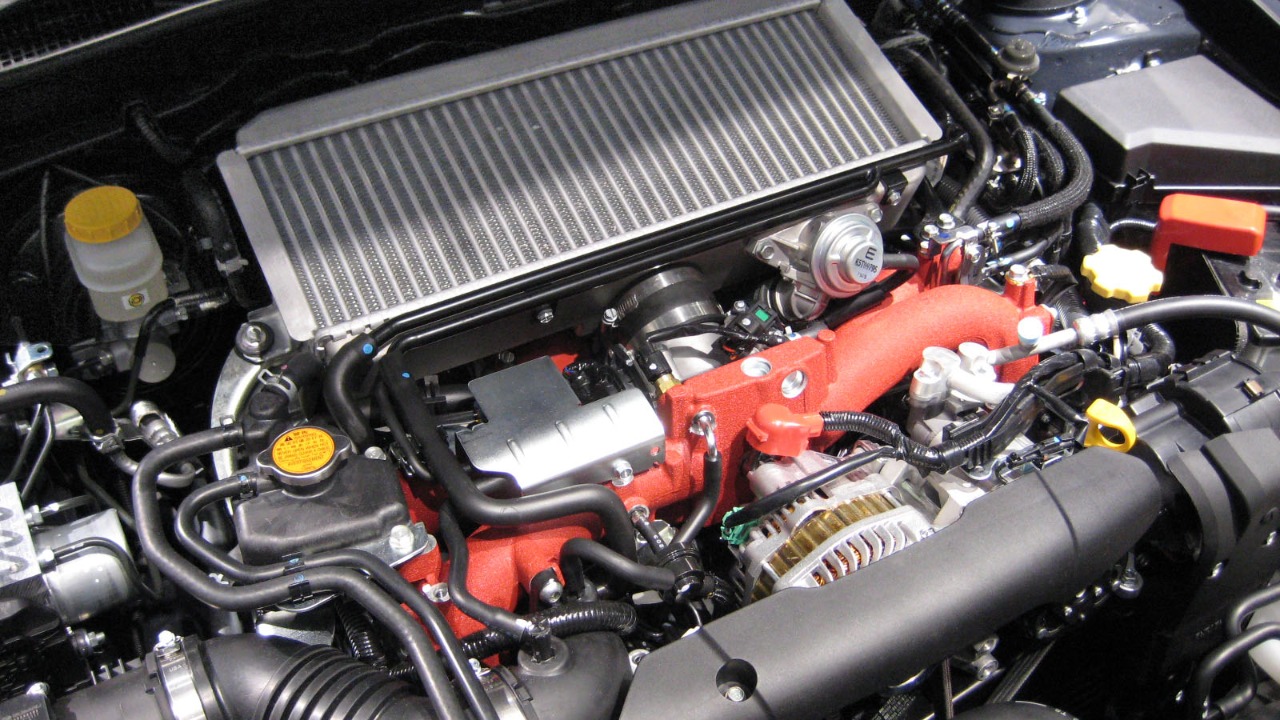
Subaru’s EJ20 Turbocharged Flat-Four engine has carved a niche for itself in the automotive realm, especially among rally enthusiasts. Introduced in the late 1980s, the EJ20’s unique boxer engine design provides a low center of gravity, enhancing vehicle stability and handling. Its turbocharged variant delivers impressive power and torque, making it a favorite in models like the Subaru WRX.
The distinctive sound and character of the EJ20 engine contribute to its loyal following. Its robust construction and performance capabilities have made it a benchmark for turbocharged engines, prompting comparisons with newer competitors. Subaru has continually refined this engine, incorporating modern technologies that improve efficiency and emissions while maintaining its performance legacy. As such, the EJ20 remains a point of reference for evaluating the performance of turbocharged engines across various manufacturers.
BMW M50 Inline-Six
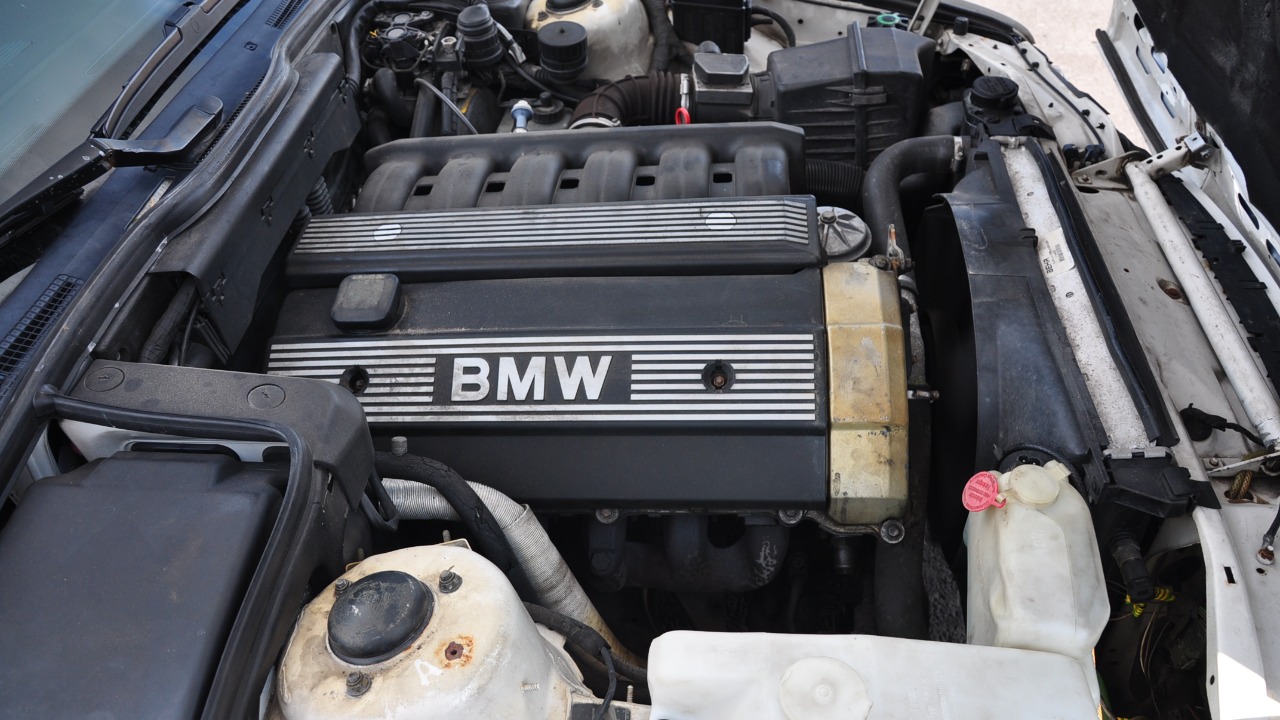
The BMW M50 Inline-Six engine, produced from the late 1980s through the mid-1990s, is often regarded as one of the best naturally aspirated engines in automotive history. Known for its smoothness and power delivery, the M50 has powered iconic models like the E30 and E36 3 Series. With a reputation for longevity and reliability, this engine is frequently compared to newer inline-sixes, particularly in discussions surrounding performance and drivability.
What sets the M50 apart is its engineering precision and the balance it strikes between performance and comfort. Its ability to rev freely while providing a broad torque curve has made it a favorite among driving enthusiasts. Even decades after its introduction, the M50’s influence is seen in modern BMW engines, which continue to emphasize refinement and performance. It’s a testament to BMW’s engineering prowess that the M50 remains a benchmark for inline-six engines.
Toyota 2JZ Inline-Six
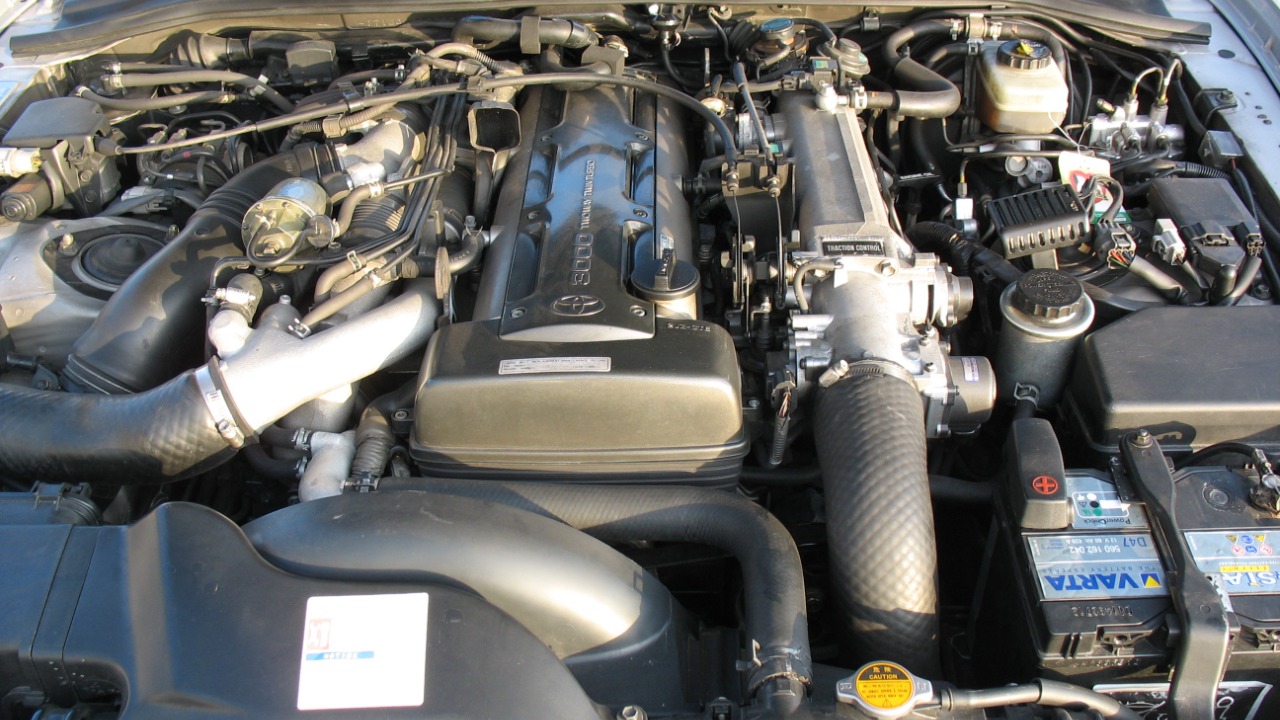
The Toyota 2JZ Inline-Six engine is legendary among car enthusiasts, largely due to its role in the iconic Toyota Supra. Known for its robust construction and impressive tuning potential, the 2JZ has become a benchmark in the world of performance engines. Its ability to handle significant horsepower increases without compromising reliability has made it a favorite for tuners and racers alike, with many pushing it well beyond 1,000 horsepower.
What truly sets the 2JZ apart is its engineering. The engine features a strong iron block and aluminum DOHC cylinder head, allowing for high boost levels while maintaining structural integrity. This durability has led to its use in various motorsport applications, further solidifying its reputation as a go-to choice for serious performance builds. With its storied history and continued relevance, the 2JZ remains a standard against which many new engines are measured.
Porsche Flat-Six Engine
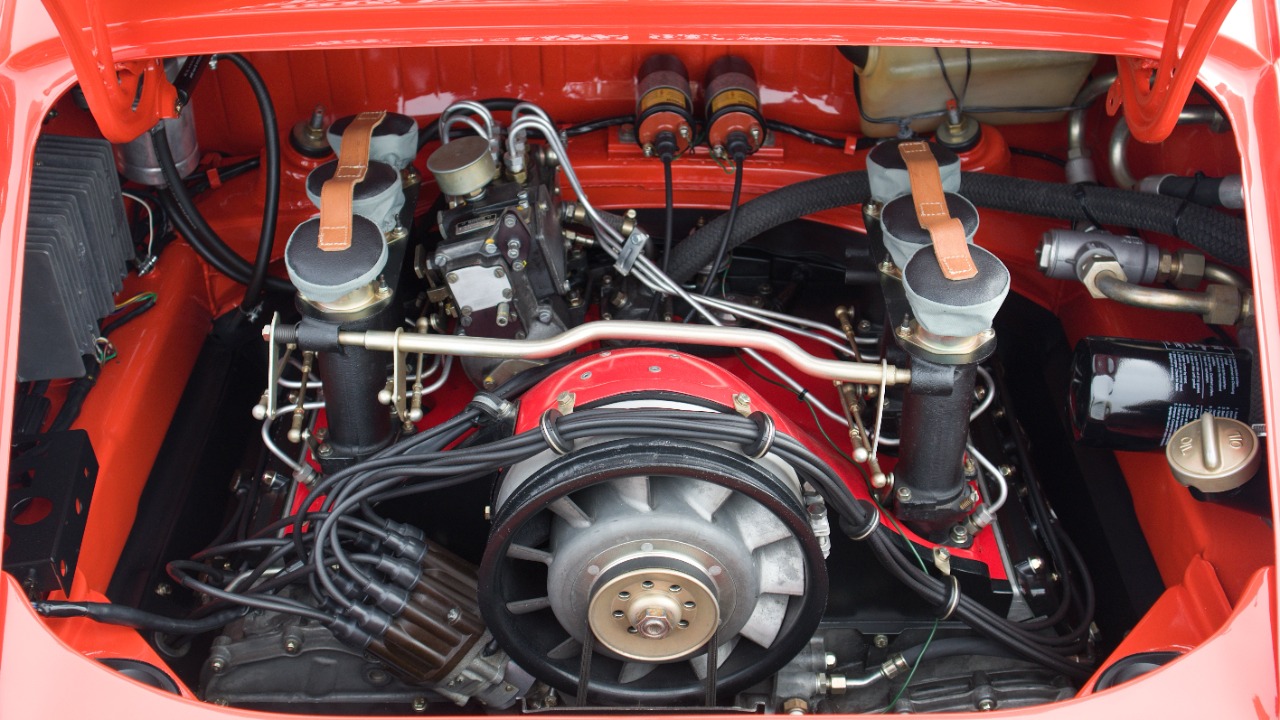
The Porsche Flat-Six engine has been a defining feature of the brand’s sports cars for decades, providing the distinctive sound and performance that enthusiasts crave. First introduced in the 1964 Porsche 911, this engine has evolved through various iterations, including the air-cooled and water-cooled versions. Today, it still serves as the heart of the 911, delivering exhilarating performance and a unique driving experience.
What makes the Flat-Six so compelling is its low center of gravity and balanced weight distribution, which contribute to exceptional handling. Its engineering excellence and performance characteristics have made it a reference point for sports car manufacturers around the world. With advancements in turbocharging and technology, the modern Flat-Six continues to push the boundaries of performance while preserving the heritage that defines Porsche. It remains an engine that sets the standard for others in the high-performance sports car segment.
More from Fast Lane Only
- Unboxing the WWII Jeep in a Crate
- 15 rare Chevys collectors are quietly buying
- 10 underrated V8s still worth hunting down
- Police notice this before you even roll window down
*Research for this article included AI assistance, with all final content reviewed by human editors.