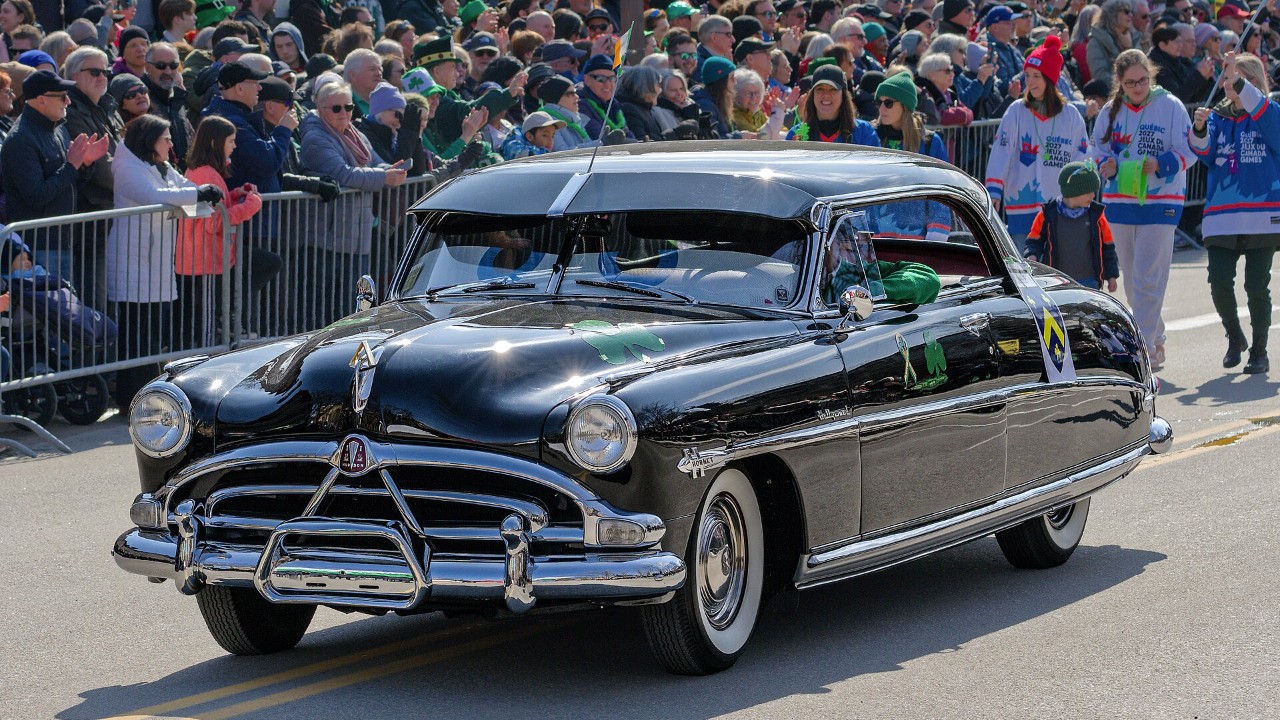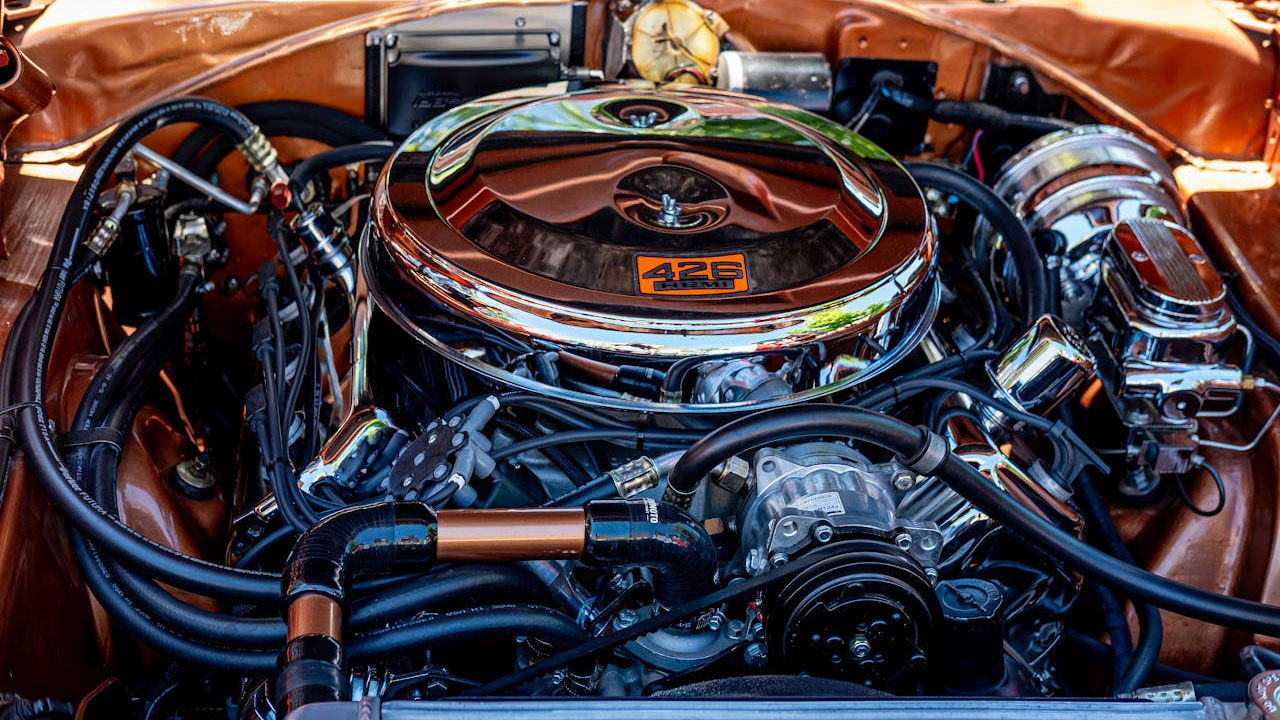
Not every legendary engine was literally banned because it produced too much power. In several famous cases, racing organizations changed rules, manufacturers stopped offering certain combinations, or emissions and safety regulations effectively ended production. Still, these seven engines became famous for pushing performance boundaries so far that their careers were cut short or heavily restricted.
Chevrolet 427 ZL1
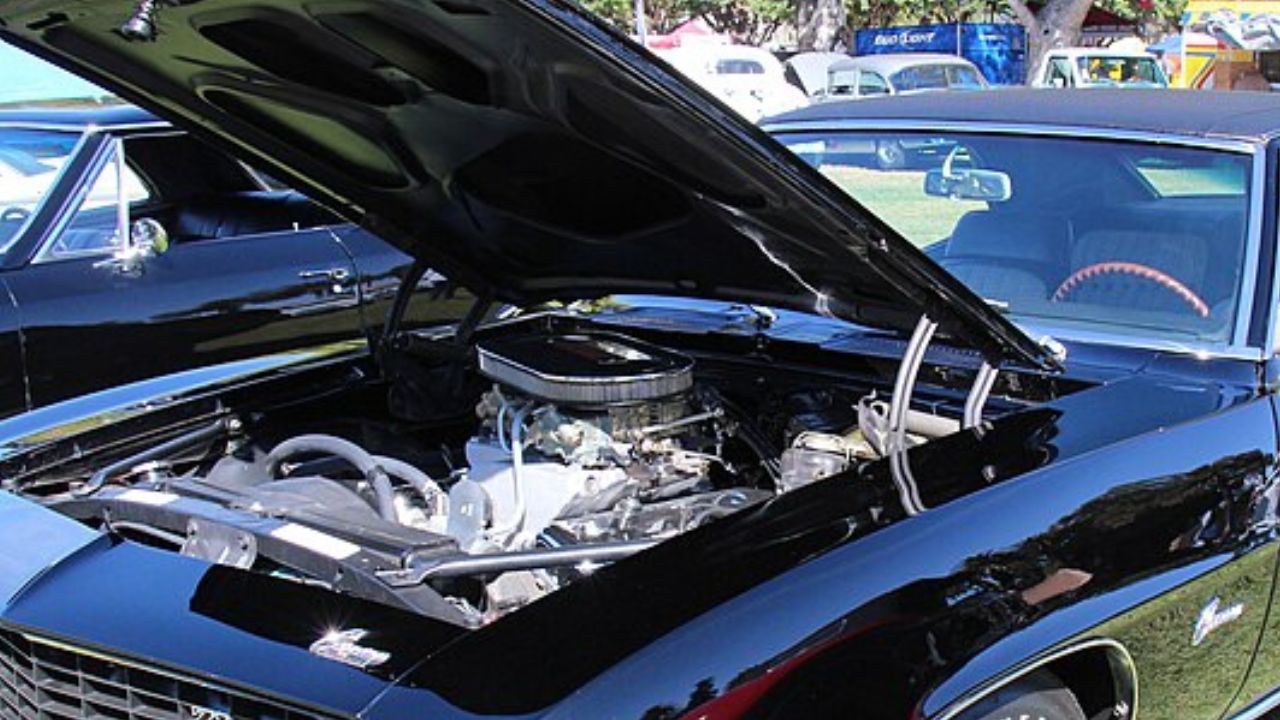
The Chevrolet 427 ZL1 was an extraordinary all-aluminum big-block developed with racing performance in mind. Its lightweight construction and enormous power made it particularly attractive for serious competition. Chevrolet installed the engine in a very limited number of Camaros, but changing racing rules and the declining muscle-car market quickly ended its production. Today, genuine ZL1 engines are among the most prized Chevrolet powerplants.
Ford 427 SOHC
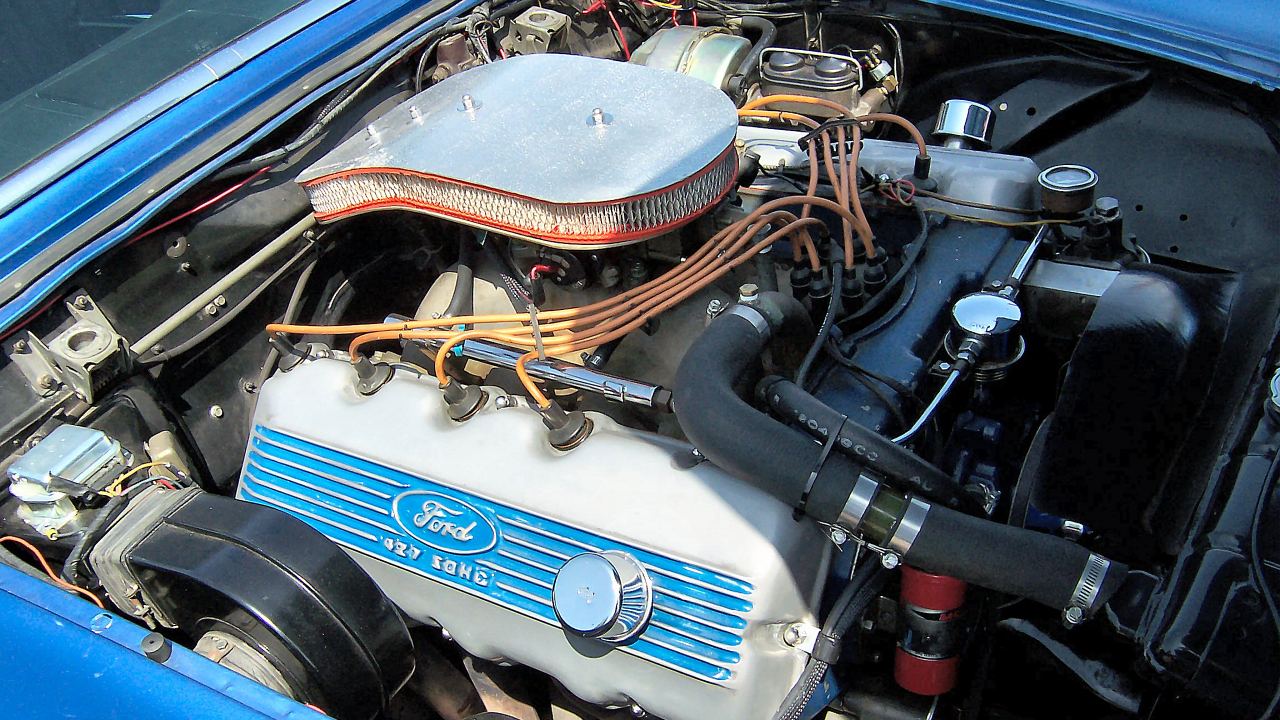
The Ford 427 SOHC, often called the “Cammer,” was developed to compete in NASCAR’s escalating engine war. Its single overhead-camshaft design was highly unusual for an American V8 of the period and allowed extremely high-performance potential. NASCAR ultimately refused to approve the engine for competition, effectively ending its intended racing career. The 427 SOHC became legendary precisely because it was considered too extreme for the rules.
Chrysler 426 Hemi
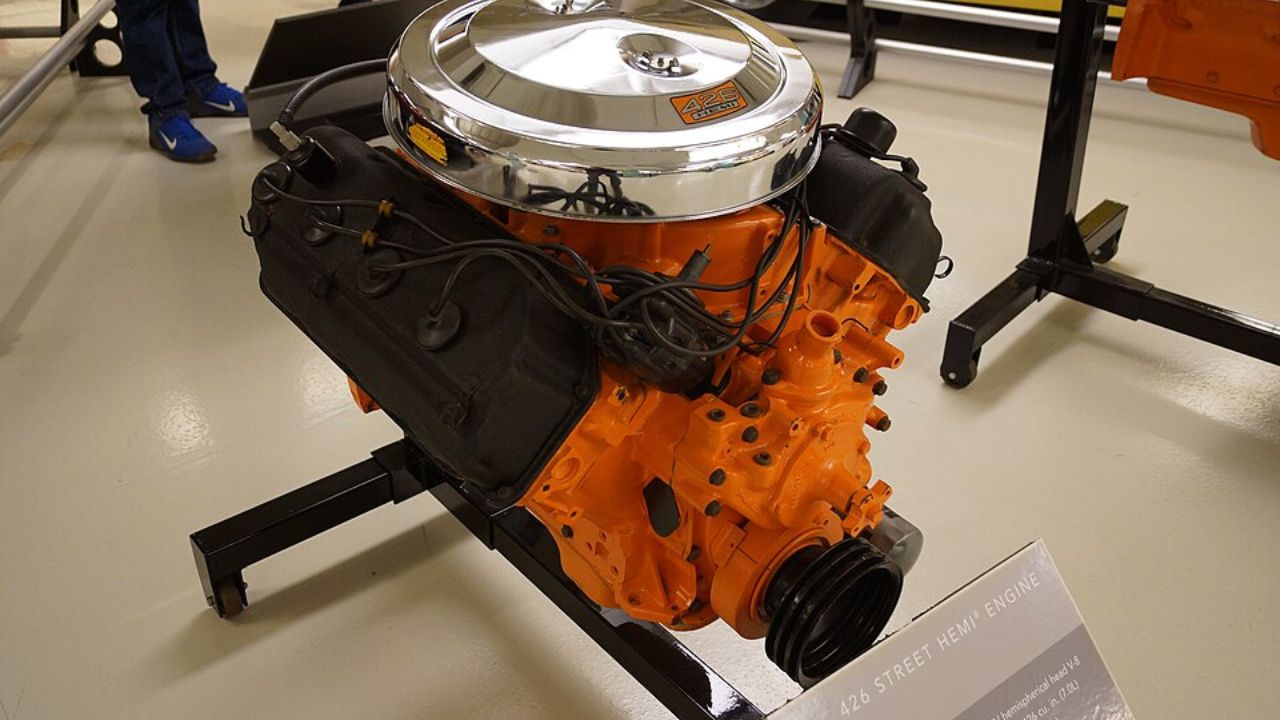
The Chrysler 426 Hemi became one of the most feared engines in American racing and muscle-car history. Its hemispherical combustion chambers and powerful breathing characteristics gave it enormous performance potential. Chrysler developed the engine specifically for competition before offering a street version. Racing regulations eventually restricted the Hemi’s competitive role, but its reputation as one of Detroit’s most powerful engines survived.
Chevrolet 427 L88

The Chevrolet 427 L88 was designed with serious racing performance in mind rather than everyday comfort. It used high-performance components throughout, including a radical camshaft and heavy-duty internal hardware. Chevrolet understated its advertised output, helping discourage casual buyers. Racing and production restrictions eventually ended the configuration, while surviving examples became highly valuable reminders of the extreme end of the muscle-car era.
Chevrolet 409
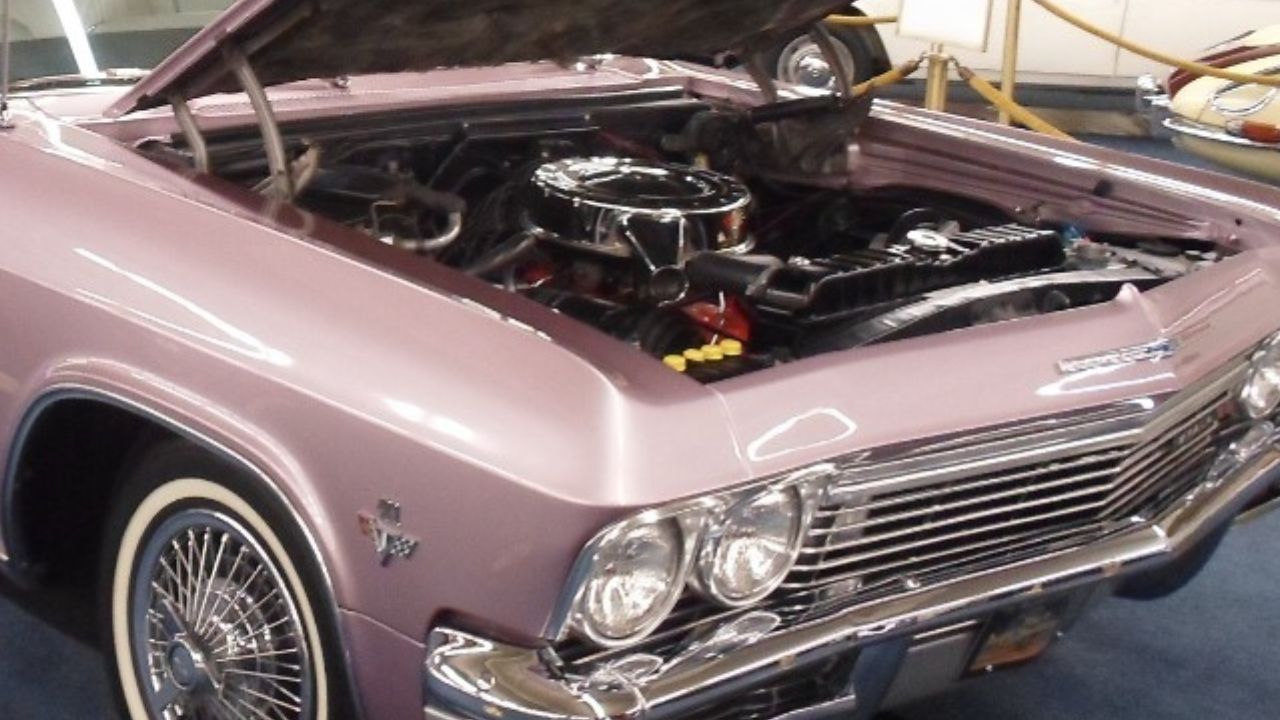
The Chevrolet 409 became one of Chevrolet’s most famous high-performance engines of the early 1960s. Its big-block design, strong torque, and available dual-quaduretor setup gave it impressive performance for its time. The engine became especially popular with drag racers and performance enthusiasts. As Chevrolet moved toward newer engine designs and changing regulations affected high-performance cars, the 409 eventually disappeared from production. Its combination of power and limited availability helped turn it into a legendary Chevrolet engine.
Ford 427 Side-Oiler

The Ford 427 Side-Oiler was developed as a high-performance evolution of Ford’s FE big-block family. Its separate oiling passages improved lubrication for demanding applications, while high-performance versions could produce enormous power. Ford used the engine in competition and select street cars. As racing regulations and the muscle-car market changed, the most extreme versions disappeared, leaving behind a legendary reputation.
Oldsmobile 455 W-30
CC BY 2.0 / Wiki Commons
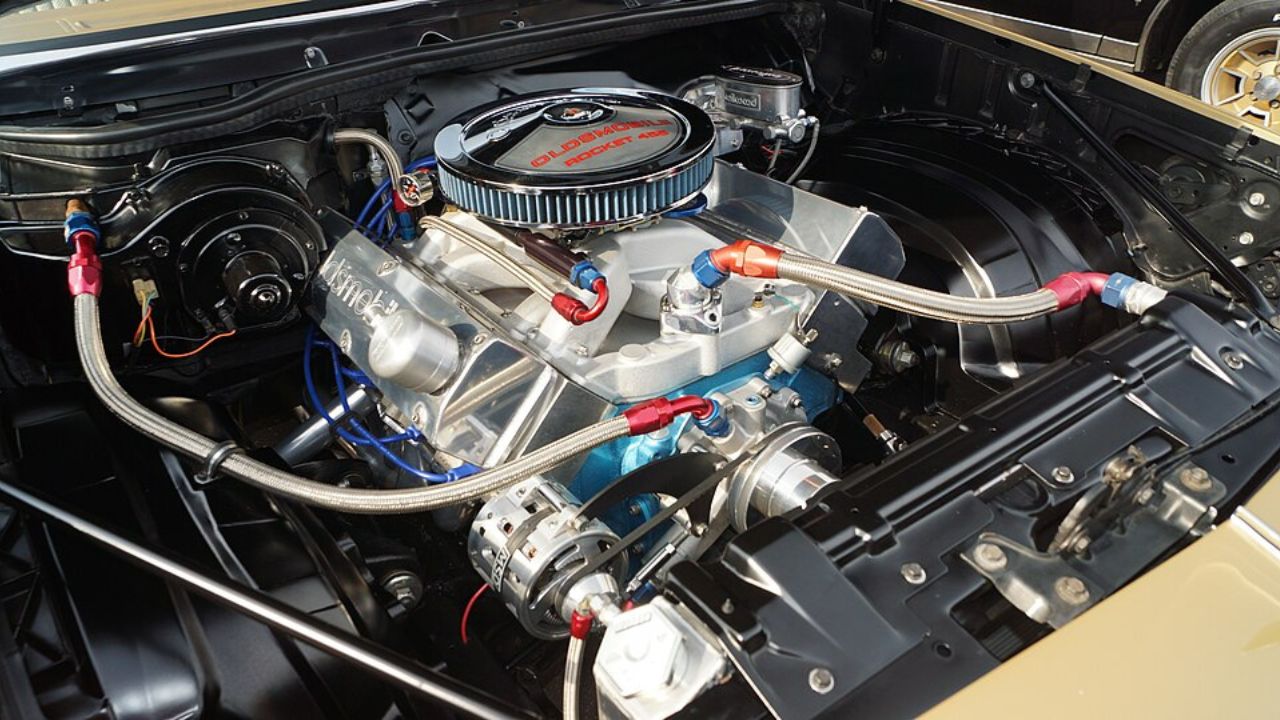
The Oldsmobile 455 W-30 represented the upper limit of Oldsmobile’s muscle-car engineering. Its large-displacement V8 produced massive torque and used specialized induction, exhaust, and internal components. As emissions regulations and insurance costs increased, large high-output engines became increasingly difficult to offer. The W-30’s era eventually ended, but its reputation as a formidable street engine remains strong.
More from Fast Lane Only
- Unboxing the WWII Jeep in a Crate
- 15 rare Chevys collectors are quietly buying
- 10 underrated V8s still worth hunting down
- Police notice this before you even roll window down
*Research for this article included AI assistance, with all final content reviewed by human editors