High-performance engines have always fascinated car enthusiasts, but some powertrains push the limits of what’s practical for everyday driving. These engines combine extreme horsepower with cutting-edge technology, resulting in vehicles that are not just fast, but also incredibly exhilarating. Here’s a look at seven engines that were nearly too powerful for the street, showcasing the engineering marvels that can redefine the driving experience.
The Dodge Hellcat HEMI
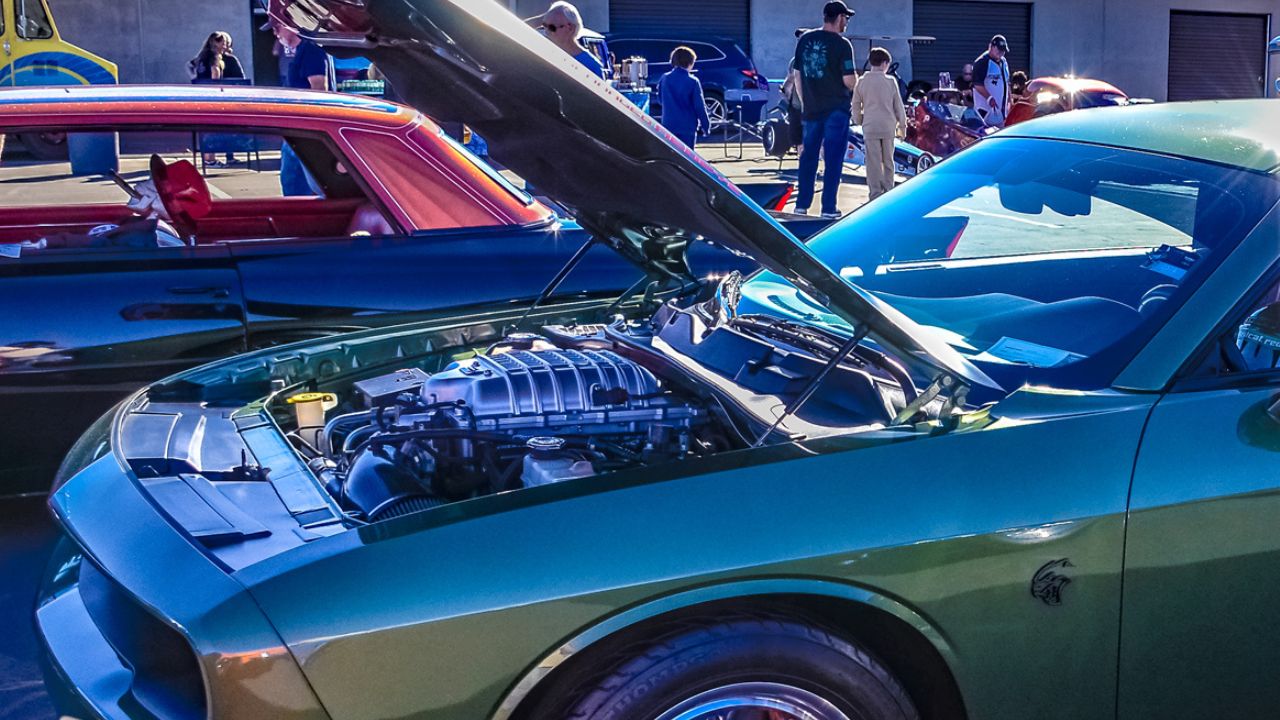
The Dodge Hellcat HEMI is a powerhouse that has captured the attention of muscle car fans since its inception in 2015. With a supercharged 6.2-liter V8 engine, it churns out an astonishing 707 horsepower in the standard model, while the more aggressive Hellcat Redeye pushes that to a staggering 797 horsepower. This level of power is why some local regulations have raised eyebrows, as it can easily exceed speed limits and challenge the limits of tire grip.
What makes the Hellcat even more fascinating is its ability to deliver this power in a surprisingly user-friendly package. From its retro styling to modern technology, it remains a car that can be driven daily. However, the sheer force behind the acceleration can catch even seasoned drivers off guard, making it a beast that demands respect on the road.
The Ford 427 SOHC
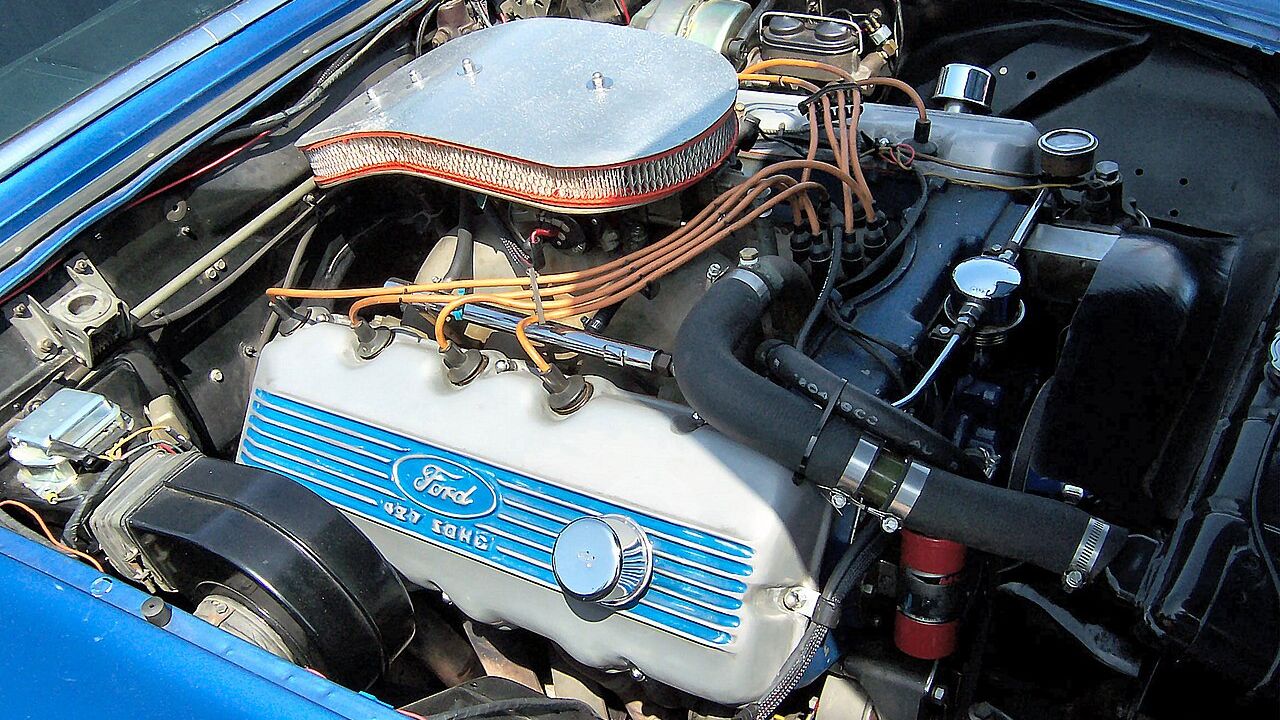
The Ford 427 SOHC engine, introduced in the mid-1960s, is another example of a powerplant that was nearly too potent for the street. Originally designed for NASCAR, this engine boasted an impressive 600 horsepower, which was groundbreaking at the time. Its single overhead cam design contributed to its high revving capabilities, making it a favorite among racers and performance enthusiasts. However, the engine’s immense power was not easily tamed, and it quickly became evident that it was more suited for the track than public roads.
In fact, the 427 SOHC was so powerful that it was eventually pulled from the market due to its potential for misuse. The engine found its way into various racing applications, solidifying its status as a performance icon. Today, it remains a highly sought-after collector’s item, with many enthusiasts restoring classic cars like the Ford GT40 to feature this powerful engine. Its legacy lives on, demonstrating how a well-engineered engine can redefine expectations in the world of performance vehicles.
The Ford Mustang Shelby GT500
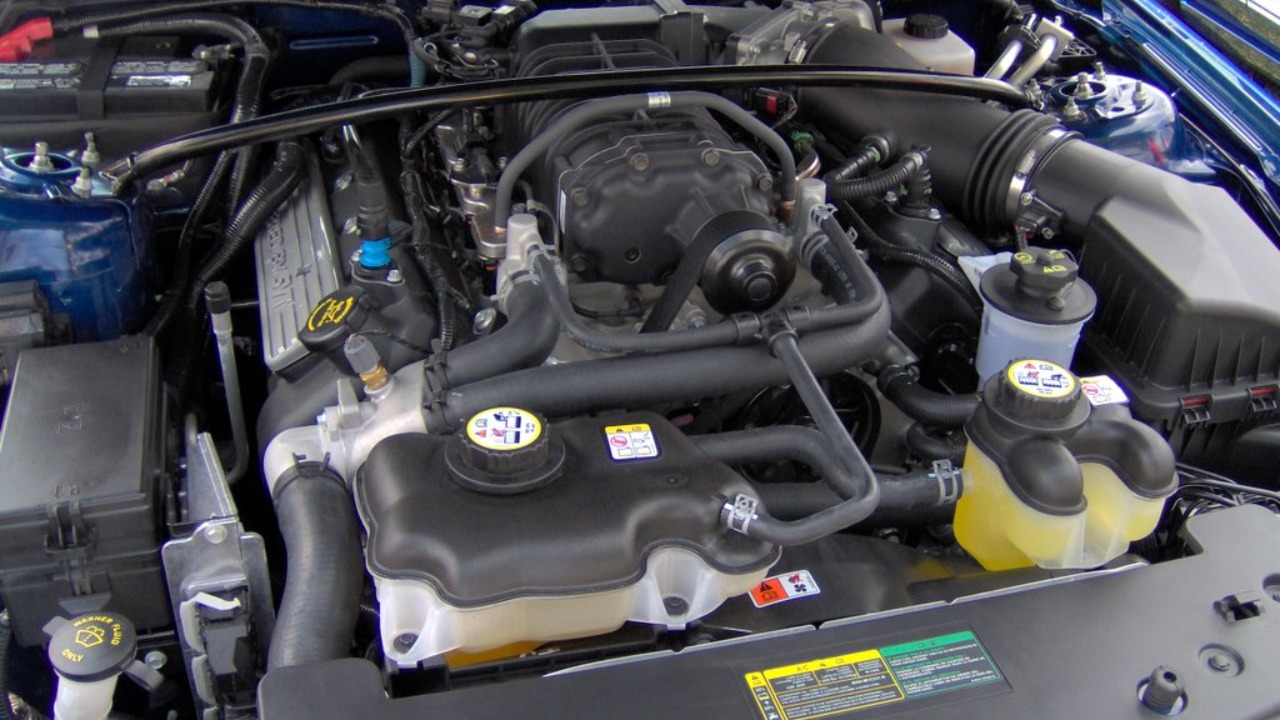
The Ford Mustang Shelby GT500 brings a new level of ferocity to the classic muscle car. With a supercharged 5.2-liter V8 engine producing 760 horsepower, this car is designed for speed enthusiasts who crave adrenaline. Its ability to run the quarter-mile in under 11 seconds is a testament to the engineering prowess that Ford has put into this vehicle.
Despite its race-ready specifications, the GT500 is surprisingly manageable for everyday driving. However, its immense power means that it can easily outpace traffic, leading to potential safety concerns. This combination of raw power and accessibility ensures that the GT500 remains a favorite among those who appreciate thrilling performance.
The Lamborghini Aventador V12
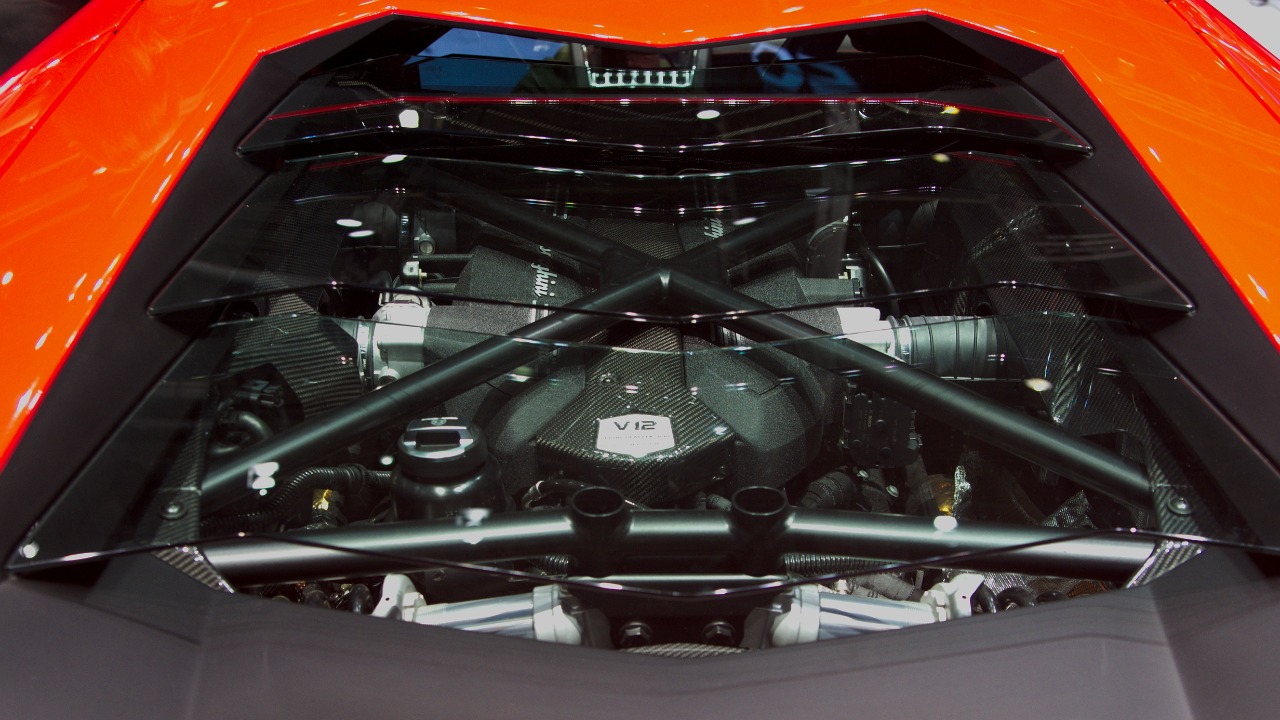
The Lamborghini Aventador V12 is a true masterpiece of automotive engineering. Featuring a naturally aspirated 6.5-liter V12 engine, it produces 730 horsepower and can achieve 0-60 mph in just 2.9 seconds. This level of performance places it squarely in the realm of hypercars, where speed and agility are paramount. Its aggressive styling and unmistakable sound make it a standout on the street, but its power can sometimes feel overwhelming.
Driving an Aventador requires skill and attention, especially when unleashing its full capabilities. While it’s a dream car for many, the sheer power of its engine and the speed it can achieve raise questions about its practicality on public roads. The Aventador is an exhilarating experience, but it demands respect and responsibility from its driver.
The Bugatti Chiron W16
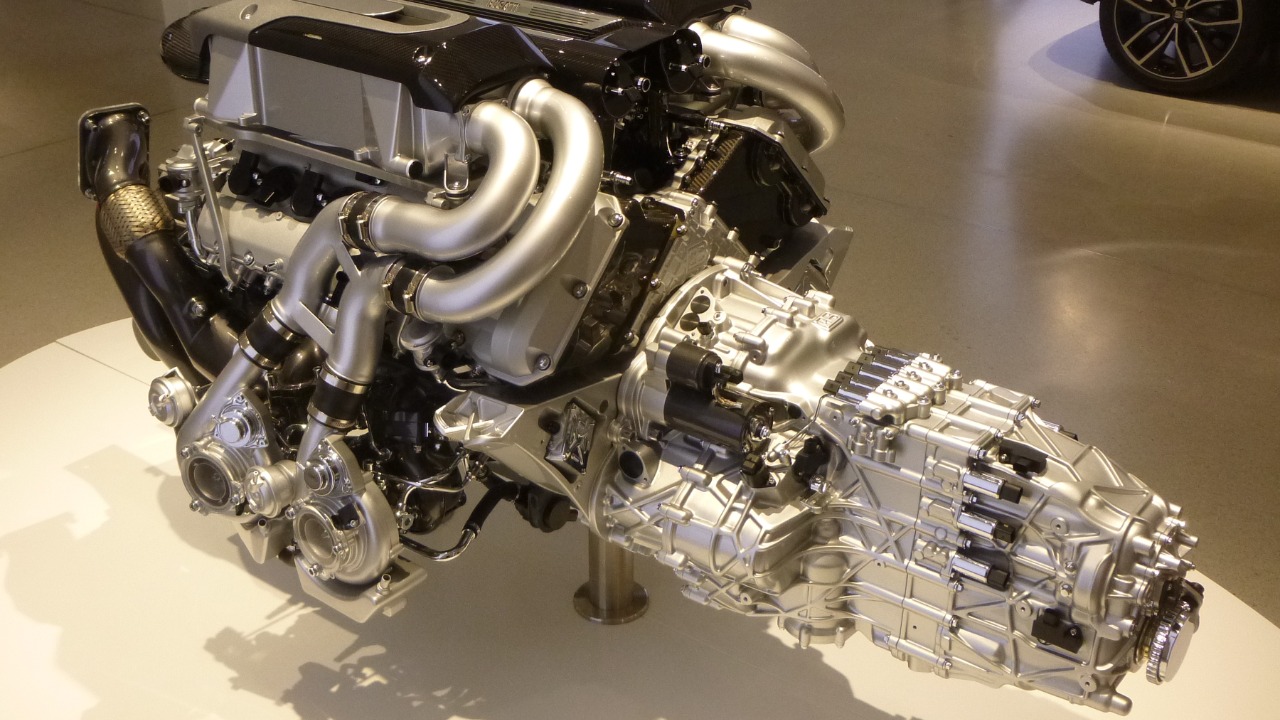
The Bugatti Chiron W16 is often regarded as the ultimate performance car. Equipped with a quad-turbocharged 8.0-liter W16 engine, it generates a jaw-dropping 1,479 horsepower. The Chiron can achieve a top speed of over 300 mph, making it one of the fastest production cars in history. However, its incredible power places it in a league of its own, one that’s not easily accessible for casual drivers.
Driving a Chiron is a unique experience, as it combines luxury with unmatched performance. Yet, the sheer magnitude of its capabilities means that it can quickly become daunting. The Chiron is a symbol of what modern engineering can achieve, but its power is almost too much for the street, leading to concerns about safety and legality in some regions.
The Chevrolet Big Block 502
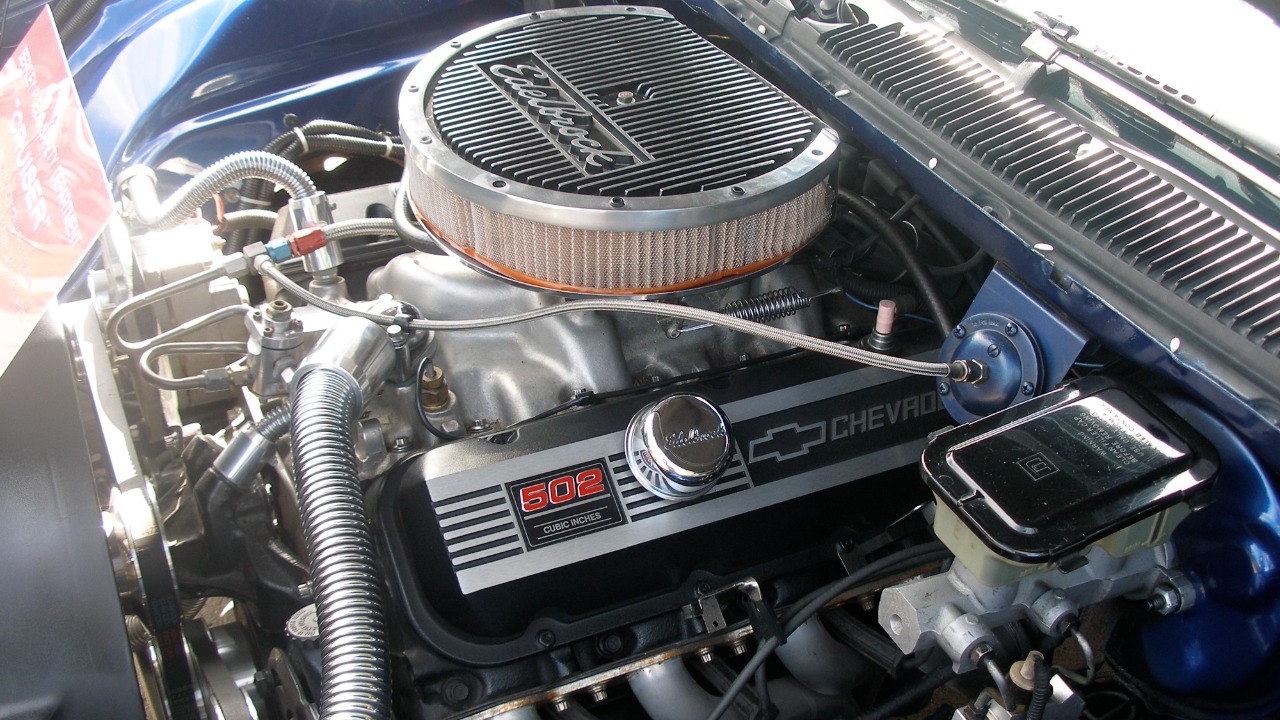
Chevrolet’s Big Block 502 is a prime example of American muscle combined with excessive power. Launched in the 1990s, this monstrous engine delivers an astounding 502 cubic inches of displacement and generates around 500 horsepower. The Big Block 502 is often found in high-performance vehicles and custom builds, appealing to those who crave raw power. Its brute force is matched by an impressive torque output, making it a thrilling experience on the road.
However, the 502’s sheer size and power have made it a challenge to integrate into standard vehicles. Many drivers find it difficult to manage the engine’s power in everyday situations, leading to the perception that it is more suited for drag racing or special occasions. When paired with vehicles like the Chevrolet Corvette, it showcases the delicate balance between performance and drivability that defines the muscle car experience.
The Dodge Viper V10
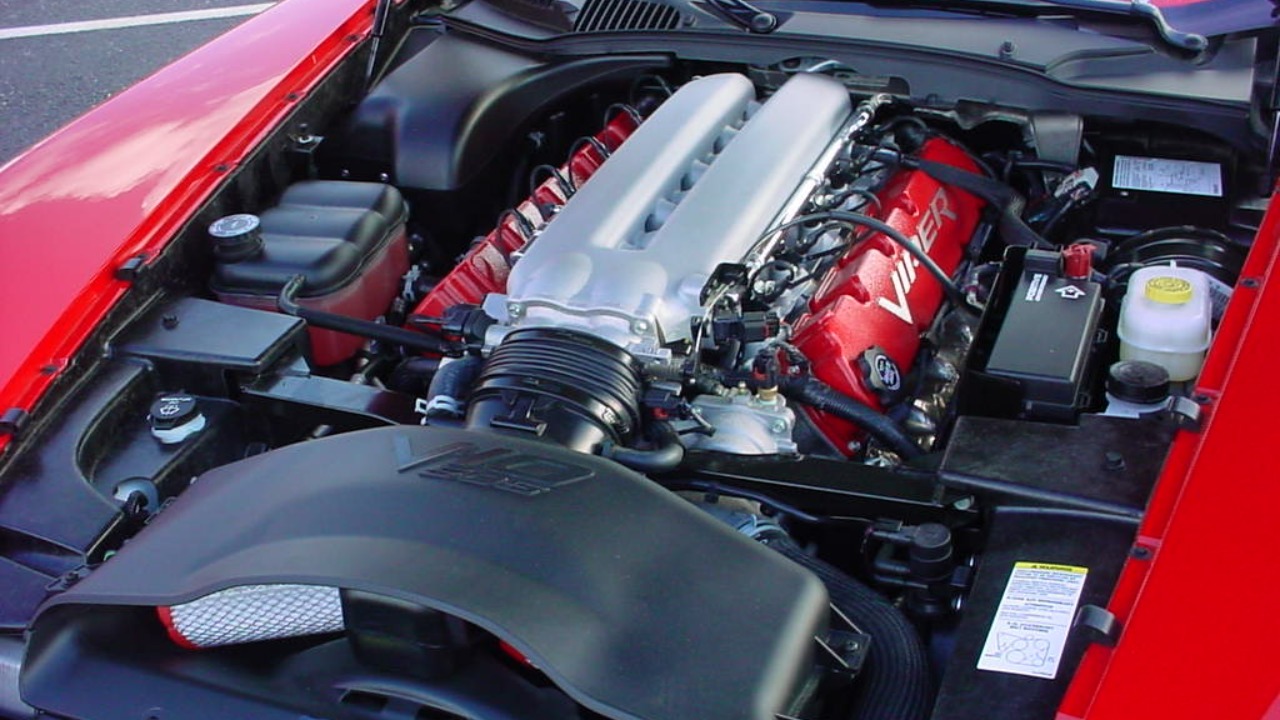
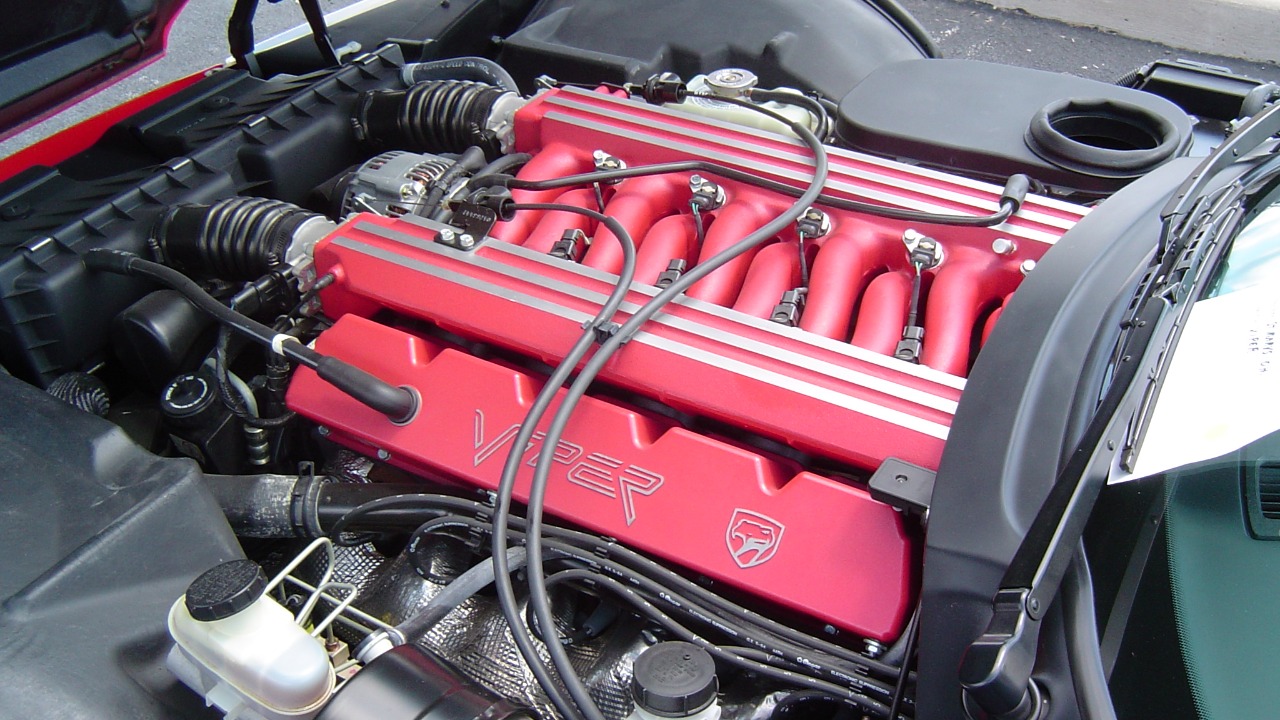
The Dodge Viper’s V10 engine is notorious for its immense power and raw performance. First introduced in the early 1990s, this engine features a unique design with 10 cylinders and a displacement of 8.0 liters. It produced upwards of 400 horsepower in its early versions, with later iterations cranking out over 600 horsepower. The Viper’s V10 is known for its distinctive growl and aggressive nature, making it a favorite among performance enthusiasts.
However, the power of the V10 made it challenging to handle, particularly for inexperienced drivers. The Viper is often seen as a car that requires skill to drive effectively, as its rear-wheel drive and powerful engine can easily lead to loss of traction. The Dodge Viper’s V10 remains a symbol of American muscle, showcasing how engineers can push the limits of performance while still maintaining a connection to the road.
More from Fast Lane Only
- Unboxing the WWII Jeep in a Crate
- 15 rare Chevys collectors are quietly buying
- 10 underrated V8s still worth hunting down
- Police notice this before you even roll window down
*Research for this article included AI assistance, with all final content reviewed by human editors.