The allure of classic powerplants lies not only in their historical significance but also in their sheer engineering prowess. Yet, despite their age, many of these engines continue to evoke feelings of awe and intimidation among enthusiasts and casual observers alike.
The Legacy of Classic Powerplants
Classic powerplants hold a unique place in the annals of automotive and aviation history. The engineering feats achieved by pioneers in these industries have not only shaped the vehicles of their time but have also laid the groundwork for modern innovations. For instance, the Ford Model T, introduced in 1908, revolutionized personal transportation and manufacturing processes. Its simple yet robust engine design made car ownership accessible to the masses, fundamentally altering societal structures.
Moreover, iconic designs like the Rolls-Royce Merlin V12 engine, known for its use in WWII aircraft such as the Spitfire, showcase the aesthetic and mechanical innovations that defined their era. These powerplants were not just functional; they were works of art, blending form and function seamlessly. Their striking appearances and complex internal mechanisms continue to inspire awe, making them coveted items for collectors and enthusiasts.
Beyond their technical prowess, classic engines have permeated popular culture, becoming symbols of freedom and adventure. Films like “American Graffiti” and “Fast and Furious” highlight the cultural impact of classic cars, while songs like “Little Deuce Coupe” celebrate their enduring legacy. As a result, these powerplants have become intertwined with our collective memory, representing not just machines, but the dreams and aspirations of generations.
Engineering Complexity
The engineering complexity of classic powerplants is a double-edged sword. On one hand, their intricate designs showcase the advanced technology of their time. Take, for example, the 1937 Bugatti Type 57, a marvel of engineering known for its lightweight construction and supercharged engine. Such vehicles exemplify the ingenuity and creativity of their creators, pushing the boundaries of what was possible with the materials and knowledge available at the time.
However, this complexity also brings challenges. Many classic engines require specialized knowledge and tools for maintenance, making them intimidating for newcomers. The skills needed to work on engines like the Chevrolet small-block V8 or the Porsche flat-six are often not taught in modern automotive programs, leading to a gap in expertise. The intricacies of tuning carburetors, understanding ignition timing, and managing mechanical fuel pumps can be daunting tasks for those unfamiliar with the nuances of older technology.
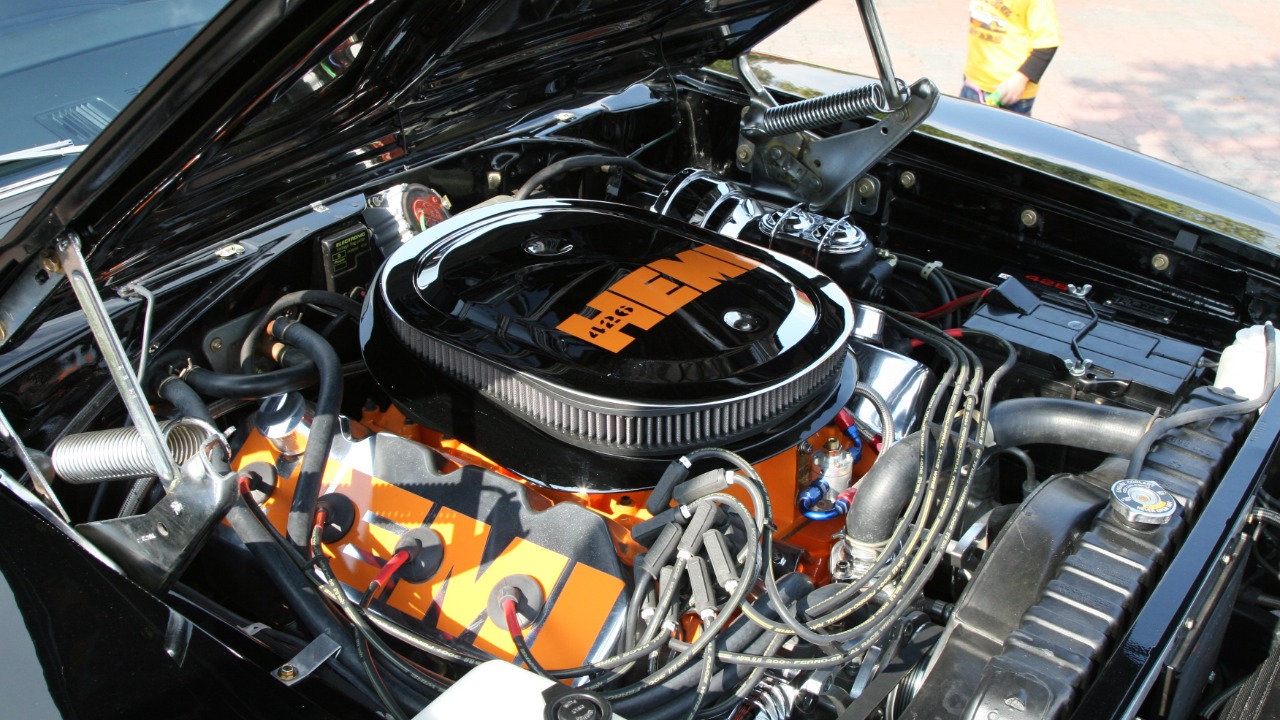
Performance parameters also play a significant role in the intimidation factor. Classic engines often produce impressive power and torque numbers that can be overwhelming to those accustomed to modern vehicles. For instance, the 1969 Dodge Charger R/T with its 426 Hemi engine delivers a staggering 425 horsepower and 490 lb-ft of torque. Such figures can be intimidating, particularly for novice drivers who may not fully understand the implications of handling that much raw power.
Emotional Connection
The emotional connection many enthusiasts have with classic powerplants cannot be overstated. For collectors, these engines represent not just machines but cherished memories and nostalgia. I often find myself reminiscing about family road trips in my father’s 1967 Mustang, where the roar of the engine and the wind in my hair created a sense of freedom that is hard to replicate. This emotional bond further deepens the allure of classic engines, making them more than just mechanical contraptions.
Moreover, each classic engine has a story. Legendary races, famous owners, and pivotal moments in history contribute to the mystique surrounding these powerplants. The Ford GT40, for instance, not only dominated the 24 Hours of Le Mans in the 1960s but also became a symbol of American ingenuity and determination. These stories transcend mere specifications, allowing enthusiasts to connect with the spirit of the engine and its legacy.
Additionally, the community and culture surrounding classic cars and aircraft play a pivotal role in reinforcing this emotional connection. Car clubs, vintage races, and restoration events foster camaraderie among enthusiasts. The shared passion for preserving and celebrating these machines creates a sense of belonging, further heightening the allure of classic powerplants. I often find that conversations with fellow enthusiasts lead to new insights and appreciation for these engines, creating bonds that extend beyond the vehicles themselves.
Modern Comparisons
The evolution of technology has dramatically changed perceptions of power and efficiency, providing a stark contrast to classic powerplants. Modern engines, such as the turbocharged four-cylinder found in the 2020 Ford Mustang EcoBoost, demonstrate a shift towards fuel efficiency and reduced emissions without sacrificing performance. This has led to a growing appreciation for the balance between power and practicality in contemporary vehicles.
However, this shift also raises questions about the essence of driving enjoyment. Many enthusiasts argue that the raw power and unique driving characteristics of classic engines, such as the rumble of a 1970 Chevrolet Camaro’s V8, cannot be replicated by modern counterparts. The tactile feedback, throttle response, and sense of connection with the machine evoke a visceral experience that many find lacking in today’s automated vehicles.
The charm of imperfection is another aspect that draws enthusiasts to classic powerplants. While modern engines may offer reliability and efficiency, there’s an inherent character in classic engines that captivates many. The quirks of a vintage Jaguar XK120 or the distinctive sound of a Ferrari 250 GTO resonate with those who appreciate the artistry of engineering. For some, the unpredictability and challenges of driving a classic car enhance the overall experience, making it more rewarding than mere functionality.
Challenges of Restoration and Preservation
Restoring and preserving classic powerplants comes with its own set of challenges. One of the primary hurdles is the availability of parts. Many classic engines, like the 1965 Shelby Cobra, rely on specific components that may no longer be in production. Sourcing original parts can be a time-consuming and expensive endeavor, often requiring enthusiasts to hunt through salvage yards, online forums, or specialty suppliers.
Moreover, there is a growing expertise gap when it comes to maintaining these engines. Fewer mechanics are trained in the intricacies of classic powerplants, making it difficult for owners to find qualified professionals to work on their vehicles. This lack of expertise can lead to frustration for enthusiasts who want to keep their engines in prime condition. With many experienced mechanics retiring, the knowledge required to properly care for these machines risks being lost.
Furthermore, the debate over preservation versus modification adds another layer of complexity. Some enthusiasts advocate for keeping engines in their original condition, valuing historical accuracy and authenticity. Others argue for upgrades that improve performance and reliability. This ongoing discussion highlights the passion within the community, as individuals navigate their preferences and values when it comes to preserving classic powerplants.
Future of Classic Powerplants
As we look to the future, the integration of hybrid and electric technologies with classic designs is becoming increasingly common. Some enthusiasts are exploring ways to retrofit classic cars with electric drivetrains, allowing them to enjoy the aesthetics and character of vintage vehicles while embracing modern sustainability. Companies like Zelectric Motors specialize in converting classic VW Beetles and Porsche 356s into electric vehicles, offering a glimpse into how these powerplants can evolve while retaining their charm.
There is also a rising interest in classic cars and engines in popular culture and media. Events like the Pebble Beach Concours d’Elegance and the Goodwood Revival attract large crowds of enthusiasts and spectators, showcasing the beauty and history of these machines. Television shows and documentaries further fuel this fascination, highlighting stories of restoration, racing, and the passion that drives collectors to preserve these powerplants for future generations.
Efforts and organizations dedicated to maintaining the history and integrity of classic powerplants are gaining momentum. Museums, restoration shops, and car clubs are working collaboratively to document the stories and mechanics behind these engines, ensuring their legacy endures. As I participate in these communities, I am reminded of the importance of preserving not just the machines, but the culture and history they represent.
More from Fast Lane Only
- Unboxing the WWII Jeep in a Crate
- 15 rare Chevys collectors are quietly buying
- 10 underrated V8s still worth hunting down
- Police notice this before you even roll window down
*Research for this article included AI assistance, with all final content reviewed by human editors.