Ferrari has long been synonymous with speed, innovation, and technological advancement. Over the decades, the brand has built a reputation for pioneering race technologies that often make their way into production cars. Let’s delve into some of the most significant race-born technologies that have found their home in Ferrari’s production models.
Aerodynamic Innovations
Ferrari’s commitment to aerodynamics is evident in both their race cars and production models. One notable example is the active aerodynamics system used in the LaFerrari. This system includes active diffusers and adjustable rear spoilers that adjust to driving conditions, optimizing airflow and enhancing performance. Such innovations, initially honed on the racetrack, have been instrumental in setting new benchmarks for road car performance.
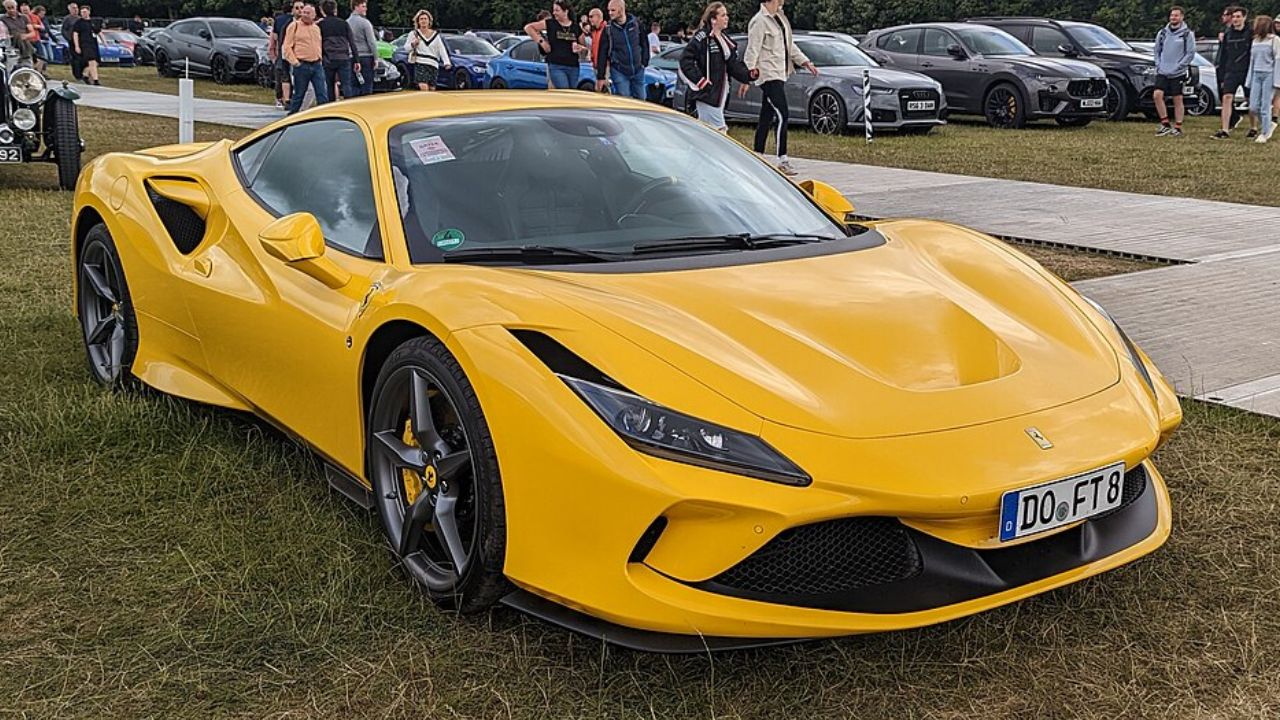
Ferrari’s approach to aerodynamics also involves extensive wind tunnel testing and computational fluid dynamics (CFD). This dedication is clear in the design of the Ferrari F8 Tributo, where every curve and vent serves a purpose in reducing drag and increasing downforce, ensuring stability at high speeds.
Advanced Traction Control Systems
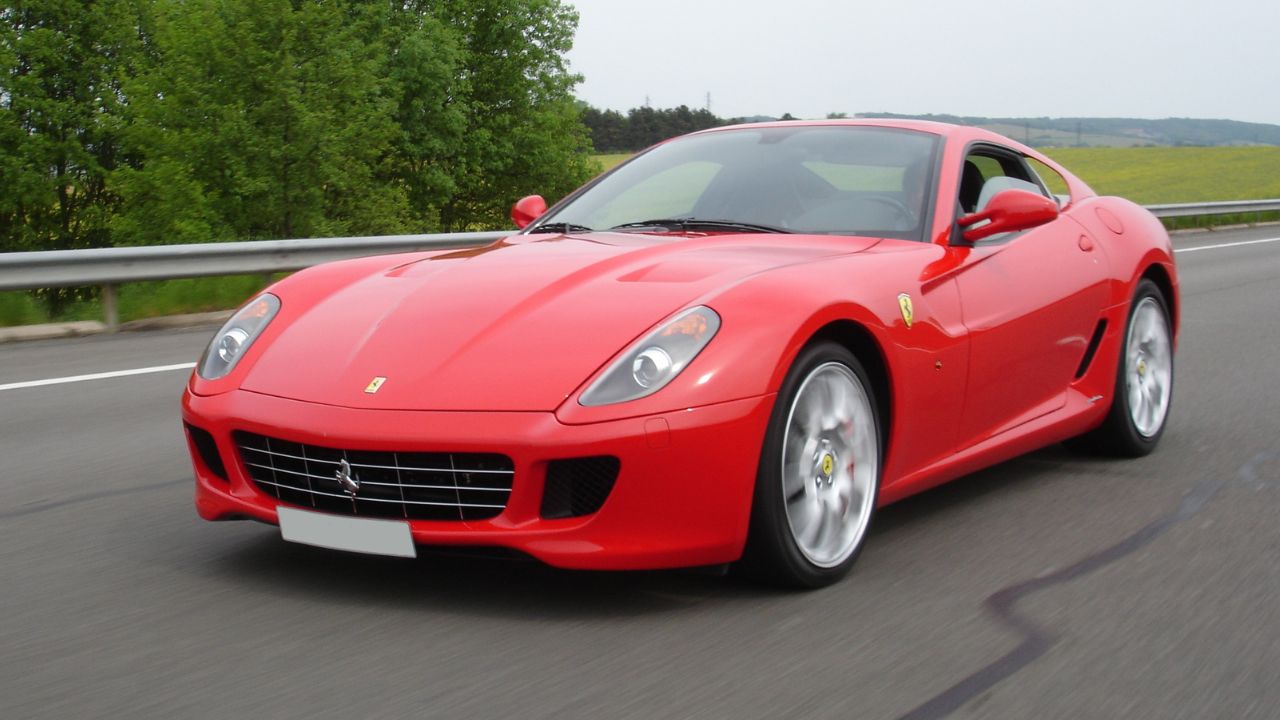
The F1-Trac traction control system, derived from Ferrari’s Formula 1 experience, made its debut in the 599 GTB Fiorano. This system provides maximum traction without sacrificing performance, allowing drivers to harness the full potential of the car’s power. By continuously monitoring grip levels, it ensures optimal tire contact with the road, even in challenging conditions.
Incorporating F1 technology, this system is a testament to Ferrari’s ability to adapt race-proven solutions for everyday driving. The result is a driving experience that is both exhilarating and safe, reflecting the brand’s commitment to innovation and performance.
Lightweight Carbon Fiber Construction
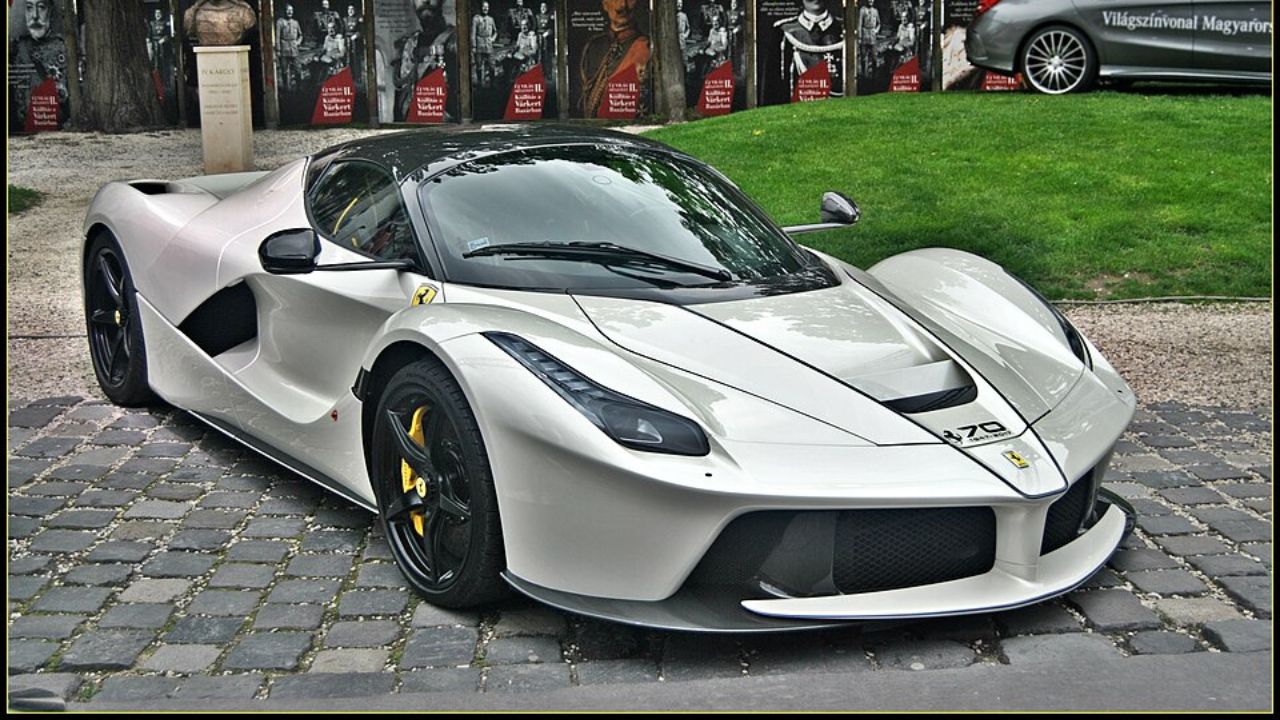
Ferrari has effectively utilized carbon fiber to reduce weight and enhance performance. The LaFerrari, for example, uses a carbon fiber monocoque chassis that contributes to its lightweight structure while maintaining rigidity and safety. This technology, perfected in the racing world, plays a crucial role in improving acceleration, handling, and fuel efficiency.
Incorporating such materials into production models is a clear indication of Ferrari’s dedication to delivering race-like performance in road cars. The strategic use of carbon fiber extends to various components, including body panels and interior elements, further enhancing the driving experience.
High-Performance Braking Systems

Ferrari’s collaboration with Brembo has resulted in high-performance braking systems that provide exceptional stopping power. The carbon-ceramic brakes initially developed for race cars have been adapted for production models like the Ferrari 488 GTB. These brakes offer superior performance, durability, and resistance to fade, even under extreme driving conditions.
Precision and safety are paramount in Ferrari’s design ethos, and the integration of advanced braking technology underscores this commitment. The result is a braking system that inspires confidence, allowing drivers to push the limits while maintaining control.
Turbocharged Engine Technology
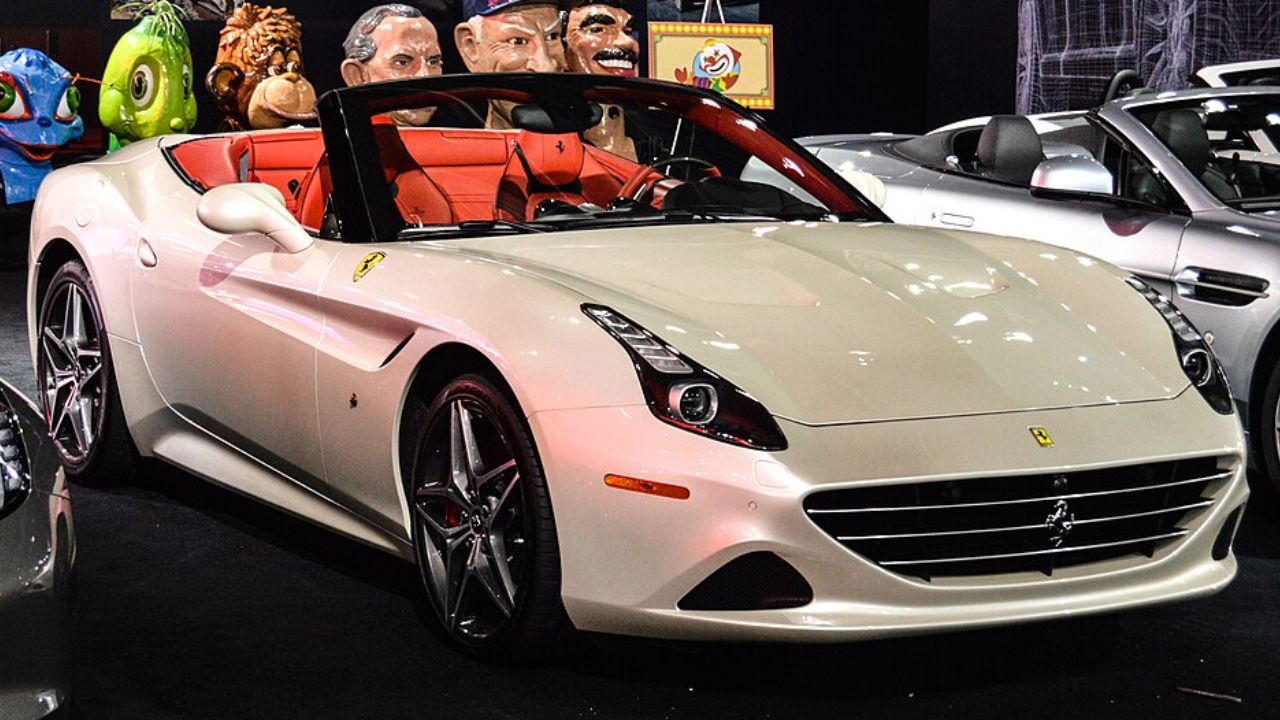
Ferrari’s expertise in turbochargers, refined through their racing endeavors, has significantly influenced their production engines. The Ferrari California T was one of the first road cars to benefit from this technology, offering increased power and efficiency. Turbocharging allows for smaller engines without compromising performance, aligning with modern demands for efficiency and reduced emissions.
This shift towards turbocharged units showcases Ferrari’s ability to blend performance with practicality. The evolution of turbo technology in Ferrari’s lineup highlights a seamless transition from track to road, ensuring thrilling performance for everyday driving.
Adaptive Suspension Systems

Ferrari’s sophisticated suspension systems, derived from their racing expertise, provide unparalleled handling and comfort. The introduction of the MagneRide suspension system in models like the Ferrari 458 Italia illustrates this advancement. By adjusting damping rates in real-time, the system enhances ride quality and cornering performance.
This technology reflects Ferrari’s dedication to optimizing the driving experience. Whether navigating a scenic route or tackling a demanding track, the adaptive suspension ensures that every drive is smooth, controlled, and dynamic.
Cutting-Edge Telemetry and Data Analysis Tools
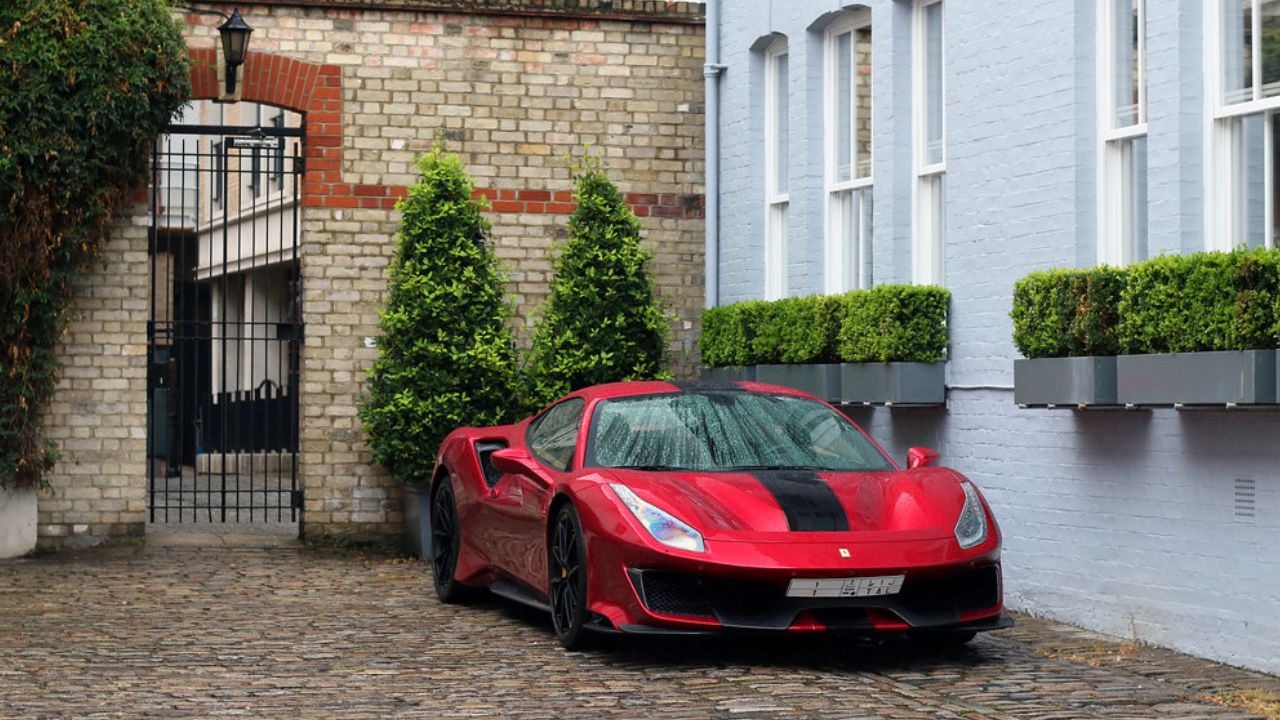
Ferrari’s use of telemetry in racing has paved the way for advanced data analysis tools in production models. The Ferrari Telemetry app, available in models like the Ferrari 488 Pista, allows drivers to monitor and analyze their driving performance. This tool provides insights into lap times, G-forces, and other critical data, enabling drivers to fine-tune their skills.
Such innovations highlight Ferrari’s commitment to enhancing the driver experience through technology. By providing tools that were once exclusive to racers, Ferrari empowers enthusiasts to engage with their vehicles on a deeper level, fostering a connection between car and driver.
More from Fast Lane Only