American performance brands once dominated stoplight drag races and weekend track days without much global pressure. Then a wave of foreign sports cars arrived with sharper handling, smarter engineering, and sometimes even more power. They didn’t just compete — they forced Detroit to rethink strategy. These seven foreign sports cars made American performance brands genuinely nervous.
Nissan GT-R R35
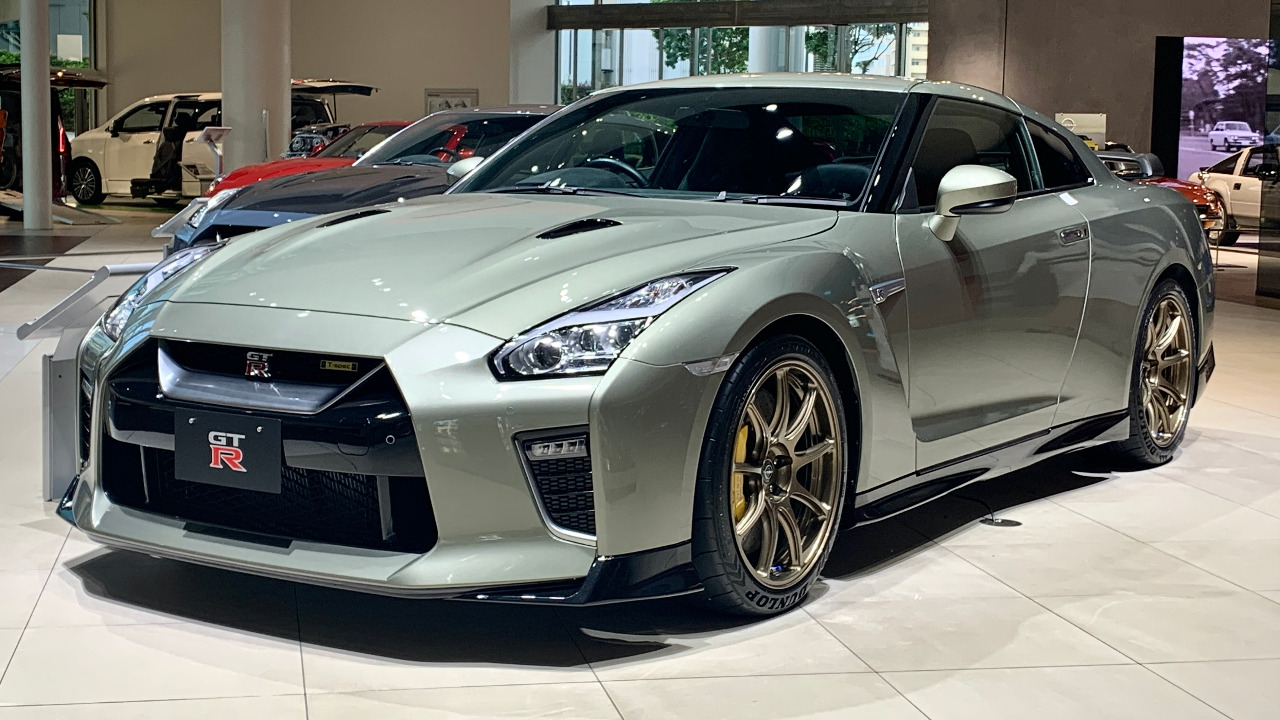
When the R35 GT-R landed in the United States, it delivered supercar acceleration at a fraction of the expected price. Its twin-turbo V6 and advanced all-wheel-drive system produced repeatable launch control performance that shocked traditional V8 loyalists. It beat Corvettes and challenged European exotics in independent testing. Detroit suddenly faced a technology-heavy rival that proved brute displacement wasn’t the only path to dominance.
Toyota Supra Twin Turbo
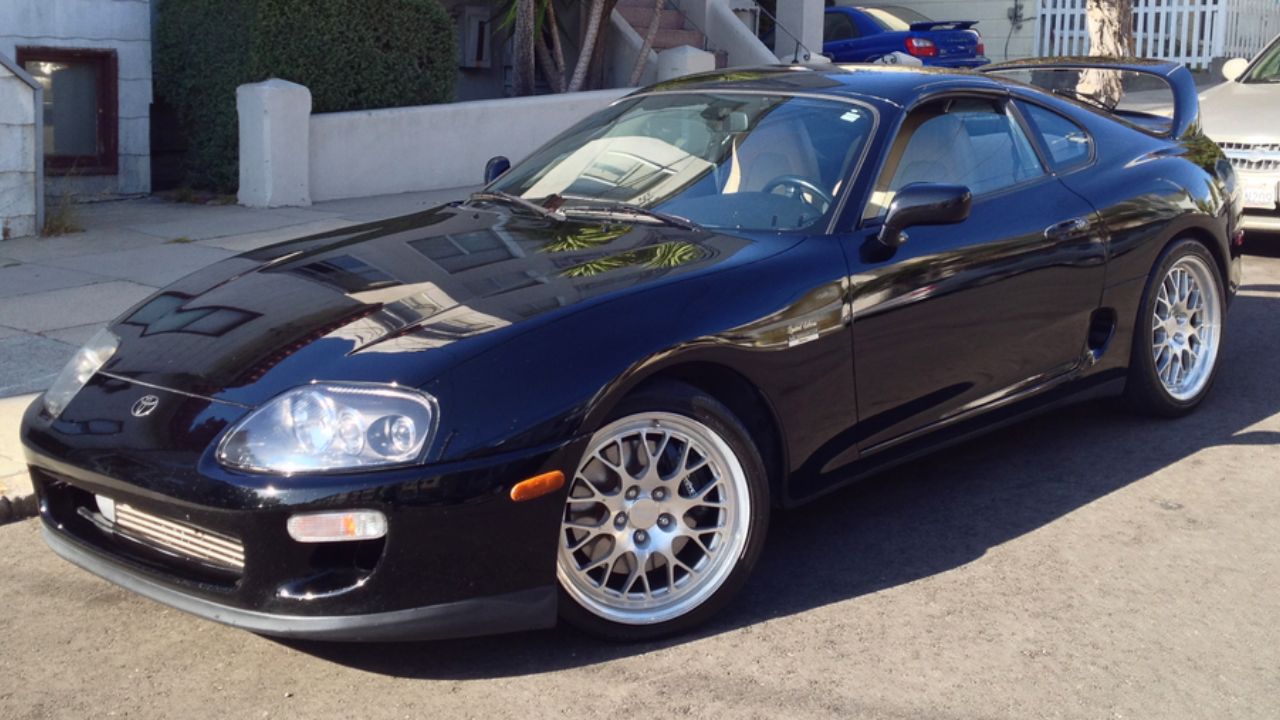
The Mk4 Supra paired bulletproof engineering with enormous tuning headroom straight from the factory. Its 2JZ-GTE inline-six quickly developed a reputation for handling far more power than stock output. American brands recognized that aftermarket culture was embracing forced induction in a serious way. The Supra helped shift performance conversations toward durability and boost potential rather than just cubic inches.
Porsche 911 Turbo 930
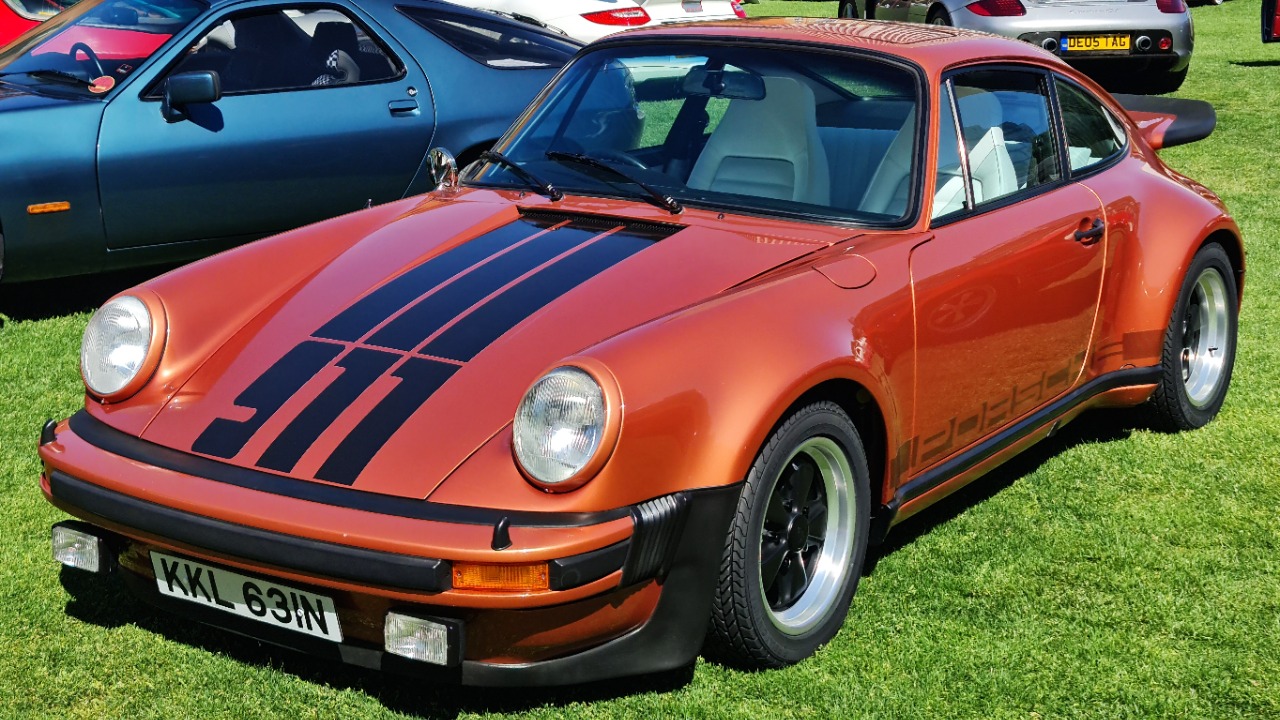
The 930 Turbo introduced Americans to explosive turbocharged acceleration long before it became mainstream. Its rear-engine layout and sudden boost delivery created a driving experience unlike domestic muscle cars. It demonstrated that smaller displacement combined with forced induction could rival big-block torque. That engineering philosophy challenged traditional American thinking during a vulnerable era.
BMW M3 E30
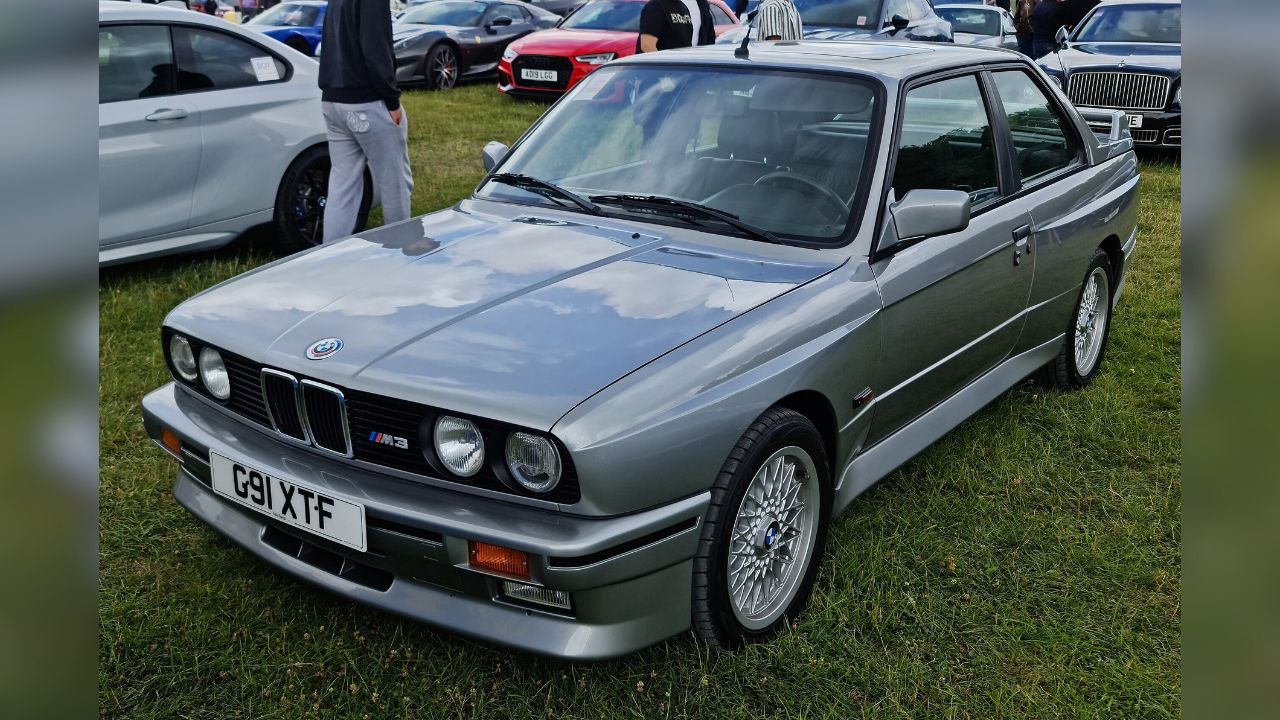
The E30 M3 didn’t dominate with raw horsepower, but it redefined what performance balance meant. Its high-revving four-cylinder and razor-sharp handling made it a track weapon. American brands saw buyers beginning to value precision and chassis tuning as much as straight-line speed. The M3 helped elevate handling credentials to headline status.
Mitsubishi Lancer Evolution VIII
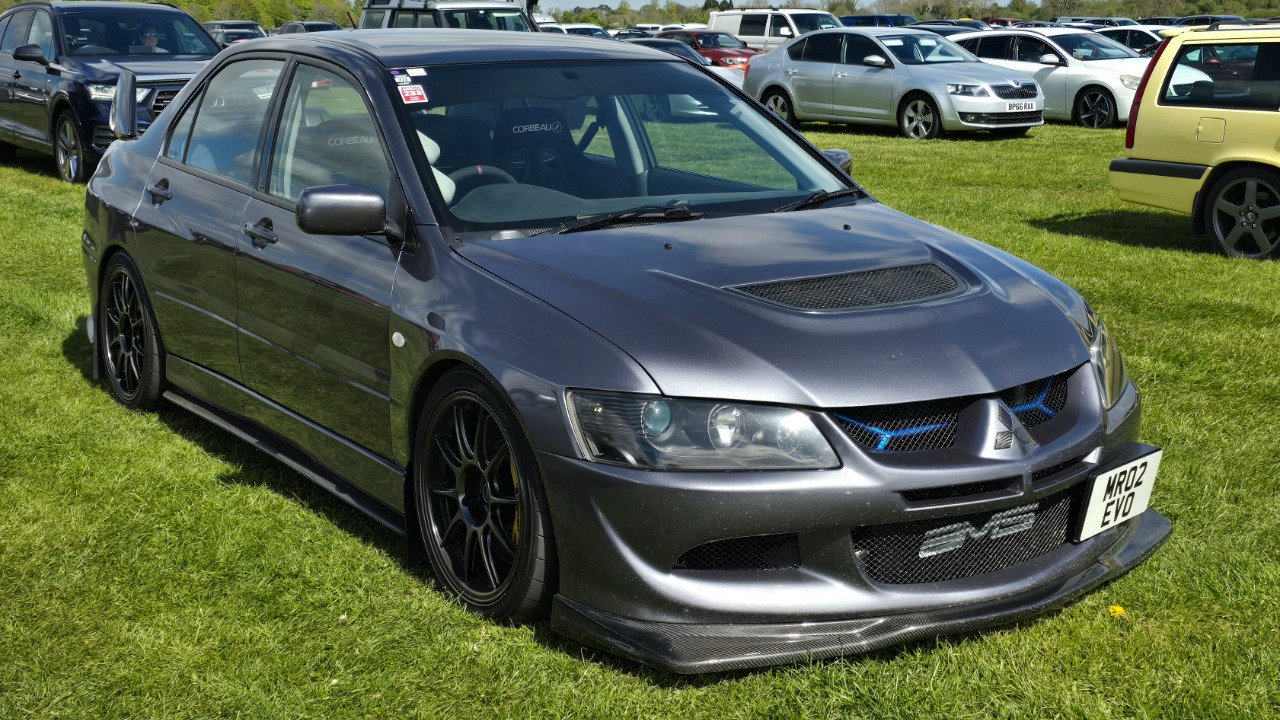
When the Evo VIII officially reached American shores, it brought rally-bred all-wheel drive and turbocharged aggression. Its grip and corner-exit speed embarrassed heavier rear-wheel-drive rivals in real-world conditions. It proved that compact sedans could threaten traditional muscle cars on twisty roads. The Evo forced domestic brands to reconsider the importance of traction technology.
Nissan 300ZX Twin Turbo

The Z32 300ZX arrived with twin turbos, four-wheel steering, and advanced electronics uncommon in its class. It felt modern and sophisticated compared to many domestic coupes of the time. American manufacturers recognized that refinement and performance could coexist without sacrificing speed. The 300ZX quietly raised expectations for what a sports car should feel like.
Audi R8
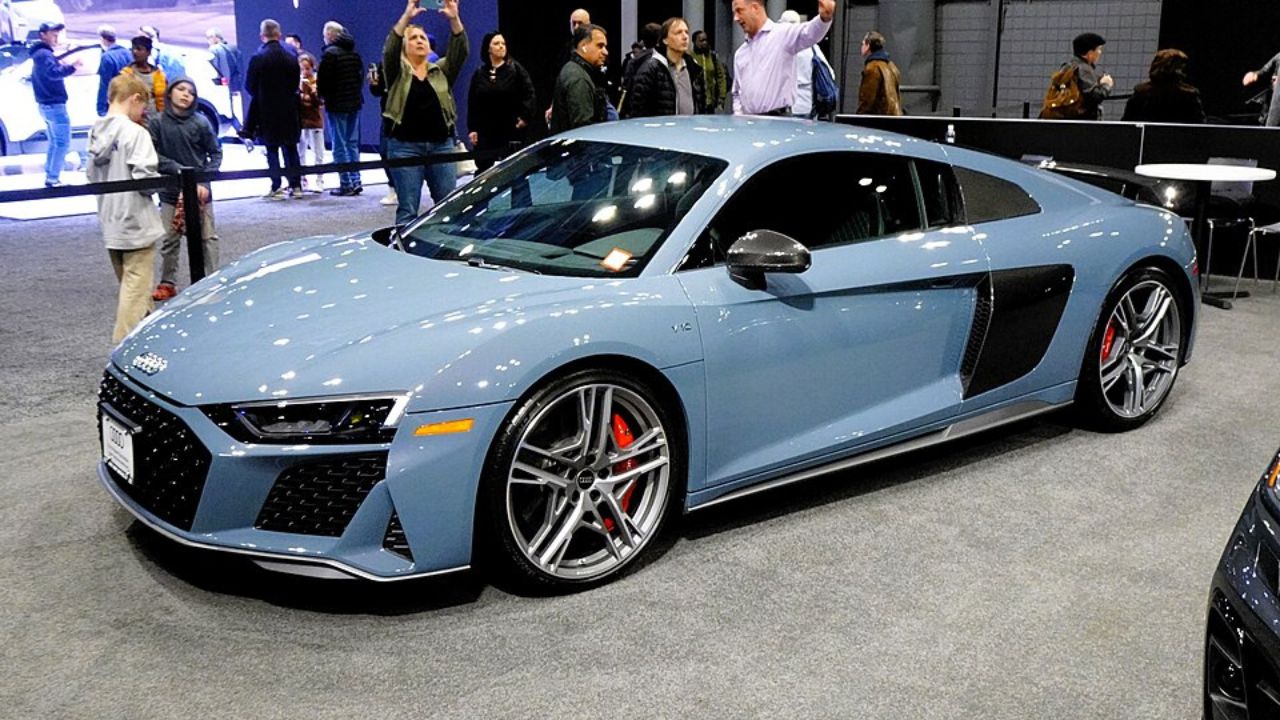
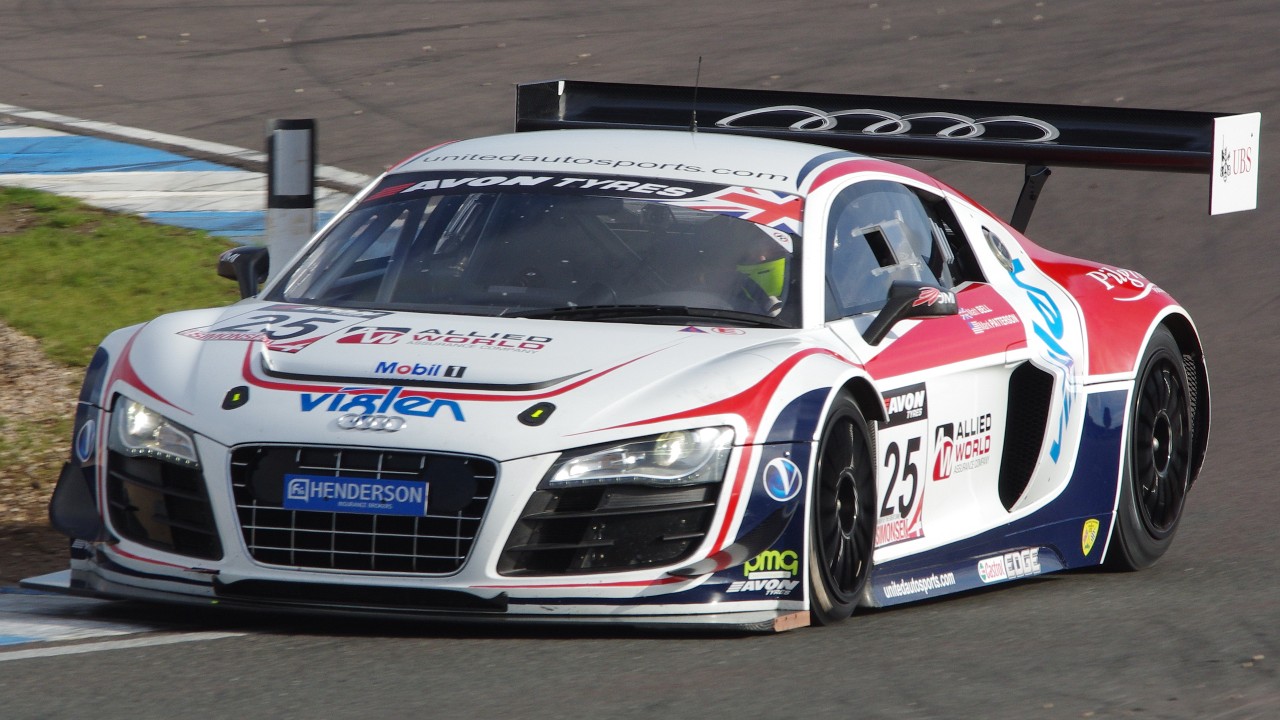
Audi’s R8 brought mid-engine balance and everyday usability into direct competition with established American performance icons. Its naturally aspirated V8 and Quattro system delivered consistent confidence at speed. The R8 showed that supercar performance could be approachable and technologically advanced. Domestic brands realized the bar for global credibility had permanently moved upward.
More from Fast Lane Only