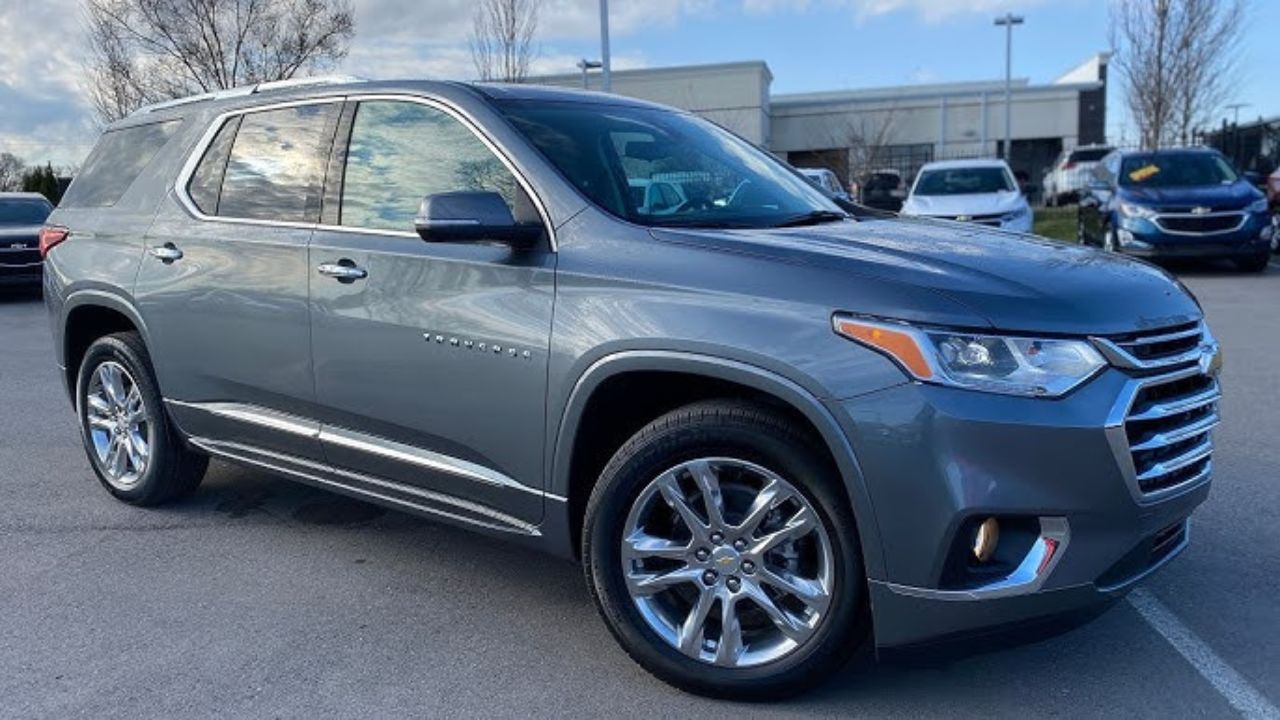
High-mileage GM SUVs are increasingly showing up in repair shops with timing chain problems that often catch owners off guard. Models equipped with V6 engines like the 3.6L have built a reputation for strong everyday performance, but also for timing-related wear once mileage climbs into higher territory. Mechanics are seeing a pattern of chain stretch and tensioner fatigue that tends to appear gradually before turning into more serious engine issues.
Why timing chains in GM SUVs start causing problems at high mileage
In theory, timing chains are designed to last the lifetime of the engine, unlike timing belts that require scheduled replacement. In practice, mechanics report that real-world conditions tell a different story. On GM SUVs such as the Chevrolet Traverse, GMC Acadia, and Buick Enclave, timing chain wear often begins showing itself somewhere past 100,000 miles, especially if maintenance has not been consistent.
The main issue is gradual chain stretch combined with wear in the guides and tensioners. As the chain slowly elongates, engine timing becomes less precise, which can lead to rough idling, reduced efficiency, and cold-start rattles. These early symptoms are often overlooked by drivers who assume the vehicle is still operating normally.
Oil maintenance plays a major role in chain lifespan
One of the biggest factors influencing timing chain durability in GM SUVs is oil condition. The hydraulic tensioners used in these engines rely heavily on clean oil pressure to keep proper tension on the chain. When oil change intervals are extended or low-quality oil is used, the system begins to lose efficiency.
As tension weakens, the chain develops slack and begins to slap against plastic guides inside the engine. Over time, this accelerates wear and can trigger camshaft timing correlation codes. Mechanics often find that what starts as a minor noise complaint can eventually lead to more serious internal damage if ignored.
Warning signs drivers often notice before failure
Most timing chain issues do not happen suddenly. Instead, drivers typically notice warning signs long before a major failure occurs. A brief rattling noise during cold starts is one of the earliest and most common symptoms reported in high-mileage GM SUVs. This sound usually lasts only a few seconds at first but can become more frequent as wear increases.
Other symptoms include rough idle, sluggish acceleration, and the check engine light turning on with camshaft timing-related codes. In many cases, drivers initially suspect sensors or minor engine issues, but mechanics frequently trace the problem back to mechanical timing chain wear rather than electronic faults.
Why GM SUVs are commonly affected compared to other vehicles
GM’s popular SUV platforms are particularly exposed to this issue because of how they are typically used. These vehicles often serve as family haulers or daily commuters, accumulating high mileage quickly under mixed driving conditions. Stop-and-go traffic and long service intervals both contribute to increased stress on the timing system.
While not every GM SUV experiences timing chain failure, enough cases have been documented that repair shops now consider it a known high-mileage concern. The issue is less about sudden design failure and more about cumulative wear that builds over time when maintenance is not ideal.
What owners can do to reduce risk of timing chain failure
For GM SUV owners, prevention comes down to consistent maintenance and early attention to warning signs. Regular oil changes using the correct specification oil are critical for keeping hydraulic tensioners functioning properly. Ignoring startup noise or cam timing codes can allow small issues to develop into expensive repairs.
Mechanics generally agree that these engines can last well beyond 150,000 or even 200,000 miles when properly maintained. However, once timing chain wear begins, addressing it early is far more cost-effective than waiting for major engine timing problems to develop.
More From Fast Lane Only: