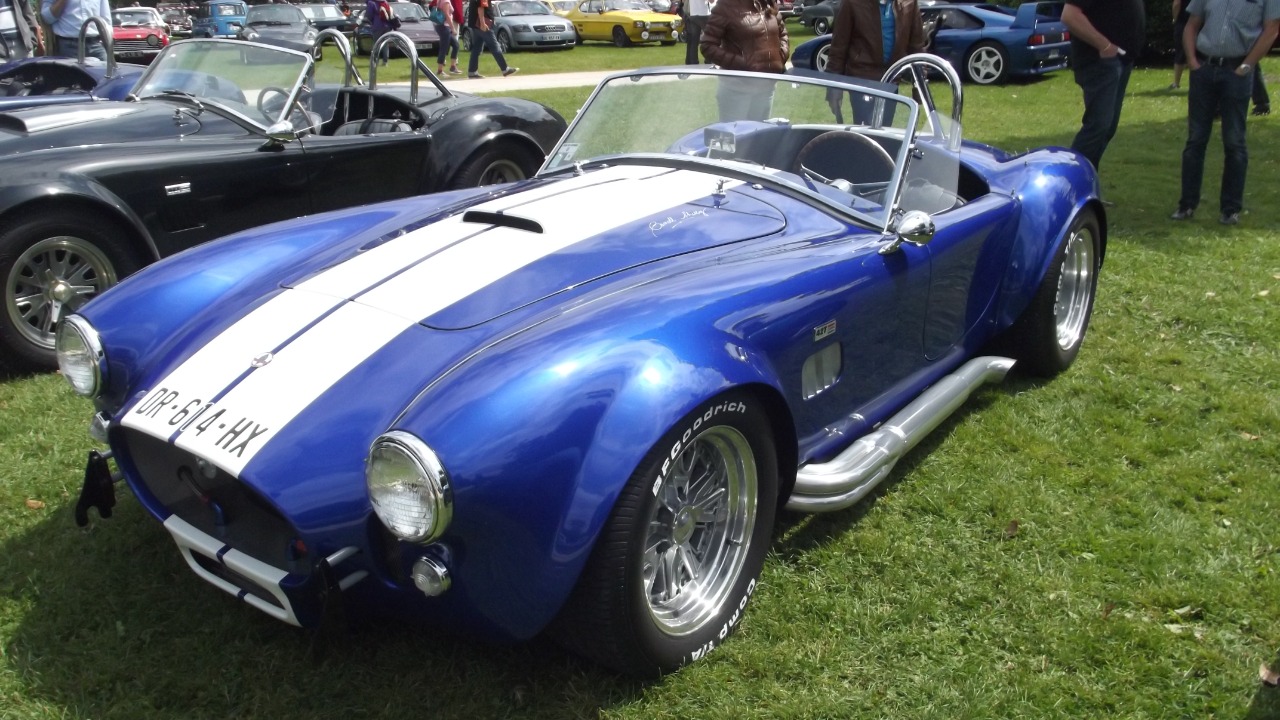
While the automotive world embraces the electric revolution, some performance cars are revered not just for their speed, but for the visceral driving experience they offer. These iconic machines are celebrated for their raw power, unique sounds, and emotional connections they create between driver and road. Here are seven legendary performance cars that should remain untouched by electrification.
Porsche 911 GT3 RS
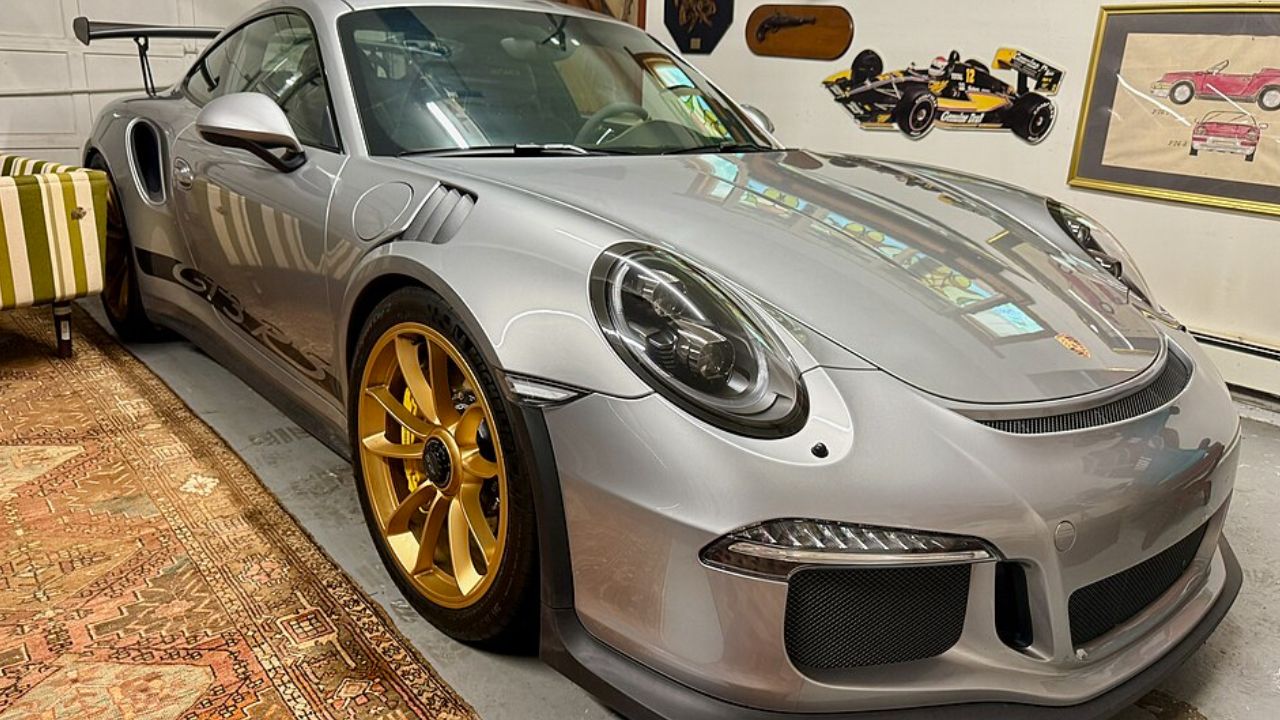
The Porsche 911 GT3 RS is a pinnacle of engineering that combines track-ready performance with the charm of a street-legal car. Known for its naturally aspirated flat-six engine, the GT3 RS delivers a symphony of sound that electric motors simply cannot replicate. The 2019 model, with its 520 horsepower, is a testament to Porsche’s commitment to providing an unfiltered driving experience.
While electric vehicles excel in torque and acceleration, the GT3 RS thrives on the driver’s engagement with its manual gear shifts and precise steering. Its legacy is built on a connection between car and driver that is deeply rooted in gasoline-powered performance, a connection that would be lost in translation with electrification.
Ferrari F40
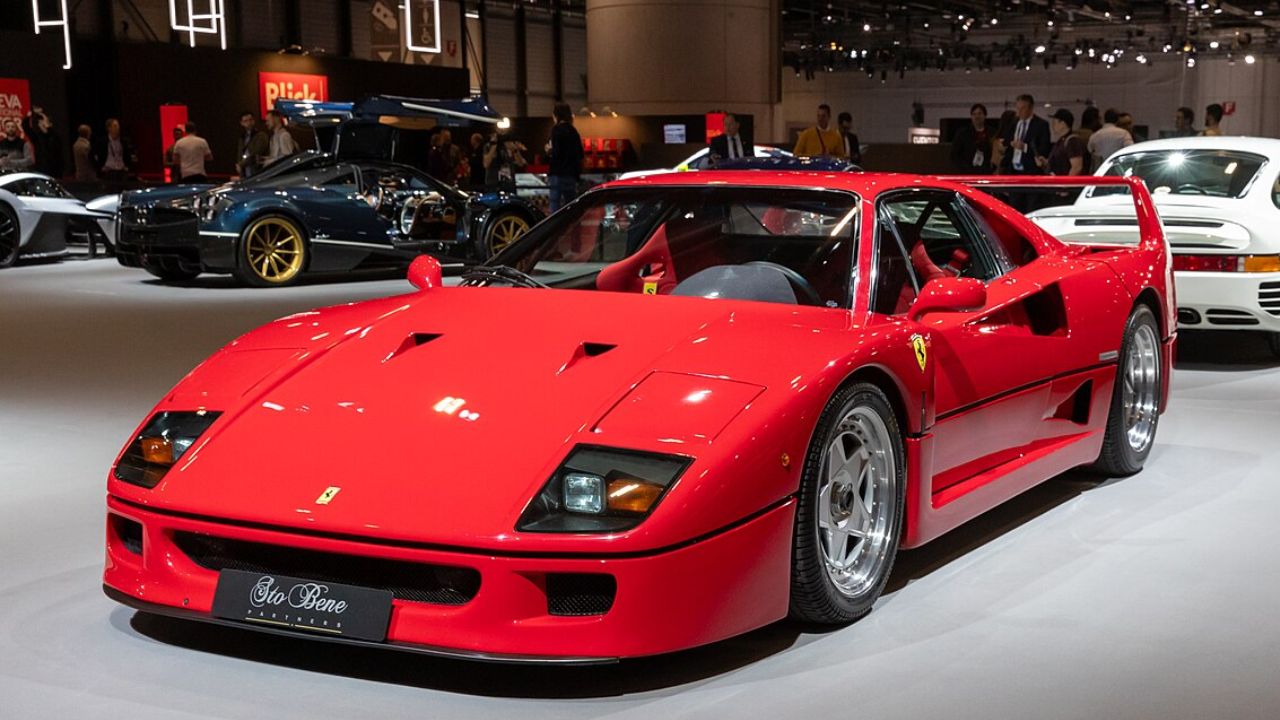
The Ferrari F40 is often hailed as one of the greatest supercars of all time. Released in 1987 to celebrate Ferrari’s 40th anniversary, it was the last model personally approved by Enzo Ferrari himself. The twin-turbocharged V8 engine and a lightweight design make the F40 a raw, unfiltered driving machine.
Its iconic styling and the mechanical symphony created by its engine are integral to its character. The F40’s purpose was to bridge the gap between road and race cars, an ethos that electric powertrains would struggle to maintain without altering its essence.
Lamborghini Countach
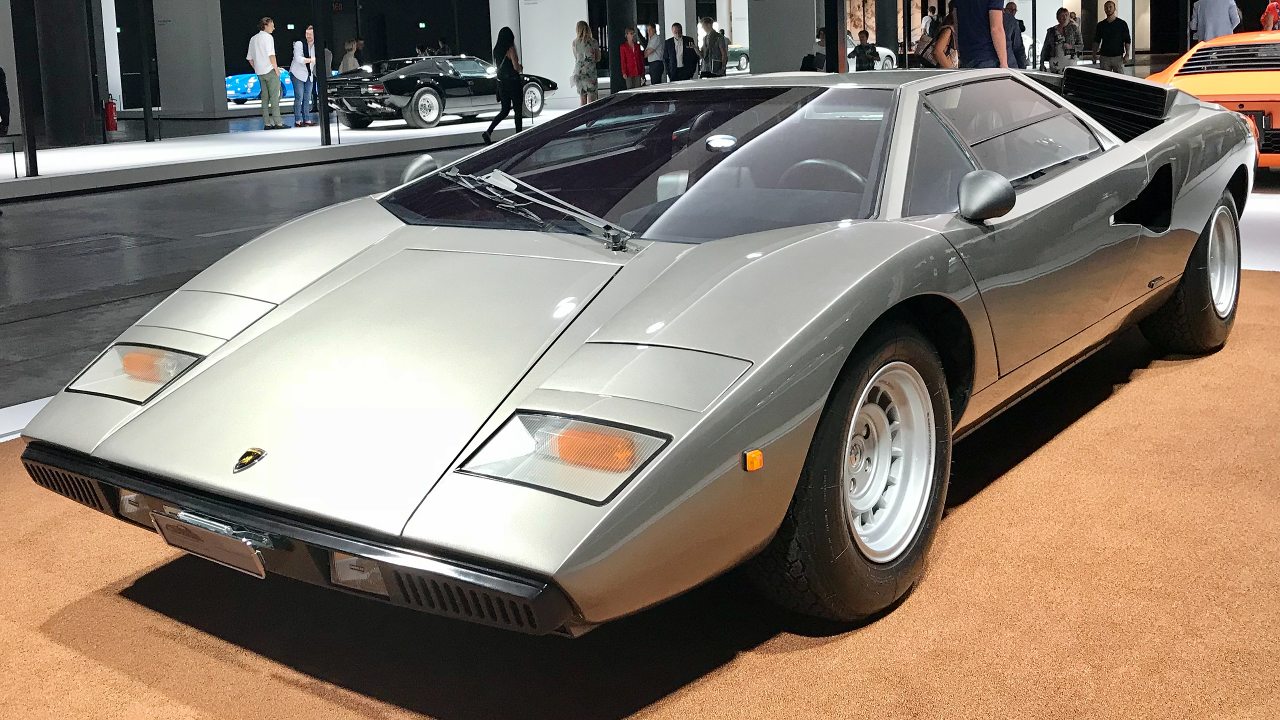
The Lamborghini Countach is an icon of automotive design and performance. With its unmistakable wedge shape and scissor doors, the Countach defined a generation of supercars. Its naturally aspirated V12 engine roars with a ferocity that is synonymous with the Lamborghini brand.
Launched in 1974, the Countach was ahead of its time, pushing the boundaries of what a supercar could be. The visceral experience of its power delivery and engine note is what makes it legendary. Electrifying this classic would strip away its soul and the raw driving pleasure it offers.
Shelby Cobra 427
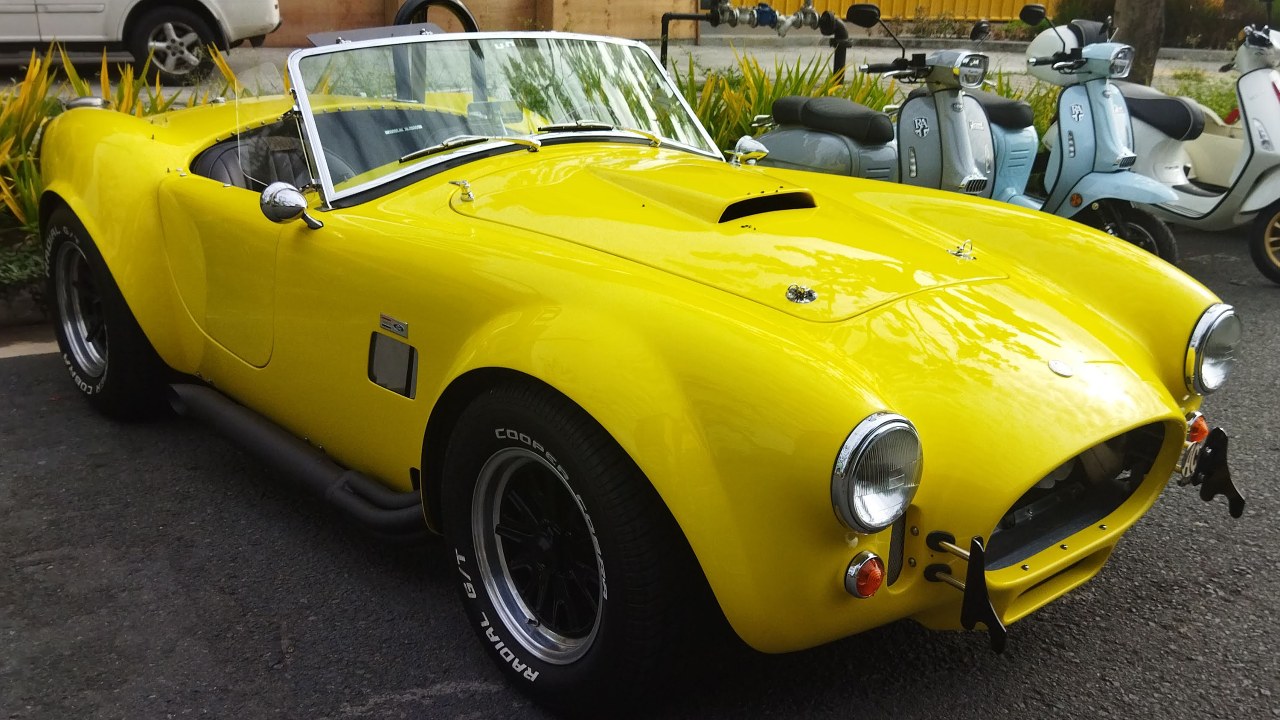
The Shelby Cobra 427 is a quintessential example of American muscle and British craftsmanship. Known for its monstrous 7.0-liter V8 engine, the Cobra 427 delivers a thunderous performance that defines the muscle car era. Its simplicity and raw power are the cornerstones of its allure.
With its lightweight body and brutal acceleration, the Cobra 427 offers a driving experience that is both exhilarating and unforgiving. Transitioning to electric would remove the tactile sensations of its manual gearbox and the rumble of its engine, diminishing the car’s historic legacy.
McLaren F1
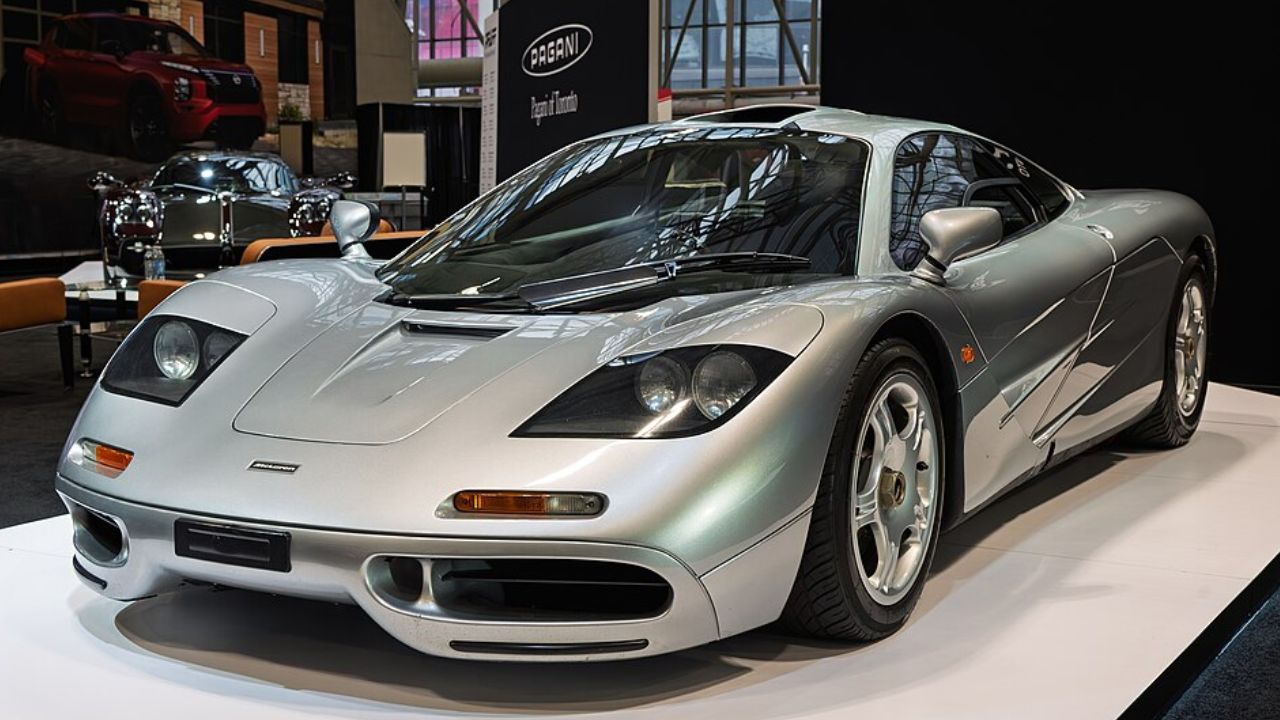
The McLaren F1 is a masterpiece of automotive engineering. Launched in 1992, it was the world’s fastest production car for over a decade. Its naturally aspirated 6.1-liter V12 engine, designed by BMW, is an integral part of its performance and character.
Regarded as one of the finest driving machines ever created, the F1’s central driving position and analog controls provide a purity of experience that is unmatched. An electric version would lose the harmonious blend of mechanical components that make the F1 a timeless classic.
Dodge Viper
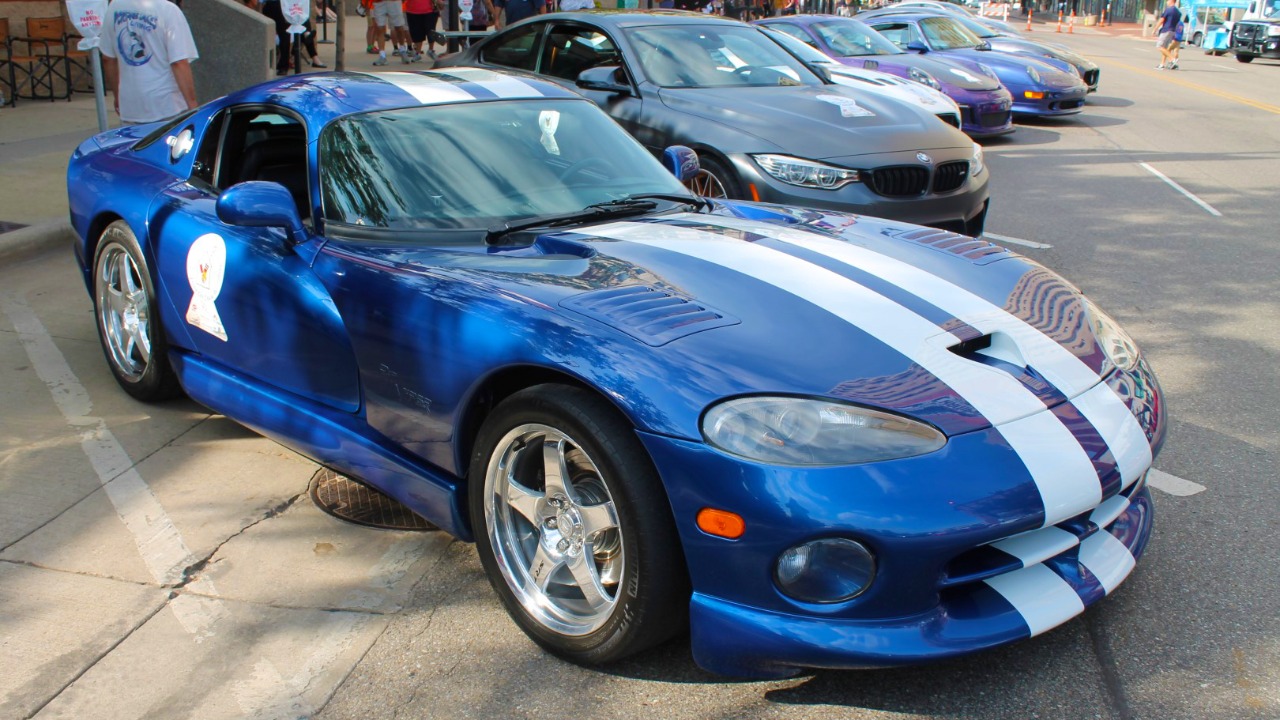
The Dodge Viper is a symbol of American automotive audacity. Known for its massive V10 engine and aggressive design, the Viper is a no-compromise sports car that demands respect. The 2017 GTS model, with its 645 horsepower, is the epitome of raw power and driving thrill.
With its manual gearbox and lack of electronic driving aids, the Viper offers a connection to the road that is rare in modern sports cars. Electrifying the Viper would undermine the very characteristics that make it an icon of unbridled performance.
Aston Martin V12 Vantage
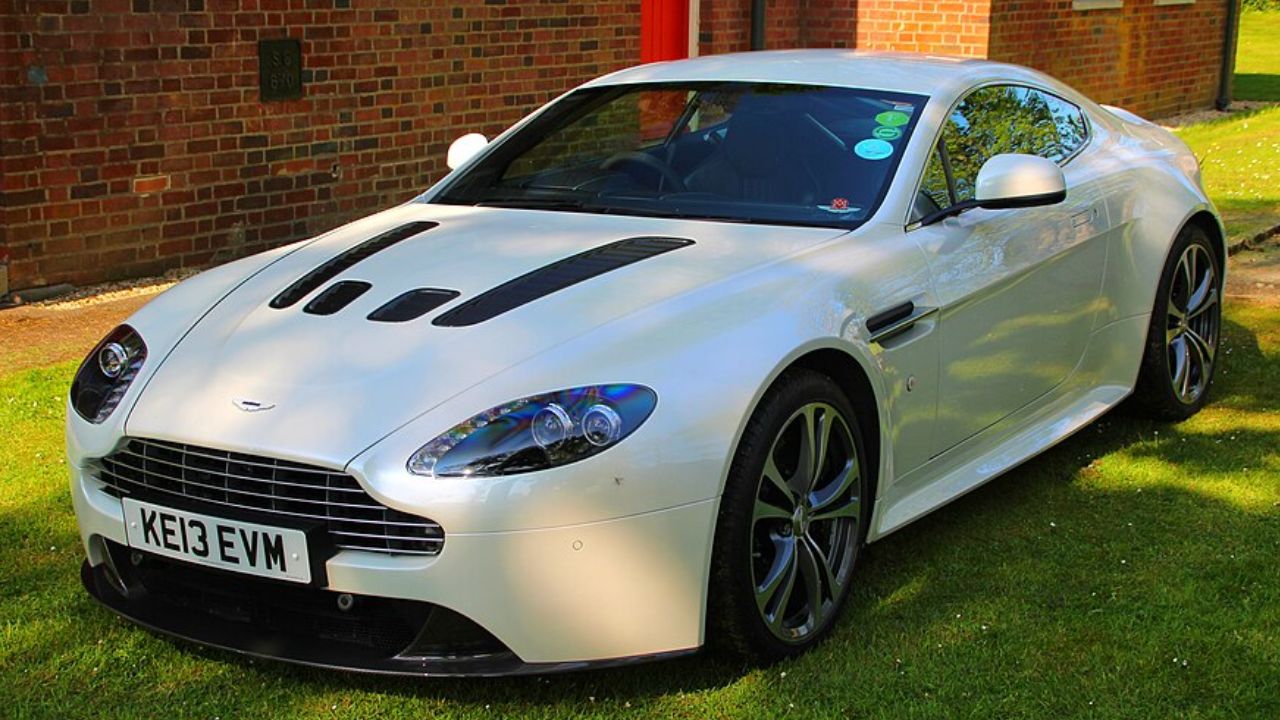
The Aston Martin V12 Vantage combines British elegance with brute force. Its 5.9-liter V12 engine provides a soundtrack that is both sophisticated and menacing, a hallmark of Aston Martin’s craftsmanship. The 2013 V12 Vantage S model showcases this blend of power and luxury.
The V12 Vantage is cherished for its balance of performance and refinement, a balance that would be disrupted with an electric powertrain. The visceral thrill of its acceleration and engine growl is central to its identity, making it a car that should remain untouched by electrification.
More from Fast Lane Only