In a significant move towards revolutionizing the automotive industry, Stellantis and Microsoft have announced a five-year partnership focused on artificial intelligence (AI) and cloud technology. This collaboration aims to enhance the customer experience and streamline operations within Stellantis’ global portfolio.
Overview of the Partnership
The five-year agreement between Stellantis and Microsoft marks a pivotal moment for both companies as they seek to leverage cutting-edge technology to reshape the automotive landscape. The partnership will integrate AI and cloud services into Stellantis’ operations, enhancing not only vehicle performance but also the overall customer experience. By harnessing Microsoft’s robust technology infrastructure, Stellantis aims to create smarter, more efficient vehicles that cater to the evolving needs of consumers.
In the current technological landscape, the collaboration is particularly crucial as the automotive industry faces increasing competition from tech-savvy newcomers and traditional manufacturers alike. The integration of AI and cloud technology is not just a trend; it is becoming essential for automakers to remain relevant. With this partnership, Stellantis is strategically positioning itself to harness these advancements, ensuring it remains at the forefront of innovation.
The Role of AI in the Automotive Industry
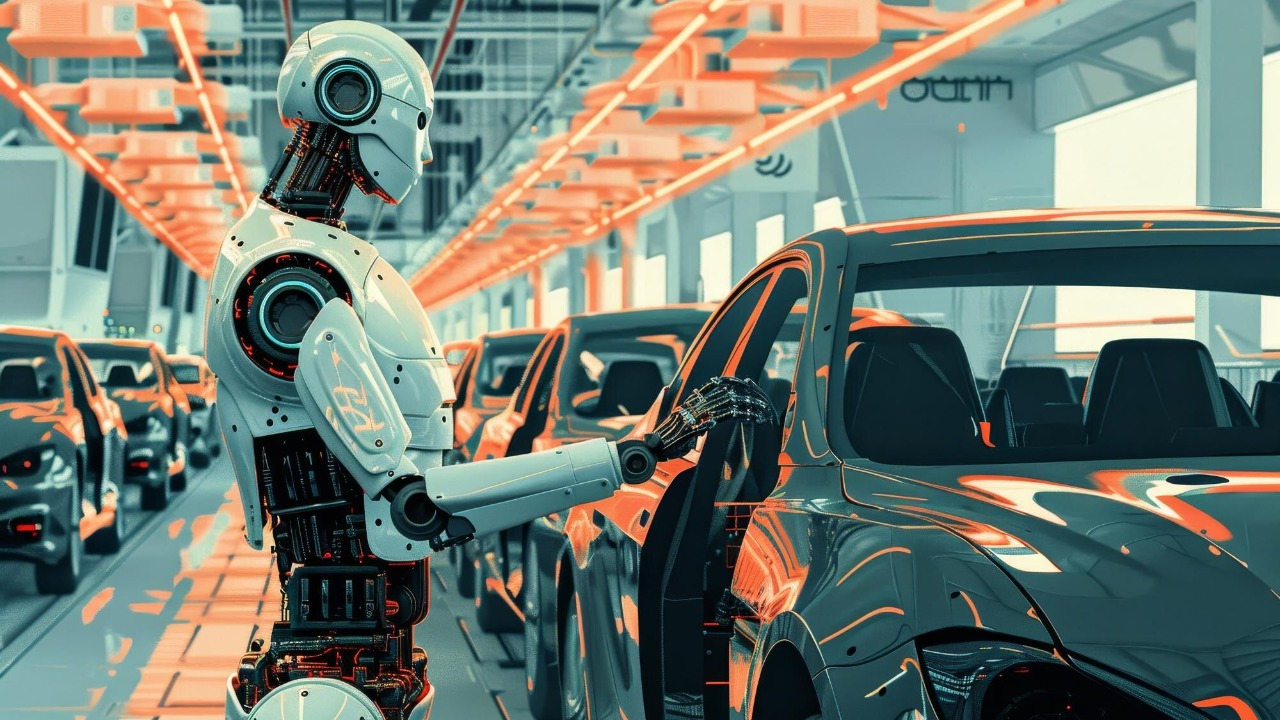
AI is rapidly transforming automotive manufacturing and operations, offering a range of applications that enhance efficiency and safety. For instance, AI-driven robotics are used in assembly lines to streamline production processes, resulting in faster turnaround times and reduced costs. Additionally, AI algorithms can monitor vehicle performance in real-time, predicting maintenance needs before they become critical issues. This proactive approach not only improves vehicle reliability but also enhances customer satisfaction.
Stellantis’ Vision for Future Mobility
Stellantis has made a strong commitment to innovation and sustainability, aiming to redefine mobility for future generations. Central to this vision is the strategic integration of AI in the development of electric and autonomous vehicles. The partnership with Microsoft is expected to accelerate Stellantis’ transition towards a carbon-neutral future, aligning with global sustainability goals.
By leveraging AI, Stellantis can optimize battery management systems, enhance the efficiency of electric drivetrains, and improve the overall driving experience. For example, AI could analyze driving patterns to maximize battery life and optimize charging schedules, making electric vehicles (EVs) more user-friendly. Additionally, the collaboration is set to spearhead initiatives that focus on the development of fully autonomous vehicles, which could revolutionize urban mobility.
Microsoft’s Cloud Solutions: Azure and Beyond
At the heart of this collaboration is Microsoft Azure, a cloud computing platform that offers a suite of tools and services designed to support automotive solutions. Azure provides the necessary infrastructure for data management, enabling Stellantis to harness vast amounts of data generated by vehicles and customers. This capability is essential for improving operational efficiency and driving AI initiatives.
The benefits of cloud computing extend beyond data management. With Azure, Stellantis can scale its operations quickly, deploying new applications and services with minimal downtime. This flexibility allows the company to respond swiftly to market changes and customer demands. Furthermore, Microsoft’s expertise in cybersecurity will help protect sensitive data, ensuring that customer information remains secure while using connected services.
Customer Experience Enhancement
One of the key objectives of the Stellantis-Microsoft partnership is to enhance customer interactions and services through AI. By utilizing advanced data analytics, Stellantis aims to gain deeper insights into customer preferences and behaviors, allowing for more personalized experiences. For instance, AI could enable tailored recommendations for vehicle features, maintenance schedules, and even financing options, creating a more engaging customer journey.
The impact of AI on customer service and vehicle maintenance is also noteworthy. Predictive maintenance powered by AI can notify customers of potential issues before they arise, ensuring that their vehicles remain in optimal condition. Additionally, AI chatbots and virtual assistants can provide instant support, answering customer queries and scheduling service appointments, thereby improving overall satisfaction.
Collaboration and Innovation Ecosystem
The partnership between Stellantis and Microsoft underscores the importance of collaboration between the tech and automotive industries. By joining forces, both companies can leverage each other’s strengths, fostering an ecosystem of innovation that goes beyond just AI and cloud solutions. This collaboration has the potential to lead to joint innovation projects that can address pressing challenges in transportation and mobility.
Moreover, involving startups and smaller tech companies in this partnership can further enhance innovation. These entities often bring fresh perspectives and agile solutions that can complement the capabilities of larger corporations. By engaging with a diverse range of partners, Stellantis and Microsoft can explore new avenues for growth and technological advancement.
Regulatory and Ethical Considerations
As Stellantis and Microsoft advance their AI initiatives, they must navigate a complex regulatory landscape that governs the use of AI in the automotive industry. Compliance with existing regulations, as well as anticipating future legislation, is crucial for the success of their partnership. This includes adhering to safety standards, emissions regulations, and data protection laws that vary across regions.
Ethical considerations also play a significant role in the integration of AI. The use of AI raises important questions about data privacy and security, particularly as vehicles become more connected. Stellantis and Microsoft are committed to addressing these challenges by implementing robust data governance policies and ensuring transparency in how customer data is used. By prioritizing ethical AI practices, they can build trust with consumers while driving innovation.
Market Implications and Competitive Landscape
The Stellantis-Microsoft partnership positions Stellantis to strengthen its competitive edge in the automotive market. As competitors increasingly integrate AI and cloud technology, this collaboration allows Stellantis to accelerate its digital transformation and stay ahead of the curve. The potential market shifts resulting from advancements in AI could reshape consumer expectations and drive demand for smarter, more connected vehicles.
Consumers stand to benefit significantly from these developments, as the integration of AI will lead to enhanced vehicle performance, safety, and personalized services. As Stellantis rolls out new AI-driven features and services, it may influence broader industry trends, prompting other automakers to follow suit. This shift could lead to a more competitive landscape, ultimately benefiting consumers through improved products and services.
Future Outlook and Next Steps
The timeline for the implementation of AI and cloud initiatives under the Stellantis-Microsoft partnership is ambitious yet achievable. Both companies are expected to outline specific milestones and deliverables that will guide their efforts over the next five years. Key focus areas will likely include the rollout of AI-enhanced features in new vehicle models, improvements in operational efficiencies, and the development of innovative customer services.
Looking beyond the initial five years, the partnership has the potential to evolve further, with Stellantis and Microsoft exploring new technologies and applications that could redefine the automotive experience. By maintaining a forward-thinking approach, both companies can ensure that their collaboration continues to yield significant benefits for consumers, the industry, and the environment.
More from Fast Lane Only