Mercedes-Benz has always been at the forefront of automotive innovation, consistently pushing the boundaries of what vehicles can achieve. Their concept cars offer glimpses into the future of driving, often decades ahead of their time. Let’s take a look at some pioneering Mercedes concept cars that set the stage for future production models.
Mercedes-Benz C111

The Mercedes-Benz C111, first unveiled in 1969, was a bold experiment in both design and engineering. It featured a sleek, aerodynamic body and gullwing doors, which were reminiscent of the iconic 300SL. Under the hood, the C111 initially housed a Wankel rotary engine, showcasing Mercedes’ willingness to explore unconventional technologies. Although it never went into production, the C111’s innovations in aerodynamics and engine technology influenced future sports cars.
Later iterations of the C111 included turbocharged diesel engines, setting world speed records and demonstrating the potential of diesel powertrains. Its cutting-edge design and engineering continue to inspire automotive enthusiasts and engineers alike, proving that the C111 was truly ahead of its time.
Mercedes-Benz F200 Imagination

Debuting at the 1996 Paris Motor Show, the Mercedes-Benz F200 Imagination was a showcase of technology that seemed straight out of a science fiction novel. This concept car featured joystick control instead of a traditional steering wheel, highlighting Mercedes’ exploration of alternative driving interfaces. The F200 Imagination also included advanced features such as active body control and a sophisticated multimedia system.
While joystick steering didn’t become mainstream, other technologies from the F200, like active suspension systems and advanced infotainment, have found their way into modern vehicles. This concept was a bold step toward the digitalization and automation that characterize today’s automotive landscape.
Mercedes-Benz F300 Life Jet
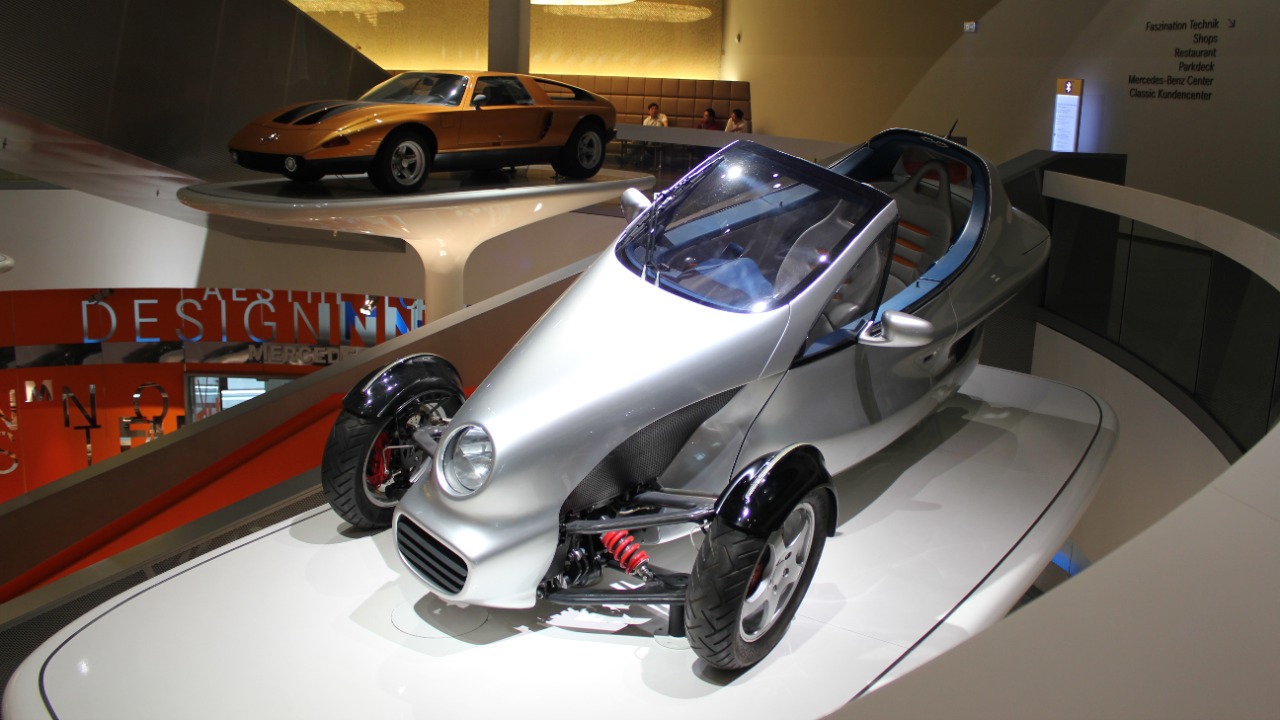
In 1997, Mercedes-Benz unveiled the F300 Life Jet, a unique blend of car and motorcycle. This concept featured a tilting body that leaned into corners, offering a driving experience akin to riding a motorcycle with the comfort and safety of a car. The F300’s design aimed to combine the agility of a two-wheeler with the stability of a four-wheeled vehicle.
Although the Life Jet never reached production, its innovative tilting mechanism and compact design inspired future concepts and discussions about urban mobility solutions. The F300 was a testament to Mercedes’ ability to think outside the conventional car design box.
Mercedes-Benz F400 Carving
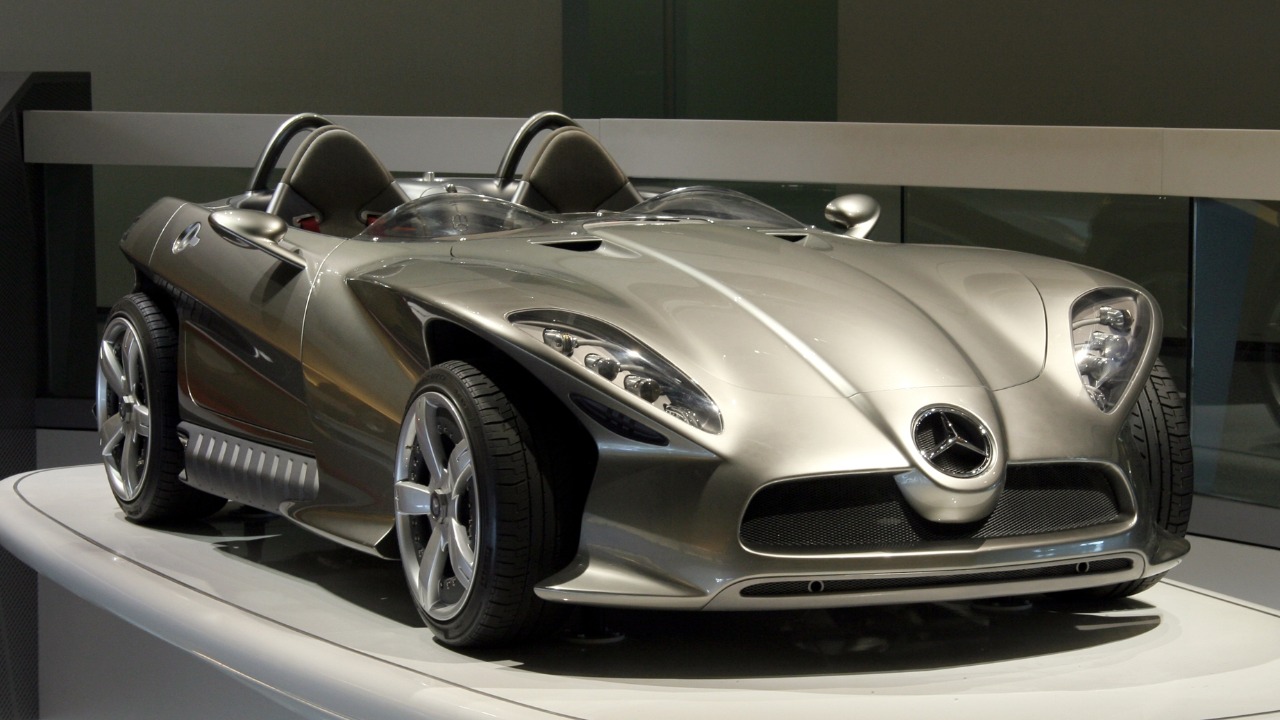
Introduced in 2001, the Mercedes-Benz F400 Carving was a concept that explored the dynamics of cornering. It featured a unique active wheel camber system that allowed the wheels to tilt, improving grip and handling when navigating curves. This innovative approach aimed to enhance driving safety and performance, particularly in sporty driving scenarios.
The F400 Carving’s focus on dynamic handling and safety features laid the groundwork for technologies seen in today’s high-performance vehicles. Its influence is evident in the development of advanced stability and traction systems that are now commonplace in modern Mercedes models.
Mercedes-Benz Bionic Car
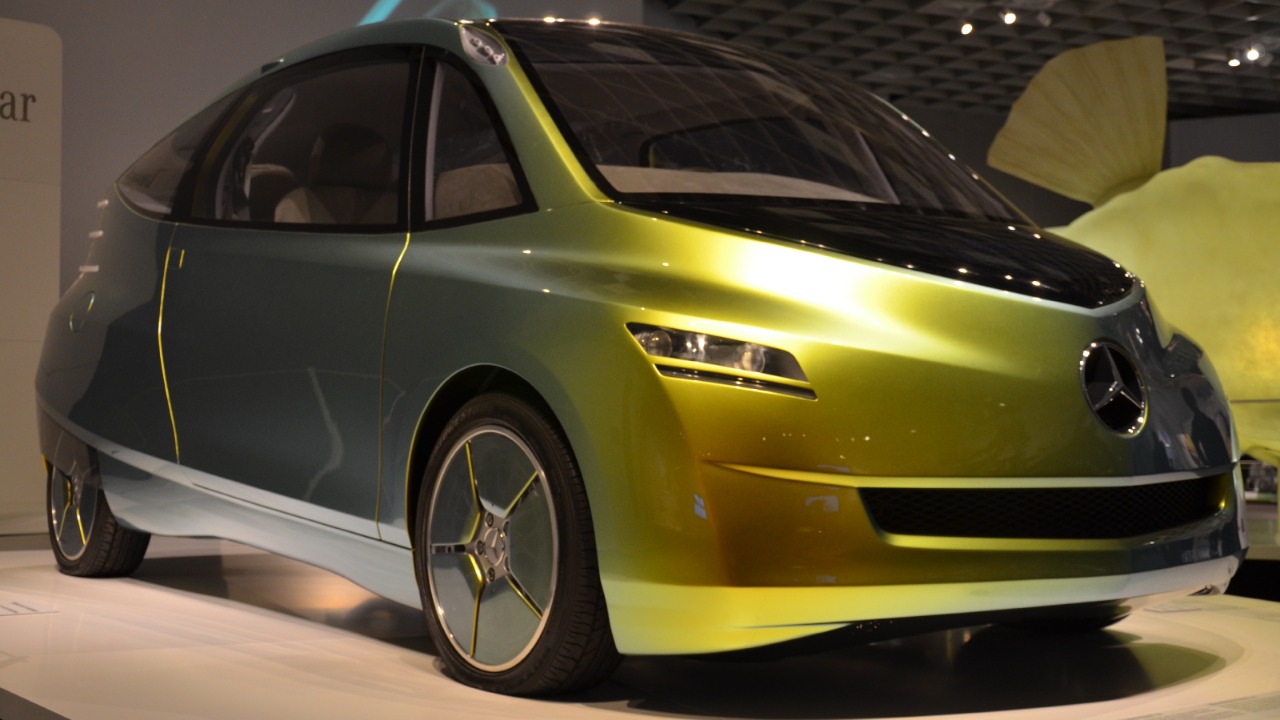
The 2005 Mercedes-Benz Bionic Car was inspired by nature, specifically the boxfish. Its design mimicked the boxfish’s aerodynamics, resulting in a vehicle with remarkably low drag coefficients. The Bionic Car was also an early adopter of diesel hybrid technology, emphasizing fuel efficiency and reduced emissions.
This concept car highlighted the potential of biomimicry in automotive design and engineering. Although the Bionic Car itself did not go into production, its principles have influenced eco-friendly design strategies in the automotive industry, contributing to the development of more sustainable cars.
Mercedes-Benz F700

The Mercedes-Benz F700, presented in 2007, was a luxury sedan concept that prioritized comfort and efficiency. It introduced the DiesOtto engine, which combined the best features of diesel and gasoline engines to achieve high efficiency with low emissions. The F700 also showcased a PRE-SCAN suspension system that used lasers to read the road surface and adjust the suspension accordingly.
This concept car paved the way for advancements in hybrid engine technology and active suspension systems seen in today’s luxury vehicles. The F700 demonstrated Mercedes’ commitment to innovation in both performance and comfort.
Mercedes-Benz Vision AVTR

Unveiled at CES 2020, the Mercedes-Benz Vision AVTR is a futuristic concept inspired by the movie “Avatar.” This vehicle emphasizes sustainability, featuring an organic battery technology that uses recyclable materials. The Vision AVTR also offers a unique user interface that connects the driver with the vehicle through biometric feedback.
The Vision AVTR challenges traditional automotive design, focusing on harmony with nature and cutting-edge technology. While the concept remains a visionary project, its emphasis on sustainable materials and advanced user interactions reflects trends that are gradually being integrated into the automotive industry.
More from Fast Lane Only