Porsche’s influence on automotive technology is undeniable, with innovations from the racetrack seamlessly transitioning to everyday street cars. By borrowing cutting-edge race technologies, Porsche has consistently elevated the driving experience for enthusiasts and everyday drivers alike. From aerodynamic designs to advanced driver assistance systems, the legacy of Porsche’s race-inspired technologies continues to shape the future of street cars.
Aerodynamic Innovations
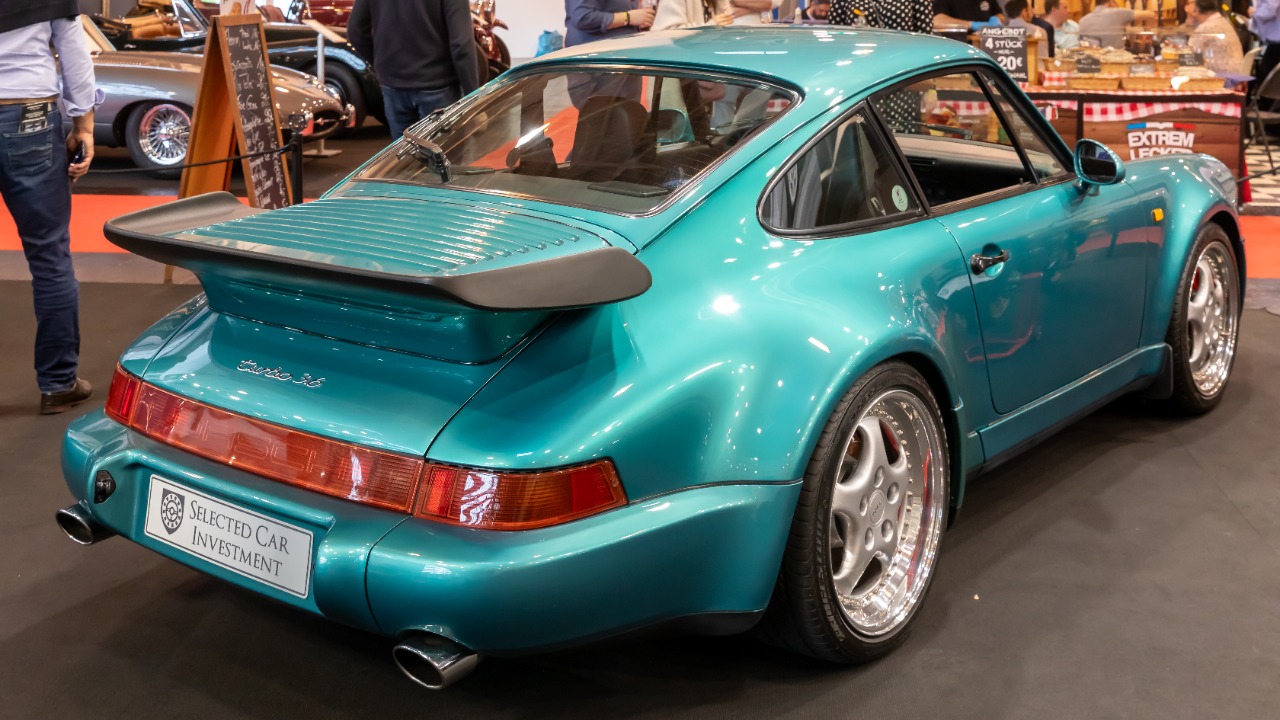
Porsche has long been a pioneer in aerodynamic design, a key factor in both racing and consumer vehicles. The 1970 Porsche 917, with its distinctive elongated tail, was one of the first race cars to leverage aerodynamics for enhanced performance. This innovation laid the groundwork for street car designs, such as the Porsche 911 Turbo, which features sleek lines and an iconic rear spoiler to reduce drag and improve stability at high speeds.
Incorporating aerodynamic features enhances fuel efficiency and handling, crucial for both track performance and everyday driving. Porsche’s commitment to aerodynamic excellence continues to influence modern models, ensuring optimal performance and aesthetics.
Lightweight Materials
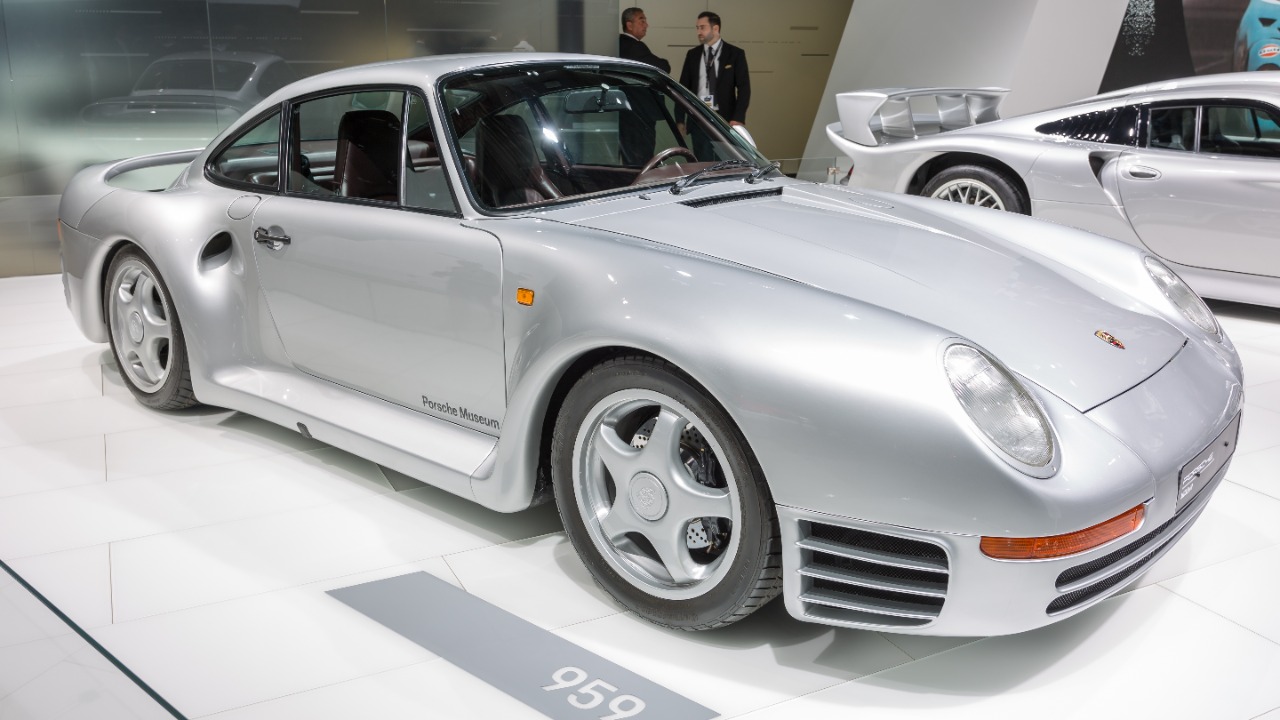
Porsche’s use of lightweight materials in race cars has significantly impacted street vehicle design. The Porsche 959, developed in the 1980s, utilized advanced materials like Kevlar and aluminum to reduce weight without sacrificing strength. This approach to material science has carried over to modern street cars, such as the Porsche 911 Carrera, which boasts an aluminum-steel composite construction.
By focusing on weight reduction, Porsche achieves improved fuel efficiency, acceleration, and handling. This emphasis on lightweight materials allows drivers to experience the thrill of racing performance in a practical, everyday vehicle.
Turbocharging Advancements
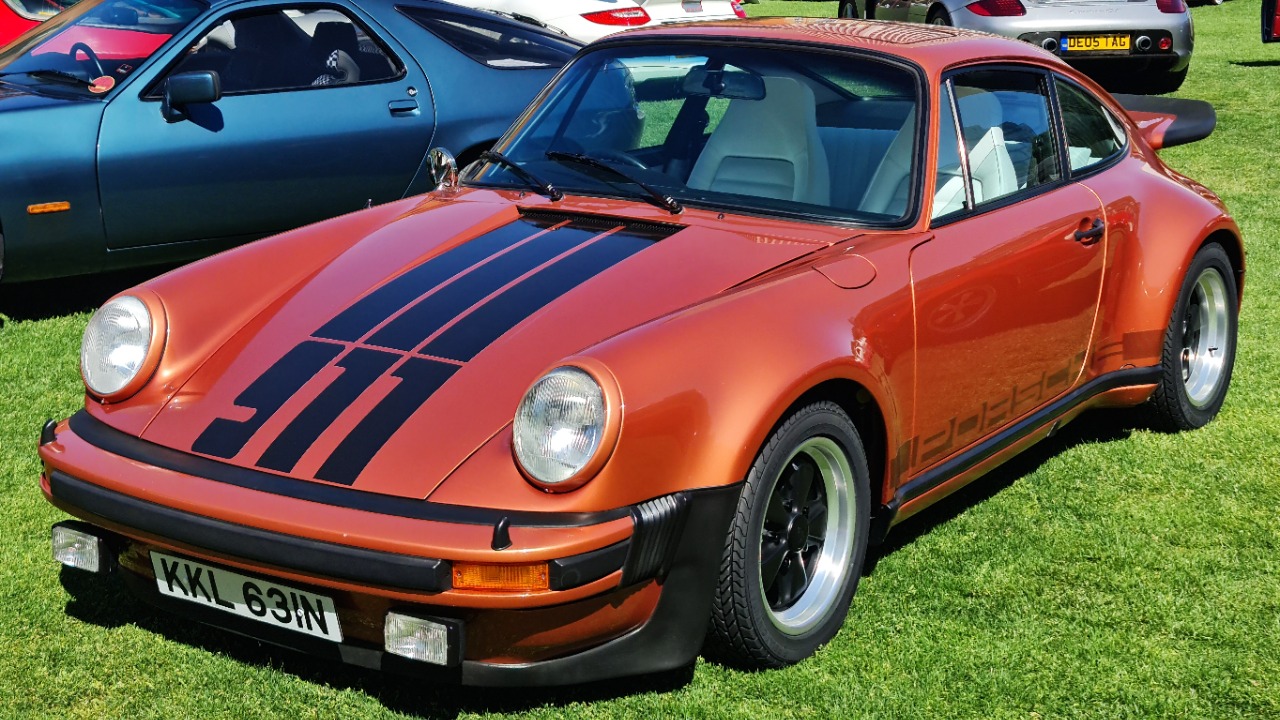
Porsche revolutionized turbocharging with the introduction of the 1975 Porsche 911 Turbo. This breakthrough brought race-level acceleration and power to street cars, forever changing how enthusiasts perceived performance vehicles. The turbocharged engine allows for increased power output without significantly increasing engine size, maintaining efficiency.
Modern Porsche models, such as the 718 Boxster, continue to benefit from these turbocharging advancements, offering drivers a perfect blend of power and efficiency. This evolution in engine technology has become a hallmark of Porsche’s commitment to performance excellence.
Precision Braking Systems
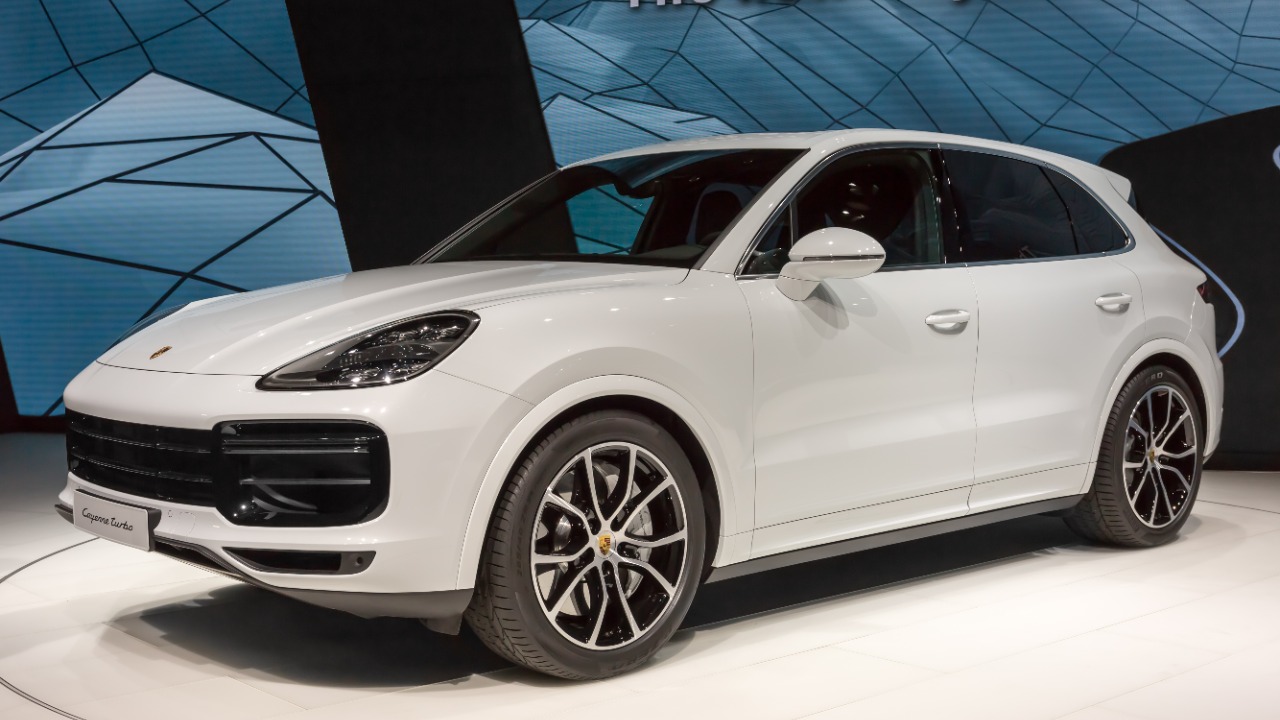
Effective braking systems are crucial for both race cars and street vehicles. Porsche’s innovations in this area are evident in models like the Porsche 959, which featured advanced anti-lock braking systems (ABS) inspired by racing technology. This system provided better control and safety, especially during high-speed driving and adverse conditions.
Today, Porsche continues to enhance its braking technology with ceramic composite brakes found in models like the Porsche Cayenne. These brakes provide superior stopping power and longevity, ensuring that drivers have confidence and control in every situation.
Advanced Suspension Engineering
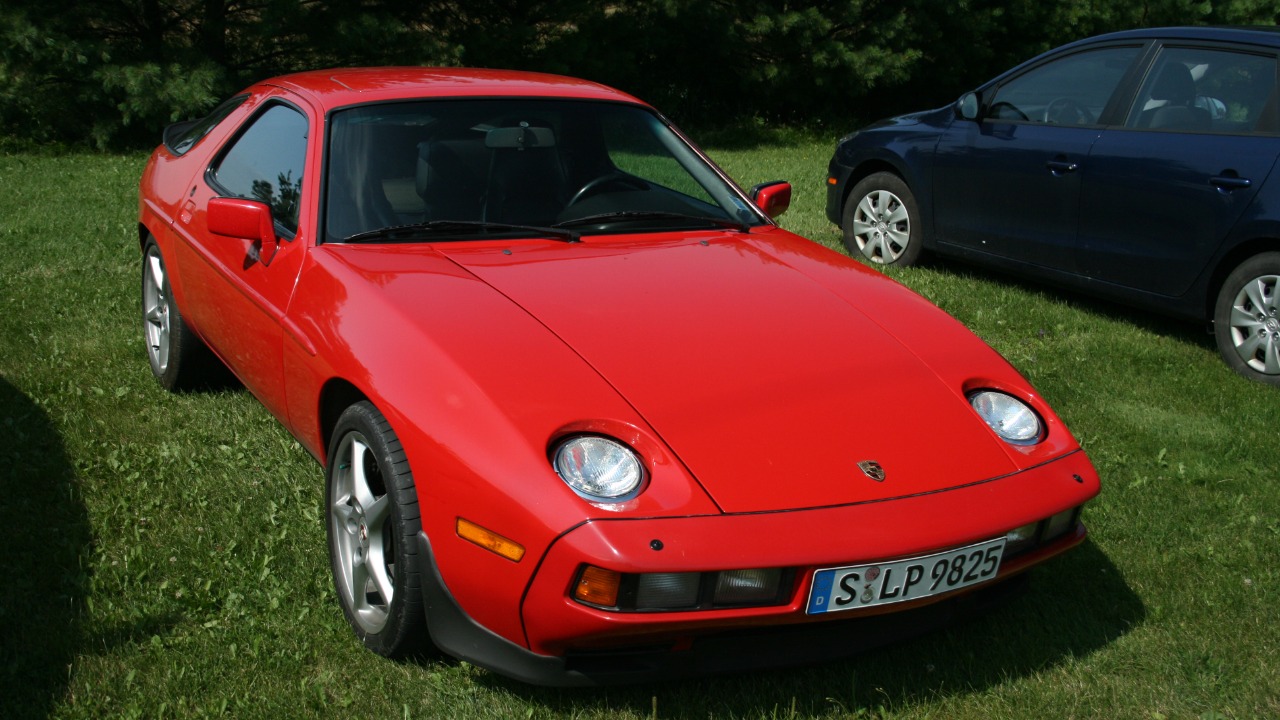
Porsche’s commitment to suspension engineering is evident in its race cars and street models alike. The Porsche 928, introduced in 1977, featured a revolutionary rear suspension system that improved handling and ride comfort. This innovation has trickled down to contemporary models, where Porsche Active Suspension Management (PASM) offers adaptive damping for optimal performance.
By continuously refining suspension systems, Porsche ensures that drivers experience exceptional handling and comfort, whether navigating city streets or taking on challenging road conditions.
Enhanced Traction Control

Porsche’s development of traction control systems has significantly improved vehicle stability and safety. The Porsche 959 was one of the first production cars to incorporate an advanced all-wheel-drive system, providing unparalleled traction and control. This technology has been refined and implemented in modern models, such as the Porsche 911 Carrera 4, which features Porsche Traction Management (PTM).
PTM enhances grip and stability, allowing drivers to confidently tackle various terrains and conditions. By prioritizing traction control, Porsche delivers a driving experience that combines performance with safety.
Cutting-Edge Transmission Technology
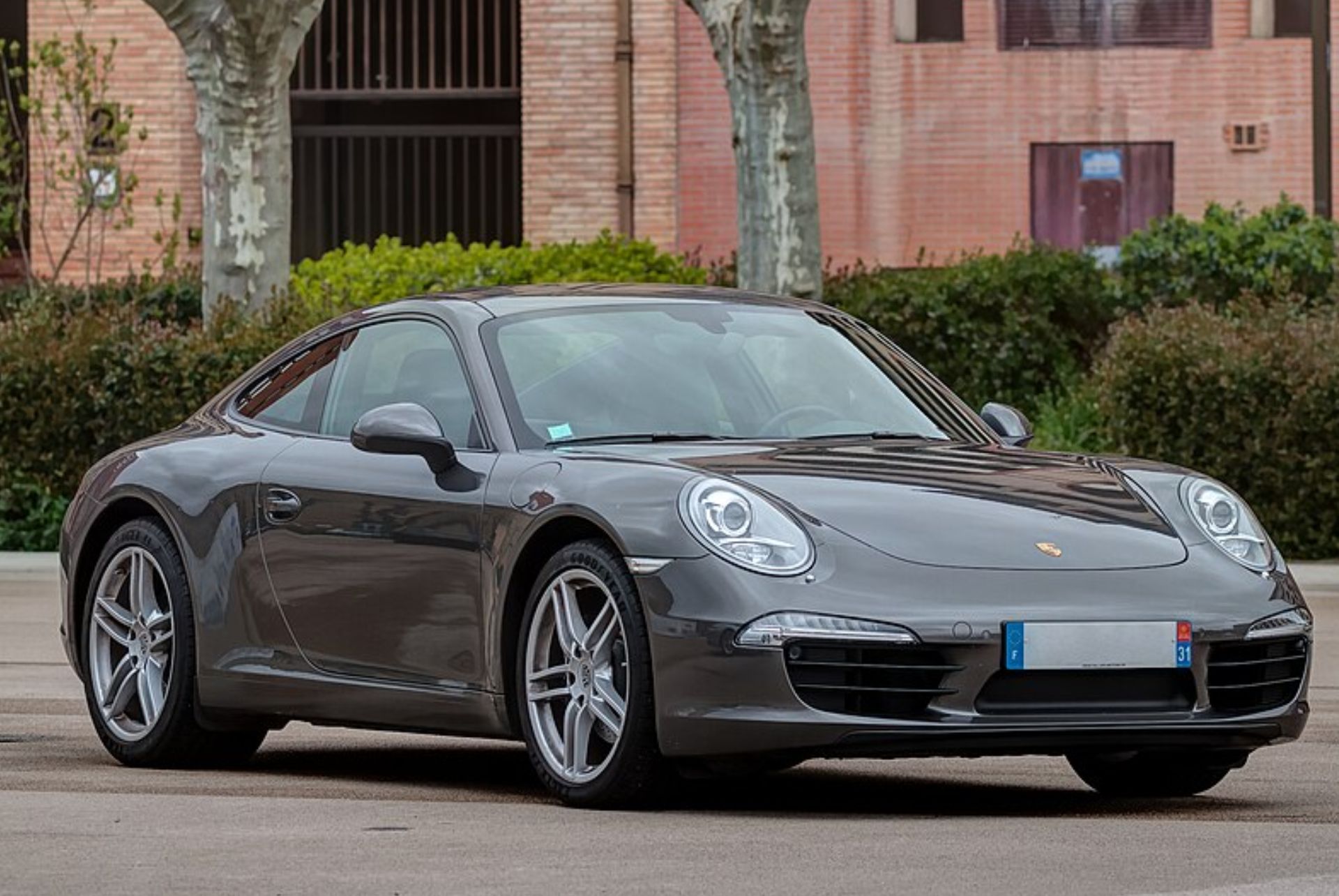
Porsche’s expertise in transmission technology is exemplified by the development of the Porsche Doppelkupplung (PDK) dual-clutch transmission. First used in the Porsche 956 race car, this technology was adapted for street use in models like the Porsche 911 Carrera. PDK offers lightning-fast gear changes and improved fuel efficiency, providing a seamless driving experience.
By embracing advanced transmission systems, Porsche ensures that drivers enjoy optimal performance, efficiency, and control, whether on the track or on the highway.
Driver Assistance Systems
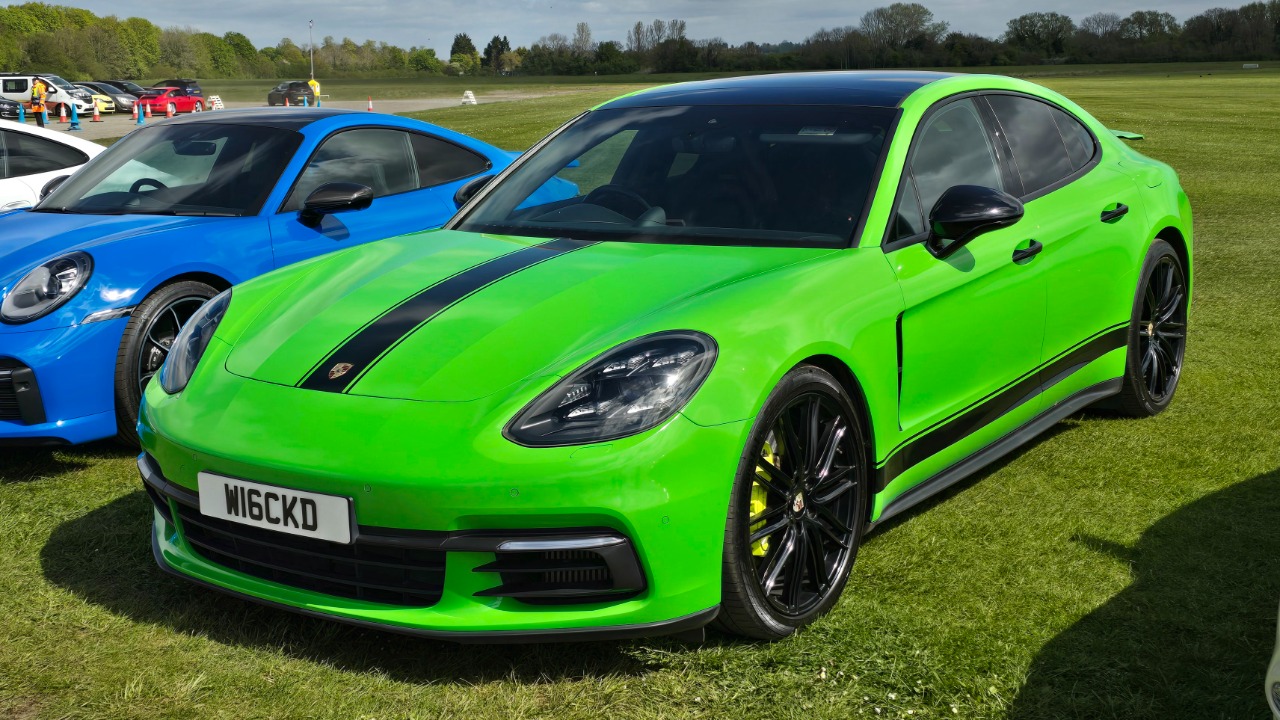
Porsche has integrated advanced driver assistance systems (ADAS) into its vehicles, enhancing safety and convenience. The Porsche Panamera, for example, features systems like adaptive cruise control, lane-keeping assist, and night vision assist, all inspired by racing telemetry and technology.
These systems provide drivers with enhanced situational awareness and support, reducing the risk of accidents and making driving more enjoyable. Porsche’s dedication to incorporating ADAS continues to set new standards for safety and innovation in the automotive industry.
More from Fast Lane Only