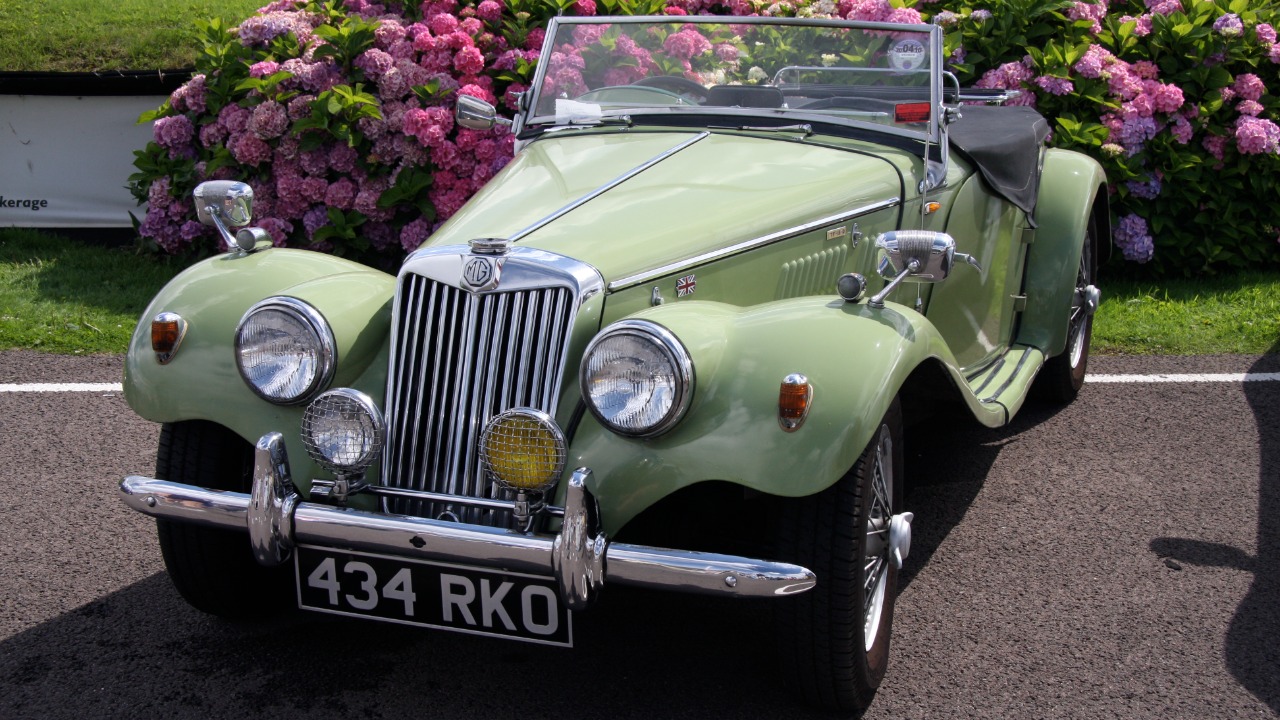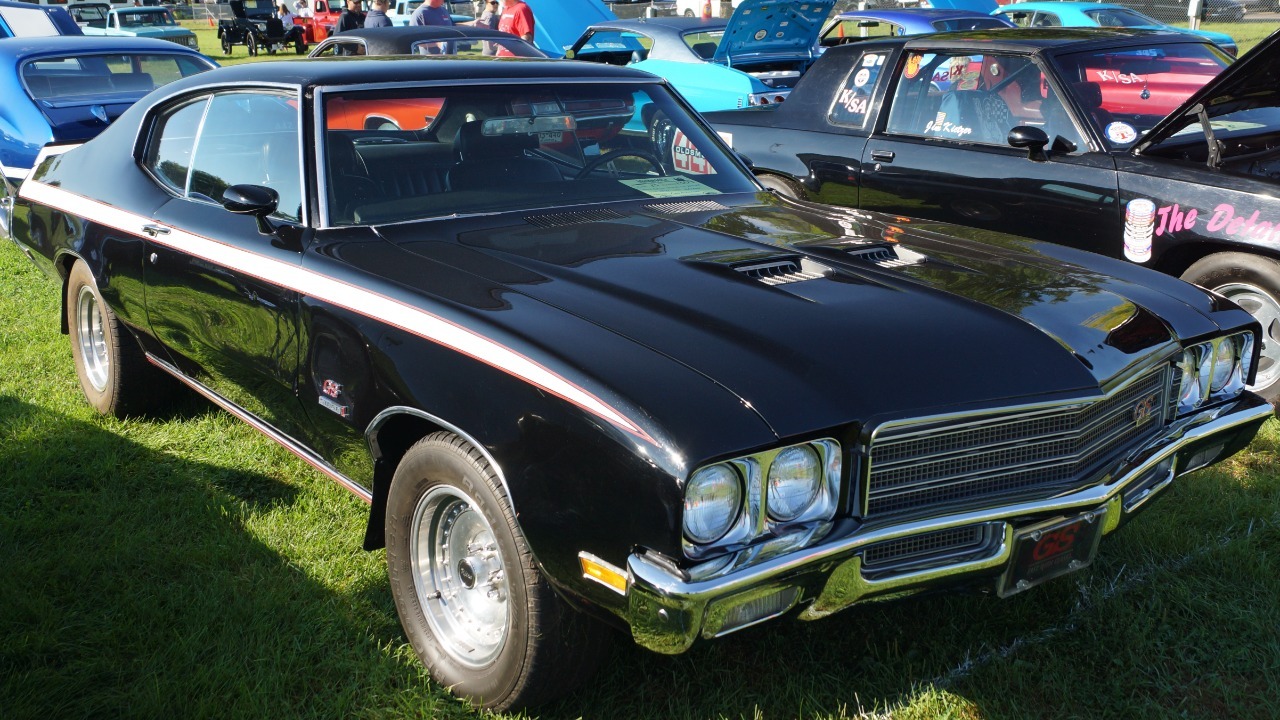
The muscle car era of the 1960s and 1970s is renowned for its raw power, aggressive styling, and the exhilarating driving experience these vehicles offered. While many of these classic cars have become legends in their own right, some models were deemed too powerful, leading to their outlawing on public roads. Here, I take a closer look at seven iconic muscle-era cars that pushed the limits of performance and ultimately faced restrictions due to their sheer horsepower and speed.
1964 Pontiac GTO
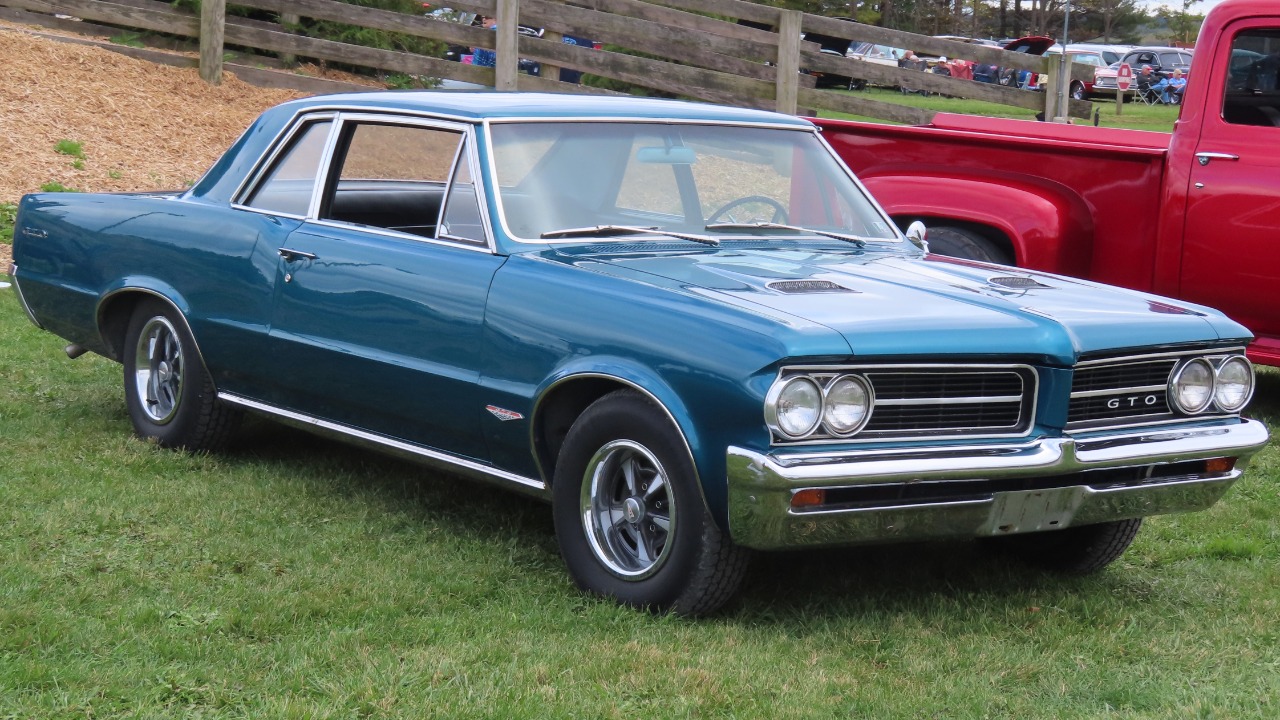
The 1964 Pontiac GTO is often credited with igniting the muscle car craze. With a 389 cubic-inch V8 engine producing 325 horsepower, it combined style and performance seamlessly. The GTO offered a unique blend of luxury and power, appealing to a wide audience. However, its potent engine and impressive acceleration raised concerns about safety and regulation. As a result, insurance companies began classifying high-performance models like the GTO as high-risk, leading to increased premiums and restrictions. This iconic vehicle not only shaped automotive history but also signaled the need for regulations as muscle cars became more powerful and prevalent on the roads.
Today, the Pontiac GTO is celebrated as one of the original muscle cars. Its influence can be seen in modern performance vehicles, and its legacy is preserved through various car shows and enthusiast groups. Many collectors seek out the 1964 model, appreciating its timeless design and historical significance. If you’re interested in learning more about its impact, check out this detailed article on muscle car history.
1970 Chevrolet Chevelle SS 454
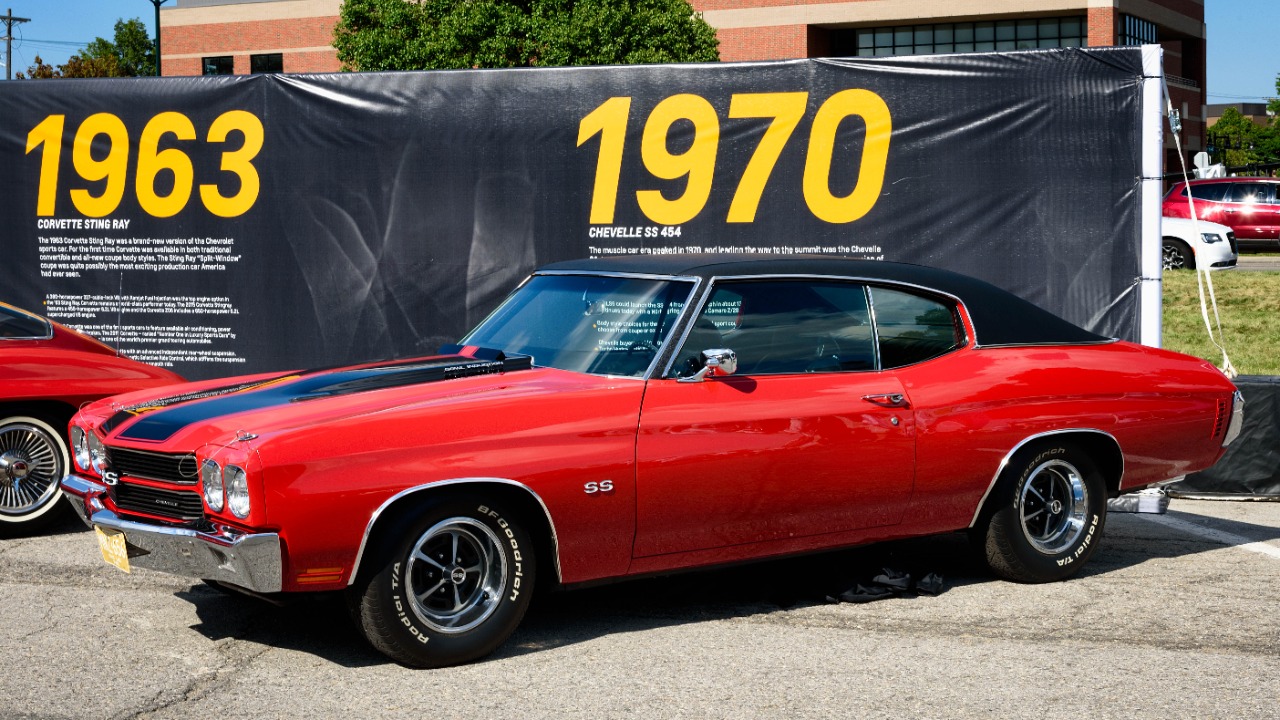
The 1970 Chevrolet Chevelle SS 454 was a true powerhouse, equipped with a massive 454 cubic-inch V8 engine that churned out up to 450 horsepower. This muscle car was designed for speed, featuring a lightweight body and aggressive styling that turned heads on the street. The Chevelle SS 454 quickly gained a reputation for its exhilarating performance, making it a favorite among enthusiasts. However, as the demand for more powerful vehicles surged, concerns arose regarding safety and emissions. The 454’s raw power led to some states imposing restrictions and regulations that ultimately marginalized this iconic model.
Despite facing challenges, the Chevelle SS 454 remains a cherished classic among car collectors. Its impact on the muscle car scene is undeniable, and its rarity has only increased its desirability. Many enthusiasts still restore and showcase these powerful machines at car shows, celebrating their legacy. For those interested in the evolution of muscle cars, the Chevelle serves as a prime example. You can dive deeper into the history of muscle cars in this informative piece that discusses their rise and fall.
1971 Dodge Challenger R/T
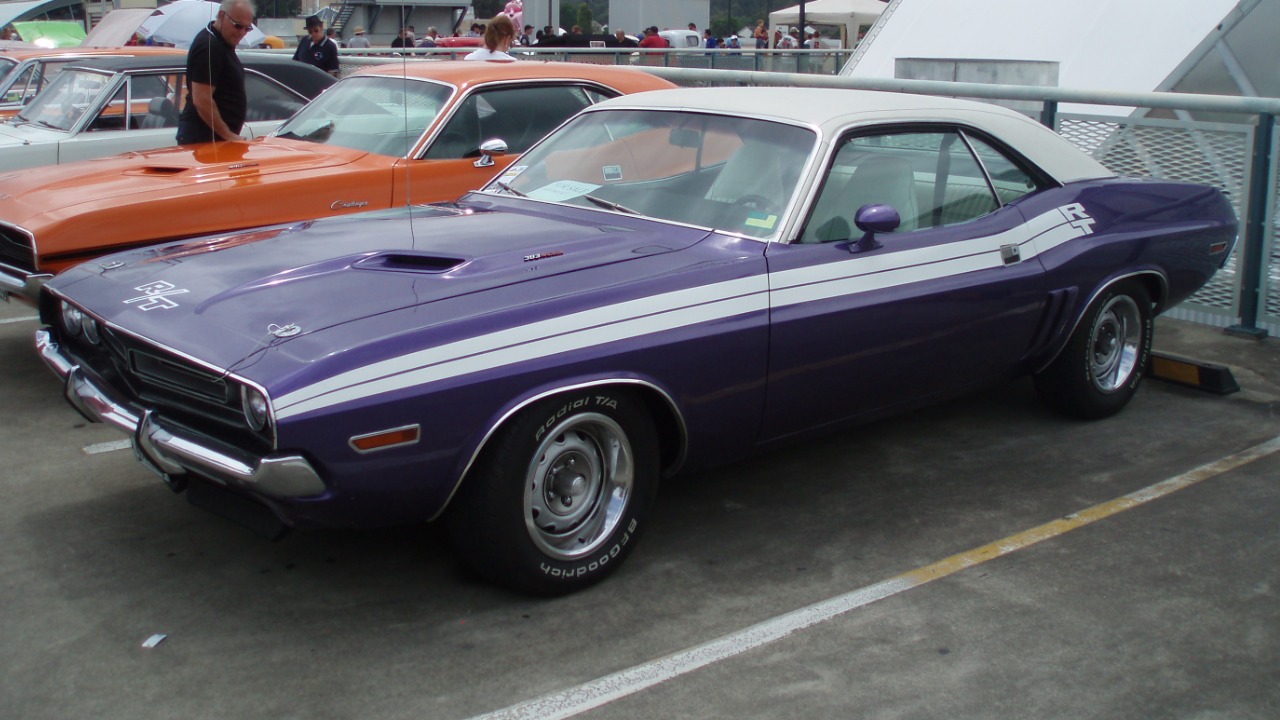
The 1971 Dodge Challenger R/T made a significant mark in the muscle car world, featuring a range of powerful engine options, including the legendary 426 Hemi and the 440 Magnum. With up to 425 horsepower, the Challenger R/T was built for speed and performance, attracting a dedicated following of enthusiasts. However, as emissions regulations tightened and fuel prices soared in the early 1970s, many states began to restrict the use of high-performance vehicles like the Challenger. The combination of raw power and the changing regulatory landscape contributed to its decline in popularity.
Today, the 1971 Challenger R/T is a sought-after classic car, with collectors valuing its power and unique design. Events celebrating muscle cars often feature this iconic model, showcasing its place in automotive history. The Challenger has seen a resurgence in modern times, with new models paying homage to its powerful heritage. For more insights into muscle cars, consider checking out this scholarly article that discusses their impact on American culture.
1969 Ford Mustang Boss 429
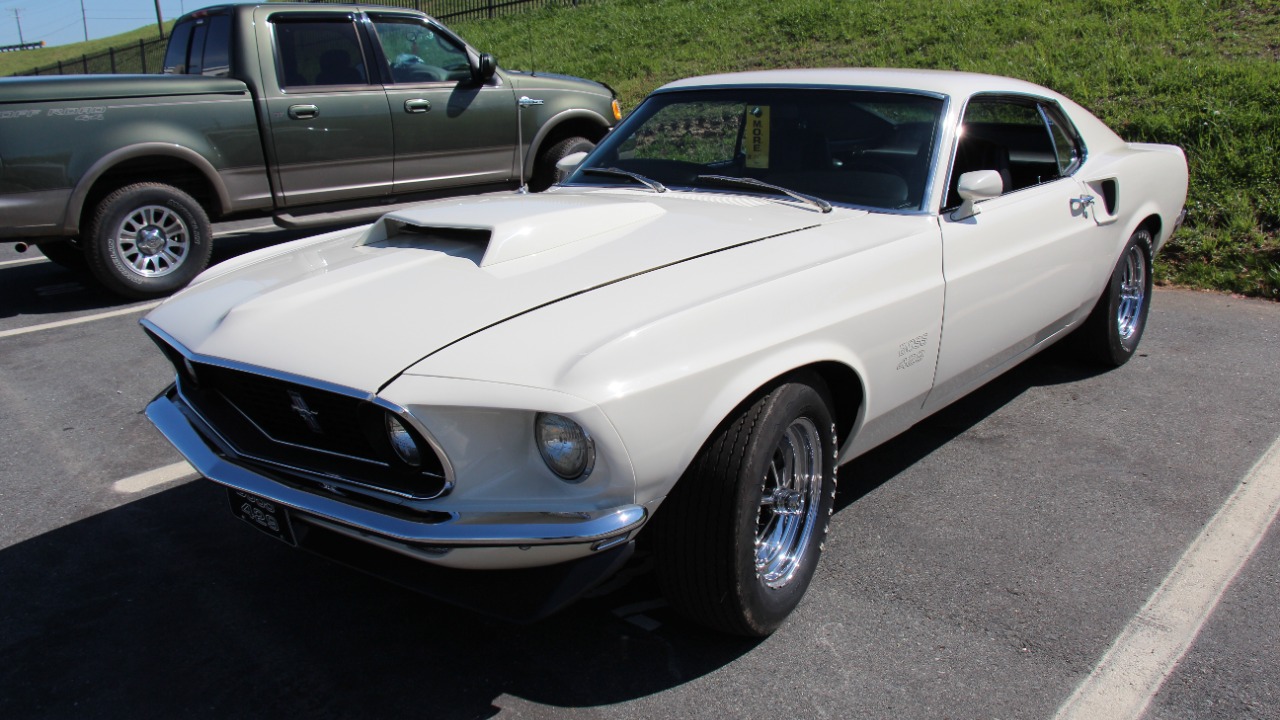
The 1969 Ford Mustang Boss 429 is a legendary muscle car that was designed for both street and track performance. With its massive 429 cubic-inch V8 engine producing 375 horsepower, it was engineered to compete in NASCAR, making it one of the most powerful Mustangs ever produced. However, this power came at a cost, as the Boss 429 faced scrutiny over emissions and safety regulations. As a result, it became a rare find, with only about 1,300 units manufactured. The combination of limited production and extreme power led to its classification as a vehicle that was too powerful for everyday use.
Today, the Boss 429 is revered among collectors and enthusiasts, often fetching high prices at auctions. Its legacy continues to inspire modern Ford models, and its aggressive styling remains a symbol of the muscle car era. For anyone looking to understand why this model stands out, I recommend exploring this insightful book that details the history of muscle cars.
1970 Plymouth Hemi Cuda
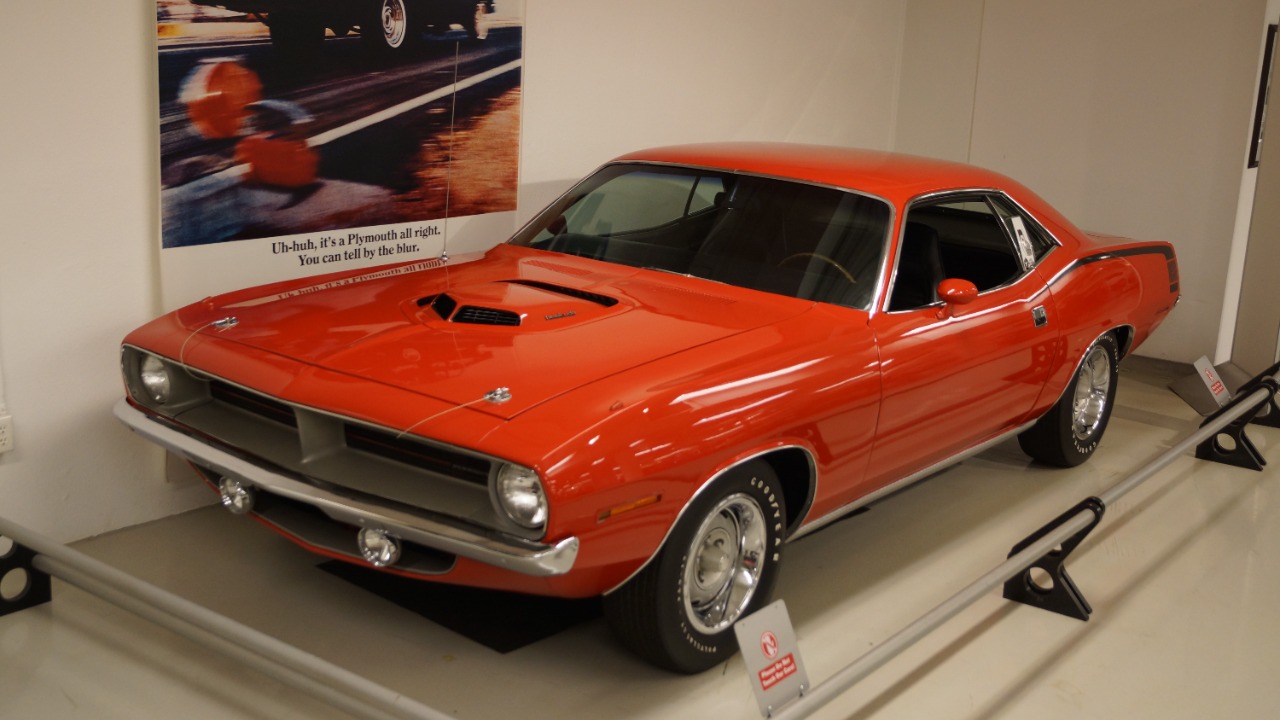
The 1970 Plymouth Hemi Cuda is an iconic muscle car that left a lasting legacy in automotive history. With its 426 cubic-inch Hemi V8 engine producing 425 horsepower, the Hemi Cuda was a force to be reckoned with. Its aggressive styling and high-performance capabilities made it a favorite among enthusiasts. However, as fuel economy and emissions regulations became a priority in the 1970s, the Hemi Cuda faced scrutiny. Its immense power led to a decline in sales and increased restrictions, ultimately contributing to its discontinuation after just a few years.
Despite its short production run, the Hemi Cuda remains one of the most sought-after muscle cars today. Collectors appreciate its rarity and performance, often restoring these vehicles to their original glory. The Hemi Cuda’s place in muscle car history is secure, and it continues to be celebrated at car shows and events. For more on its fascinating history, you can read about muscle car trends and their impact on society in this research article that dives into the cultural significance of these powerful machines.
1971 Buick GSX
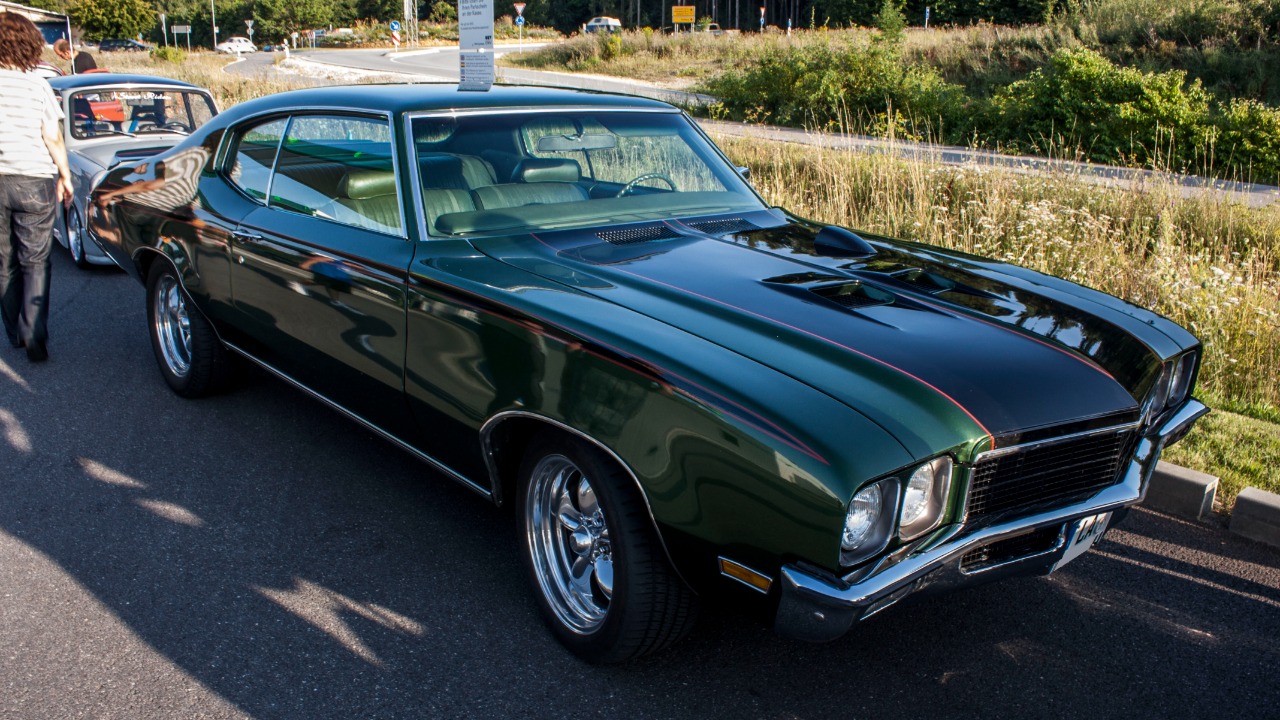
The 1971 Buick GSX was a standout in the muscle car segment, featuring a 455 cubic-inch V8 engine that delivered an impressive 360 horsepower. Known for its distinctive styling and performance, the GSX was designed to compete with other high-performance vehicles of its time. However, as the automotive industry faced increasing pressure to comply with emissions regulations, the GSX’s power became a liability. The combination of its high horsepower and changing market demands led to a decline in production, limiting its availability and making it a rare find today.
Today, the Buick GSX is celebrated among collectors for its unique design and performance capabilities. Its rarity has made it a sought-after model at auctions, where enthusiasts are willing to pay top dollar for a well-preserved example. The GSX’s legacy continues to resonate, serving as a reminder of a time when American muscle cars ruled the roads. For those looking to delve deeper into the world of classic muscle cars, there are many resources available that discuss their influence and importance.
1970 Oldsmobile 442 W-30
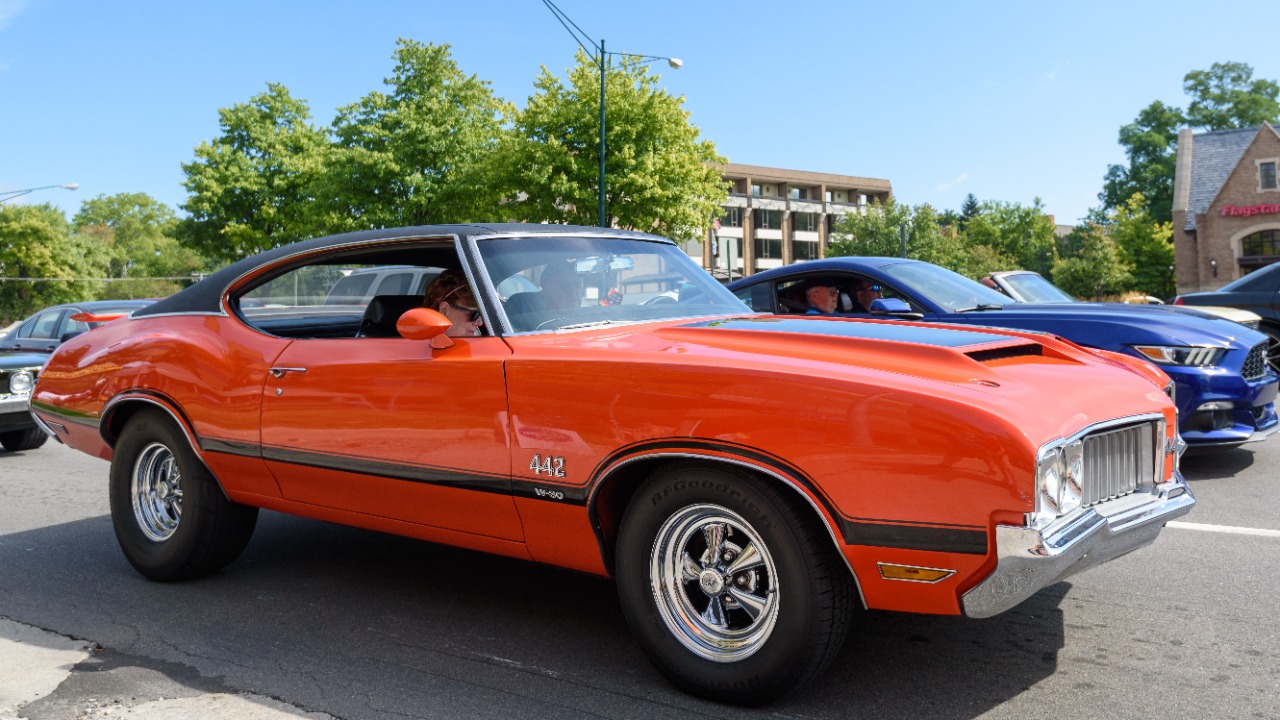
The 1970 Oldsmobile 442 W-30 was a formidable muscle car, equipped with a 455 cubic-inch V8 engine capable of producing 370 horsepower. This model was known for its performance on both the street and the track, thanks to its lightweight design and powerful engine. However, as the automotive landscape changed in the early 1970s, the 442 faced increasing scrutiny due to its fuel consumption and emissions outputs. As a result, regulations began to impact the production and availability of high-performance vehicles like the 442 W-30, making it a rare gem in the muscle car world.
Today, the Oldsmobile 442 W-30 is highly sought after by collectors and enthusiasts, who appreciate its unique styling and performance capabilities. Its rarity has only added to its allure, with well-preserved models fetching significant sums at auctions. The 442’s impact on the muscle car scene is undeniable, and its legacy continues to inspire modern performance vehicles. As interest in classic cars grows, the Oldsmobile 442 W-30 stands as a testament to the golden age of American muscle, and its story is one worth telling.
More from Fast Lane Only
- Unboxing the WWII Jeep in a Crate
- 15 rare Chevys collectors are quietly buying
- 10 underrated V8s still worth hunting down
- Police notice this before you even roll window down
*Research for this article included AI assistance, with all final content reviewed by human editors.