Some roadsters became famous not just for speed, but for pushing racing regulations to their limits. Their powerful engines, lightweight construction, or technological advantages sometimes made them difficult for organizers to control. These cars could dominate rivals so convincingly that rule changes, class restrictions, or outright bans eventually followed, turning their extraordinary performance into part of motorsport history.
Shelby Cobra 427
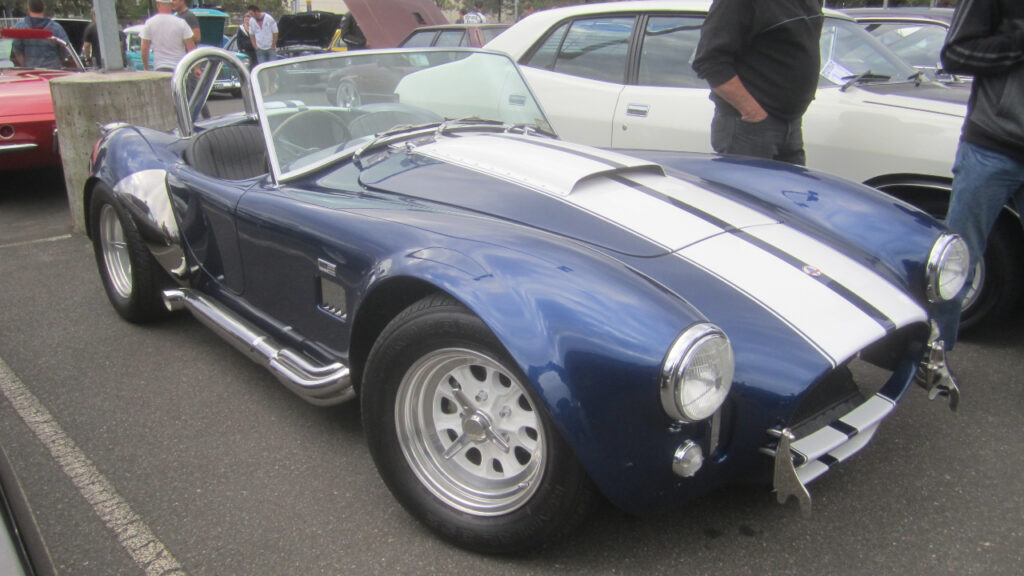
The Shelby Cobra 427 combined an extremely lightweight British roadster body with Ford’s massive 427-cubic-inch V8, creating a performance package that was almost absurdly powerful for its size. Its enormous torque made the Cobra exceptionally quick, but the combination also created serious challenges for racing classes trying to maintain competitive balance. While the road car itself was not universally outlawed, competition versions faced changing regulations and class restrictions that limited where its extreme performance could compete.
AC Cobra Daytona Coupe
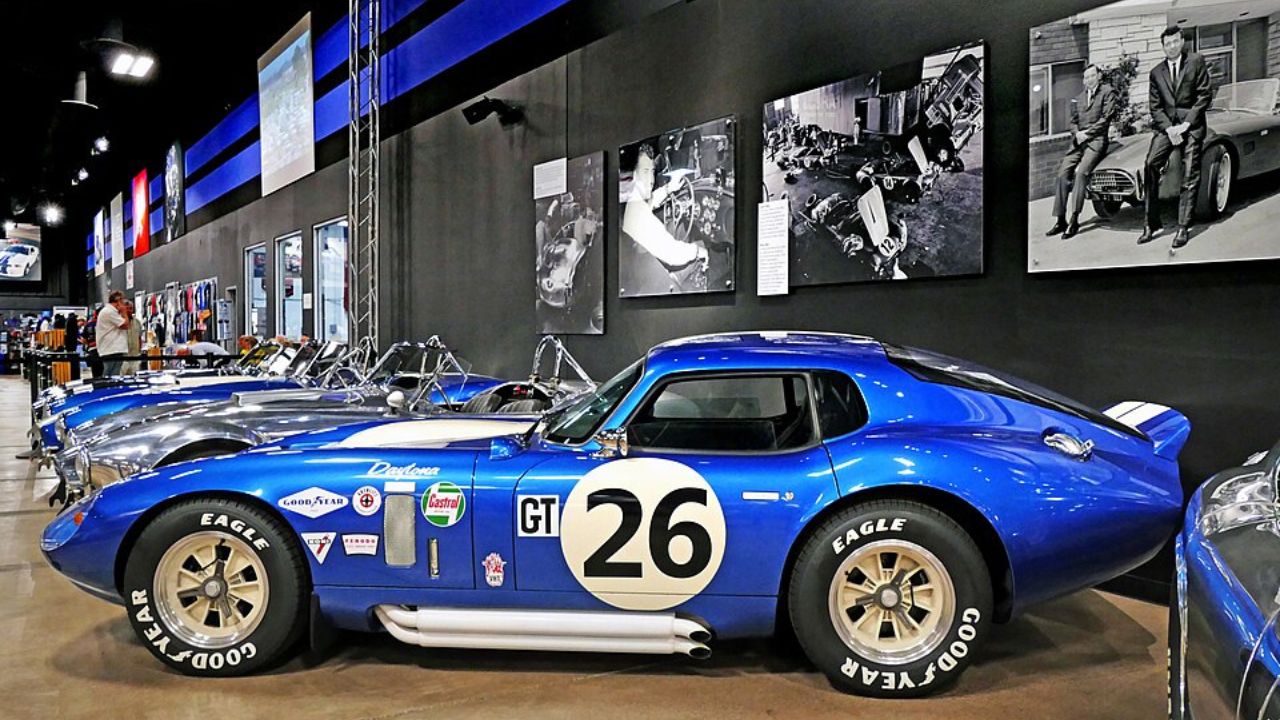
The Shelby Cobra Daytona Coupe was built specifically to challenge Ferrari in international GT racing, using aerodynamic bodywork and a powerful Ford V8 to gain an advantage at high speeds. Its success contributed to major changes in how GT racing cars were regulated, particularly around homologation and aerodynamic development. The Daytona was not simply banned for being too powerful, but its dominance helped expose weaknesses in existing rules. Its racing career became closely tied to increasingly strict competition regulations.
Porsche 550 Spyder

The Porsche 550 Spyder was a lightweight racing roadster designed around efficiency rather than brute-force horsepower. Its compact mid-engine layout and low weight allowed relatively modest engines to deliver impressive performance. Racing regulations continually evolved to control lightweight sports-racing cars and maintain appropriate class balance. The 550 itself was not simply banned for being too fast, but its success demonstrated how effectively a small, purpose-built roadster could exploit racing rules, helping shape future regulations governing specialized sports cars.
Austin-Healey 3000
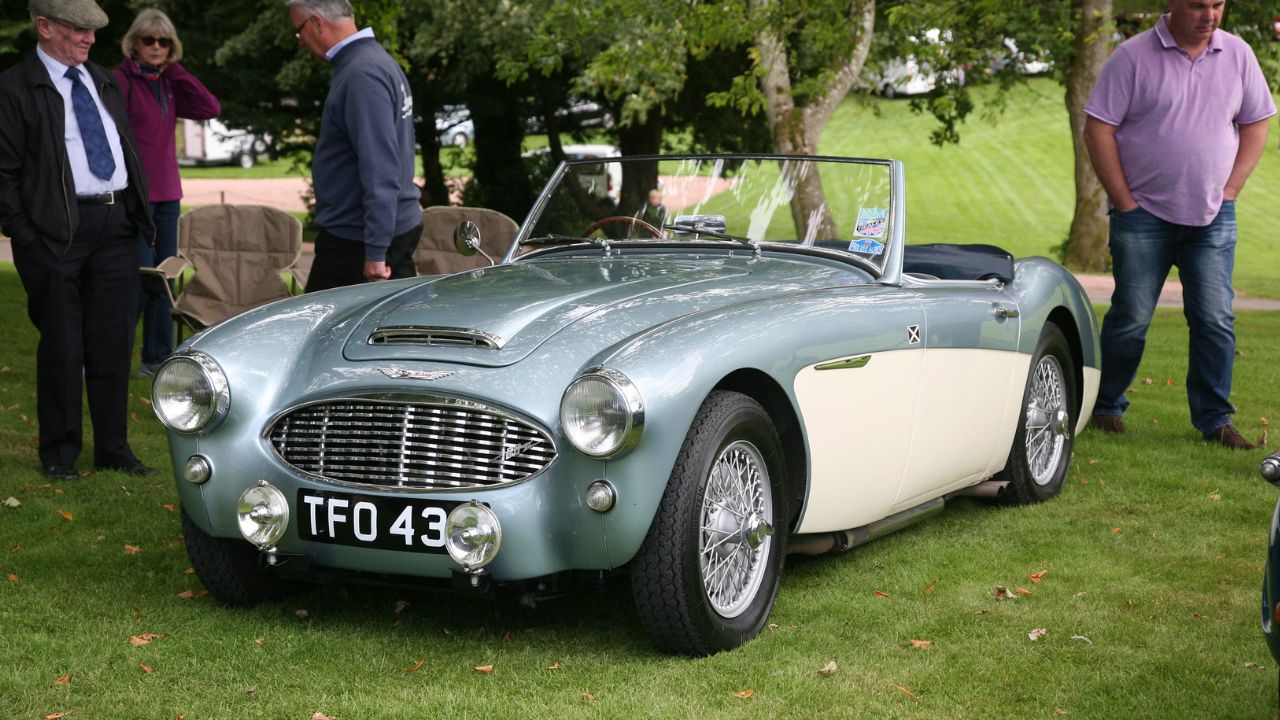
The Austin-Healey 3000 became a formidable rally and road-racing machine thanks to its strong inline-six engine, rear-wheel-drive layout, and relatively straightforward mechanical design. Competition versions could be heavily prepared for performance, making them competitive against newer machinery. As regulations evolved, modifications that gave production-based sports cars significant advantages became increasingly controlled. The Healey was not universally outlawed, but changing class rules and homologation requirements eventually limited the environments where heavily modified examples could compete.
Triumph TR8
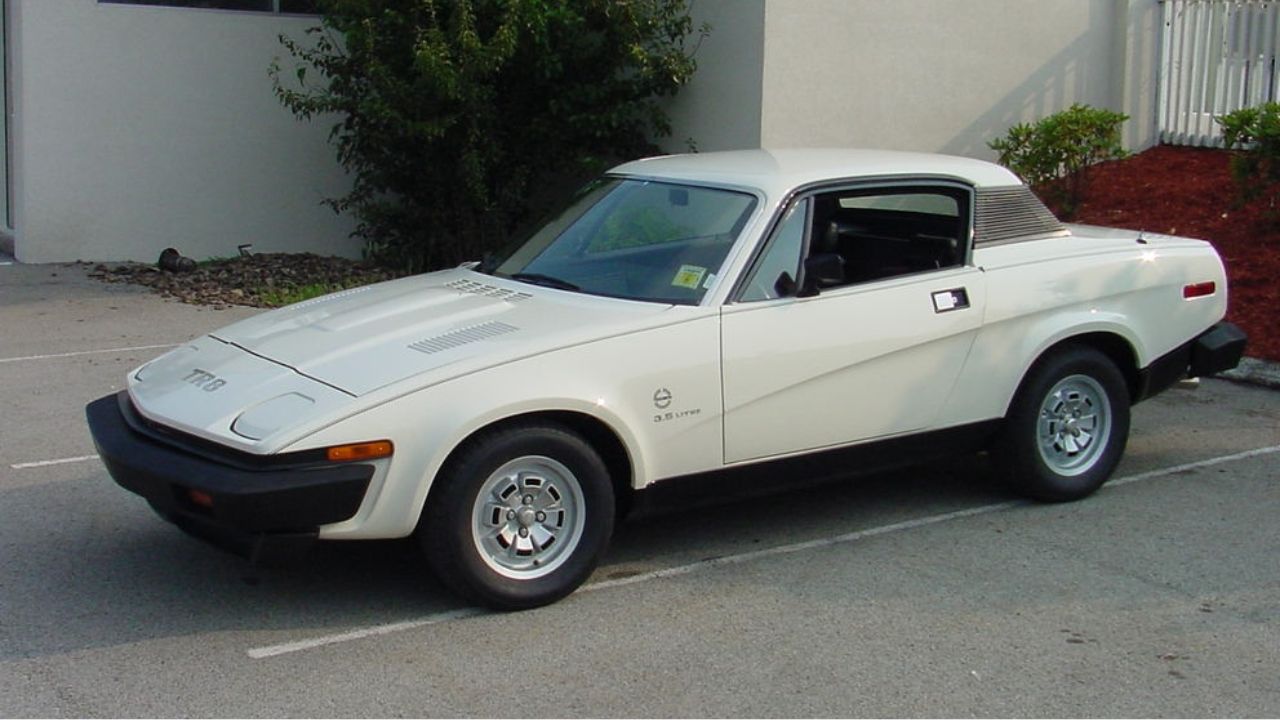
The Triumph TR8 gained a reputation for combining a relatively light sports-car platform with a powerful Rover V8. In competition, that formula produced impressive acceleration and made the car surprisingly capable against larger or more expensive machinery. Racing organizations increasingly relied on displacement limits, class structures, and homologation rules to keep such combinations under control. The TR8 was not banned from motorsport outright, but its unusual performance potential illustrates why regulations often restricted powerful engine swaps and heavily modified roadster-based racers.
Datsun 240Z

The Datsun 240Z became a highly successful competition platform because it combined low weight, strong inline-six power, excellent balance, and relatively affordable preparation costs. Its success in racing and rallying demonstrated how quickly a well-designed Japanese sports car could challenge established European and American competitors. As different racing categories tightened technical regulations and eligibility requirements, advantages created through extensive modifications were increasingly restricted. The 240Z therefore became an example of a road-based sports car whose competition potential continually tested regulatory boundaries.
Lotus Seven
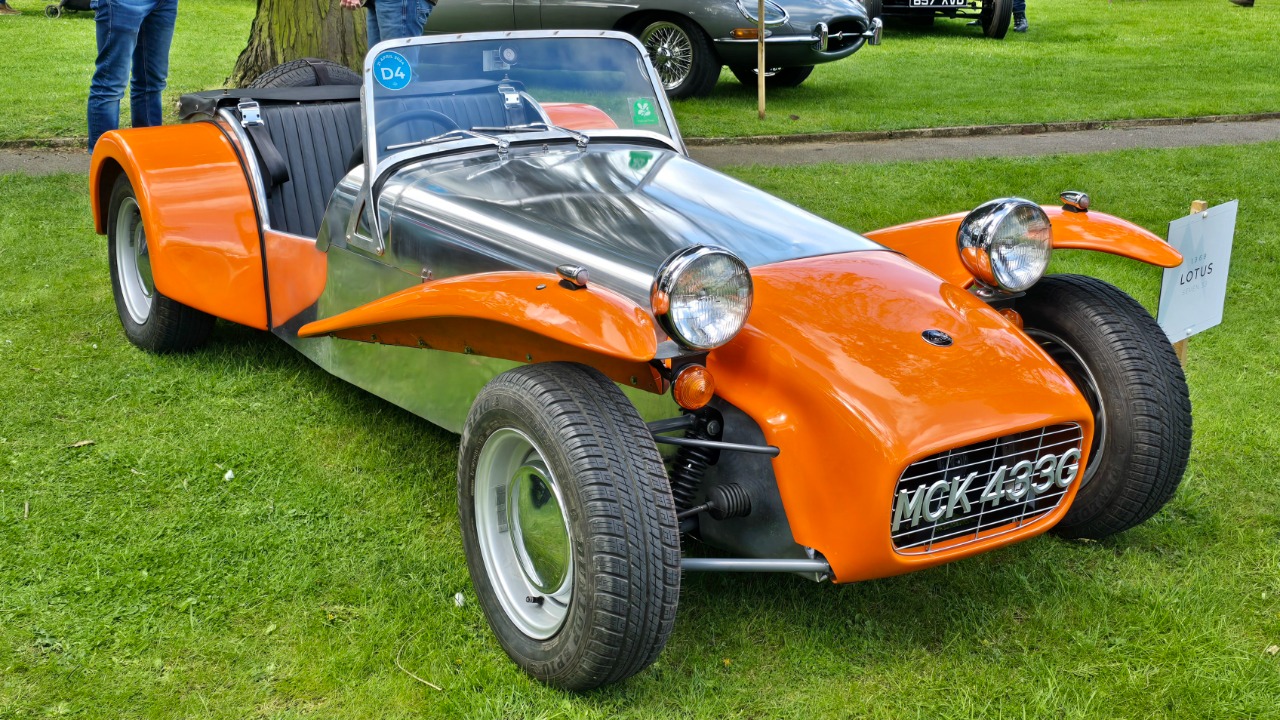
The Lotus Seven followed a radically simple philosophy: remove unnecessary weight and concentrate on handling. Its lightweight construction allowed modest engines to produce extraordinary acceleration and cornering performance. Different racing classes imposed restrictions on weight, engine size, modifications, and vehicle eligibility to prevent lightweight specialist cars from dominating production-based categories. The Seven itself was never universally outlawed, but its extreme efficiency demonstrated why motorsport organizations frequently created separate classes for lightweight sports cars rather than allowing them to compete directly against heavier conventional vehicles.
Caterham Super Seven

The Caterham Super Seven continued Lotus’s lightweight performance philosophy with an even stronger emphasis on acceleration and handling. Because the car weighed so little, relatively modest engines could produce startling performance without requiring enormous displacement. Competition organizers commonly separated lightweight specialist cars from heavier production vehicles through class regulations. Although the Super Seven was not broadly banned, versions built specifically for racing could become ineligible when modifications exceeded class limits, showing how easily extreme power-to-weight ratios can challenge conventional racing categories.
Donkervoort D8

The Donkervoort D8 pushed the lightweight roadster concept to an extreme level, combining very low mass with powerful engines and sophisticated chassis engineering. Certain versions offered extraordinary acceleration and cornering capability compared with conventional sports cars. Their specialized construction made them difficult to fit neatly into ordinary racing classifications. Rather than facing a universal ban, such cars often encountered eligibility limitations because their power-to-weight ratios and extensive modifications placed them outside traditional production-based rules.
Morgan Plus 8

The Morgan Plus 8 combined traditional lightweight construction with powerful V8 engines, creating a roadster that could deliver surprisingly strong performance despite its old-fashioned appearance. Its low weight gave the car a significant power-to-weight advantage, particularly when compared with heavier contemporary sports cars. Motorsport regulations frequently restricted engine displacement, vehicle weight, and modifications to maintain fair competition. The Plus 8 therefore became an example of how a lightweight roadster could become difficult to classify when its performance exceeded expectations.
Mazda MX-5 Miata

The Mazda MX-5 Miata was not outlawed because of excessive horsepower; instead, its lightweight chassis demonstrated how effectively a simple roadster could perform with modest power. In some competition categories, lightweight sports cars like the Miata required separate classification because their handling and weight advantages could create an uneven contest against heavier vehicles. Racing organizations used weight, tire, engine, and modification restrictions to maintain balance. The Miata proved that overwhelming performance does not always require enormous horsepower.
More from Fast Lane Only
- Unboxing the WWII Jeep in a Crate
- 15 rare Chevys collectors are quietly buying
- 10 underrated V8s still worth hunting down
- Police notice this before you even roll window down
*Research for this article included AI assistance, with all final content reviewed by human editors