Not every performance car arrives with universal praise. Some are dismissed for their styling, engineering choices, or brand expectations before proving doubters completely wrong once drivers experience them firsthand. Whether through surprising speed, handling, or long-term reliability, these cars rewrote public perception after release. Over time, they evolved from questioned newcomers into respected performance icons.
Nissan GT-R
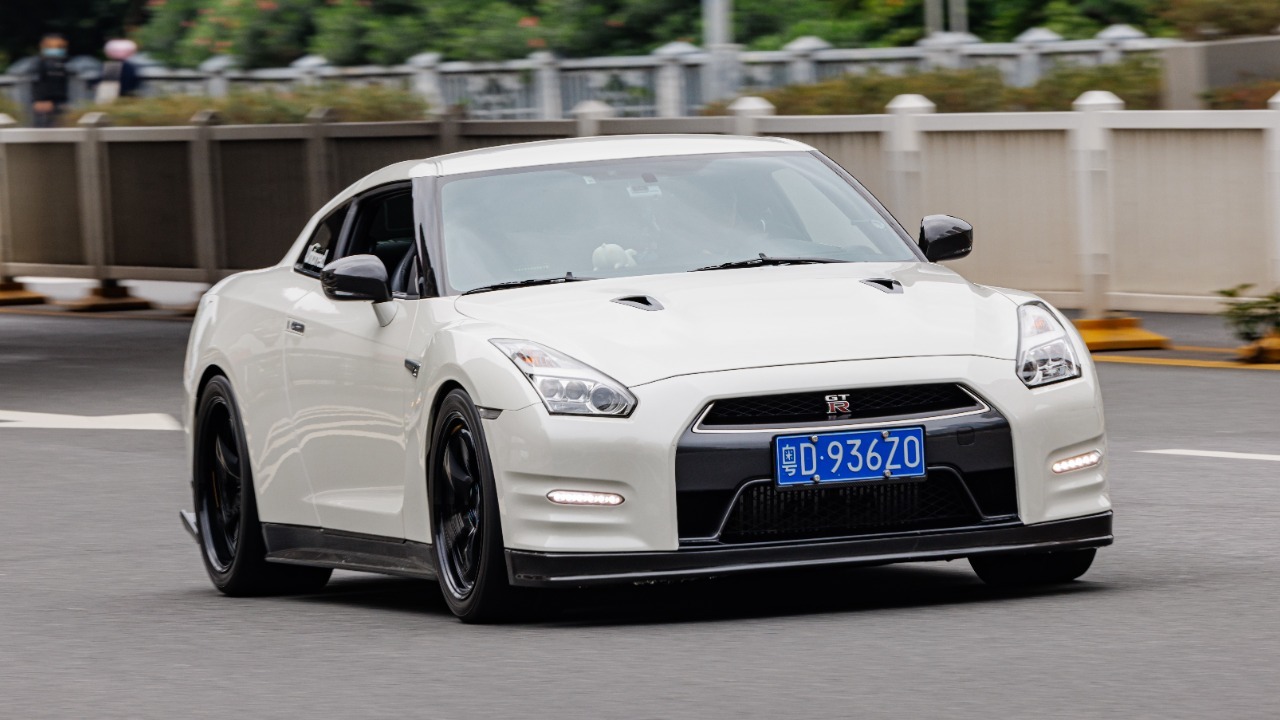
When the R35 Nissan GT-R debuted, critics questioned whether a heavy, technology-packed coupe could truly challenge Europe’s elite supercars. Nissan answered immediately with astonishing acceleration, advanced all-wheel-drive capability, and lap times that embarrassed far more expensive machinery. Purists complained about electronic systems replacing driver involvement, yet real-world performance proved impossible to ignore. The GT-R’s twin-turbo V6 consistently delivered brutal speed in all conditions. Over time, even skeptics acknowledged that Nissan had fundamentally altered expectations for attainable supercar performance, turning the GT-R into one of the most respected performance bargains of the modern era.
Chevrolet Corvette ZR1
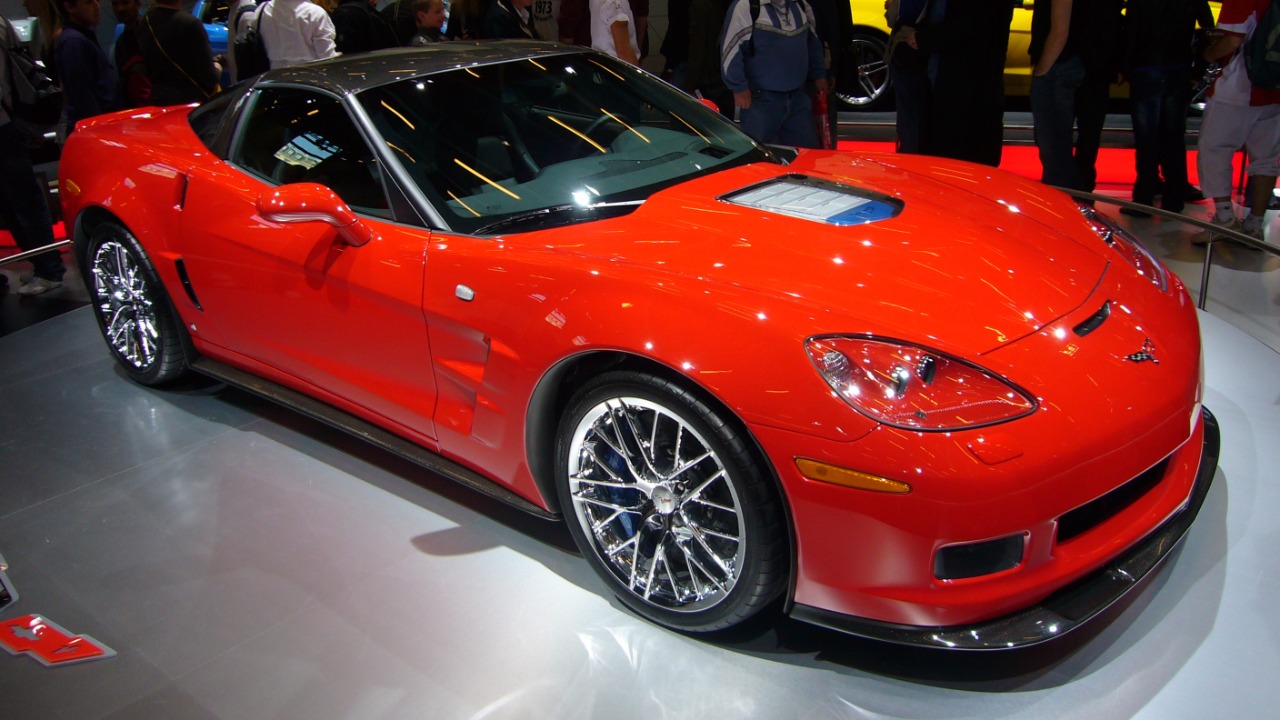
The C6 Corvette ZR1 shocked critics who still viewed American performance cars as unsophisticated compared to European exotics. Equipped with a supercharged LS9 V8 producing over 600 horsepower, it delivered world-class straight-line speed and genuine track capability. Carbon-fiber components and magnetic suspension technology elevated refinement beyond previous Corvettes. Early skepticism disappeared once testing revealed Nürburgring times rivaling elite supercars at a fraction of the cost. The ZR1 transformed international perception of Chevrolet engineering and proved American manufacturers could compete globally without sacrificing raw character or affordability.
Porsche Cayman
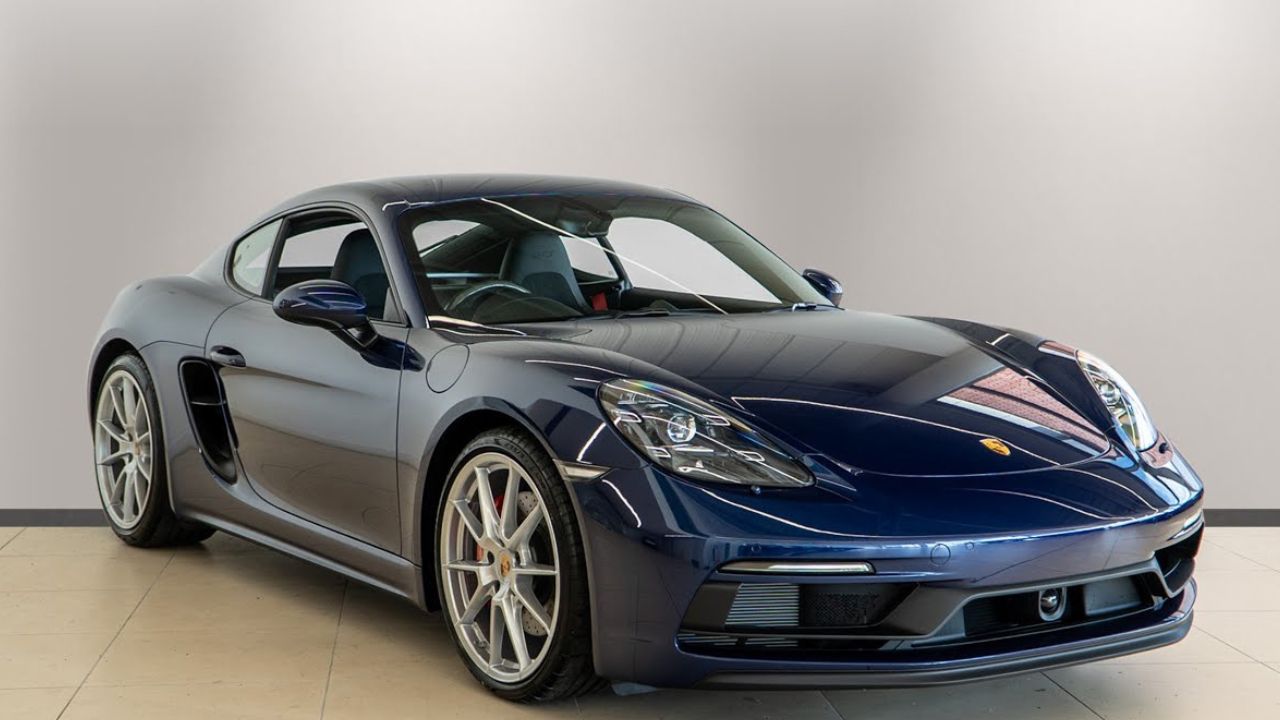
The Porsche Cayman initially faced criticism for being positioned beneath the legendary 911 in Porsche’s lineup. Some assumed it existed merely to protect the flagship model rather than establish its own identity. Once reviewers experienced its mid-engine balance and precise handling, perceptions changed rapidly. Many argued the Cayman delivered a purer driving experience than contemporary 911s, especially on technical roads. Its compact dimensions and communicative chassis earned widespread praise. The Cayman ultimately surprised critics by proving Porsche could build a “junior” sports car that felt every bit as serious as its more expensive sibling.
Acura NSX
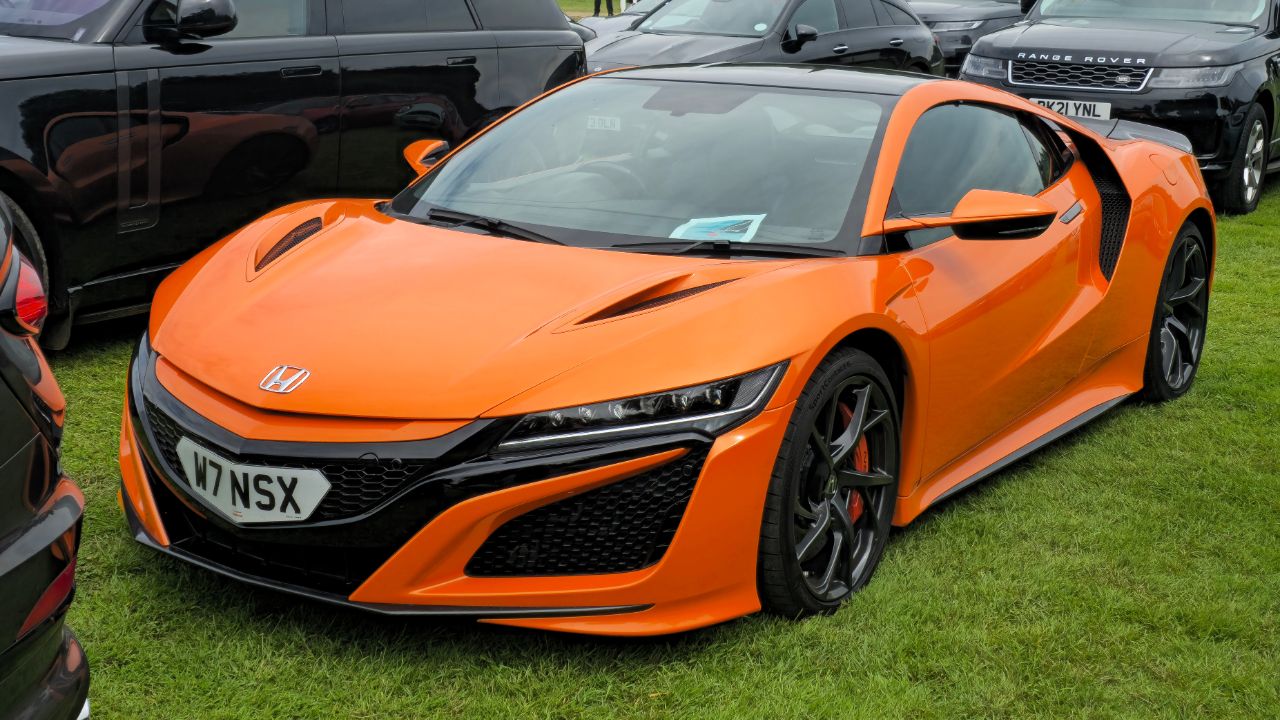
Before the original Acura NSX arrived, many enthusiasts doubted that a Japanese manufacturer could challenge established European exotic brands. The NSX stunned reviewers with its aluminum construction, mid-engine layout, and everyday reliability. Developed with input from Ayrton Senna, it combined sharp handling with ergonomics and usability absent from many rivals. Ferrari owners suddenly faced a new benchmark for build quality and drivability. Critics who expected a simple imitation instead encountered a revolutionary supercar that permanently reshaped expectations for performance engineering and forced European manufacturers to modernize their own offerings.
Ford GT
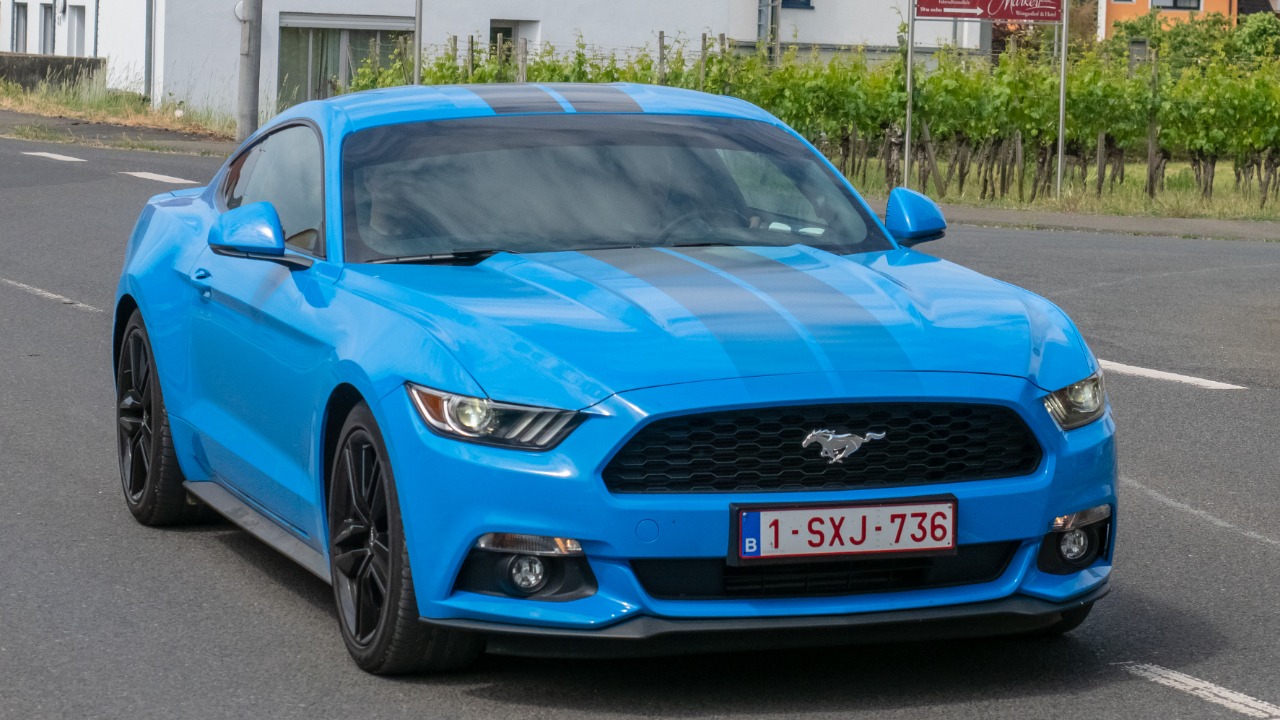
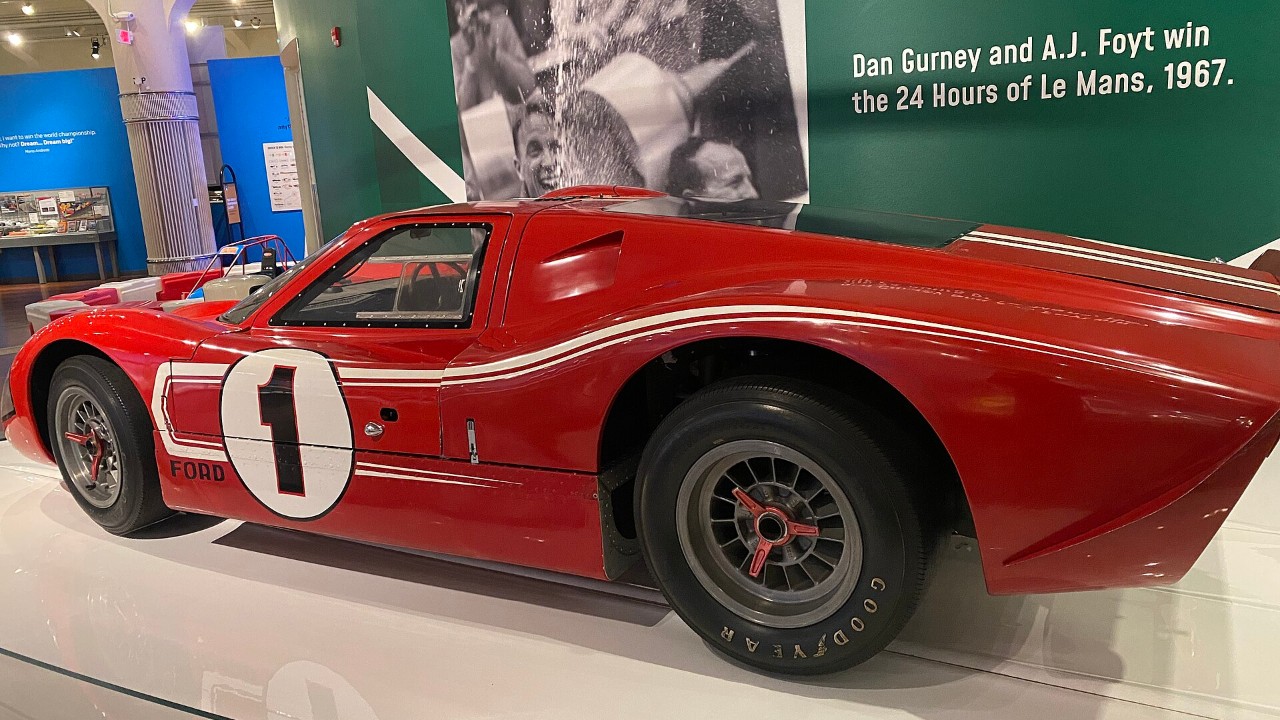
The 2005 Ford GT initially seemed like a nostalgic styling exercise built to celebrate Ford’s Le Mans heritage. Critics wondered whether retro design could deliver genuine modern performance credibility. Instead, the supercharged V8 and lightweight chassis produced astonishing speed and stability. Reviews praised its mechanical feel, everyday usability, and race-inspired driving dynamics. The GT exceeded expectations so dramatically that it became an instant collector favorite. More importantly, it demonstrated Ford could produce a halo car capable of standing beside elite European supercars without feeling compromised or gimmicky.
BMW M5
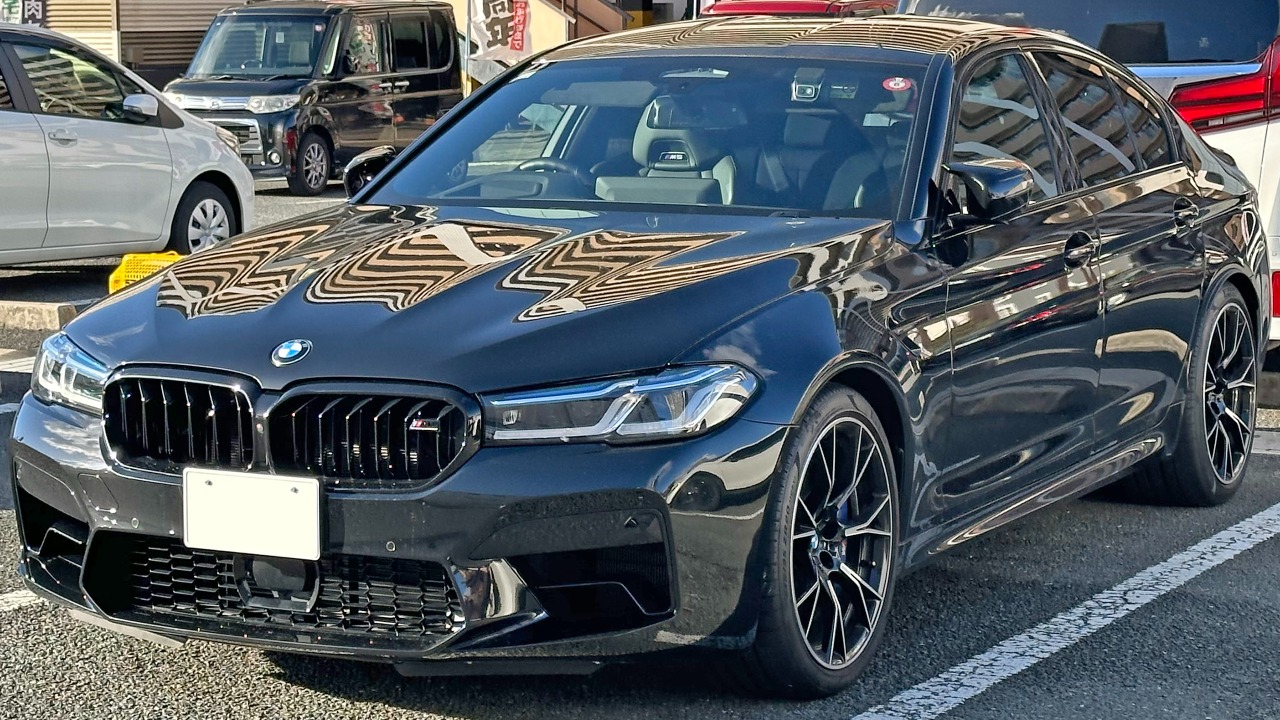
The E39 BMW M5 surprised critics by blending luxury sedan comfort with genuine sports car capability. On paper, a four-door executive car didn’t seem likely to redefine performance expectations. Yet its naturally aspirated V8, perfectly tuned manual transmission, and balanced chassis created an experience enthusiasts still celebrate decades later. Reviewers praised its ability to dominate highways while remaining comfortable for daily driving. The E39 M5 became the benchmark for modern supersedans, proving practicality and thrilling performance could coexist without diluting either quality.
Mazda RX-7
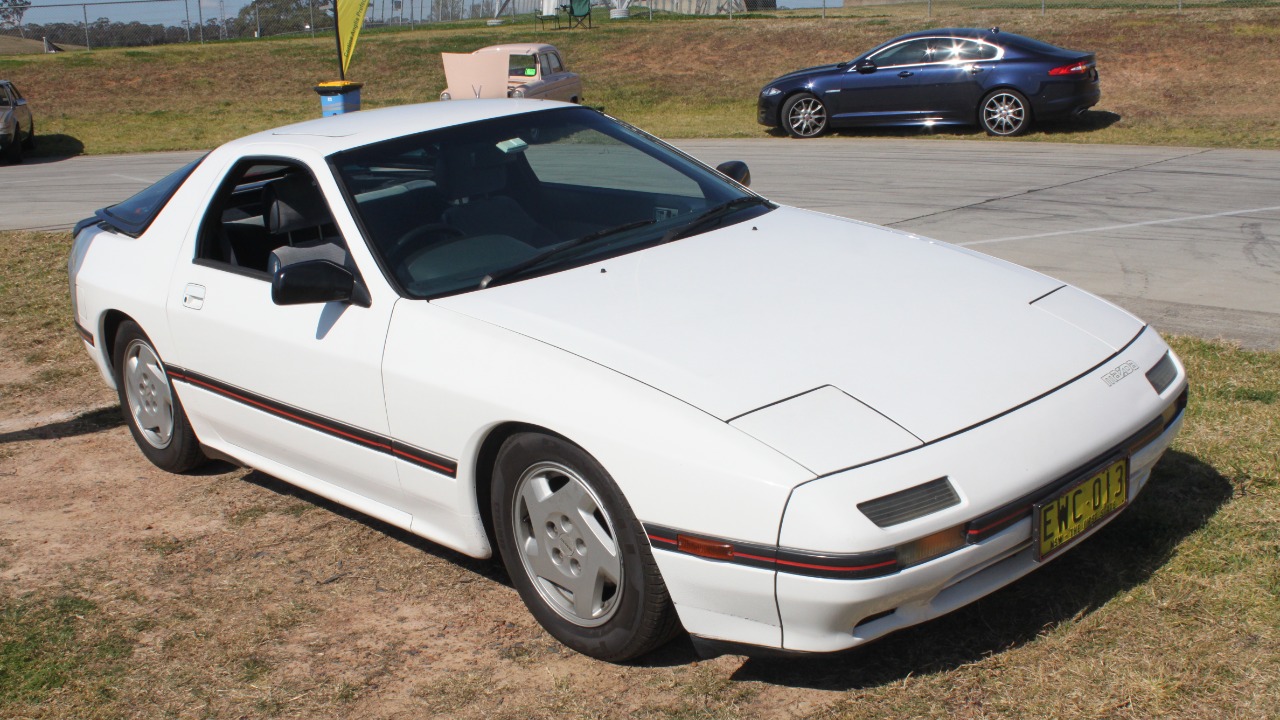
The FD Mazda RX-7 faced skepticism because of its rotary engine, which many considered unreliable and overly complex. Once drivers experienced its lightweight chassis and sequential twin-turbo power delivery, criticism shifted toward admiration. The RX-7 delivered razor-sharp handling and responsiveness unmatched by many larger rivals. Its sleek styling also aged exceptionally well, enhancing long-term appreciation. Though ownership required commitment, enthusiasts embraced its unique personality. Over time, the FD evolved into one of the most respected Japanese performance cars ever built, with collectors now competing fiercely for clean examples.
Dodge Viper
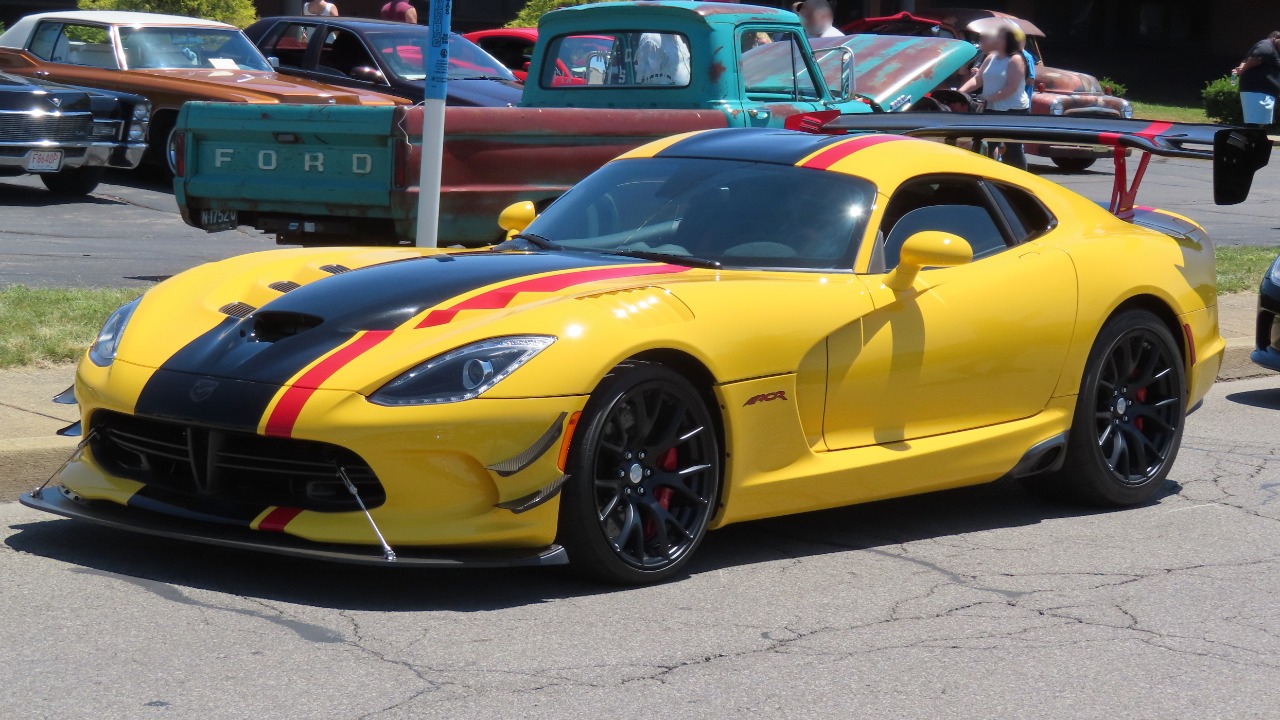
The original Dodge Viper shocked critics by embracing raw performance at a time when many sports cars were becoming increasingly refined. With no traction control, minimal weather protection, and a massive V10 engine, it felt more like a street-legal race car than a traditional production vehicle. Some reviewers initially viewed it as excessive and impractical. Once tested, however, its brutal acceleration and dramatic character became undeniable strengths. The Viper proved there was still an audience for unapologetically analog performance, establishing itself as one of America’s boldest modern automotive statements.
Audi R8
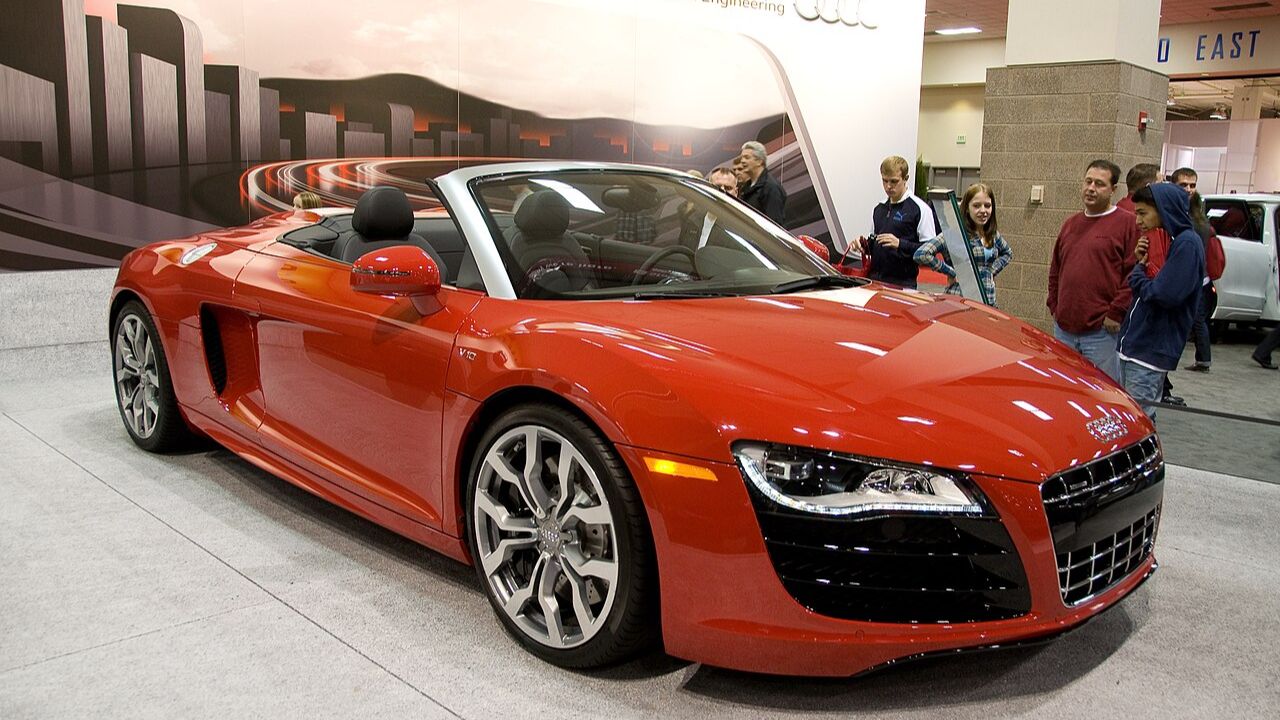
The Audi R8 surprised critics who questioned whether Audi could produce a true exotic sports car. Known primarily for luxury sedans and all-wheel-drive rally heritage, the company entered unfamiliar territory with the mid-engine R8. Reviewers quickly discovered exceptional chassis balance, everyday comfort, and remarkable build quality. The gated manual transmission and naturally aspirated V8 added emotional appeal often missing from technology-heavy rivals. The R8 exceeded expectations by proving a supercar could be approachable without losing excitement, helping Audi establish lasting credibility within the high-performance exotic segment.
More from Fast Lane Only