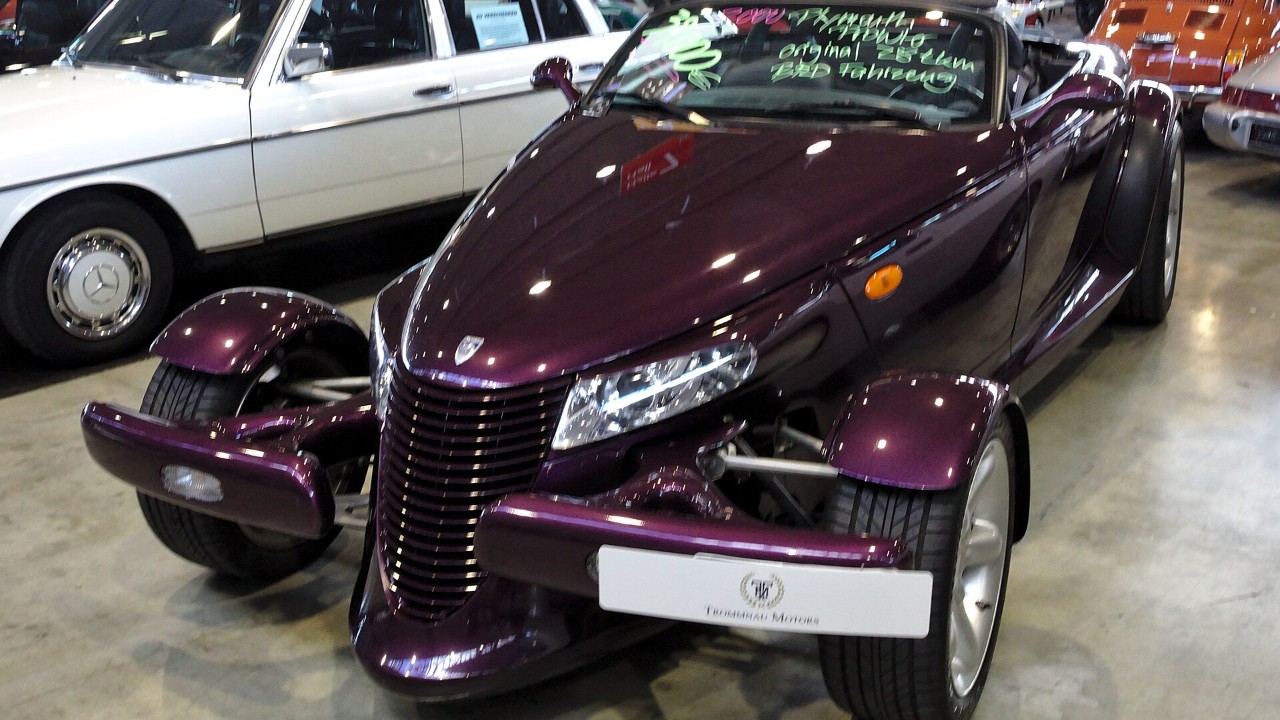
Before modern launch control systems and advanced electronics, raw V8 power and driver skill ruled the streets. During the muscle car era, stoplight racing became part of American car culture as automakers competed to build faster and more aggressive machines. Big-block engines, lightweight bodies, and bold styling helped create some of the most legendary street racers ever produced.
These classic-era machines became icons of stoplight racing and straight-line performance.
1969 Dodge Charger R/T

The 1969 Dodge Charger R/T became one of the most feared street racing machines of the muscle car era because of its massive V8 power and aggressive styling. Equipped with engines like the legendary 426 HEMI or the 440 Magnum, the Charger delivered brutal straight-line acceleration that made it dominant in stoplight races. Its long body, hidden headlights, and deep exhaust note gave it a threatening road presence that perfectly matched its performance. Street racers loved the Charger because it combined high horsepower with rear-wheel-drive simplicity, allowing drivers to unleash tire-smoking launches and powerful highway pulls that defined American street racing culture during the late 1960s.
1970 Chevrolet Chevelle SS 454
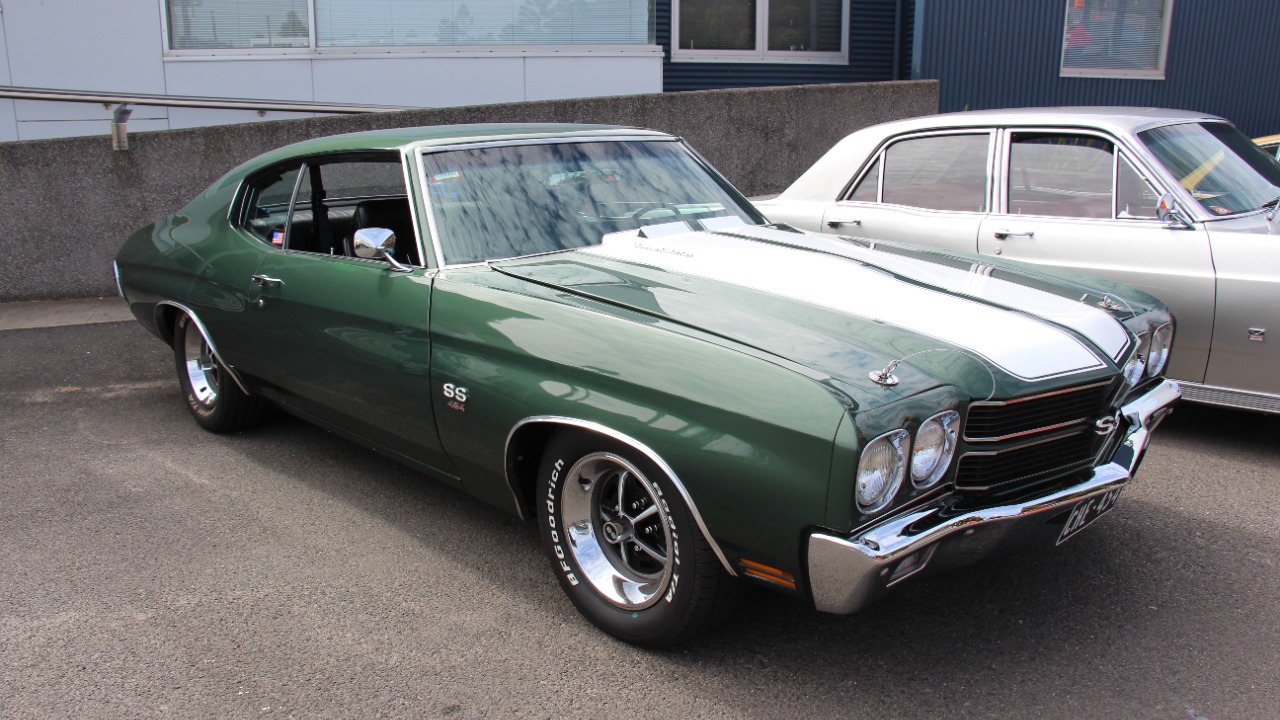
The 1970 Chevrolet Chevelle SS 454 became legendary because of its enormous big-block V8 and explosive acceleration. Powered by the LS6 454 engine, it produced massive torque that made stoplight launches incredibly violent for its era. Enthusiasts admired the Chevelle because it looked relatively simple yet could outrun many competitors in straight-line racing. Its aggressive stance, loud exhaust, and rear-wheel-drive layout made it a favorite among street racers throughout the 1970s. The car’s reputation grew because it delivered raw muscle without complicated technology, relying purely on displacement and torque to dominate late-night street races and drag strips across America.
1971 Plymouth ‘Cuda 426 HEMI

The 1971 Plymouth ‘Cuda 426 HEMI became one of the ultimate stoplight racing icons because of its legendary HEMI engine and intimidating performance. Its massive horsepower and incredible torque allowed it to launch aggressively and overwhelm competitors in short-distance races. The bold styling, shaker hood, and wide stance gave the car enormous street presence, helping it gain mythical status among muscle car enthusiasts. Drivers respected the ’Cuda because it delivered brutal acceleration while maintaining a raw driving feel with minimal electronic assistance. Today, it remains one of the most collectible American muscle cars ever built because of its performance reputation and rarity.
1967 Pontiac GTO
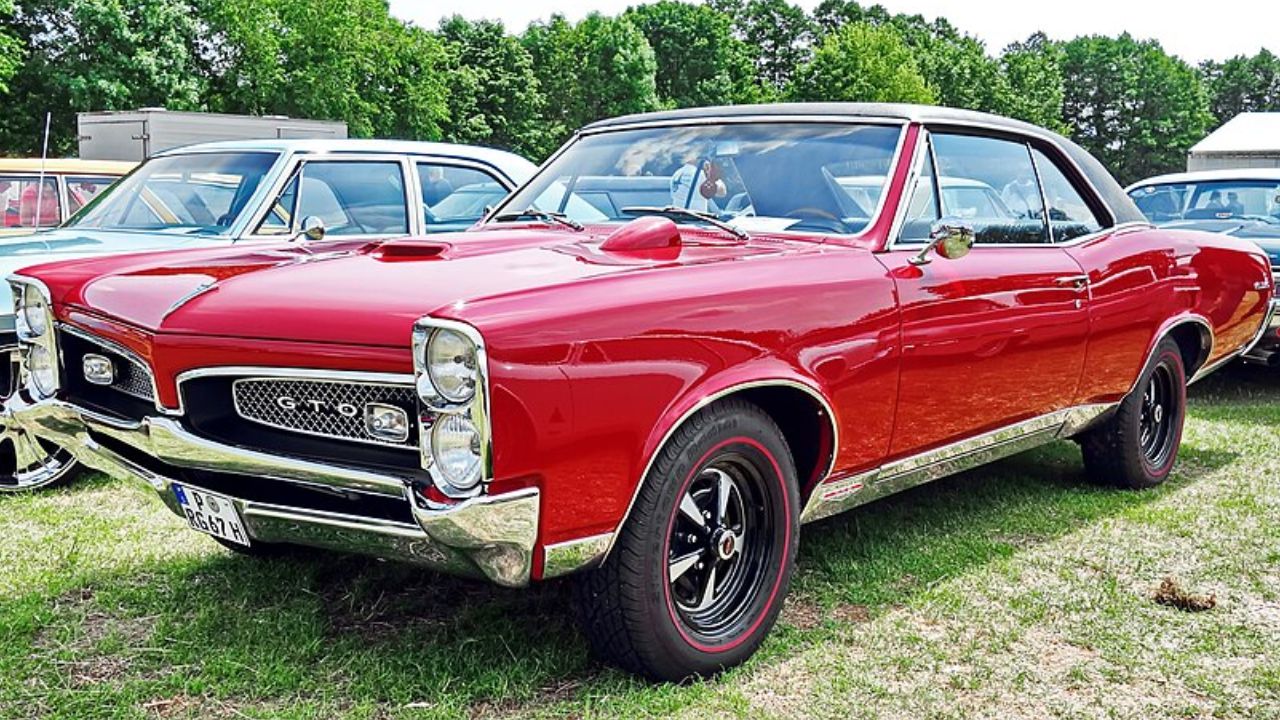
The 1967 Pontiac GTO helped establish the muscle car formula that fueled stoplight racing culture throughout America. Its large V8 engine, lightweight midsize body, and aggressive gearing gave drivers impressive acceleration for the time. The GTO became especially popular among younger enthusiasts who wanted affordable performance capable of embarrassing more expensive cars in street races. Its combination of torque, loud exhaust, and rear-wheel-drive balance made it exciting to launch from traffic lights and highway roll races alike. Many historians credit the GTO for helping create the golden age of American muscle cars and the street racing culture surrounding them.
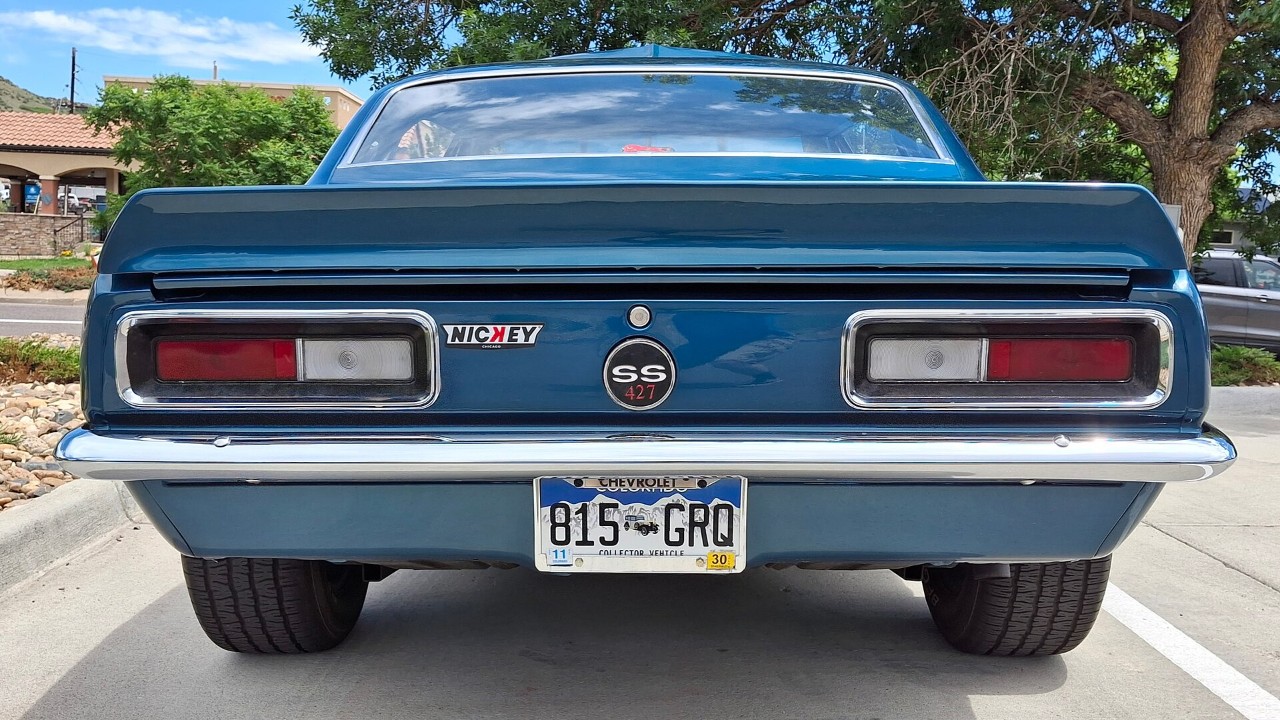
1968 Ford Mustang Cobra Jet

The 1968 Ford Mustang Cobra Jet earned a reputation as a street racing monster because of its powerful 428 Cobra Jet V8 engine and lightweight fastback design. Built specifically to improve drag-strip performance, the Cobra Jet delivered impressive quarter-mile times and rapid acceleration from a stop. Drivers loved how easily the car could overpower its rear tires during hard launches, making it both intimidating and entertaining on the street. The aggressive styling and racing-inspired image added to its appeal among muscle car fans. The Cobra Jet became one of Ford’s most respected classic-era performance machines because of its raw speed and street credibility.
1970 Buick GSX
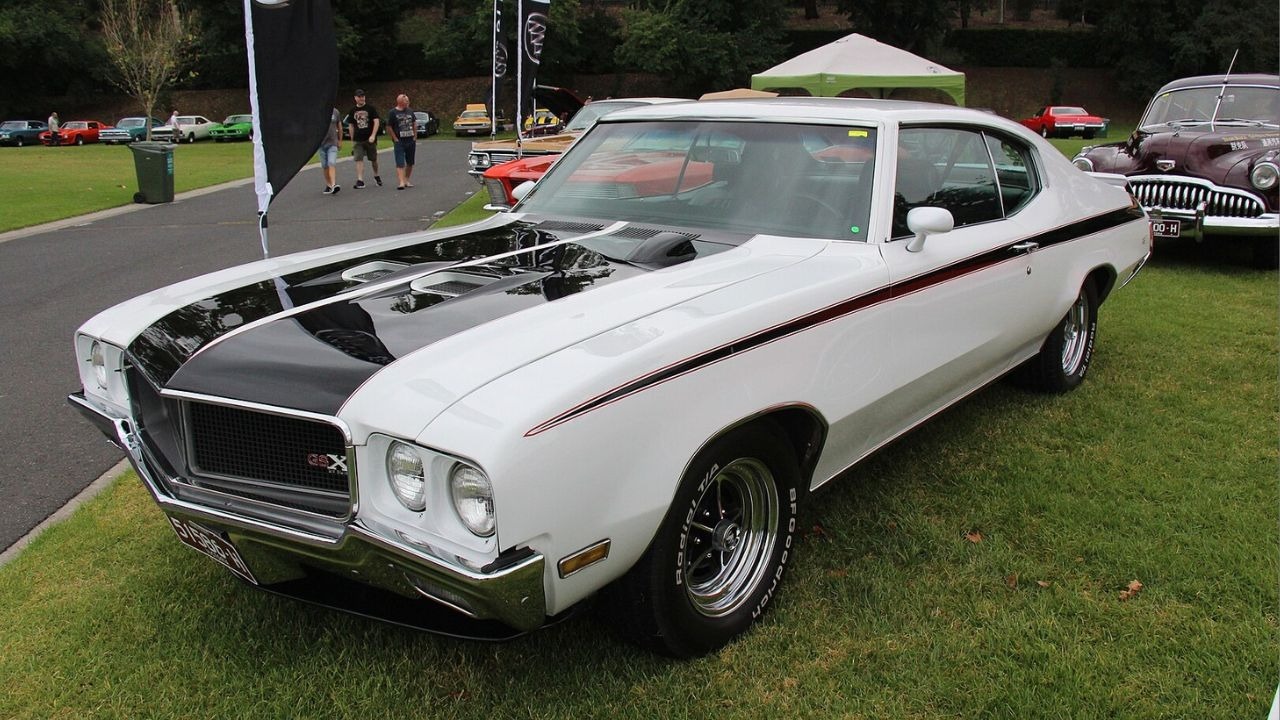
The 1970 Buick GSX shocked many enthusiasts because it combined luxury styling with one of the most powerful torque-heavy engines of the muscle car era. Its massive 455 cubic-inch V8 delivered incredible low-end acceleration, making it extremely dangerous in stoplight races. Although Buick was traditionally associated with comfort rather than performance, the GSX changed expectations by producing brutal straight-line speed capable of outrunning many rivals. The bold paint colors, hood tachometer, and aggressive appearance helped establish its identity as a serious street machine. Drivers respected the GSX because it delivered both comfort and tire-shredding performance in a unique package.
1969 AMC AMX
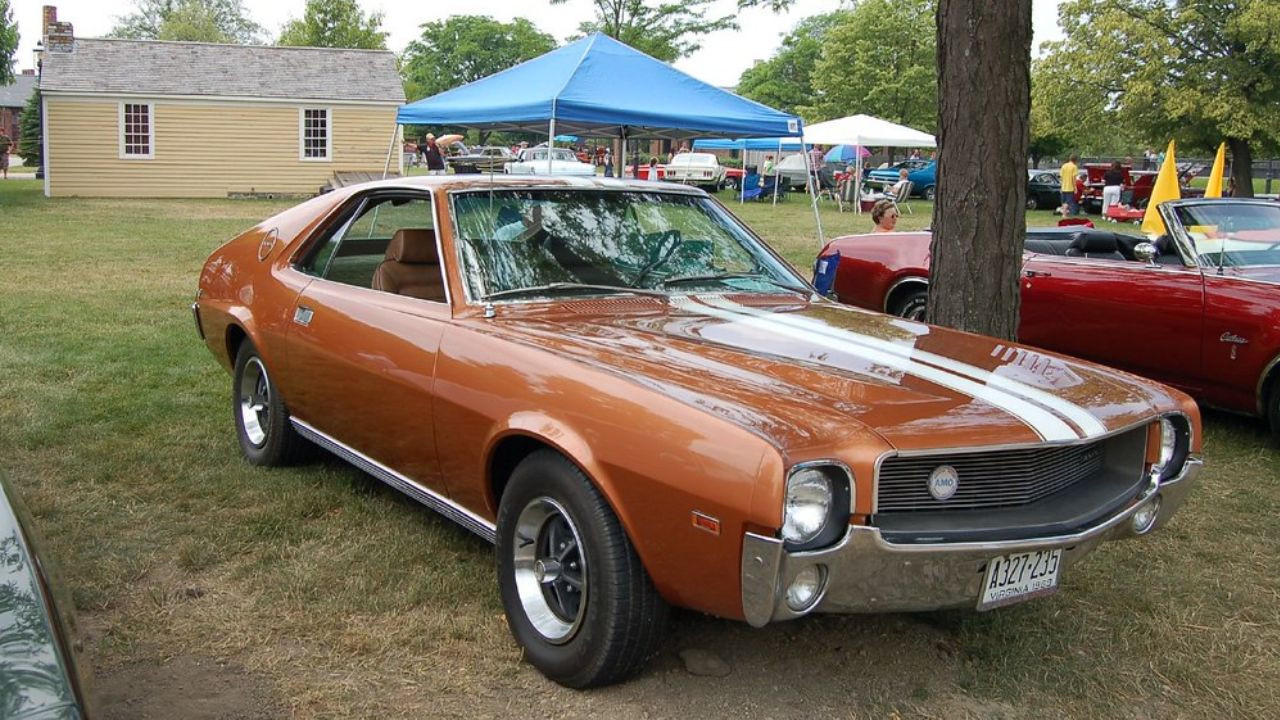
The 1969 AMC AMX became a respected street racer because of its short wheelbase, lightweight construction, and available high-performance V8 engines. Unlike larger muscle cars, the AMX felt compact and aggressive, giving it quick acceleration and lively handling characteristics. Its rarity and unusual styling helped it stand out at local races and car gatherings. Drivers appreciated the AMX because it offered strong performance without following the same formula as more common Detroit muscle cars. The combination of raw V8 power and compact dimensions made it especially effective during stoplight racing situations where quick launches mattered most.
1970 Oldsmobile 442 W-30
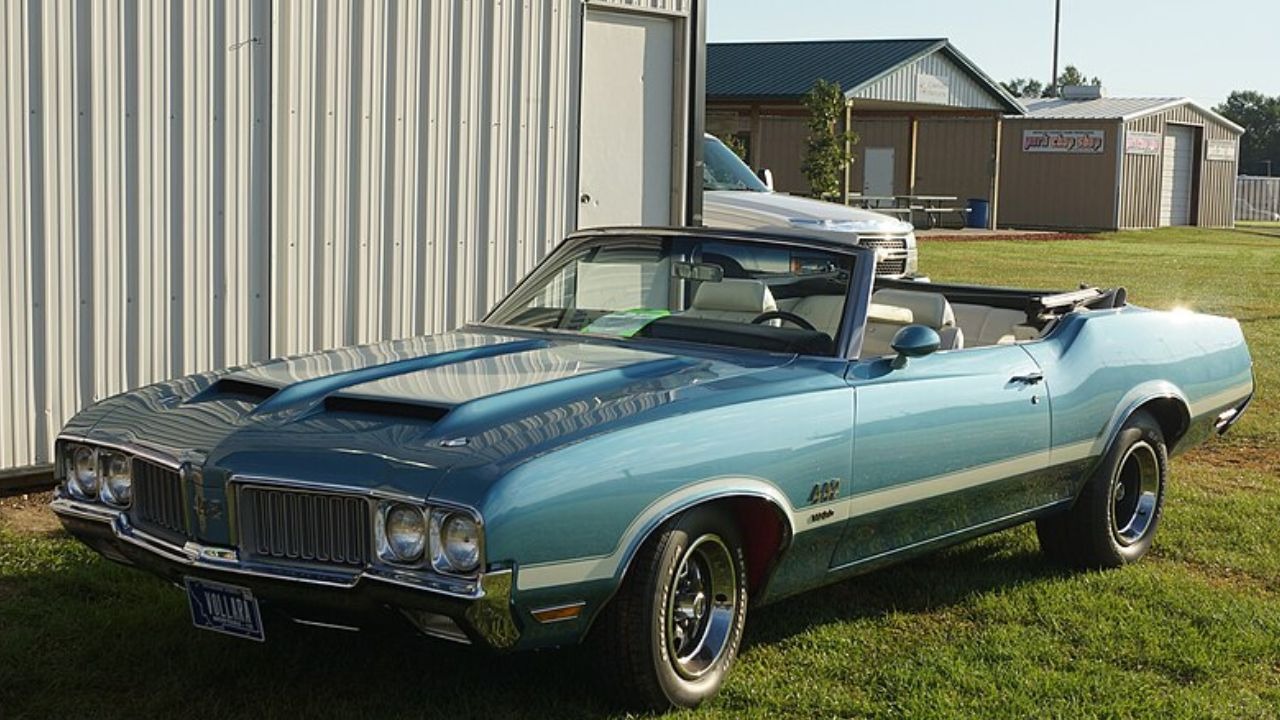
The 1970 Oldsmobile 442 W-30 earned legendary status because of its powerful V8 engine, aggressive induction system, and impressive acceleration. Built with performance upgrades designed for drag racing and street competition, the W-30 delivered strong launches and high-speed pulling power. Its understated appearance often caught rivals by surprise, helping it develop a sleeper reputation among muscle car enthusiasts. Drivers respected the 442 because it balanced brute-force acceleration with relatively refined road manners for the era. The W-30 package transformed the already capable 442 into one of the most respected classic stoplight racing machines ever produced.
More From Fast Lane Only: