The 1970s produced some unforgettable cars, but it was also a difficult decade for the American auto industry. Emissions regulations, fuel shortages, rising insurance costs, and rushed engineering decisions created plenty of models that have become challenging classics. These eight are recognizable names, but buyers should approach rough examples carefully because restoration and mechanical work can quickly become expensive.
Chevrolet Vega
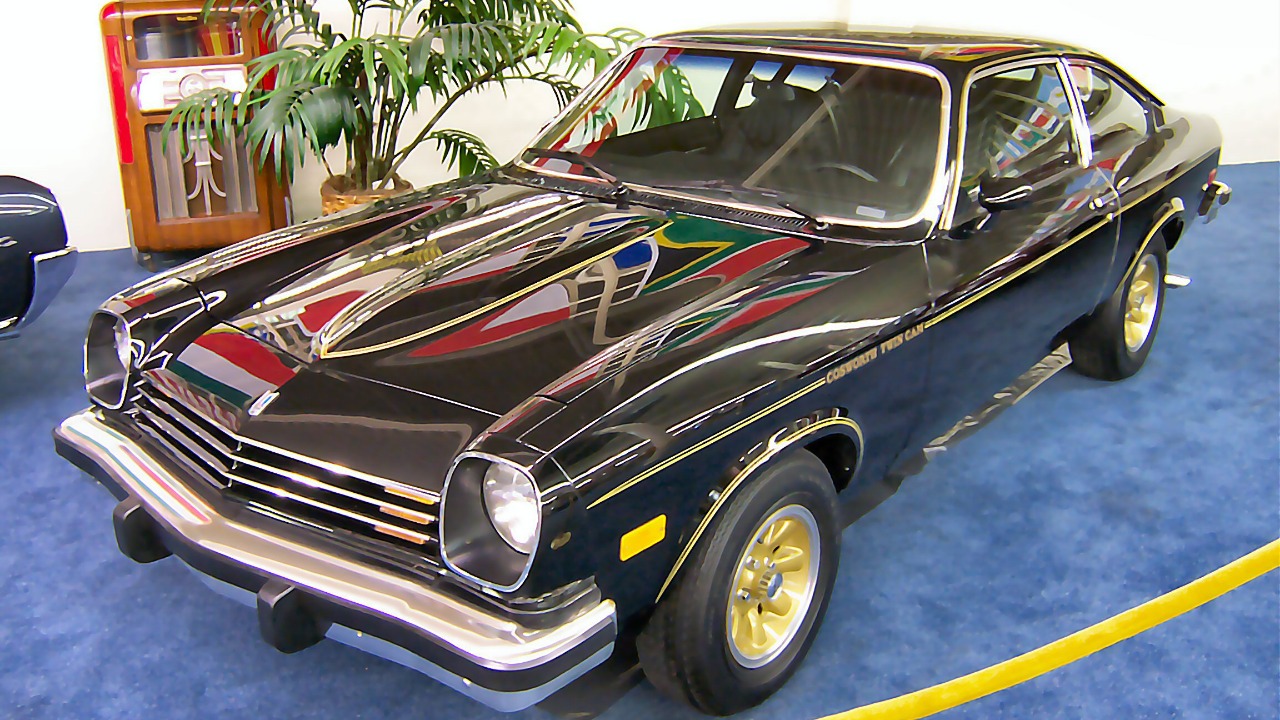
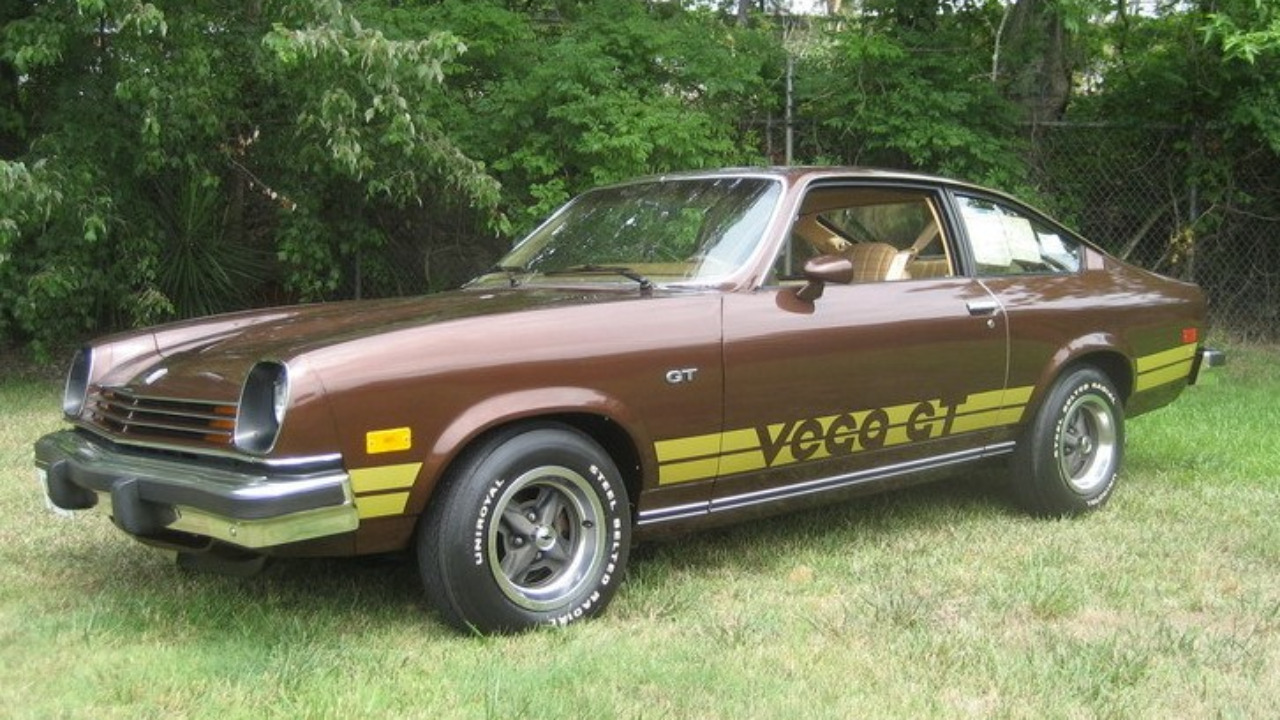
The Chevrolet Vega was ambitious, but its aluminum engine and body-corrosion problems gave it a poor reputation during its production run. Rust could become a serious issue, while engine durability varied considerably depending on maintenance. Surviving examples are now interesting because of their historical importance, but an inexpensive project can require extensive structural and mechanical work. Condition matters enormously with any Vega today.
Ford Pinto
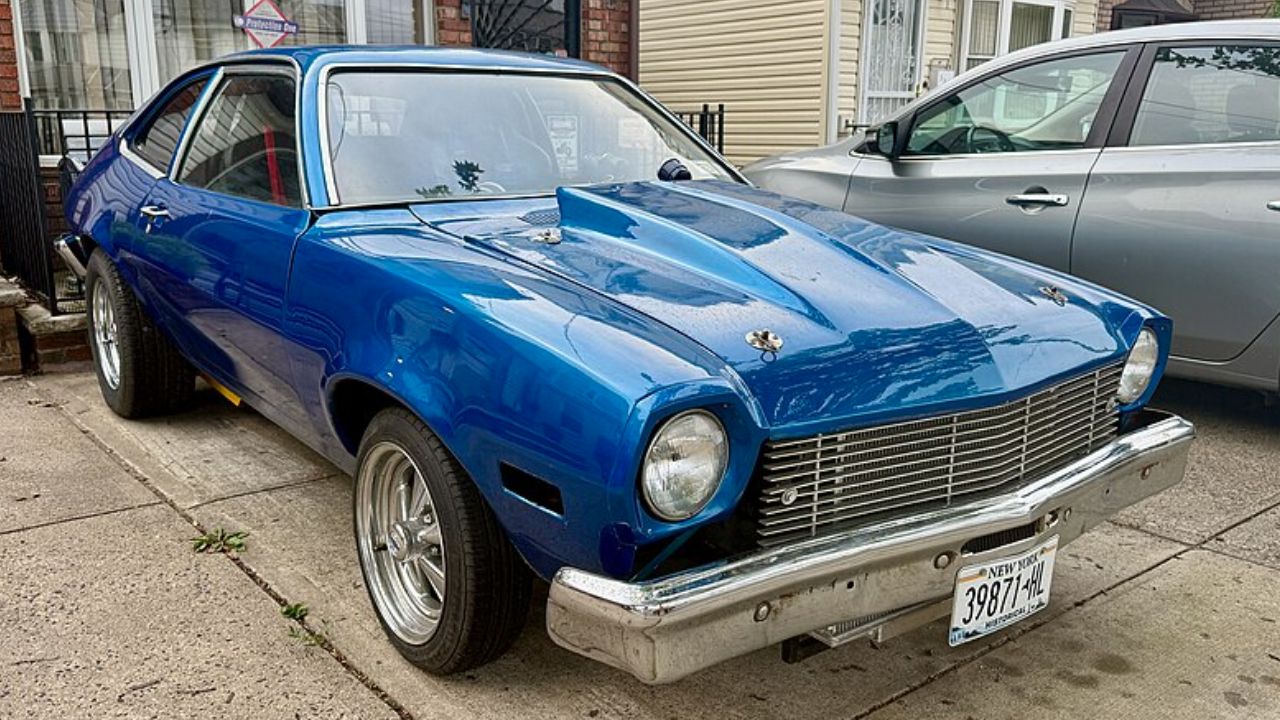
The Ford Pinto became one of the most controversial American cars of its era, while age has created additional concerns for surviving examples. Rust is a major issue, particularly on cars that spent decades outdoors. Mechanical components are generally simpler than those of many later classics, but finding solid bodywork and original trim can be difficult. A rough Pinto can quickly become more restoration project than collectible.
AMC Pacer

The AMC Pacer remains one of the most distinctive American cars ever built, but its unusual construction can make ownership challenging. Large areas of glass, extensive bodywork, and specialized trim are not always easy to replace. Rust can also be a serious concern. Its quirky styling has made it collectible, but buyers should inspect carefully rather than assuming every surviving Pacer is worth restoring.
Chevrolet Monza
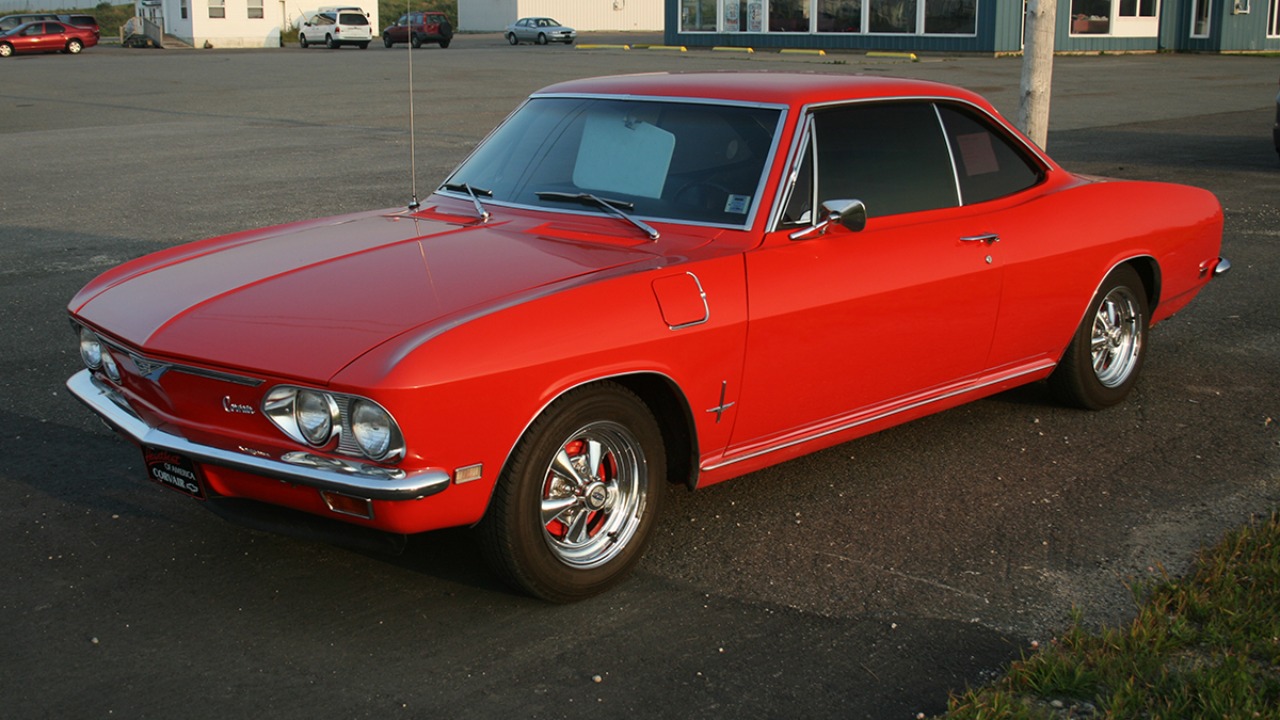
The Chevrolet Monza offered sporty styling and compact dimensions, but many examples were equipped with engines and drivetrains that became increasingly difficult to keep in top condition. Rust and aging electrical systems can add to the problems. Performance versions are more desirable, but rough examples can require substantial investment. Buyers should prioritize solid bodies and complete cars rather than inexpensive projects missing original parts.
Ford Mustang II
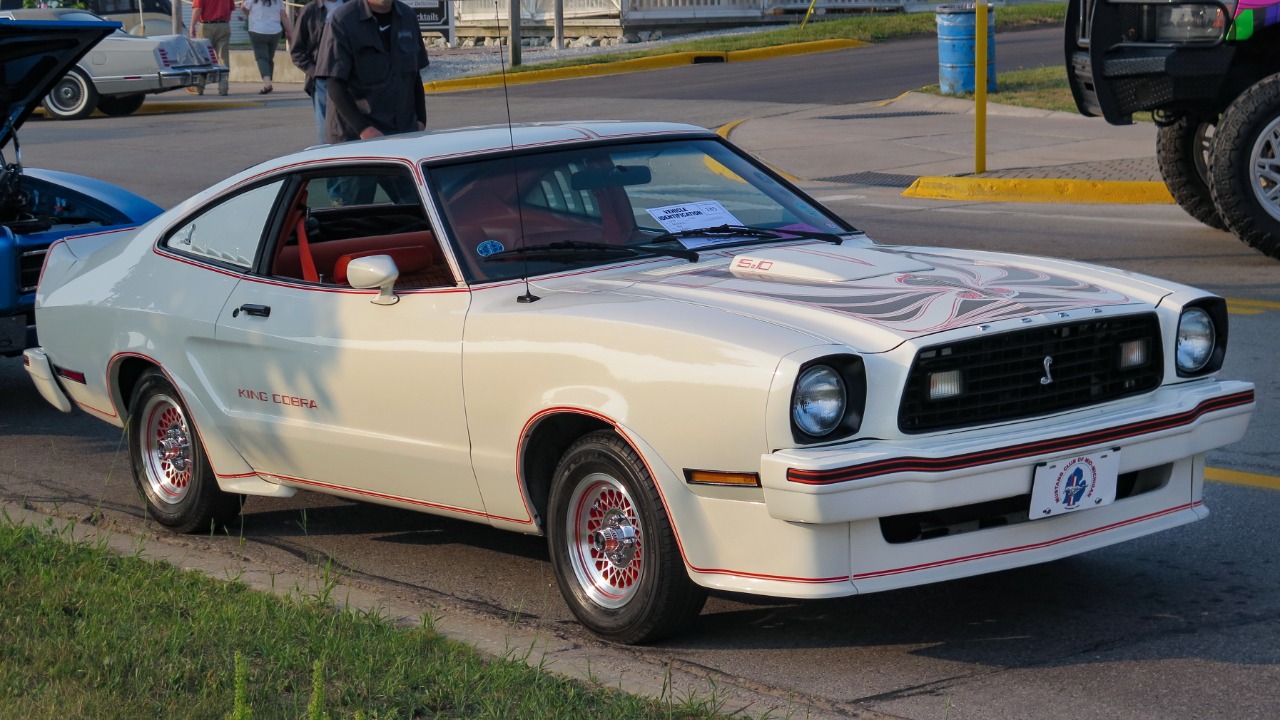
The Ford Mustang II arrived during a major shift in the American automotive market, replacing the larger muscle-car formula with a smaller, more economical design. Some versions were reliable transportation, but age-related rust, worn interiors, and neglected mechanical systems are now common. Performance versions have collector appeal, yet ordinary project cars can require more work than their modest values justify.
Pontiac Astre
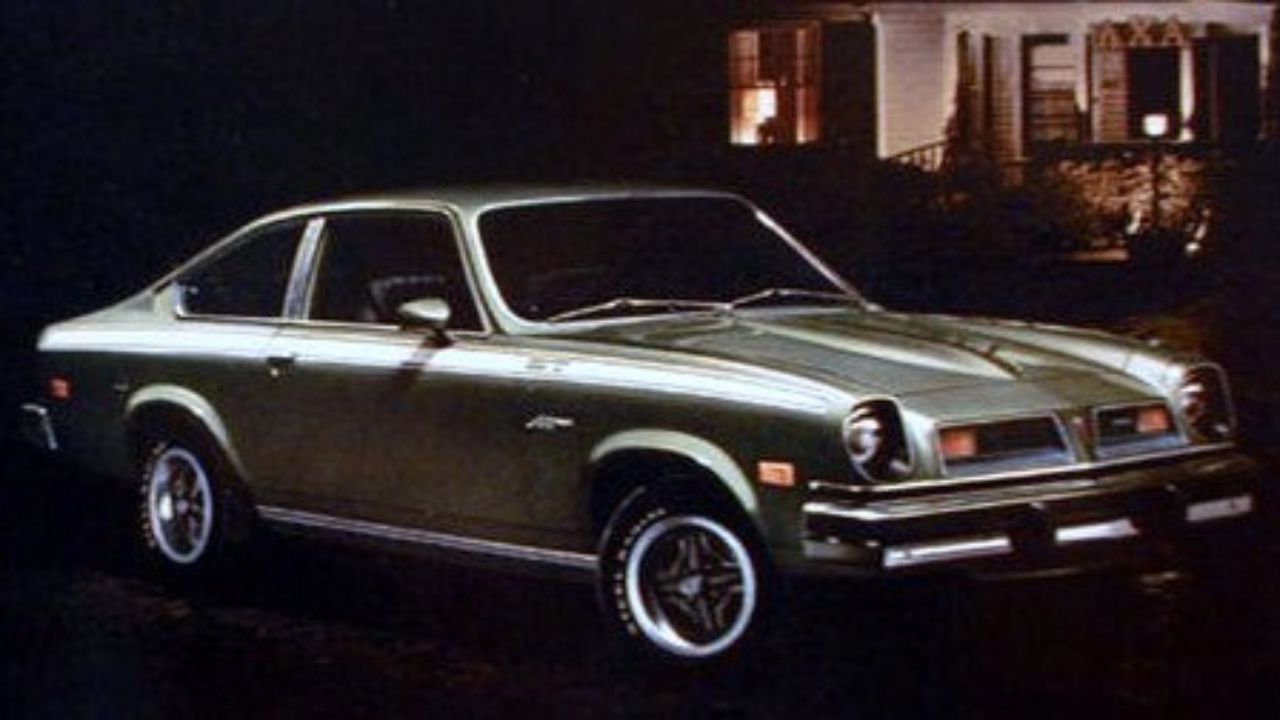
The Pontiac Astre shared much of its basic engineering with the Chevrolet Vega, which means buyers face many of the same age-related concerns. Rust and engine issues can make neglected examples particularly difficult to restore. Its Pontiac styling gives it a distinctive appearance, but replacement parts and good body panels are not always easy to find. A complete, solid example is considerably more desirable than a cheap fixer-upper.
Chrysler Cordoba
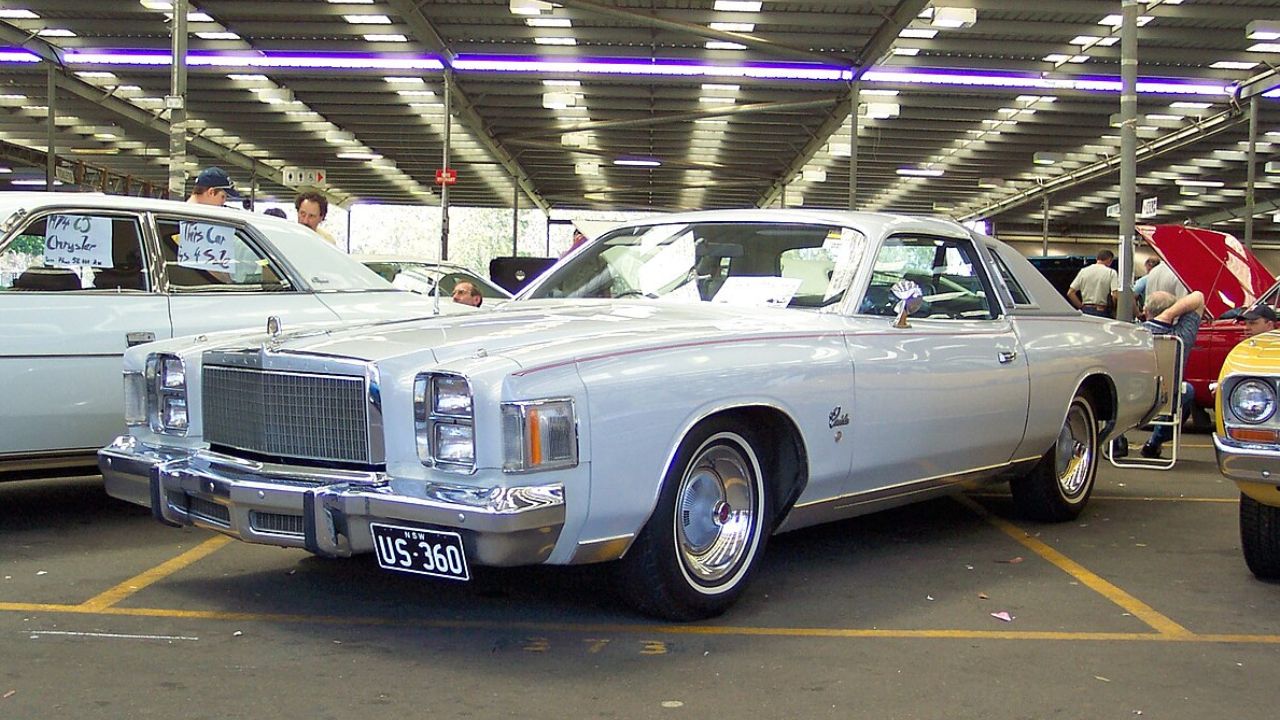
The Chrysler Cordoba became famous for its personal-luxury styling, but neglected examples can develop a long list of age-related problems. Rust, worn interiors, failing electrical equipment, and tired suspension components can quickly increase restoration costs. Its large body also makes cosmetic repairs expensive. A well-preserved Cordoba can be entertaining, but rough examples should be approached with considerable caution.
Oldsmobile Omega

The Oldsmobile Omega represented GM’s attempt to offer a smaller car during a period when buyers were increasingly concerned about fuel economy. Early versions were mechanically conventional, but decades of rust, wear, and neglected maintenance have made surviving examples difficult. The model lacks the collector support enjoyed by more famous Oldsmobiles. That can make sourcing certain trim and restoration components unnecessarily challenging today.
More from Fast Lane Only
- Unboxing the WWII Jeep in a Crate
- 15 rare Chevys collectors are quietly buying
- 10 underrated V8s still worth hunting down
- Police notice this before you even roll window down
*Research for this article included AI assistance, with all final content reviewed by human editors