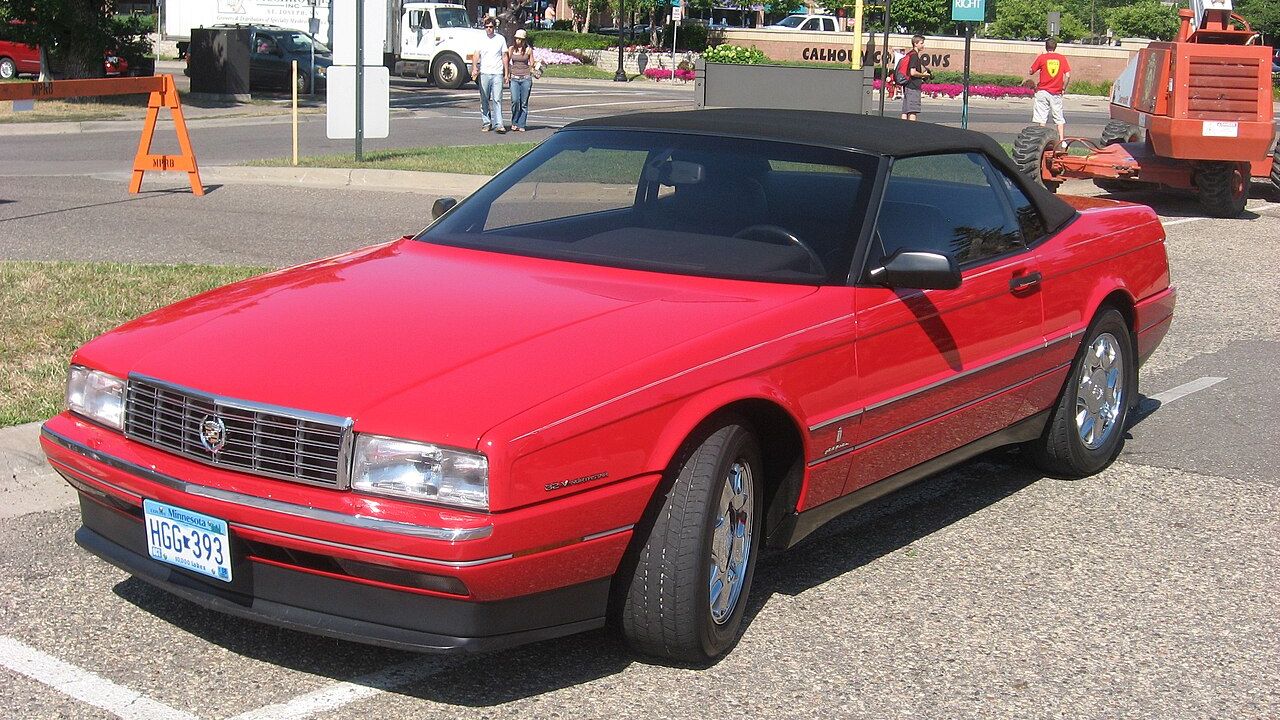
The 1980s produced plenty of memorable cars, but not every classic from the decade is worth buying today. Some suffered from fragile engines, complicated electronics, poor rust protection, or expensive parts. Others were simply ordinary cars that became difficult to restore after decades of neglect. These eight deserve extra caution before you buy one.
Cadillac Allanté
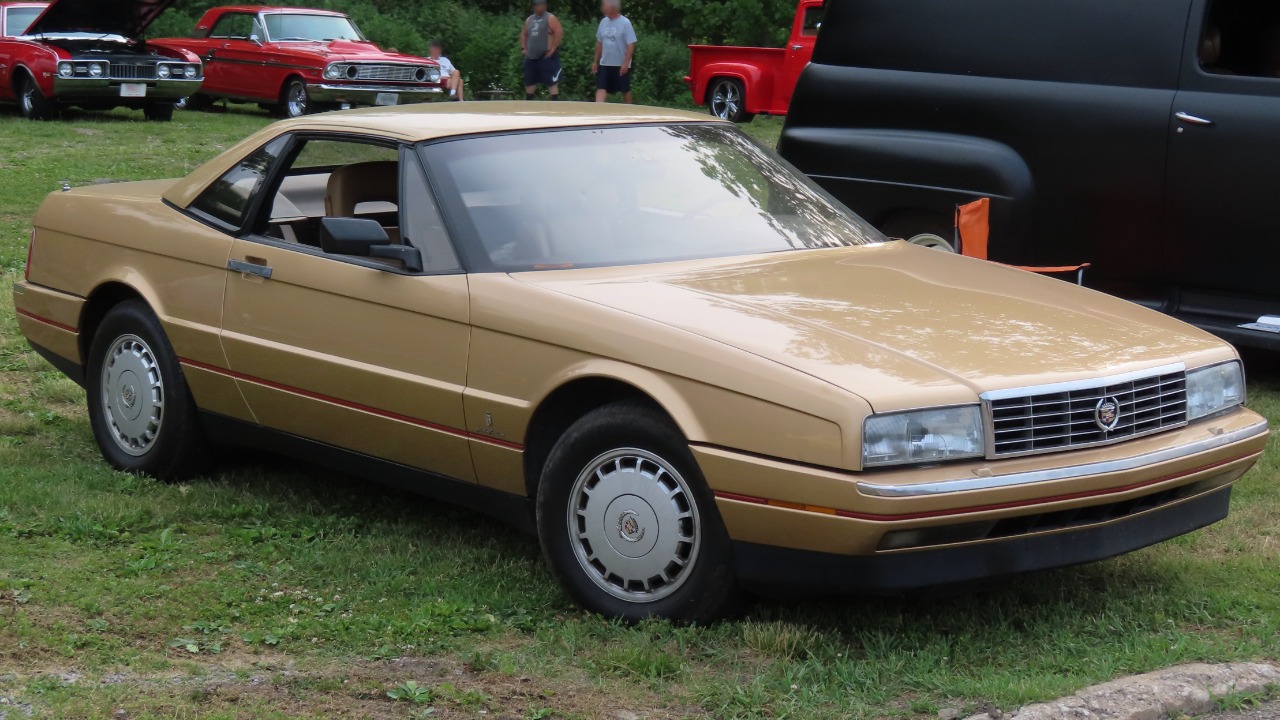
The Allanté combined Italian-designed bodywork with Cadillac luxury, but its advanced electronics and expensive components can make neglected examples difficult to own. The Northstar-era cars also developed reputations for costly mechanical problems. A cheap Allanté can therefore become an expensive project surprisingly quickly. Complete cars with strong maintenance histories are far safer purchases.
Chrysler LeBaron
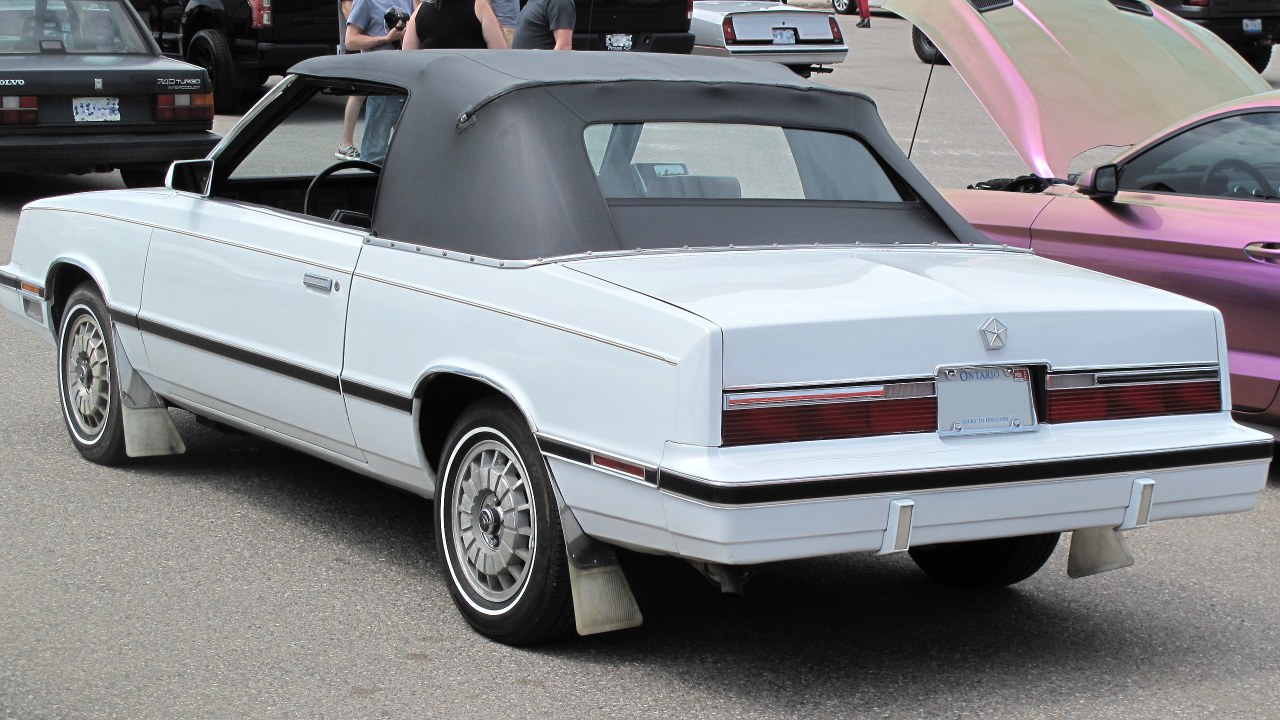
The LeBaron was everywhere in the 1980s, but age has exposed plenty of weaknesses. Turbocharged versions can be particularly demanding when neglected, while electrical faults, worn interiors, and aging transmissions can add up quickly. Many were inexpensive daily drivers rather than carefully preserved cars. Buyers should prioritize documented maintenance and solid bodywork over low purchase prices.
Chevrolet Citation
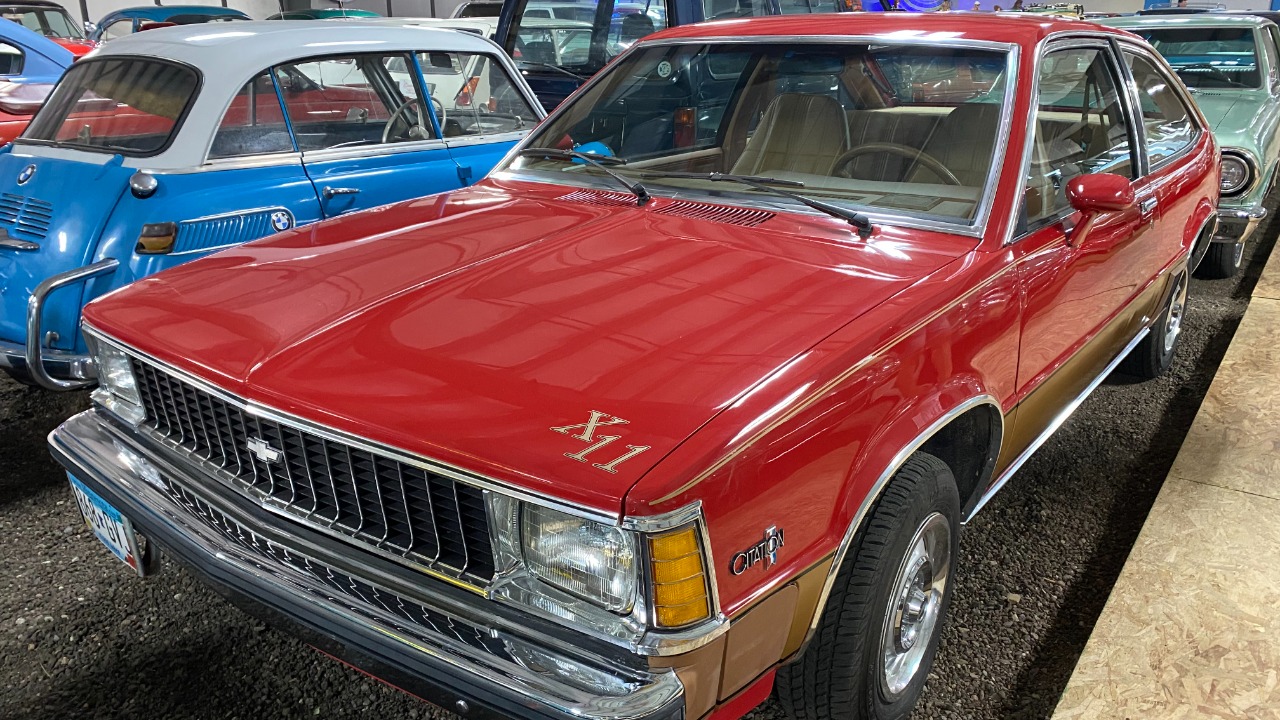
The Citation was one of Chevrolet’s major front-wheel-drive experiments, but early examples developed reputations for reliability and quality problems. Rust, aging electronics, and difficult-to-source trim can make restoration challenging today. Although the model has historical significance, buying a neglected example can require more work than its modest collector value justifies.
Ford Tempo
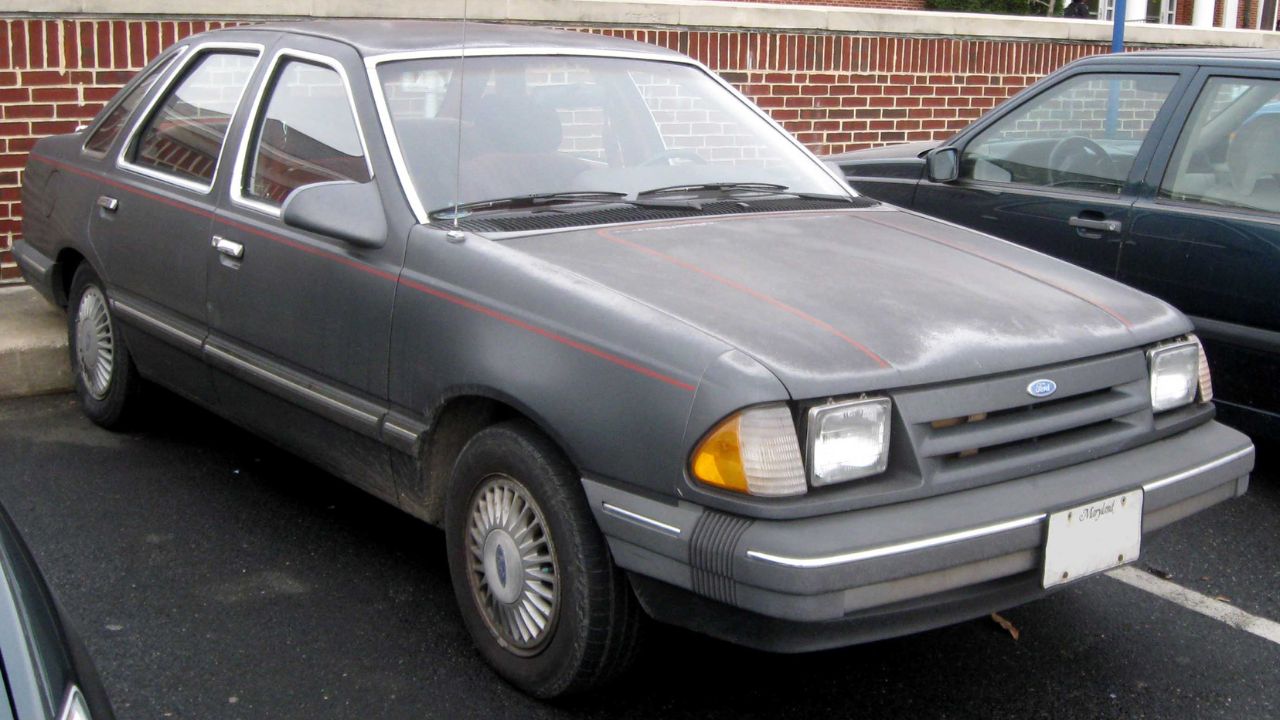
The Tempo was built primarily as affordable everyday transportation, not as a future collectible. That means many surviving examples have experienced decades of hard use and minimal preservation. Rust, worn drivetrains, and deteriorated interiors are common concerns. Parts may be inexpensive, but finding a genuinely solid survivor can be harder than expected.
Pontiac Fiero
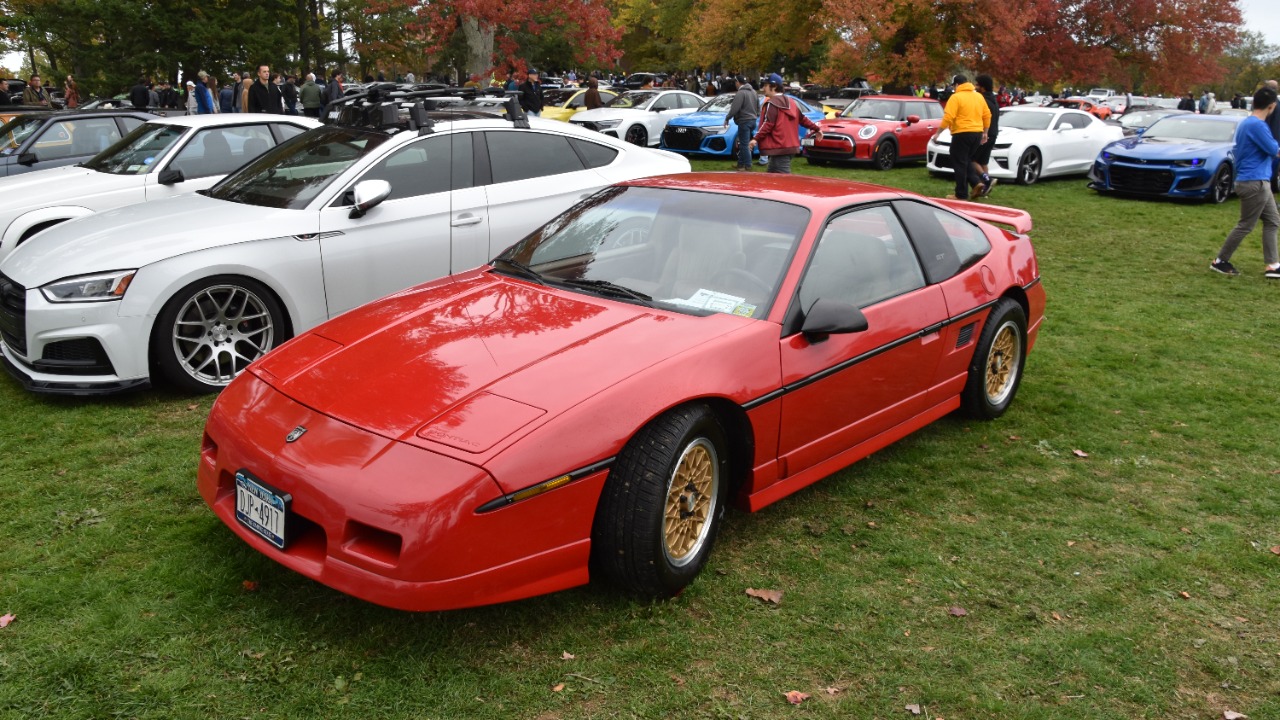
The Fiero remains one of the most interesting American sports cars of the decade, but early examples require careful inspection. Engine-bay heat and fires gave the model an unfortunate reputation, while neglected suspension and cooling systems can create expensive problems. Later cars are generally more desirable. A poorly maintained Fiero can turn an inexpensive purchase into a lengthy project.
Renault Alliance
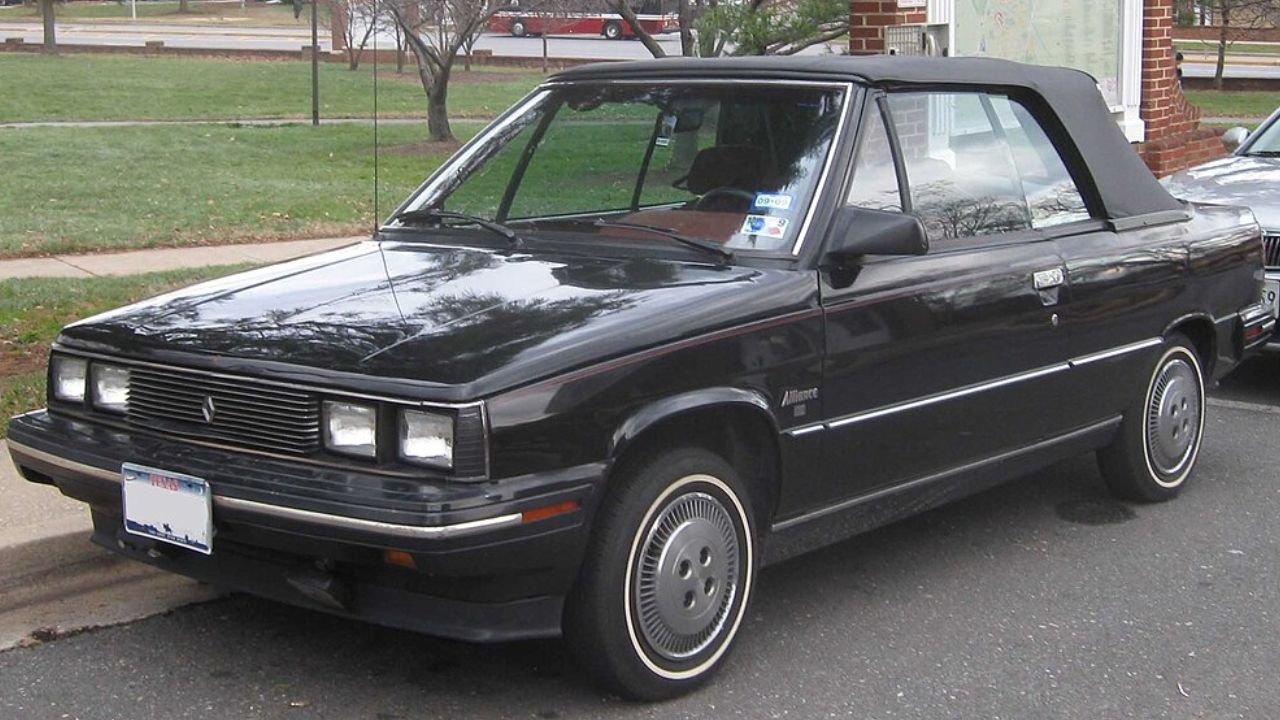
The Renault Alliance offered unusual French engineering in an American compact-car market, but surviving examples can be difficult to support today. Parts availability is limited, specialist knowledge is scarce, and many cars have simply disappeared. A complete survivor is interesting from a historical perspective, but restoring a rough example can become frustrating and expensive.
Maserati Biturbo
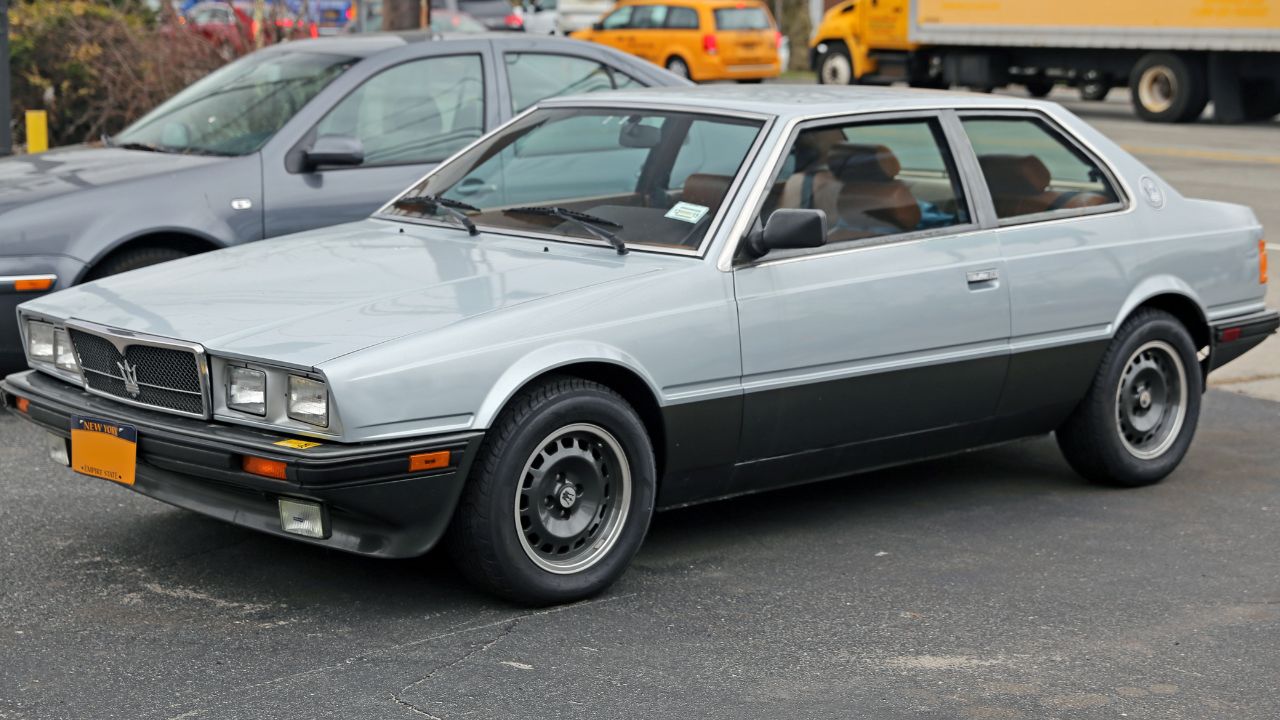
The Maserati Biturbo offered exotic performance at a relatively accessible price, but that affordability came with significant ownership challenges. Twin-turbocharged engines, complicated electrical systems, and demanding maintenance can make neglected examples expensive to revive. Many have already passed through multiple owners. A thorough inspection and excellent service history are essential before considering one.
Yugo GV
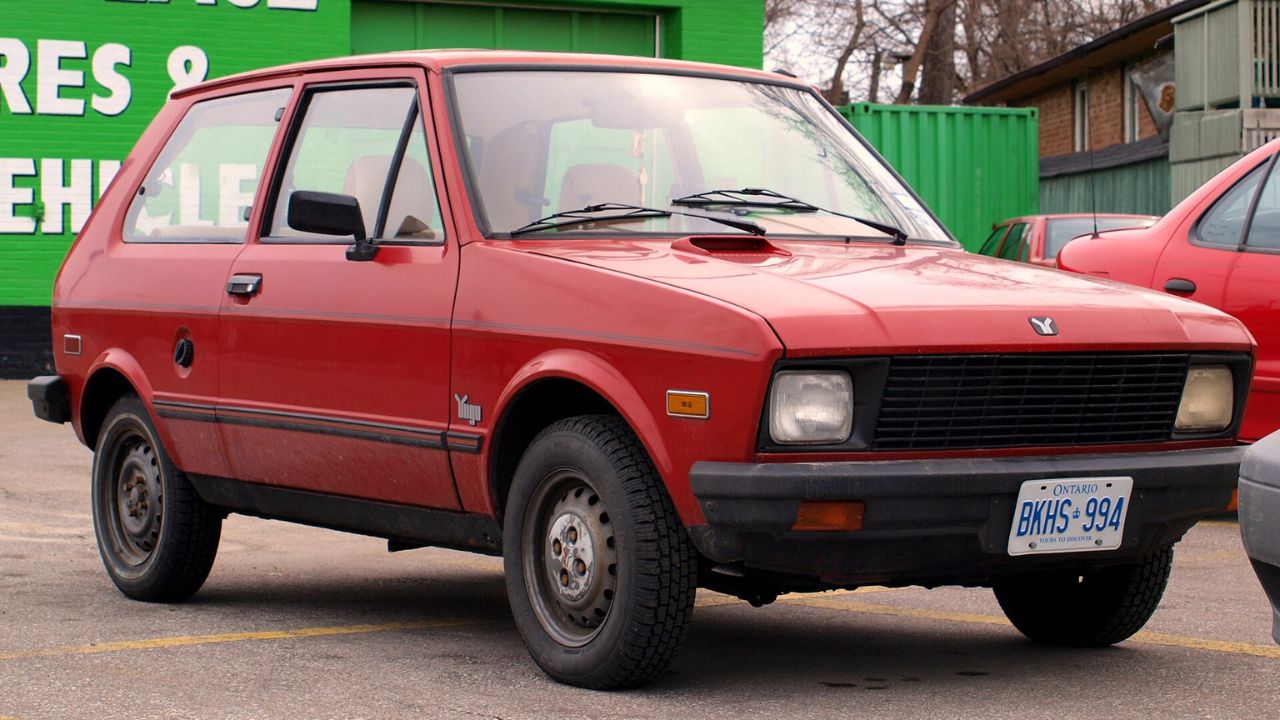
The Yugo GV became famous for its low price rather than exceptional engineering. Age has made surviving examples unusual, but rarity alone does not make every one desirable. Build quality, rust, electrical problems, and limited parts availability can complicate ownership. A complete, preserved example may be entertaining as a piece of automotive history, but a rough project is best avoided.
More from Fast Lane Only
- Unboxing the WWII Jeep in a Crate
- 15 rare Chevys collectors are quietly buying
- 10 underrated V8s still worth hunting down
- Police notice this before you even roll window down
*Research for this article included AI assistance, with all final content reviewed by human editors