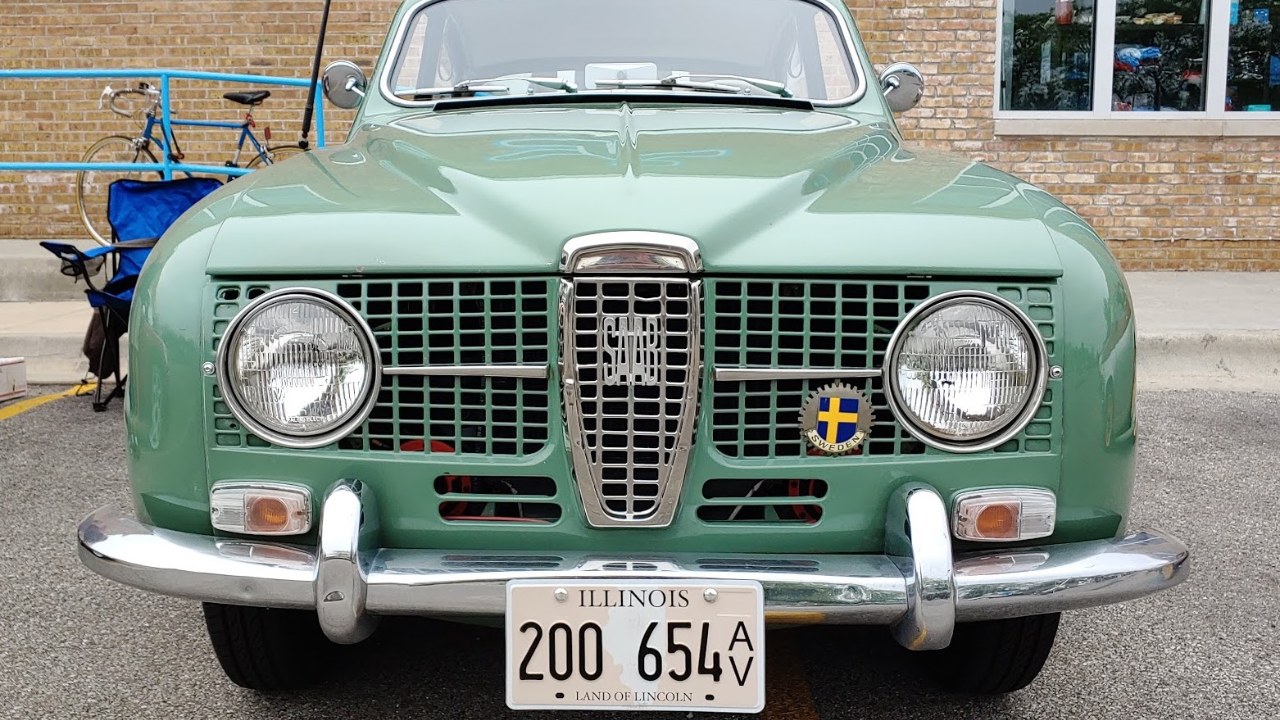
The 1930s were a remarkable period for American luxury automobiles. Despite the Great Depression, manufacturers continued developing cars with impressive engines, handcrafted interiors, dramatic bodywork, and advanced features. These automobiles represented wealth, craftsmanship, and engineering ambition during one of the most difficult decades in American history.
Cadillac V-16
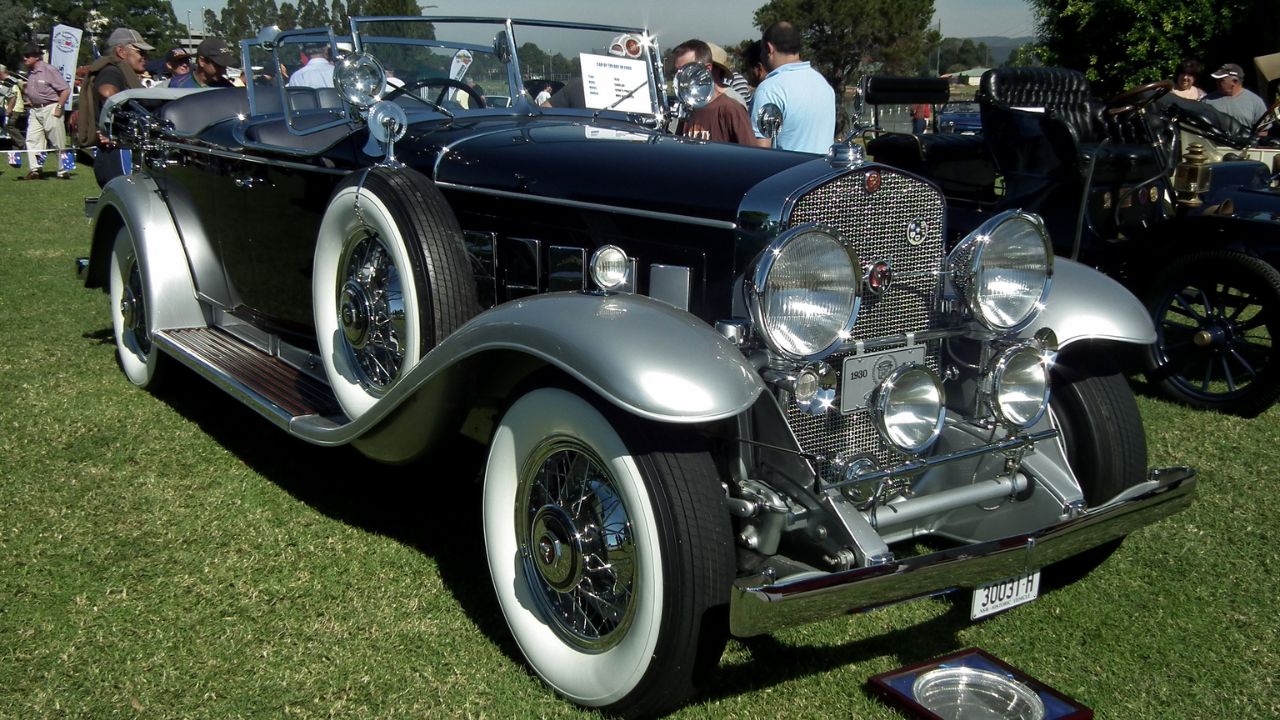
The Cadillac V-16 represented the highest level of American automotive luxury during the 1930s. Its sixteen-cylinder engine delivered exceptionally smooth power, while custom coachbuilt bodies allowed wealthy buyers to personalize their cars. Long hoods, polished chrome, and elaborate interiors created an unmistakable presence. The V-16 demonstrated that Cadillac could compete directly with the most prestigious luxury automobiles in the world.
Packard Twelve
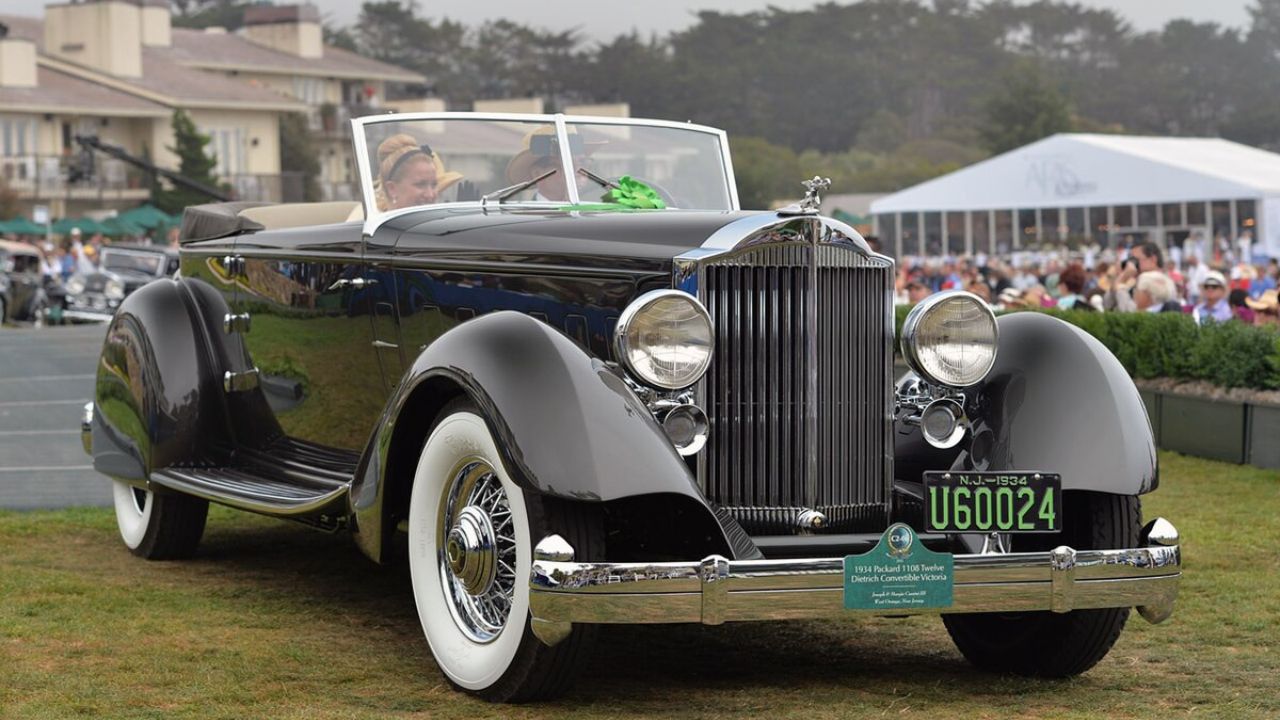
The Packard Twelve became one of America’s most respected luxury automobiles. Its twelve-cylinder engine provided smooth and powerful performance, while the large chassis allowed for beautifully crafted custom bodies. Packard’s reputation for engineering quality made the Twelve especially desirable among wealthy buyers. Its combination of performance, elegance, and craftsmanship helped establish Packard as a major American luxury brand during the decade.
Lincoln Model K
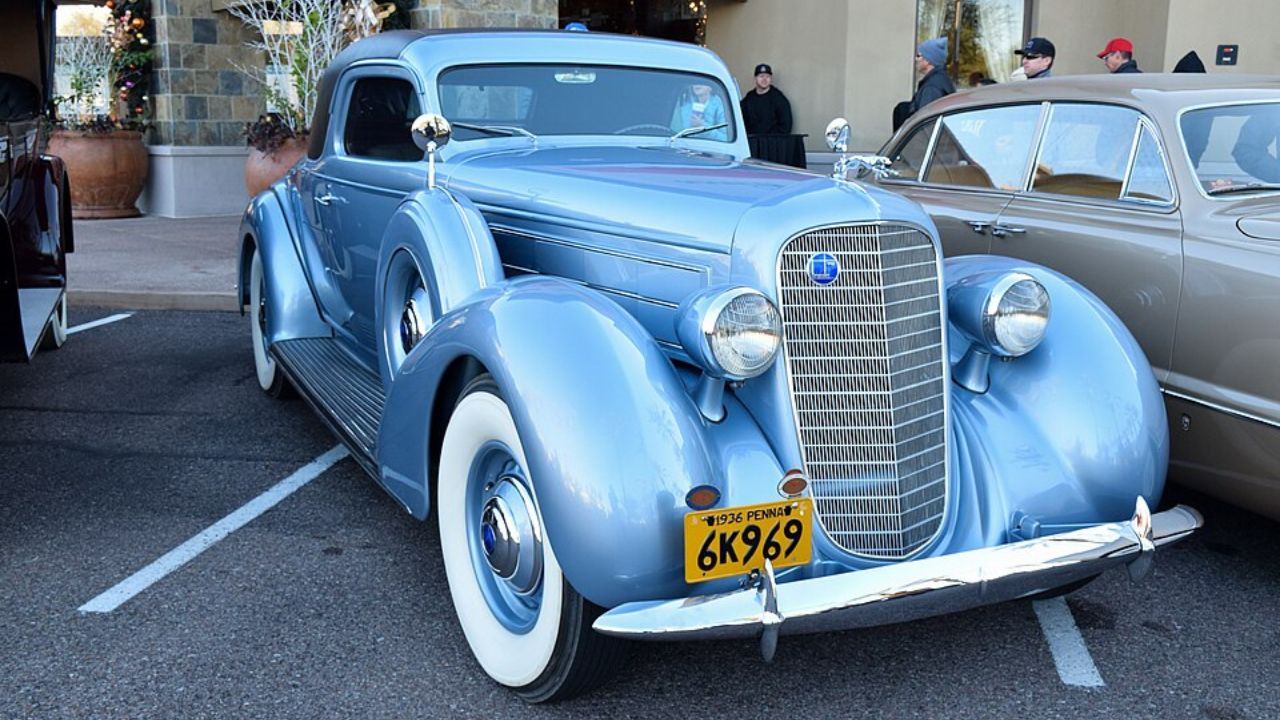
The Lincoln Model K represented Ford Motor Company’s approach to high-end luxury. Its large V8 engine, substantial proportions, and carefully finished interiors gave it a commanding presence. Many examples received custom coachwork created by respected body builders. The Model K appealed to buyers who wanted an impressive automobile with American engineering and exceptional road presence.
Duesenberg Model J
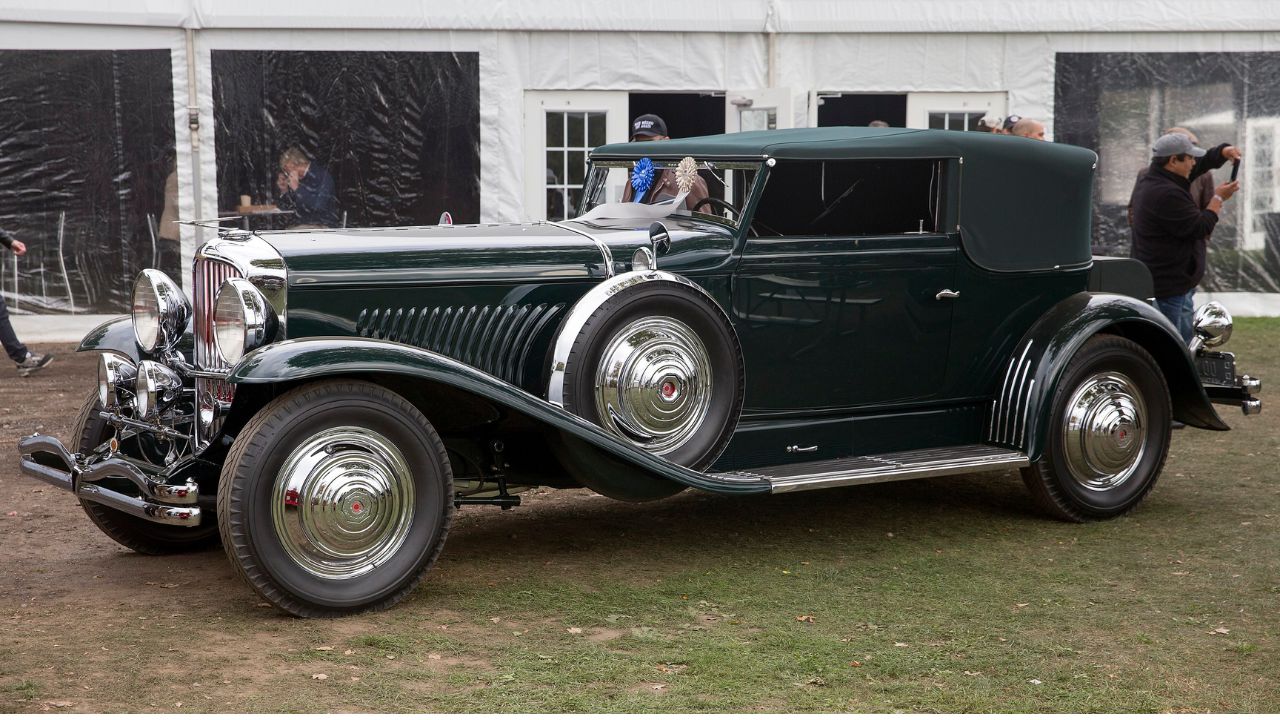
The Duesenberg Model J became one of the most famous American luxury automobiles ever produced. Its enormous straight-eight engine provided remarkable performance, while custom coachbuilt bodies gave each car an individual appearance. Wealthy owners could order highly personalized designs, making no two cars necessarily identical. The Model J represented the combination of American engineering, craftsmanship, and extraordinary wealth during the era.
Buick Series 90
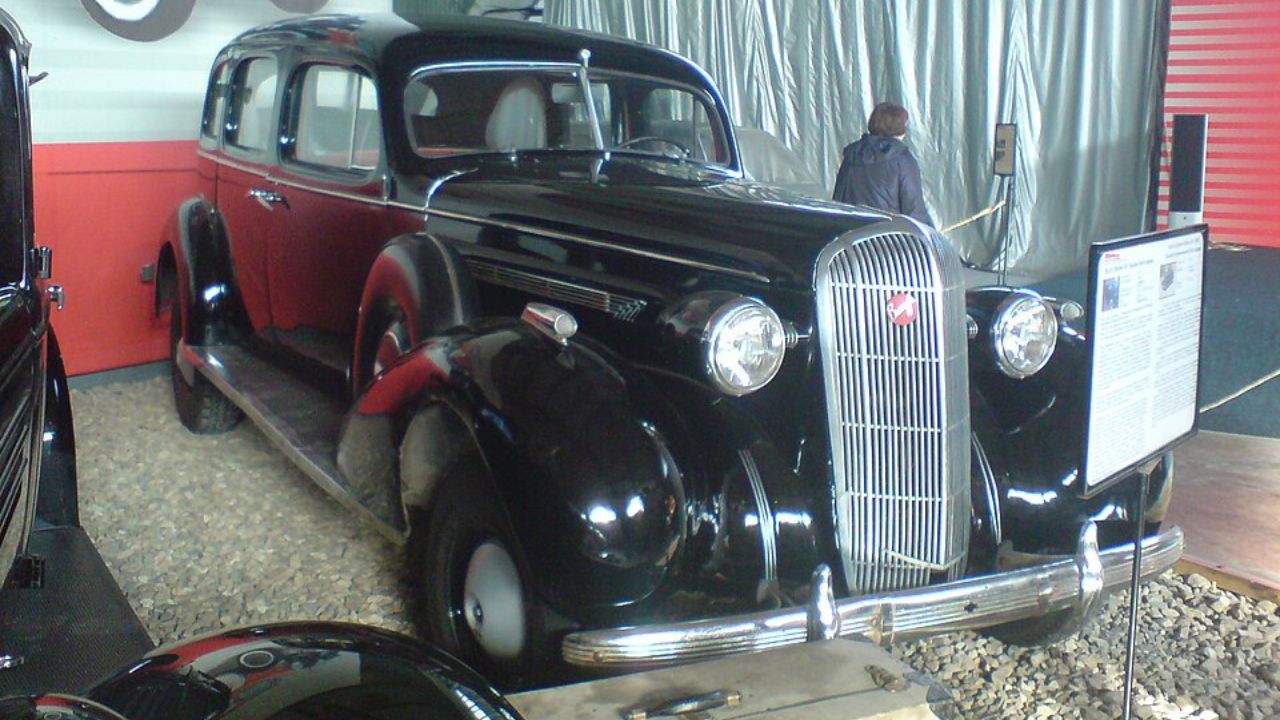
The Buick Series 90 offered a more accessible interpretation of large American luxury. Its substantial body, powerful engine, and elegant styling made it a desirable choice for buyers seeking comfort and prestige. Buick’s reputation for quality engineering added to its appeal. The Series 90 demonstrated that luxury did not always require the extraordinary price of a Duesenberg or Cadillac V-16.
Chrysler Imperial
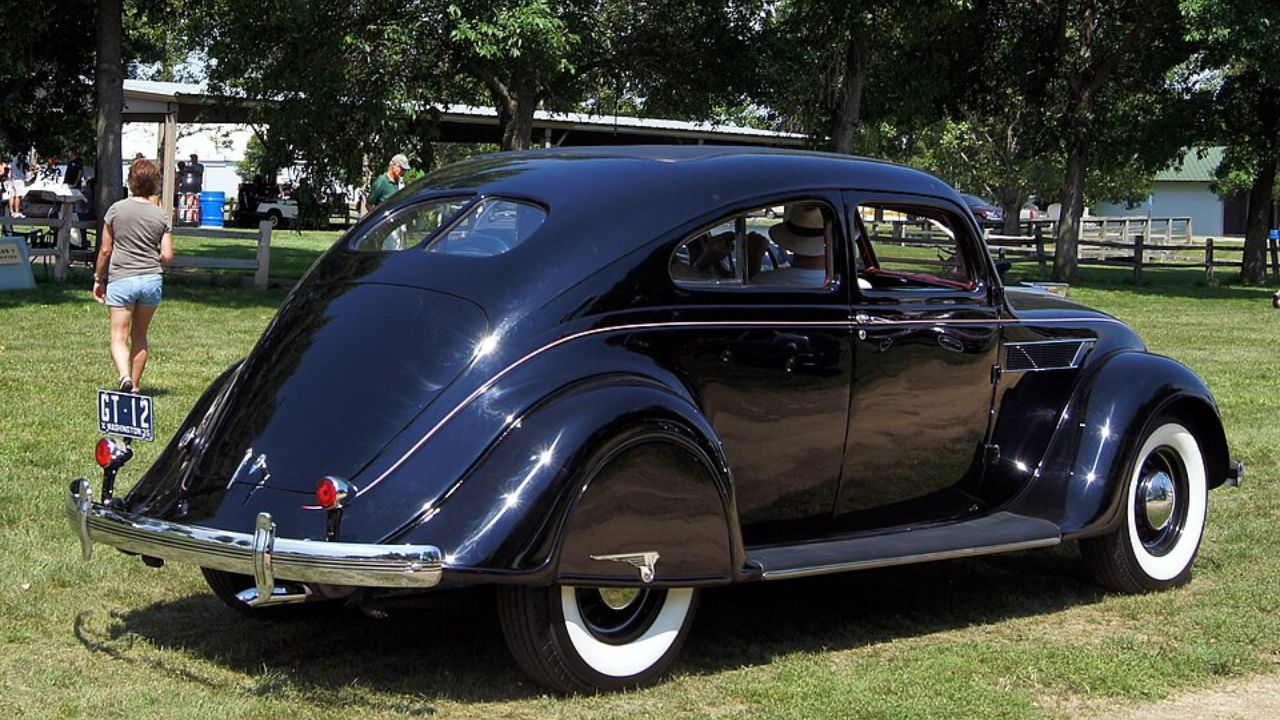
The Chrysler Imperial became Chrysler’s flagship luxury automobile during the 1930s. Large engines, spacious interiors, and sophisticated styling gave it a strong presence among America’s premium cars. Imperial models could also receive custom coachwork, allowing wealthy customers to create distinctive automobiles. Its combination of engineering and elegance helped Chrysler compete with America’s established luxury manufacturers.
Auburn Speedster
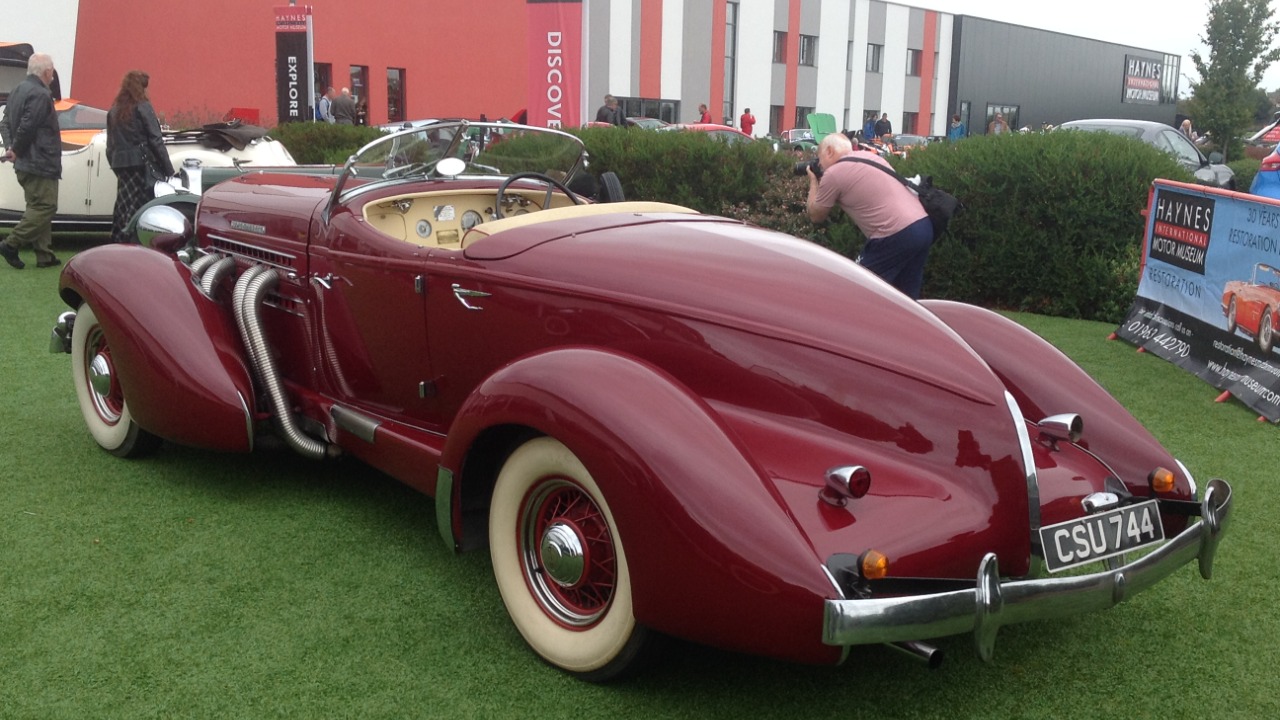
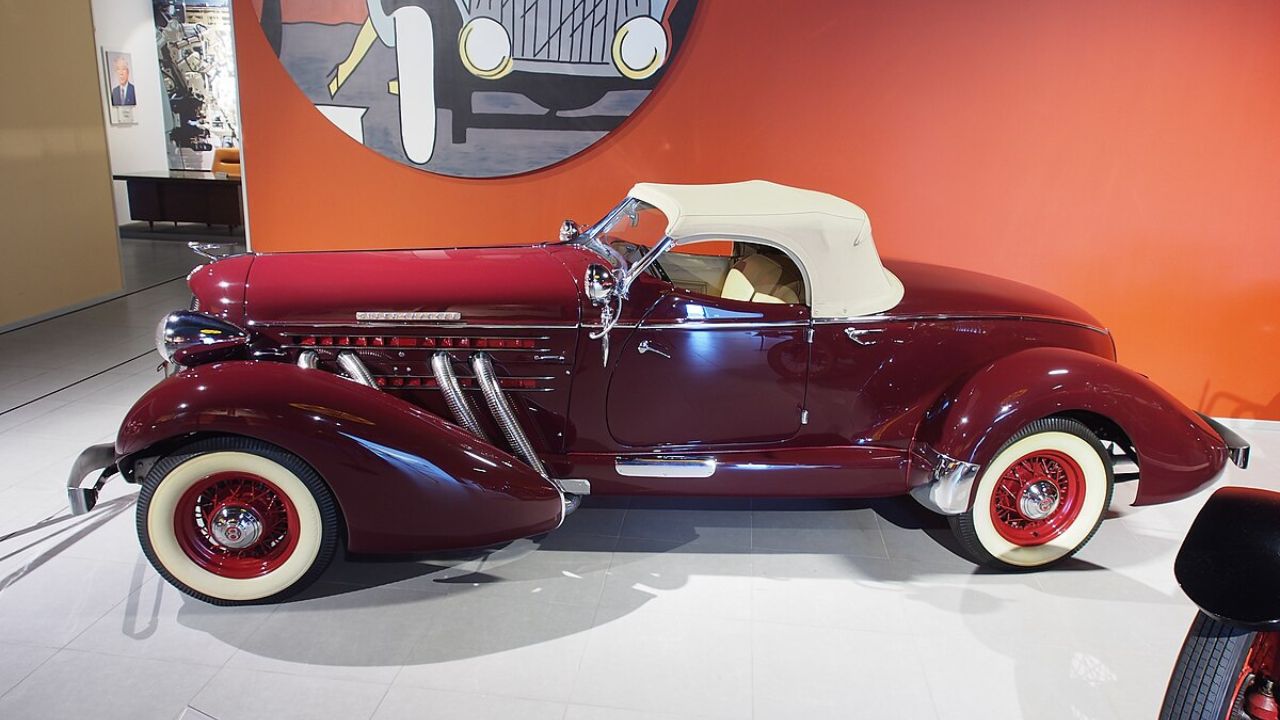
The Auburn Speedster brought performance and dramatic styling into the American luxury market. Its long hood, low body, and distinctive boat-tail rear design made it one of the most recognizable automobiles of the period. Powerful engines gave it genuine performance credentials. Although Auburn was not as prestigious as Cadillac or Duesenberg, the Speedster became a symbol of stylish American automotive ambition.
Cord 810

The Cord 810 looked radically different from many luxury automobiles of its time. Its front-wheel-drive layout, hidden headlights, streamlined body, and innovative interior made it appear years ahead of conventional designs. The 810 demonstrated that American luxury could involve technological innovation as well as size and ornamentation. Its unusual styling remains one of the most memorable automotive designs of the 1930s.
More from Fast Lane Only
- Unboxing the WWII Jeep in a Crate
- 15 rare Chevys collectors are quietly buying
- 10 underrated V8s still worth hunting down
- Police notice this before you even roll window down
*Research for this article included AI assistance, with all final content reviewed by human editors