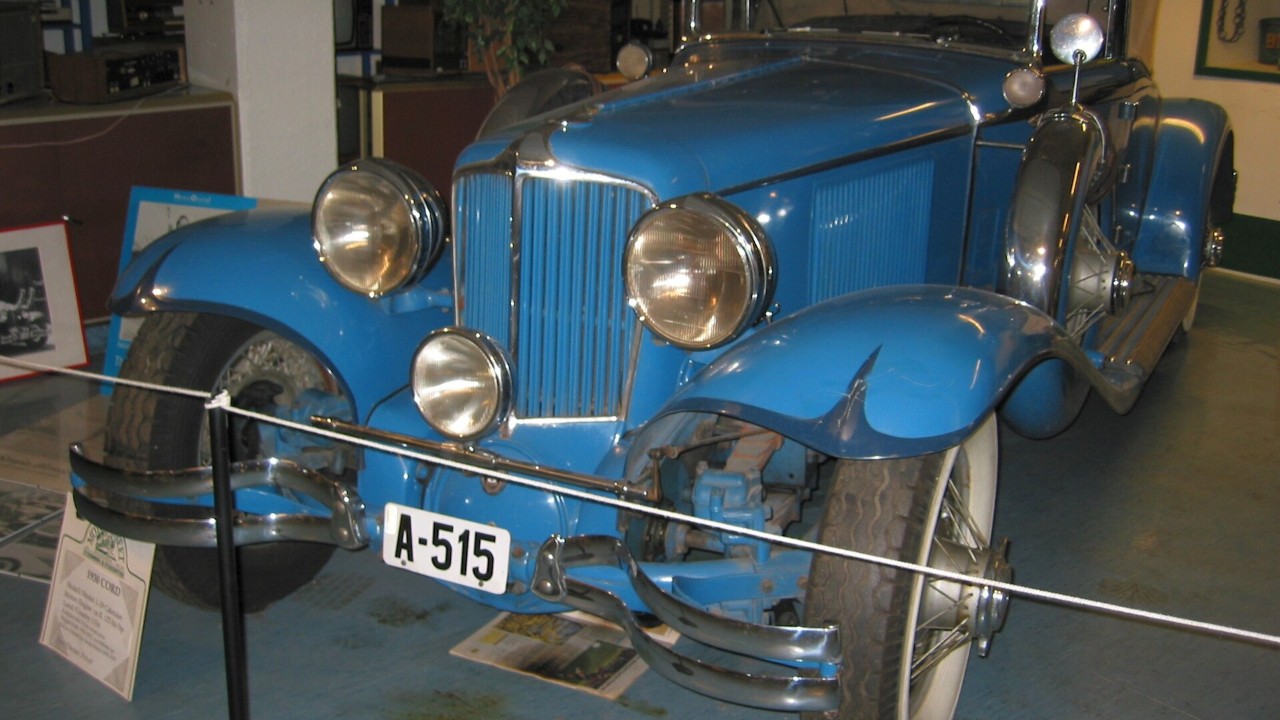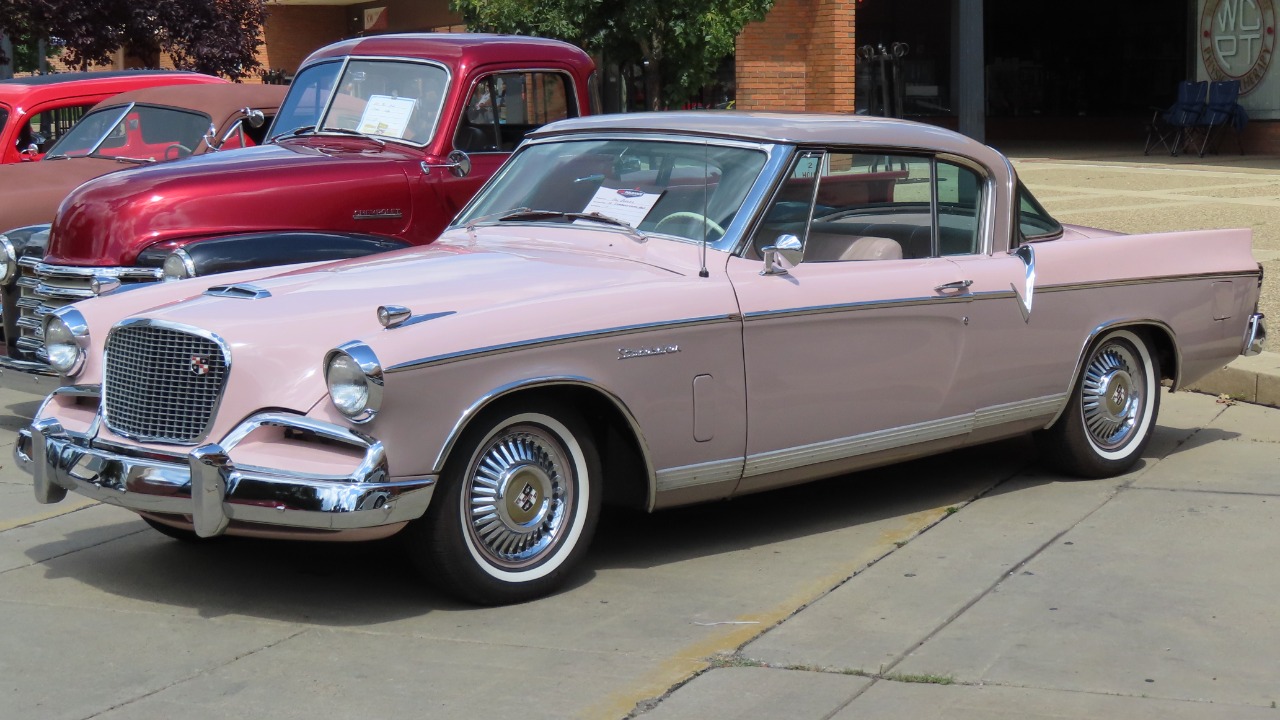
American classics come in many forms, from stylish cruisers to powerful performance machines. While some dominate the spotlight, many equally deserving models continue rewarding enthusiasts with memorable driving experiences and unmistakable character. These classics prove that timeless design and engaging performance never stop putting smiles on drivers’ faces.
Studebaker Golden Hawk
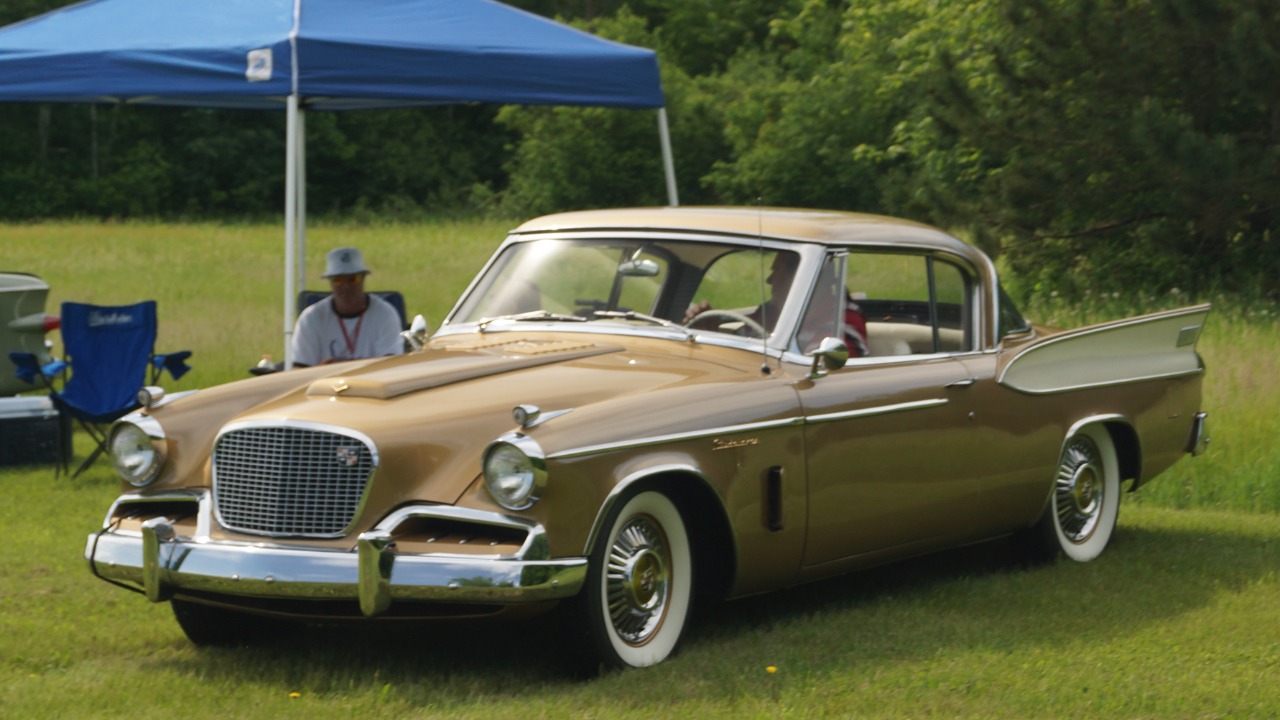
The Studebaker Golden Hawk combined sleek styling with supercharged V8 performance, creating one of the most distinctive American grand touring cars of the 1950s. Produced in relatively small numbers, it remains a favorite among collectors who appreciate its unique design and impressive straight-line speed.
Hudson Hornet
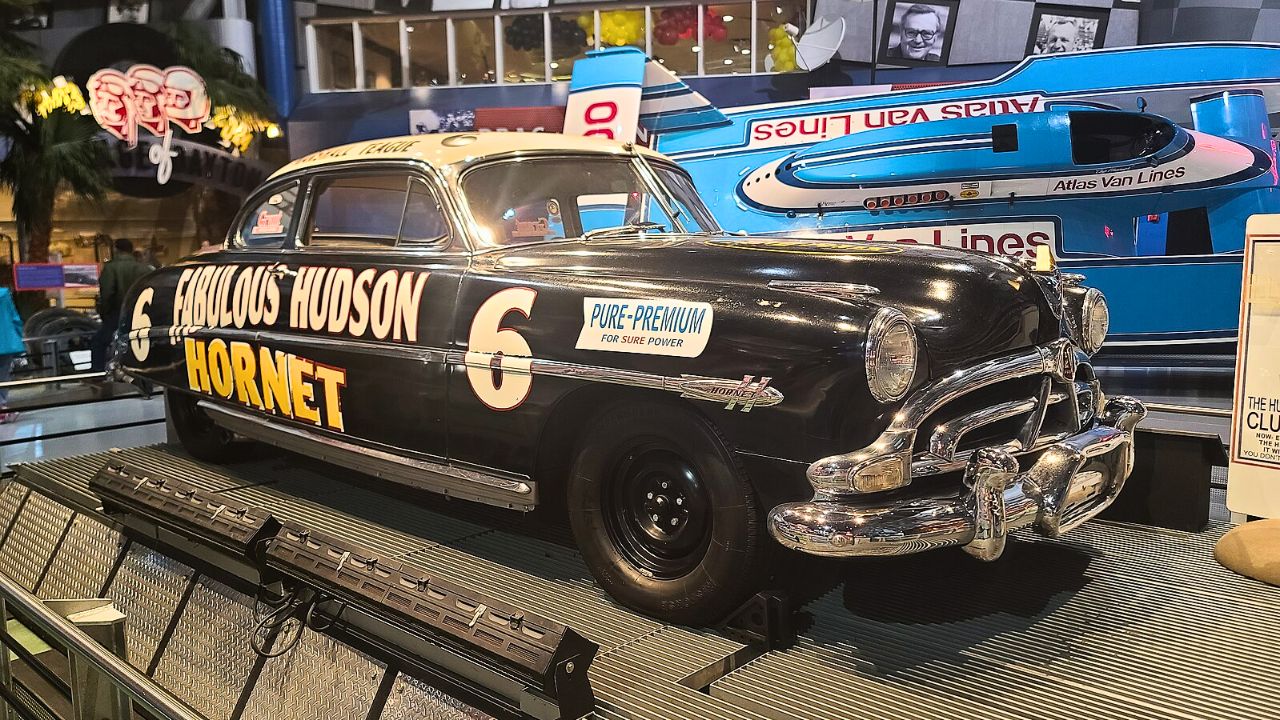
The Hudson Hornet became a racing legend thanks to its innovative “step-down” design and exceptional handling. Dominating NASCAR in the early 1950s, it proved that engineering could outperform raw horsepower. Today, the Hornet continues earning admiration for its historical significance and unmistakable styling.
Kaiser Darrin
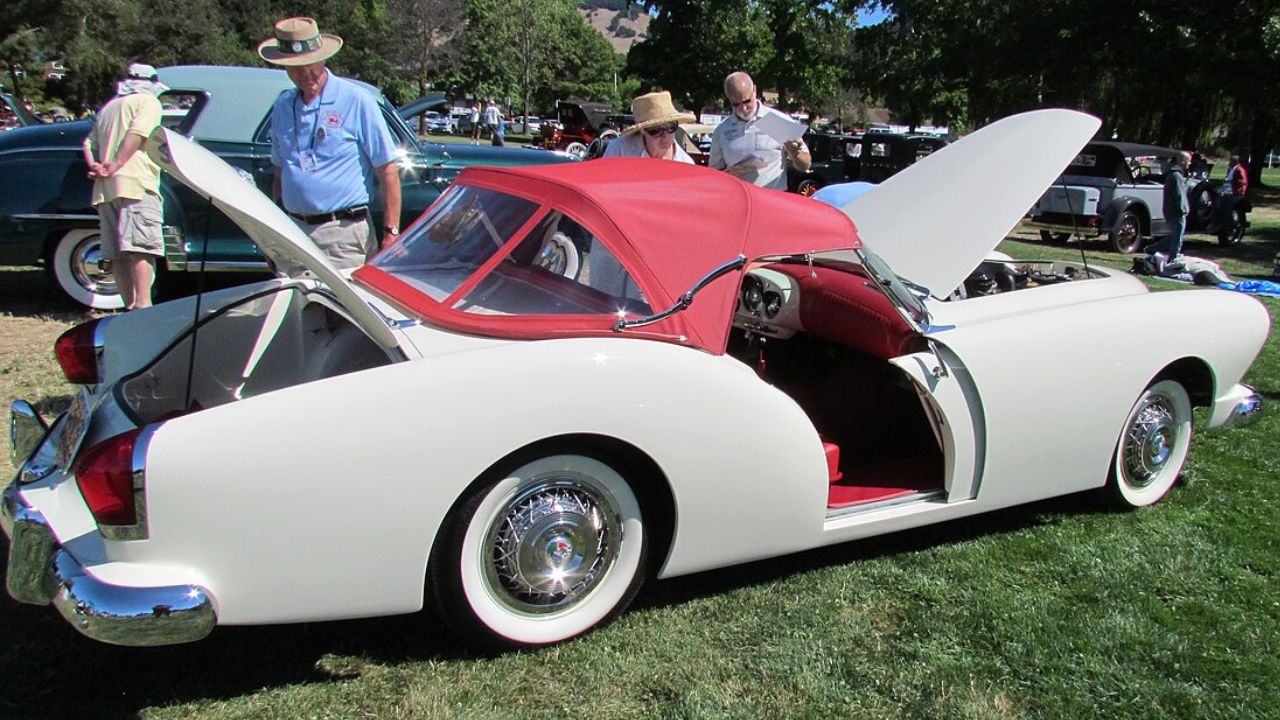
The Kaiser Darrin stood apart with its fiberglass body and innovative sliding pocket doors. Although production lasted only one year, its bold styling and rarity have made it a fascinating collector’s car. Enthusiasts appreciate its originality and its willingness to challenge conventional automotive design.
DeSoto Adventurer
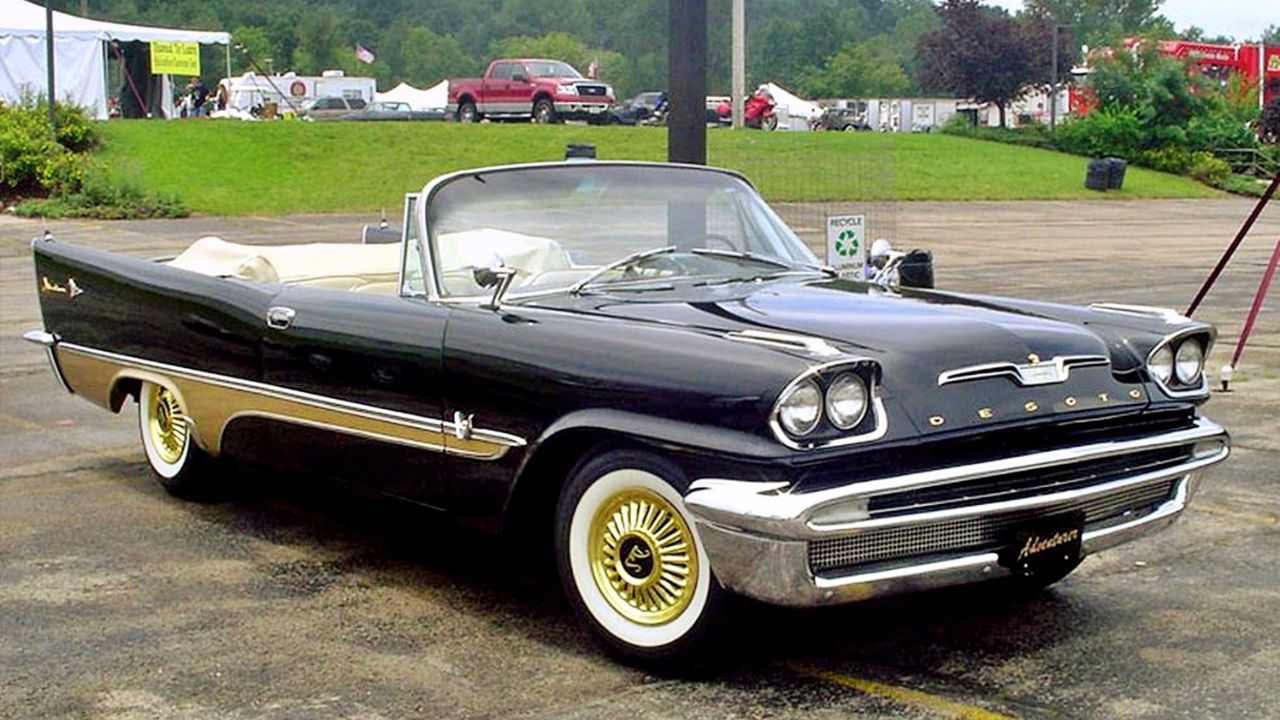
The DeSoto Adventurer delivered premium comfort with powerful V8 performance during the golden age of American motoring. Its striking tailfins, luxurious interior, and limited production have helped it become a hidden gem among classic Mopar enthusiasts. Well-preserved examples continue turning heads wherever they appear.
AMC Marlin
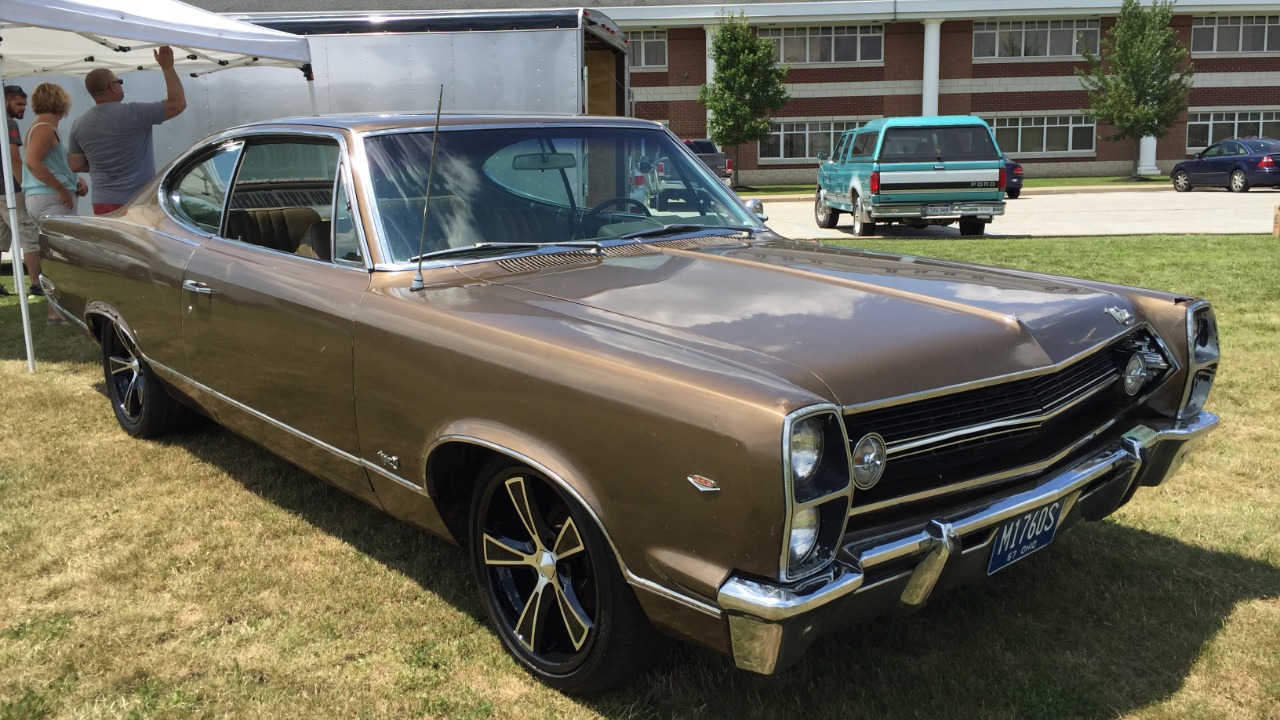
The AMC Marlin offered fastback styling unlike anything else on American roads during the 1960s. Built to combine sporty looks with everyday practicality, it has become increasingly appreciated for its unique appearance and rarity. Collectors value the Marlin as one of AMC’s most distinctive creations.
Lincoln Mark III

The Lincoln Mark III introduced a new era of American personal luxury with elegant styling, effortless V8 power, and premium craftsmanship. Overshadowed by some of its competitors for years, it is now gaining recognition as one of Lincoln’s finest classic coupes.
Plymouth Duster 340
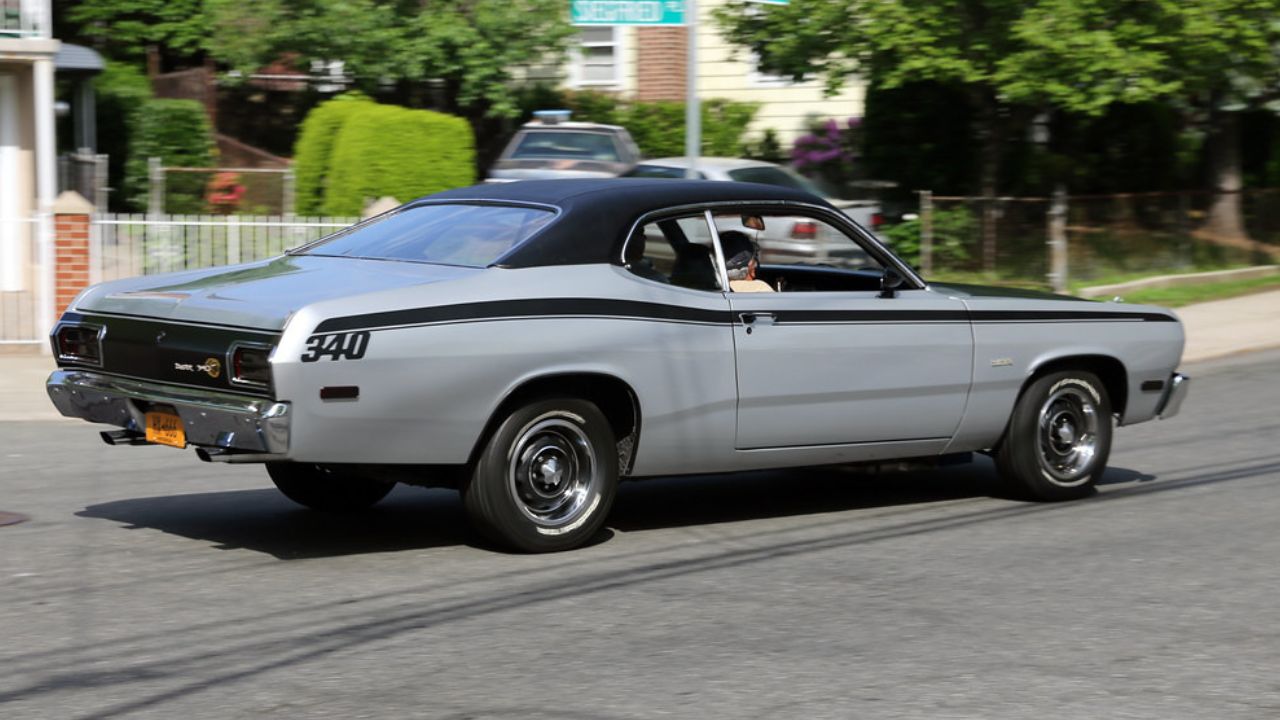
The Plymouth Duster 340 packed spirited small-block V8 performance into a lightweight, affordable package. Its lively driving dynamics and understated appearance made it a favorite among enthusiasts looking for performance without unnecessary excess. Today, it remains one of the most enjoyable Mopar classics to own.
Rambler Rebel SST
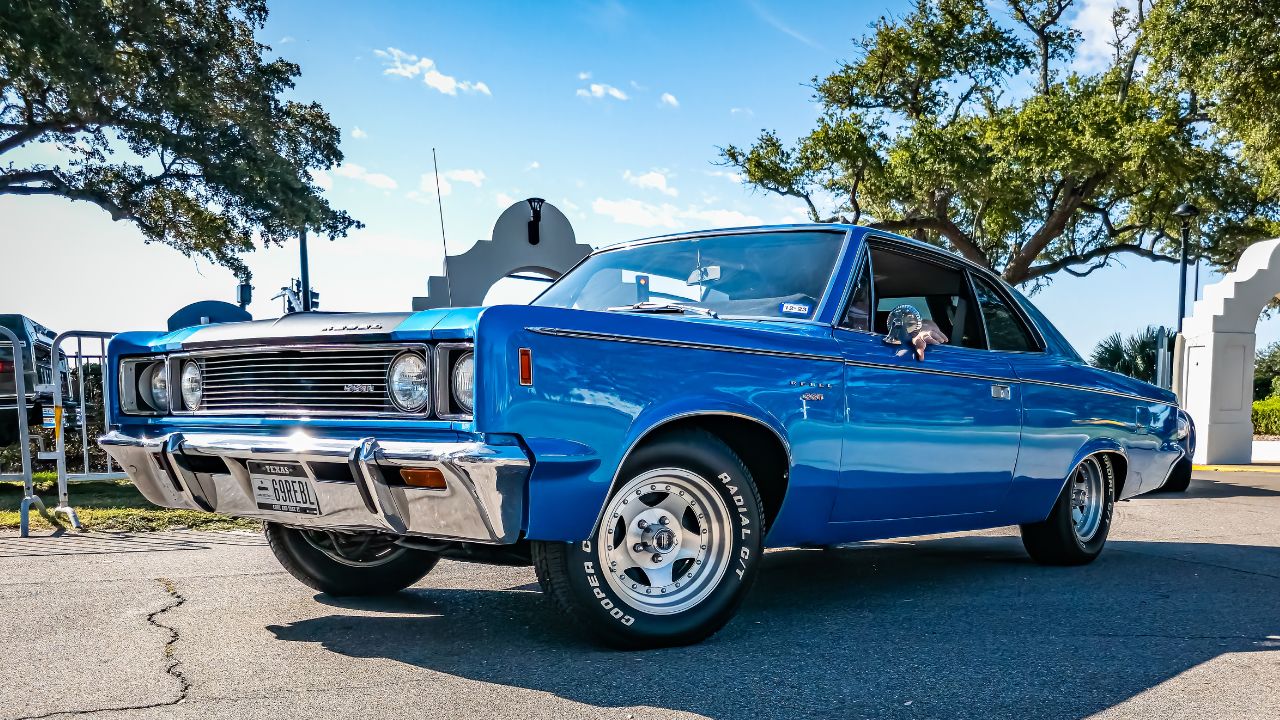
The Rambler Rebel SST quietly delivered strong V8 performance while offering comfort and practicality. Often overlooked in favor of more famous muscle cars, it has become increasingly respected for its distinctive styling and historical importance. Its rarity makes it an appealing choice for collectors seeking something different.
More from Fast Lane Only
- Unboxing the WWII Jeep in a Crate
- 15 rare Chevys collectors are quietly buying
- 10 underrated V8s still worth hunting down
- Police notice this before you even roll window down
*Research for this article included AI assistance, with all final content reviewed by human editors