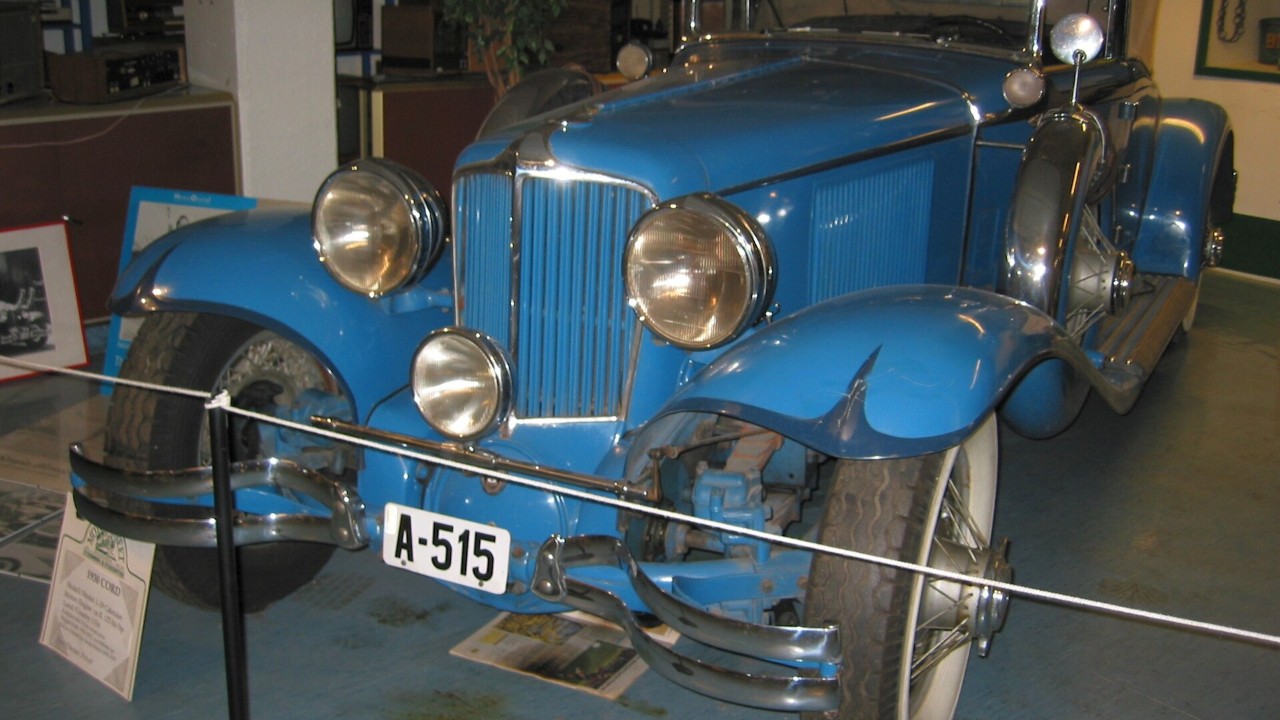
Some automobiles introduced groundbreaking ideas long before the market was ready to embrace them. While many were overlooked during their production years, their innovative engineering, advanced technology, or bold design later influenced the direction of the automotive industry. Today, these forgotten cars deserve recognition for being well ahead of their competition.
Tucker 48
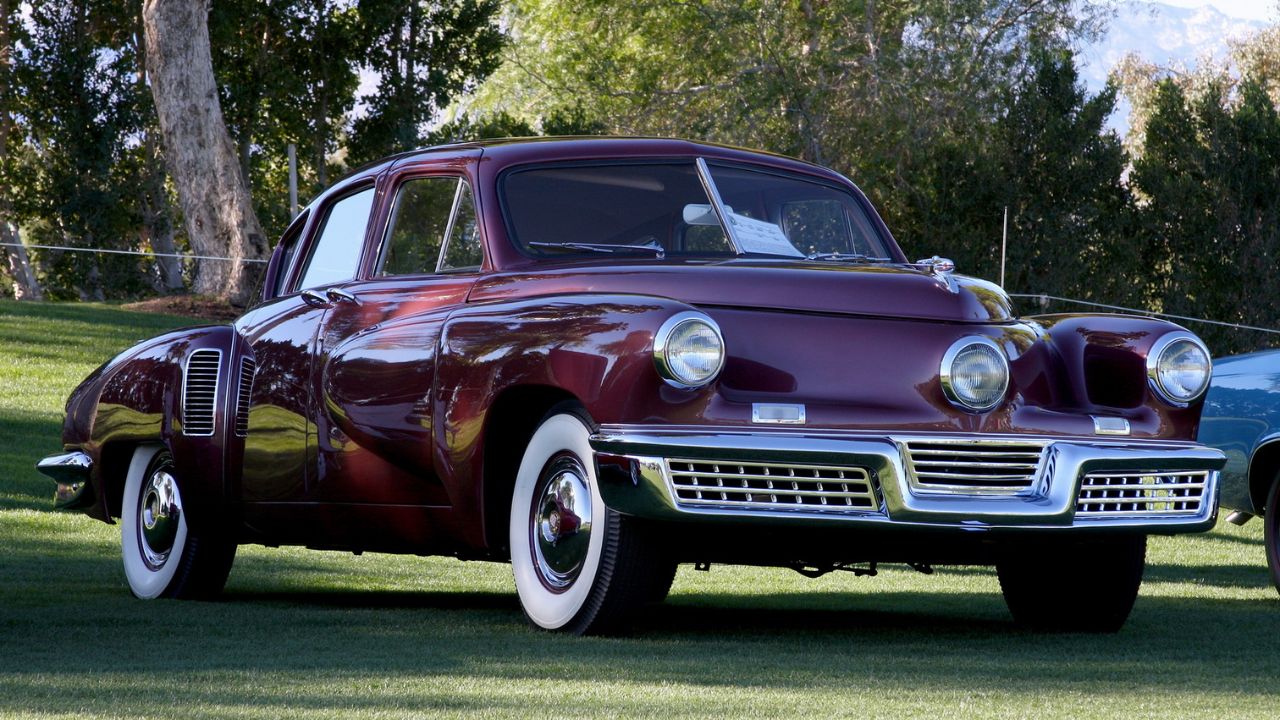
The Tucker 48 arrived with revolutionary safety features including a padded dashboard, a reinforced passenger compartment, and a center headlight that turned with the steering. Although only 51 production cars were completed, its innovative engineering influenced future vehicle safety. Today, it is celebrated as one of America’s greatest automotive visionaries.
Cord 810
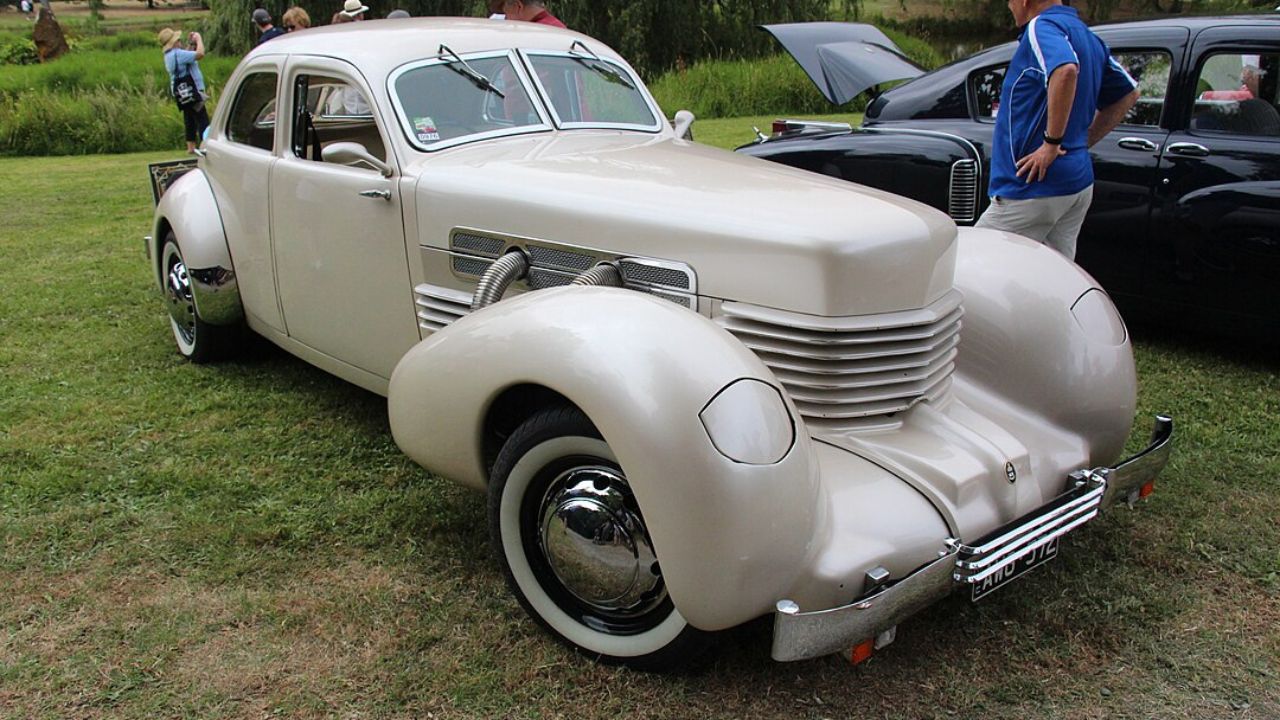
The Cord 810 stunned buyers with front-wheel drive, hidden headlights, and streamlined styling years before such features became common. Its advanced engineering and elegant design made it one of the most futuristic American cars of the 1930s. Collectors now recognize the Cord 810 as a landmark in automotive innovation.
NSU Ro 80
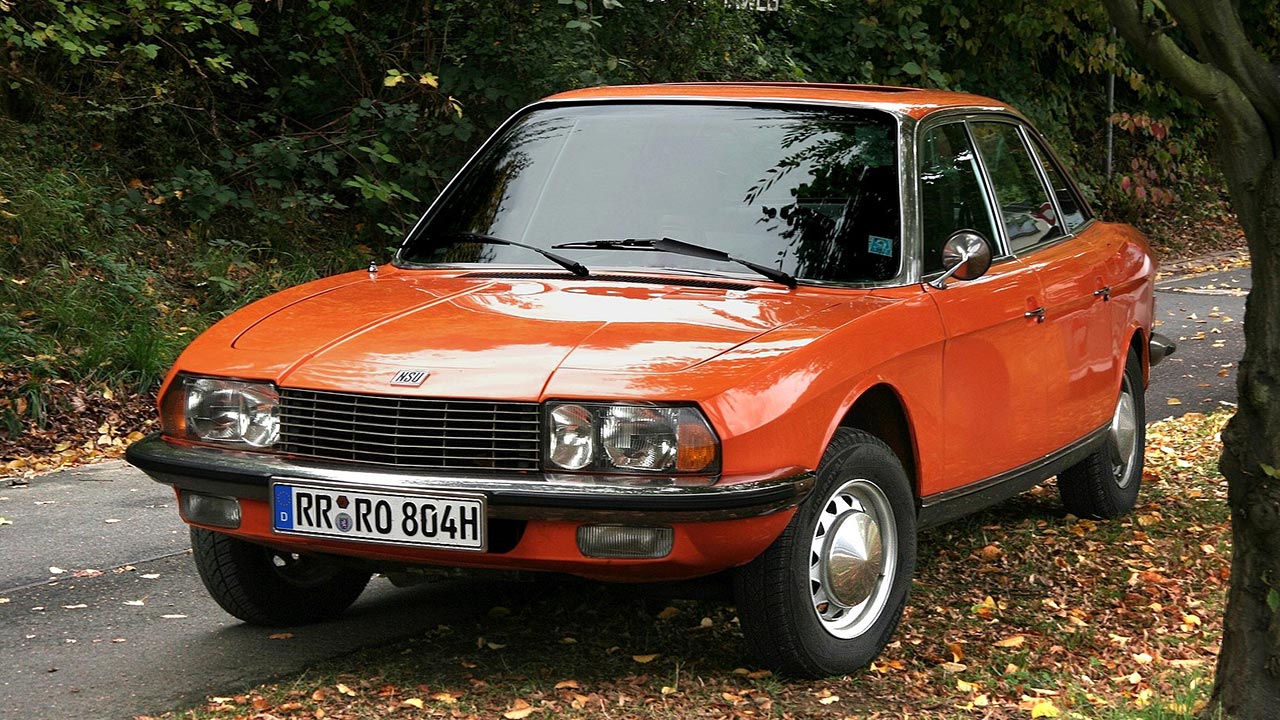
The NSU Ro 80 introduced aerodynamic styling, a semi-automatic transmission, and a Wankel rotary engine in one remarkably advanced package. While early engine reliability affected its reputation, its forward-thinking design influenced many luxury sedans that followed. It remains one of Europe’s most innovative forgotten classics.
Oldsmobile Toronado

The Oldsmobile Toronado proved that front-wheel drive could successfully power a large American personal luxury coupe. Its bold styling and innovative drivetrain challenged conventional engineering when it debuted in 1966. Today, the Toronado is respected as one of General Motors’ most ambitious engineering achievements.
Panhard 24
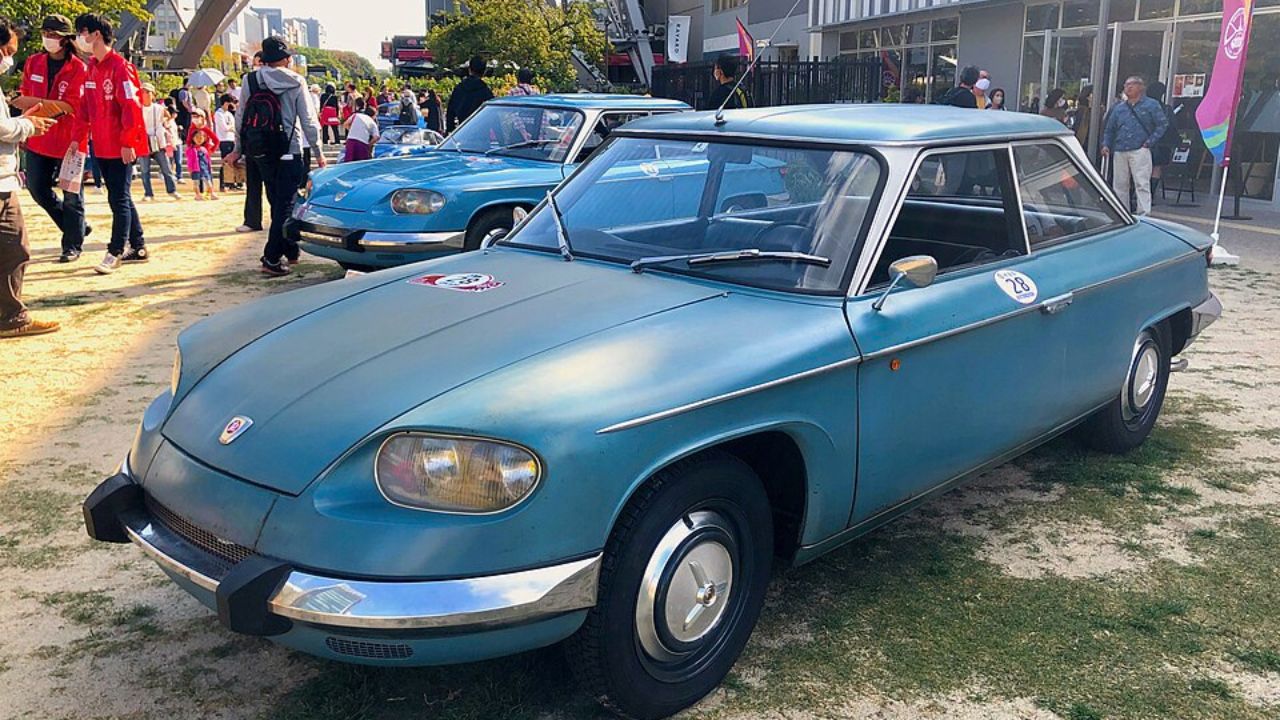
The Panhard 24 featured lightweight construction, aerodynamic styling, and remarkable fuel efficiency during the early 1960s. Although production numbers remained modest, it demonstrated how thoughtful engineering could improve both performance and economy. Modern enthusiasts appreciate its originality and engineering sophistication.
Subaru XT

The Subaru XT embraced futuristic styling, digital instrumentation, and advanced all-wheel-drive technology before such features became widespread. Its wedge-shaped design and aircraft-inspired interior made it unlike anything else on the road. Though often overlooked, it showcased Subaru’s willingness to innovate.
Renault Fuego
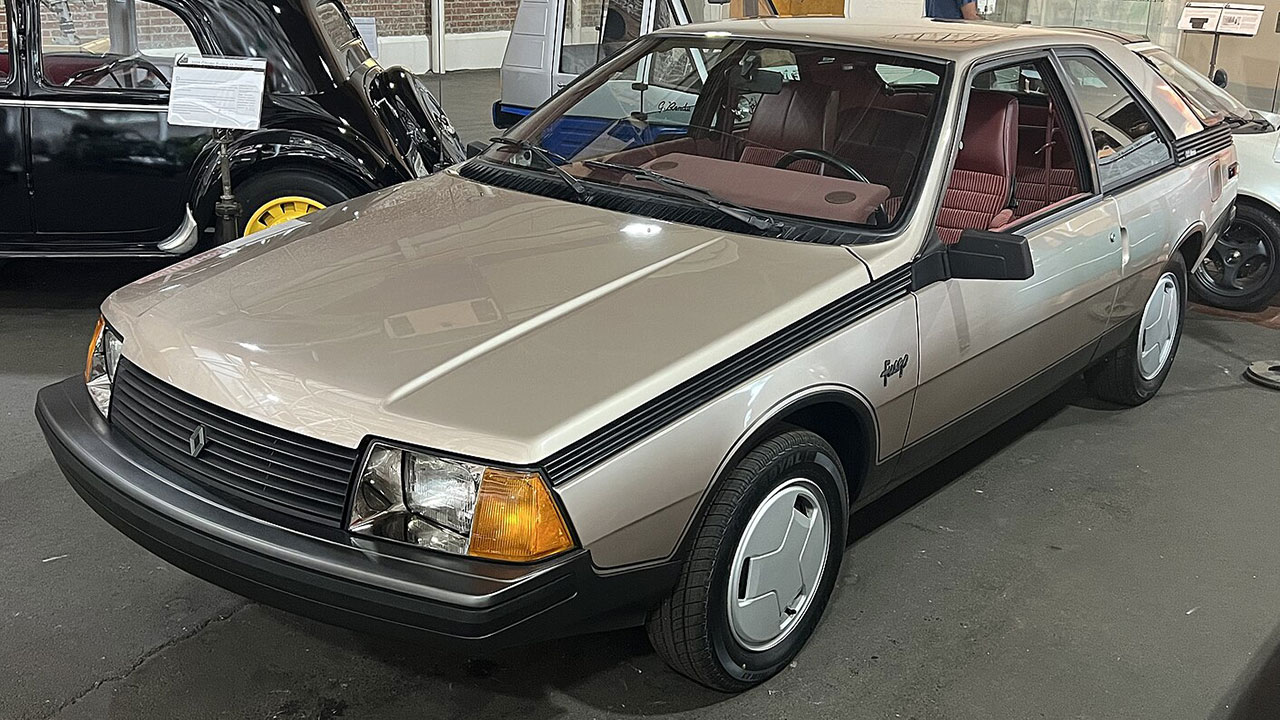
The Renault Fuego combined aerodynamic styling, turbocharged performance, and fuel-efficient engineering during an era when many competitors remained conventional. Despite modest sales in some markets, it introduced features and design ideas that later became more common. Today, it stands out as an underrated European coupe.
Citroën SM
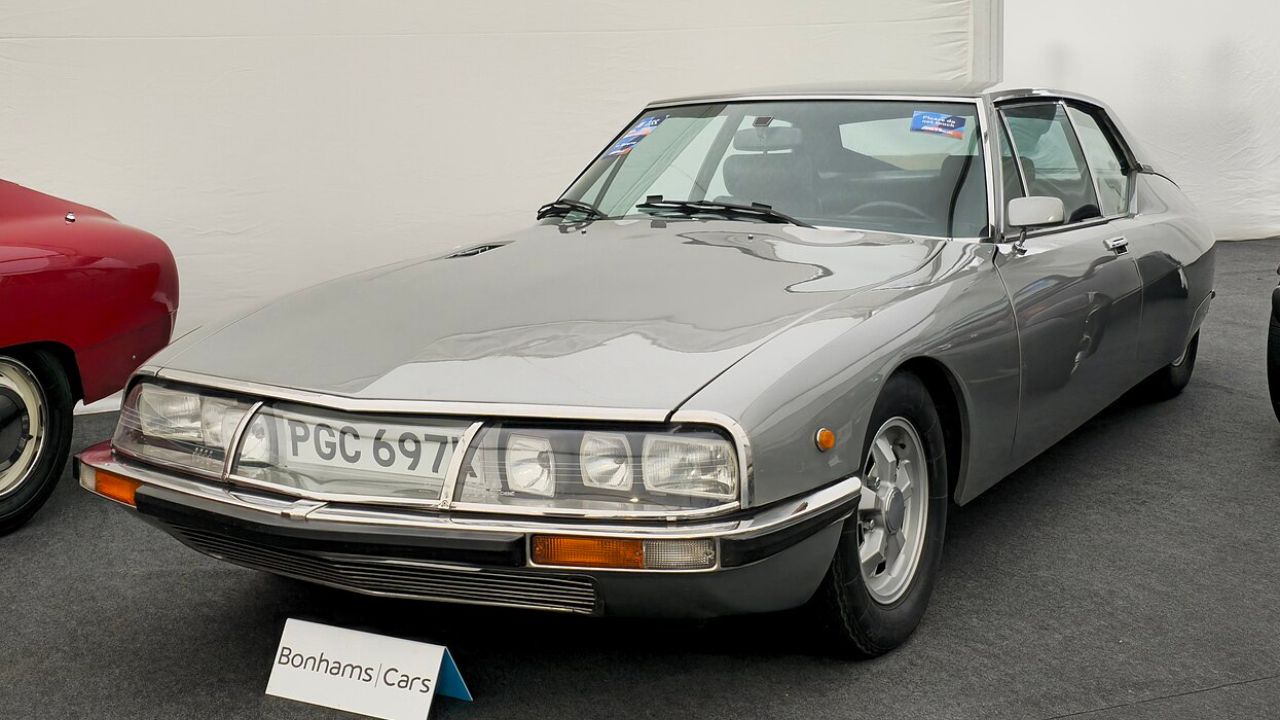
The Citroën SM blended Maserati power with hydropneumatic suspension, self-centering steering, and aerodynamic styling into one extraordinary grand tourer. Its advanced technology was decades ahead of many rivals, even if complexity limited commercial success. Collectors now admire the SM as one of the most innovative cars ever built.
Chrysler Turbine Car
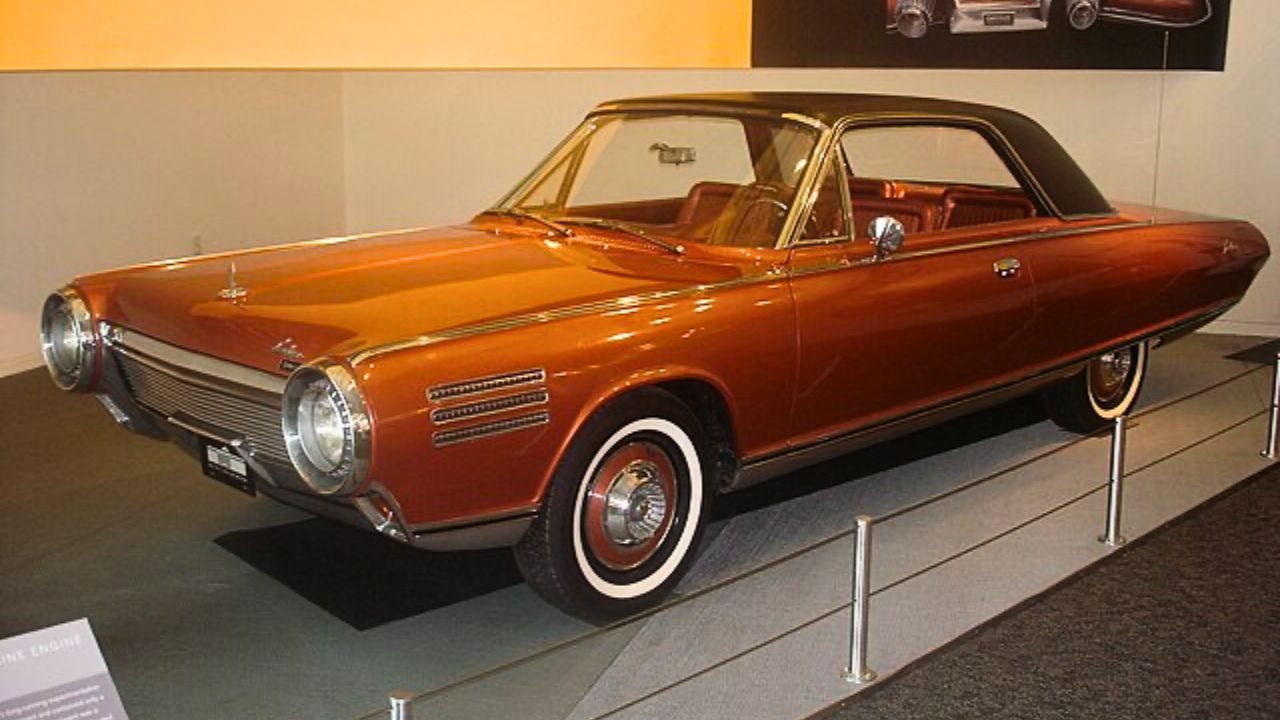
The Chrysler Turbine Car demonstrated the potential of gas turbine power for passenger vehicles, offering smooth operation and the ability to run on multiple fuel types. Although it never entered mass production, the program showcased bold engineering ambition. Surviving examples remain symbols of one of the industry’s most fascinating technological experiments.
More from Fast Lane Only
- Unboxing the WWII Jeep in a Crate
- 15 rare Chevys collectors are quietly buying
- 10 underrated V8s still worth hunting down
- Police notice this before you even roll window down
*Research for this article included AI assistance, with all final content reviewed by human editors