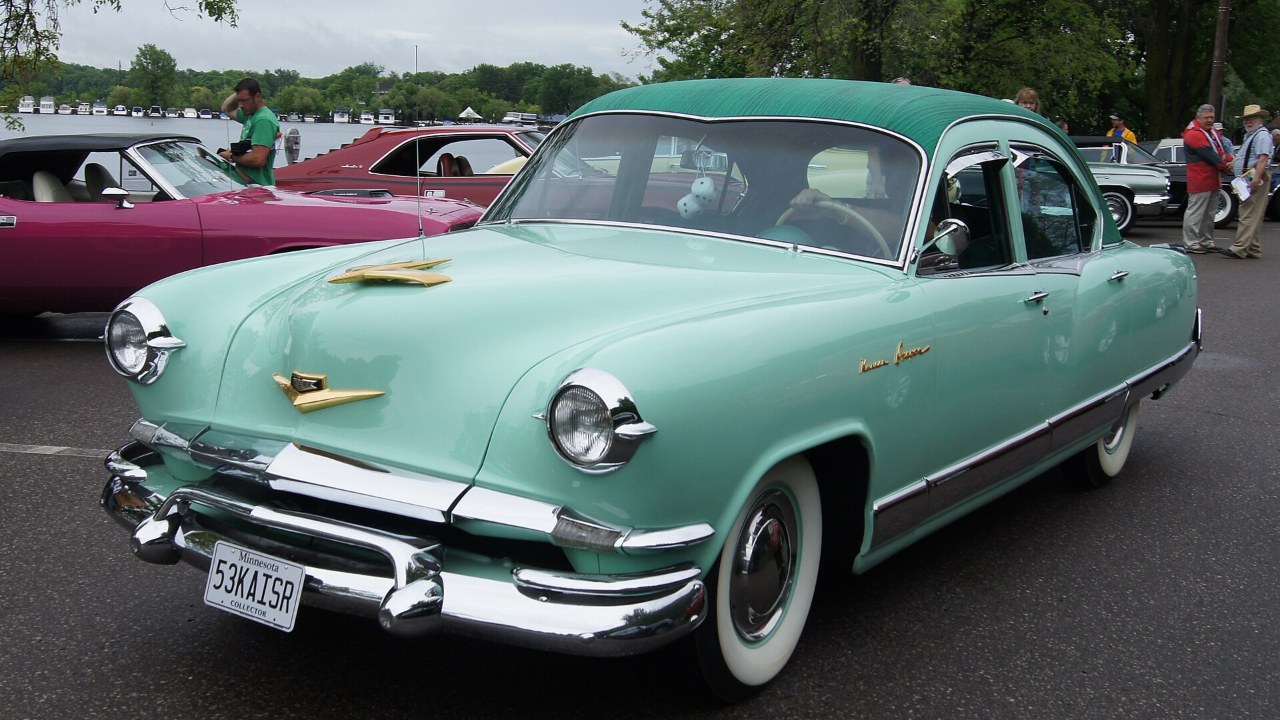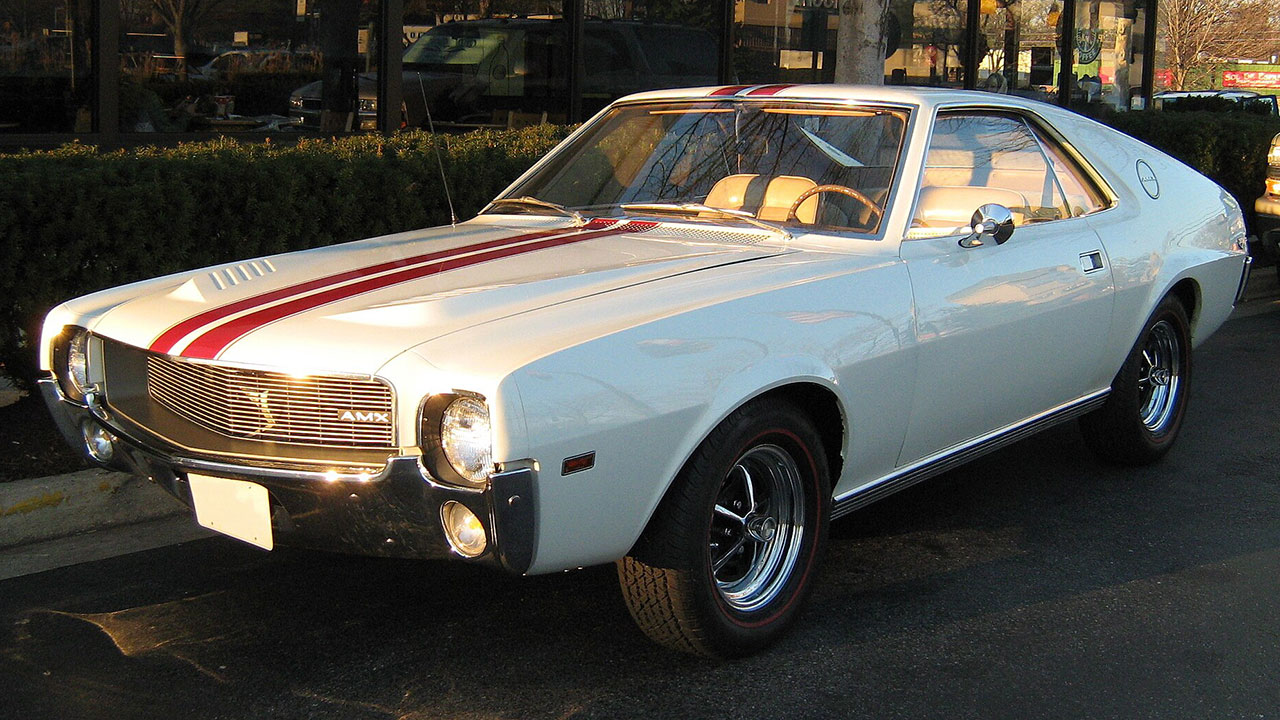
The malaise era is often criticized for strangled horsepower and tightened emissions standards, but it didn’t completely erase American performance identity. Automakers adapted with bold styling, torque-heavy engines, and packages that kept enthusiasm alive despite regulatory limits. These cars weren’t monsters on paper, yet they built devoted followings through character and presence. Today, collectors and longtime owners defend them passionately, arguing that attitude, sound, and cultural impact mattered just as much as raw output during one of Detroit’s toughest transitions.
Pontiac Firebird Trans Am
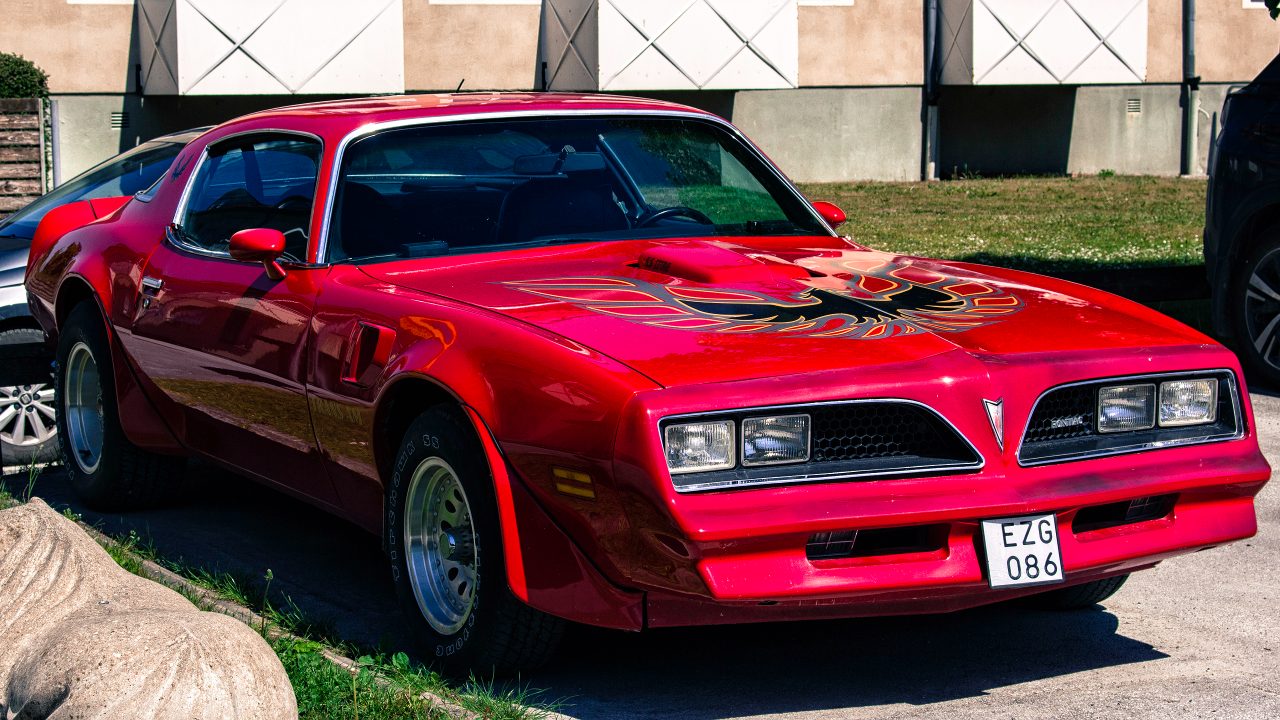
By 1979, horsepower ratings had fallen dramatically from early-decade peaks, yet the Pontiac Firebird Trans Am still radiated unmistakable attitude. Available 6.6-liter V8 engines delivered solid torque and a deep exhaust note that kept the muscle car spirit alive. Its shaker hood scoop, flared fenders, and dramatic graphics created instant curb appeal even as performance numbers softened. Owners embraced the balance of comfort and swagger during a restrictive era. Today, loyal fans argue it preserved the emotional core of American performance, proving that presence, sound, and identity could outlast declining horsepower statistics.
Chevrolet Camaro Z28
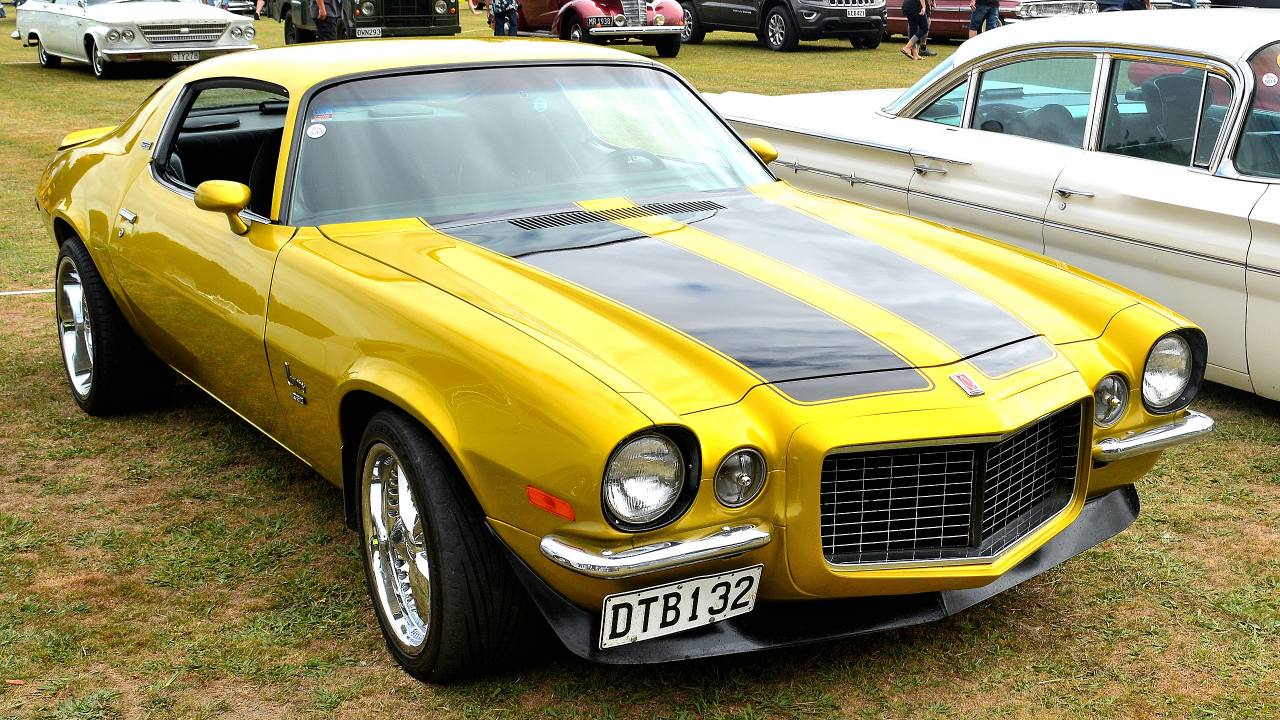
The 1978 Chevrolet Camaro Z28 leaned on suspension tuning and road manners to maintain credibility when big-block power was gone. Its small-block V8 may not have shocked drag strips, but improved chassis balance and tighter steering made it engaging on real roads. Aggressive striping and a low stance reinforced its performance identity in showrooms. Buyers appreciated that it still felt purposeful behind the wheel. Modern enthusiasts respect the Z28 for surviving the horsepower drought, showing that handling upgrades and visual confidence kept the Camaro’s performance lineage intact through challenging regulatory years.
Ford Mustang Cobra II
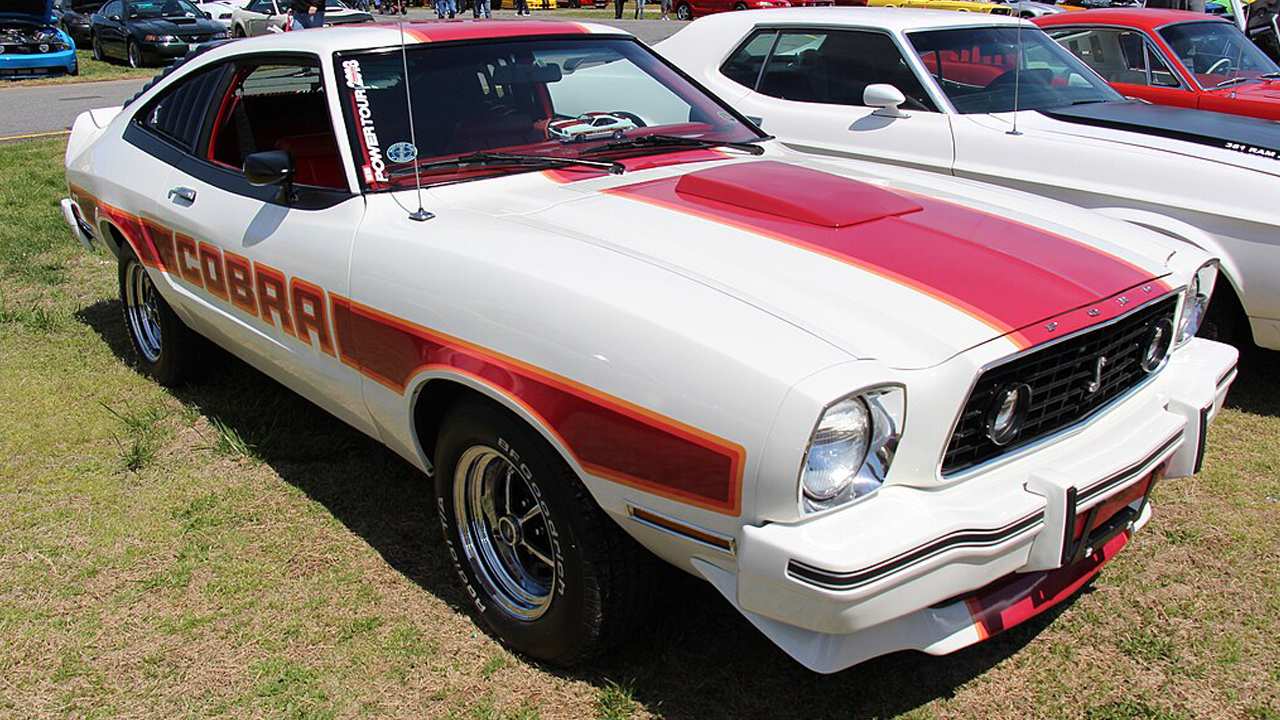
The Ford Mustang Cobra II arrived as a branding lifeline during a downsizing phase that worried traditional fans. Based on the Mustang II platform, it offered V8 availability, sport suspension, and bold racing-inspired graphics that revived excitement. Critics focused on modest power figures, yet lighter weight delivered respectable real-world responsiveness. For many drivers, it was an affordable gateway into Mustang ownership. Today, collectors acknowledge its importance in sustaining the Mustang nameplate, arguing that without cars like the Cobra II, the performance resurgence of the 1980s might never have materialized.
Dodge Aspen R/T
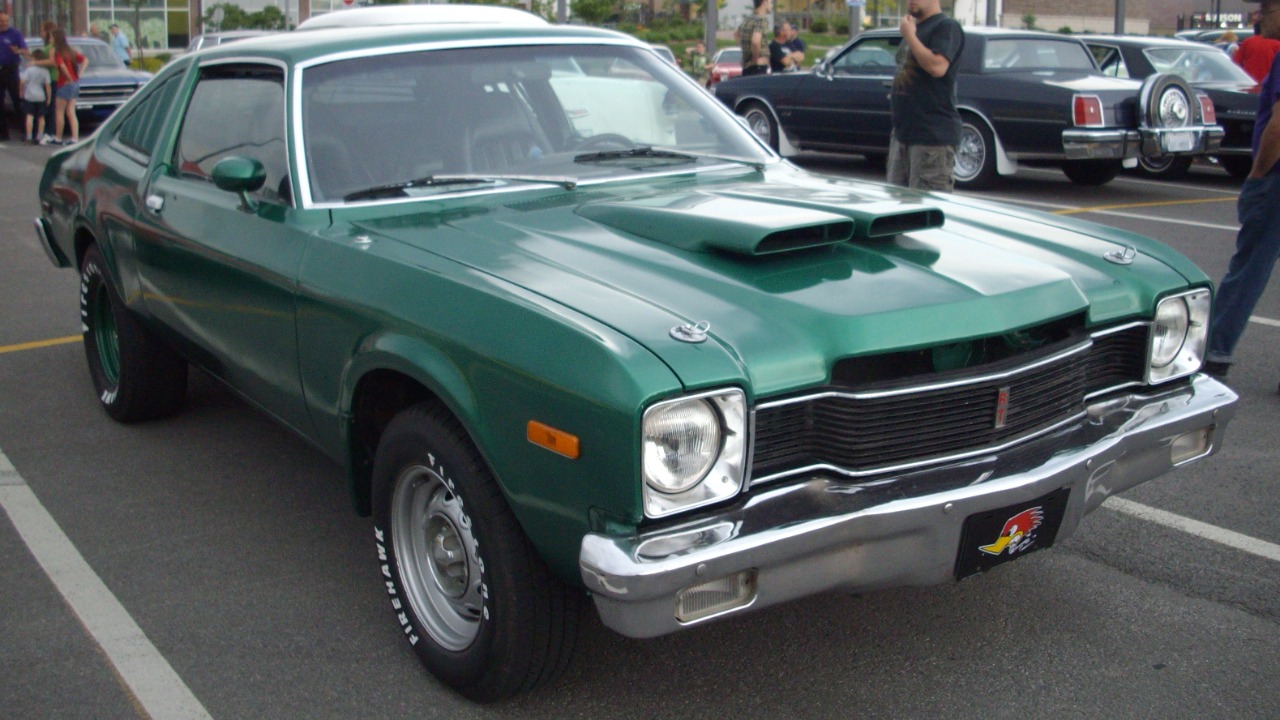
The Dodge Aspen R/T demonstrated how Chrysler adapted muscle branding to smaller platforms during tightening emissions controls. Equipped with available V8 power and firmer suspension tuning, it delivered competent acceleration for its class. Distinctive striping and R/T badging signaled intent even if outright speed lagged behind earlier Mopar legends. Buyers who chose it appreciated its underdog character and everyday usability. Today, enthusiasts defend the Aspen R/T as a rare survivor of experimentation, valuing its uniqueness and the way it carried performance identity forward during one of Detroit’s most uncertain transitions.
Buick Regal Sport Coupe Turbo
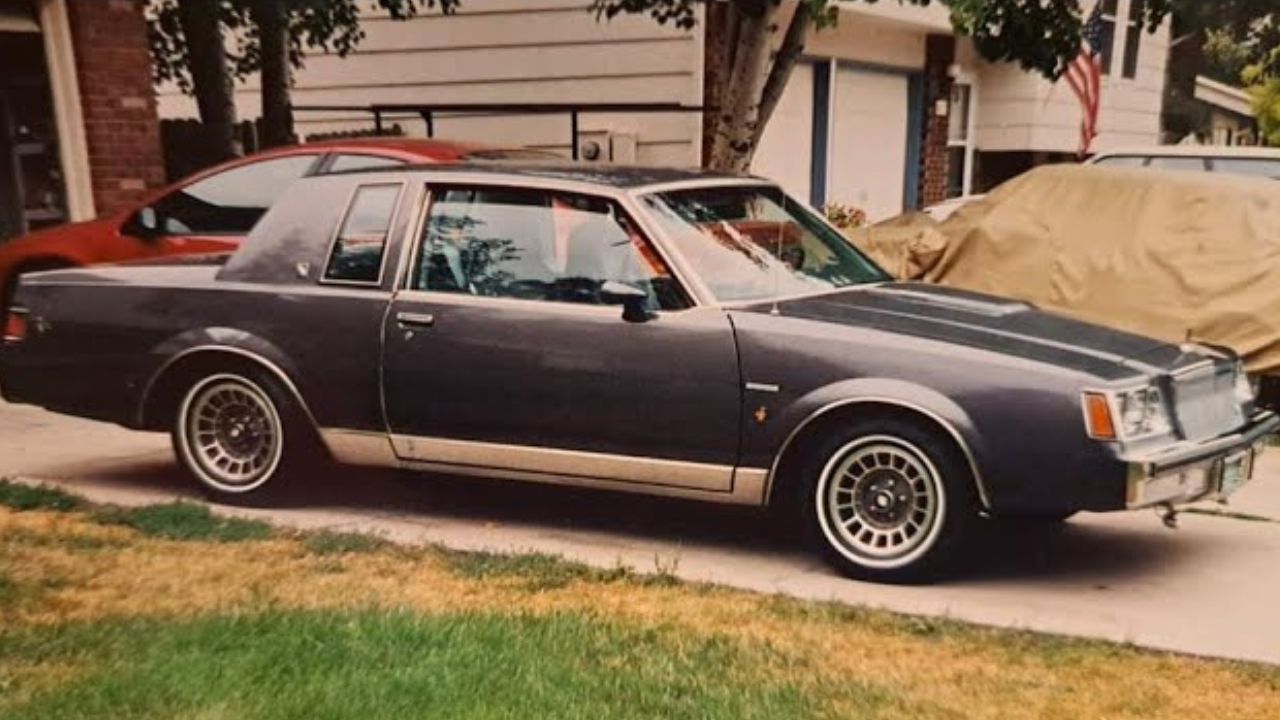
The 1978 Buick Regal Sport Coupe Turbo hinted at a technological pivot that would later redefine American performance. Its turbocharged V6 wasn’t a brute-force solution, but it introduced forced induction as a serious factory strategy during the malaise years. Smooth torque delivery and understated styling appealed to buyers seeking subtle speed. While overshadowed at the time, it laid groundwork for the legendary turbo Buicks of the 1980s. Loyal fans celebrate it as a forward-thinking experiment that proved innovation, not just displacement, would shape the next chapter of domestic performance.
Chevrolet Corvette
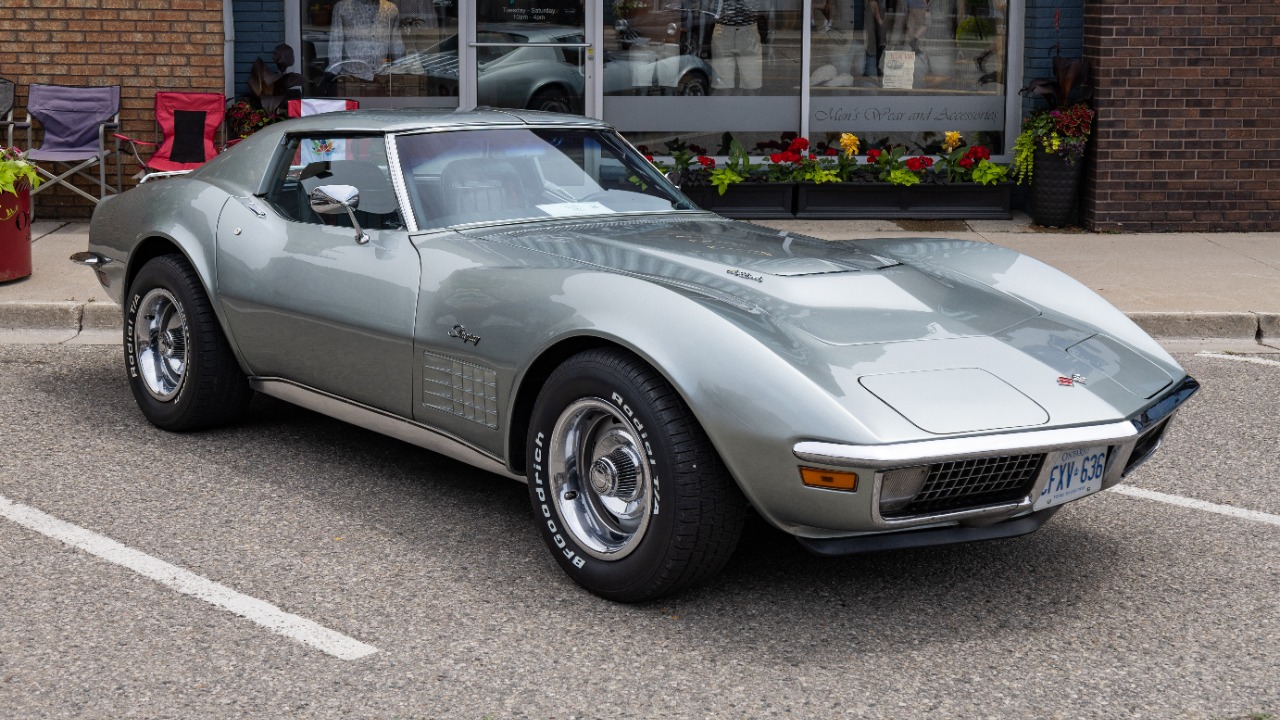
The 1978 Corvette Silver Anniversary edition arrived with dramatic two-tone paint and celebratory badging during a performance lull. Though horsepower was lower than early C3 peaks, its 350 cubic-inch V8 still offered satisfying torque and classic American soundtrack. Refined interiors and improved ride comfort broadened its appeal. Buyers saw it as attainable sports car glamour in uncertain times. Today, enthusiasts defend it as a stylistic high point of the C3 era, arguing that it maintained Corvette prestige and visibility when many competitors struggled to remain relevant in a shifting marketplace.
Pontiac Can Am
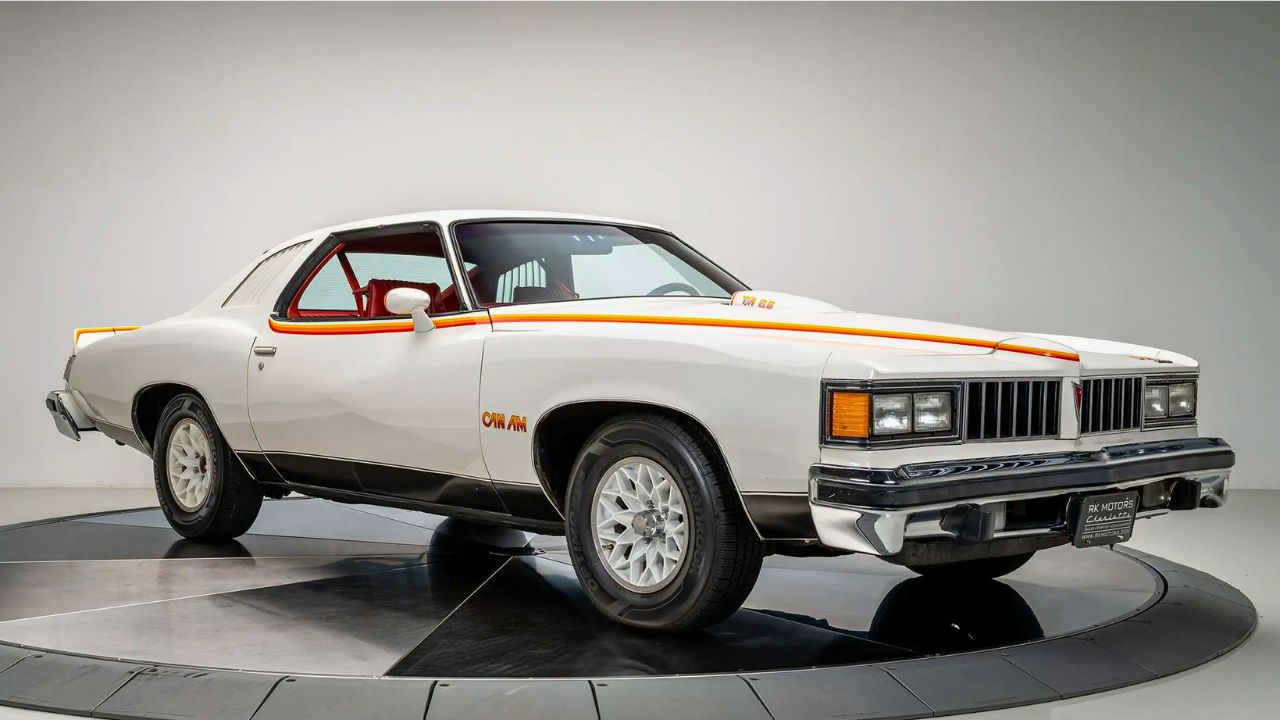
The 1977 Pontiac Can Am combined midsize practicality with surprising V8 performance, creating a short-lived but memorable package. Based on the LeMans Sport Coupe, it featured bold rear spoilers, striping, and available 400 cubic-inch power. Production issues limited output, increasing its rarity and mystique. Drivers appreciated its comfortable ride paired with genuine straight-line strength. Modern fans champion the Can Am as a hidden gem, arguing it captured late-1970s creativity and proved Pontiac was still willing to push boundaries despite tightening regulations and uncertain corporate direction.
AMC AMX
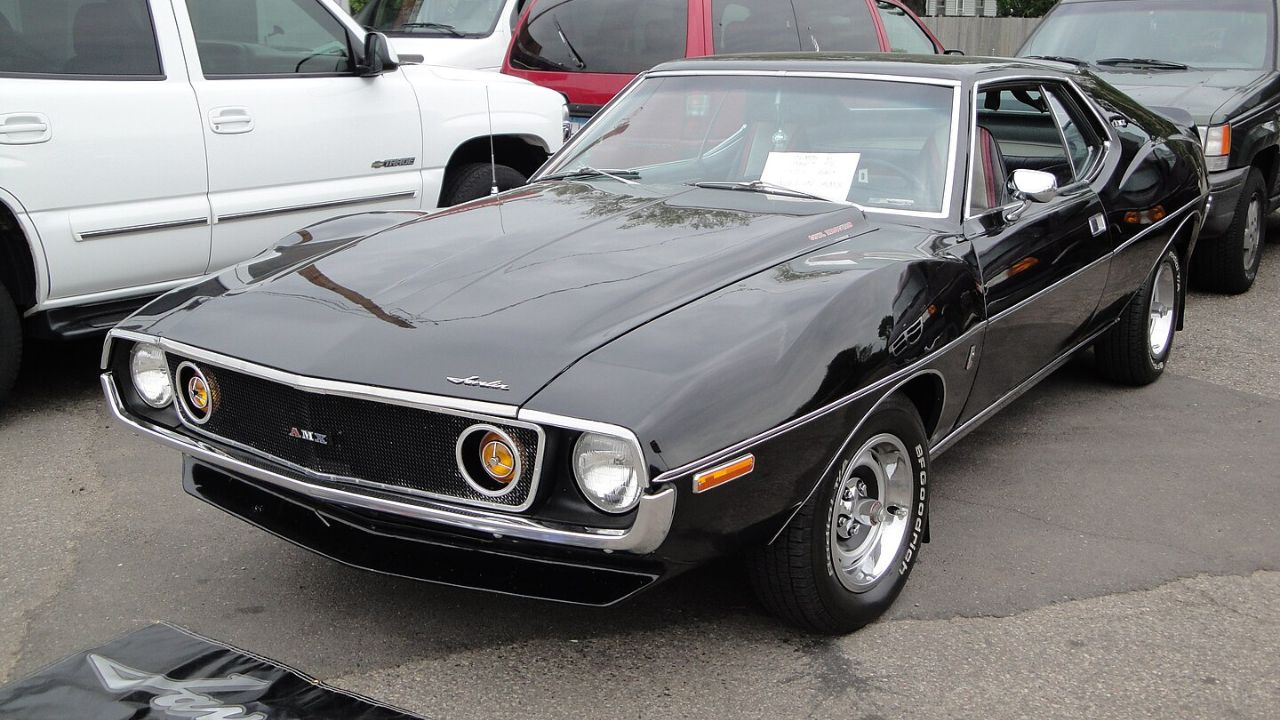
The AMC AMX revived a historic performance badge during a period when independent manufacturers faced enormous pressure. Built on the Hornet platform, it offered V8 availability, sport suspension, and distinctive striping that reinforced its identity. Though AMC lacked Detroit’s resources, the AMX provided honest performance and individuality. Buyers who chose it often valued standing apart from mainstream muscle offerings. Today, loyal supporters defend the late-1970s AMX as proof that passion survived even in smaller companies, preserving the rebellious spirit that defined American performance long before the malaise era began.
More from Fast Lane Only